
Breaking · Flights & Access
Britain's Flight Control System Just Failed Twice in 13 Days, Here's What That Actually Means If You're Flying This Autumn
A Prestwick network fault cut UK airspace capacity 60% on 21 September, thirteen days after a software defect grounded 2,000+ flights nationwide.
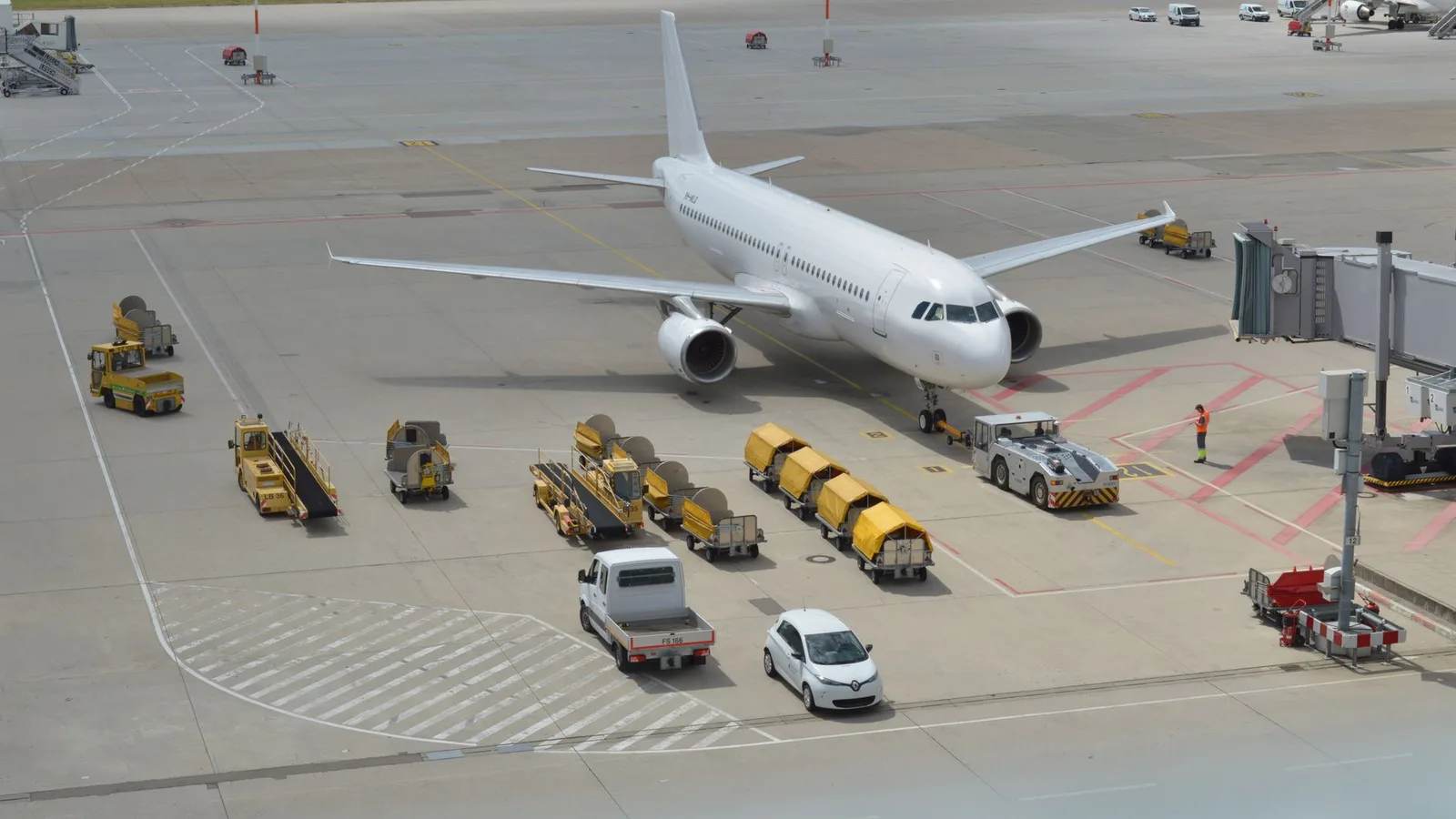
At a glance
- Published
- TopicFlights & Access
- Verified againstTravel And Tour World
- Treks coveredEverest Base Camp Trek — 14 Days
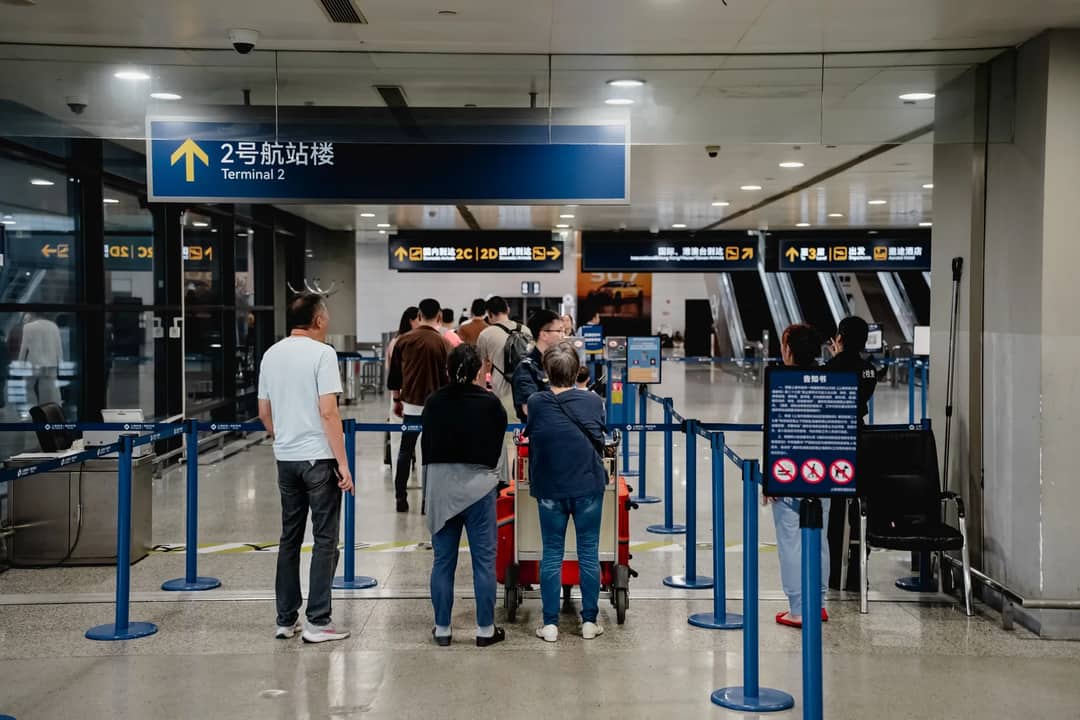
NATS, the company that runs UK air traffic control, suffered its second major system failure in thirteen days on 21 September 2026, when a network fault at its Prestwick centre cut UK airspace capacity by 60 percent and disrupted more than 25,000 Ryanair passengers alone. If you are flying to, from or through the UK this autumn — including on a route connecting to a Nepal trek — you are not entitled to compensation for either failure, because air traffic control faults count as “extraordinary circumstances” under UK261. Airlines still owe you care while you wait: meals, communication, and a hotel with transfers if you are stranded overnight.
Key facts
- 8 September 2026: a one-millisecond software defect in NATS’s flight-processing system cancelled, delayed or diverted more than 2,000 flights
- 21 September 2026: an unrelated network fault at NATS’s Prestwick centre cut UK airspace capacity by 60%
- The CAA had confirmed all 34 recommendations from the August 2023 NATS failure complete just three months earlier, in June 2026
- Both faults are classed as extraordinary circumstances — no fixed UK261 compensation, but airlines must still provide meals, hotels and rebooking
What actually broke at NATS on 8 and 21 September
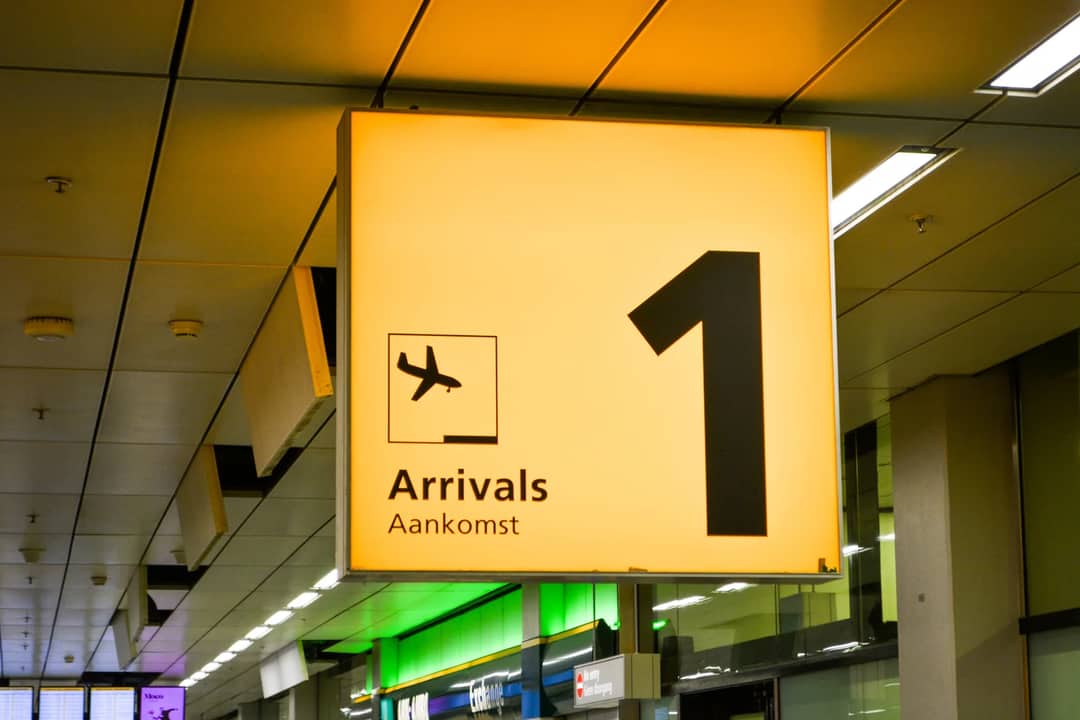
Two separate, unrelated faults hit Britain’s single air navigation provider in less than a fortnight. On 8 September, NATS says a manual request for an aircraft identification “squawk” code overlapped with a higher-priority system process for approximately one millisecond, corrupting data inside the flight-processing system. Airspace flow restrictions ran until roughly 7:30pm that evening, and more than 2,000 flights were cancelled, delayed or diverted across Heathrow, Gatwick, Manchester, Birmingham, Edinburgh, Luton and Bristol, with knock-on aircraft and crew positioning problems lasting days. NATS published its preliminary findings on 18 September.
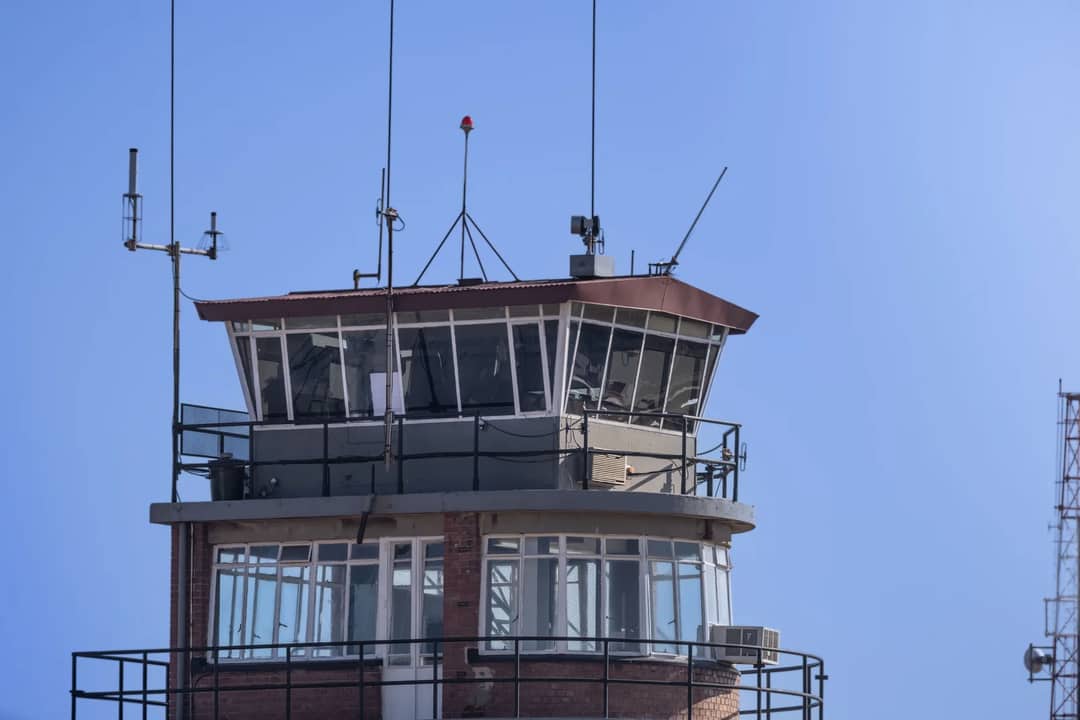
On 21 September, a different and unrelated connectivity issue hit the Flight Data Processing System at NATS’s Prestwick centre in Scotland. This one was geographically concentrated: Scotland, Northern Ireland, northern England and parts of the North Atlantic bore the brunt, while airports south of Manchester were largely unaffected. Edinburgh, Glasgow, Belfast International and Manchester saw the worst disruption, transatlantic routes between northern Europe and the US were restricted, and Ryanair alone reported over 140 delayed flights and more than 25,000 passengers hit. EasyJet and British Airways also cancelled and delayed services.
Why this keeps happening, and what regulators had just signed off
This is the third national-level NATS failure since 2023, and the timing is the part worth knowing. The UK’s Civil Aviation Authority ran an independent review into the August 2023 NATS failure — the one that stranded around 700,000 passengers over a bank holiday weekend — and issued 34 recommendations. The CAA confirmed in June 2026 that every one of those recommendations was either completed or embedded into its ongoing regulatory programme. Thirteen weeks later, NATS failed twice in thirteen days. The UK government has now asked the CAA to run a fresh independent review of the 8 September incident, with findings expected within six months.
A NATS flight-planning fault strands roughly 700,000 passengers over a bank holiday; the CAA opens an independent review.
The CAA confirms all 34 recommendations from the 2023 review are complete or embedded in its regulatory work.
A squawk-code processing fault cancels, delays or diverts over 2,000 flights nationwide.
An unrelated network fault cuts UK airspace capacity 60%, hitting Scotland, Northern Ireland and the North Atlantic hardest.
Are you owed compensation for either failure
No, not the fixed cash payout most flyers expect. The UK Civil Aviation Authority explicitly lists air traffic control disruption alongside severe weather and security incidents as an “extraordinary circumstance” under UK261 — the rule that normally forces an airline to pay a set amount for a cancelled or badly delayed flight. When the cause is outside the airline’s control, that fixed payment does not apply, and the CAA says passengers “are unlikely to be entitled to compensation” for delays or cancellations directly caused by either NATS incident.
| Situation | What you get |
|---|---|
| Fixed cash compensation | Not owed — extraordinary circumstances |
| Meals and refreshments during a qualifying delay | Still owed, regardless of cause |
| Communication (calls, emails) | Still owed |
| Hotel and transfers for an overnight delay | Still owed |
| Rerouting or a full refund if cancelled | Still owed, your choice |
What this means if you're connecting through the UK to Nepal this autumn
What this means for you
Most Everest and Annapurna trekkers flying from the US, Canada or continental Europe route through a UK or Gulf hub before Kathmandu. A NATS-triggered delay in London or Manchester will not cost you compensation, but it can cost you your onward connection and your first acclimatisation day on the trail. Build in at least one buffer night before your international connecting flight this autumn rather than a same-day transfer, keep your airline’s app open for gate changes, and confirm your operator’s policy on a missed first trekking day — ours allows a group to absorb one late arrival without losing the itinerary.
Frequently asked questions
Is NATS likely to fail again this autumn
Nobody can promise it won’t. Two unrelated systems failed in thirteen days after a full slate of post-2023 fixes was signed off, which is why the government has ordered a fresh independent review rather than accepting NATS’s own preliminary report as the last word.
Does travel insurance cover a NATS-caused delay
Most standard travel insurance policies cover reasonable extra expenses for a significant delay regardless of cause, which is separate from UK261 and not affected by the “extraordinary circumstances” classification — check your own policy’s delay-trigger threshold, typically 12 hours.
Which UK airports were affected
8 September hit Heathrow, Gatwick, Manchester, Birmingham, Edinburgh, Luton and Bristol nationwide. 21 September was concentrated on Scotland, Northern Ireland and northern England — Edinburgh, Glasgow, Belfast International and Manchester — with airports south of Manchester largely unaffected.
Cover photo: Quynh Tran via Pexels (Pexels License). Section photos: Holiday Extras via Pexels (Pexels licence); Magda Ehlers via Pexels (Pexels licence); Martijn Stoof via Pexels (Pexels licence); dongfang xiaowu via Pexels (Pexels licence); Harm Jakob Tolsma via Pexels (Pexels licence).
Still running this season
Everest Base Camp Trek — 14 Days is running normally
NMA-certified local guides, transparent pricing, 5,000+ treks since 1998. Message us your dates and we'll sort the permits, lodges and logistics — reply within 24 hours, no obligation.

Popular Nepal treks
All treks →







Related coverage

Flights & Access
Nepal Airlines Is Flying to Tokyo Four Times a Week This Autumn, and the Timing Is No Accident
The national carrier adds a fourth weekly Kathmandu-Narita rotation from 18 September, wide-body A330 and all, timed squarely at the Dashain-Tihar homecoming rush and the autumn trekking peak that follows it.

Festivals & Events
Dashain 2027 tika is Saturday 9 October, twelve days earlier than this year
Dashain 2027 runs 30 September to 14 October, tika on Saturday the 9th. Bhai Tika is 31 October. Why the early date matters for an autumn trek.

Trail & Weather
Nepal trekking news that actually changes your trip, updated for autumn 2026
The permit rules, fines, airfares, flight routes and road closures that changed for Nepal trekkers in 2026, and what to act on before you book.
Flights & Access
The Northeast flight meltdown snarled thousands of flights, and here is what your airline really owes you
Air traffic control failures are rarely something airlines pay for. Here is what US and UK rules give you after Monday’s ground stops.
Latest from the desk

Visas & Entry
Thailand visa-free stays just changed, and what it means for American travellers
Since 15 September, Americans get 30 days visa-free instead of 60, and every visitor must file a free digital arrival card in the three days before landing.

Money & Insurance
Australia's Card Surcharge Ban Sounds Like Free Money, Here's the Catch Starting October 1
From 1 October, Australian businesses can't add a card surcharge, but the same reform is why Qantas and others plan to raise base fares instead.

World Destinations
Before you book a New England leaf-peeping trip, look at what happened to Maine
Maine went from 12% to 100% in drought in seven weeks while southern New England got wetter. What that means for this year’s color, and how to time a trip.