
What airlines actually owe you when air traffic control fails, in the US, UK and EU
Usually no cash payout, because ATC failures count as extraordinary. But UK and EU airlines still owe meals and hotels, and US refund rules still apply.

At a glance
- Published
- TopicFlights & Access
- Verified againstUK Civil Aviation Authority; European Commission; US Department of Transportation
- Treks coveredAnnapurna Base Camp Trek — 9 Days, Everest Base Camp Trek — 12 Days
When air traffic control fails, airlines almost never owe you cash compensation, because an ATC failure is exactly the kind of “extraordinary circumstance” the rules exempt. That is where most people stop reading, and it is a mistake. In the UK and EU the airline must still feed you and put you in a hotel if you are stuck overnight, whatever caused the delay; in the US, the rule that forces an automatic cash refund when a flight is cancelled or badly delayed applies no matter whose fault it was. On 21 September both systems were tested at once: a cut fibre line took down the FAA’s Philadelphia approach facility and ground-stopped five Northeast airports for hours, while a fresh fault at the UK’s Prestwick control centre delayed flights to Scotland, northern England and Northern Ireland — two weeks after a NATS failure on 8 September cancelled more than a thousand flights.
Key facts
- ATC failures are treated as extraordinary circumstances: usually no cash compensation.
- UK and EU airlines still owe food, drink and a hotel “regardless of the reason for the delay”.
- US airlines owe an automatic cash refund if your flight is cancelled or delayed 3+ hours domestically and you don’t fly.
- The US plan to make airlines pay cash for delays was withdrawn in November 2025.
The short answer, country by country
The cause decides the cash; the delay decides the care. This is how the three regimes treat a disruption caused by an air traffic control failure.
| What you get | United States | United Kingdom | European Union |
|---|---|---|---|
| Cash compensation | No federal right at all | Usually not — extraordinary | Usually not — extraordinary |
| Meals and hotel | At the airline’s discretion | Yes, whatever the cause | Yes, whatever the cause |
| Refund if you don’t fly | Yes, automatic, after 3h+ domestic / 6h+ international | Yes, after a 5-hour delay | Yes, after a 5-hour delay |
Why there is usually no cash payout
Because the airline did not cause it and could not have prevented it. The EU’s own passenger-rights guidance names “air traffic management decisions” among its examples of extraordinary circumstances, alongside severe weather, political instability and security risks. The UK kept the same regime after Brexit.
But the exemption is narrower than airlines like to suggest, and this is the trap. To refuse compensation, the airline has to prove two things: that the extraordinary event actually caused your delay, and that it could not have been avoided even with every reasonable measure. A flight that was already running two hours late for a crew problem before the ATC failure is not automatically excused by it. If an airline blames air traffic control, ask for the reason in writing — the burden of proof is theirs, not yours.
That burden is about to get heavier in Europe. The reform of EU261 agreed on 15 June 2026 keeps the three-hour threshold and the existing amounts, but requires airlines to tell passengers about their rights within 96 hours and sets out the extraordinary circumstances as a list. It still has to be formally adopted, and applies 12 months after publication — so the current rules are the ones that matter this autumn.
What UK and EU airlines still owe you
Care, even when they owe you nothing else. The UK Civil Aviation Authority is explicit that the airline must provide it “regardless of the reason for the delay”, once the delay reaches a threshold set by distance.

| Flight distance | Care starts after a delay of |
|---|---|
| Under 1,500 km | 2 hours |
| 1,500–3,500 km | 3 hours |
| Over 3,500 km | 4 hours |
Once that point is reached, the airline must provide food and drink for the length of the wait, two phone calls or emails, and — if you are delayed overnight — a hotel and transport between the airport and the hotel.
If the delay reaches five hours you can choose not to travel and take a refund for the flights you have not used. And if the airline cannot prove extraordinary circumstances — the knock-on case above — the normal compensation applies for arriving more than three hours late: £220, £350 or up to £520 in the UK depending on distance, and €250, €400 or €600 under EU261. Our full breakdown of those amounts is in the compensation you’re owed when a flight is delayed.
What US airlines owe you
A refund, not compensation — and meals or a hotel only if the airline chooses. The United States has no federal rule requiring airlines to pay cash for a delay. A proposal to create one, which floated payments of $200 to $300 for domestic delays of three hours or more, was formally withdrawn by the Department of Transportation on 17 November 2025.

The airlines’ published commitments on meals, hotels and rebooking, tracked on the DOT’s customer service dashboard, cover disruptions within the airline’s control. An air traffic control outage is not one of them, so any voucher you are offered is goodwill, not an obligation.
What does apply regardless of cause is the automatic refund rule. If your flight is cancelled, or significantly changed — a delay of three hours or more domestically, six or more internationally — and you choose not to travel, the airline must refund you in cash or to your original payment method, within seven business days for a card purchase and 20 days otherwise. One narrow exception has applied since December 2025: the DOT is not enforcing the refund where an airline merely renumbers a flight and rebooks you on it without a significant change.
What to do while you are stuck
Get the cause in writing, keep every receipt, and decide early whether you want to fly or be refunded. In practice:
- Ask the airline to state the reason for the delay or cancellation in writing or in the app.
- In the UK or EU, ask for meal vouchers and, overnight, a hotel. Keep receipts for anything you end up buying yourself, and ask the airline to reimburse it.
- In the US, if you do not want the rebooking, ask for the refund rather than a travel credit.
- Check your travel insurance for its delay cover and the minimum number of hours before it pays — our guide to trip delay and missed-connection cover explains how those clauses work.
What this means for you
Don’t walk away because the answer to “will I get compensation?” is no. In the UK and EU the care is owed whatever caused the delay, and in the US the refund is. And if an airline blames air traffic control for a delay that started before the failure did, push back — proving the excuse is their job.
Do airlines pay compensation when air traffic control fails?
Usually not. In the UK and EU, air traffic control problems are treated as extraordinary circumstances, which exempt the airline from cash compensation. The US has no federal delay-compensation rule at all.
Do I still get food and a hotel if the delay was caused by air traffic control?
In the UK and EU, yes. The UK Civil Aviation Authority says the duty of care applies regardless of the reason for the delay. In the US it is at the airline’s discretion when the cause is outside its control.
Can I get a refund if my flight was cancelled because of an ATC outage?
Yes. In the US the automatic refund rule applies whatever the cause if you choose not to travel. In the UK and EU you can take a refund once a delay reaches five hours, or if the flight is cancelled.
Did the US ever require airlines to compensate for delays?
No. The Department of Transportation proposed it in 2024 but formally withdrew the plan on 17 November 2025.
Sources: UK Civil Aviation Authority, flight delays guidance; European Commission, Your Europe air passenger rights and the 15 June 2026 agreement on revised rules; US Department of Transportation refunds guidance and customer service dashboard; Federal Register, withdrawal of the airline passenger rights proposal, 17 November 2025. Event details from CNN, NBC News, Al Jazeera and AeroTime. General information, not legal advice.
Cover photo: Kenneth Surillo via Pexels (Pexels License). Section photos: Atlantic Ambience via Pexels (Pexels licence); Magda Ehlers via Pexels (Pexels licence); Kash Click via Pexels (Pexels licence); YIMING TANG via Pexels (Pexels licence); Rangoni Gianluca via Pexels (Pexels licence). Section photos: Keegan Checks via Pexels (Pexels licence); Magda Ehlers via Pexels (Pexels licence); Kash Click via Pexels (Pexels licence); YIMING TANG via Pexels (Pexels licence); Gustavo Fring via Pexels (Pexels licence). Section photos: Salva F. Ayala via Pexels (Pexels licence); Magda Ehlers via Pexels (Pexels licence); Kash Click via Pexels (Pexels licence); YIMING TANG via Pexels (Pexels licence); Gustavo Fring via Pexels (Pexels licence).
Still running this season
Annapurna Base Camp Trek — 9 Days is running normally
NMA-certified local guides, transparent pricing, 5,000+ treks since 1998. Message us your dates and we'll sort the permits, lodges and logistics — reply within 24 hours, no obligation.

Popular Nepal treks
All treks →







Related coverage
Flights & Access
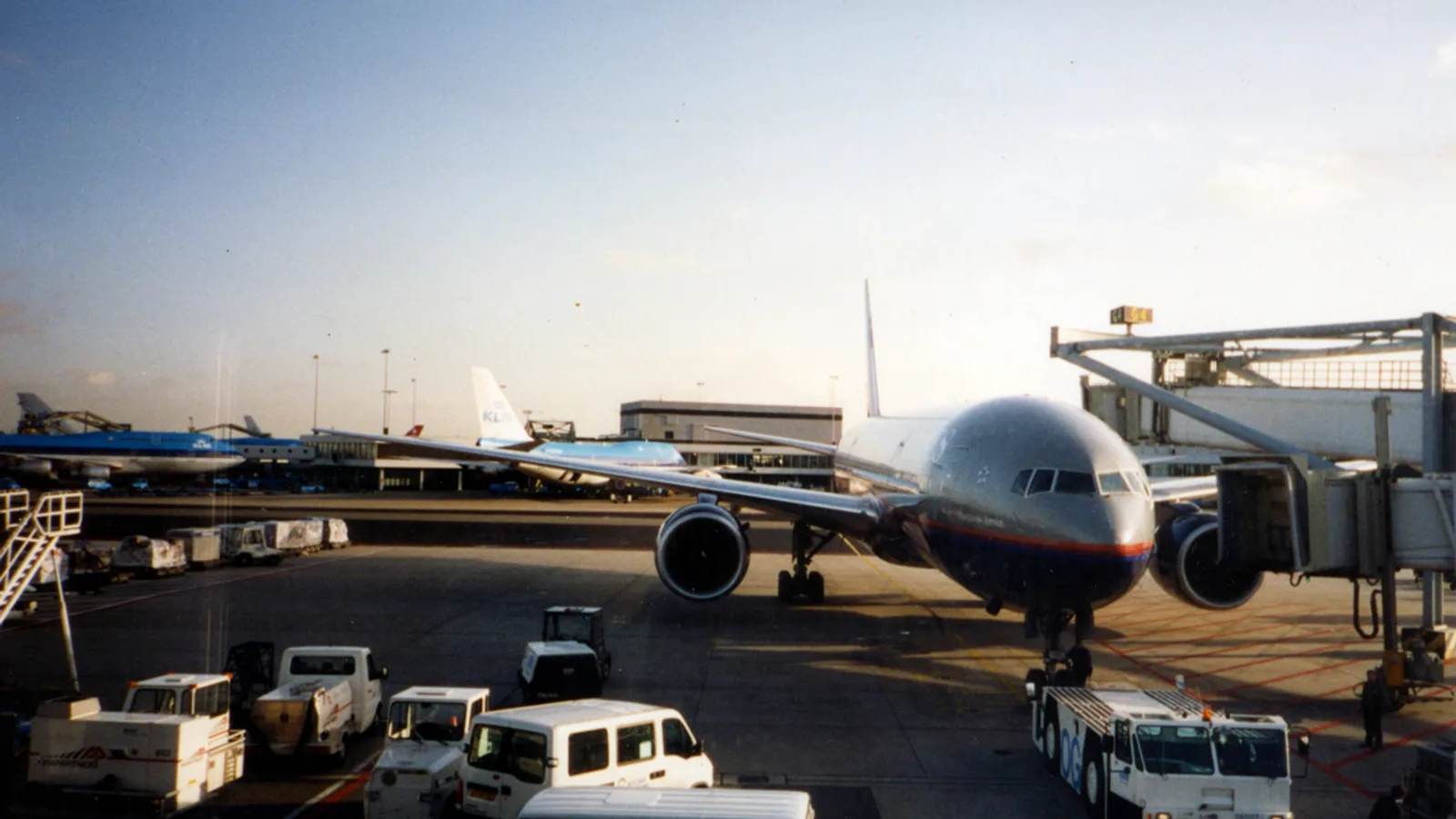
The Northeast flight meltdown snarled thousands of flights, and here is what your airline really owes you
Air traffic control failures are rarely something airlines pay for. Here is what US and UK rules give you after Monday’s ground stops.

World Destinations
Which US national parks are actually the busiest, by the Park Service’s own count
323 million visits in 2025, down on the year before. The busiest place in the system is not a national park at all, and Zion now outdraws Yellowstone.
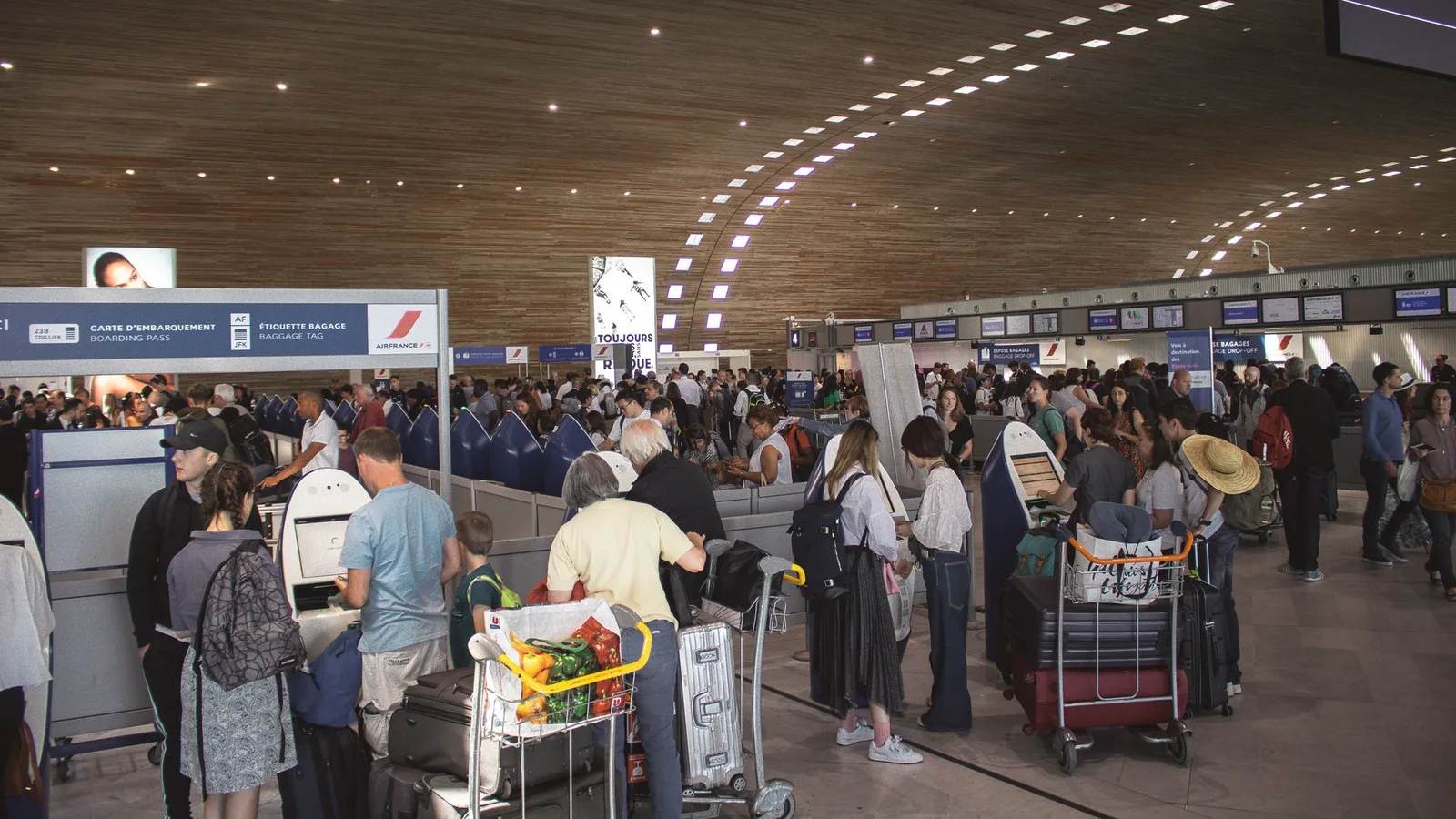
Flights & Access
Which days are quietest at US airport security, by TSA's own daily count
TSA screened 642 million people so far in 2026. Tuesdays ran 519,000 lighter than Thursdays, and Saturday came out as the second-quietest day of the week.
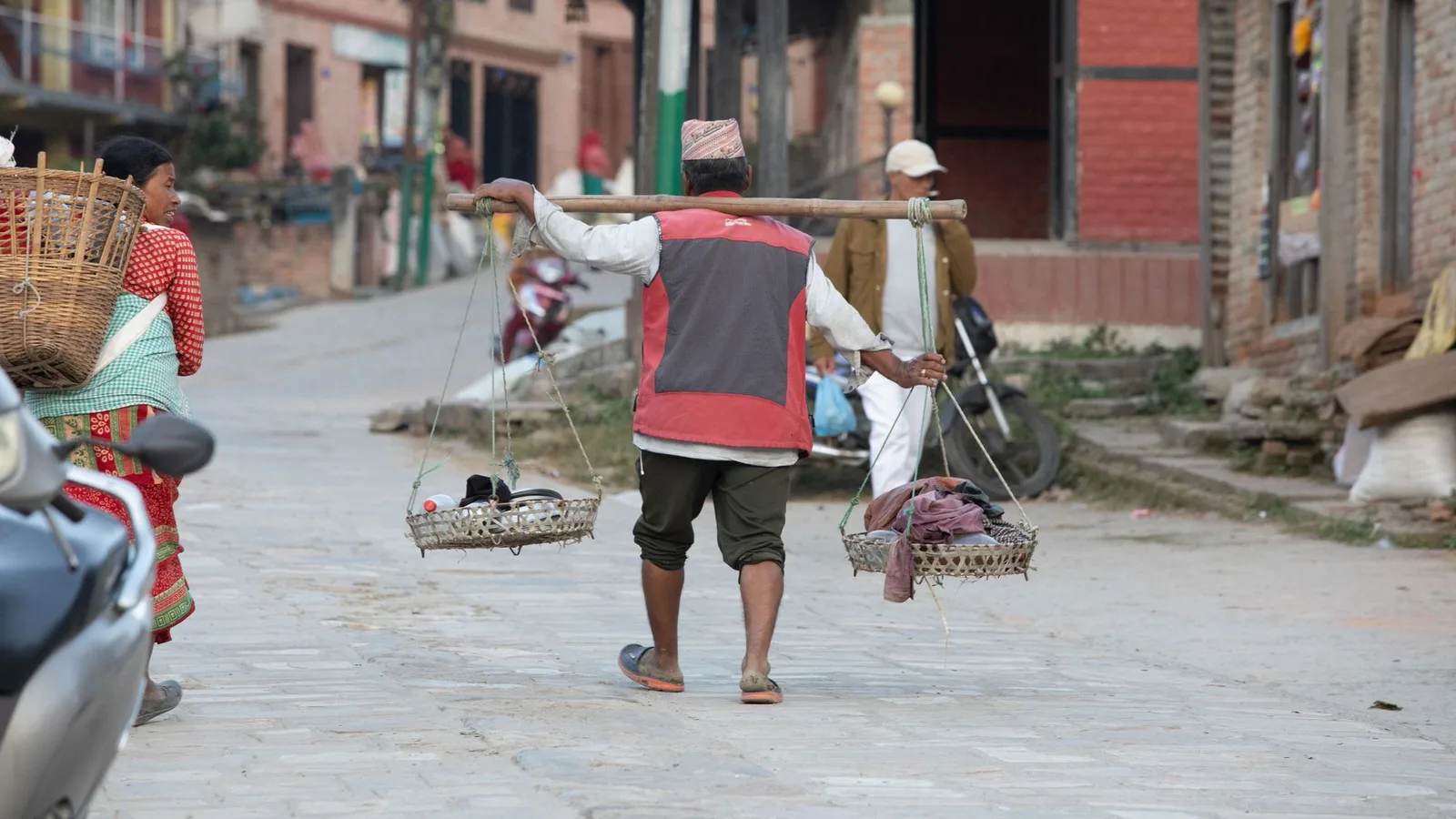
Industry & Tourism
Do you actually need a porter on a Nepal trek, or is a daypack enough?
No porter is required, but a 15 kg Lukla baggage limit and a TAAN wage floor of NPR 2,400 a day settle most of the decision. Here is when to hire one.
Latest from the desk

Safety & Advisories
Manaslu climbers are racing a storm to the summit, and the forecast is against them
A record 493 permits, two deaths on Sunday, and heavy rain forecast from 24 September. Some teams are climbing, some are waiting, and one has gone home.

Breaking Trail & Weather
Heavy rain is forecast across Nepal from Thursday, and here is what it means for a trek starting this week
Nepal’s weather office expects heavy to very heavy rain from 25 to 27 September. Here is what is known, what is not, and how to protect a trek.

Visas & Entry
Where Americans can travel without a passport, and the catch in each case
Puerto Rico, the US Virgin Islands, Guam and the Northern Marianas need no passport. American Samoa and closed-loop cruises accept a birth certificate.