
Breaking · Trail & Weather
Heavy rain is forecast across Nepal from Thursday, and here is what it means for a trek starting this week
Nepal’s weather office expects heavy to very heavy rain from 25 to 27 September. Here is what is known, what is not, and how to protect a trek.
At a glance
- Published
- TopicTrail & Weather
- Verified againstKathmandu Post; Meteorological Forecasting Division (via Nepal News); OnlineKhabar; Nepali Times
- Treks coveredEverest Base Camp Trek — 12 Days
Key facts
- Nepal’s Meteorological Forecasting Division expects heavy to very heavy rain in Gandaki and Lumbini provinces from 25 to 27 September, with extremely heavy rain possible at one or two locations
- A low-pressure system over the Bay of Bengal is expected to strengthen and move west-northwest, with rain increasing from 23 September in eastern and central provinces
- The division warns of floods, landslides, debris flows and disruption to road and air transport
- It is too early to determine the level of risk, and systems like this can weaken before they reach Nepal
Nepal’s weather office expects heavy to very heavy rain from Thursday 24 September to Monday 28 September, with the sharpest risk in Gandaki and Lumbini provinces on 25 to 27 September. If you are due to start a trek in those provinces this week, the honest advice is to move your start date by three or four days.
The forecast is not a certainty, and it lands on a country still recovering from the 26 August Bhote Koshi flood.
The weather office expects heavy to very heavy rain in Gandaki and Lumbini from 25 to 27 September
The Meteorological Forecasting Division of the Department of Hydrology and Meteorology forecasts heavy to very heavy rain in parts of Gandaki and Lumbini provinces from 25 to 27 September, and it is also likely in parts of Madhesh, Koshi, Bagmati and Sudurpaschim. Some parts of Karnali may see heavy rain.
The trigger is a low-pressure system over the central Bay of Bengal, expected to intensify and move west-northwest. The division warned of thunderstorms, lightning and gusty winds on top of the rain.
| Province | Forecast | Treks in the area |
|---|---|---|
| Gandaki | Heavy to very heavy, extremely heavy at 1 or 2 places | Annapurna, Manaslu, Mustang |
| Lumbini | Heavy to very heavy | Dhaulagiri foothills, Terai |
| Koshi, Bagmati, Madhesh, Sudurpaschim | Heavy to very heavy likely in parts | Everest, Langtang, Helambu, Far West |
| Karnali | Heavy in some areas | Rara, Dolpo |
Nobody knows yet how hard it will hit, because systems like this can weaken before they arrive
The weather office itself says it is too early to determine the level of risk, so treat the numbers as a warning, not a prediction. OnlineKhabar reports the system could become 2026’s first North Indian Ocean cyclone, which would be named Arnab, with landfall projected near the Odisha and northern Andhra Pradesh coasts, so Nepal would get its outer effects.
Some independent models show 400 to 741 mm over the window, and meteorologist Ujjwal Upadhyay flagged 26 September as the riskiest day. He recommended postponing long-distance travel on 24 to 26 September, except in Sudurpaschim. Those figures come from models, not from the official forecast, and the official one is more cautious.
Do not start a Gandaki trek on 25 to 27 September, and expect road and flight disruption elsewhere
A trek that begins in Gandaki on 25 to 27 September puts you on landslide-prone roads and steep trails in the wettest forecast zone, and there is no upside to that gamble when a start three or four days later costs little. Trailhead drives are usually the first thing to fail, well before the trail itself.
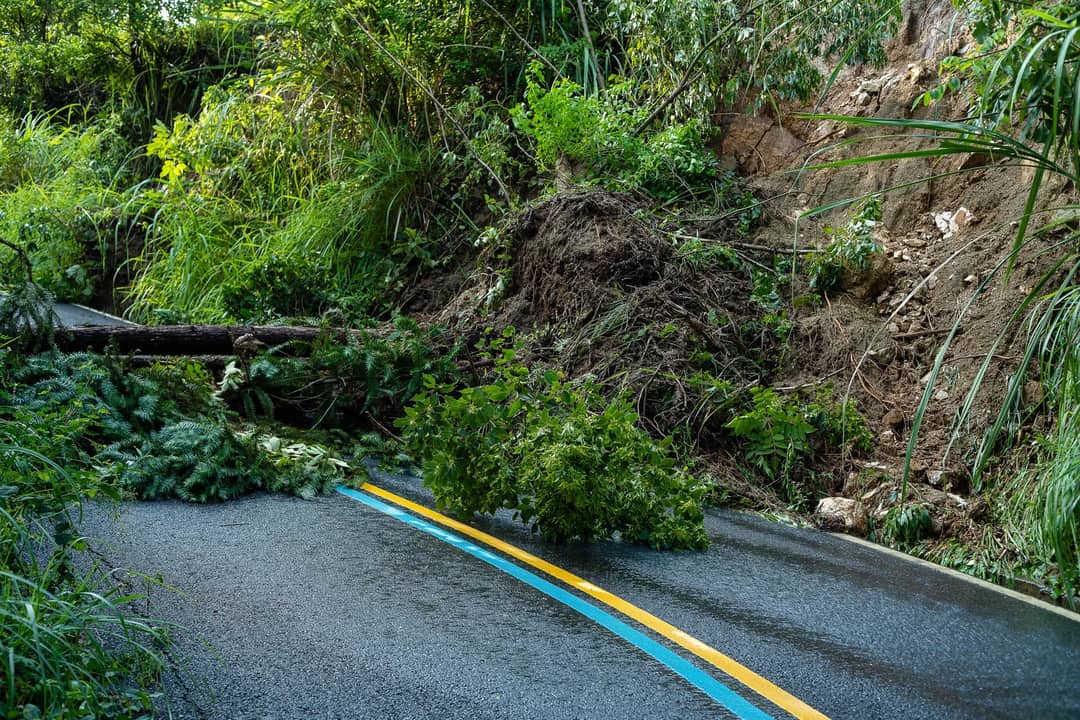
Flights are the second. From 25 September, Lukla flights leave from Manthali in Ramechhap, and low cloud can ground any mountain flight, so allow extra days at both ends. The division itself flagged disruption to road and air transport.
The places to watch most closely are the Bhote Koshi and Trisuli valleys, hit by the 26 August flood. Nepali Times reports that hydrologists warn even moderate rain could destabilise slopes already weakened and push fresh sediment from last month’s flood, and officials may pause rescue work during the heaviest spells.
Higher up, the same system is already dropping snow. On Manaslu, more than 1,000 climbers and staff have faced heavy snow, some teams have retreated to lower camps, and Nepali Times counts four deaths this season. Our report on the Camp III avalanche has the detail, and a second summit window is being eyed after 28 September.
What to do if you are booked or already on the trail
If you are booked to start between 24 and 28 September, ask your operator now whether the departure can shift by a few days, and if you are already on the trail, stay at your current lodge rather than push through a forecast peak. Crossing a swollen side stream or a fresh landslide is where trekkers are hurt.
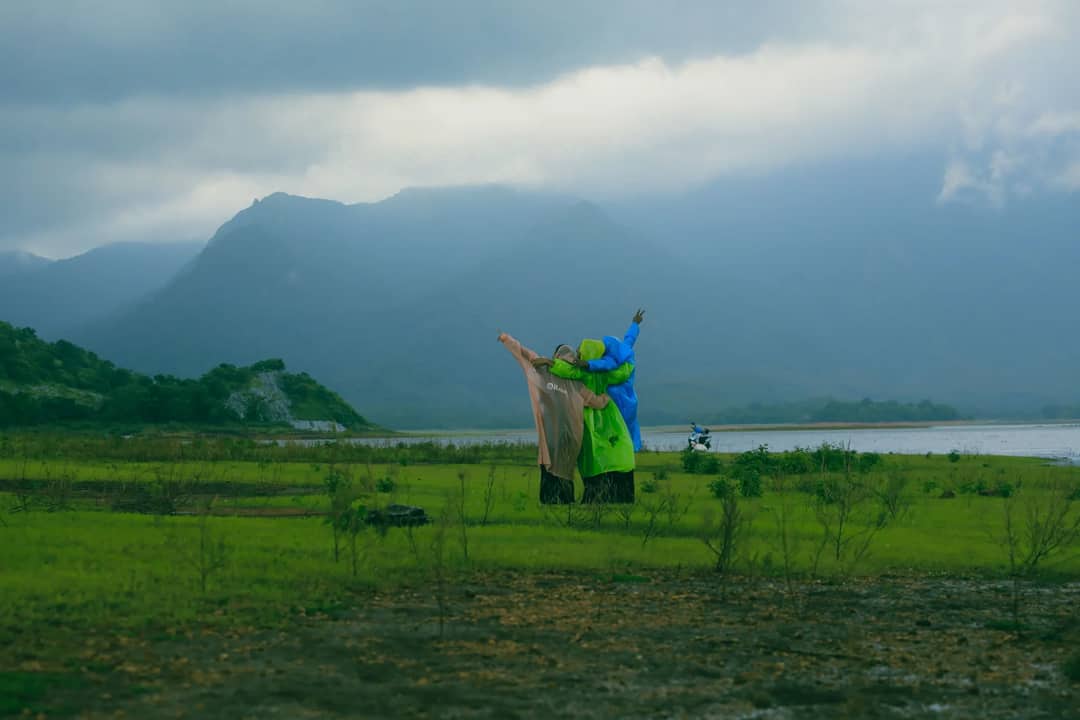
Insurance deserves a read too. A policy bought after a storm is forecast or named is often treated as covering a known event, so check the wording on weather delays and itinerary changes before you rely on it.
| Your situation | Our advice |
|---|---|
| Starting in Gandaki on 25 to 27 Sep | Move the start by 3 to 4 days |
| Starting elsewhere, 24 to 28 Sep | Add buffer days, avoid tight flight connections |
| Already on the trail | Stay put on the worst days, keep to the higher, drier lodges |
| Starting after 29 Sep | Watch the forecast, but expect normal autumn conditions to return |
What this means for you
A forecast this early is a reason to build slack, not to cancel. The monsoon usually withdraws around 2 October, and a trek that starts a few days later is usually a better trek. Starting this week? Message us on WhatsApp and we will look at the dates, or see our 12-day Everest Base Camp trek.
Sources: Kathmandu Post, the Meteorological Forecasting Division via Nepal News, OnlineKhabar and Nepali Times, 20 to 22 September 2026.
Cover photo: Pavel Bondarenko via Pexels (Pexels License). Section photos: Soubhagya Maharana via Pexels (Pexels licence); the raaz photojourney via Pexels (Pexels licence); pradeep rvs via Pexels (Pexels licence); 高 长华 via Pexels (Pexels licence); Renjith Tomy Pkm via Pexels (Pexels licence).
Still running this season
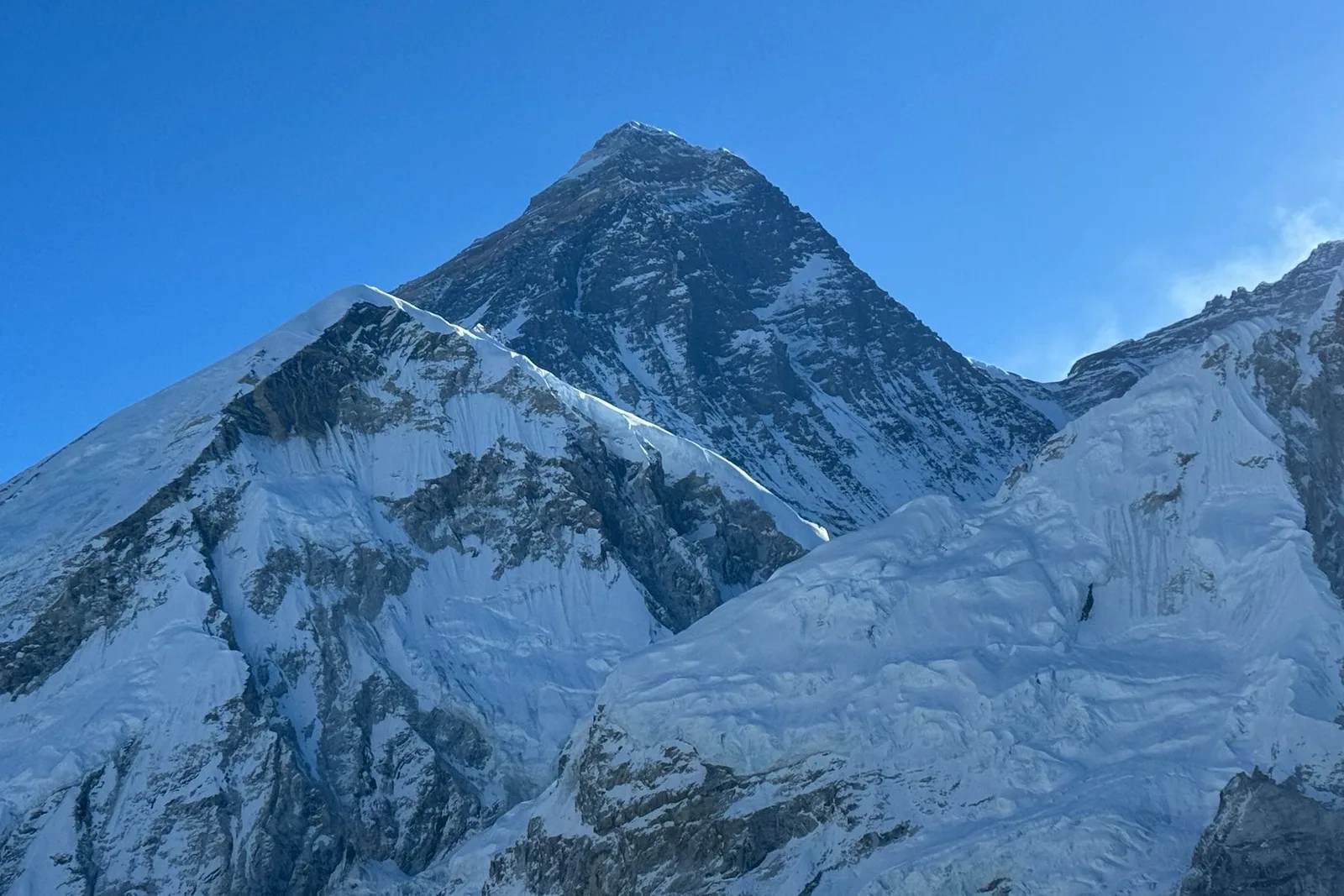
Everest Base Camp Trek — 12 Days is running normally
NMA-certified local guides, transparent pricing, 5,000+ treks since 1998. Message us your dates and we'll sort the permits, lodges and logistics — reply within 24 hours, no obligation.
Popular Nepal treks
All treks →
Related coverage
Safety & Advisories
Manaslu climbers are racing a storm to the summit, and the forecast is against them
A record 493 permits, two deaths on Sunday, and heavy rain forecast from 24 September. Some teams are climbing, some are waiting, and one has gone home.
Trail & Weather
Which Nepal Trek Should a Beginner Actually Do in 2026? Poon Hill vs Mardi Himal vs Langtang, Compared
If you've never trekked above 3,000 metres before, the honest starting point is Poon Hill or Panchase, not Everest Base Camp — here's the real difference in altitude, days and cost.
Industry & Tourism
Do you actually need a porter on a Nepal trek, or is a daypack enough?
No porter is required, but a 15 kg Lukla baggage limit and a TAAN wage floor of NPR 2,400 a day settle most of the decision. Here is when to hire one.
Trail & Weather
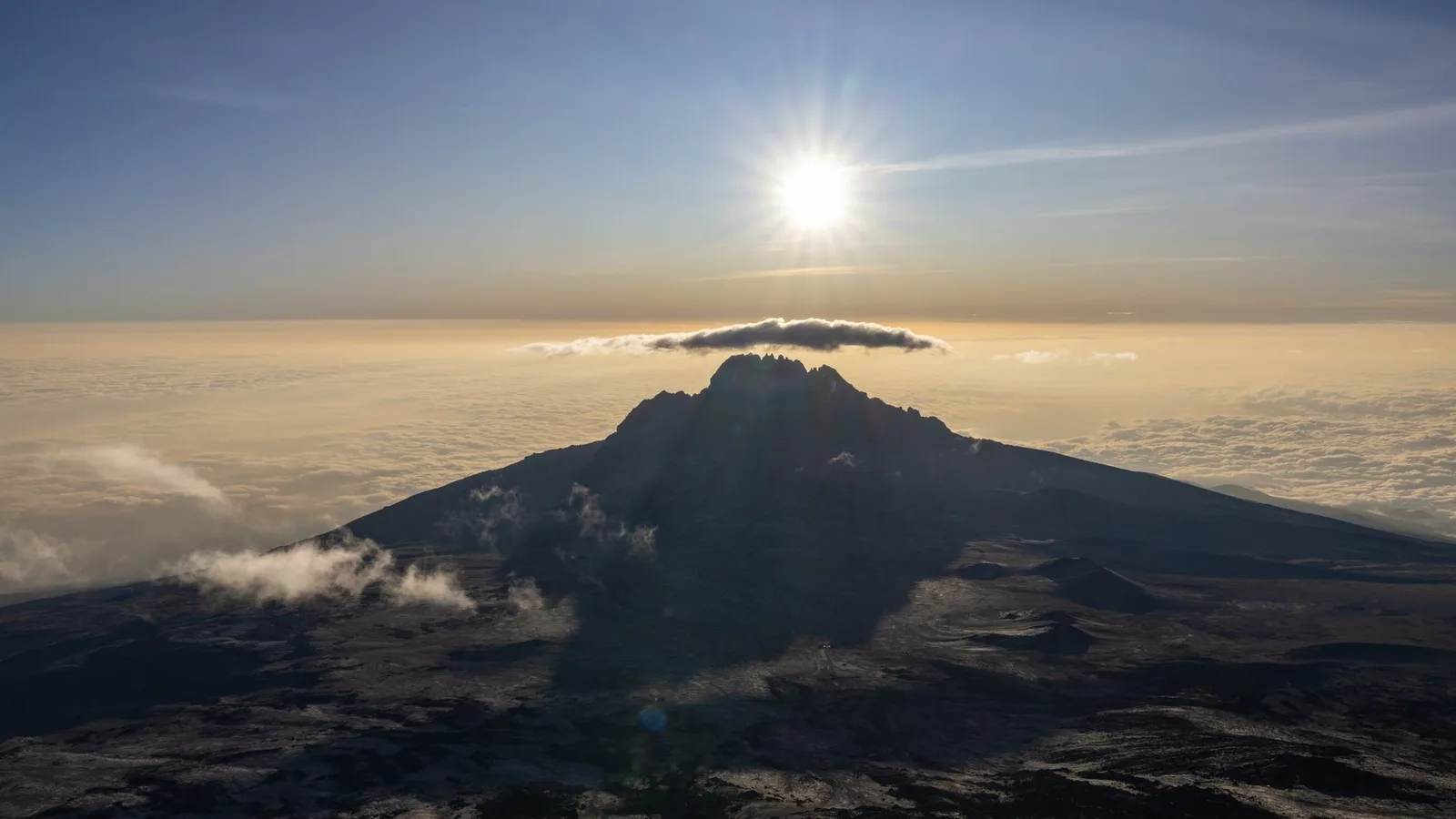
Everest Base Camp or Kilimanjaro: Which Trek Should You Actually Do in 2026?
One is a five-day sprint to 5,895 metres, the other a fourteen-day walk to 5,364 — the honest trade-off between them comes down to acclimatization, not fitness.
Latest from the desk

Flights & Access
What airlines actually owe you when air traffic control fails, in the US, UK and EU
Usually no cash payout, because ATC failures count as extraordinary. But UK and EU airlines still owe meals and hotels, and US refund rules still apply.
Flights & Access
The Northeast flight meltdown snarled thousands of flights, and here is what your airline really owes you
Air traffic control failures are rarely something airlines pay for. Here is what US and UK rules give you after Monday’s ground stops.
Visas & Entry
Where Americans can travel without a passport, and the catch in each case
Puerto Rico, the US Virgin Islands, Guam and the Northern Marianas need no passport. American Samoa and closed-loop cruises accept a birth certificate.