
Do you actually need a porter on a Nepal trek, or is a daypack enough?
No porter is required, but a 15 kg Lukla baggage limit and a TAAN wage floor of NPR 2,400 a day settle most of the decision. Here is when to hire one.
At a glance
- Published
- TopicIndustry & Tourism
- Verified againstThe Kathmandu Post
- Treks coveredAnnapurna Base Camp Trek — 9 Days, Everest Base Camp Trek — 12 Days, Manaslu Circuit Trek — 14 Days
Key facts
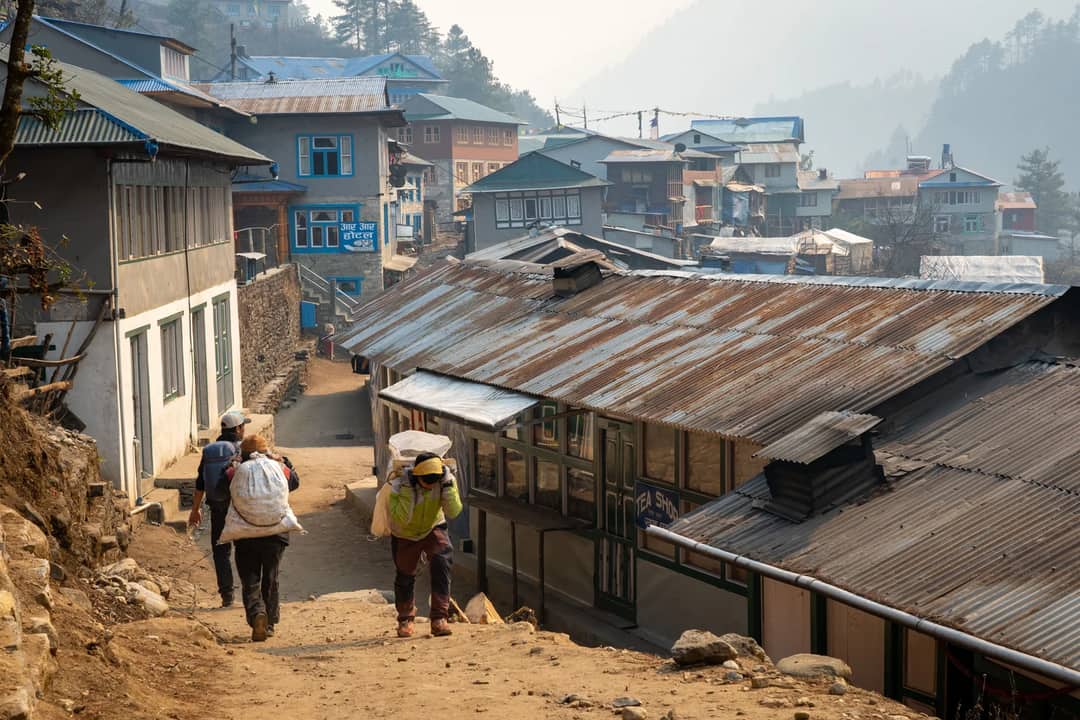
- TAAN’s recommended daily minimum for a porter: NPR 2,400, in force since 17 July 2023
- Recommended load ceiling: 25 kg including the porter’s own gear (KEEP); the IPPG benchmark for Nepal is 30 kg
- Reported real loads on the trail: 40 to 60 kg (Kathmandu Post, December 2025)
- Agencies are responsible for porter insurance, food and lodging on top of the wage
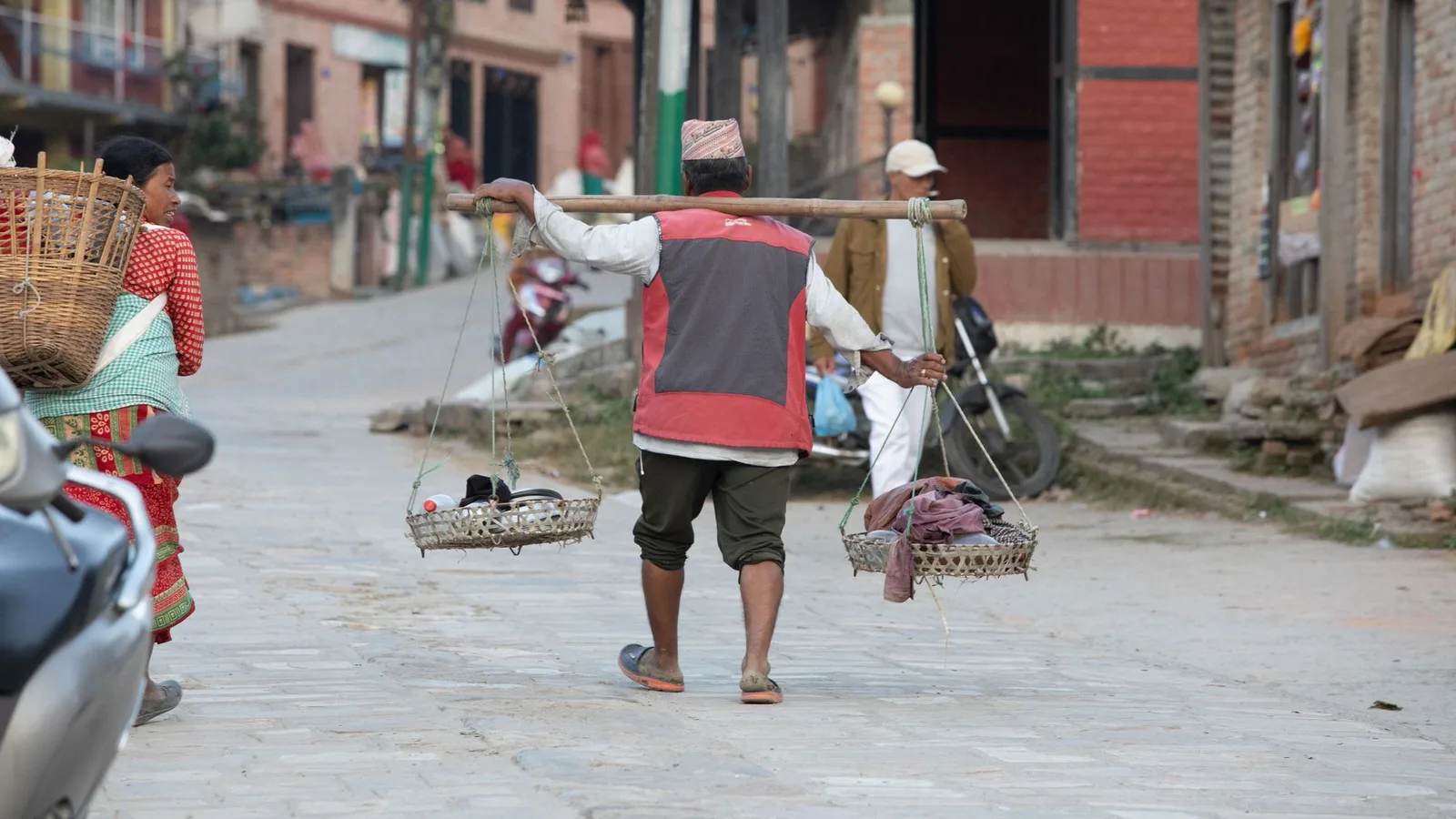
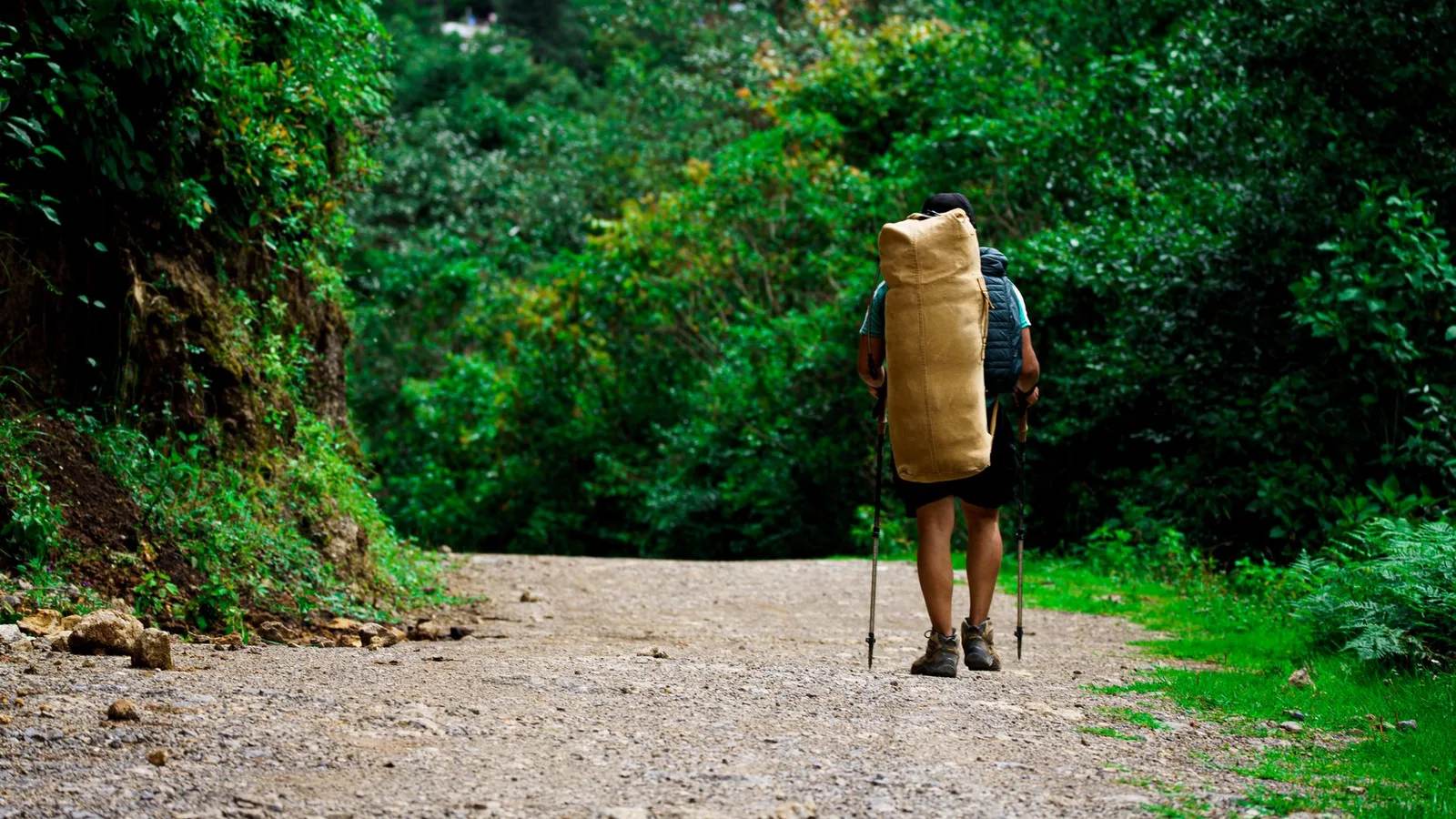
You do not need a porter to trek in Nepal, but you should hire one if your pack weighs more than about 8 to 10 kg, if you are heading above 4,000 m, or if your knees or back are a worry. On flights to Lukla the common domestic limit is 15 kg combined, so the bag a porter carries for you is rarely more than around 10 kg anyway. The real question is what you want your own shoulders doing at altitude, and whether the porter is treated fairly.
What does a porter actually cost?
The floor is set by the Trekking Agencies’ Association of Nepal (TAAN), which revised daily wages effective 17 July 2023, the first change since 2018. At about NPR 153 to the dollar in mid-September 2026, the conversions below are approximate.
| Role | NPR per day | About US$ per day |
|---|---|---|
| Mountain guide | 3,100 | 20 |
| Assistant trekking guide | 2,800 | 18 |
| Porter-guide | 2,500 | 16 |
| Porter | 2,400 | 16 |
Over a 12-day trip, one porter’s wage floor is 28,800 NPR, roughly US$188. Split between two trekkers, that is about US$94 each, before the porter’s food, lodging and insurance, which the agency owes on top. Those are wages, not the price an agency quotes you, so treat them as a floor for sanity-checking a quote, not a shopping list.
When can you skip a porter?
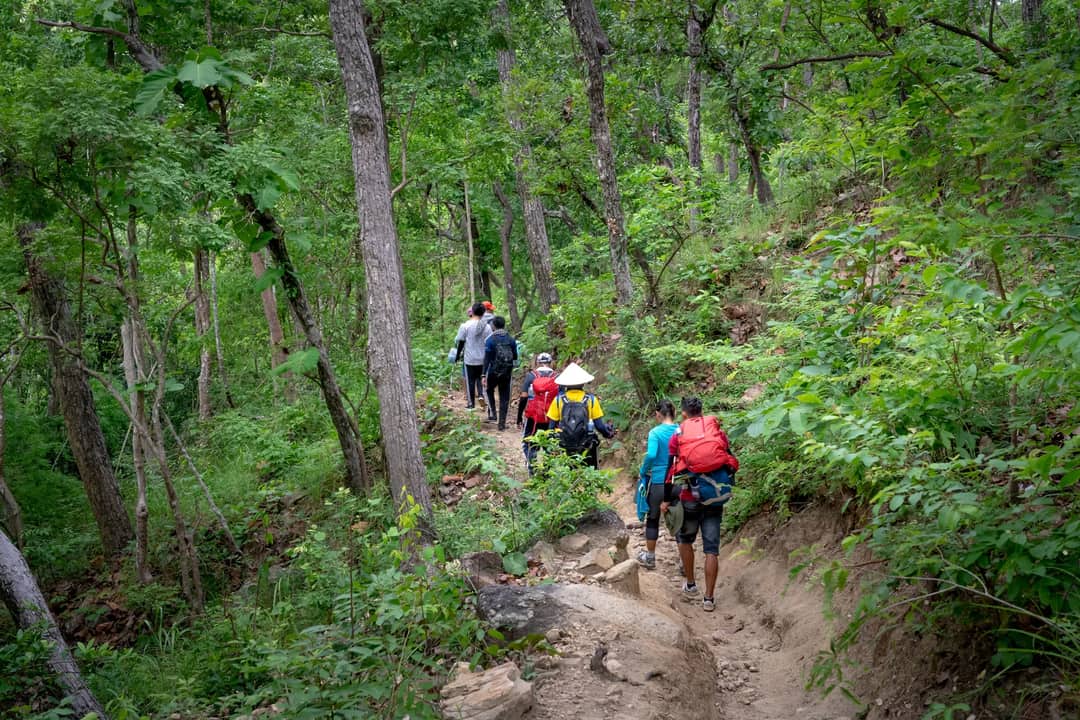
Skip one on short, lower routes when you can keep your own pack under about 8 kg and you are fit and injury-free. A nine-day Annapurna Base Camp trek tops out lower than Everest, and plenty of trekkers carry their own daypack there. Carrying your own pack also makes a light kit list a discipline, which many people enjoy.
When should you hire one?
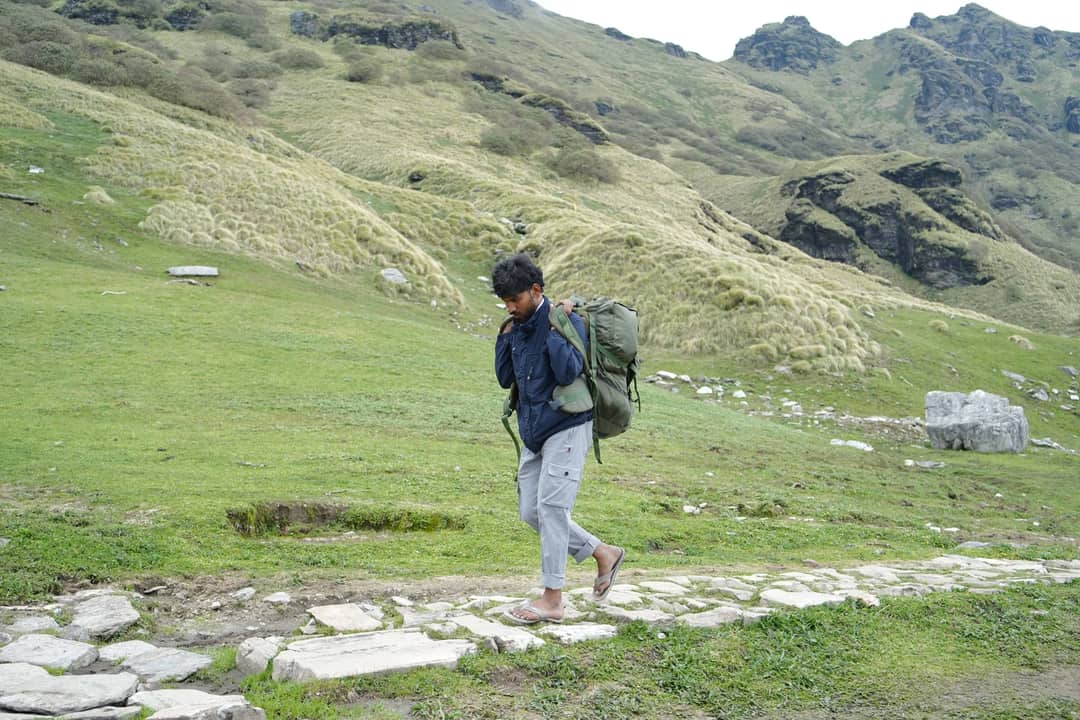
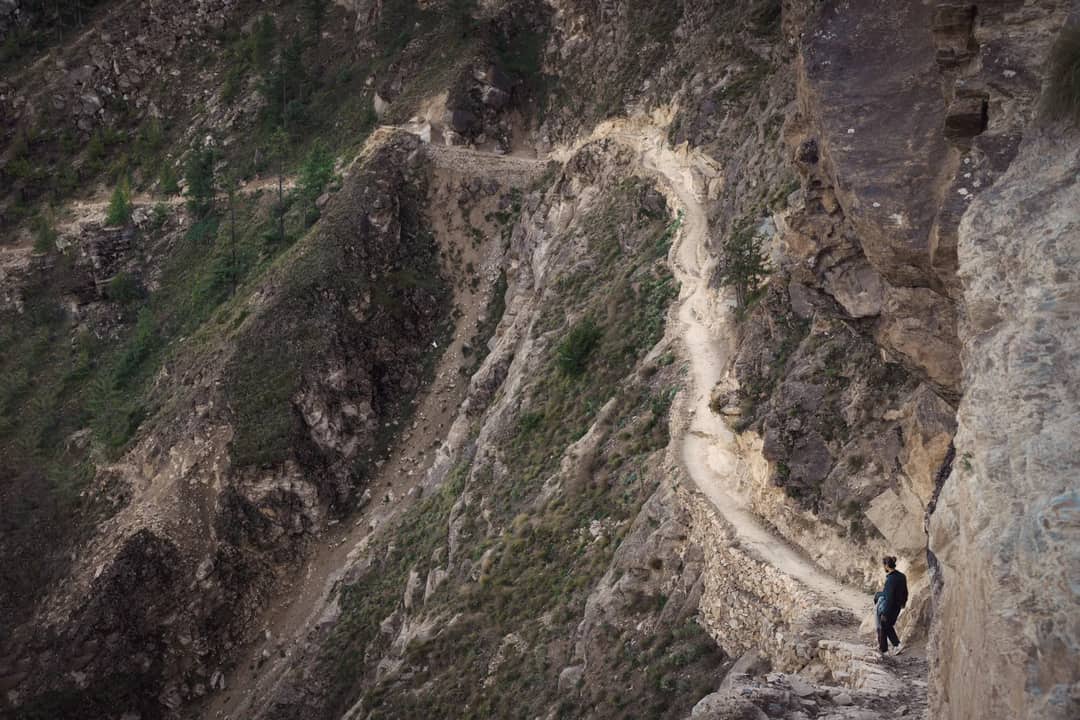
Hire one when the trail climbs above 4,000 m, on high-pass days, when you carry camera gear or cold-season layers, or when you have a knee, back or previous altitude problem. In thin air even a 10 kg pack feels far heavier than it does at home, and the days that matter most are the ones where you want energy left over to notice how you feel. If you are spending your effort carrying weight, you have less margin for the symptoms that count. Our view after guiding since 1998 is that the cost of a porter is small next to the cost of finishing a hard day depleted.
What this means for you
Pack for 10 kg in the duffel and 5 kg on your back. That fits the Lukla limit, and one porter can then carry two trekkers’ bags within the 25 kg ceiling. If your kit is heavier than that, cut it before you hire a second porter.
What does a fairly treated porter look like?
The International Porter Protection Group set five guidelines that responsible operators are still measured against: a sensible load cap, clothing and gear suited to the altitude, adequate shelter and food, medical care and insurance, and fair, timely pay. The group stopped operating in 2020, but its 30 kg Nepal benchmark is still widely quoted, and KEEP, which has advocated for porters since 1992, recommends 25 kg including the porter’s own equipment, lighter above 5,000 m.
The reality falls short. The Kathmandu Post reported in December 2025 that loads of 40 to 60 kg are actually carried, and that at least two or three porters died that year from altitude sickness and inadequate gear. So ask three questions before you book: what is the weight cap per porter, is the porter insured, and does the price cover their food, lodging and clothing. A price that seems too low means someone else is paying for it.
What about a porter-guide?
A porter-guide does both jobs for a slightly higher day rate than a porter alone and should carry a lighter load because guiding is the other half of the work. It suits a solo trekker on a tight budget on a well-trodden route. It suits you less at altitude, where a dedicated guide watching how you are doing is the more valuable half. For the rules on hiring guides, see our guide on whether you need a guide in Nepal, and for tipping see how much to tip guides and porters.
Frequently asked questions
Can one porter carry two trekkers’ bags?
Yes, and it is the common pairing. Two bags of about 10 kg each plus the porter’s own kit stays inside the 25 kg ceiling.
Is it ethical to use a porter?
Yes, if they are paid at least the TAAN floor, insured and equipped. Porters are the backbone of trekking, and a fairly run job is a real livelihood.
Does hiring a porter make the trek easier?
It removes weight, not altitude. You still need the acclimatisation days on a route like the 12-day Everest Base Camp trek.
Who this suits, and who it doesn’t
Hire a porter if you are trekking above 4,000 m, carrying more than about 8 to 10 kg, or managing a knee or back issue. You can skip one if you are on a short, lower trek with a light pack and no injuries. And whichever way you go, do not book the cheapest quote without asking who is paying for the porter’s insurance and food.
Cover photo: Volker Meyer via Pexels (Pexels License). Section photos: Clinton Weaver via Pexels (Pexels licence); Quang Nguyen Vinh via Pexels (Pexels licence); photowithom via Pexels (Pexels licence); Ashok J Kshetri via Pexels (Pexels licence).
Still running this season
Everest Base Camp Trek — 12 Days is running normally
NMA-certified local guides, transparent pricing, 5,000+ treks since 1998. Message us your dates and we'll sort the permits, lodges and logistics — reply within 24 hours, no obligation.
Popular Nepal treks
All treks →
Related coverage
Safety & Advisories
Can you trek in Nepal with kids? The ages, treks and altitude rules that actually matter
Yes, on the right route: a fit child of 5-7 can manage a low trek like Poon Hill, most operators want 12-14 for Everest Base Camp, and the altitude rule for children is the same as for adults.
Trail & Weather
Spring or Autumn? The Data-Backed Answer to When You Should Trek Nepal in 2026
Real temperature, rainfall and crowding numbers for the Everest and Annapurna regions — not opinion — settle which season actually suits your trek.
Trail & Weather
Everest Base Camp or Kilimanjaro: Which Trek Should You Actually Do in 2026?
One is a five-day sprint to 5,895 metres, the other a fourteen-day walk to 5,364 — the honest trade-off between them comes down to acclimatization, not fitness.
Safety & Advisories
Can You Trek to Everest Base Camp at 82? What the Record and the Research Actually Say
There is no legal or medical age cutoff on the trail to Everest Base Camp, and the current record holder just proved it at 82.
Latest from the desk

Visas & Entry
Where Americans can travel without a passport, and the catch in each case
Puerto Rico, the US Virgin Islands, Guam and the Northern Marianas need no passport. American Samoa and closed-loop cruises accept a birth certificate.
Safety & Advisories
Is Mexico safe for Americans right now, state by state from the State Department
Mexico is Level 2 overall, but six states are do-not-travel and two are Level 1. Cancún, Los Cabos and Mexico City all sit at Level 2.
Safety & Advisories
No Atlantic hurricane yet this year, and what it means for an autumn Caribbean trip
Six named storms, zero hurricanes, the latest start of the satellite era. NOAA still says one storm is enough, and the peak runs into October.