
No Atlantic hurricane yet this year, and what it means for an autumn Caribbean trip
Six named storms, zero hurricanes, the latest start of the satellite era. NOAA still says one storm is enough, and the peak runs into October.
At a glance
- Published
- TopicSafety & Advisories
- Verified againstNational Hurricane Center; NOAA Climate Prediction Center
- Treks coveredAnnapurna Base Camp Trek — 9 Days, Everest Base Camp Trek — 12 Days
Six named storms have formed in the Atlantic this season and not one has become a hurricane — the latest the first hurricane has ever arrived since satellites started watching in the 1960s. The previous satellite-era record was 11 September, set in both 2002 and 2013. The sixth storm, Fay, was weakening at 65 mph southwest of the Azores this morning, below the 74 mph a hurricane requires, and the National Hurricane Center expects nothing new to form in the next seven days. None of that makes an autumn trip to the Caribbean risk-free, and the reasons why are worth two minutes.
Key facts
- 6 named storms so far: Arthur, Bertha, Cristobal, Dolly, Edouard and Fay. 0 hurricanes.
- The satellite-era record for the latest first hurricane was 11 September. 2026 has passed it.
- NOAA gives a 75% chance of a below-normal season.
- The season runs to 30 November, and the peak months are August to October.
How quiet it has actually been
The storms have come; the hurricanes have not. Named storms need sustained winds of 39 mph; hurricanes need 74. This year the Atlantic has produced a normal-looking list of names that all stopped short of the second threshold, and the latest, Fay, is drifting in the open ocean with no watches or warnings for any coast.

| Measure | So far in 2026 | NOAA’s August range | Average season |
|---|---|---|---|
| Named storms | 6 | 7–13 | 14 |
| Hurricanes | 0 | 2–6 | 7 |
| Major hurricanes | 0 | 0–2 | 3 |
The reason NOAA gives is El Niño. Its forecasters note that moderate or stronger El Niño conditions generally lead to less Atlantic hurricane activity, because they raise the wind shear that tears developing storms apart. Their August update put the odds at 75% for a below-normal season, 20% near-normal and 5% above.
Why a quiet season is not a safe season
Because the count tells you nothing about where the one that does form will go. NOAA is blunt about this in its own outlook: it does not forecast landfalls at all, and it warns that it only takes one hurricane, or even one tropical storm, to cause a disaster in a year with low overall activity. A season can be quiet in total and still put its single strong storm straight through the island you booked.
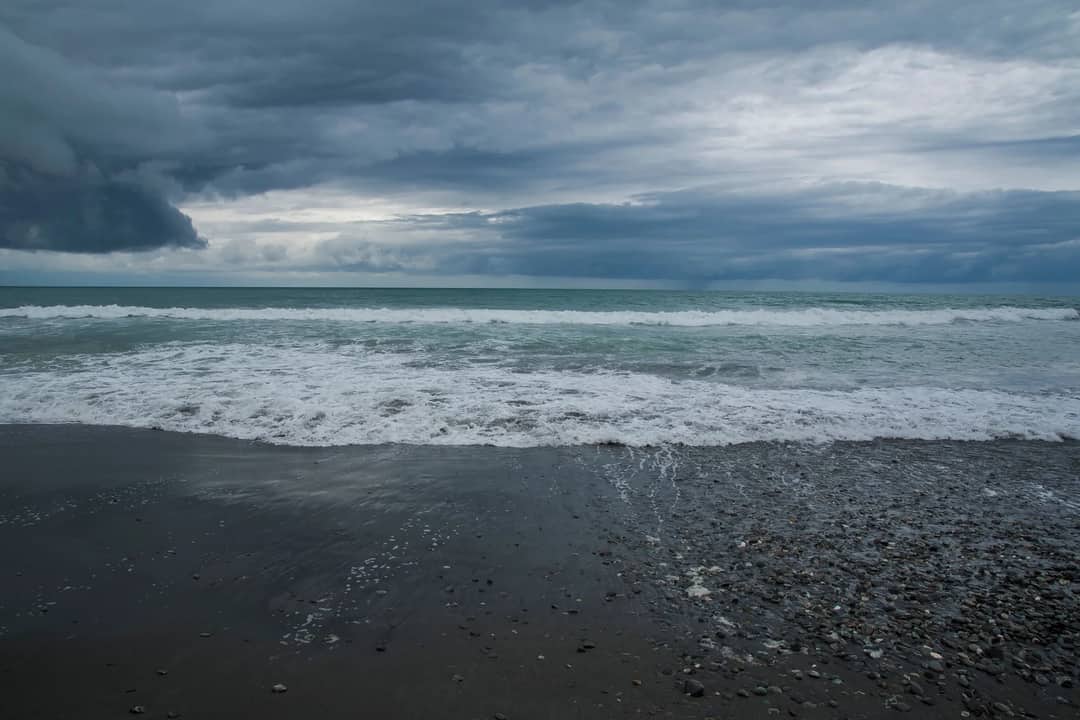
There is also a lot of season left. The official Atlantic season runs until 30 November, and NOAA treats August to October as the peak. Even NOAA’s lowered range still expects at least two hurricanes this year — which means, if the forecast is right, they are still to come.
What it means if you are booking the Caribbean or Mexico this autumn
It is a reasonable year to go, and the wrong year to skip the insurance. The odds are genuinely better than usual, and October and November trips on a below-normal forecast are a sensible bet. What you should not do is treat a quiet September as a guarantee for the second half of October. Buy cover before a storm is named, not after — most policies stop covering a storm once it becomes a “known event”, and our guide to what travel insurance does not cover explains how that known-event cut-off works.

What this means for you
Book, but book flexibly: refundable rates or a fare you can change, and insurance bought on the day you pay the deposit. Watch the National Hurricane Center’s seven-day outlook in the fortnight before you travel — it is the only forecast that means anything for a specific trip — and ignore the season count, which does not.
Have there been any hurricanes in 2026?
Not in the Atlantic as of 21 September 2026. Six named storms have formed — Arthur, Bertha, Cristobal, Dolly, Edouard and Fay — and none reached hurricane strength.
Is it safe to travel to the Caribbean in October 2026?
The odds are better than in a typical year, with NOAA forecasting a below-normal season. But the season runs until 30 November and NOAA stresses that a single storm can cause a disaster, so buy insurance before any storm is named.
When does hurricane season end?
The Atlantic season officially runs from 1 June to 30 November. NOAA treats August to October as the peak months.
Sources: National Hurricane Center tropical weather outlook and Tropical Storm Fay advisory of 21 September 2026; NOAA Climate Prediction Center Atlantic hurricane outlook update, 6 August 2026; the satellite-era record as reported by weather.com from NOAA and National Hurricane Center data. Storm conditions change quickly — check the National Hurricane Center before travelling.
Cover photo: Airam Vargas via Pexels (Pexels License). Section photos: Mr Pixel via Pexels (Pexels licence); Peter Olexa via Pexels (Pexels licence); Photografia via Pexels (Pexels licence).
Still running this season
Annapurna Base Camp Trek — 9 Days is running normally
NMA-certified local guides, transparent pricing, 5,000+ treks since 1998. Message us your dates and we'll sort the permits, lodges and logistics — reply within 24 hours, no obligation.


Popular Nepal treks
All treks →










Related coverage
Breaking Safety & Advisories
Nearly 2 Billion People Depend on Himalayan Meltwater, and a New Report Says It's About to Peak
A September 2026 study of the Hindu Kush Himalaya's roughly 40,000 glaciers, only 21 of which are monitored on the ground, warns the rivers trekkers cross every day are approaching the point where they stop rising and start shrinking for good.

Flights & Access
Do the clocks still go back this year after the House voted to end it
Yes. The bill passed the House 308 to 117 but not the Senate. US clocks go back on 1 November, a week after Europe, and that week catches travellers out.

World Destinations
How many Americans actually visit Iceland, and why this year looks strange
661,929 Americans visited Iceland in 2025, nearly three in ten visitors. This year is flat overall, hiding swings of more than 20% from month to month.
World Destinations
Which US national parks are actually the busiest, by the Park Service’s own count
323 million visits in 2025, down on the year before. The busiest place in the system is not a national park at all, and Zion now outdraws Yellowstone.
Latest from the desk

World Destinations
Canadians are coming back to the US, but nowhere near the way they used to
Return trips from the US rose 8.8% in August, a fifth straight monthly rise. Car trips are still 27.4% below August 2024.
Permits & Rules
Nepal Now Stations Rangers at 6,400 Metres on Everest to Weigh Climbers' Rubbish, Poop Bags Included
Everest's first mountain rangers weighed 9.5 tonnes of waste this spring, and 1.76 tonnes of it was human waste carried down in bags.

Breaking Safety & Advisories
Two Climbers Died When an Avalanche Buried Their Tent at Manaslu Camp III, and It Is the Fourth Death This Autumn
An Indian-born German climber and his Nepali Sherpa guide were found under about seven feet of snow on 20 September, in a season with record permits.