
Nepal Now Stations Rangers at 6,400 Metres on Everest to Weigh Climbers' Rubbish, Poop Bags Included
Everest's first mountain rangers weighed 9.5 tonnes of waste this spring, and 1.76 tonnes of it was human waste carried down in bags.
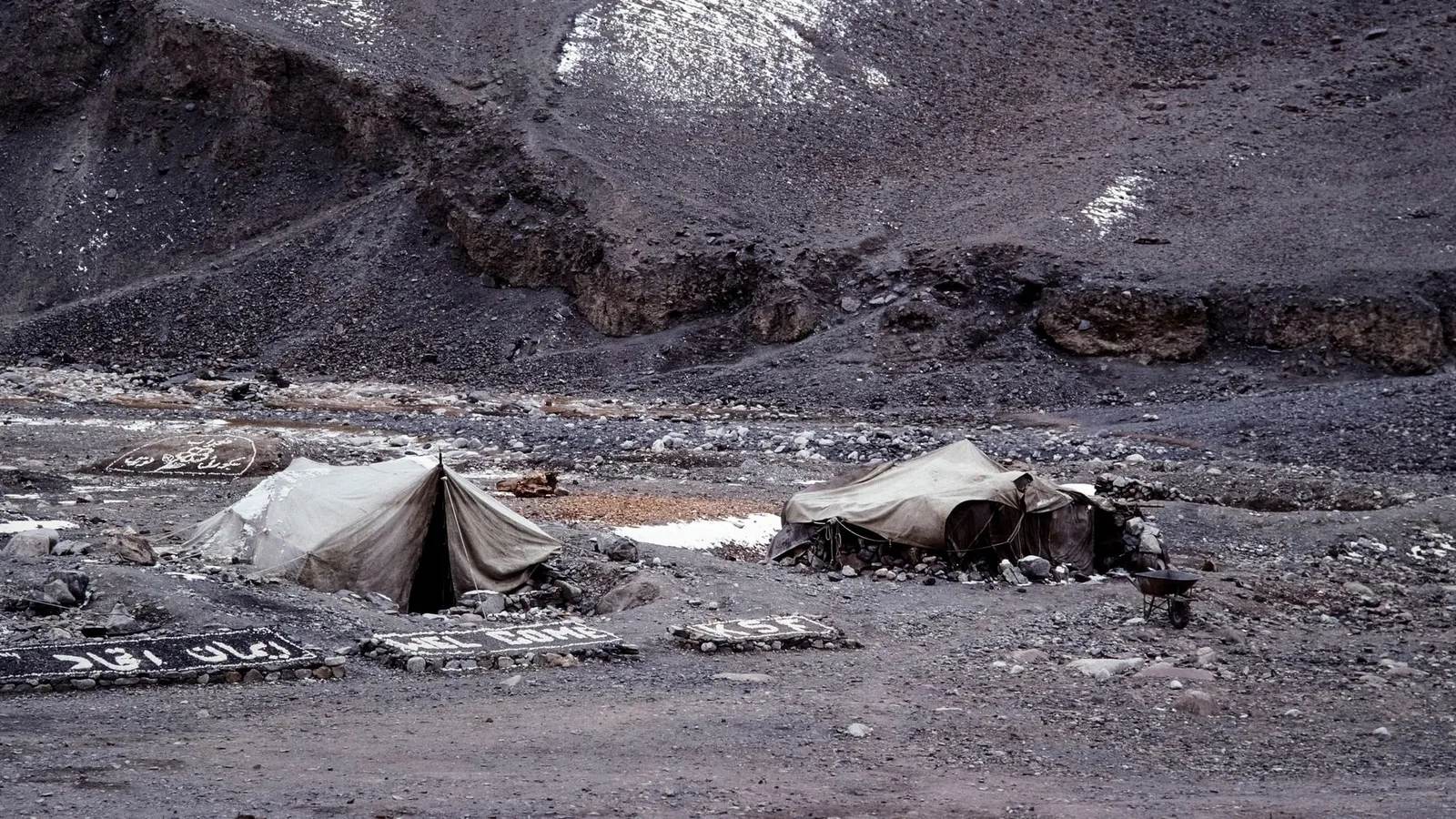
At a glance
- Published
- TopicPermits & Rules
- Verified againstThe Kathmandu Post
- Treks coveredEverest Base Camp Trek — 12 Days, Everest Base Camp Trek — 14 Days
Key facts
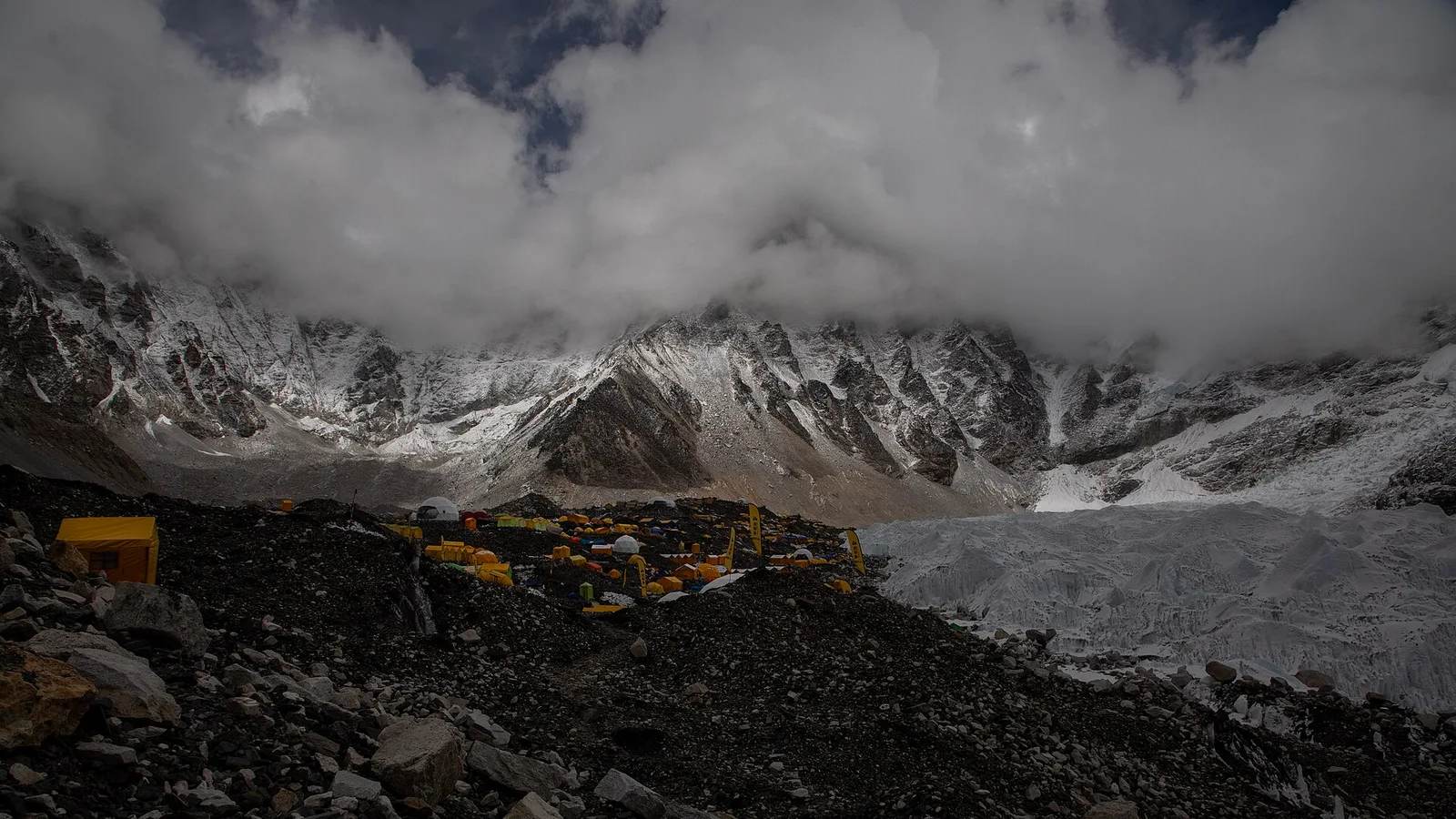
- Two rangers sat at Camp II (6,400 m) this spring, the first time Everest has had any.
- Every climber and high-altitude worker had to bring down at least 2 kg of waste from above Camp II.
- 1.76 tonnes of human-waste bags came off the upper mountain.
- The $4,000 deposit that ran since 2014 has been announced as scrapped, but had not yet gone at the time of the spring reporting.
Most people picture Everest's rubbish problem as a few abandoned tents. The reality is more awkward and more interesting. Above base camp, every climber is also a waste producer, and for years the system that was meant to deal with it could be gamed by hauling trash from the easy places.
This spring Nepal tried something different. The Sagarmatha Pollution Control Committee (SPCC), which runs waste management in the Everest region, put two mountain rangers at Camp II. The Kathmandu Post followed the lead ranger, Ngima Wangchu Sherpa, who described how he handles it: I stare at them sometimes just to give them the feeling that I'm like a policeman here.
Why the old rule stopped working
Since 2014 Nepal has asked each climber to pay a $4,000 deposit that came back only if they carried at least 8 kg of waste down. On paper that is a strong incentive. In practice, most climbers earned their refund by collecting trash from the lower camps, which is lighter work, while what sat at the higher camps stayed put.
In December 2025 Nepal's tourism department director, Himal Gautam, told the BBC the scheme had become an administrative burden and had failed to show a tangible result, and that the garbage problem had not gone away after more than a decade. The plan announced was a non-refundable clean-up fee, reported as likely to stay at around $4,000, that would pay for a checkpoint at Camp II and rangers who go up the mountain. Dawn reported that the change needs parliamentary approval. The Kathmandu Post's June 2026 reporting still describes the refundable deposit, so treat the fee change as announced rather than finished.
What the rangers actually weighed
The new 2 kg rule was designed to close the loophole. Climbers show their waste to the rangers before they descend, and rangers weigh it and issue clearance. The Kathmandu Post lists what came down this spring:
Add the three streams and you get roughly 9.5 tonnes. The base camp checkpoint handled plastics, metals, paper, tents, ropes and climbing gear. The upper-mountain figures are the important ones, because that is where the old scheme never reached.
| Item | Figure |
|---|---|
| Old target per climber (deposit-backed) | 8 kg |
| New target from above Camp II | 2 kg |
| Deposit | $4,000 |
| Spring permit fee | $15,000 (was $11,000) |
| Rangers this year / planned | 2 / 7-8 |
Two kilograms sounds small. The point is where it comes from. The 8 kg figure could be met at the bottom of the mountain; the 2 kg has to be carried past a man standing at 6,400 metres. Gizmodo's report on the scrapped deposit also noted the average climber can produce up to 12 kg of waste, so the upper-camp figure is still a fraction of what is generated.
The poop-bag detail
The part most travellers never hear about is human waste. Expedition members use bags supplied by the SPCC and the Khumbu Pasang Lhamu Rural Municipality, which are recorded and collected when they come back down. Human waste is excluded from the 8 kg quota, which is why the 1.76 tonnes matters: it is a separate stream that used to be left in the snow.
What this means for trekkers
If you are trekking to Base Camp rather than climbing, none of this changes your permits or your cost. What it does change is the mountain you are walking toward. Carry your own wrappers, batteries and tissue out with you, and bring reusable bottles, because base camp itself is the first stage of the waste system and it is the stretch you will actually see.
The bigger picture is that Nepal is no longer relying on a deposit alone. It has moved from a financial incentive to a person with a scale, which is a more honest way to deal with a mountain that receives hundreds of people in a few weeks each spring.
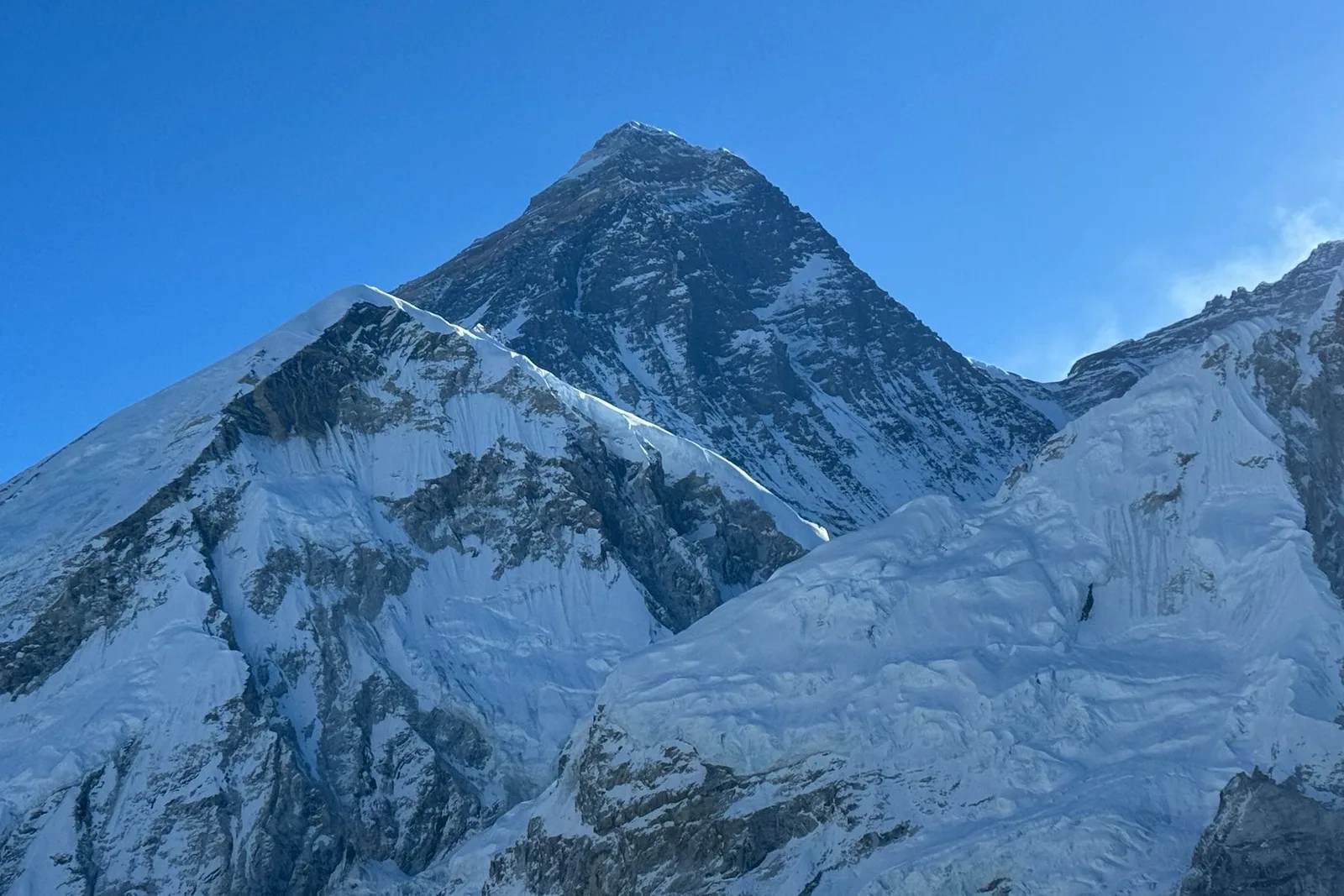
If you want to see the mountain that all this is protecting, our 14-day Everest Base Camp trek and 12-day option both go to the foot of the route. For more from the desk, see our piece on the Icefall Doctors and their 19-day delay.
Sources: The Kathmandu Post (9 June 2026), BBC via Dawn (31 December 2025), Gizmodo, The Tourism Times, Himalayan Times.
Cover photo: pierre matile via Pexels (Pexels License).
Still running this season
Everest Base Camp Trek — 12 Days is running normally
NMA-certified local guides, transparent pricing, 5,000+ treks since 1998. Message us your dates and we'll sort the permits, lodges and logistics — reply within 24 hours, no obligation.
Popular Nepal treks
All treks →
Related coverage
Industry & Tourism
Everest Just Had Its Busiest Climbing Season Ever. Climbers Also Left Behind 90,000 Kilograms of Trash.
A record 701 climbers pushed for the summit this spring, and the mountain's cleanup crews hauled down a record amount of waste right behind them.
Trail & Weather
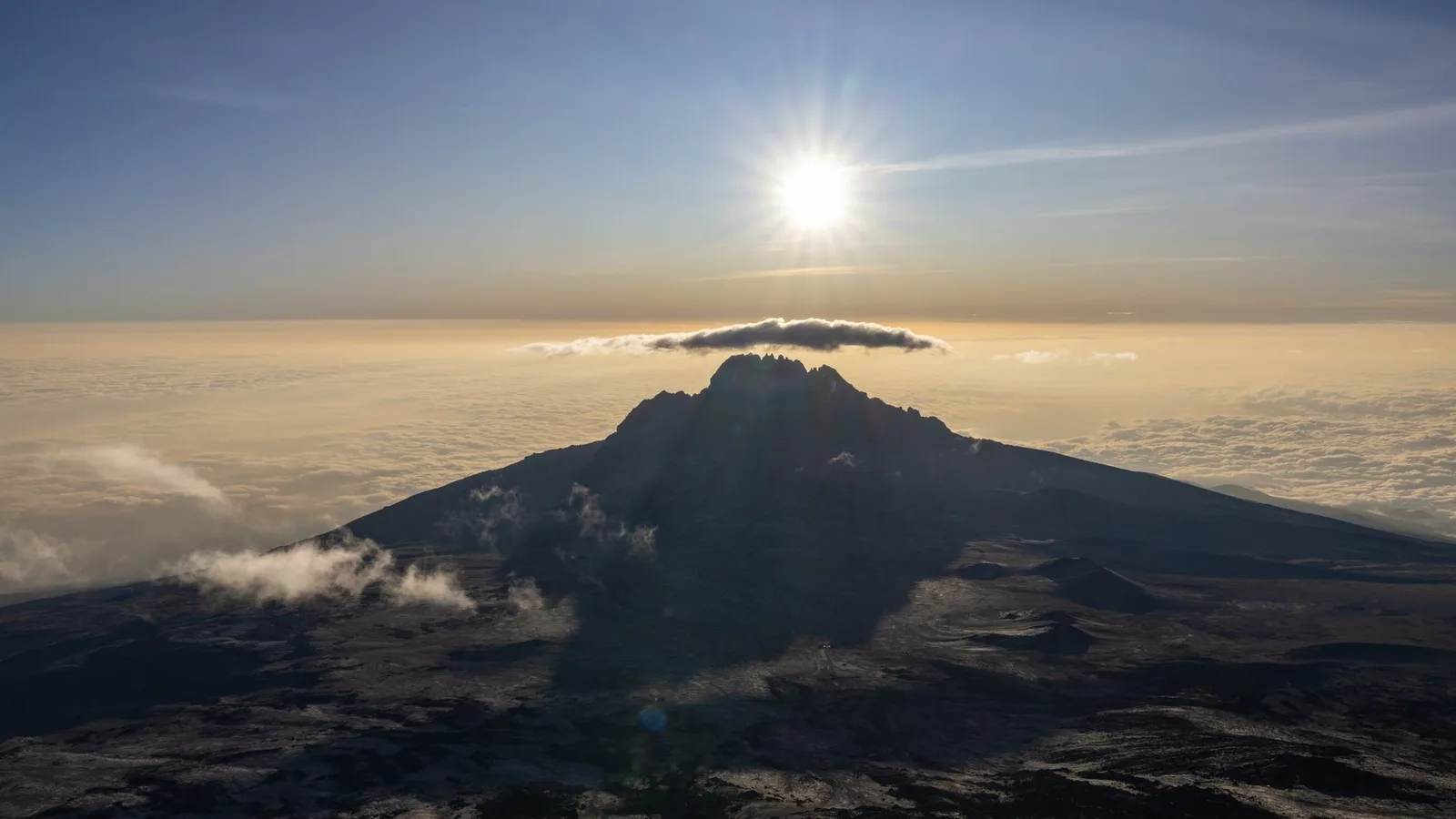
Everest Base Camp or Kilimanjaro: Which Trek Should You Actually Do in 2026?
One is a five-day sprint to 5,895 metres, the other a fourteen-day walk to 5,364 — the honest trade-off between them comes down to acclimatization, not fitness.
Records & People
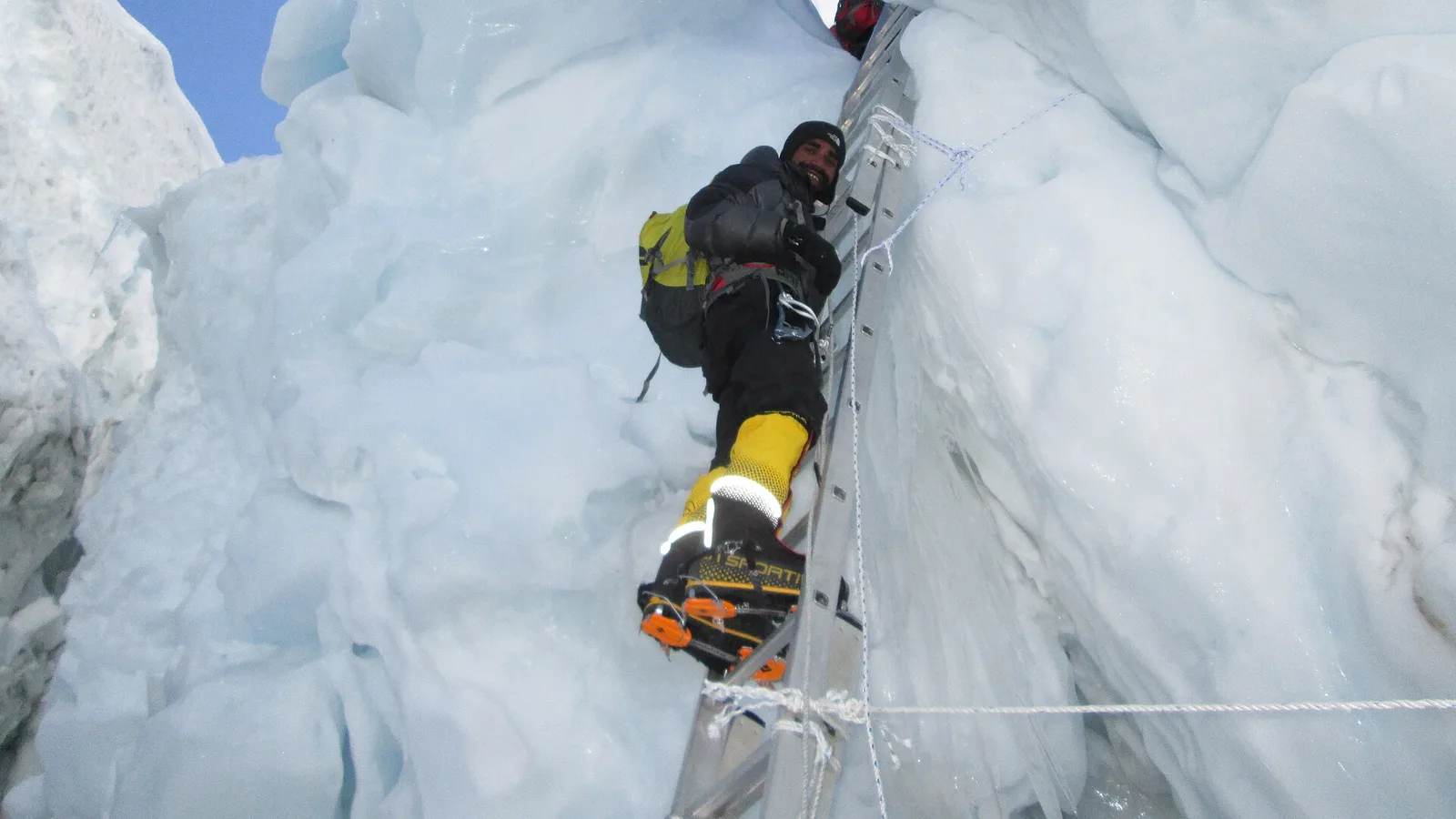
Eight Sherpas Build the Path Every Everest Climber Walks, and This Spring One Ice Tower Stopped Them for 19 Days
The Icefall Doctors fix the ladders and ropes through the Khumbu Icefall each spring, and in 2026 a 28-metre serac made it the latest route opening in years.
Records & People
Nepal Drops From 8,848 Metres to 59 in Under 250 Kilometres, and Its Lowest Point Just Moved
A 2017 survey reportedly found a lower spot than the one Nepal had used for decades, which makes the gap between jungle floor and Everest summit even harder to believe.
Latest from the desk

World Destinations
Canadians are coming back to the US, but nowhere near the way they used to
Return trips from the US rose 8.8% in August, a fifth straight monthly rise. Car trips are still 27.4% below August 2024.
Breaking Safety & Advisories
Two Climbers Died When an Avalanche Buried Their Tent at Manaslu Camp III, and It Is the Fourth Death This Autumn
An Indian-born German climber and his Nepali Sherpa guide were found under about seven feet of snow on 20 September, in a season with record permits.
Trail & Weather
Thorong La is sold as the world's highest pass, but Everest has one 119 metres higher
At 5,416 metres it tops the Annapurna Circuit, yet Kongma La on the Everest Three Passes route stands 5,535 metres tall.