
Nepal Drops From 8,848 Metres to 59 in Under 250 Kilometres, and Its Lowest Point Just Moved
A 2017 survey reportedly found a lower spot than the one Nepal had used for decades, which makes the gap between jungle floor and Everest summit even harder to believe.
At a glance
- Published
- TopicRecords & People
- Verified againstNepal Tourism Board
- Treks coveredAnnapurna Circuit Trek — 14 Days, Everest Base Camp Trek — 14 Days
Key facts
- Everest's agreed height is 8,848.86 m, announced jointly by Nepal and China on 8 December 2020.
- Nepal's lowest point was long given as Kechana Kalan in Jhapa at 60-70 m.
- A 2017 government survey reportedly put the new low at Mukhiyapatti Musharniya, Dhanusha, at 59 m.
- The country is only 150 to 250 km wide north to south, per the Nepal Tourism Board.
Ask people for Nepal's extremes and you get the top answer instantly. The bottom is the more interesting one. It is a flat, hot plain of rice and jungle, and the highest mountain on Earth stands within a country you could cross north to south in a long day's drive on a good road.
The lowest point that moved
For years the standard answer was Kechana Kalan in Jhapa district, in the far south-east. The Nepal Tourism Board still lists it as the lowest point, at 60 metres. Other sources gave it as 70. That gap alone is a warning that this figure is soft.
According to Wikipedia, which cites a 2017 survey by the Government of Nepal and other institutions, the honour has moved to Mukhiyapatti Musharniya in Dhanusha district, at 59 metres. That is about 11 metres below the old 70-metre figure. I have to be straight about the sourcing here: the record is published in reference works, but I could not open the underlying survey document, and the official tourism board page has not caught up. Treat 59 metres as the current best figure, not as a settled one.
The gap is simple arithmetic: 8,848.86 minus 59 is 8,789.86 metres. The Nepal Tourism Board puts the country at about 800 km east to west and only 150 to 250 km north to south. The whole climb happens inside that narrow band.
How the land steps up
Nepal does not rise in a smooth ramp. It climbs in belts, and the Nepal Tourism Board lists them. The Tarai plains run from about 60 to 305 metres. The Siwalik zone follows at roughly 700 to 1,500 metres, then the Mahabharat range at 1,500 to 2,700 metres. The mountain region begins around 3,000 metres, with the tree line near 4,000 metres and the snow line near 5,000 metres.
| Belt | Elevation |
|---|---|
| Tarai plains | 60 - 305 m |
| Siwalik zone | 700 - 1,500 m |
| Mahabharat range | 1,500 - 2,700 m |
| Mountain region begins | 3,000 m |
| Tree line | 4,000 m |
| Snow line | 5,000 m |
Wikipedia's geography summary shows how the country divides by area: the middle hills cover 68 per cent, the Terai 17 per cent and the snow-bearing Himal 15 per cent. So the mountain most people picture is only a sliver of Nepal's surface, and yet eight of the world's 14 peaks above 8,000 metres sit in or on it.
What this means for trekkers
The compressed geography is why Nepal treks feel like several trips in one. You can start in warm, humid lowland and finish in cold, thin air in a matter of days, and your body has less time to adapt than the map suggests. Build in acclimatisation days, do not treat any figure on a sign as exact, and remember that even official elevations are still being measured. Everest itself was not agreed until 2020.
See the whole staircase
If you want to feel that climb rather than read about it, our 14-day Everest Base Camp trek gives you time to step up the belts gradually. For a route that travels through several landscapes in a shorter window, look at the 14-day Annapurna Circuit. And if you like elevation trivia, our piece on how Everest's height was wrong for 65 years is the sequel.
Sources: Nepal Tourism Board (Geography), Wikipedia (Geography of Nepal; Kechana Kawal; Mukhiyapatti Musharniya), Kathmandu Post (8 December 2020).
Cover photo: Dipak Chettri via Pexels (Pexels License).
Still running this season
Everest Base Camp Trek — 14 Days is running normally
NMA-certified local guides, transparent pricing, 5,000+ treks since 1998. Message us your dates and we'll sort the permits, lodges and logistics — reply within 24 hours, no obligation.
Popular Nepal treks
All treks →
Related coverage
Trail & Weather
Everest Base Camp or Kilimanjaro: Which Trek Should You Actually Do in 2026?
One is a five-day sprint to 5,895 metres, the other a fourteen-day walk to 5,364 — the honest trade-off between them comes down to acclimatization, not fitness.
Records & People
Nobody tells you Everest can only be climbed a few days a year, and the jet stream is why
For most of the year the jet stream sits on Everest’s summit. It lifts for a few weeks in May as the monsoon pushes it aside, and only then can anyone climb.
Records & People
Why some 8,000-metre peaks get climbed thousands of times and others almost never
Everest has over 12,000 ascents; Annapurna I and Kangchenjunga barely a few hundred each. The gap between the eight-thousanders is not about height.
Records & People
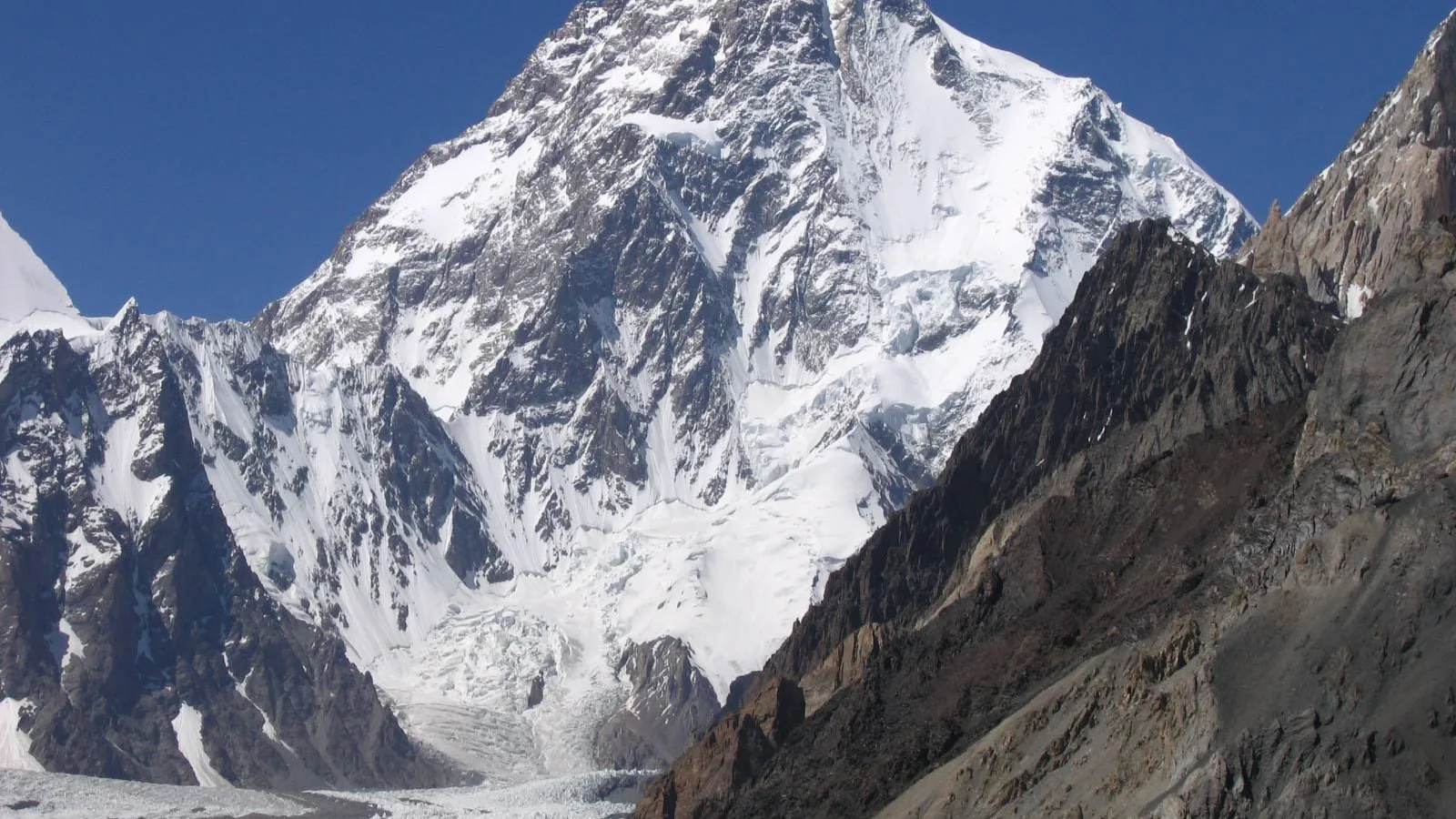
K2 or Everest, which one is actually harder to climb?
K2 is 238 m shorter than Everest but kills roughly one climber in ten — a dimension-by-dimension comparison of height, technical difficulty, weather, rescue and death rate, and why K2 is “the Savage Mountain.”
Latest from the desk
Trail & Weather
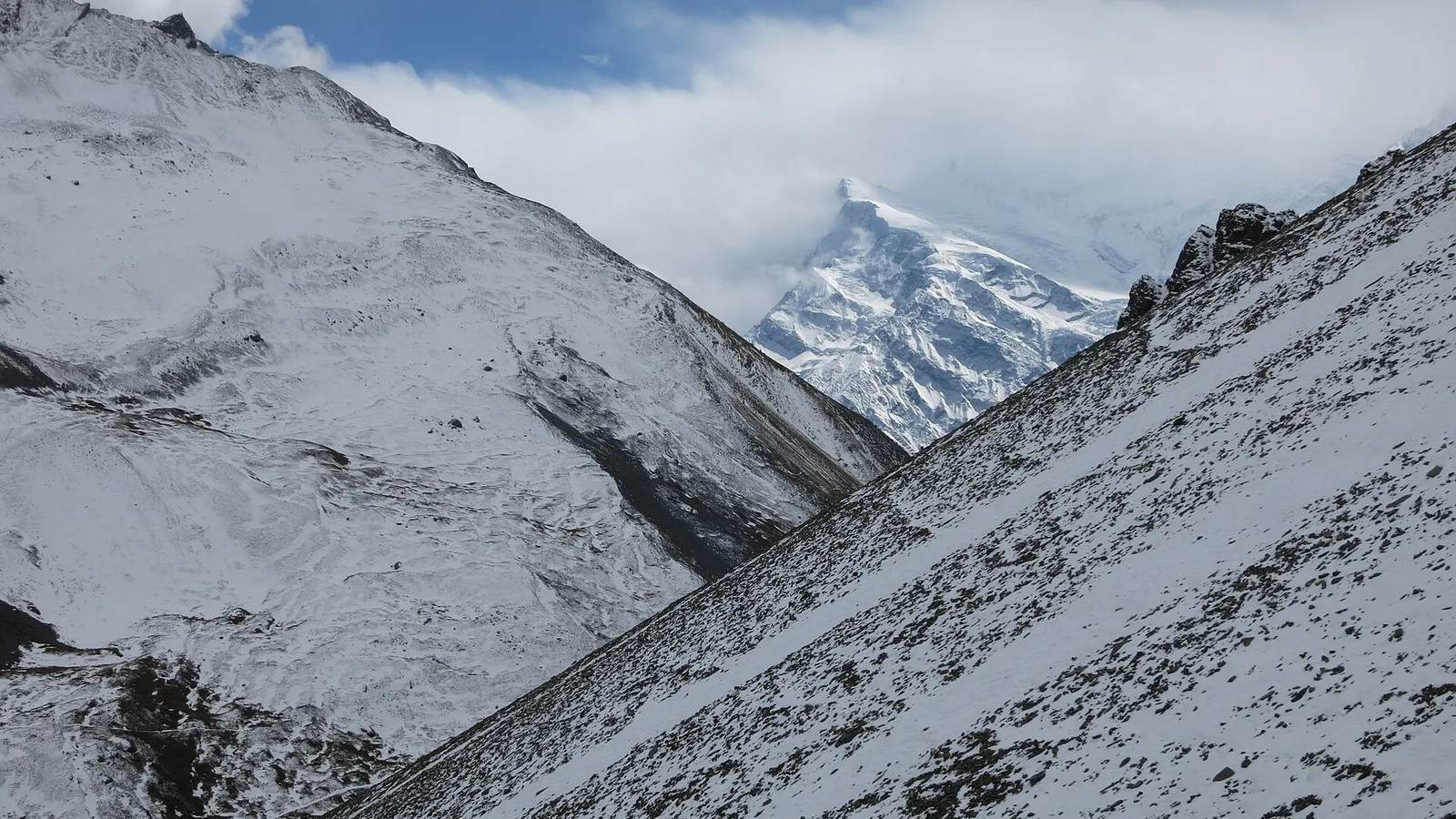
Thorong La is sold as the world's highest pass, but Everest has one 119 metres higher
At 5,416 metres it tops the Annapurna Circuit, yet Kongma La on the Everest Three Passes route stands 5,535 metres tall.
World Destinations
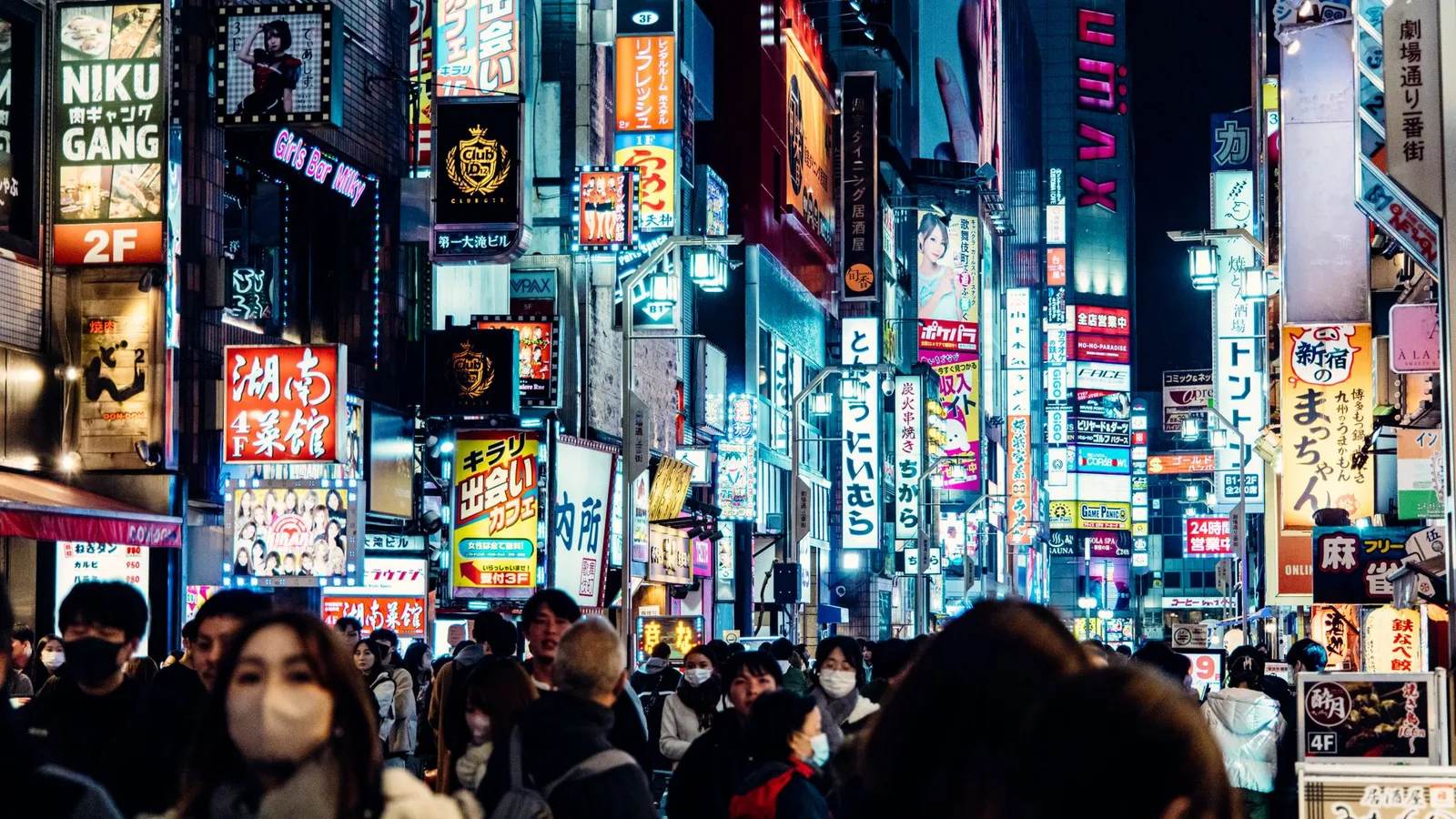
Why Japan has fewer tourists this year even as more Americans than ever go
Arrivals fell 9.6% in August while US visits ran at a record pace, up 6.1% for the year. One market explains almost the entire drop.
World Destinations
Which US national parks are actually the busiest, by the Park Service’s own count
323 million visits in 2025, down on the year before. The busiest place in the system is not a national park at all, and Zion now outdraws Yellowstone.