
K2 or Everest, which one is actually harder to climb?
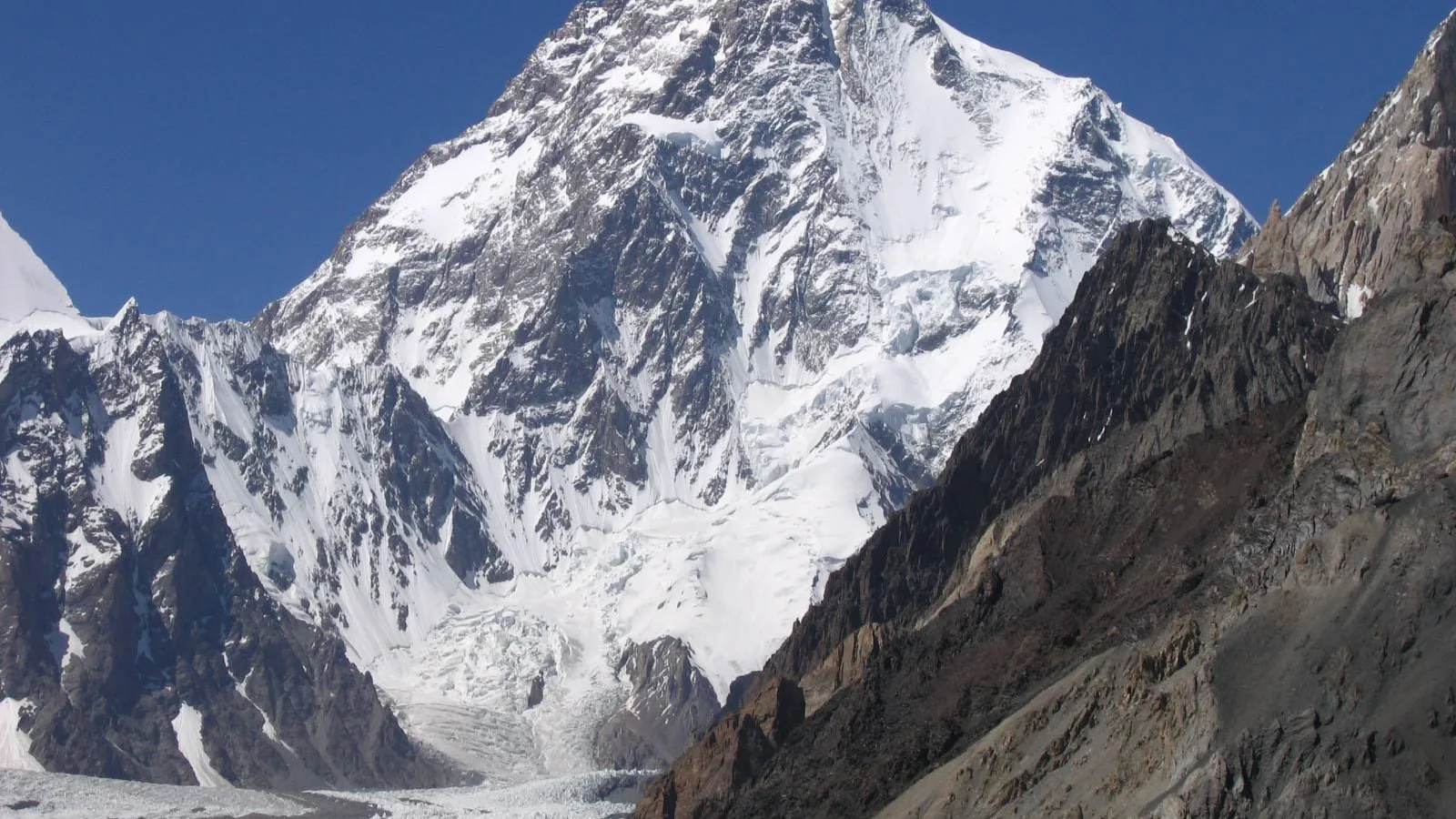
K2 is 238 m shorter than Everest but kills roughly one climber in ten — a dimension-by-dimension comparison of height, technical difficulty, weather, rescue and death rate, and why K2 is “the Savage Mountain.”
At a glance
- Published · updated
- TopicRecords & People
- Verified againstThe Himalayan Database
- Treks coveredEverest Base Camp Trek — 14 Days, Everest Base Camp Trek — 15 Days
Ask a mountaineer which is the harder mountain and almost none will say Everest. K2 is 238 metres shorter than the world’s highest peak, yet it kills roughly one climber for every ten who reach the top — and for seventy years it has carried a name Everest never earned: the Savage Mountain. Here is the honest head-to-head, dimension by dimension, with the numbers that explain why the second-highest mountain on Earth is the one climbers fear most.
Height is where Everest wins — and stops winning
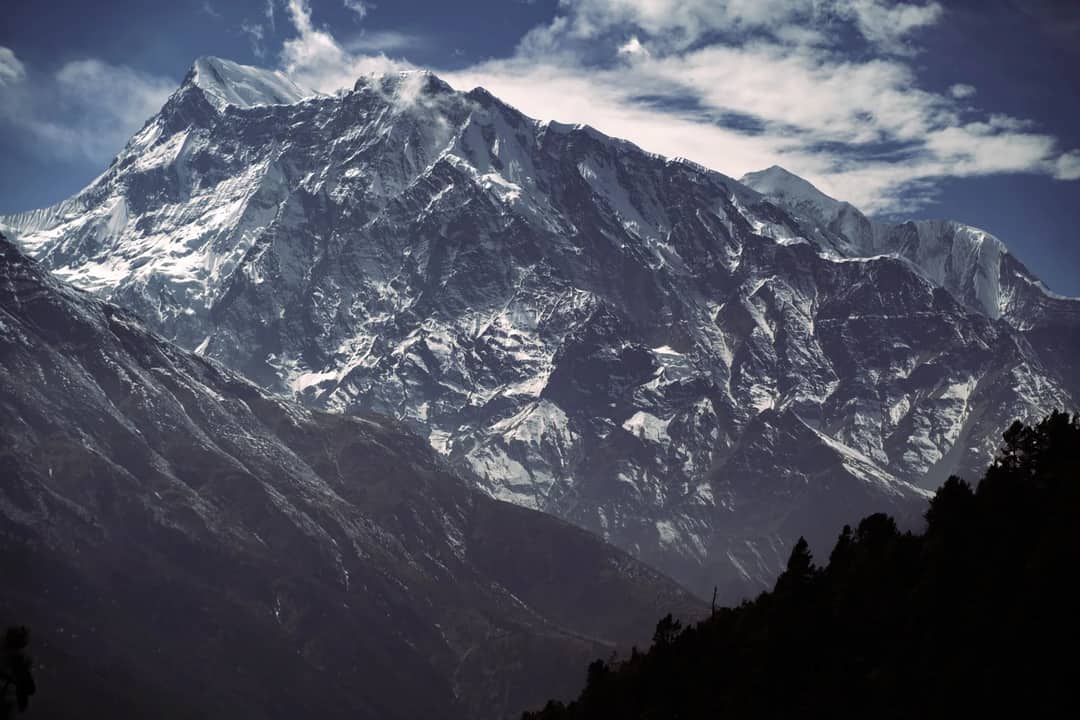
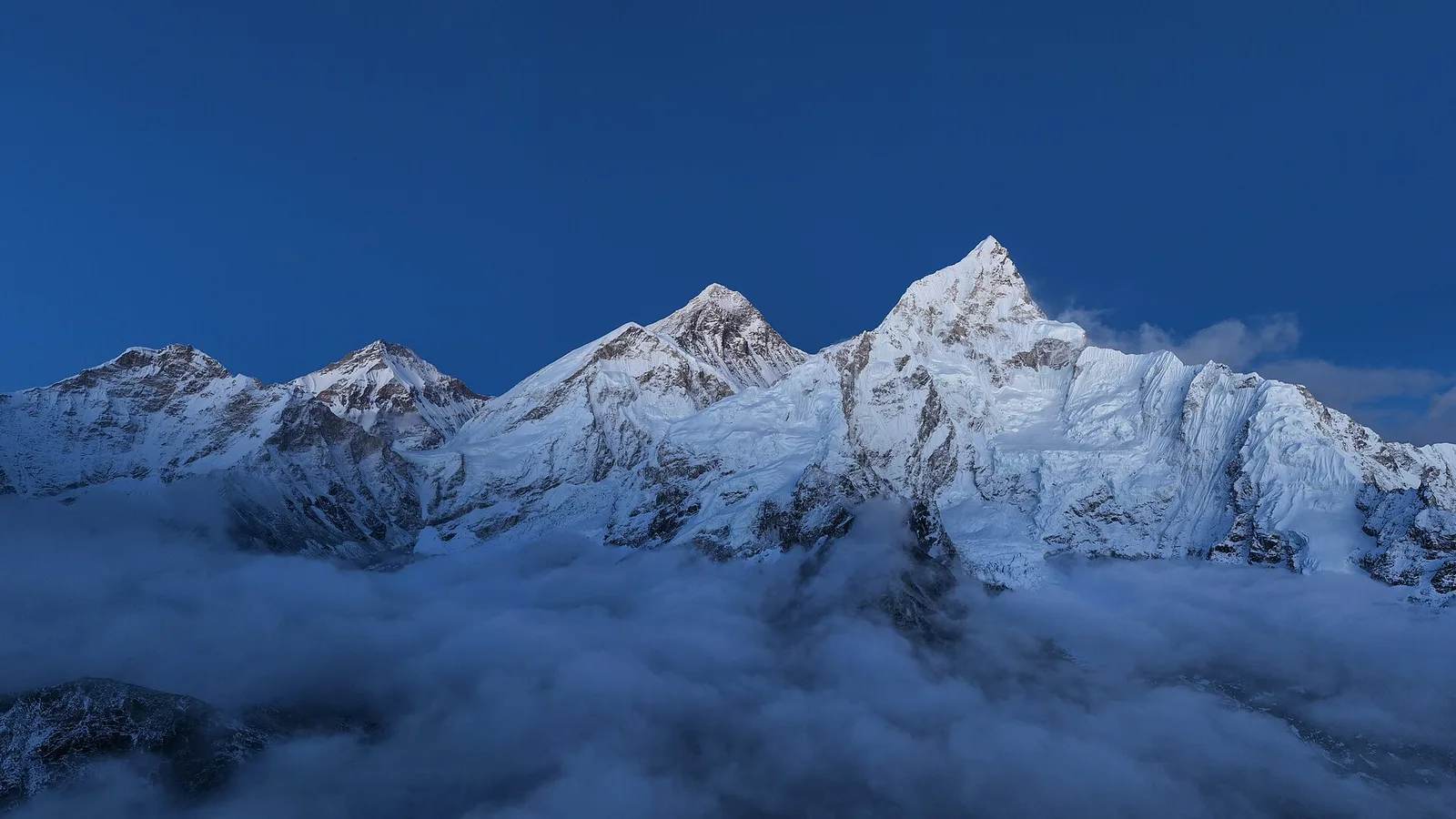
Everest, on the Nepal–Tibet border in the Mahalangur Himal, stands at 8,849 m (29,032 ft) after the joint China–Nepal resurvey of 2020. K2, on the Pakistan–China border in the Karakoram, is 8,611 m (28,251 ft). That 238-metre gap is the only major measure on which Everest is the more extreme mountain. On every other axis that decides whether a climber lives, K2 is harder.
Technical difficulty: a walk-up versus a wall
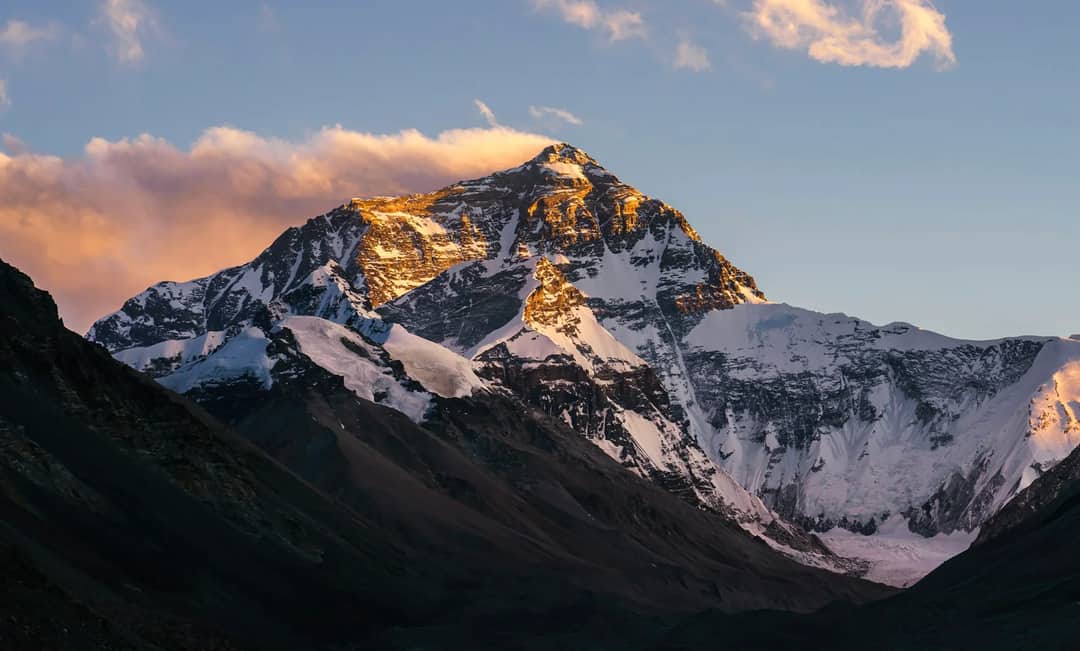
The normal route on Everest — the South Col and Southeast Ridge from Nepal — is long, cold and dangerous, but it is not, by 8,000-metre standards, technically hard. Commercial teams fix rope from bottom to top, lay ladders across the Khumbu Icefall’s crevasses, and a fit client with limited technical skill can be guided up it. K2 has no such route. Its standard line, the Abruzzi Spur, is sustained steep rock and ice the whole way — obstacles like House’s Chimney and the Black Pyramid demand real climbing at altitude, in air holding a third of the oxygen at sea level. There is no easy side. That is the first reason the death rate diverges.
The Bottleneck: the deadliest place on the mountain
High on K2, at around 8,200 m, the route funnels through a narrow couloir called the Bottleneck, traversing directly beneath a wall of hanging glacial ice — seracs that calve on no schedule but their own. It is the single most dangerous passage in high-altitude climbing. In August 2008, eleven climbers died in a single stretch after a serac collapse cut the fixed ropes. We covered that passage in detail in why K2’s Bottleneck has killed more elite climbers than anywhere on Earth.
Weather, and the winter that took a decade longer
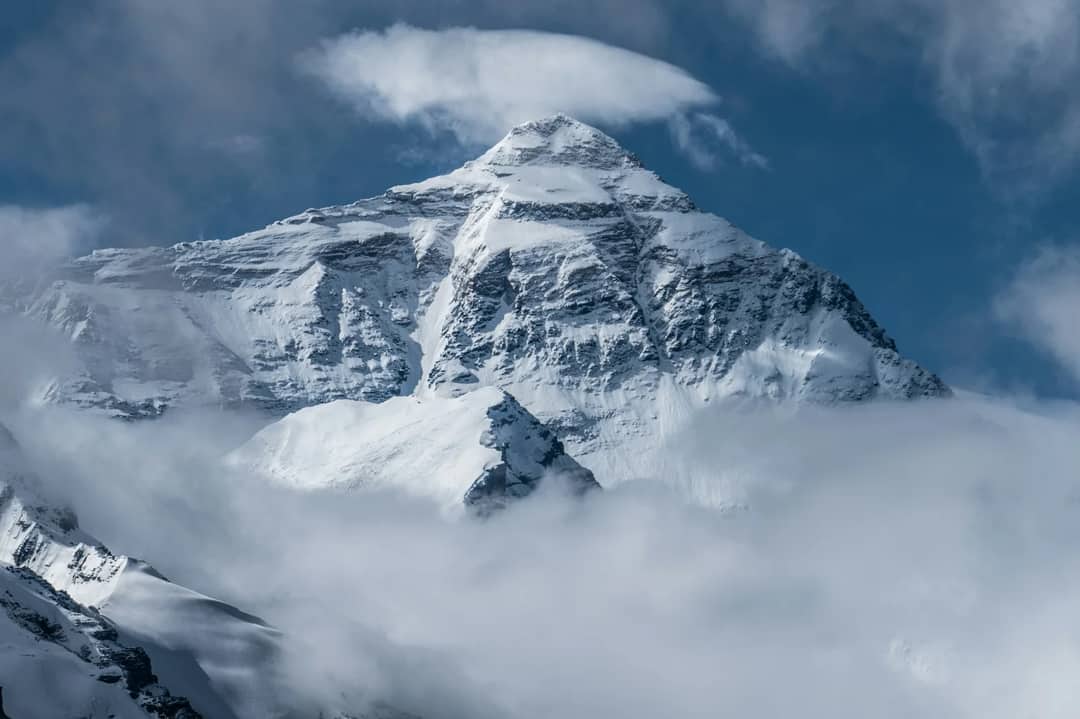
The Karakoram sits further north than the Himalaya and is battered by shorter, more violent weather windows. The clearest proof is on the calendar. Everest was first climbed in winter on 17 February 1980, by Poland’s Krzysztof Wielicki and Leszek Cichy in −42°C winds. K2 held out for another forty-one years: it was the very last of the fourteen 8,000-metre peaks to be climbed in winter, finally summited on 16 January 2021 by an all-Nepali team of ten — a feat many had called impossible.
The difference that has no fix: no helicopter can reach you
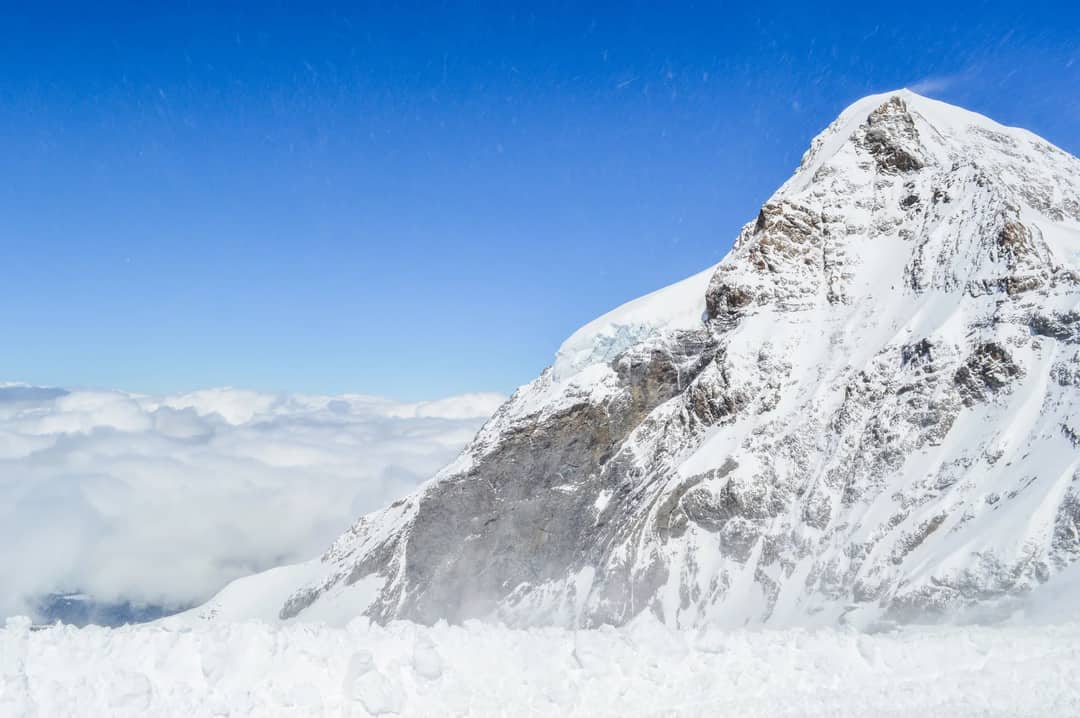
This is the one most trekkers do not know. On Everest, helicopter rescue has become routine up to around Camp 2 at 6,400 m, and long-line evacuations have plucked climbers even higher; the falling death toll on Everest is partly a rescue story. On K2 there is no equivalent. The mountain’s remoteness, altitude and the limits of rescue aviation mean that high on K2, if you cannot get yourself down, there is effectively no one coming. The Bottleneck at 8,200 m is unreachable by any aircraft. On the Savage Mountain, self-rescue is the only rescue.
| Measure | Everest | K2 |
|---|---|---|
| Height | 8,849 m (highest) | 8,611 m (2nd) |
| Range / country | Mahalangur Himal, Nepal / Tibet | Karakoram, Pakistan / China |
| Deaths per 100 summits | ~4% all-time | ~9.5% through 2025 |
| Standard route | South Col — long, moderate | Abruzzi Spur — sustained technical |
| Crux hazard | Khumbu Icefall | The Bottleneck (~8,200 m serac) |
| First winter ascent | 1980 | 2021 — last 8,000er in winter |
| High helicopter rescue | Routine to ~6,400 m | Effectively none |
| Summits per year | Hundreds | Far fewer (record ~200 in 2022) |
A word on the percentages: they are not measured identically. K2’s ~9.5% is deaths per successful summit through 2025; its historic pre-2000 rate was near 29%, and modern fixed-rope expeditions have pulled the running figure down. Everest’s all-time ~4% likewise hides a sharp recent improvement — the 2025 season recorded five deaths, against eight in 2024 and eighteen in 2023. The direction of travel is the same on both mountains; the gap between them is not closing.
Why K2 is “the Savage Mountain”
The name is not marketing. In 1953, the American climber and physicist George Bell, who had nearly died in a six-man fall on the peak, told reporters simply: “It’s a savage mountain that tries to kill you.” The label stuck because it was accurate. Fewer people attempt K2 in a decade than crowd Everest in a single season, and a far larger share of them never come home. It is harder to reach, harder to climb, harder to survive, and impossible to be rescued from up high.
For Everest’s most recent season figures, see the 2026 death toll and every name on it — five deaths against a record 1,008 summits.
Neither of these is a trek. The figures above are for mountaineers on the summit routes above 7,000 m — a world away from walking to Everest Base Camp, where tens of thousands of trekkers go safely every year to stand at the foot of the mountain at 5,364 m and turn around. You do not climb, you do not enter the death zone, and you are never on the technical ground these numbers describe. To plan the trekker’s side of Everest, message us on WhatsApp at +977 9856023917 or through our contact page.
See Everest from the ground, safely
The classic walk-in to Everest Base Camp takes you into the Khumbu on a well-paced itinerary with built-in acclimatisation — no climbing, no oxygen, no objective mountaineering hazard. Our most acclimatisation-friendly version:
- Everest Base Camp Trek — 15 days · extra rest days for a safer ascent · from $1,480 per person
- Everest Base Camp Trek — 14 days · the classic Khumbu itinerary · from $1,350 per person
Sources. Heights: 2020 China–Nepal joint survey (Everest 8,848.86 m); K2 8,611 m. K2 death rate: published expedition tallies (92 deaths / 964 summits, ~9.5%, through 2025), as reported and historic ~25–29% figures. Everest all-time ~4% deaths per summit and 2023–2025 season death tolls: the Himalayan Database, Outside and Vertical Mag. “Savage Mountain”: George Bell, 1953. First winter ascents: Everest 17 Feb 1980 (Wielicki & Cichy); K2 16 Jan 2021 (all-Nepali team), the last 8,000er climbed in winter — Guinness World Records and Explorersweb. 2008 K2 disaster: eleven deaths. Helicopter rescue limits: Vertical Mag and Outside. Ratios vary by counting method and date; figures are given as published.
Cover photo: Svy123 via Wikimedia Commons (CC BY 3.0). Section photos: Dipak Chettri via Pexels (Pexels licence); Weichao Deng via Unsplash (Unsplash licence); Jean-Paul Wettstein via Pexels (Pexels licence); Luo Lei via Unsplash (Unsplash licence); Gotta Be Worth It via Pexels (Pexels licence).
Still running this season
Everest Base Camp Trek — 14 Days is running normally
NMA-certified local guides, transparent pricing, 5,000+ treks since 1998. Message us your dates and we'll sort the permits, lodges and logistics — reply within 24 hours, no obligation.
Popular Nepal treks
All treks →
Live travel desk
Related coverage
Records & People
Mount Everest's Official Height Was Wrong for 65 Years, Until Nepal and China Finally Agreed in 2020
The number on every map, 8,848.86 metres, only became official in December 2020, after two countries spent a decade measuring the same mountain.
Records & People
Nepal Drops From 8,848 Metres to 59 in Under 250 Kilometres, and Its Lowest Point Just Moved
A 2017 survey reportedly found a lower spot than the one Nepal had used for decades, which makes the gap between jungle floor and Everest summit even harder to believe.
Records & People
How many Americans have died on Everest, and why nobody can give you a real number
No one publishes an official count by nationality. Here are the American deaths that can be documented since 1963, and what the record actually shows.
Records & People
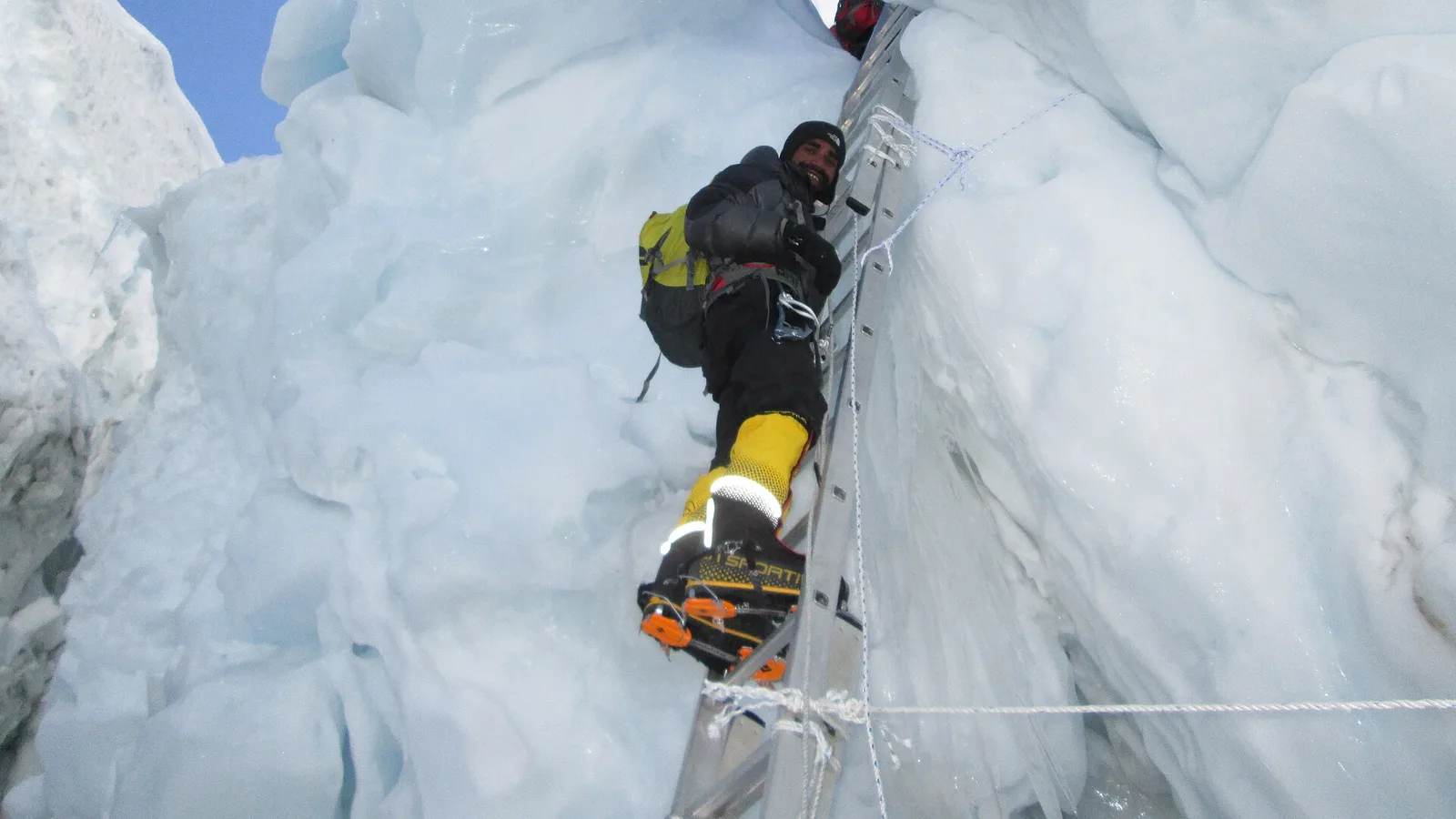
Eight Sherpas Build the Path Every Everest Climber Walks, and This Spring One Ice Tower Stopped Them for 19 Days
The Icefall Doctors fix the ladders and ropes through the Khumbu Icefall each spring, and in 2026 a 28-metre serac made it the latest route opening in years.
Latest from the desk
Breaking Safety & Advisories
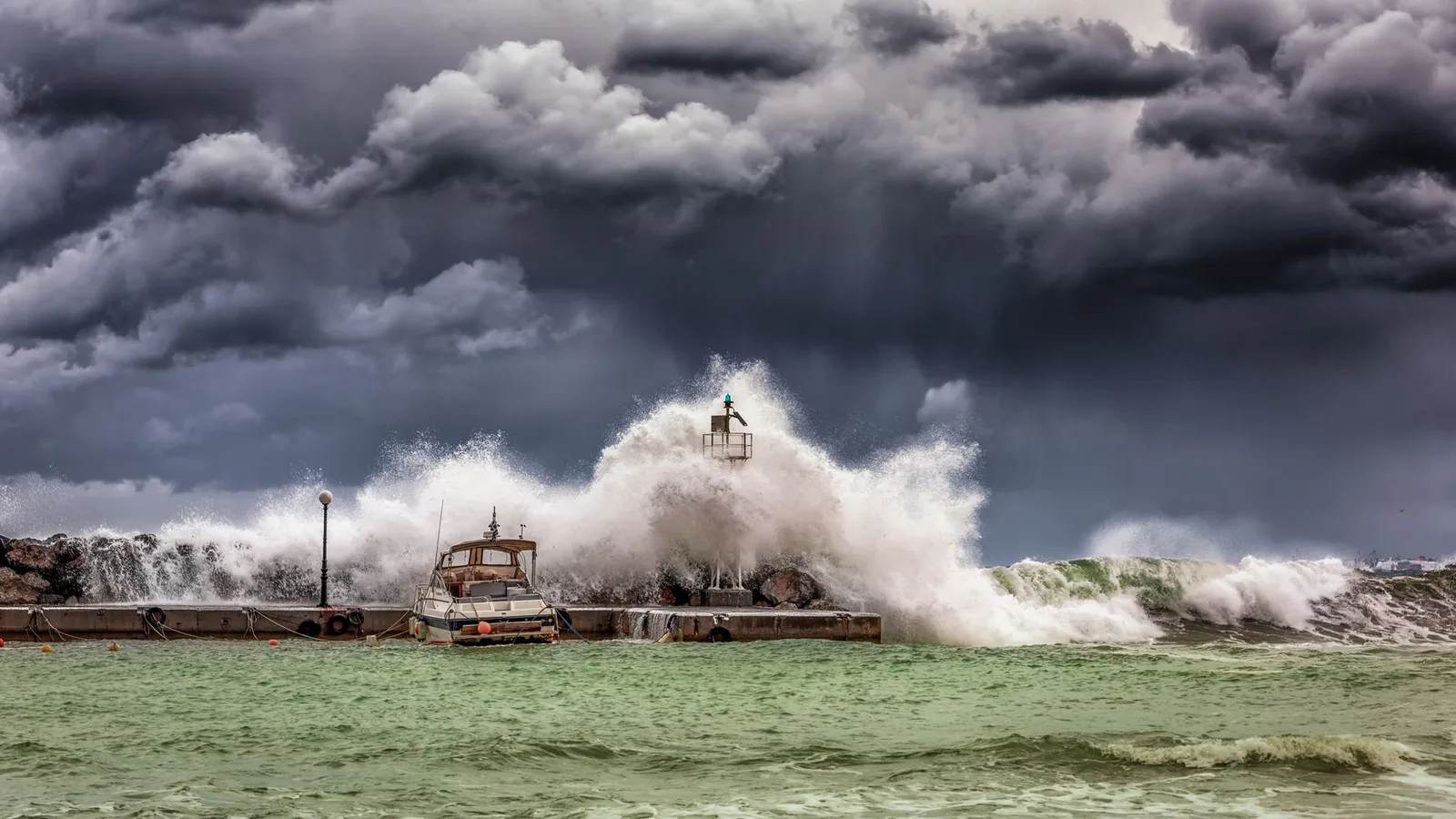
Hurricane Trudy Is Heading for Puerto Vallarta This Weekend, Here's What You Can Change and What You Can't Claim
Trudy is a Category 3 storm with Puerto Vallarta under a tropical storm watch. Here's what airlines owe you, the WestJet waiver and what insurance won't cover.
Breaking Safety & Advisories
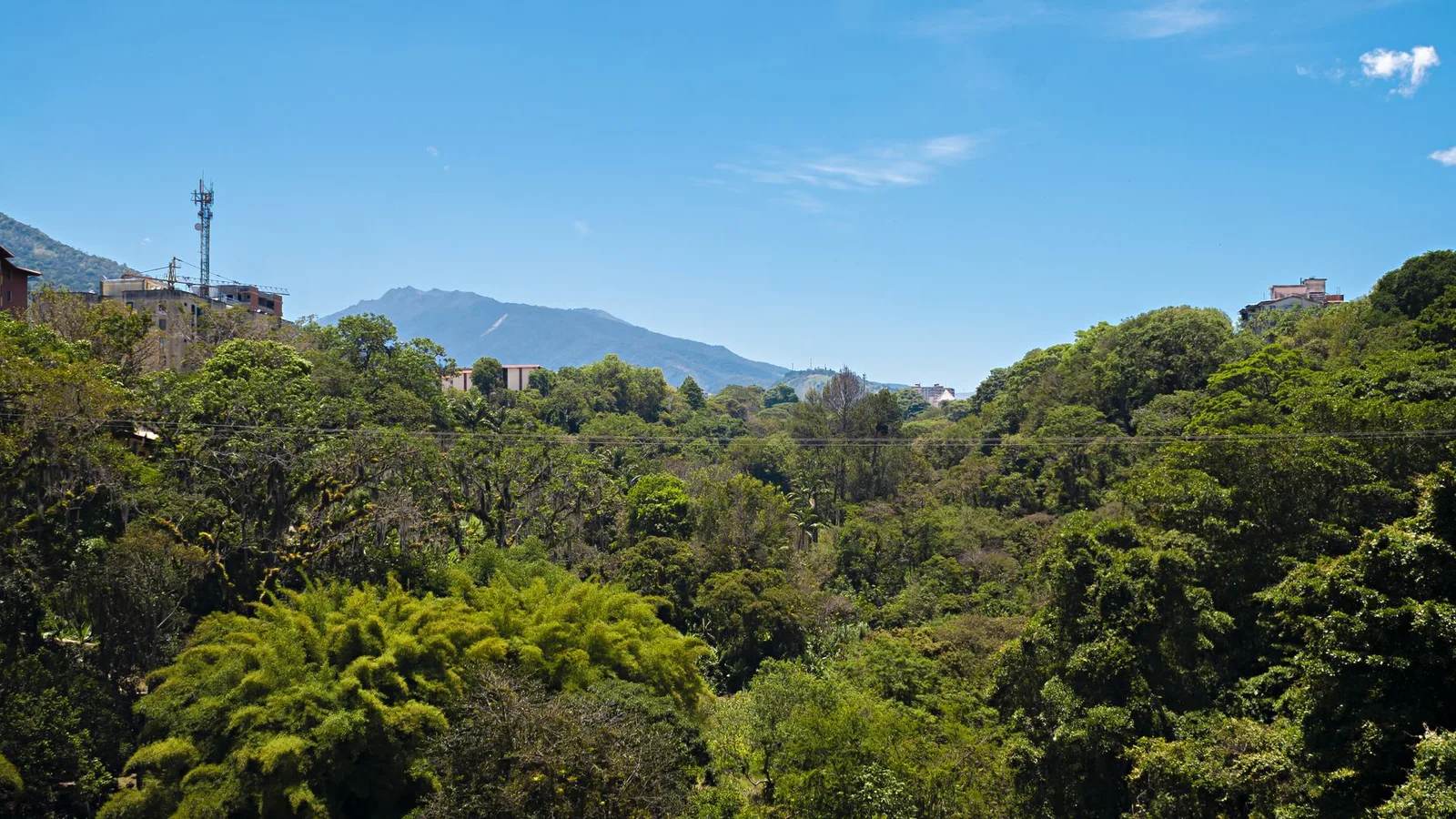
Britain Just Widened Its Venezuela Warning, and the Real Risk Is Your Travel Insurance
The FCDO now advises against all travel to Amazonas and a 40km Colombian border zone. Here is what that does to your insurance and your flight plans.
Breaking Flights & Access
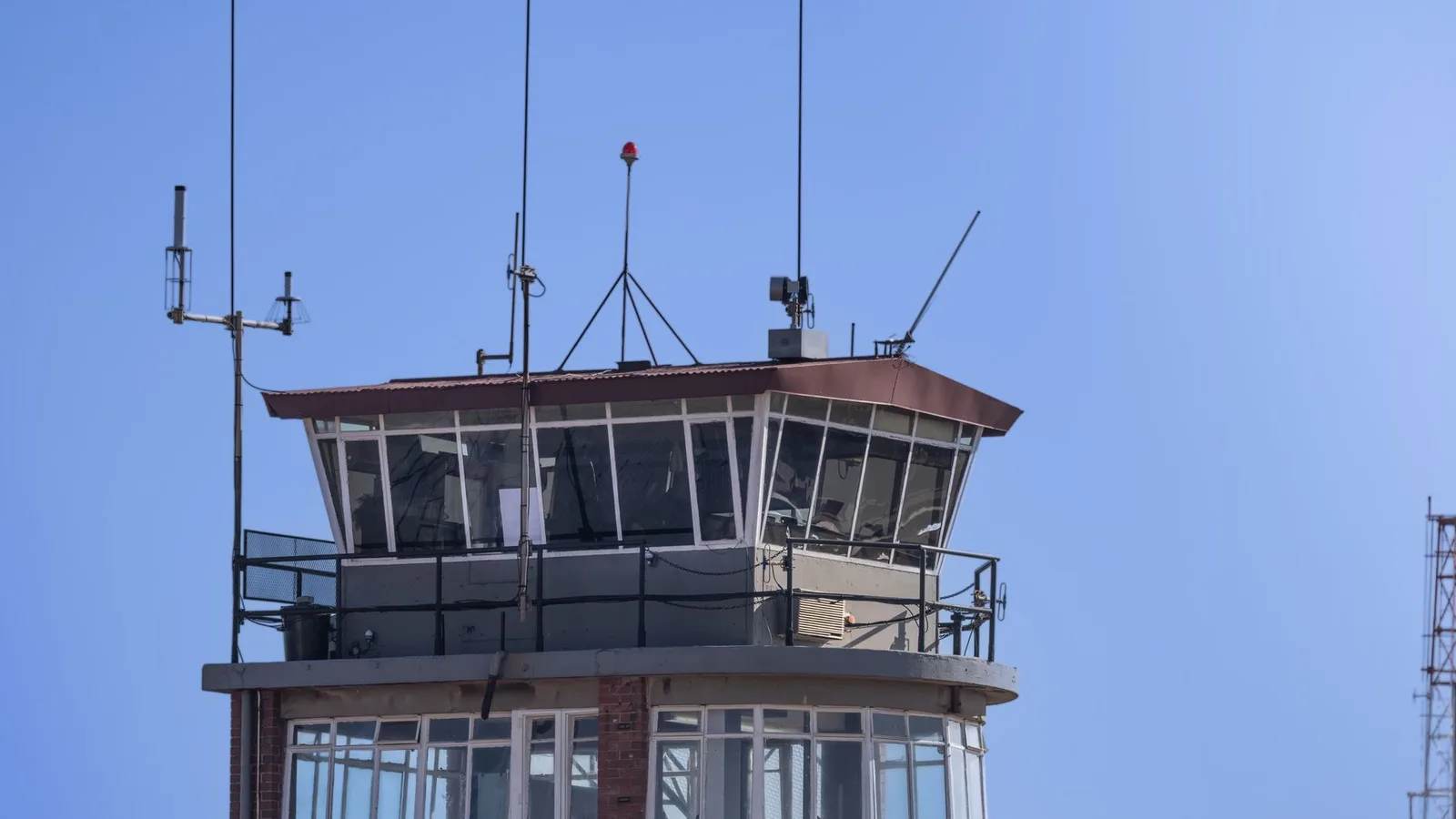
Two US Airports Lost Air Traffic Links to a Cut Cable in Two Days, Here’s What Your Airline Owes You
Contractors cut fiber lines at Raleigh-Durham on 12 October and Houston on 13 October. Here is what US rules say about refunds, rebooking and delay pay.