
Can You Trek to Everest Base Camp at 82? What the Record and the Research Actually Say
There is no legal or medical age cutoff on the trail to Everest Base Camp, and the current record holder just proved it at 82.
At a glance
- Published
- TopicSafety & Advisories
- Verified againstAsia Book of Records
- Treks coveredEverest Base Camp Trek — 12 Days, Everest Base Camp Trek — 14 Days, Everest View Trek — 7 Days
There is no age limit on the Everest Base Camp trek, legal or otherwise. The permits do not check your birth year, and the current record for the oldest person to reach it stands at 82 years old, set in October 2025 and formally recognised by the Asia Book of Records in May 2026. If you are asking whether you personally, at 60, 70 or 80, can physically do it, the honest answer is: age alone is not the deciding factor. Fitness, pacing and how you handle the climb are.
Key facts
- Oldest man to reach Everest Base Camp (5,364m): 82 years, 3 months, 3 days — Dave McClung, Oct 2025
- Oldest woman on record to reach it: 80 years old — Carolyn Robinson, May 2025
- Trek covered: 42 miles / 8 days (McClung's pace — most operators use 12–14)
- A pooled study of 491 high-altitude trekkers found no link between age and acute mountain sickness severity
Dave McClung, a retired Kansan from Olathe, started walking toward Everest Base Camp on 12 October 2025 and reached it on 19 October, six hours of walking a day for eight days with his son Dennis alongside him. He'd already finished the 97-mile Wonderland Trail around Mount Rainier, so this wasn't a first outdoor adventure late in life — it was a continuation of one. His own line about it: "I always wanted to be famous, but I didn't know I'd be famous for being old." Five months earlier, 80-year-old Carolyn Robinson from Berry, New South Wales, joined a charity trek to the same base camp after watching YouTube videos and deciding she could do it — a 17-day, 130km route that made her, by the Himalayan Database's reckoning, the oldest woman ever to arrive there.
Why age itself isn't the risk factor people assume it is
The instinct is to treat altitude as something that gets more dangerous the older you get. The research doesn't back that up. A meta-analysis published in Military Medical Research pooled data across multiple high-altitude studies and found no significant relationship between age and either the incidence or the severity of acute mountain sickness (AMS). A separate pooled analysis of five trials at White Mountain, California — 491 participants, 234 diagnosed with AMS — found the same null result on the Lake Louise symptom score. One proposed reason: older trekkers tend to have more outdoor experience and are more disciplined about ascent rate, which is the actual lever that controls AMS risk, at any age.
What actually changes the odds, by decade
| Trekker profile | Typical itinerary | What we add |
|---|---|---|
| Under 55, regular hiker | 12 days | Standard two acclimatisation days |
| 55–70, moderately active | 13–14 days | One extra acclimatisation night, cardiovascular check-up beforehand |
| 70+, McClung/Robinson territory | 14–17 days | Slower daily distances, doctor's clearance, travel insurance with a high evacuation ceiling |
What this means for trekkers
What this means for you
If you are fit enough to walk five to six hours a day on consecutive days at sea level, your age bracket is not what will stop you at altitude — an unrealistic itinerary will. The people who struggle are the ones of any age who compress the schedule to save two days, not the ones in their seventies who add two. A doctor's check before you go, real cardiovascular base fitness, and a guide who won't rush your acclimatisation matter more than your birth year. If you have uncontrolled heart or lung disease, that's a genuine stop sign regardless of age — talk to a doctor who understands altitude medicine, not just your GP.
If you want to test your own pace before committing to the full route, the shorter Everest View Trek reaches Sherpa country and mountain views in a week without pushing to Base Camp altitude. If you're ready for the real thing, our 14-day Everest Base Camp itinerary already builds in the slower pacing this article recommends for anyone over 55.
Sources: Johnson County Post, KCUR, Asia Book of Records (Dave McClung record); ABC News Australia (Carolyn Robinson); Military Medical Research meta-analysis on AMS and age, American Journal of Medicine.
Cover photo: Diego Girón via Pexels (Pexels License).
Still running this season
Everest Base Camp Trek — 12 Days is running normally
NMA-certified local guides, transparent pricing, 5,000+ treks since 1998. Message us your dates and we'll sort the permits, lodges and logistics — reply within 24 hours, no obligation.


Popular Nepal treks
All treks →


Related coverage
Safety & Advisories
Can a Beginner Do the Everest Base Camp Trek? The Honest Difficulty Answer (2026)
No mountaineering skills required — but altitude, not fitness, is what actually turns beginners back. Here is the real difficulty, by the numbers.
Safety & Advisories
How Many Days Do You Actually Need for Everest Base Camp? 10 vs 12 vs 14 vs 15-Day Itineraries
The honest answer, checked against Nepal's own altitude-medicine numbers — not against which itinerary sells fastest.
Safety & Advisories
Is the Everest Base Camp Trek Affected by the 2026 Nepal Floods?
No — the Everest region is running normally. The 26 August flood hit Rasuwa in the north, not the Khumbu. Here is why Lukla flights and the EBC trail are unaffected, leg by leg.

Flights & Access
Everest Base Camp Trek or Helicopter Tour? The Kala Patthar Reopening Changes the Math in 2026
A shared helicopter can land you on Kala Patthar again after a three-year ban, but it still can't buy you what nine days on the trail does.
Latest from the desk

Money & Insurance
How Much Travel Insurance Cover Do You Actually Need in 2026? Sizing Every Limit
Medical and repatriation is the limit that can bankrupt you, cancellation should match your non-refundable spend, and a headline "£10m medical" is worthless if an exclusion applies. Here is how to right-size cover to your trip.
World Destinations
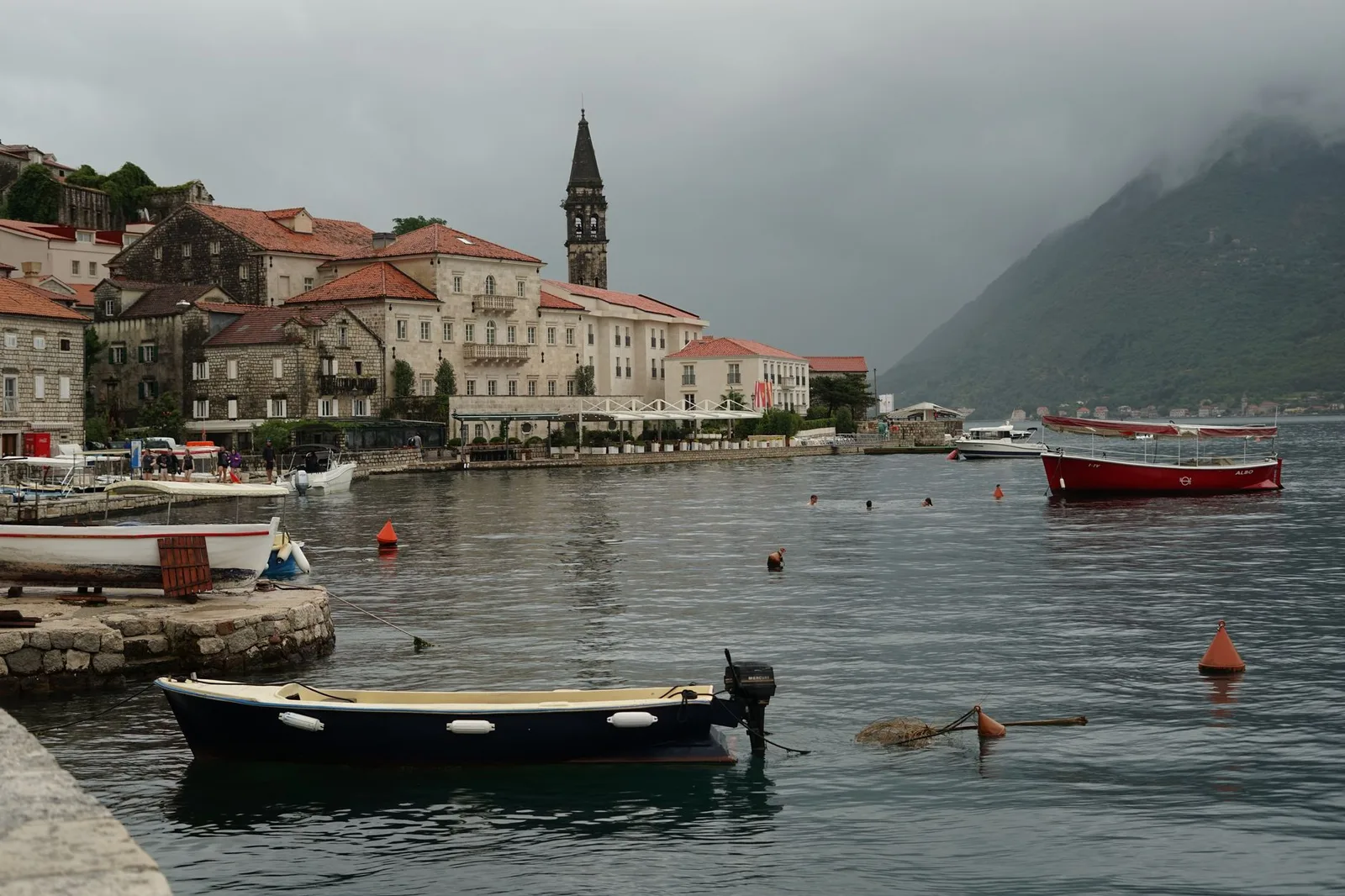
Underrated Alternatives to Overtouristed Destinations in 2026: Swap the Crowd for Its Quieter Twin
Skip the ticketed queues at Venice, Santorini, Bali and Dubrovnik. Here are the quieter, cheaper equals — from Bologna and Naxos to Kotor, the Faroes and Nepal's Manaslu — that deliver the same experience with a fraction of the crowds.
Records & People
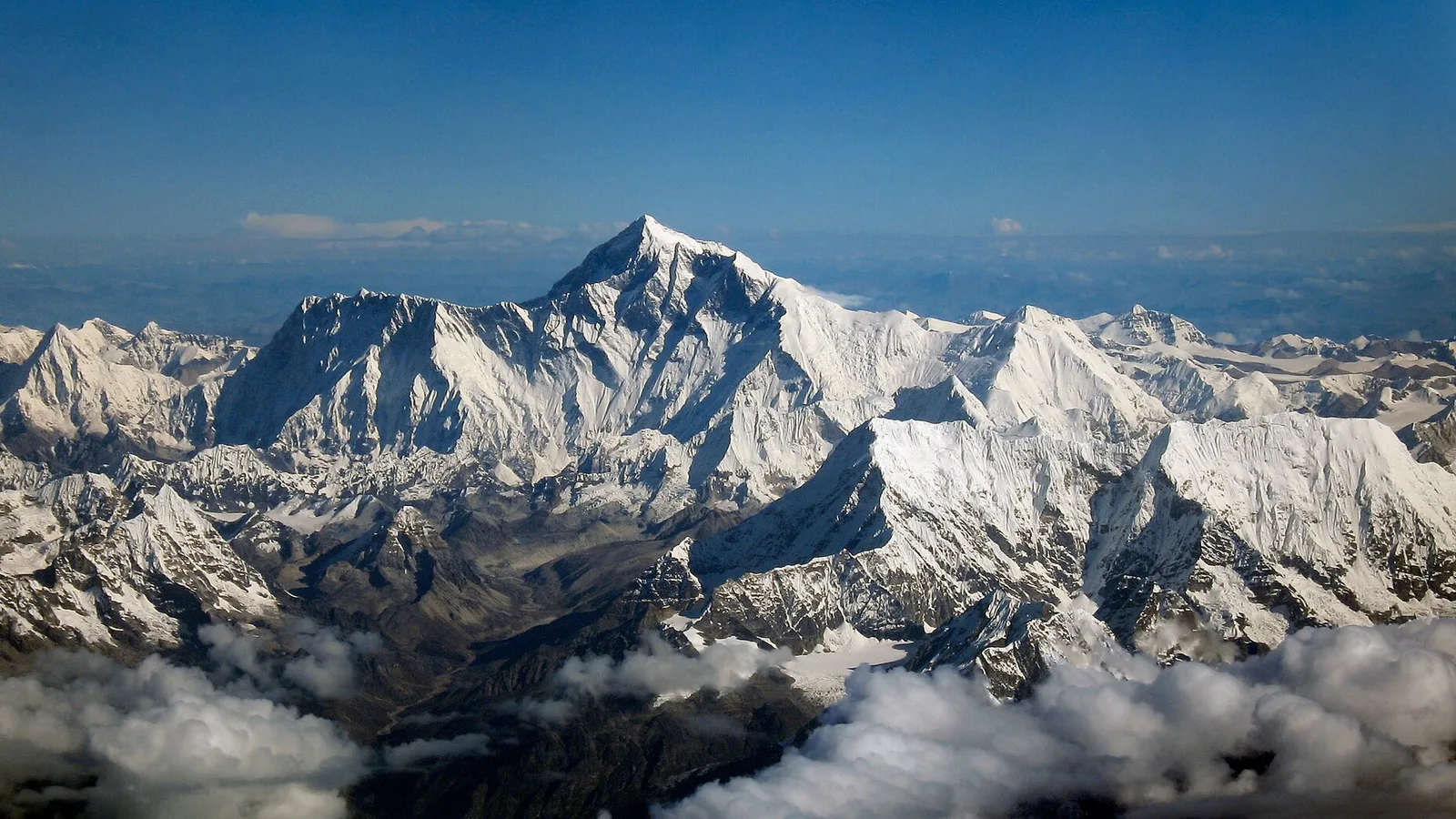
Mount Everest Was Named After a Man Who Never Saw It and Asked Not to Be
Sir George Everest never set foot near the mountain, never wanted his name on it, and wasn't even the one who proved it was the tallest on Earth.