
Mount Everest Was Named After a Man Who Never Saw It and Asked Not to Be
Sir George Everest never set foot near the mountain, never wanted his name on it, and wasn't even the one who proved it was the tallest on Earth.
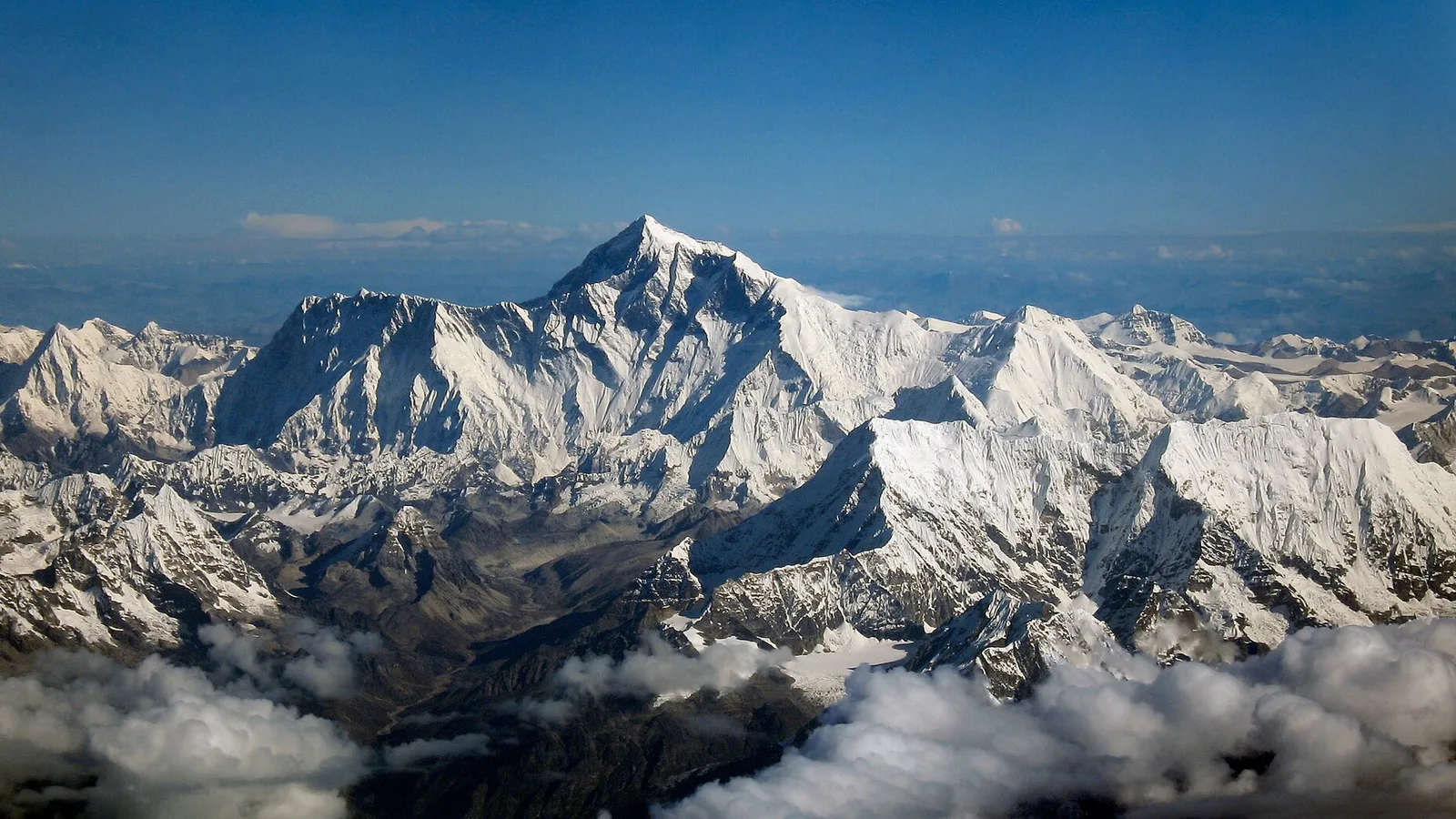
At a glance
- Published
- TopicRecords & People
- Verified againstHISTORY.com
- Treks coveredEverest Base Camp Trek — 14 Days, Everest View Trek — 7 Days
Mount Everest carries the name of a man who never climbed it, never saw it, and asked in writing not to have it. Sir George Everest died in 1866, a year after the Royal Geographical Society named the world's highest mountain after him — and by then he had been retired in England for over two decades, nowhere near Nepal.
Key facts
- The mountain was known only as Peak XV until 1865, thirteen years after surveyors first proved it was the world's highest point
- Its height was first calculated in 1852 by Bengali mathematician Radhanath Sikdar, not by any European surveyor
- George Everest formally objected to the name in 1857, arguing his surname could not be written in Hindi script or pronounced by 'the native of India'
- Nepal's own name for the mountain, Sagarmatha, means 'Forehead of the Sky'
The story begins with the Great Trigonometrical Survey of India, the decades-long project that mapped the subcontinent peak by peak with giant theodolites and chains of observation towers. In 1849 and 1850, survey teams took readings on an unnamed Himalayan summit — logged only as Peak XV — from six stations up to 174 kilometres away, because British surveyors were barred from entering Nepal itself.
The raw numbers travelled to Calcutta, where the Survey's 'computers' — human calculators who converted angles into elevations — did the real work. Chief among them was Radhanath Sikdar, who by 1852 had worked out, using trigonometry corrected for the Earth's curvature and atmospheric refraction, that Peak XV stood higher than any mountain ever measured. His figure came out to a suspiciously round 29,000 feet, so Surveyor General Andrew Waugh added two arbitrary feet before announcing it, worried a round number would look like a guess rather than a measurement. Nepal and China's own joint survey in 2020 fixed the true figure at 8,848.86 metres, or 29,031.69 feet.
It was Waugh, not Sikdar, who proposed the name in 1865 — for his own predecessor as Surveyor General, Sir George Everest. Everest had run the Survey from 1830 to 1843 and had never travelled anywhere near the mountain that would carry his name; he retired to England nine years before Peak XV was even identified as the world's highest point. When he learned of the plan, he objected to the Royal Geographical Society on the grounds that 'Everest' could not be written in Hindi script nor correctly pronounced by Indians, and that the Survey's own policy was to keep local names wherever one existed. He was overruled. His own family, for what it's worth, pronounced the name 'EEV-rest', not the 'EV-er-est' the world uses today.
| Name | Language | Meaning |
|---|---|---|
| Sagarmatha | Nepali | 'Forehead of the Sky', Nepal's official name for the mountain |
| Chomolungma | Tibetan | 'Goddess Mother of the World', used for centuries in the Khumbu and Tibet |
| Mount Everest | English | Named for a man who never saw it, and who asked not to be |
What this means for trekkers
What this means for you
Every guide in the Khumbu will use more than one name for the mountain in a single sentence — Everest for a client, Sagarmatha or Chomolungma to describe the peak the Sherpa community actually grew up under. Sagarmatha National Park, the UNESCO World Heritage area you walk through on the way to base camp, is named for the Nepali word, not the English one — worth knowing before you ask a guide which name is 'correct'. Both are, for different reasons.
If the story of how the mountain got its name has you looking at a map rather than a browser tab, the walk to see it in person still follows the route the 1953 first ascent used — up the Khumbu valley, through Sagarmatha National Park, to a viewpoint at the foot of the mountain itself. Our 14-day Everest Base Camp trek follows that route, and the shorter Everest View trek reaches a lodge with the mountain in full view without needing three weeks off work.
Sources: HISTORY.com, World Atlas, Gripped Magazine, and Wikipedia entries on George Everest and Radhanath Sikdar.
Cover photo: Mount_Everest_as_seen_from_Drukair2.jpg: shrimpo1967 derivative work: Papa Lima Whiskey 2 (talk) via Wikimedia Commons (CC BY-SA 2.0).
Still running this season
Everest Base Camp Trek — 14 Days is running normally
NMA-certified local guides, transparent pricing, 5,000+ treks since 1998. Message us your dates and we'll sort the permits, lodges and logistics — reply within 24 hours, no obligation.


Popular Nepal treks
All treks →


Related coverage
Records & People
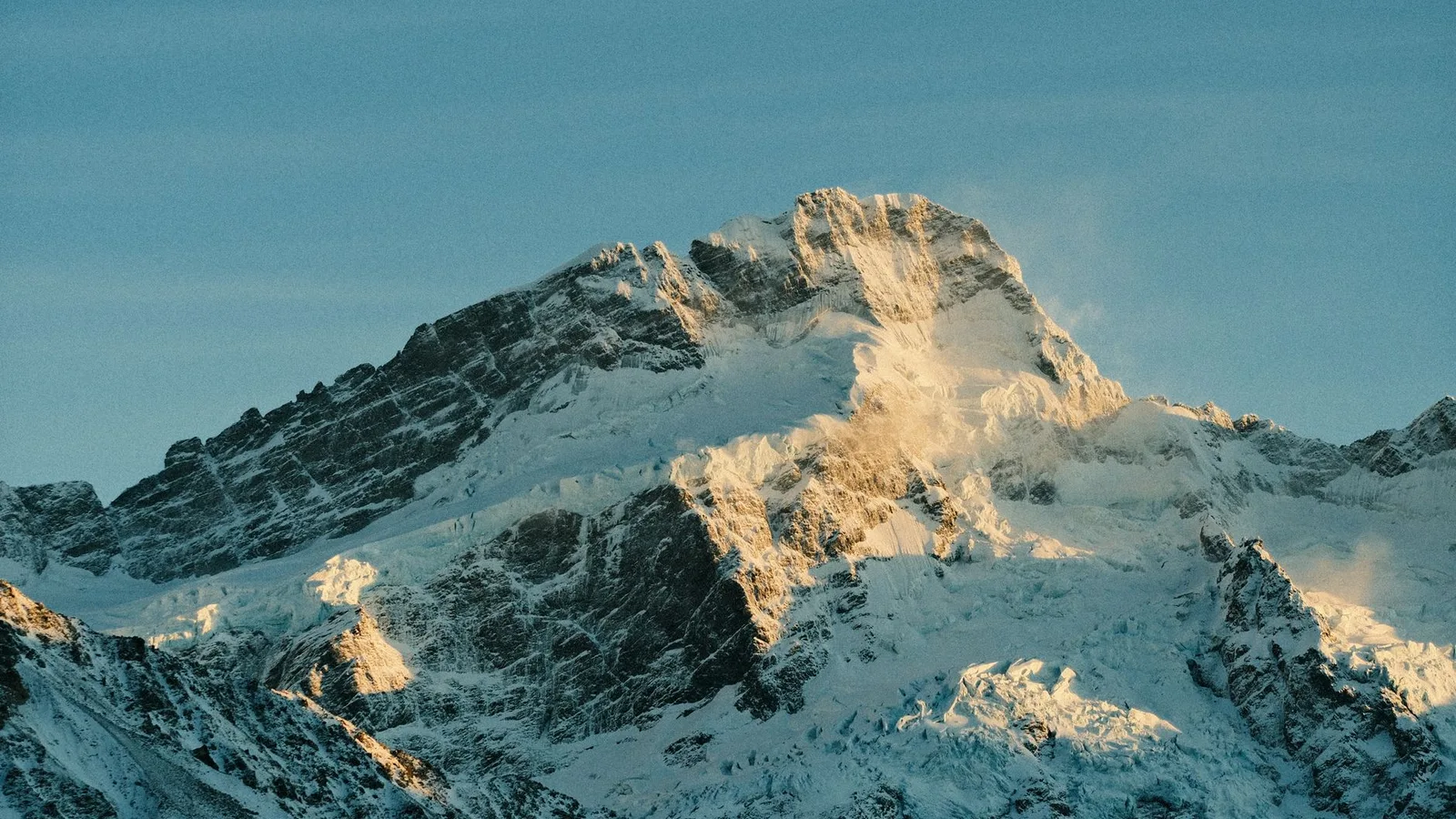
Mount Everest Is Still Growing — and a Hijacked River 47 Miles Away Is Pushing It Up
A 2024 study in Nature Geoscience found the world's tallest mountain gains roughly 2mm a year from an ancient river 'piracy' event on top of the tectonic collision that built it in the first place.
Records & People
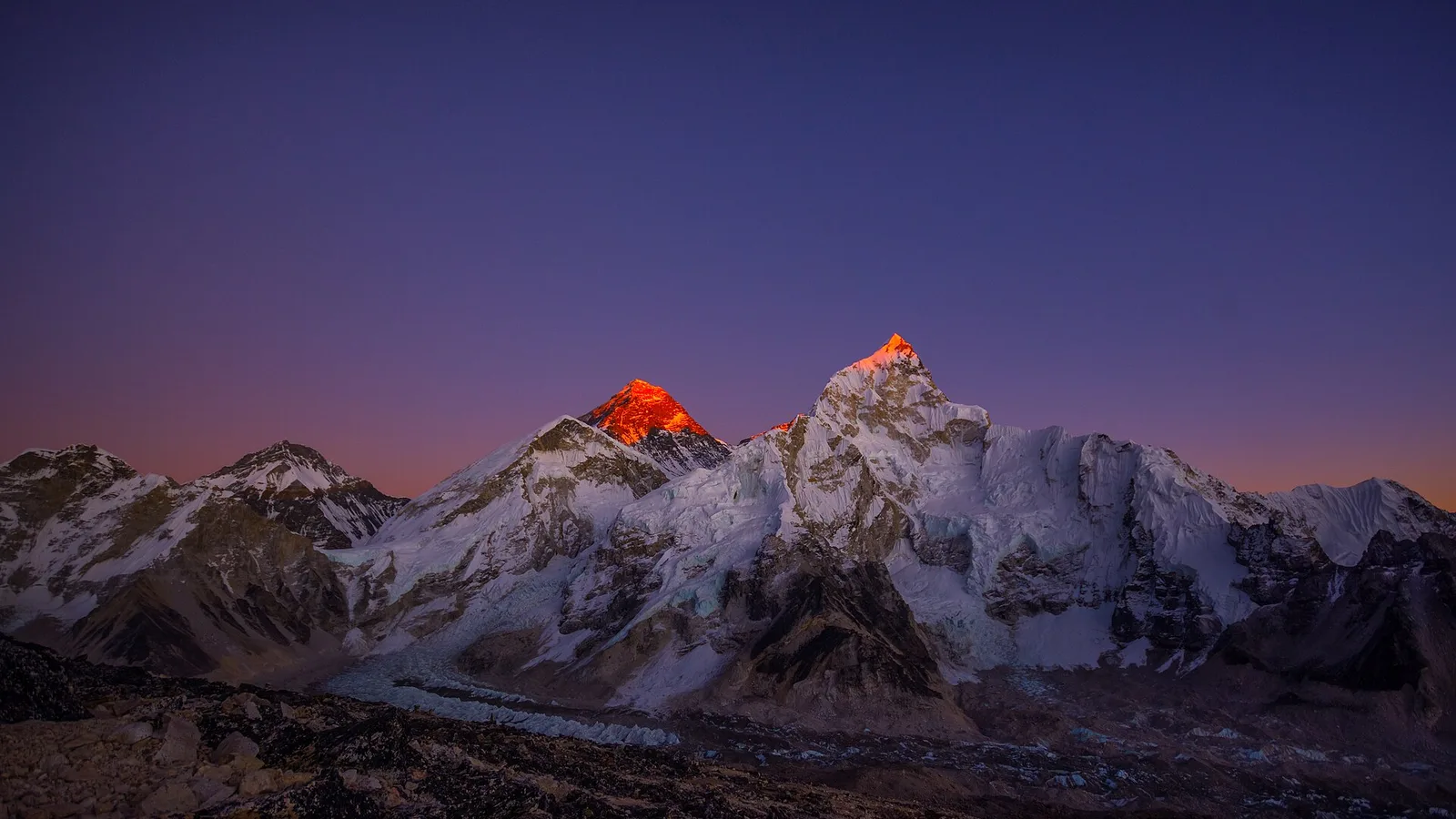
Nobody tells you Everest can only be climbed a few days a year, and the jet stream is why
For most of the year a jet stream sits on the summit of Everest with winds over 250 km/h. It lifts north for a few weeks each May when the monsoon pushes it aside, and that short calm is the only time the mountain is climbable.
Records & People
In 1951, an Everest Climber Photographed a Giant Footprint in the Snow. Nobody Has Fully Explained It Since.
Eric Shipton's photo of a 13-inch print near Everest sparked global Yeti mania — DNA science later traced most of the physical 'evidence' back to Himalayan bears.
Records & People
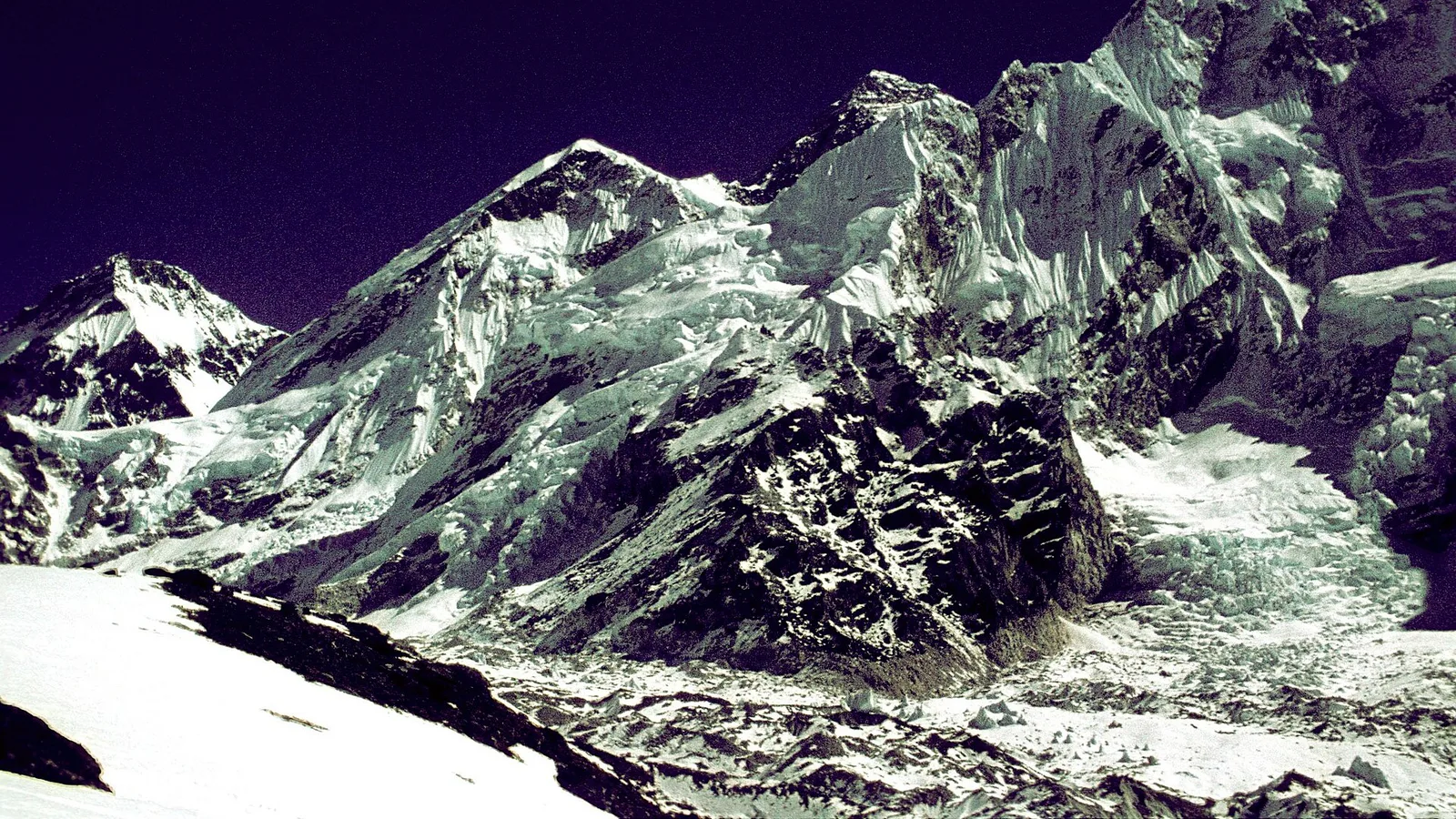
Everest Records: The Fastest, Oldest, and Most Summits
Mount Everest's verified record book — who has summited most, who was oldest and youngest on top, and the fastest ascent ever timed, with every name, number and year sourced.
Latest from the desk
Deals & Routes
Budget vs Full-Service Airlines in 2026: Which Is Really Cheaper Once You Add It All Up?
The headline low fare rarely tells the truth. Here is how budget and full-service airlines really compare on bags, seats, food, changes and connections in 2026 — and when each one is the smarter buy.
Gear & Tech
Do You Need an RFID-Blocking Wallet in 2026? The Honest Answer on Contactless-Card Skimming
Contactless "skimming" from someone brushing past you is rare and overhyped. Here is what actually threatens your card abroad — and the free five-minute setup that beats any gadget.
Safety & Advisories
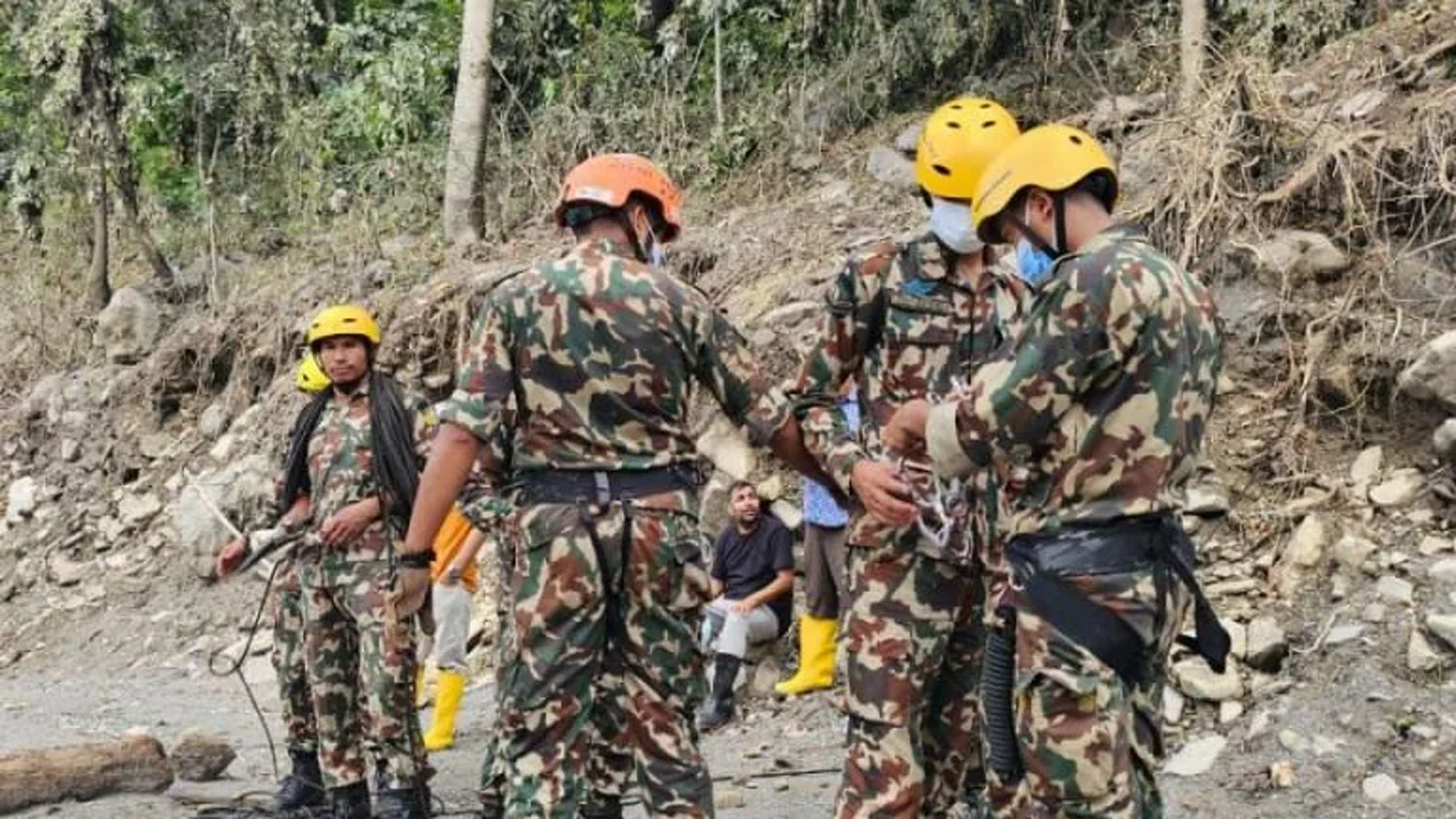
The Nepal flood video with 7 million views was AI-generated, and here's how to check the next one
Nepal's Press Council has ordered 72 accounts to take content down. Here are the fakes that travelled furthest, and the three checks that catch nearly all of them.