
Do You Need an RFID-Blocking Wallet in 2026? The Honest Answer on Contactless-Card Skimming
Contactless "skimming" from someone brushing past you is rare and overhyped. Here is what actually threatens your card abroad — and the free five-minute setup that beats any gadget.
At a glance
- Published
- TopicGear & Tech
- Verified againstWikipedia (Contactless payment, RFID skimming, Credit card fraud)
- Treks coveredAnnapurna Circuit Trek — 13 Days, Everest Base Camp Trek — 14 Days, Manaslu Circuit Trek — 14 Days
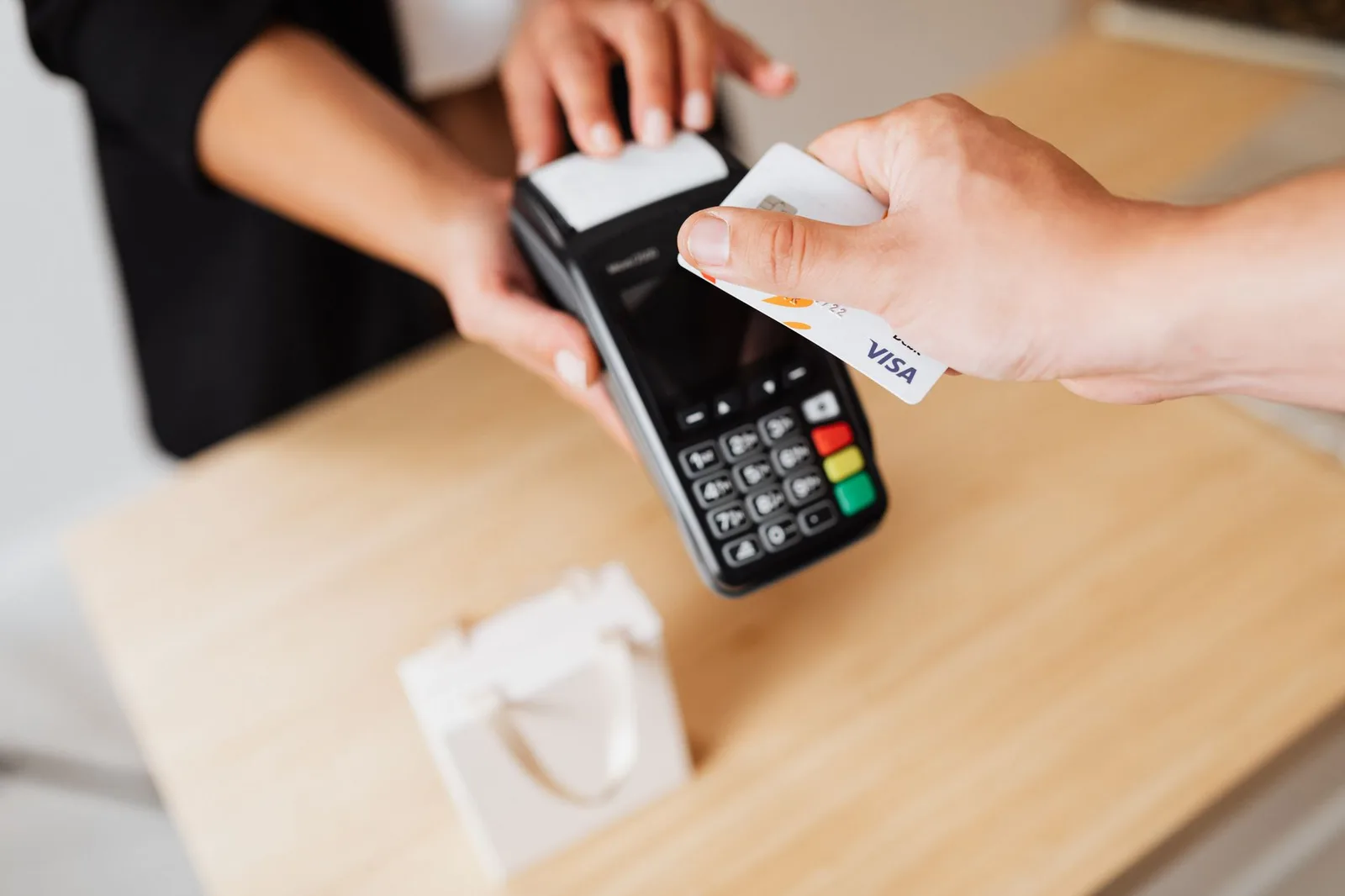
Walk through any airport and you will see them: slim metal wallets and card sleeves promising to stop thieves "reading" your bank card through your pocket. The pitch is that a criminal can brush past you with a hidden reader, silently harvest your card details from the contactless chip, and drain your account. It is a tidy, scary story. It is also, in 2026, largely a solution looking for a problem.
Here is the honest version, and it is good news: real-world wireless "skimming" of contactless cards is rare and heavily overhyped. The risks that actually cost travellers money abroad are older and more boring — tampered ATMs, dodgy card machines, phishing messages, and plain physical theft. An RFID-blocking wallet does little harm, but for most travellers it solves the one threat you are least likely to meet while ignoring the ones you will.
Key facts
- There are no reliable statistics on real-world RFID card skimming — because almost no documented cases of mass fraud from someone walking past you with a reader exist to count.
- Contactless payments are tokenised and capped: phone wallets transmit a device-specific number, not your real card number, and tap purchases are limited (for example £100 in the UK, commonly €25–€50 across Europe).
- The genuinely common card threats abroad are ATM and card-machine skimmers, phishing, and physical theft — none of which an RFID wallet stops.
- In Nepal you will mostly spend cash on the trail, so an RFID wallet is beside the point; the real risk is a rigged ATM in a tourist area.
Why wireless "skimming" almost never happens
The fear dates to a real vulnerability. Back in 2006, security researchers showed that some early contactless cards transmitted the cardholder's name, number and expiry date without encryption — enough, in a lab, to make an online purchase. That was a genuine flaw, and it made headlines that still echo today.
But the technology moved on. Modern EMV chip cards encrypt the exchange, and a stolen snippet of data cannot simply be replayed to make a payment. When you pay with a phone — Apple Pay, Google Pay — the card number is never sent at all; the wallet generates a device account number backed by a private key, useless to anyone who intercepts it. Add the per-tap value caps and the fact that a thief would need to stand implausibly close, for long enough, in a crowd, to grab a single low-value token, and the economics collapse. It is far easier to steal a wallet.
This is why fraud investigators struggle to find victims: the crime is technically possible but practically pointless. Even the trade press that once sold the fear now runs headlines closer to "why you don't really need it." Your card issuer, meanwhile, generally covers you for fraudulent contactless charges — the liability sits with the bank, not you.
The risks that actually cost travellers money
Skip the gadget anxiety and look at where fraud abroad genuinely comes from. These are documented, common, and — crucially — an RFID sleeve does nothing to stop any of them.
| Risk | How real is it? | What actually protects you |
|---|---|---|
| Wireless / RFID skimming | Rare and overhyped; no reliable evidence of mass real-world fraud. Tokenisation and tap caps limit it further. | Nothing extra needed. Modern chip cards and phone wallets already do the work; card alerts catch anything odd. |
| ATM & POS skimmers | Common and documented worldwide — a fake reader over the card slot, often with a hidden camera or overlay to grab your PIN. | Use bank-branded ATMs inside branches; cover the keypad; tug the card slot; check statements. Prefer tap or chip over swipe. |
| Phishing & fake texts | Very common and rising — scam "delivery," "bank" or "fine" messages that harvest your card and login details. | Never enter card details from a link. Go to the app or site directly. Turn on transaction alerts and two-factor login. |
| Physical theft | The classic and most likely one — a lifted wallet or phone, then a burst of small contactless buys before it is flagged. | Split cash and cards, use a money belt in crowds, and be able to freeze the card instantly from your banking app. |
Notice the pattern: the defences that matter are habits and settings, not hardware. For the theft side of the table, our guide to avoiding pickpockets and theft abroad covers the sleight-of-hand tricks in detail, and if you are weighing how to carry money at all, cash vs debit vs credit vs prepaid is the companion read.
Skip the gadget, do this instead
Turn on instant transaction alerts in your banking app so every charge pings your phone. Learn where the freeze-card button is before you fly. Use a virtual or single-use card number for online bookings where your bank offers one, and lower your tap limit if you can. Carry a second card separately from the first. That five-minute setup beats any wallet you can buy — and costs nothing.
The Nepal reality: it is a cash country
Here is the part the wallet marketing never mentions. On a Nepal trek you spend almost entirely in cash — rupees for teahouses, meals, hot showers, charging, and the occasional bar of chocolate at altitude. Card machines are scarce once you leave Kathmandu and Pokhara, and contactless is rarer still. An RFID-blocking wallet on the Everest or Annapurna trail protects you from a threat that simply is not there.
The card risk in Nepal is concentrated in one place: withdrawing cash before you set off. Stick to ATMs attached to established banks in Kathmandu and Pokhara rather than free-standing machines in tourist alleys, cover the keypad, and take out enough for the trek in a couple of visits rather than many small ones. Tell your bank you are travelling, and switch on those transaction alerts. Do that and your money is far safer than any sleeve could make it.
Planning a trek where you will be living off rupees and a warm sleeping bag rather than a card machine? Our guided Everest Base Camp and Annapurna Circuit departures include the local knowledge — where to draw cash, what to budget, what to skip — that keeps your trip simple and your money secure. Talk to us before you buy a single gadget you do not need.
Cover photo: https://kaboompics.com/ via Pexels (Pexels License).
Still running this season
Annapurna Circuit Trek — 13 Days is running normally
NMA-certified local guides, transparent pricing, 5,000+ treks since 1998. Message us your dates and we'll sort the permits, lodges and logistics — reply within 24 hours, no obligation.


Popular Nepal treks
All treks →


Related coverage
Gear & Tech
Portable Wi-Fi and Travel Routers in 2026: Do You Actually Need One?
A pocket Wi-Fi box, a travel router, a phone hotspot, an eSIM or a local SIM — an honest buyer’s guide to what each does, when a device is worth it, and why none of them help where there’s no signal.
Deals & Routes
How to Get a Flight Upgrade in 2026: What Actually Works (and the Myths to Drop)
Free upgrades are rare and the "dress smart and ask nicely" trick mostly does not work. Here are the real levers in 2026 — elite status, points, paid bids, oversold-flight volunteering and booking an upgrade-eligible fare.
Gear & Tech
How to Avoid Getting Locked Out of Your Accounts Abroad in 2026: 2FA, Authenticator Apps and Backup Codes
The digital lock-outs travellers hit overseas — SMS codes sent to a home number you cannot receive, an authenticator app on a lost phone, a bank that blocks a foreign login, an email recovery loop — and the twenty minutes of setup before you fly that prevents every one.
Visas & Entry
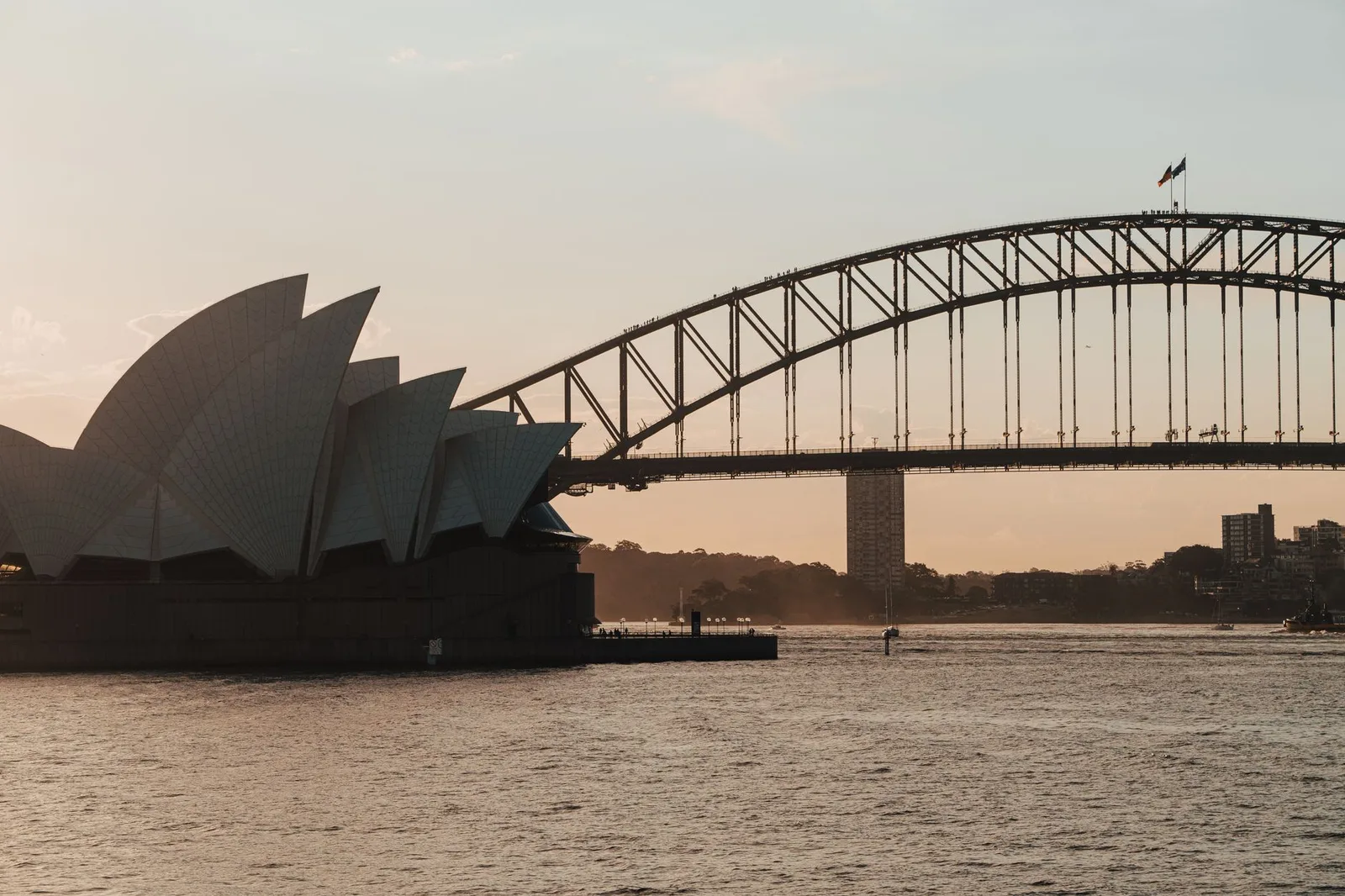
Visiting Australia in 2026: The ETA, eVisitor and Visitor Visa Explained
Australia has no visa on arrival — every short-stay visitor needs an authorisation before they fly. Here is the ETA (601), the free eVisitor (651) and the Visitor visa (600), and how to apply officially.
Latest from the desk
Safety & Advisories
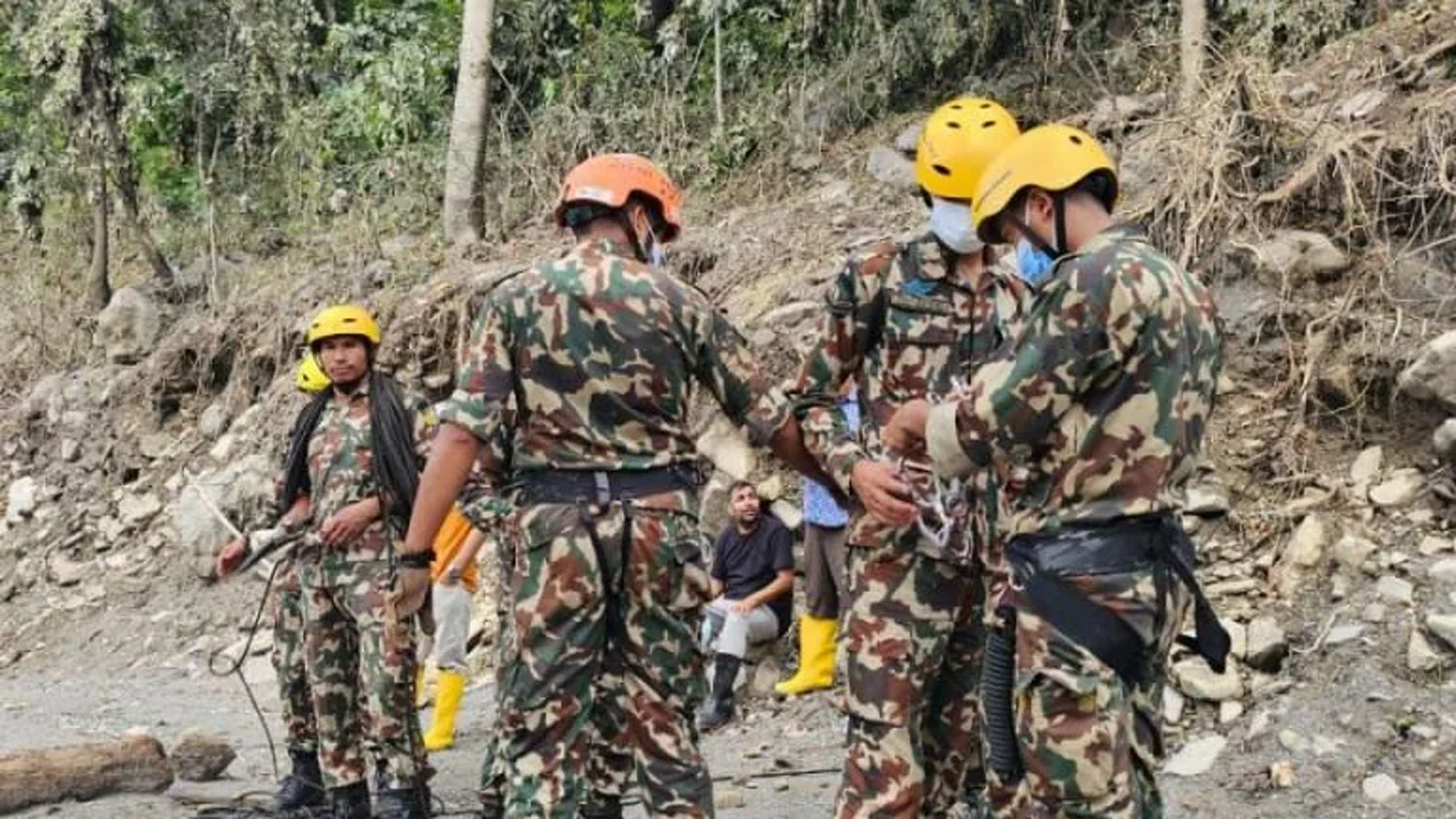
The Nepal flood video with 7 million views was AI-generated, and here's how to check the next one
Nepal's Press Council has ordered 72 accounts to take content down. Here are the fakes that travelled furthest, and the three checks that catch nearly all of them.
Industry & Tourism
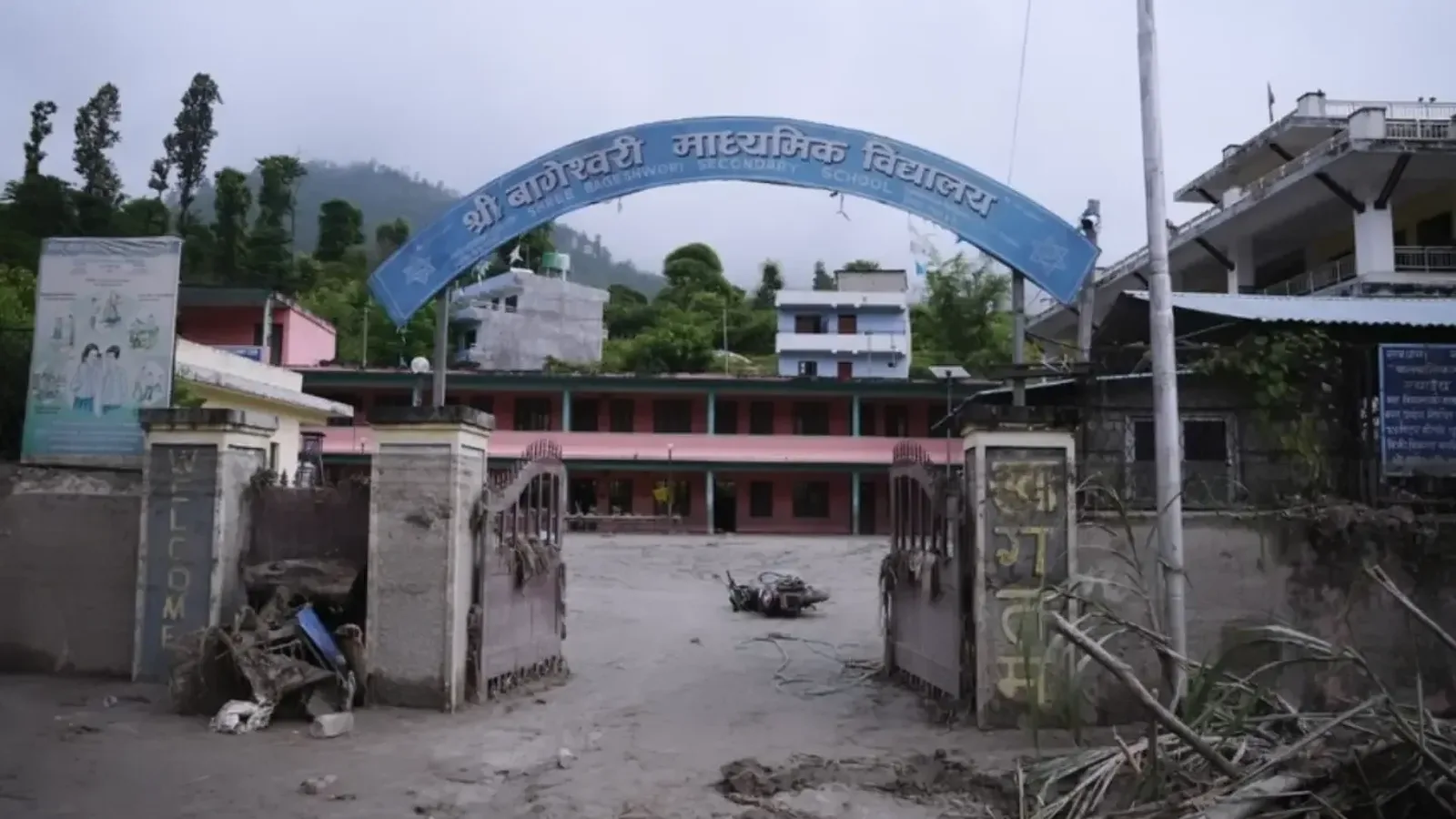
Should you still book Nepal this autumn after the flood, and what happens to the guides if you don't
Four Langtang and Rasuwa treks are paused on our own books, while Everest, Annapurna and Manaslu sit in different river systems and are running normally.
Safety & Advisories
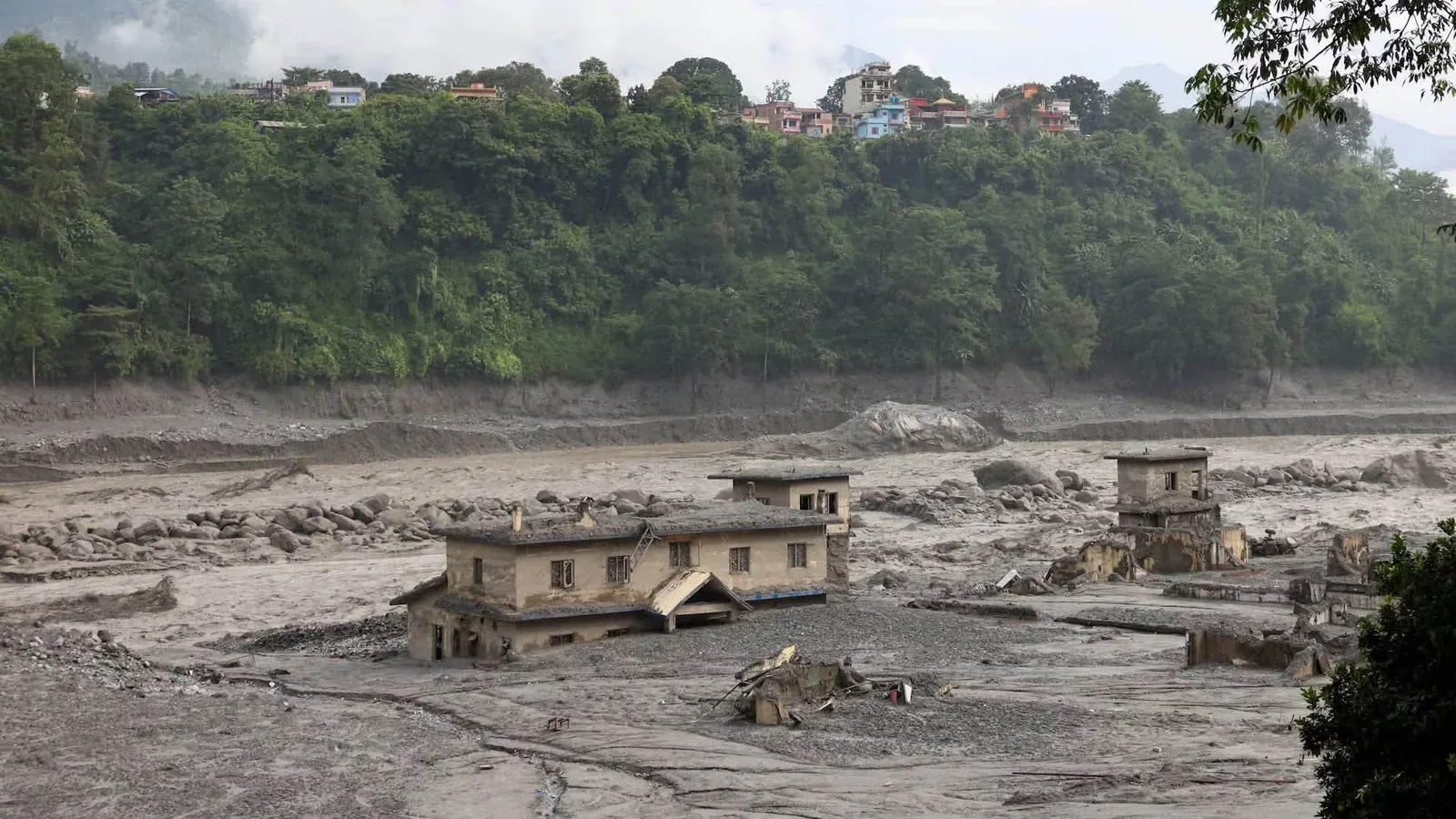
Chitwan sits 150 km downstream from the Nepal flood and it has recovered the most bodies, here's why
NDRRMA's breakdown puts Chitwan first with 272 bodies recovered and Rasuwa, where the flood began, eighth with 24. Here is what that inversion means.