
Chitwan sits 150 km downstream from the Nepal flood and it has recovered the most bodies, here's why
NDRRMA's breakdown puts Chitwan first with 272 bodies recovered and Rasuwa, where the flood began, eighth with 24. Here is what that inversion means.
At a glance
- Published
- TopicSafety & Advisories
- Verified againstNDRRMA bulletin via The Himalayan Times
- Treks coveredAnnapurna Base Camp Trek — 7 Days, Everest Base Camp Trek — 14 Days
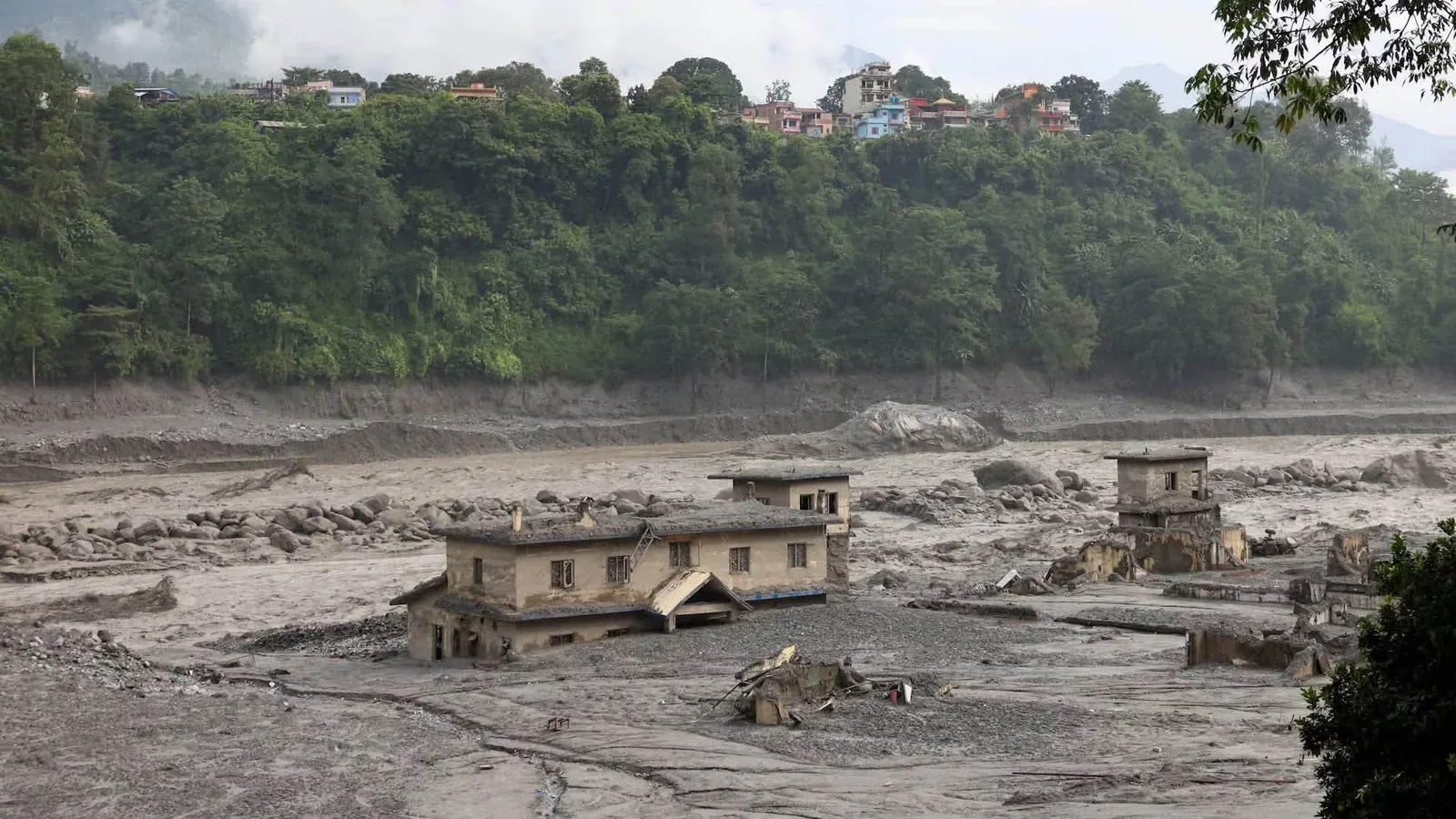
The Bhote Koshi flood began in Rasuwa, on the Tibet border. Rasuwa is eighth on the list of districts by bodies recovered. Chitwan, roughly 150 km downstream where the valley opens into the lowlands, is first. That inversion does not mean Chitwan lost the most people. It means Chitwan is where the river finally slowed down enough to give them back. The dying happened upstream. The finding happened down here.
Key facts
- NDRRMA bulletin, 31 August, all figures provisional: 903 dead, 4,247 missing, 10,451 rescued, 267 injured, and 592 foreign nationals unaccounted for
- Bodies recovered in Chitwan: 272. Bodies recovered in Rasuwa, where the flood started: 24
- Still listed missing in Rasuwa: 865. Still listed missing in Nuwakot: 1,558. A further 933 are missing from hydropower project sites
- The eight district figures add up to exactly 903, so this is the complete national recovery breakdown, not a sample
We have covered what the floods did to Chitwan's park and safari season separately. This is about the number underneath it.
The district where it started is eighth
One caveat before anything is built on that top bar. NDRRMA's 31 August breakdown puts Chitwan at 272; a wire tally the same day gave 246; the Kathmandu Post reported 233 on 30 August while the count was still climbing hourly. We cannot reconcile the three, so read Chitwan as roughly 233 to 272 and provisional. The argument does not depend on which is right, because the figure it is being measured against is 24.
Recoveries are not deaths in place
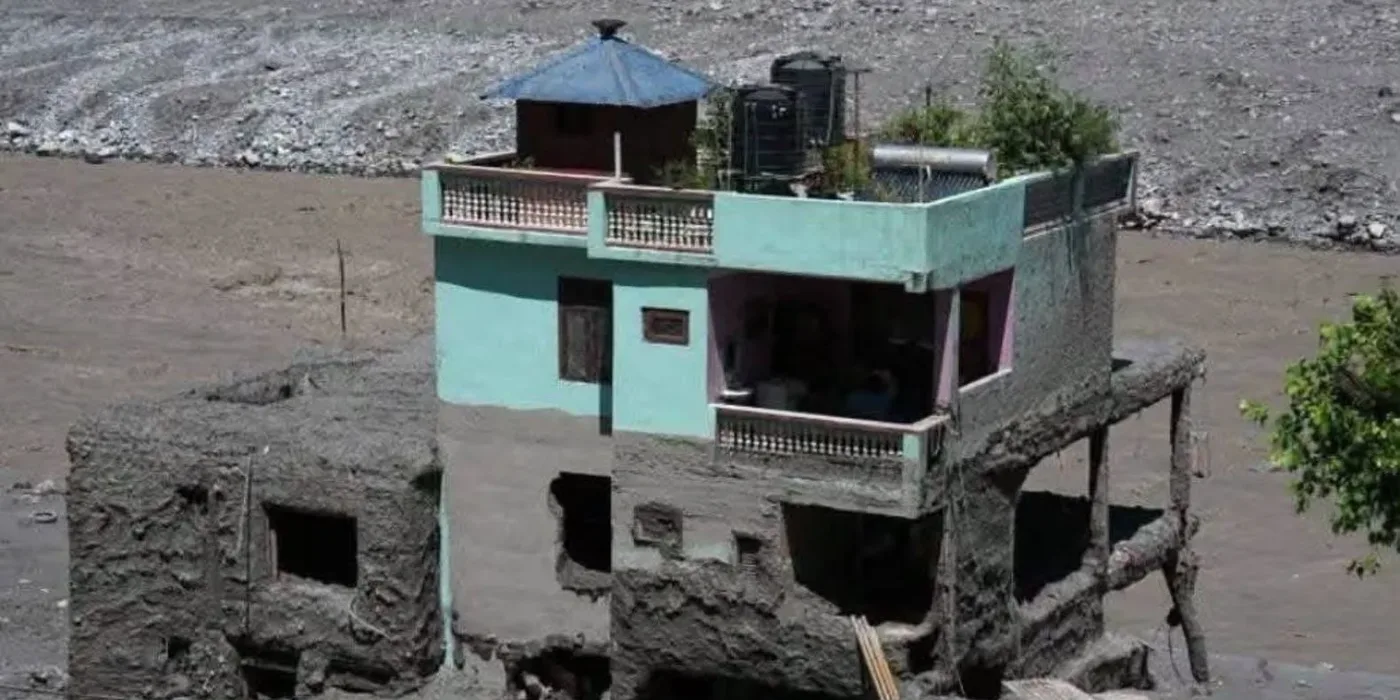
A death toll by district reads like a map of where people died. In a river disaster it is nothing of the kind. It is a map of where a body came to rest and where somebody was standing on the bank to find it. Those are two different geographies, and the missing column proves it.
| District | Recovered | Still missing |
|---|---|---|
| Chitwan | 272 | not itemised |
| Nawalparasi East | 207 | not itemised |
| Nawalparasi West | 151 | not itemised |
| Nuwakot | 95 | 1,558 |
| Gorkha | 62 | not itemised |
| Dhading | 55 | not itemised |
| Tanahun | 37 | not itemised |
| Rasuwa | 24 | 865 |
| National total | 903 | 4,247 |
Look at the two rows where the missing have been itemised. Rasuwa: 24 found, 865 gone. Nuwakot: 95 found, 1,558 gone. Those are the districts that lost their people. The surge moved at around 50 metres per second and carried debris some 80 km down a narrow gorge, and nothing in a gorge like that stays where it fell. Chitwan and the two Nawalparasis hold the recoveries because the Trishuli becomes the Narayani, the gradient collapses, the channel widens, and the water lets go of what it carries.
Chitwan had about six hours. Timure had thirteen minutes.
The second thing the table hides is warning time, and it does not favour the story people expect. Downstream Nepal was warned. Rasuwa was not, because there was no time in which to warn it.
A glacier section falls roughly 1,200 m on Langtang Lirung. Seismometers worldwide register the impact.
Thirteen minutes later the surge takes the border customs complex and the friendship bridge.
SMS warnings reach 679,295 riverbank residents in Rasuwa, Nuwakot, Dhading and Chitwan — 25 minutes after Timure had already gone.
The bridge and surrounding structures are swept away as the wave works down the Trishuli.
The surge reaches the confluence in Chitwan, more than six hours after the alert was sent.
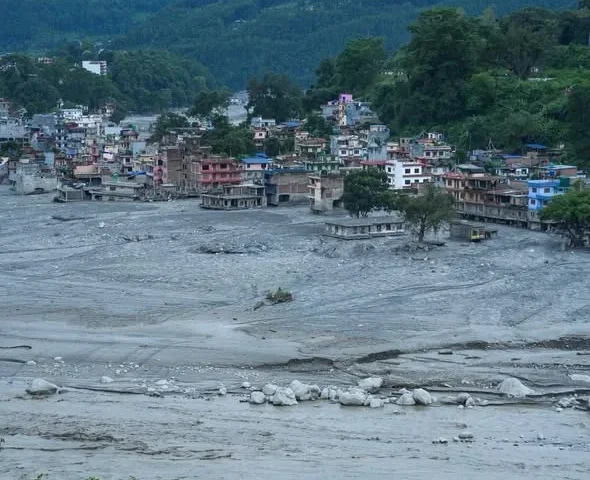
So the popular version, that the lowlands were caught unaware in the dark, is wrong. The flood reached Chitwan in mid-afternoon, and the district had been on alert since mid-morning. Its own losses are real. But the reason it tops the recovery table is the river, not the warning.
Where the flood spread out — the Trishuli corridor
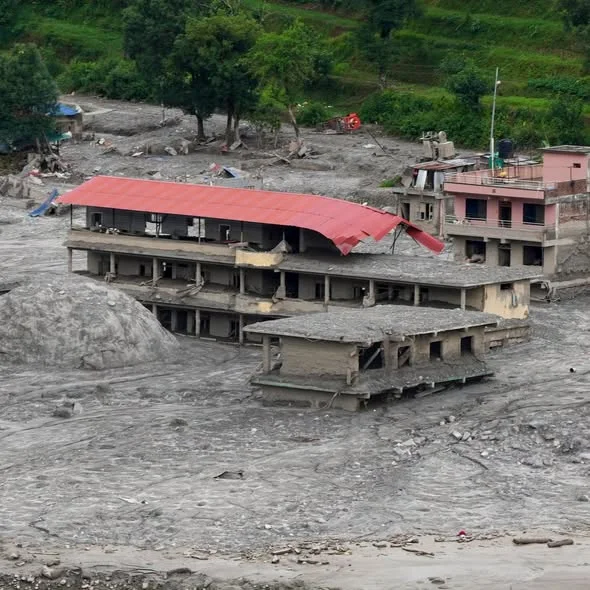
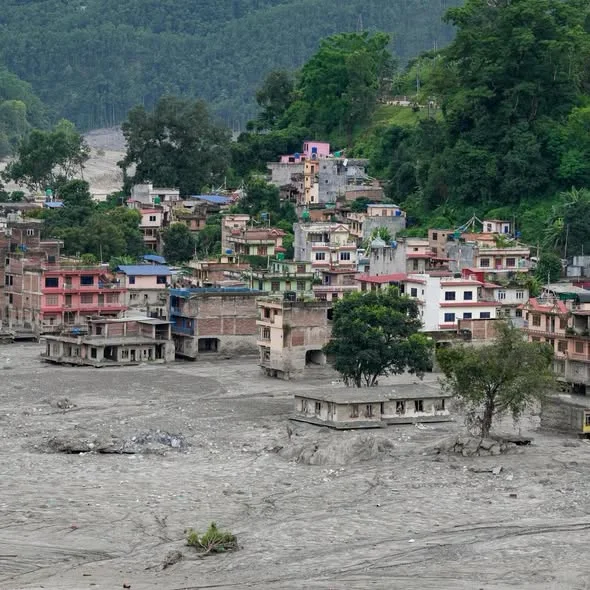
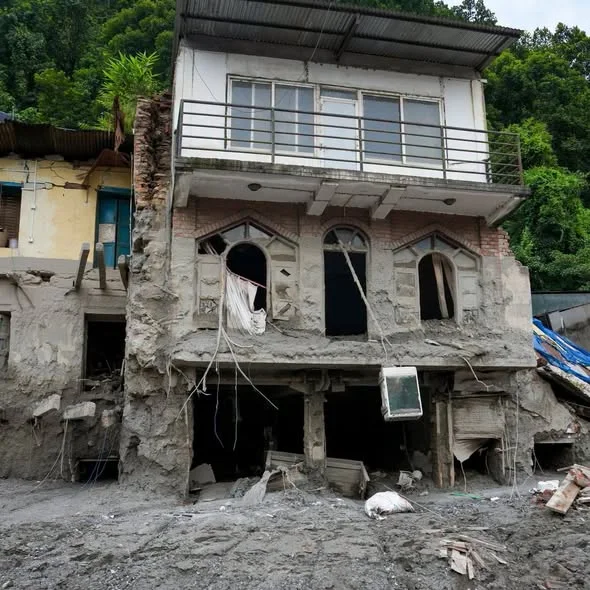
Photographs shared on Instagram from the Trishuli corridor, original post.
How the dead are being identified
Chitwan's hospitals can hold roughly 50 bodies between them and received several hundred. Nepal Police put the national count at 740 recovered by 30 August, 252 of them partial remains, and Deputy Inspector General Abi Narayan Kafle said 211 of the first 669 were too mutilated or incomplete to identify by sight. Twenty had been named.
So the work has gone slow instead. Each body is DNA-sampled, fingerprinted where possible, photographed, given a permanent number, and its belongings tagged with the matching code; the graves are logged by GPS, photographed and filmed. More than 150 unidentified people have been buried this way — 96 in Chitwan, 30 in East Nawalparasi, 29 in Gorkha. "We did not have enough refrigeration and cold storage facilities," Kafle said. The coding is the point: a grave can be reopened and a person returned to their family months later, once a relative's DNA produces a match.
What this means for trekkers
What this means for you
Do not read the recovery column as a danger map — it points at the wrong districts. Rasuwa and Nuwakot are where the destruction is, and Langtang bookings are paused. Chitwan is downstream recovery ground, not a flood-risk zone for a visitor. And nothing in this event touched the Khumbu or the Annapurna sanctuary, which sit on entirely different river systems.
Why does Chitwan have more bodies than Rasuwa if the flood started in Rasuwa?
Because a body found in Chitwan is usually someone who died 100 km or more upstream. Rasuwa's dead are counted in its missing column instead — 865 of them.
Is the Chitwan figure 272 or 246?
Sources differ. NDRRMA's 31 August breakdown says 272, a wire tally the same day said 246, and the Kathmandu Post reported 233 on 30 August. Treat it as a range of roughly 233 to 272, and provisional. Every figure here will move.
Did anyone warn the districts downstream?
Yes. SMS alerts reached 679,295 riverbank residents across four districts at 09:15; the surge did not reach the Narayani confluence until about 15:20. Rasuwagadhi, by contrast, was destroyed 13 minutes after the collapse and 25 minutes before the alert went out.
Are treks in Everest or Annapurna affected?
No. This was one river system — Bhote Koshi into Trishuli into Narayani. Langtang and Rasuwa are the affected trekking areas, and our departures there are paused.
Casualty figures: NDRRMA situation bulletin of 31 August 2026, reported by The Himalayan Times. Identification and burial detail: The Kathmandu Post, 30 August 2026, and Nepal Police via ThePrint. Flood timings from the published timeline of the 26 August 2026 event. All figures provisional and rising.
Still running this season
Annapurna Base Camp Trek — 7 Days is running normally
NMA-certified local guides, transparent pricing, 5,000+ treks since 1998. Message us your dates and we'll sort the permits, lodges and logistics — reply within 24 hours, no obligation.

Popular Nepal treks
All treks →


Related coverage
Breaking Safety & Advisories
Barrier Lake Above Nepal Breaches — Fresh Flood Risk Down the Bhote Koshi–Trishuli After the Rasuwa Disaster (2026)
A barrier lake on the Tibet border has breached — Nepal’s Bhote Koshi–Trishuli corridor faces a fresh, secondary flood threat days after the 26 August Rasuwa disaster. Here is what is confirmed, what is not, and what to do if you are downstream.
Safety & Advisories
How Nepal's Rescue Teams Reached Flood Survivors in Rasuwa
An account of the air-rescue operation after the 26 August 2026 Bhote Koshi flood: who coordinated it, how helicopters reached cut-off villages, and the numbers reported so far.
Breaking Safety & Advisories
Massive Flash Flood on the Nepal-Tibet Border Leaves Hundreds of Tourists Missing
A wall of water tore through Rasuwa's Bhote Koshi valley on August 26, killing at least nine and leaving 384 travellers — including three Americans — unaccounted for near the Langtang trekking region.
Breaking Safety & Advisories
The Bhote Koshi flood killed 903 people in a valley that got seven minutes of warning
Nepal's toll from the 26 August Bhote Koshi flood stands at 903 dead and 4,247 missing. Here is what the collapse above Rasuwa actually did, hour by hour.
Latest from the desk

Gear & Tech
Do You Need an RFID-Blocking Wallet in 2026? The Honest Answer on Contactless-Card Skimming
Contactless "skimming" from someone brushing past you is rare and overhyped. Here is what actually threatens your card abroad — and the free five-minute setup that beats any gadget.
Safety & Advisories
The Nepal flood video with 7 million views was AI-generated, and here's how to check the next one
Nepal's Press Council has ordered 72 accounts to take content down. Here are the fakes that travelled furthest, and the three checks that catch nearly all of them.
Industry & Tourism
Should you still book Nepal this autumn after the flood, and what happens to the guides if you don't
Four Langtang and Rasuwa treks are paused on our own books, while Everest, Annapurna and Manaslu sit in different river systems and are running normally.