
The Nepal flood video with 7 million views was AI-generated, and here's how to check the next one
Nepal's Press Council has ordered 72 accounts to take content down. Here are the fakes that travelled furthest, and the three checks that catch nearly all of them.
At a glance
- Published
- TopicSafety & Advisories
- Verified againstThe Kathmandu Post
- Treks coveredAnnapurna Base Camp Trek — 11 Days from Pokhara, Everest Base Camp Trek — 14 Days
The single most-shared piece of “Nepal flood” footage on the internet did not happen. Posted on 27 August with the caption “no one imagined this would happen,” it collected more than 7 million views, 4,100 reposts and 15,000 reactions before the detection service Hive Moderation rated it 97.2 per cent likely to be AI-generated — a verdict since carried by BBC Verify and by X’s own community notes. If you shared it, you were not careless. It was built to be shared.
Key facts
- Nepal’s Press Council has instructed 72 social media users to remove content; chairman Umesh Shrestha says 67 personal accounts posted gruesome scenes
- A separate viral “bridge collapse” clip scored 100 per cent AI-generated on the same tool
- A widely shared “Rasuwa glacial flood” video is real footage — of the Columbia Glacier in Alaska
- The real toll is bad enough without invention: 903 dead, 4,247 missing, 10,451 rescued (NDRRMA, provisional)
We have an interest in this. We run a news desk about Nepal, and every photograph we published from this flood was credited to whoever took it, with a link back to the original post so you can check us. That is not a boast — it is the minimum, and the reason we can tell you which of the following is which.
What was circulating, and what it actually was
| What it claimed | What it actually is | Established by |
|---|---|---|
| Catastrophic flood wave, 7M+ views | AI-generated, 97.2% confidence | Hive Moderation, BBC Verify |
| Bridge collapsing into floodwater | AI-generated, 100% confidence | Hive Moderation |
| Glacial outburst above Rasuwa | Columbia Glacier, Alaska | Fact-checkers, wire services |
| Home Minister entering a rescue tunnel | Uttarakhand, India, 14 August | Fire Service Uttarakhand Police footage |
| “Before and after” of a destroyed settlement | Both images fabricated | Australian Associated Press |
| Buddha statue standing in floodwater | Bharatpur, September 2024 | Wire fact-checks |
| Fighter jet bombing a dam | Online since May 2026, carries an AI watermark | Wire fact-checks |
The three checks that catch nearly all of it
None of this needs software. It needs about ninety seconds.
1. Reverse-search a still. Screenshot one frame and drop it into Google Lens or TinEye. Recycled footage — the Alaska glacier, the Bharatpur Buddha, the Uttarakhand tunnel — collapses immediately, because the older, more-indexed original outranks the repost. This single step catches most misattributed real video, which is the commonest category by far.
2. Check the account, not the clip. Open the poster’s profile and scroll back. An account that posted nothing about Nepal before 26 August and now posts nothing else is farming attention. An account whose earlier uploads are also spectacular disasters from everywhere on earth is a content mill.
3. Watch the edges of the frame. Generative video is confident in the centre and incoherent at the margins. Look at signage and number plates — text is where these models still fail, producing letterforms that are almost a script. Watch for people whose legs change length between steps, water that flows without displacing anything, and buildings that dissolve rather than break. Real debris flows behave like wet concrete; a generated one behaves like smoke.
Detection scores are a useful fourth opinion and a bad first one. Hive and Google’s SynthID are genuinely good, but they return probabilities, and a confident number attached to a wrong answer is how the next round of this spreads.
Why this is not a harmless internet problem
Nepal’s Press Council has opened a complaints portal and ordered takedowns, which tells you the volume. But the damage is not abstract. Fact-checkers documented a woman pleading publicly for help finding her missing husband, and being mocked in her own replies. Families of the missing are reading these comments while they wait.
Recycled footage also wastes rescue attention. When a clip of a different disaster circulates as live, someone has to establish that it is not, and that someone is usually the same short-staffed agency trying to reach a tunnel. Chetana Kunwar of Nepal Fact Check puts the mechanism plainly: AI-generated content and manipulated visuals “make it significantly easier to create false impressions.”
What this means for you
What this means for you
If you are trying to work out whether your trek is affected, stop taking that answer from video at all. Footage cannot tell you whether a trail is open — it can only tell you something looked bad somewhere. Use the river system instead: this flood ran down the Bhote Koshi and Trishuli through Rasuwa and Nuwakot. Everest, Annapurna, Manaslu and Mustang are separate catchments and were not touched. And before you share the next dramatic clip, give it ninety seconds and one reverse search. The families reading the replies are real even when the video is not.
Is any of the flood footage real?
A great deal of it. The security-camera footage from the Gyirong border post, the drone views of Devighat and the Rasuwagadhi tunnel photographs are all genuine, and we have published them with credits and links. The problem is not that everything is fake — it is that the fakes travel faster, because they are engineered to.
Why would anyone fabricate a disaster video?
Attention pays. A clip with seven million views earns platform revenue, sells a page, or seeds a scam donation link. Fact-checkers tracking this flood found fraudulent appeals riding the same wave — which is the practical reason to give only through a route you have verified, and we set those out in where to actually send money.
How do I check whether my own trek is affected?
Ask which river valley it sits in, then check that valley’s status. Our running assessment is on the live updates page, and the honest autumn position — including what we have paused and what we have not — is in should you still book Nepal this autumn.
Still running this season
Annapurna Base Camp Trek — 11 Days from Pokhara is running normally
NMA-certified local guides, transparent pricing, 5,000+ treks since 1998. Message us your dates and we'll sort the permits, lodges and logistics — reply within 24 hours, no obligation.

Popular Nepal treks
All treks →


Related coverage

Safety & Advisories
Xi Jinping Orders an 'All-Out' Rescue on the Nepal-Tibet Border After the 2026 Floods
China ordered an all-out rescue on its side of the flood-hit Nepal border, deploying nearly 800 workers as President Xi Jinping directed relief for the dead and missing.

Safety & Advisories
The UN Releases US$2 Million for Nepal Flood Relief as Guterres Voices Deep Sadness
The United Nations released US$2 million for Nepal flood relief, deploying emergency teams as Secretary-General António Guterres voiced deep sadness over the disaster.
Safety & Advisories
The UK Pledges £5 Million and Search-and-Rescue Help to Flood-Hit Nepal
The UK pledged £5 million and emergency responders to flood-hit Nepal, with about 33 British nationals unaccounted for after the 2026 floods.
Safety & Advisories
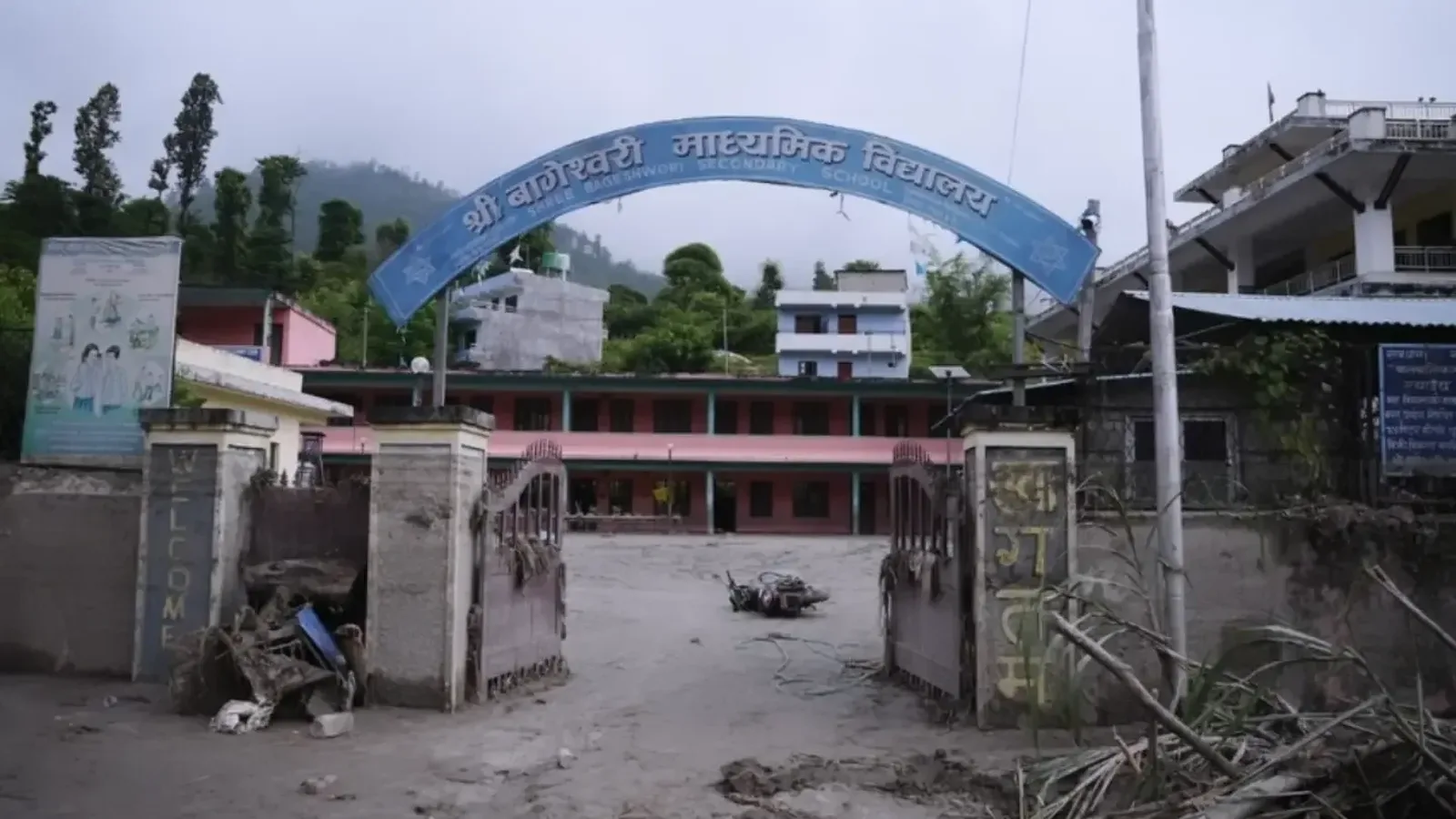
Where Nepal's flood survivors are sleeping now, and what happens when the school is the shelter
Nepal's disaster authority counts about 9,000 households hit, the shelters are school halls, and winter in Rasuwa is roughly ten weeks away.
Latest from the desk

Gear & Tech
Do You Need an RFID-Blocking Wallet in 2026? The Honest Answer on Contactless-Card Skimming
Contactless "skimming" from someone brushing past you is rare and overhyped. Here is what actually threatens your card abroad — and the free five-minute setup that beats any gadget.
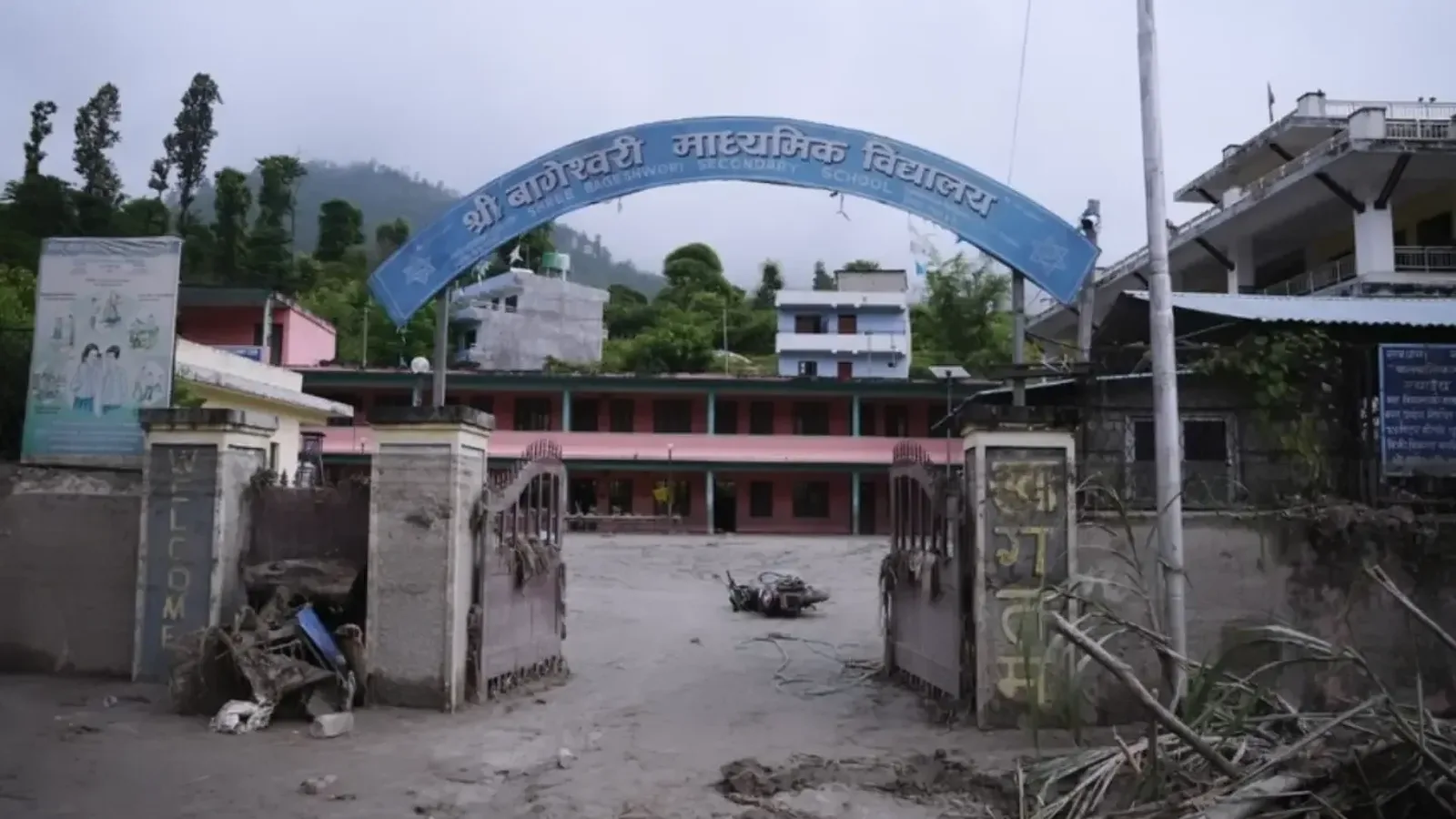
Industry & Tourism
Should you still book Nepal this autumn after the flood, and what happens to the guides if you don't
Four Langtang and Rasuwa treks are paused on our own books, while Everest, Annapurna and Manaslu sit in different river systems and are running normally.
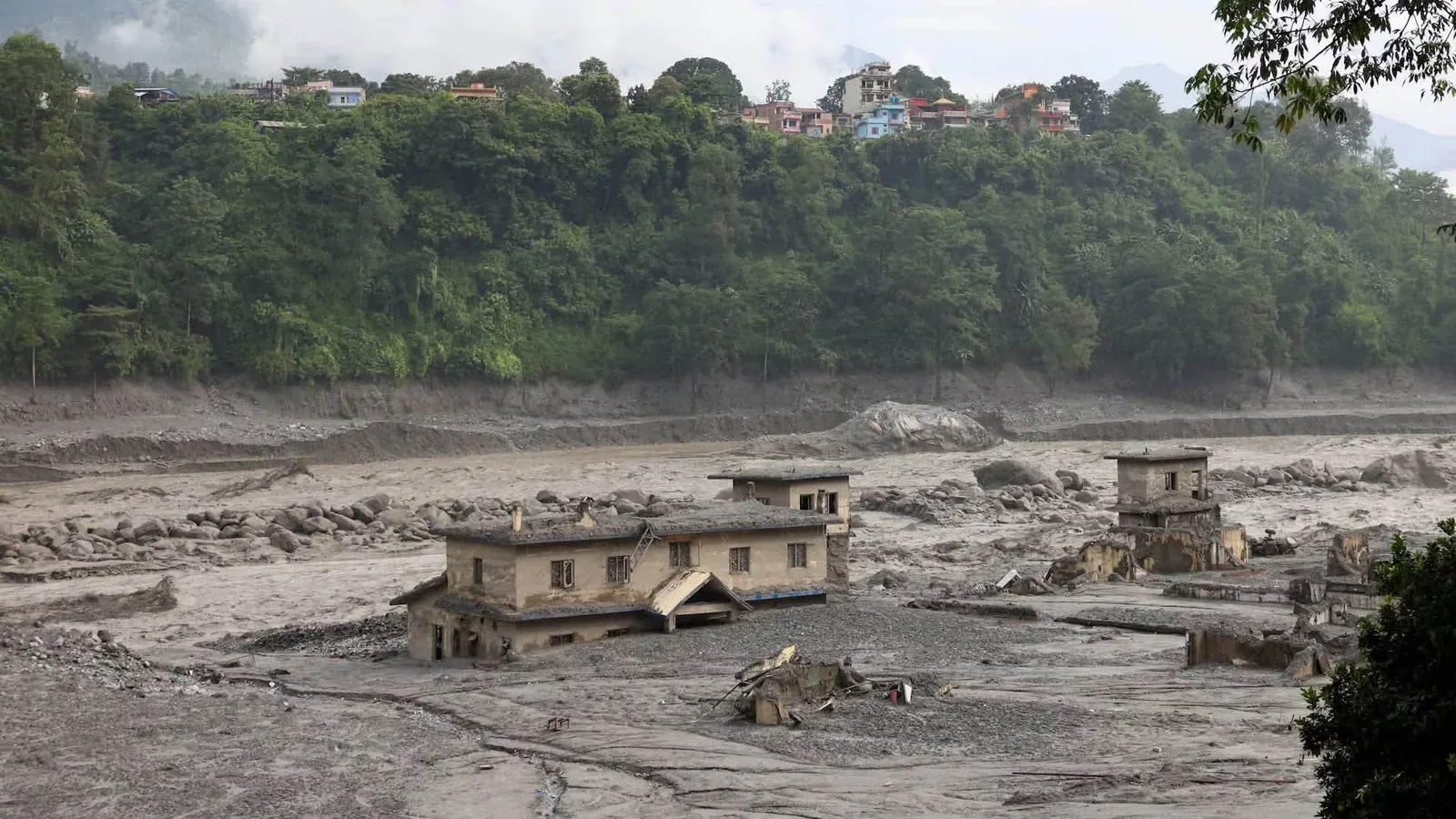
Safety & Advisories
Chitwan sits 150 km downstream from the Nepal flood and it has recovered the most bodies, here's why
NDRRMA's breakdown puts Chitwan first with 272 bodies recovered and Rasuwa, where the flood began, eighth with 24. Here is what that inversion means.