
Where Nepal's flood survivors are sleeping now, and what happens when the school is the shelter
Nepal's disaster authority counts about 9,000 households hit, the shelters are school halls, and winter in Rasuwa is roughly ten weeks away.
At a glance
- Published
- TopicSafety & Advisories
- Verified againstThe Kathmandu Post; UNICEF; Save the Children; CARE Nepal
- Treks coveredAnnapurna Base Camp Trek — 11 Days from Pokhara, Everest Base Camp Trek — 14 Days
Most people who lost a home to the Bhote Koshi flood are sleeping on a thin mat on a hall floor tonight, and the hall usually belongs to a school. Nepal's National Disaster Risk Reduction and Management Authority puts the count at about 9,000 households affected, calls that figure preliminary, and is paying Rs 50,000 per household in two instalments of Rs 25,000 towards temporary shelter, with tents supplied separately. A wider government assessment reported on 30 August has roughly 15,000 houses destroyed. All of it is provisional and still moving.
Key facts
- About 9,000 households affected — NDRRMA's own preliminary count, 31 August
- Rs 50,000 per household for temporary shelter, paid in two Rs 25,000 tranches; tents are separate
- 18 schools destroyed and 20 more damaged across Rasuwa, Nuwakot and Dhading, per UNICEF
- 17,000 children affected; UNICEF is appealing for US$17.2 million
- NDRRMA says swept-away settlements will not be rebuilt on the same ground — relocation follows a geological survey
The story that travelled furthest last week was the Nuwakot headmaster who got roughly 900 children out of Tribhuvan Trishuli Secondary School minutes before the water arrived. That school no longer exists. The quieter half of it starts now: the children he saved have nowhere to be at nine in the morning, and their families are living inside whichever public buildings are still standing.
Where people actually are right now
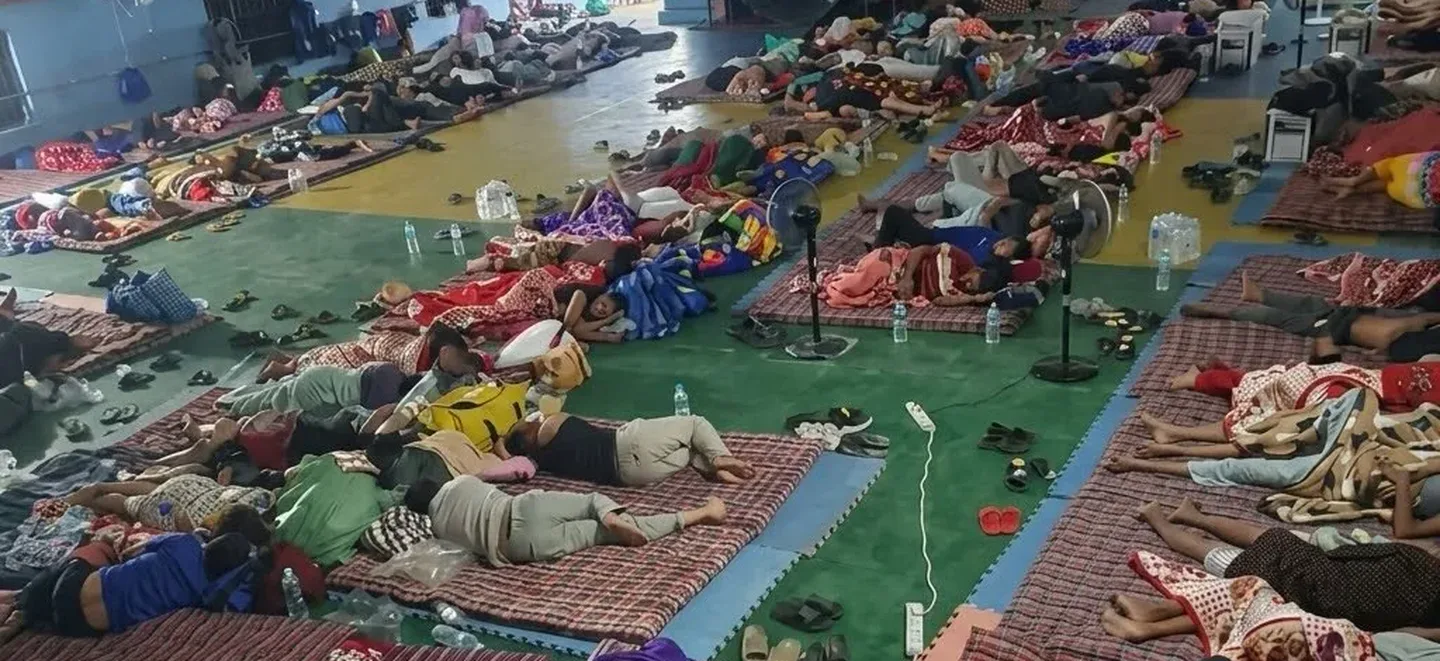
There is no single camp. Displacement here is spread across half a dozen arrangements, none of them built to hold anyone past September. The Nepal Red Cross Society has opened five emergency camps and says it has reached nearly 5,000 people. Three displacement camps sit at Baghtaar, on the ground around Trishuli Hospital. Everyone else is in covered halls, community buildings and school blocks the water left standing.
Further up the valley the arrangement is thinner than that. In Betrawati, OnlineKhabar found survivors sleeping in a neighbour's courtyard and under open sky in the first days, with groups of fifteen to twenty walking three hours to Keraghari in the evening to find a roof. One resident said his settlement had held more than a hundred households, and that what you can see standing now is all that is left.
The numbers disagree, and that is worth knowing
| Figure | Count | Source and date |
|---|---|---|
| Households affected | ~9,000 | NDRRMA, 31 Aug — described as preliminary |
| Houses completely destroyed | ~15,000 | Government damage assessment, reported 30 Aug |
| Households needing emergency shelter | 10,000+ | CARE Nepal |
| One community swept away entire | 250 households | CARE partner reporting |
| Children affected | 17,000 | UNICEF |
| Emergency camps opened | 5 | Nepal Red Cross Society |
| Temporary-shelter grant per household | Rs 50,000 | NDRRMA guidelines, two tranches |
Nothing reconciles yet because nothing can. Phone and internet lines went with the bridges, so ward offices were counting blind for three days. Read these against each other rather than picking the largest and quoting it.
The school is the shelter, and that is the trap
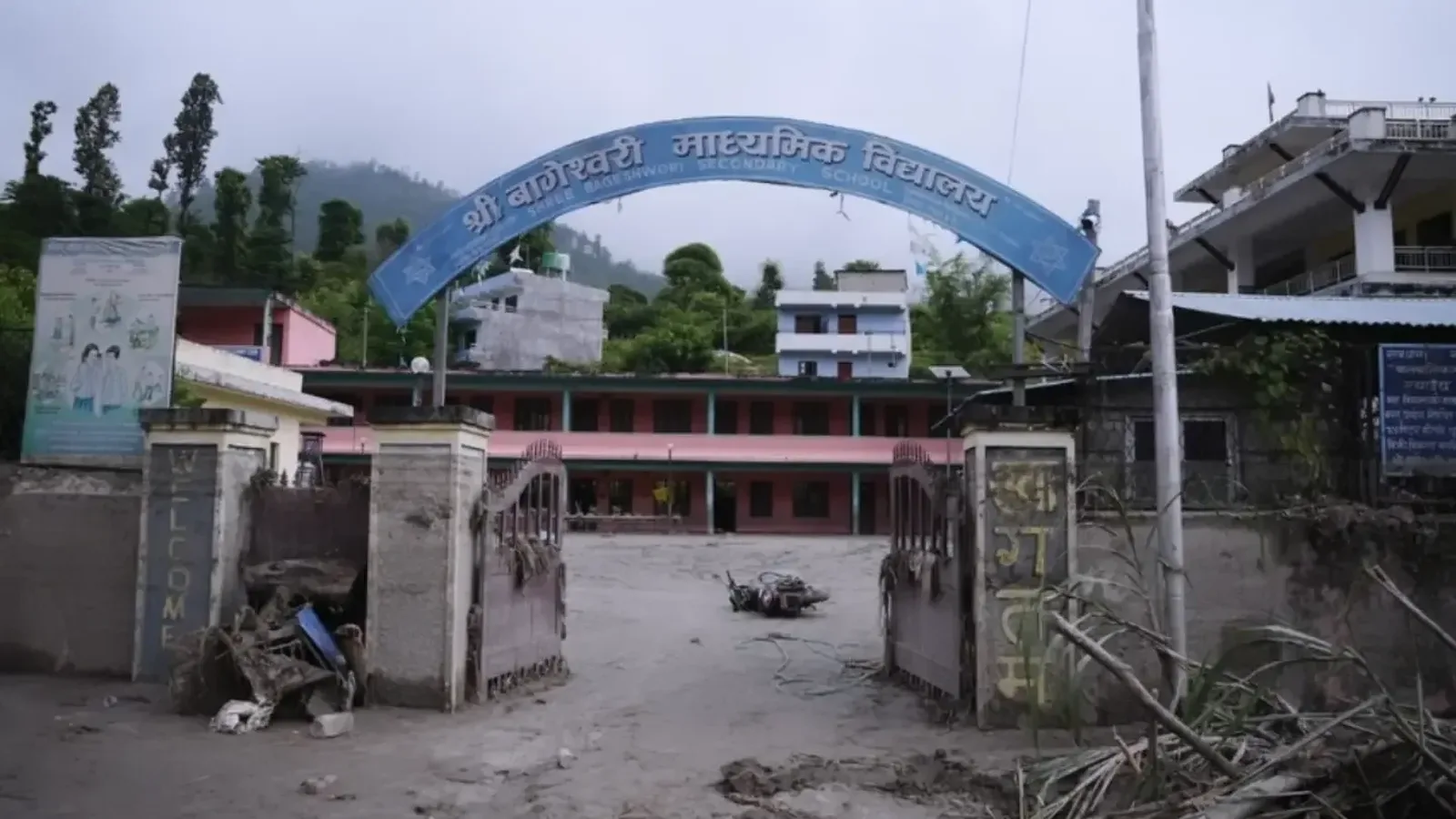
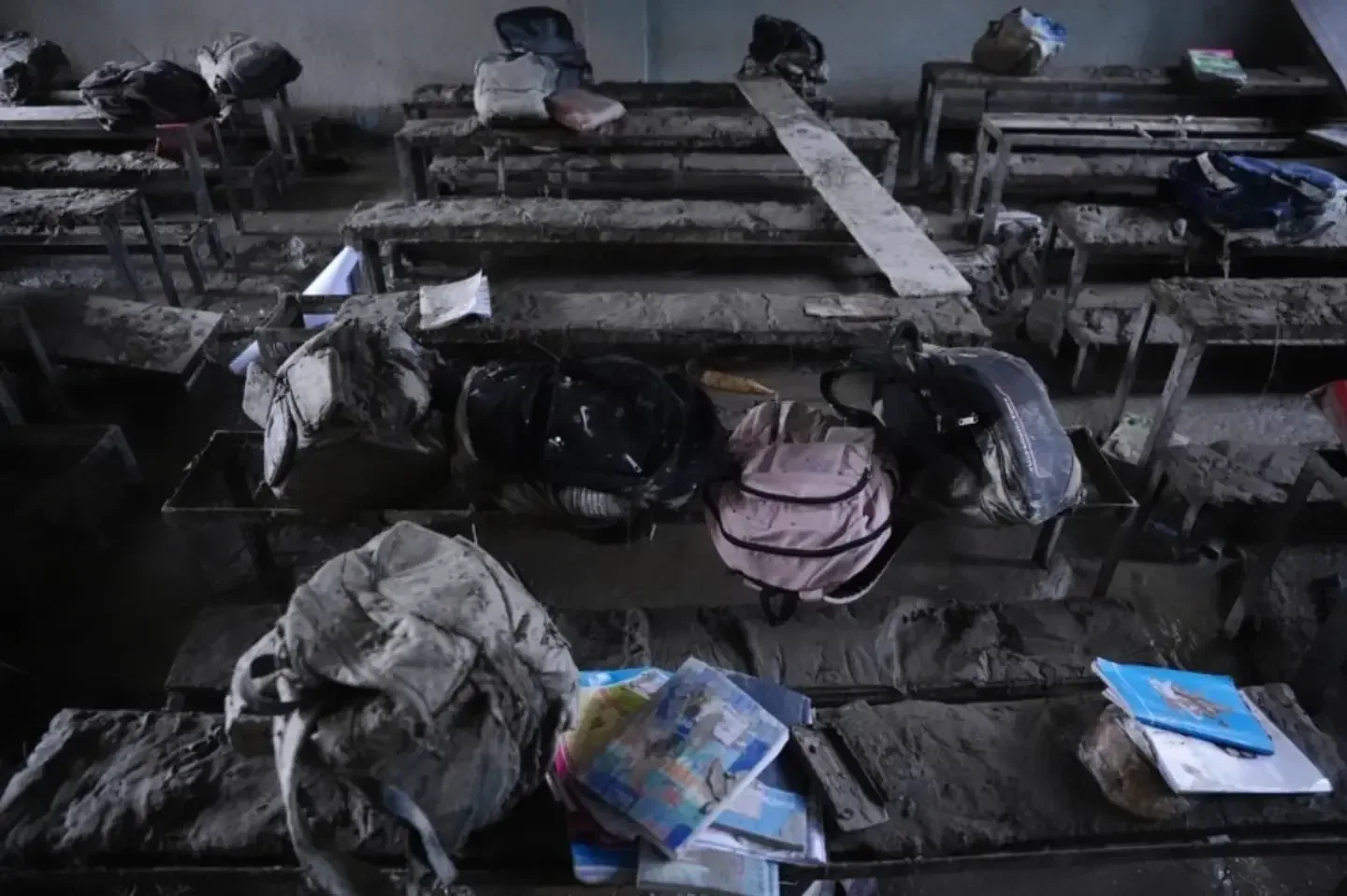
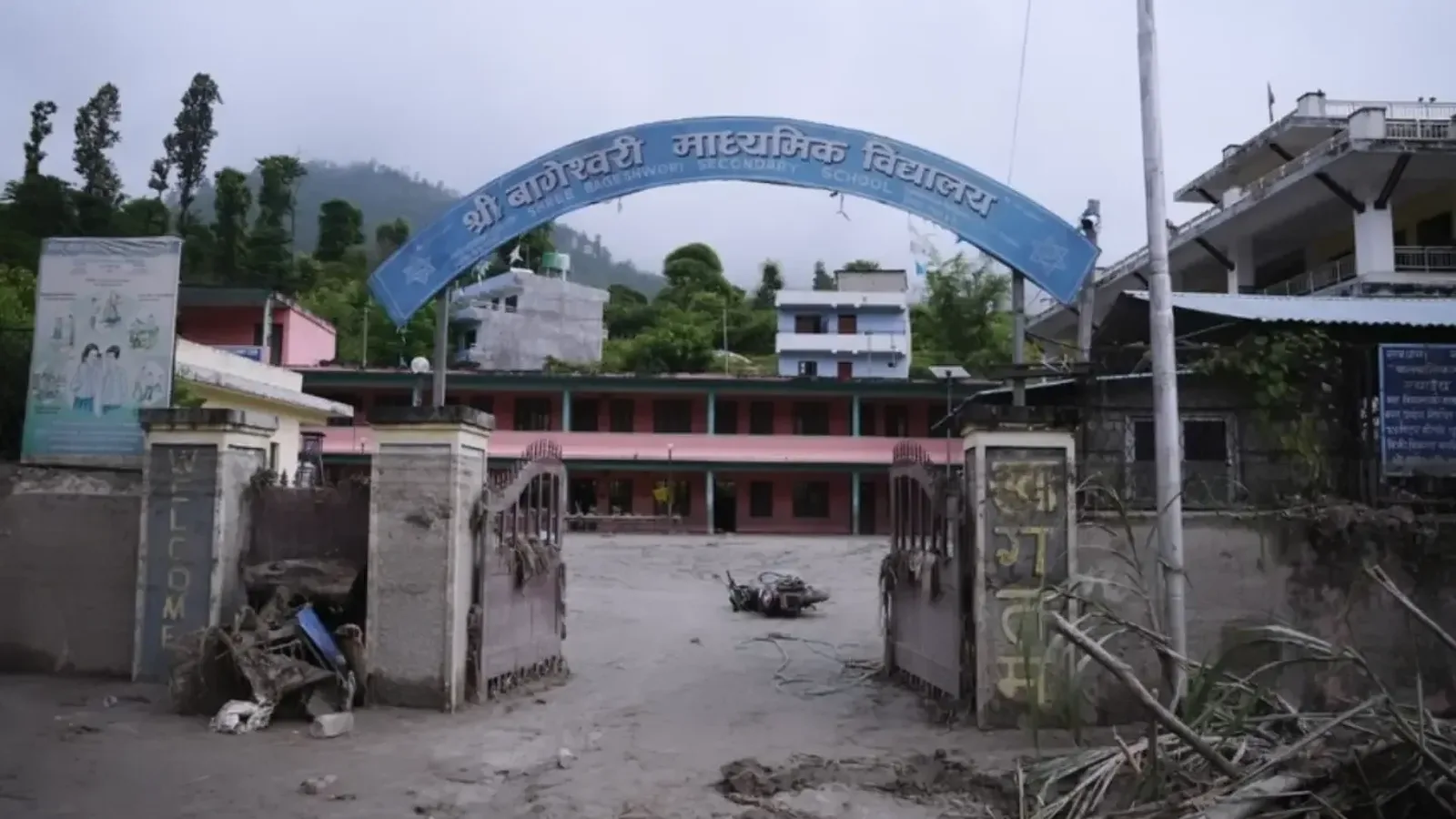
The first official count, released by the Ministry of Education on 27 August, was 20 schools damaged — five in Rasuwa, seven in Nuwakot, eight in Dhading — with classrooms filled to the desks in mud, sand and silt. By the time UNICEF published its appeal the picture had grown to 18 schools destroyed outright and 20 more damaged. Named losses include the women's hostel at Tribhuvan Trishuli Secondary School, Ramchandra Basic School at Betrawati and Timure Community School.
Here is the bind. A school that survived becomes the shelter, so it cannot be a school. A school that did not survive has nothing to reopen into. Rajendra Dawadi, the headmaster at Trishuli, named the third problem to the Kathmandu Post: "The river is flowing through the school grounds. We have students on both sides. There is no way we can resume classes immediately." Save the Children reported children at one holding centre in Nuwakot doubling from 30 to 60 in a single afternoon as trucks brought more families in. Its Nepal country director, Tara Chettry, has asked authorities to set up safe, spacious temporary shelters for children rather than keep relocating them.
What winter does to a tarpaulin at 1,750 m
The camps around Trishuli Bazar sit low and warm. The settlements upstream do not. On the Tamang Heritage trail we guide, Syabrubesi stands at 1,550 m, Timure at 1,750 m, Gatlang at 2,238 m and Thuman at 2,340 m. From late November, nights on that ground sit at or below freezing and stay there until March. A tarpaulin is a monsoon answer to a monsoon problem. It is not a January answer.
Rs 50,000 does not build a house and is not meant to; it buys a shed you can survive in while something permanent is arranged. But NDRRMA has said swept-away settlements will not be rebuilt in the same vulnerable places, and relocation follows a geological study. That is the correct decision and the slow one — it means finding, buying and servicing new land. The Post-Disaster Needs Assessment alone is expected to run two months, putting its findings in early November, roughly when the cold arrives.
What this means for trekkers
What this means for you
Do not come to help. Rasuwa cannot feed and house volunteers while it is short of both. Give cash to an agency already working there instead — cash buys tarpaulins locally and keeps the money in the valley. And if you are booked on Everest or Annapurna this autumn, walk. Those trails are untouched by this flood, and the wage a porter earns in October is what pays for a relative's roof in Nuwakot.
How many people are displaced by the Bhote Koshi flood?
No confirmed headcount exists yet. NDRRMA's preliminary figure is about 9,000 households affected, the government's damage assessment reported around 15,000 houses destroyed, and CARE Nepal puts more than 10,000 households in need of emergency shelter. All three are provisional.
Are schools in Rasuwa, Nuwakot and Dhading reopening?
Not on any announced date. Some buildings are gone, some are full of silt, and some are housing displaced families. The standard response in Nepal is temporary learning centres on safe ground while buildings are cleared or rebuilt.
What is the government paying displaced families?
Rs 50,000 per household towards temporary shelter, released in two tranches of Rs 25,000, with tents supplied separately. Longer-term reconstruction waits on the Post-Disaster Needs Assessment, about two months out.
Will the villages be rebuilt where they were?
NDRRMA has said no. Settlements that were swept away will be relocated after geological study. It is the right call, and it also means displacement lasting well beyond this winter.
Our other reporting covers the water and medicine shortage in the camps and what the valley looks like now, in photographs. Langtang and Rasuwa bookings are paused, and our Langtang guide will keep saying so rather than sell a trek into a rescue operation.
Still running this season
Annapurna Base Camp Trek — 11 Days from Pokhara is running normally
NMA-certified local guides, transparent pricing, 5,000+ treks since 1998. Message us your dates and we'll sort the permits, lodges and logistics — reply within 24 hours, no obligation.

Popular Nepal treks
All treks →


Related coverage
Safety & Advisories
592 foreign nationals are still missing in the Nepal flood, here is who your family should actually call
Nepal's disaster authority counts 592 foreign nationals among the missing after the 26 August flood. Here is the official route for families abroad.
Industry & Tourism
Should you still book Nepal this autumn after the flood, and what happens to the guides if you don't
Four Langtang and Rasuwa treks are paused on our own books, while Everest, Annapurna and Manaslu sit in different river systems and are running normally.
Safety & Advisories
Nepal's flood camps are running out of water and medicine, and the doctors are warning about an epidemic
Four health facilities in Rasuwa are destroyed, Trishuli Hospital has lost its bridges and its medicines, and 1,000 people are in camps with no clean water.
Safety & Advisories
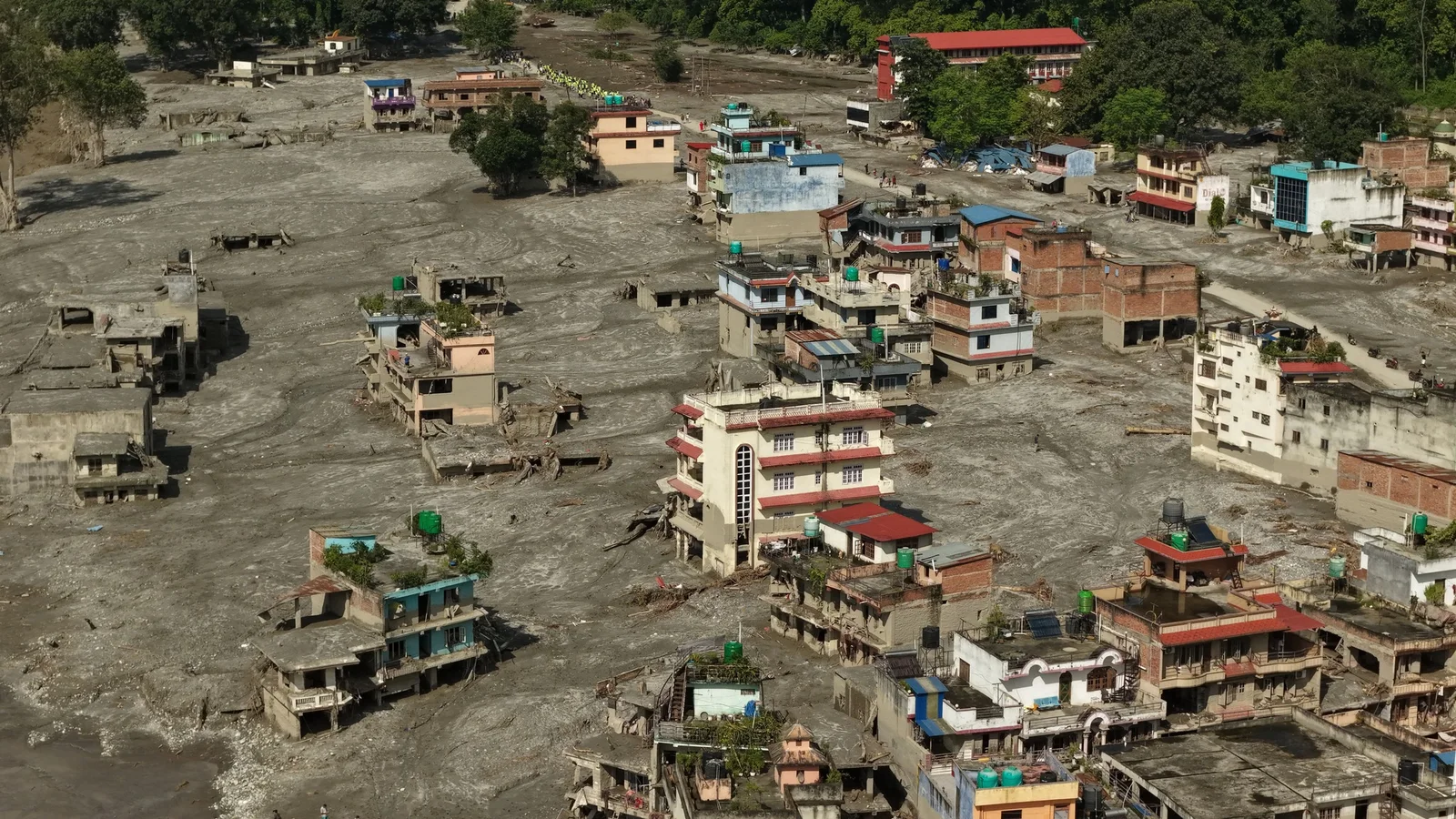
What the Bhote Koshi flood actually did to Rasuwa and Nuwakot, in seven photographs
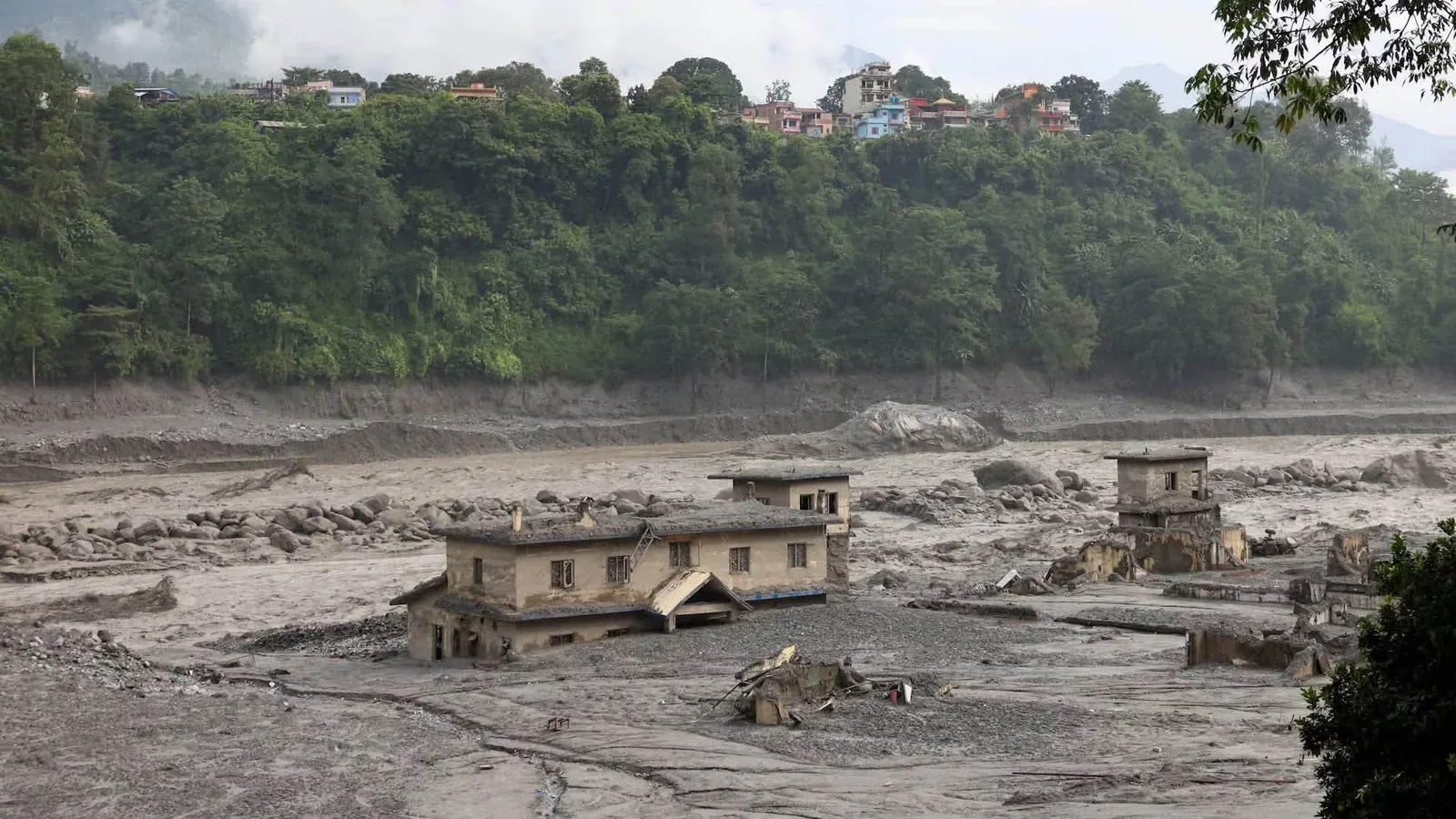
Drone and ground pictures from Devighat, Trishuli and the Rasuwagadhi tunnels show a valley filled to the second storey with grey silt rather than washed away.
Latest from the desk

Gear & Tech
Do You Need an RFID-Blocking Wallet in 2026? The Honest Answer on Contactless-Card Skimming
Contactless "skimming" from someone brushing past you is rare and overhyped. Here is what actually threatens your card abroad — and the free five-minute setup that beats any gadget.
Safety & Advisories
The Nepal flood video with 7 million views was AI-generated, and here's how to check the next one
Nepal's Press Council has ordered 72 accounts to take content down. Here are the fakes that travelled furthest, and the three checks that catch nearly all of them.
Safety & Advisories
Chitwan sits 150 km downstream from the Nepal flood and it has recovered the most bodies, here's why
NDRRMA's breakdown puts Chitwan first with 272 bodies recovered and Rasuwa, where the flood began, eighth with 24. Here is what that inversion means.