
Nepal's flood camps are running out of water and medicine, and the doctors are warning about an epidemic
Four health facilities in Rasuwa are destroyed, Trishuli Hospital has lost its bridges and its medicines, and 1,000 people are in camps with no clean water.
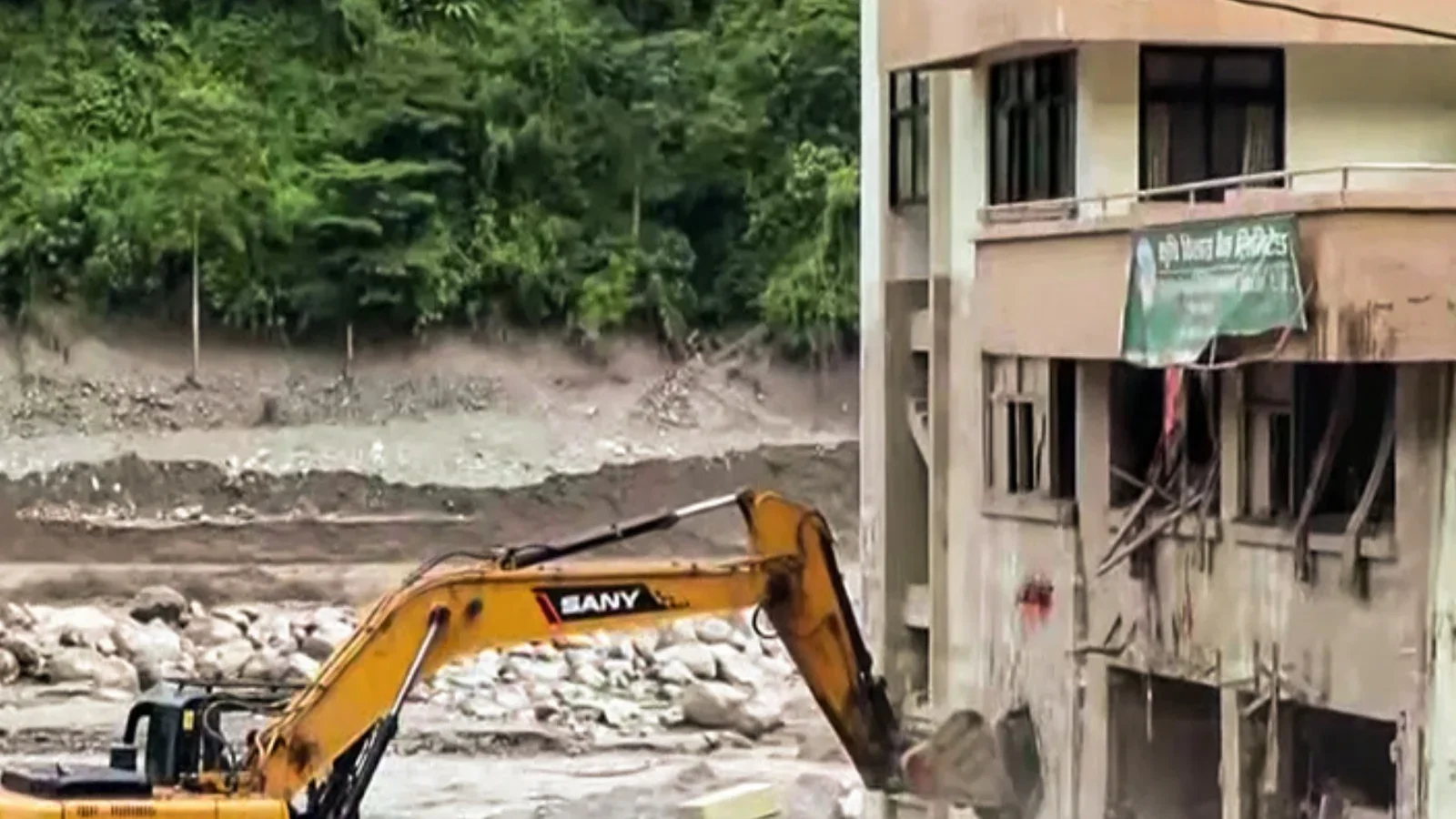
At a glance
- Published
- TopicSafety & Advisories
- Verified againstWorld Health Organization South-East Asia
- Treks coveredAnnapurna Base Camp Trek — 11 Days from Pokhara, Everest Base Camp Trek — 14 Days
Six days after the water, the thing most likely to kill someone else in Rasuwa and Nuwakot is no longer the river. It is the drinking water, the camp toilets and the empty pharmacy shelf — and the doctors running the one hospital still working inside the flood corridor have now said out loud that an epidemic is possible. On 30 August the World Health Organization released US$150,000 in emergency funds specifically to stop that from happening.
Key facts
- WHO released US$150,000 from its South-East Asia Regional Health Emergency Fund on 30 August 2026 for the Nepal flood response.
- Four health facilities in Rasuwa were completely destroyed; two more in Dhading were partially damaged. Hospitals in Dhading and Trishuli are cut off by wrecked roads.
- About 1,000 people are living in three displacement camps at Baghtaar, beside Trishuli Hospital in Nuwakot.
- Nepal’s Ministry of Health and Food Safety has activated its Health Emergency Operation Centre and a Health Cluster co-chaired by WHO.
- UNICEF says more than 17,000 children are among roughly 50,000 people affected.
- Trekking status is unchanged: Everest and Annapurna are not affected. The health emergency is inside the Bhote Koshi–Trishuli corridor.
The hospital that lost its bridges and its blood-pressure drugs
Trishuli Hospital in Nuwakot is the anchor of the whole story. It survived the 26 August flood that came down the Bhote Koshi at roughly 50 metres per second, but the bridges around it did not. With every bridge in the area gone, the hospital has been severed from the district headquarters, and moving a patient in or out now means waiting for a helicopter.
Inside, the shortage is mundane and dangerous. Hospital pharmacist Maheshwar Yadav told the Kathmandu Post that medicines for hypertension — atenolol and losartan among them — were simply unavailable. The people in the camps are not only the injured. They are diabetics, asthmatics, cardiac and thyroid patients who ran out of the house with nothing and have now gone days without the drugs that keep them stable.
Three camps sit in the Baghtaar area beside the hospital: Bhairung Secondary School, a covered hall and Bethan Academy. Roughly a thousand people are in them, including pregnant women and new mothers. Two of the area’s water sources are gone — a canal serving the Trishuli hydropower project and a pipeline through Tupche — and drainage from the camp toilets is poor.
That combination is what alarmed the hospital’s medical superintendent, Rajendra Lama. “With so many people living together in one place, there is a risk of disease spreading,” he said, adding that “the lack of safe drinking water and proper toilets raises the possibility of an epidemic.” When the person running the hospital says the word epidemic on the record, that is the story.
What the WHO money is actually buying
The US$150,000 released on 30 August came from the South-East Asia Regional Health Emergency Fund. It is small money against a disaster estimated at around Rs 200 billion, and it is deliberately unglamorous: an Interagency Emergency Health Kit sized for about 10,000 people for three months, surgical masks, gloves, hand sanitiser, body bags and six multipurpose tents.
The stated priorities are the ones that matter in week two, not week one — disease surveillance, diarrhoeal and respiratory illness, water- and food-borne disease, vector-borne disease and mental health.
| District | Status | Facilities |
|---|---|---|
| Rasuwa | Completely destroyed | 4 |
| Dhading | Partially damaged | 2 |
| Dhading & Nuwakot (Trishuli) | Standing but road-inaccessible | 2 |
| Households needing relief, six districts | 10,000 |
Why the silt is a medical problem, not a cleaning job
Silt has been reported more than 1.5 metres deep across the worst of the disaster zone, and every excavator working in Timure, Betrawati and Trishuli Bazaar is digging through it. That mud is not inert. It sits on top of collapsed latrines, drowned livestock and, in a flood that carried bodies as far as Nawalparasi, human remains. Every shallow well and spring intake underneath it should now be assumed contaminated until somebody tests it.
On 30 August the Kathmandu Post ran an editorial pressing the government to keep purification supplies, essential medicines and equipped health workers at ward level rather than centralised in Kathmandu. It pointed at the 2023 Jajarkot earthquake, where more than 30 people died of cold exposure after the shaking stopped. The secondary death toll is the preventable one, and the one that gets less attention once the helicopters stop flying.
What this means for trekkers
Nothing about this changes the trekking map. The Everest and Annapurna regions were never in the flood path, their trailheads are reached by different roads and flights, and every one of our autumn departures outside the Langtang and Rasuwa corridor is running. What has changed is what a well-meaning traveller should and should not do about it.
What this means for you
Do not self-deploy into Rasuwa or Nuwakot to help. There are three camps sharing broken toilets and no clean water supply, the roads and bridges that would feed them are gone, and an unregistered volunteer is one more body to feed, shelter and treat. If you want to be useful, send money to an organisation already inside the health cluster, and keep your autumn booking — tourism money is how the guides and porters from these exact villages rebuild.
Is there a confirmed disease outbreak in the flood camps?
No. As of 31 August there is no confirmed outbreak. What exists is a stated risk from the medical superintendent of Trishuli Hospital, and a WHO response funded specifically around surveillance and prevention. We will update this page if that changes.
Which health facilities are gone?
WHO reports four health facilities completely destroyed in Rasuwa and two partially damaged in Dhading, with hospitals in Dhading and Trishuli standing but unreachable by road. Those numbers are provisional and have moved as assessment teams reach more wards.
Is the drinking water safe in the affected districts?
Assume it is not, anywhere in the Bhote Koshi–Trishuli corridor. Two of the main supply lines around Trishuli were destroyed and the silt layer sits over the shallow sources. Everywhere else in Nepal, including Kathmandu, Pokhara, the Khumbu and the Annapurnas, treat water exactly as you normally would.
Can I still trek in Nepal this autumn?
Yes, outside the Langtang and Rasuwa region, which is where our own bookings are paused. Everest Base Camp, Annapurna Base Camp, the Annapurna Circuit, Manaslu, Mustang and the Khumbu peaks are all operating normally.
Where should I send money?
To organisations that were already operating in these districts before 26 August and are inside the government’s health cluster. We keep a checked list on where to donate for the Nepal floods rather than repeating whatever is trending.
What we are watching next
Three things will tell you whether the second disaster is being avoided: whether the Health Emergency Operation Centre publishes camp-level surveillance rather than district totals, whether purification supplies and chronic-disease medicines get past Trishuli to ward-level health posts, and whether the bridge repairs get far enough that a patient no longer needs a helicopter to leave a hospital.
We are running the full toll, road status and trek-by-trek position on our Nepal floods live updates page, which is updated as NDRRMA and the ministries release figures.
Still running this season
Everest Base Camp Trek — 14 Days is running normally
NMA-certified local guides, transparent pricing, 5,000+ treks since 1998. Message us your dates and we'll sort the permits, lodges and logistics — reply within 24 hours, no obligation.

Popular Nepal treks
All treks →


Related coverage
Safety & Advisories
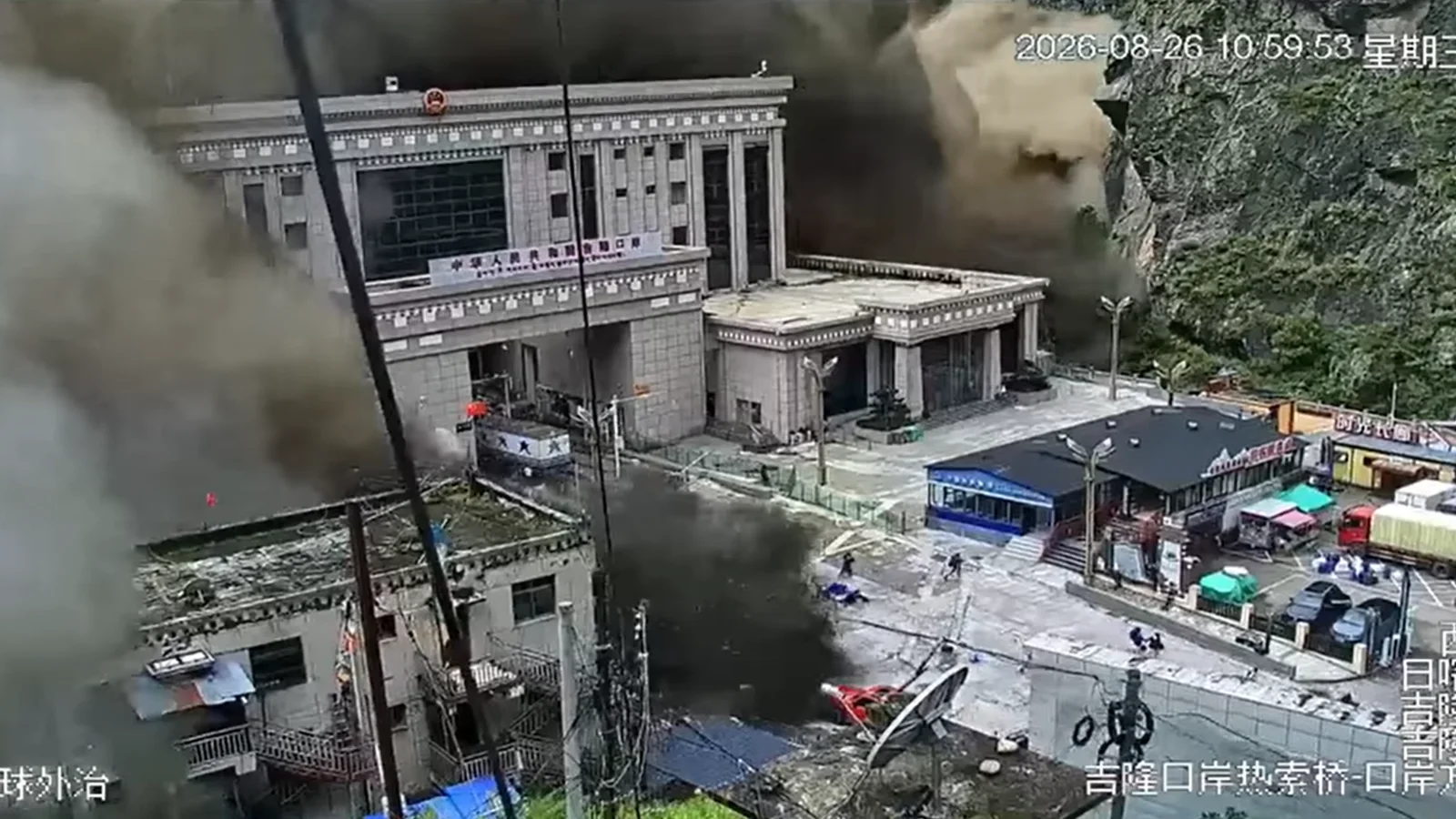
The Bhote Koshi flood took Timure in about seven minutes, here's how four people got out
Four named survivors describe running uphill as the market disappeared behind them, and a CCTV timestamp shows how little warning anyone downstream actually had.
Safety & Advisories
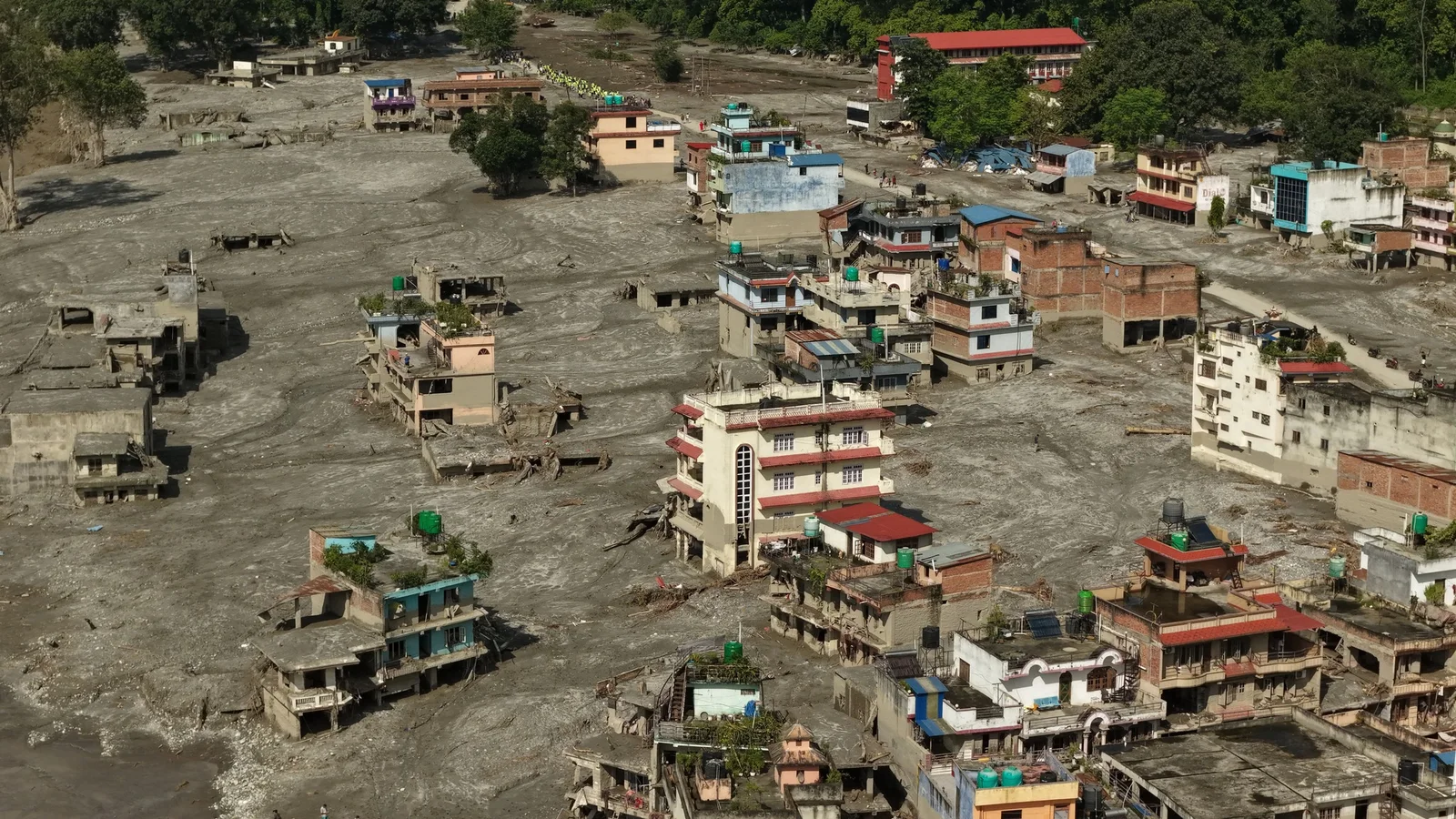
What the Bhote Koshi flood actually did to Rasuwa and Nuwakot, in seven photographs
Drone and ground pictures from Devighat, Trishuli and the Rasuwagadhi tunnels show a valley filled to the second storey with grey silt rather than washed away.
Breaking Safety & Advisories
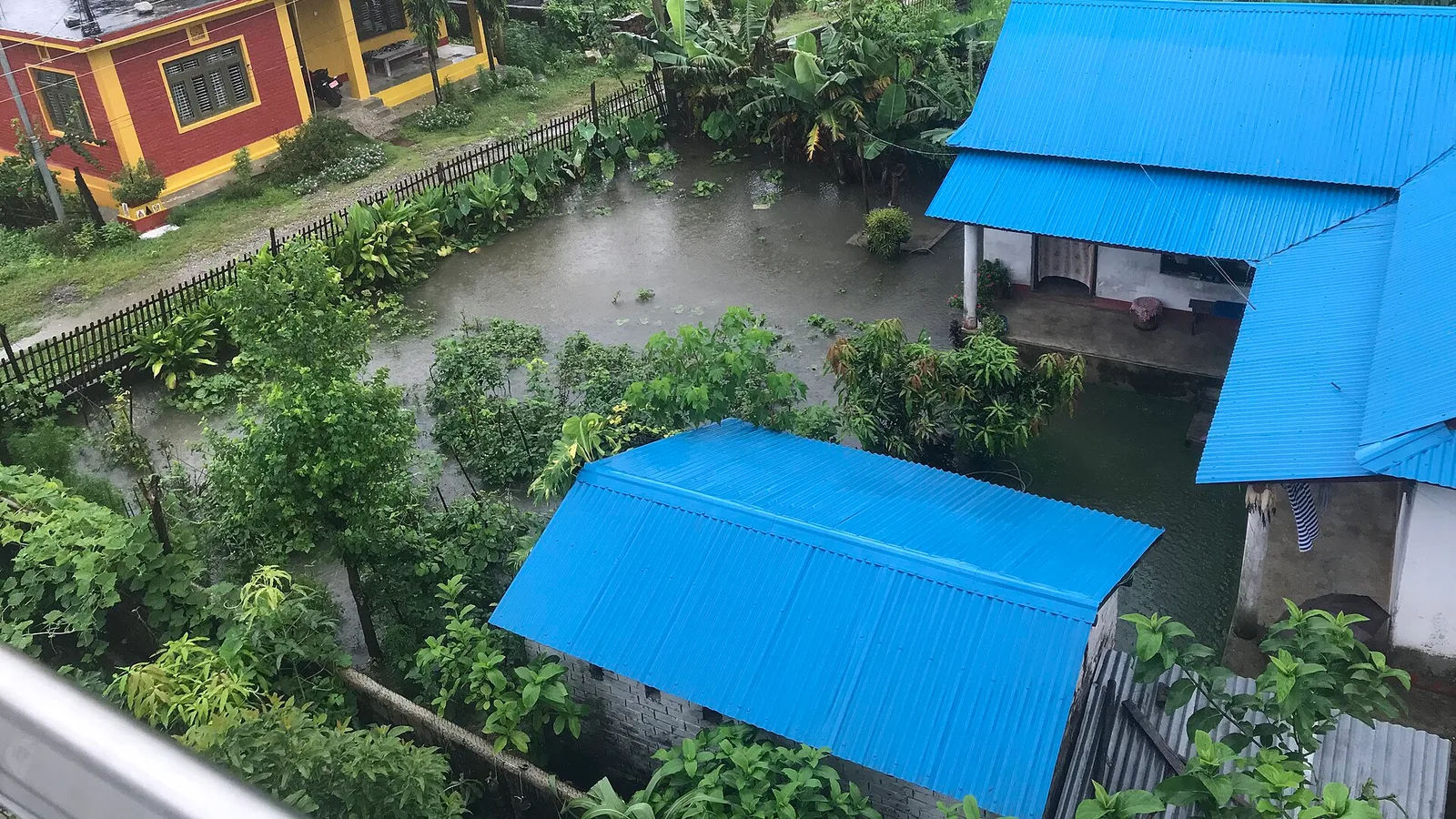
Nepal Floods 2026: Live Updates, Death Toll and Trek Status (Rasuwa / Bhote Koshi + Nationwide)
Live tracker of Nepal’s August 2026 floods — the provisional, rising death toll across eight districts, the disputed cause of the Bhote Koshi glacial flood in Rasuwa, and what it means for trekkers right now.
Climate & Environment
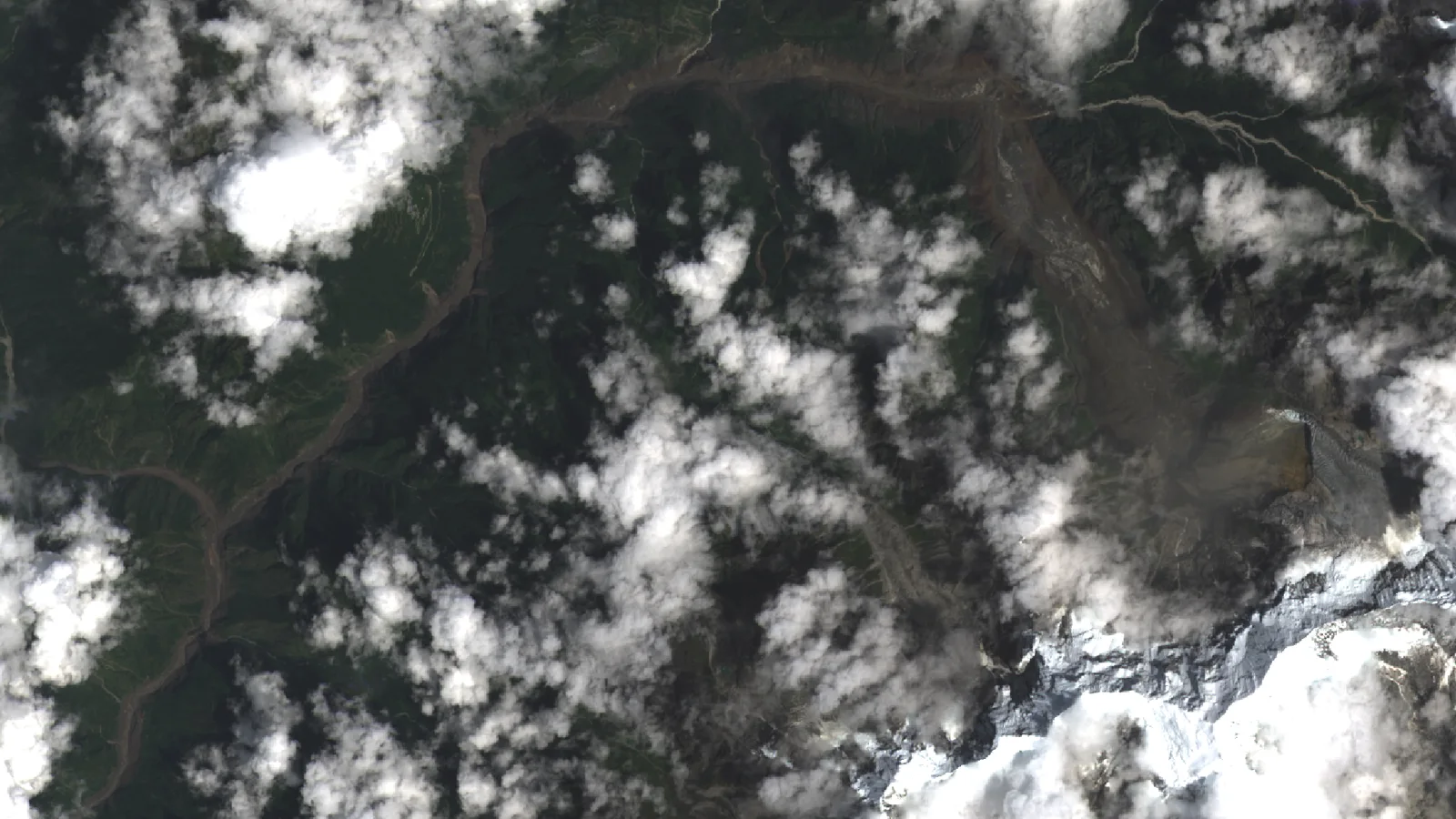
The Langtang Lirung collapse wasn't a glacial lake flood, and that changes which mountains Nepal has to watch
A week of satellite, seismic and drone analysis has settled one thing — no lake burst above Rasuwa. The next one may not come from a lake either.
Latest from the desk
Safety & Advisories
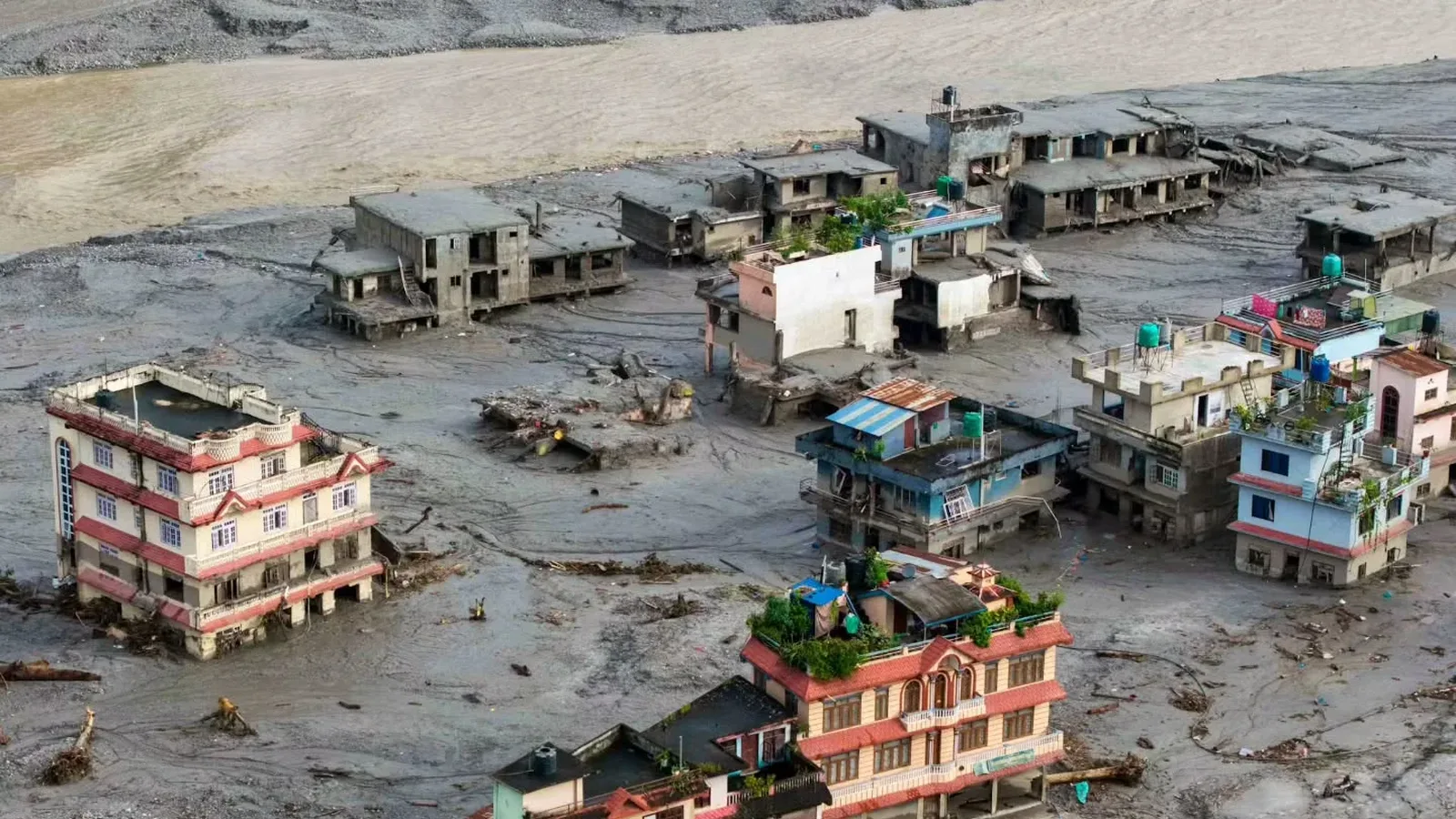
592 foreign nationals are still missing in the Nepal flood, here is who your family should actually call
Nepal's disaster authority counts 592 foreign nationals among the missing after the 26 August flood. Here is the official route for families abroad.
Safety & Advisories
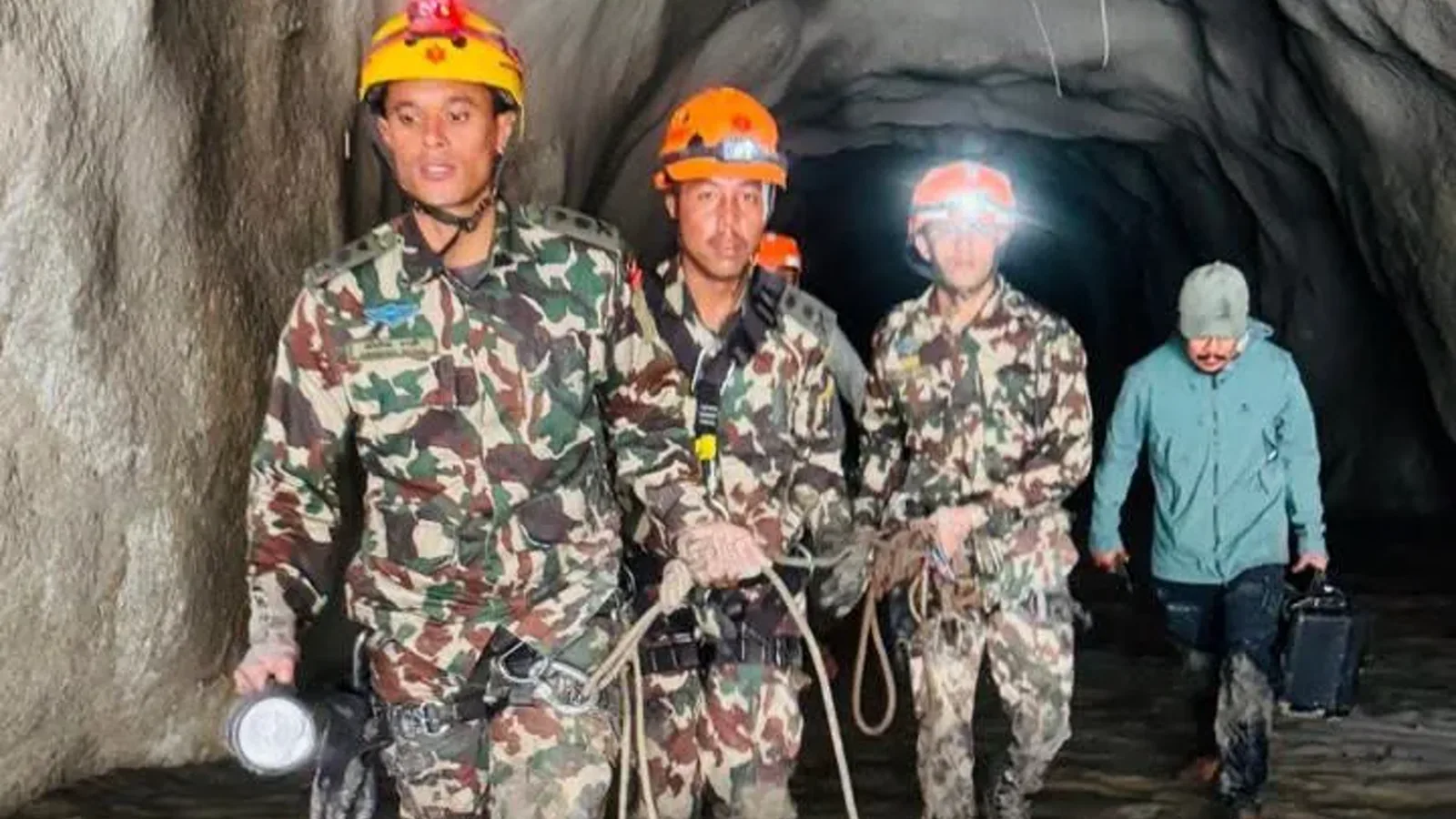
Nepal's missing hydropower tunnel workers and the Rasuwagadhi search that found nobody inside
Rescuers reached the end of the Rasuwagadhi tunnel and found no one there, and it did not bring 93 workers home because most of them were never in the tunnel.
World Destinations
Best Budget European City Breaks in 2026: Great-Value Cities Where a Weekend Costs a Fraction of London or Paris
From Kraków and Budapest to Porto, Sofia and Tirana — the European cities where an old-town weekend costs a fraction of London, Paris or Zurich, why each is cheap, what to see, and the best season to go.