
Nepal's missing hydropower tunnel workers and the Rasuwagadhi search that found nobody inside
Rescuers reached the end of the Rasuwagadhi tunnel and found no one there, and it did not bring 93 workers home because most of them were never in the tunnel.
At a glance
- Published
- TopicSafety & Advisories
- Verified againstThe Kathmandu Post, Al Jazeera and OnlineKhabar
- Treks coveredAnnapurna Base Camp Trek — 7 Days, Everest Base Camp Trek — 14 Days
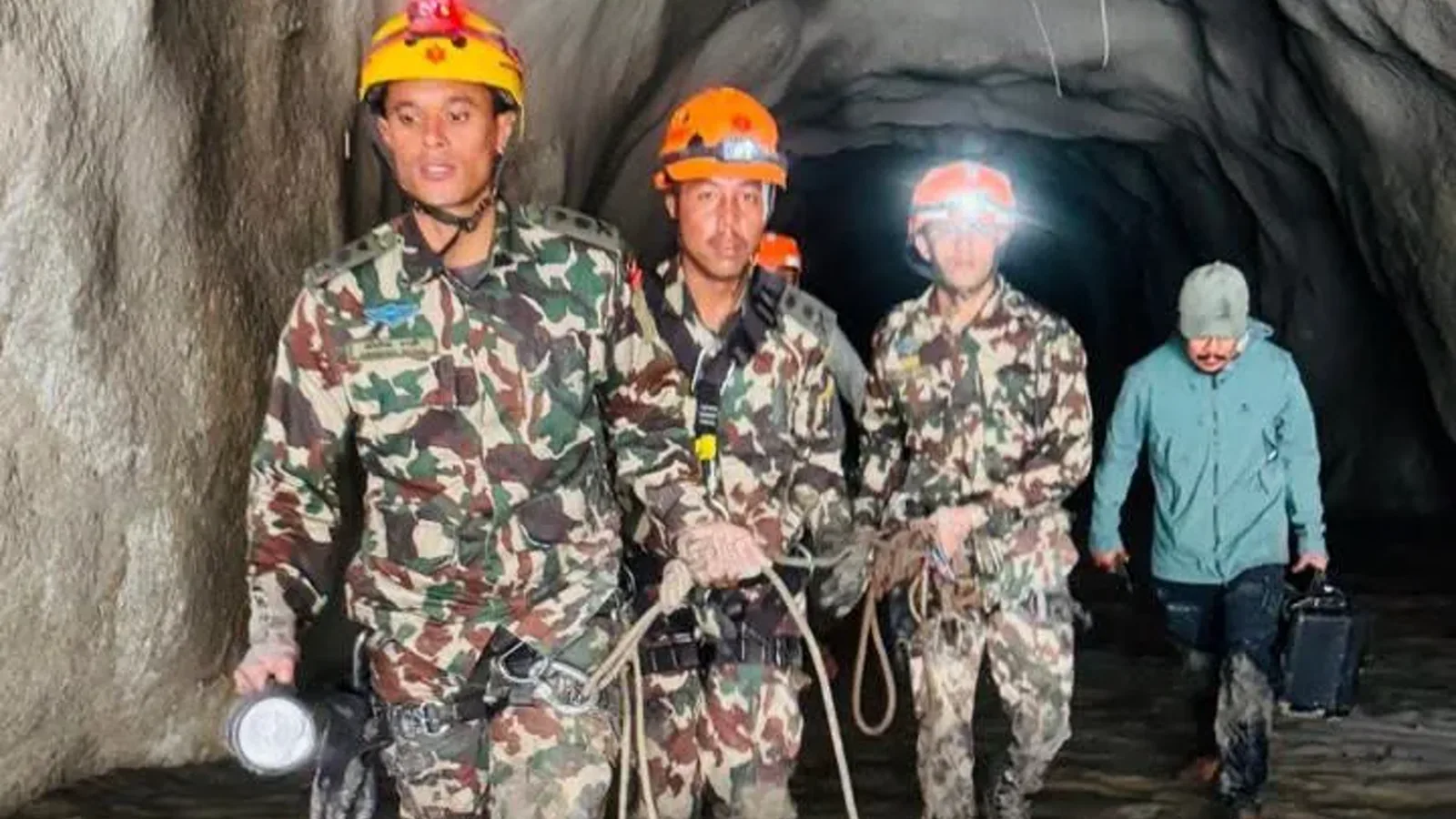
Rescuers went the whole length of the Rasuwagadhi tunnel and found nobody inside. A Nepali Army team reached the far end of the roughly 250-metre tunnel at the 111 MW Rasuwagadhi Hydropower Project on Monday 31 August, searched it with a drone, and came back out reporting no signs of human presence. That is not the relief it sounds like. Ninety-three people attached to the project are still untraced, and most of them were never in the tunnel at all.
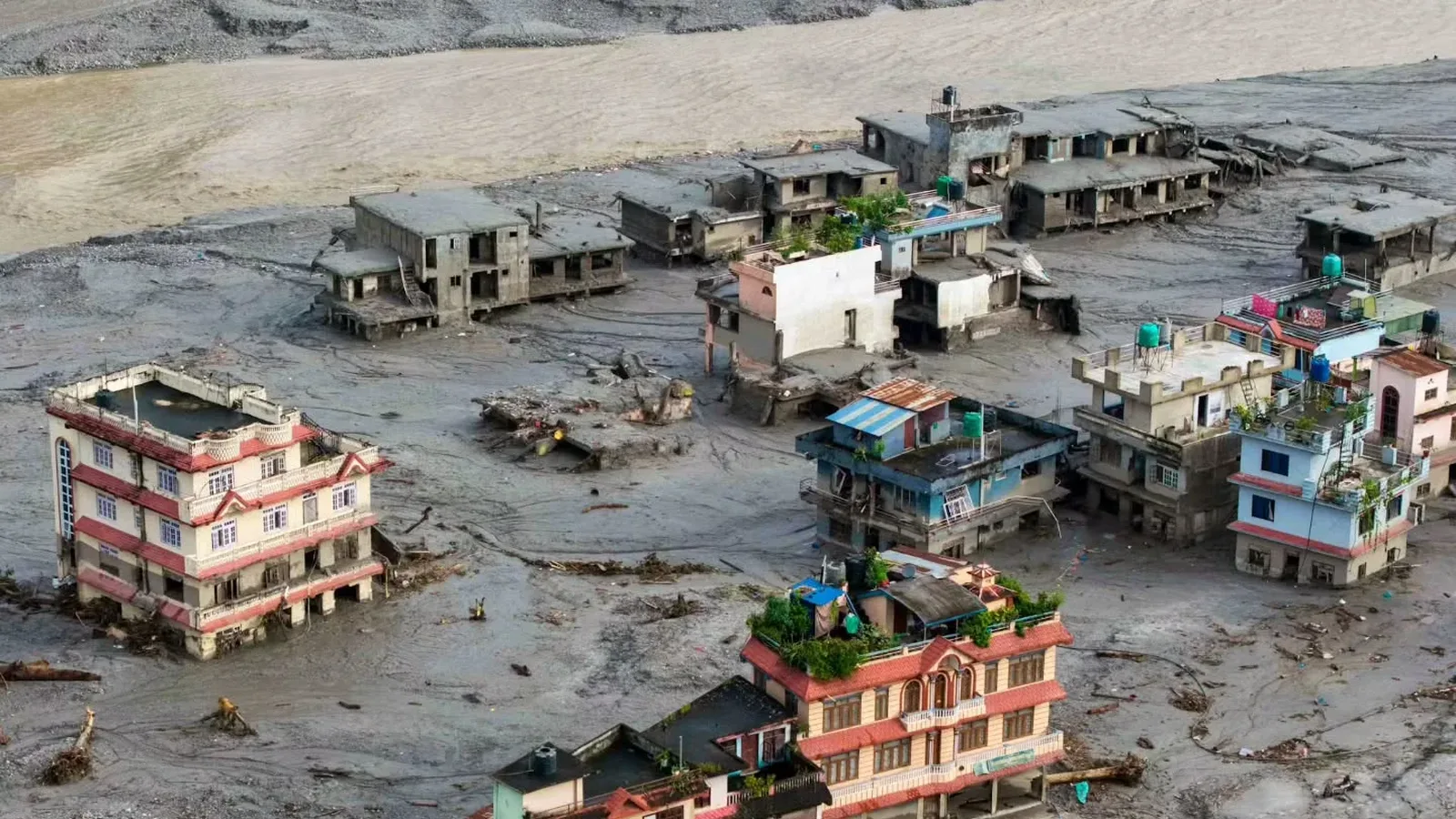
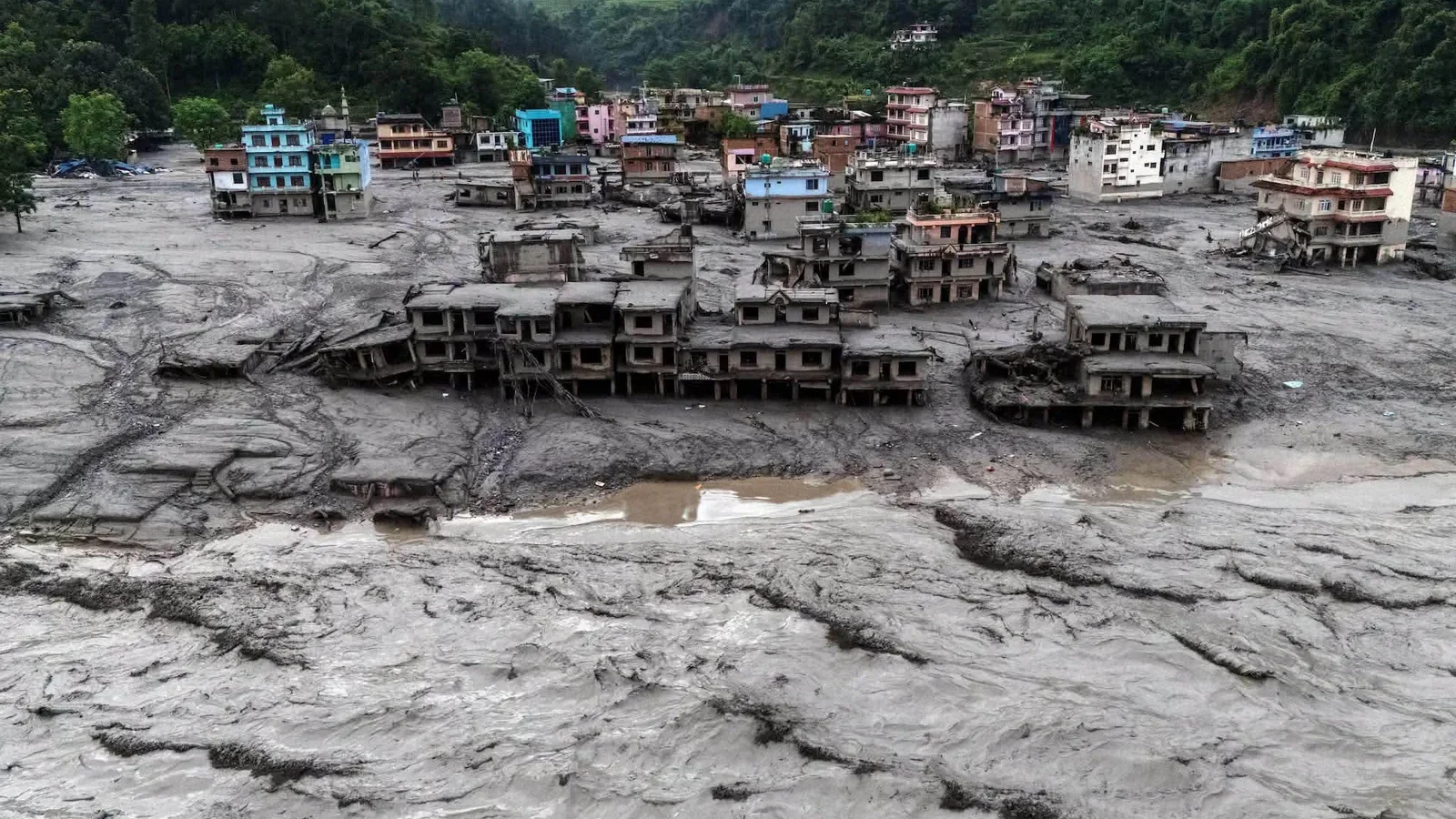
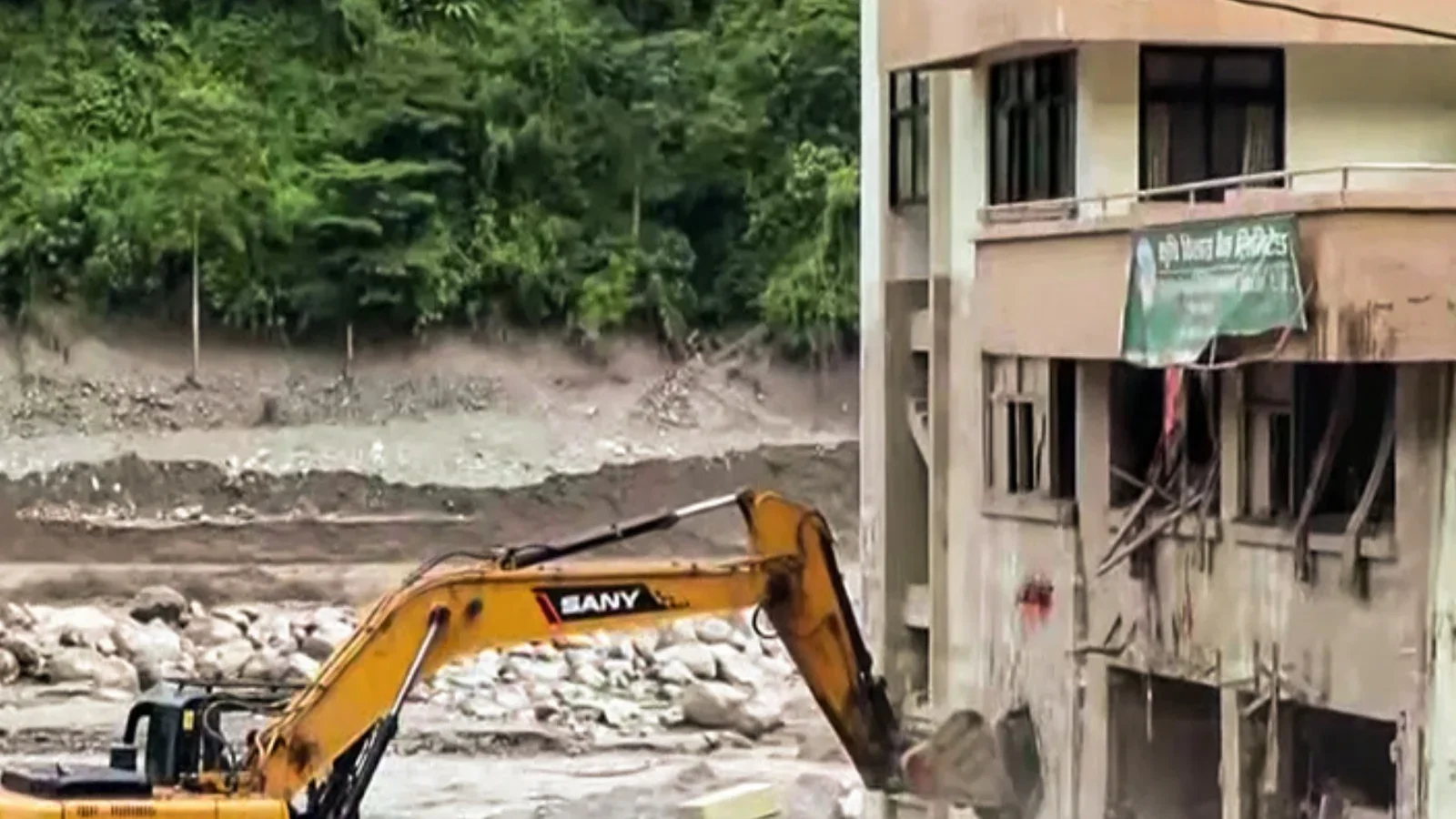
That one result explains why the search after the 26 August Bhote Koshi flood has been so agonising to follow. The tunnels are the places where a rescue is still technically imaginable. The staff quarters, the dam sites and the headworks are where most of the missing actually were when the water arrived before office hours, and the flood took those whole. We have already covered what the flood did to Rasuwagadhi and Nepal's only road to Tibet. This piece is about the men who were working there.
Key facts
- Nepal's national toll stood at 903 dead and 4,247 missing on 31 August, and the figures are provisional
- 933 workers stationed at hydropower projects were unaccounted for on 31 August; the producers' association counted 934 across 11 projects two days earlier
- The Nepali Army prioritised 19 tunnels; teams from India, China and South Korea are assisting
- Roughly 300 workers have been brought out of tunnels alive, and four bodies recovered from three mud-filled tunnels
- The Rasuwagadhi tunnel search, completed 31 August, found nobody inside
What the numbers actually say
The National Disaster Risk Reduction and Management Authority put Nepal's toll at 903 dead and 4,247 missing on 31 August, with 10,451 people rescued and 592 foreign nationals among the missing. Uniformed personnel are in that list too, which tells you how completely the valley was overrun. Forty-five Nepal Army, 25 Nepal Police, 13 Armed Police Force, 15 Customs and three Immigration staff are unaccounted for.
Project by project, and what has changed since
The Independent Power Producers' Association Nepal counted 934 unaccounted for across 11 projects on 29 August. Below is the picture the companies gave then, and what has happened at each site since. Every figure is provisional.
| Project | Rescued | Unaccounted | Since then |
|---|---|---|---|
| Upper Trishuli-1 (216 MW) | 254 | — | Nine-member Chinese tunnel team deployed with contractor China Railway; one body recovered about 300 m in |
| Upper Trishuli-3 (37 MW) | 85 | — | Chinese expert team flown to the 3B tunnel by helicopter |
| Upper Trishuli-3A (60 MW) | — | 35+ | Army drilled through the tunnel crown and shouted in; no reply |
| Rasuwagadhi (111 MW) | — | 49 | Tunnel searched to its end 31 Aug, nobody inside; 93 project staff still untraced |
| Langtang Khola (20 MW) | 18 | 42 | Access bridges swept away, no road in |
| Chilime (22.1 MW) | — | 8 | Two bodies recovered 100 m inside by an Indian and Nepali Army team, 30 Aug |
Where the rescue has actually reached
The flood comes down the Bhote Koshi before the day shift, taking headworks, quarters and access roads across Rasuwa and Nuwakot.
Producers count 934 unaccounted for across 11 projects. Companies admit they cannot enter their own tunnels.
Indian and Chinese specialists start work. Two bodies come out of Chilime. At Upper Trishuli-3A the army drills the crown and calls into the dark.
The tunnel is searched to its end with a drone. No one is found. Ninety-three of its people are still missing somewhere else.
The individual accounts are bleak in the same specific way. Baburaj Maharjan, executive director of Chilime Hydropower, said flatly, "We have not been able to carry out a rescue. The tunnel is filled with mud, and it is impossible to enter." When his tunnel was finally opened, Nepali Army spokesperson Brigadier General Rajaram Basnet reported, "The joint team reached 100 metres into the 250-metre-long tunnel. We could not find any living people up to that point."
At Upper Trishuli-3A the army broke in through the top of the tunnel rather than the mouth. "After drilling a hole, we found that the water level extends high up inside a tunnel with a diameter of around seven metres," Basnet said. Rescuers shouted into the opening and got nothing back. On the wider effort he has been blunt about the obstacle, "A large amount of debris has been deposited and that is posing us a big challenge to open the tunnels."
At Rasuwagadhi, information officer Narayan Nath Neupane had pointed at a building rather than the tunnel. "We estimate that three to six people may be inside the six- or seven-storey underground powerhouse," he said, having earlier reported 56 or 57 people at the dam site and powerhouse with no contact from any of them.
Why it took five days to get the right equipment
Nepal did not have what this rescue needed. Subas Chandra Baral, president of the Nepal Engineers' Association, said the country lacked the specialised skills, equipment and capacity required for large-scale tunnel rescue operations. Indian and Chinese teams only began work on Sunday 30 August, five days in. The Ministry of Foreign Affairs has denied that permission for foreign rescuers was delayed. South Korea, the United Kingdom and Australia also offered help.
The industry's own voice has been the loudest. Bijaya Mohan Bhattarai, promoter of Langtang Hydropower, said, "Forty-two people are still unaccounted for. The government must make their rescue a priority," and explained why nobody could simply drive there, "Bridges at several points leading to the project have been swept away. There is no way to get there by road." Rajan Dhakal, spokesperson for the Nepal Electricity Authority, summarised the week in one sentence, "An unimaginable loss of life and property has occurred."
The people who are actually missing
It is worth being clear about who these workers are, because the coverage keeps sliding into megawatts. They are overwhelmingly Nepali and Indian labourers on rotation, living in site quarters for weeks at a stretch and wiring money home to villages a long way from Rasuwa. They were not on a mountain. They were asleep, or eating, or walking to a shift, in a valley that had no reason to expect a wall of water at that hour. Their families are now waiting on a search that has so far returned four bodies and a great deal of silence.
What this means for trekkers
What this means for you
Rasuwa and Langtang are not a trekking destination right now, and we have paused our Langtang, Gosaikunda and Tamang Heritage departures rather than sell a route through an active recovery operation. Everest, Annapurna and Manaslu are unaffected. If you were planning Nepal this autumn, still come. Cancelling a Khumbu trek takes money out of the exact economy that has to carry this. To help Rasuwa directly, give to a relief fund rather than change your booking.
Have any tunnel workers been found alive?
Yes, but not recently. Roughly 300 people were brought out of the tunnels in the first days, including 254 at Upper Trishuli-1 and 85 at Upper Trishuli-3. Since the foreign teams began work on 30 August the tunnels opened have produced four bodies and no survivors.
Why did the Rasuwagadhi tunnel search find nobody?
Because only about three people were thought to have been inside it. The rest of the workforce was at the dam site, the underground powerhouse and the residential quarters when the flood struck before office hours.
How many hydropower workers are still missing?
933 on 31 August, across roughly a dozen damaged projects in Rasuwa and Nuwakot. The figure is provisional and has been revised repeatedly as headcounts are reconciled.
Is the rest of Nepal's trekking season affected?
Only Langtang and Rasuwa. The Everest and Annapurna regions are open and the autumn season is proceeding. See our note on what the lost generating capacity means for power supply if you are wondering about winter load-shedding.
We will update this piece as more tunnels are opened. To see what the valley looks like now, we have published seven photographs from Rasuwa and Nuwakot, and the 14-day Everest Base Camp trek is running normally this autumn.
Still running this season
Annapurna Base Camp Trek — 7 Days is running normally
NMA-certified local guides, transparent pricing, 5,000+ treks since 1998. Message us your dates and we'll sort the permits, lodges and logistics — reply within 24 hours, no obligation.

Popular Nepal treks
All treks →


Related coverage
Safety & Advisories
592 foreign nationals are still missing in the Nepal flood, here is who your family should actually call
Nepal's disaster authority counts 592 foreign nationals among the missing after the 26 August flood. Here is the official route for families abroad.
Safety & Advisories
The Nuwakot headmaster rang the school bell and got 900 children uphill before the flood took the building
Rajendra Dawadi was teaching when the calls came from upstream. Minutes later Tribhuvan Trishuli Secondary School was gone, and every child who had been inside it was not.

Climate & Environment
Nepal Has Mapped 2,070 Glacial Lakes. The One That Burst Was Not On the List.
A new ICIMOD and UNDP inventory counts 3,624 glacial lakes and flags 47 as dangerous — 42 of them in the Koshi basin. The lake that killed at least 165 people in August was not among them, because it did not exist the day before.
Safety & Advisories
The US travel advisory for Nepal now has a do-not-travel zone, and it is far smaller than you think
Washington kept Nepal at Level 2 on 31 August and added a Level 4 do-not-travel zone covering only the Rasuwagadhi–Timure–Syabrubesi corridor in Rasuwa.
Latest from the desk
Safety & Advisories
Nepal's flood camps are running out of water and medicine, and the doctors are warning about an epidemic
Four health facilities in Rasuwa are destroyed, Trishuli Hospital has lost its bridges and its medicines, and 1,000 people are in camps with no clean water.
Climate & Environment
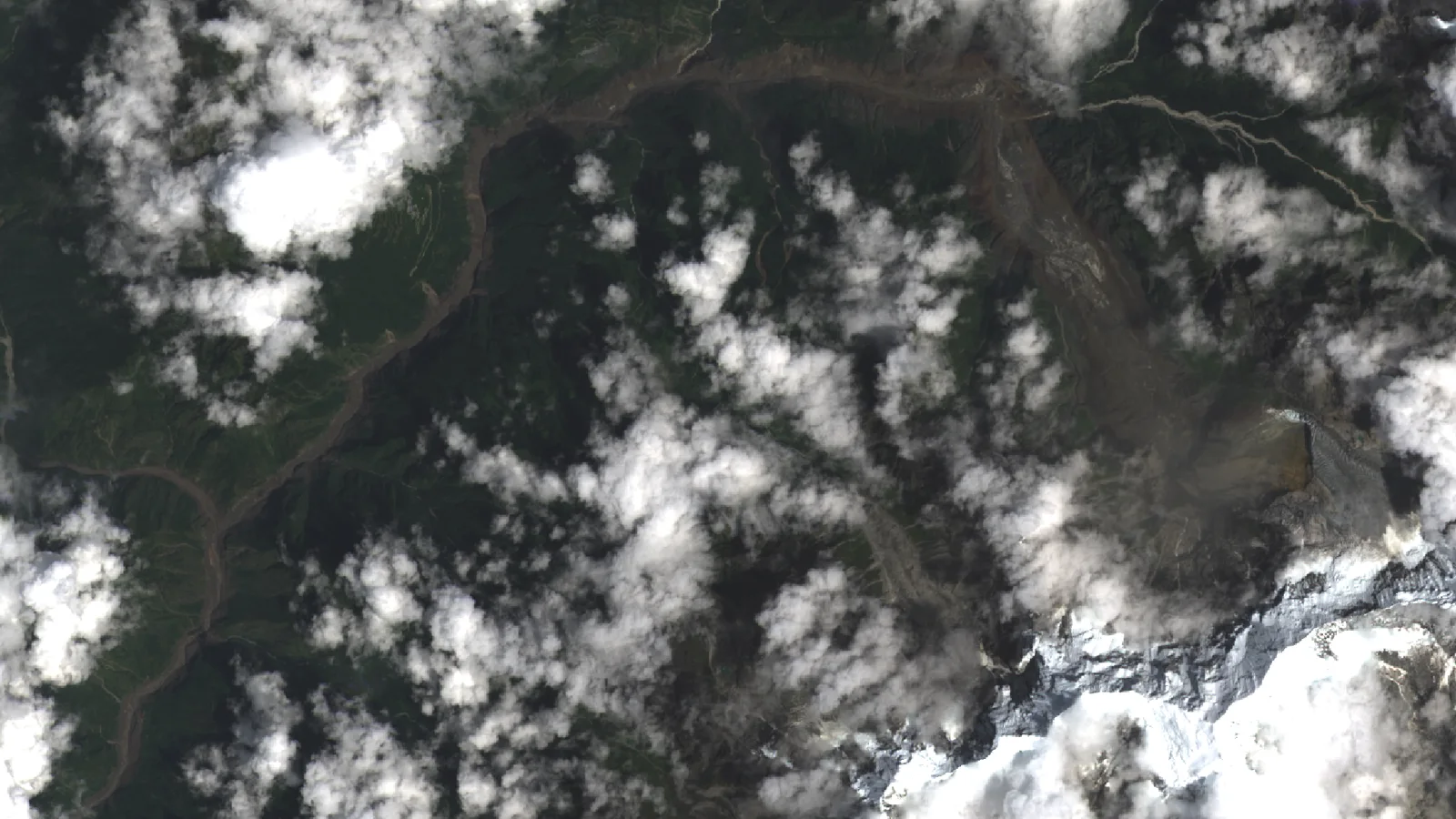
The Langtang Lirung collapse wasn't a glacial lake flood, and that changes which mountains Nepal has to watch
A week of satellite, seismic and drone analysis has settled one thing — no lake burst above Rasuwa. The next one may not come from a lake either.
World Destinations
Best Budget European City Breaks in 2026: Great-Value Cities Where a Weekend Costs a Fraction of London or Paris
From Kraków and Budapest to Porto, Sofia and Tirana — the European cities where an old-town weekend costs a fraction of London, Paris or Zurich, why each is cheap, what to see, and the best season to go.