
The US travel advisory for Nepal now has a do-not-travel zone, and it is far smaller than you think
Washington kept Nepal at Level 2 on 31 August and added a Level 4 do-not-travel zone covering only the Rasuwagadhi–Timure–Syabrubesi corridor in Rasuwa.
At a glance
- Published
- TopicSafety & Advisories
- Verified againstOnlineKhabar English
- Treks coveredAnnapurna Base Camp Trek — 9 Days, Everest Base Camp Trek — 14 Days
The United States updated its travel advice for Nepal on 31 August and added a Level 4 “do not travel” designation to one corridor: the Rasuwagadhi–Timure–Syabrubesi area of Rasuwa district and the Nepal–China border crossing, including settlements along the Bhote Koshi, Trishuli and Narayani rivers. The rest of the country stayed at Level 2, “exercise increased caution”, where it already was.
The corridor named in the Level 4 zone is also Nepal’s only overland road to Tibet, and it is gone: the border post, the Miteri bridge and the customs village at Timure were all destroyed. We set out what that means for trade and for overland Kailash trips in is the Kerung border open.
That distinction is the whole story, and it is the part being lost as the update gets shared. A Level 4 zone exists inside Nepal. Nepal is not a Level 4 country.
Key facts
- Nationwide: Level 2 — exercise increased caution, cited for civil unrest, unchanged
- Level 4 — do not travel: the Rasuwagadhi–Timure–Syabrubesi area of Rasuwa and the Nepal–China border crossing
- Also named: settlements along the Bhote Koshi, Trishuli and Narayani rivers
- Reasons given: flood damage, disrupted transport and communications, ongoing search and rescue, further flood and landslide risk
- Updated: 31 August 2026, five days after the 26 August flood
- Not named: Everest, Annapurna, Manaslu, Pokhara, Kathmandu or Lumbini
Pokhara is one of the places most often assumed to be inside the zone and is not. We set out why in is Pokhara safe from the floods.
What the Level 4 zone actually covers
It covers the flood corridor and its downstream river settlements, and nothing else. Syabrubesi is the road-head for Langtang, and Timure and Rasuwagadhi sit on the border road to Kerung in Tibet. That is the ground the 26 August flood came down, and it is where search, rescue and recovery work is still running.
The advice tells US citizens to stay off riverbanks, low-lying ground, damaged bridges and unstable slopes in that area, and not to mount independent searches in the disaster zone. That last instruction is aimed at families, and it is the right one. Untrained people looking for relatives in an active recovery area become casualties themselves.
Why the rest of the country stayed at Level 2
Level 2 is where Nepal already sat, and the reason given is civil unrest rather than the flood. The advice notes that the demonstrations which began in September 2025 have since stopped, but warns that protests can start with little warning, may turn violent, and are most likely in cities. It also flags limited medical capacity outside Kathmandu, and says hospitals in the capital can be overcrowded, may lack particular equipment or medicines, and often require payment before treatment.
None of that is new, and none of it is flood-specific. If you have trekked in Nepal before, you have travelled under a Level 2 advisory and did not notice.
The numbers behind the designation
Nepal’s National Disaster Risk Reduction and Management Authority put the confirmed death toll at 903 as of 9am on 31 August, with 4,247 people still missing. These are provisional figures and they have moved every day since the flood. The geography of them explains the advisory better than the total does.
| District | Confirmed deaths |
|---|---|
| Chitwan | 272 |
| Nawalparasi East | 207 |
| Nawalparasi West | 151 |
| Nuwakot | 95 |
| Gorkha | 62 |
| Dhading | 55 |
| Tanahun | 37 |
| Rasuwa | 24 |
| Total | 903 |
The flood started in Rasuwa and killed most people far downstream, along the Trishuli and Narayani. That is why the US advice names rivers rather than only a district, and it is also why the trekking regions west and east of that drainage are not in the zone.
Foreign nationals caught in it
The Kathmandu Post reported 644 tourists listed as missing as of the evening of Thursday 28 August, drawn from a long list of nationalities. The seven largest groups are below. Treat every figure as provisional: missing lists in a disaster are built from unanswered phones, and they shrink as people are found.
By 29 August the Ministry of Foreign Affairs said 187 foreign nationals had been rescued and that Nepal remains open to travellers, with areas outside the flood zone functioning normally. On 31 August the Nepal Tourism Board, the Tourist Police and tourism bodies agreed to run a joint information desk so that families and embassies have one place to ask about missing and rescued visitors. Ramkrishna Lamichhane, Director General of the Department of Tourism, said the desk is meant to give the search a single integrated information system.
What this means for your trek
If you are booked into Langtang, Gosaikunda or the Tamang Heritage trail, you are inside or adjacent to the Level 4 zone and you should not travel there now. We have paused bookings on those routes ourselves and we are not taking new ones until access is verified — our Langtang status update has the detail.
If you are booked on Everest Base Camp, Annapurna, Manaslu or a Pokhara-based trek, the advisory does not name your route and there is no basis for cancelling on it. Check the road situation instead: the Prithvi Highway is closed at Krishnabhir, which is a logistics problem, not a safety one.
One thing worth doing today regardless: read your travel insurance policy. Many policies exclude claims arising in an area under a government “do not travel” warning, and that exclusion can apply to non-US travellers too if their own government issues something similar. If your itinerary touches Rasuwa, ask your insurer in writing before you leave.
What this means for you
Do not cancel a Nepal trip because a headline says the US issued a do-not-travel warning for Nepal. It did not. It named one flood corridor in one district and left the rest of the country where it already was. If your route goes through Rasuwa, change the route. If it does not, change nothing except your insurance homework.
Frequently asked questions
Has the US told people not to travel to Nepal?
No. Nepal remains at Level 2, exercise increased caution. The Level 4 “do not travel” designation applies only to the Rasuwagadhi–Timure–Syabrubesi corridor of Rasuwa district, the Nepal–China border crossing, and flood-hit settlements along the Bhote Koshi, Trishuli and Narayani.
Is Everest Base Camp covered by the advisory?
No. The Khumbu is a different drainage on the other side of the country and is not named anywhere in the advice.
Is Pokhara or the Annapurna region affected?
Neither is in the Level 4 zone. The practical issue in that direction is road access, not safety, because the Prithvi Highway is closed at Krishnabhir in Dhading.
Will my insurance still cover me?
Ask your insurer directly. Cover commonly falls away in an area under an official do-not-travel warning, which is a reason to move your route rather than to hope. Nothing here is insurance advice.
Where are the official figures?
The NDRRMA publishes the confirmed toll and missing count. We track the running numbers in our live flood updates, and the wider aid picture is in our report on the US aid pledge.
Sources: US travel advice for Nepal as reported by OnlineKhabar English and Khabarhub (31 August 2026); National Disaster Risk Reduction and Management Authority casualty figures (9am, 31 August 2026); Kathmandu Post (28 August 2026); Nepal Ministry of Foreign Affairs (29 August 2026); Department of Tourism (31 August 2026).
We will update this article as the advisory changes. If you are holding a booking and want a straight answer about whether your specific route is affected, message us on WhatsApp or tell us your dates. We have run treks here since 1998 and we would rather move your route than sell you one we would not walk ourselves — the 9-day Annapurna Base Camp trek and the 14-day Everest Base Camp trek are both running.
Cover photo: Abdul Kayum via Pexels (Pexels License).
Still running this season
Everest Base Camp Trek — 14 Days is running normally
NMA-certified local guides, transparent pricing, 5,000+ treks since 1998. Message us your dates and we'll sort the permits, lodges and logistics — reply within 24 hours, no obligation.


Popular Nepal treks
All treks →


Related coverage
Flights & Access
Is the Kerung border open? What the 2026 flood did to Rasuwagadhi and Nepal's only road to Tibet
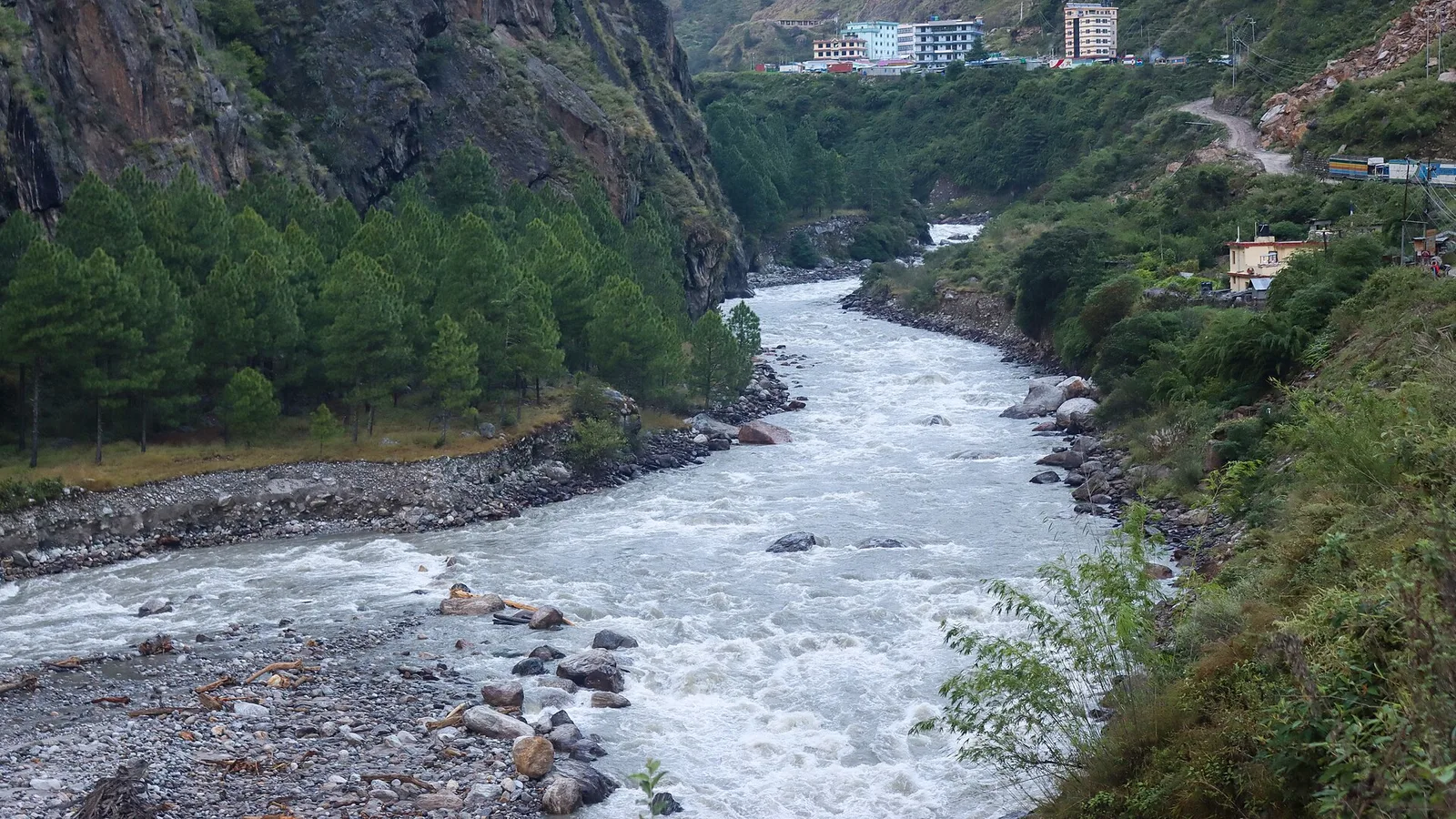
The Rasuwagadhi–Kerung border with Tibet has been shut since the 26 August 2026 flood destroyed the Timure customs area, the Miteri bridge and the border road. No reopening date has been set.
Breaking Safety & Advisories
Nepal Floods 2026: Live Updates, Death Toll and Trek Status (Rasuwa / Bhote Koshi + Nationwide)
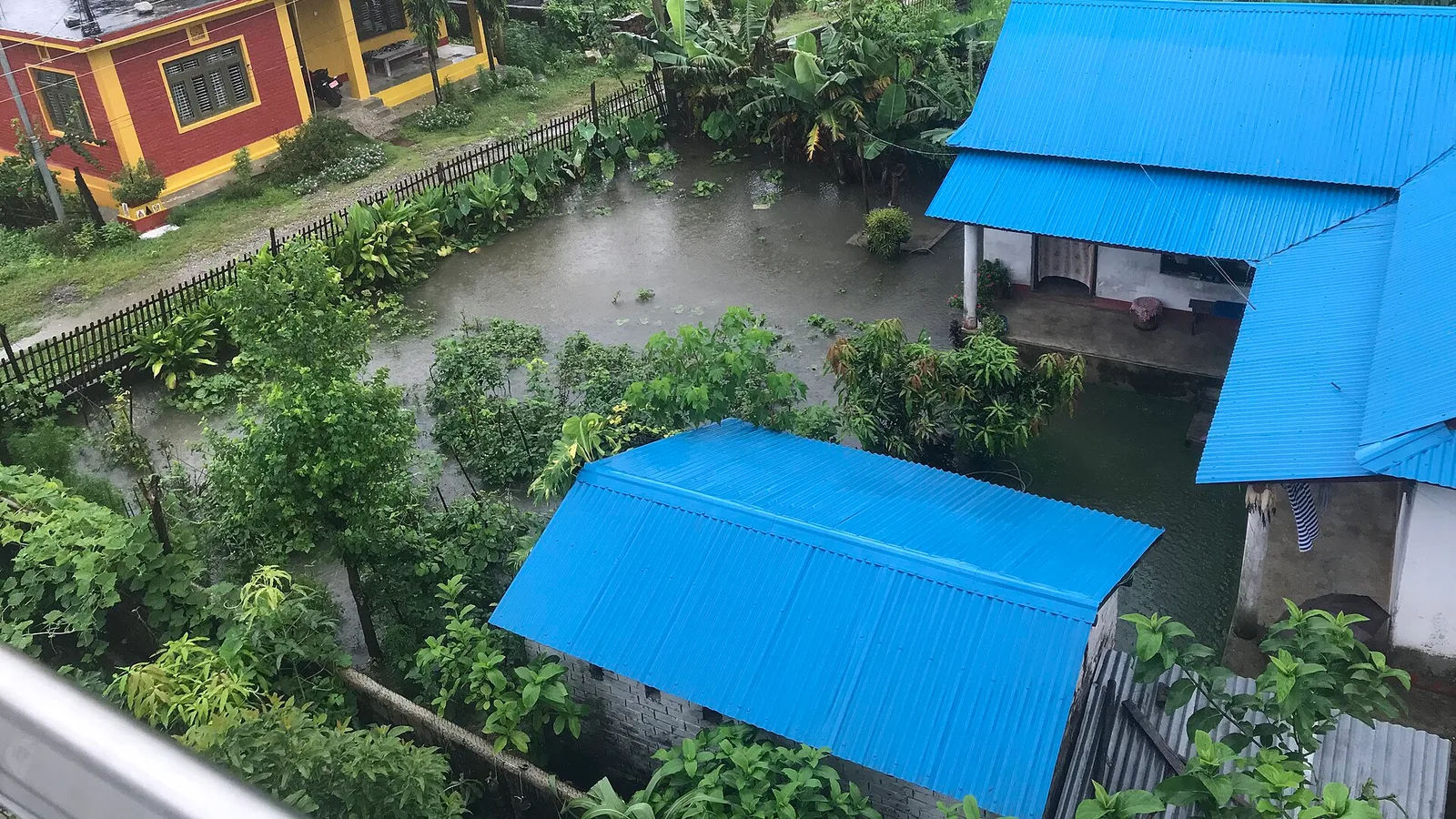
Live tracker of Nepal’s August 2026 floods — the provisional, rising death toll across eight districts, the disputed cause of the Bhote Koshi glacial flood in Rasuwa, and what it means for trekkers right now.
Safety & Advisories
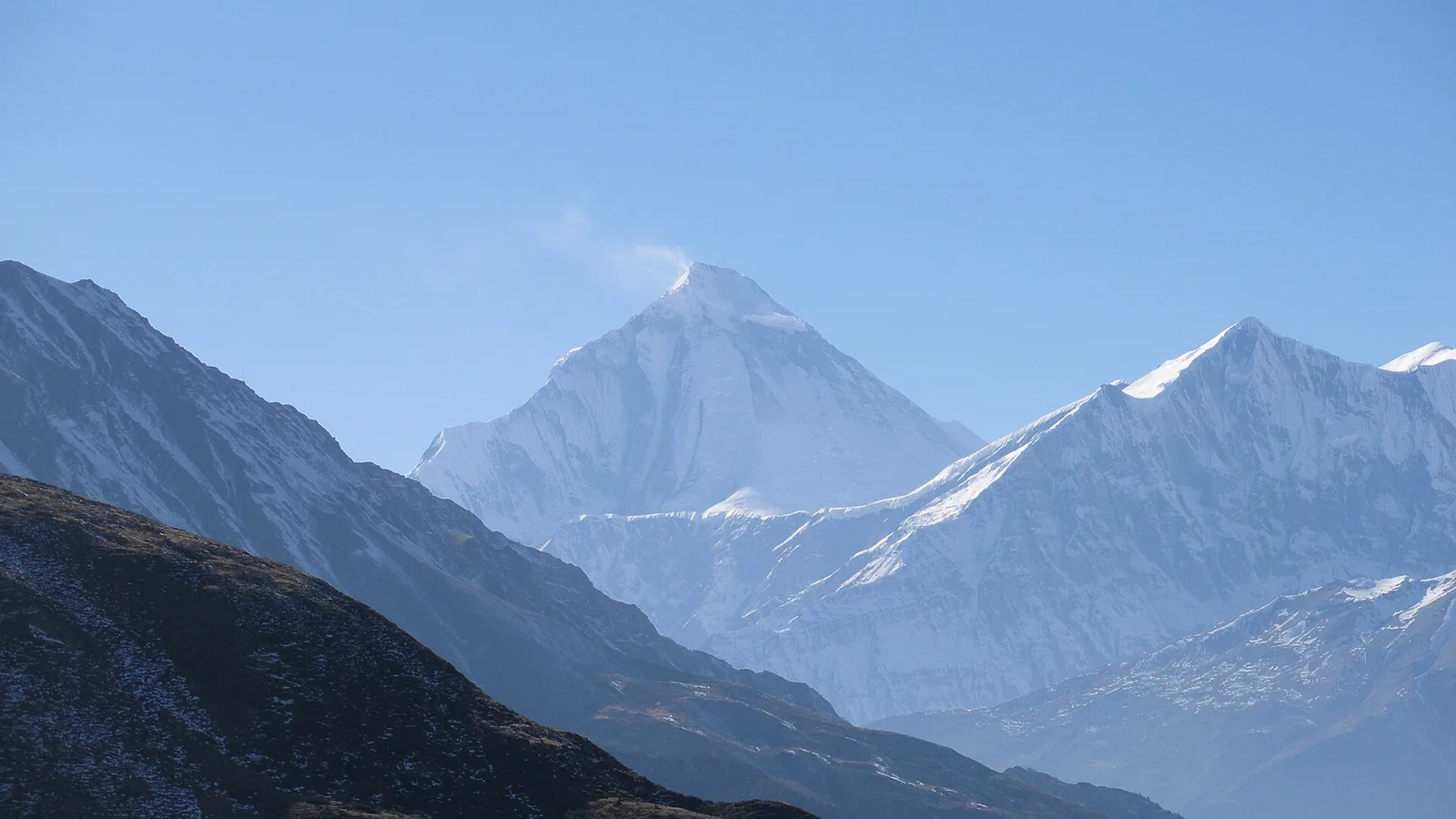
Your Nepal Trekking Guide Just Spent the Week Learning to Keep You Alive Above 4,000m
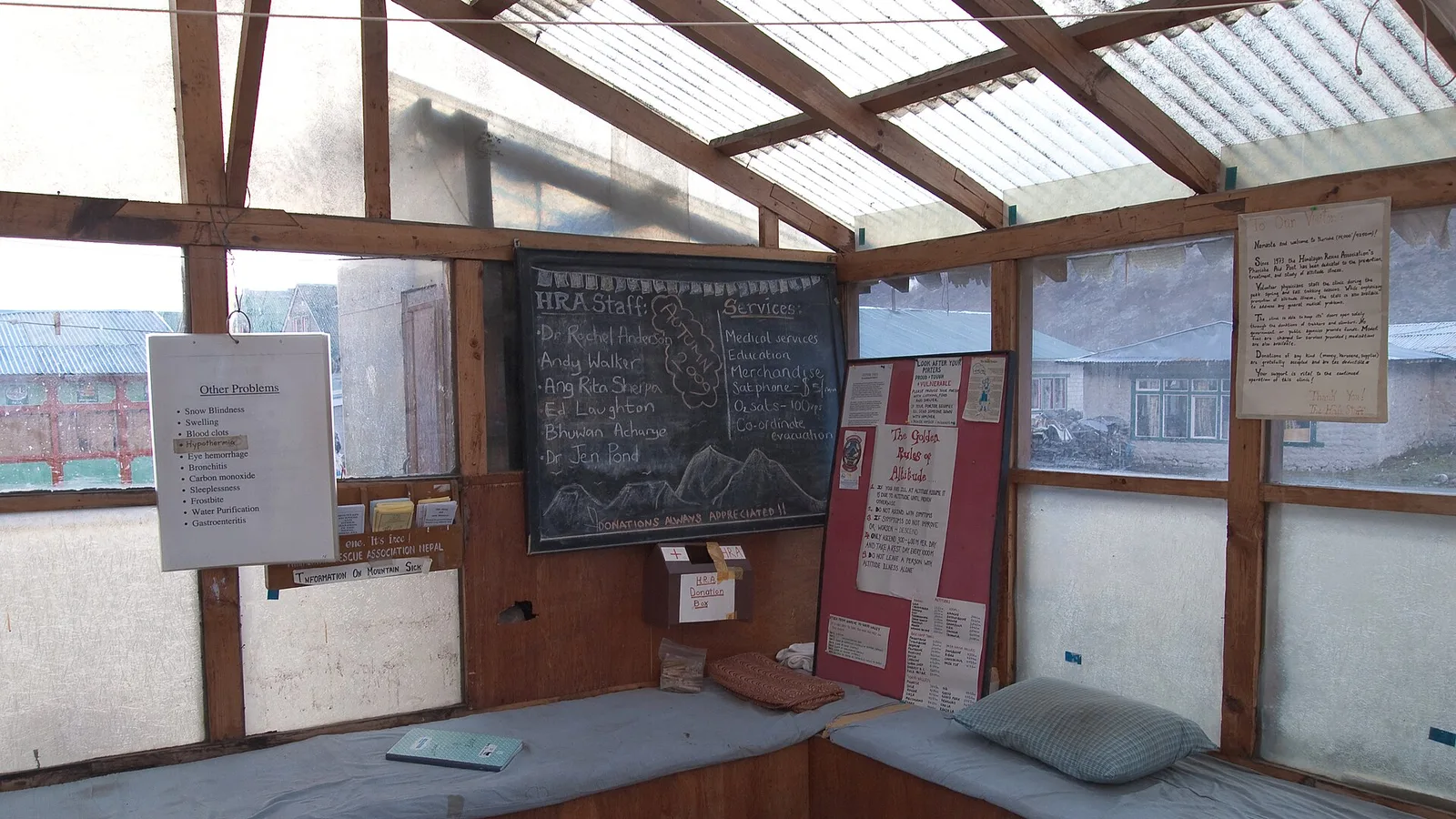
Days before Nepal's autumn trekking season opens, two of the country's oldest mountain-safety institutions ran back-to-back wilderness first-aid courses for working guides, drilling CPR, patient evacuation and the earliest signs of altitude sickness.
Safety & Advisories
Is the Khopra Danda Trek Affected by the 2026 Nepal Floods?
Short answer: no. The Khopra Danda (Khopra Ridge) trek sits in the Annapurna region, reached from Pokhara, and is running normally. The 26 August flood hit the Rasuwa / Langtang corridor about 200 km east — a completely different river system.
Latest from the desk
Trail & Weather
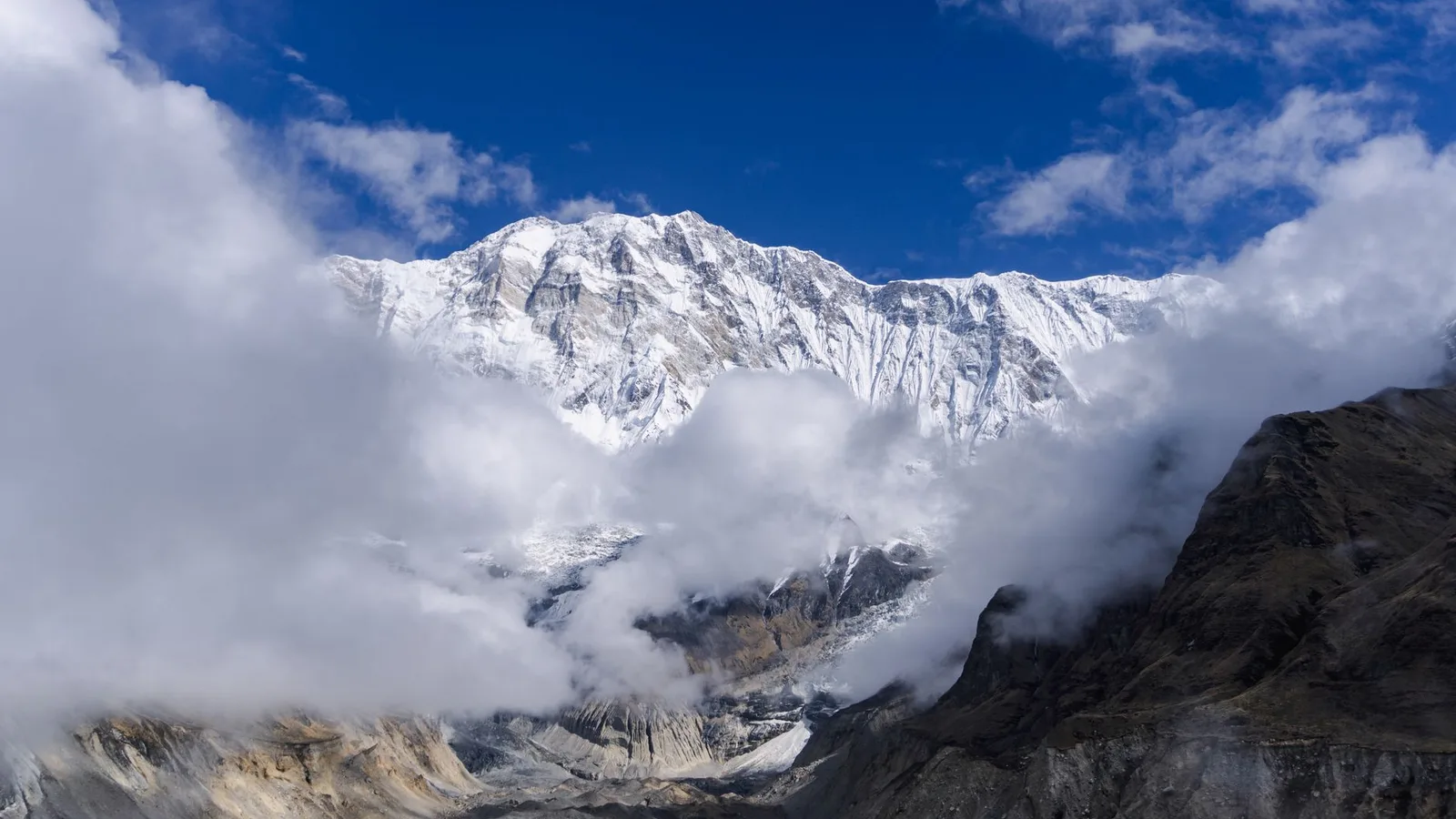
Nepal trekking news that actually changes your trip, updated for autumn 2026
The permit rules, fines, airfares, flight routes and road closures that changed for Nepal trekkers in 2026 — what to act on for an autumn booking, and what to ignore.
Safety & Advisories
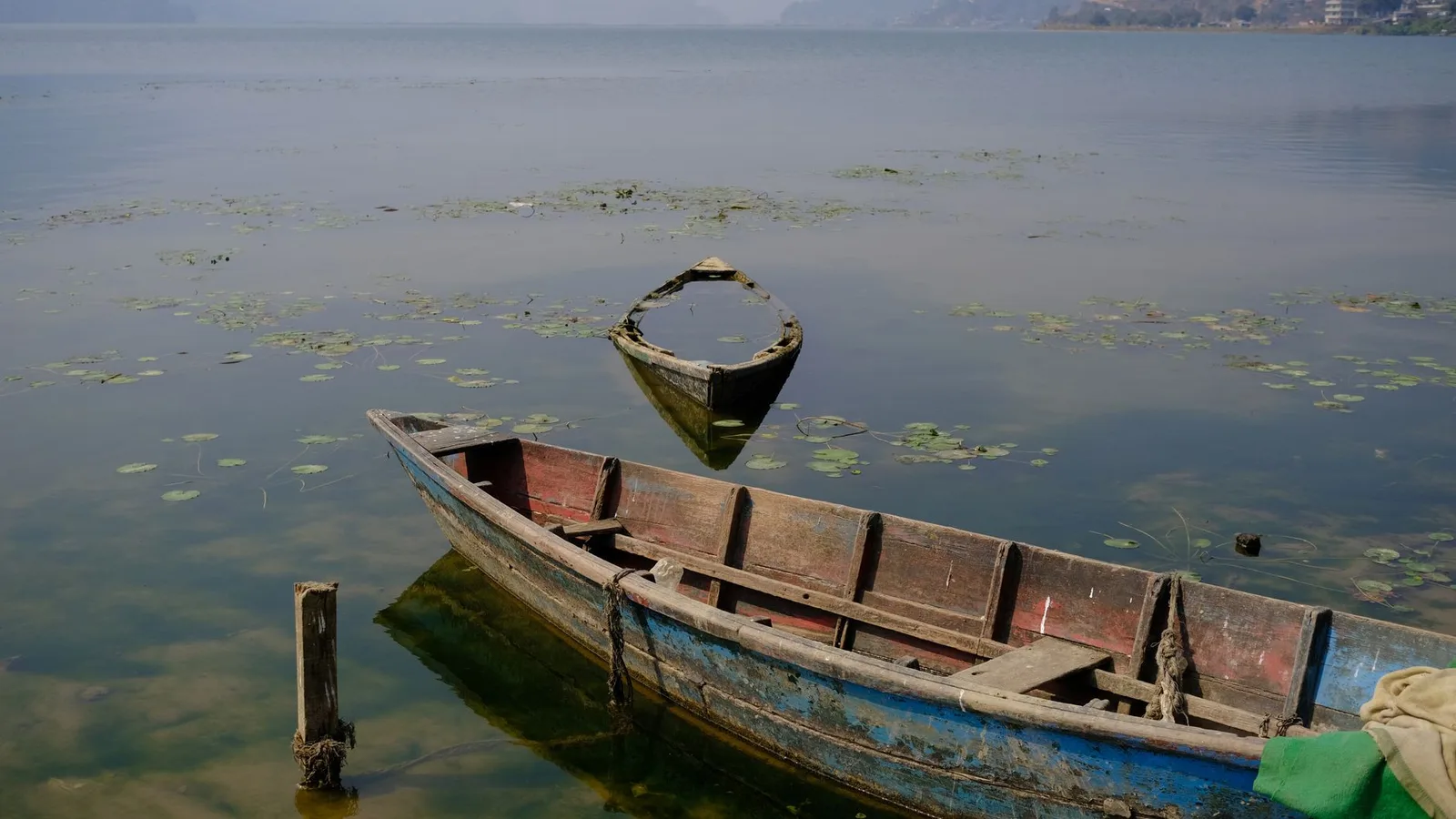
Is Pokhara safe from the floods? Yes, but getting there from Kathmandu is the real problem
Pokhara and Kaski district were not hit by the 26 August 2026 flood, which came down a different river system about 150 km east. The road in from Kathmandu is the part that is broken.
Gear & Tech
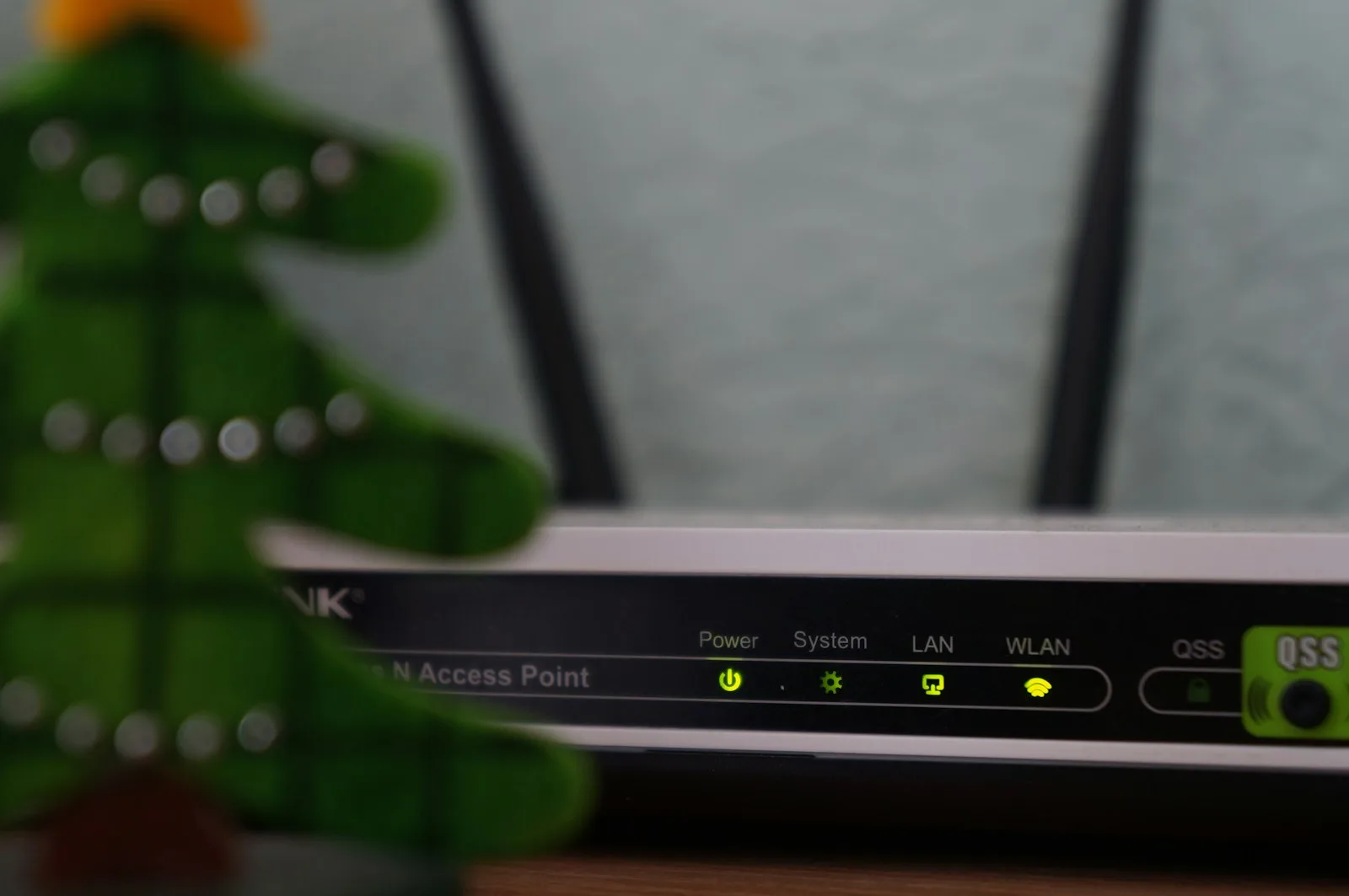
Portable Wi-Fi and Travel Routers in 2026: Do You Actually Need One?
A pocket Wi-Fi box, a travel router, a phone hotspot, an eSIM or a local SIM — an honest buyer’s guide to what each does, when a device is worth it, and why none of them help where there’s no signal.