
Underrated Alternatives to Overtouristed Destinations in 2026: Swap the Crowd for Its Quieter Twin
Skip the ticketed queues at Venice, Santorini, Bali and Dubrovnik. Here are the quieter, cheaper equals — from Bologna and Naxos to Kotor, the Faroes and Nepal's Manaslu — that deliver the same experience with a fraction of the crowds.
At a glance
- Published
- TopicWorld Destinations
- ReportingOriginal, by our guides in Pokhara
- Treks coveredManaslu Circuit Trek — 14 Days, Manaslu Circuit & Tsum Valley Trek — 19 Days, Nar Phu Valley Trek — 14 Days
The best swap you can make in 2026 is not a cheaper flight or a smarter hotel — it is a quieter destination. Almost every crowded icon has a lesser-known twin a short hop away: the same coastline, the same old-town stone, the same mountain air, minus the ticketed queues and the "please go elsewhere" signs. From my desk in Pokhara I watch the same pattern in the Himalaya, and it holds true across Europe and Asia. Here is a practical field guide to trading the postcard everyone photographs for the one they haven't found yet.
The idea in one line
- Swap the icon for its quieter equal — usually the next town, island or valley over.
- You keep the experience (canals, whitewashed villages, Adriatic walls, Himalaya) and lose the crush.
- Most alternatives here are UNESCO-listed or geographically twinned with the famous name — not a downgrade.
- The Nepal version: skip the busy highways and walk the restricted, permit-only valleys instead.
Seven swaps that keep the magic, drop the crowd
None of these alternatives is a consolation prize. Each one is famous in its own right — often for the exact quality that made its crowded neighbour a bucket-list name.
| Instead of (crowded) | Go to (alternative) | Why it works |
|---|---|---|
| Venice, Italy | Bologna or Ljubljana | Bologna's medieval towers and covered porticoes, or Ljubljana's river-threaded old town — historic European cityscapes without the day-tripper fee |
| Santorini, Greece | Naxos, Milos or Puglia | Naxos is the largest, most self-sufficient Cyclades island; Milos delivers the same volcanic drama at Sarakiniko; Puglia trades cliff villages for trulli and whitewashed towns |
| Bali, Indonesia | Lombok | Bali's next-door neighbour across the Lombok Strait — beaches, the Gili Islands and Mount Rinjani, a quieter alternative many already choose |
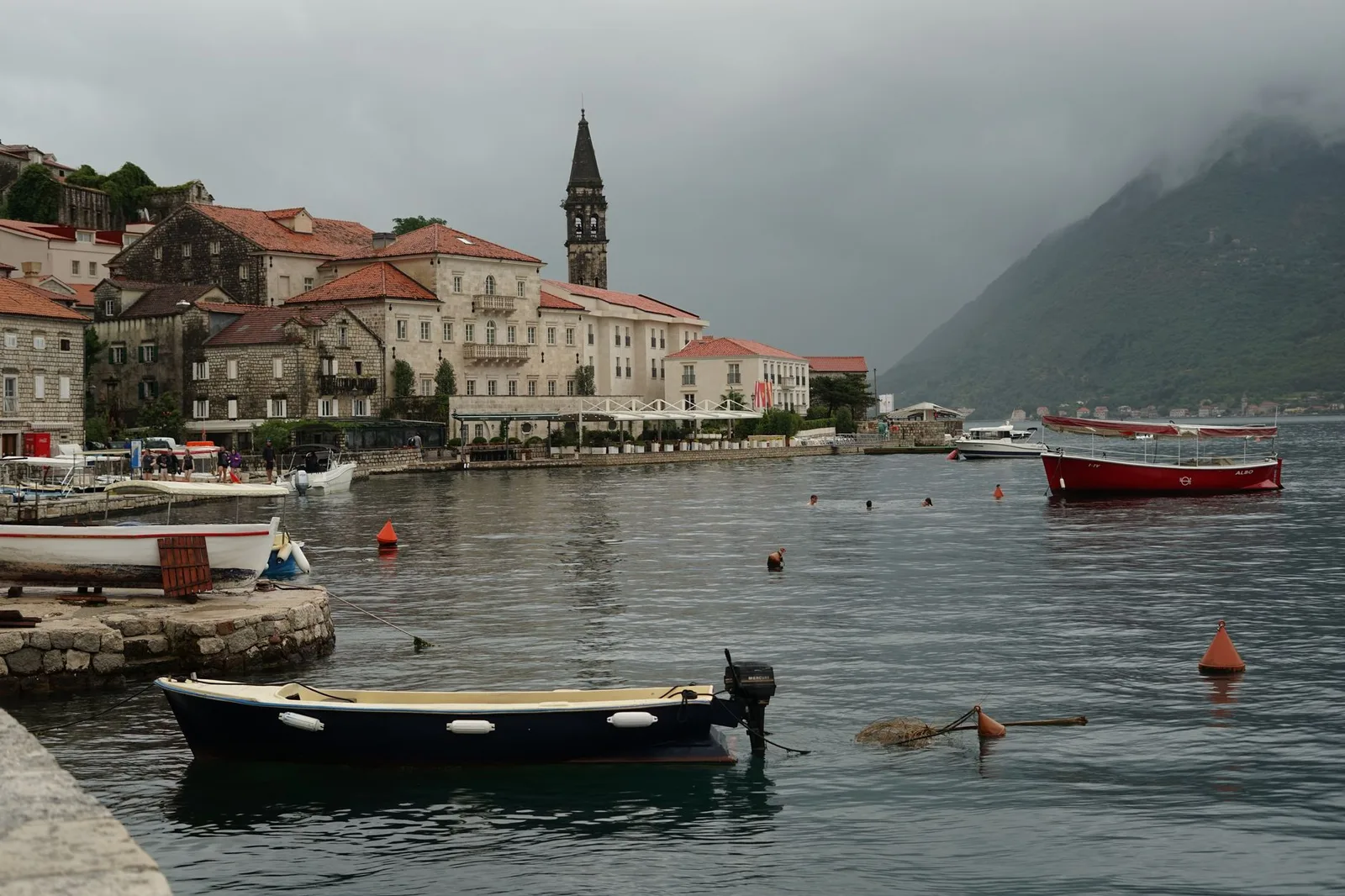
| Dubrovnik, Croatia | Kotor or Split | Kotor's fortified, Venetian-walled old town on its Adriatic bay, or Split built inside Diocletian's Palace — both UNESCO-listed walled cities |
| Amsterdam, Netherlands | Ghent or Utrecht | Ghent's canal-side medieval core and Gravensteen castle, or Utrecht's two-level canals with wharf cellars — the Dutch-Flemish canal city, calmer |
| Reykjavik crowds, Iceland | The Faroe Islands | The same North Atlantic drama — fjords, sea cliffs and waterfalls — on a remote archipelago between Iceland, Norway and Scotland |
| Everest & Annapurna highways, Nepal | Manaslu Circuit or Nar Phu | Eighth-highest mountain on earth on a restricted, permit-only trail — a big Himalaya without the busiest teahouse queues |
Europe's water cities, minus the front-door fee
Venice is the reason "overtourism" entered the language, so start there. Bologna, the capital of Emilia-Romagna in northern Italy, gives you medieval architecture, kilometres of covered porticoes and the world's oldest continuously operating university — a serious historic city that most visitors bypass on the train to Florence. Ljubljana, Slovenia's capital, does the water-city thing differently: the Ljubljanica River curls through a compact old town, and it has built a reputation as a green, walkable European capital rather than a theme park.
The canal idea travels north, too. Amsterdam's crowds have their answer one country over in Ghent, whose medieval waterfront along the Graslei and the Gravensteen castle sit in a largely car-free historic core, and in Utrecht, where the canals run on two levels with old wharf cellars at the waterline beneath the Dom Tower.
Islands and walled cities
Santorini's whitewashed-cliff silhouette has a whole family of stand-ins. Naxos is the largest island in the Cyclades, with Mount Zeus, real farming villages like Filoti and Apeiranthos, and long beaches — an island that lives its own life rather than performing for cruise arrivals. Milos, the southwestern-most Cyclades island, is volcanic like Santorini and home to the lunar-white Sarakiniko beach and the ancient home of the Venus de Milo. Prefer the mainland? Puglia, the heel of Italy's boot, has the longest coastline of any mainland Italian region and its own signature whitewashed towns and cone-roofed trulli.
For walled-city grandeur, Dubrovnik's fame comes at a price its ramparts weren't built for. Kotor, tucked into its sheltered bay in Montenegro, is a UNESCO-listed medieval town wrapped in Venetian walls that climb the mountainside. Split, on Croatia's own Dalmatian coast, is a living city built inside the Roman walls of Diocletian's Palace — a UNESCO site since 1979. And for raw northern nature, the Faroe Islands deliver Iceland's fjords, cliffs and waterfalls on an archipelago far off the main tourist track.
How to travel the road less crowded
Book the region, not the postcard. Fly into the big hub, then move one town, island or valley over — that single hop is where the crowds thin and the prices soften. Go in the shoulder months, sleep in family-run places, and hire local guides so your money stays in the community rather than a rental-flat conglomerate. If a headline destination is capping numbers or charging entry, treat that as the signal to look at its neighbour, not to squeeze in anyway. For the season side of this, see our guide to shoulder-season travel in 2026.
The Nepal version of the same idea
The Himalaya works exactly this way. Everest Base Camp and the Annapurna Circuit are the household names, and their main trails fill up in peak season. Step sideways and the mountains are just as big and far quieter. The Manaslu Circuit loops around the world's eighth-highest mountain (8,163 m) along an old salt-trading route that only opened to trekkers in 1991; because it is a government-restricted area, you trek with a licensed guide in a small group and share the trail with a fraction of the Everest-region traffic. Push further and Nar Phu — a restricted valley of centuries-old Tibetan-Buddhist villages in Manang, off the side of the Annapurna Circuit — is quieter still.
That is the whole philosophy in one country: the famous route is wonderful, but its quieter twin often gives you more of what you actually came for. If you want the Himalaya without the highway, our Manaslu Circuit Trek and Nar Phu Valley Trek are built around exactly that trade — real mountains, real villages, thin crowds.
For the fuller picture of why the world's icons started pushing back this year — and where Nepal fits in — read our companion piece on overtourism in 2026. The takeaway is the same in a Croatian bay or a Nepali valley: the best place to go is usually right next to the one everybody already knows.
Cover photo: Natalia Goryaeva via Pexels (Pexels License).
Still running this season
Manaslu Circuit Trek — 14 Days is running normally
NMA-certified local guides, transparent pricing, 5,000+ treks since 1998. Message us your dates and we'll sort the permits, lodges and logistics — reply within 24 hours, no obligation.


Popular Nepal treks
All treks →


Related coverage
Records & People
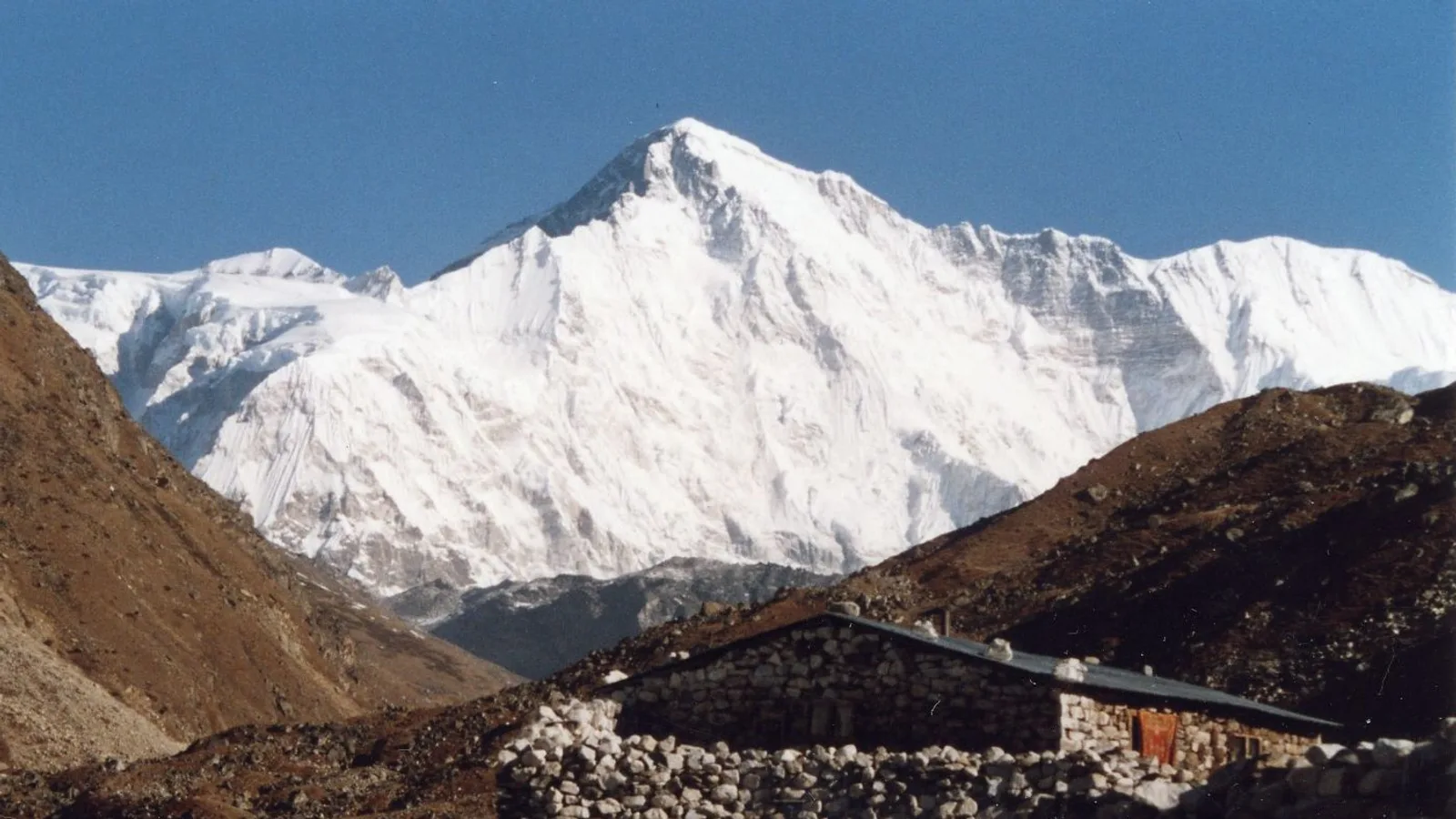
Cho Oyu and Shishapangma are closed again this autumn and every 14-peak climber is funnelled into Nepal
The China-Tibet Mountaineering Association has kept Cho Oyu and Shishapangma shut to foreign teams for autumn 2026, and Manaslu absorbs the whole overflow.
Money & Insurance
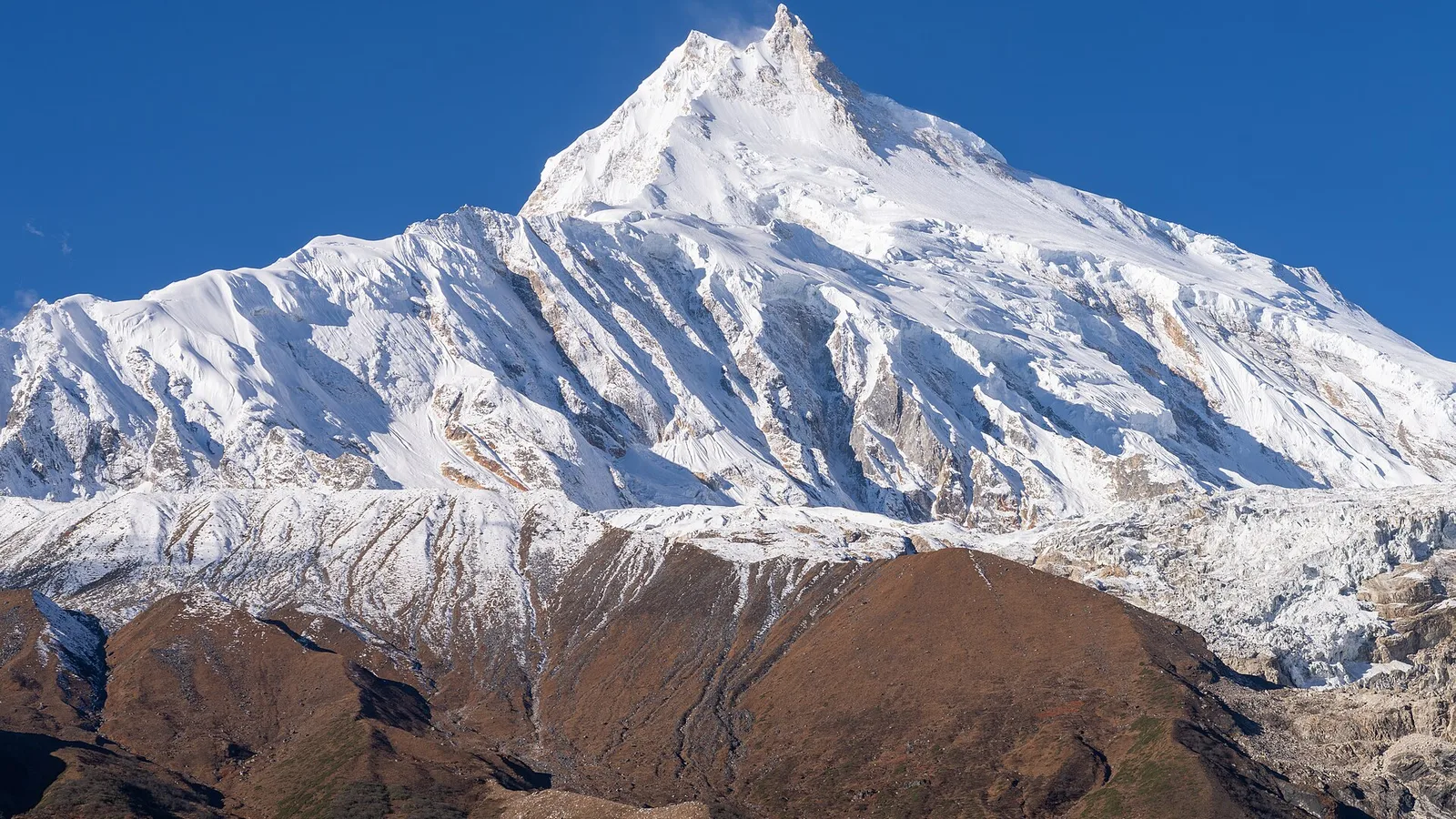
Here's what a Manaslu Circuit trek really costs in 2026 now that solo trekkers can finally get the permit
A guided Manaslu Circuit runs about US$1,550 to US$2,100 per person in autumn 2026 - and since 22 March the old two-person permit rule is gone, so lone walkers no longer pay for a phantom second permit. Here's the honest, line-by-line breakdown.
Safety & Advisories
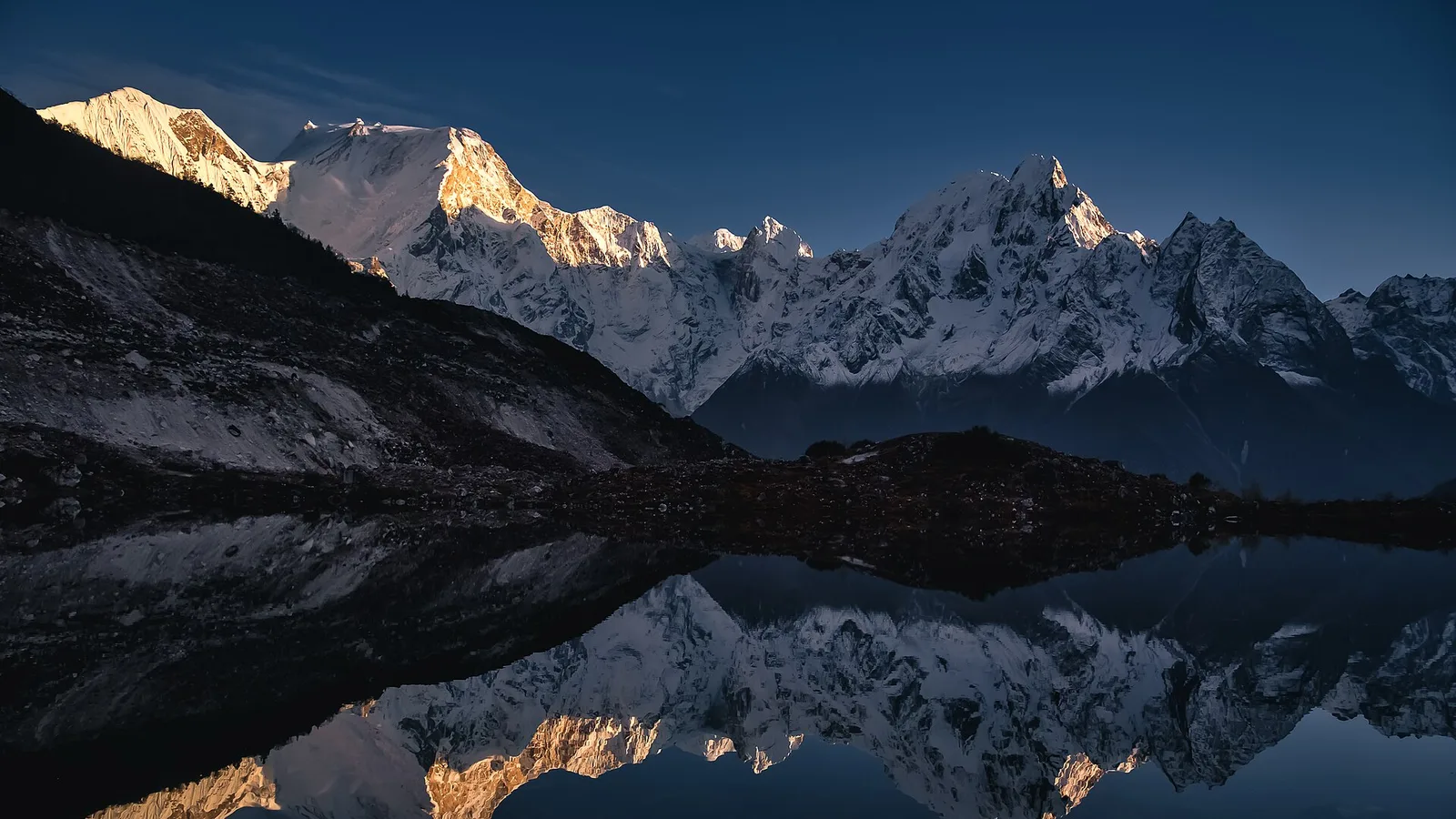
Is the Manaslu Circuit Trek Affected by the 2026 Nepal Floods?
No — the Manaslu Circuit runs on the Budhi Gandaki in Gorkha, a different river from the flood-hit Bhote Koshi in Rasuwa. Here is why the trail and the Larke La are unaffected — and the one road caveat to confirm.
Wildlife & Nature
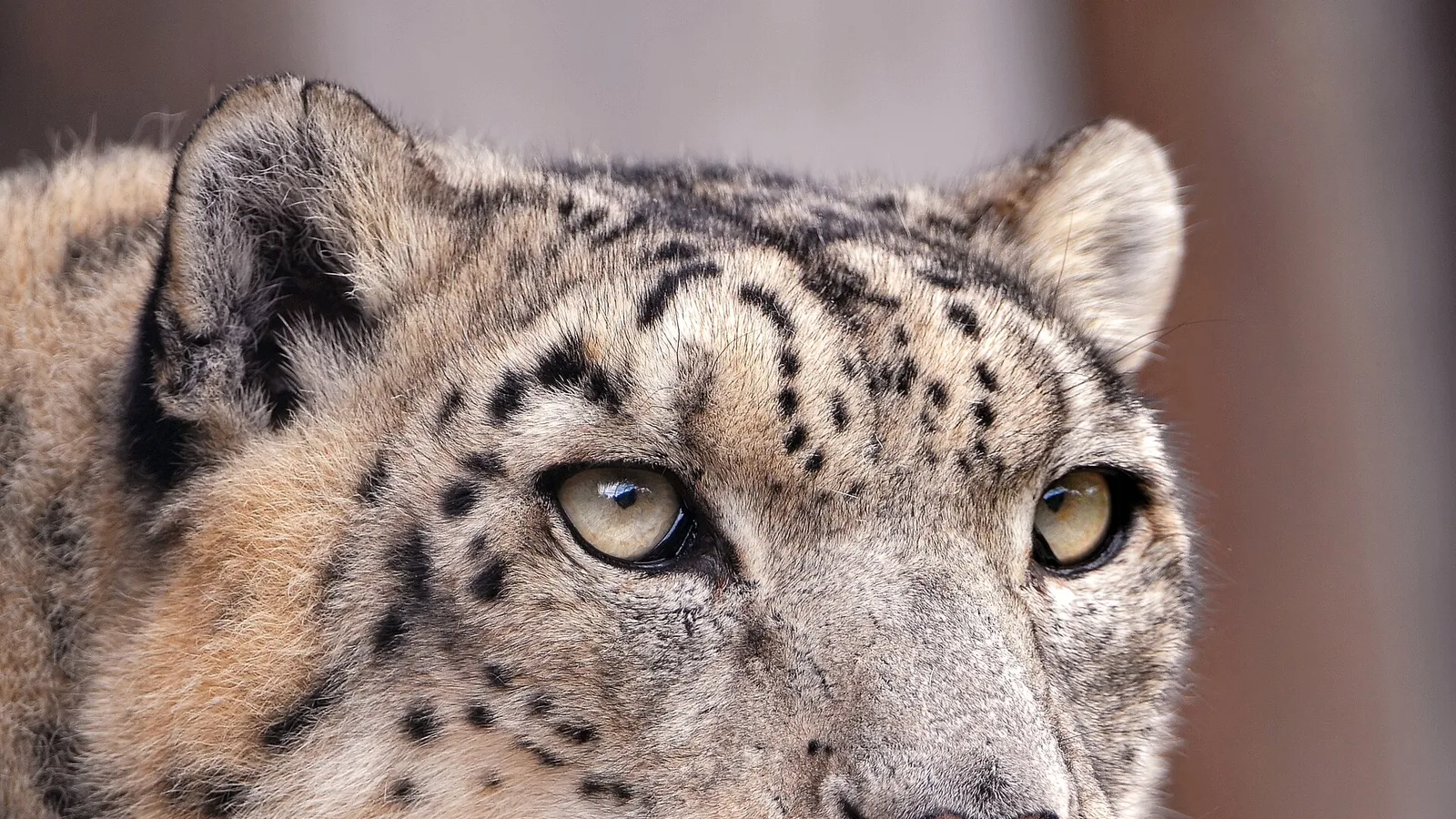
Nepal's Snow Leopard in 2026: Tracking the Himalaya's 'Ghost of the Mountains'
The elusive high-altitude cat haunts Dolpo, Mustang and Manaslu above 3,000m. Here's where it lives, why almost nobody sees one, and how Nepal is counting and protecting it.
Latest from the desk
Records & People
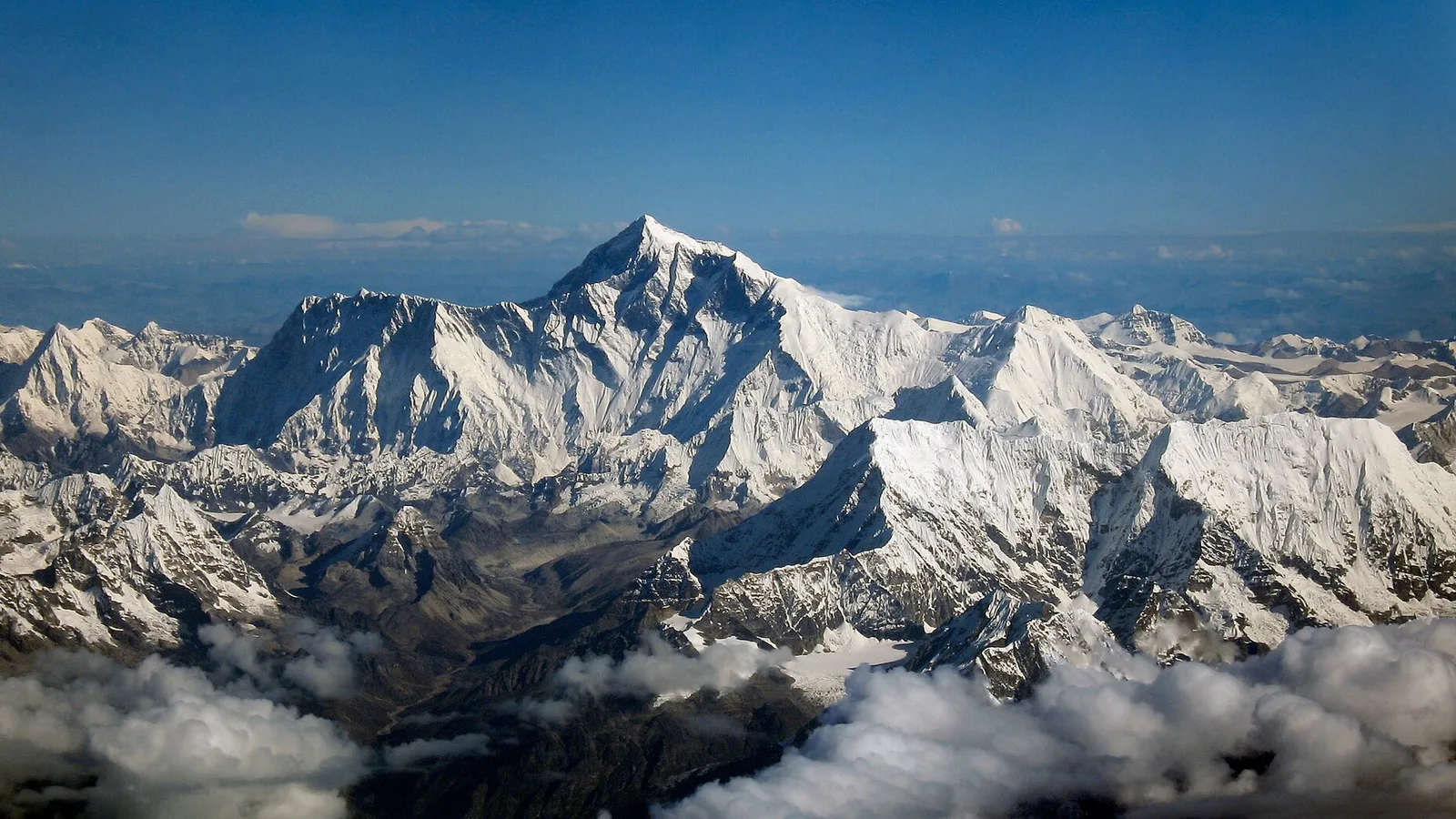
Mount Everest Was Named After a Man Who Never Saw It and Asked Not to Be
Sir George Everest never set foot near the mountain, never wanted his name on it, and wasn't even the one who proved it was the tallest on Earth.
Deals & Routes
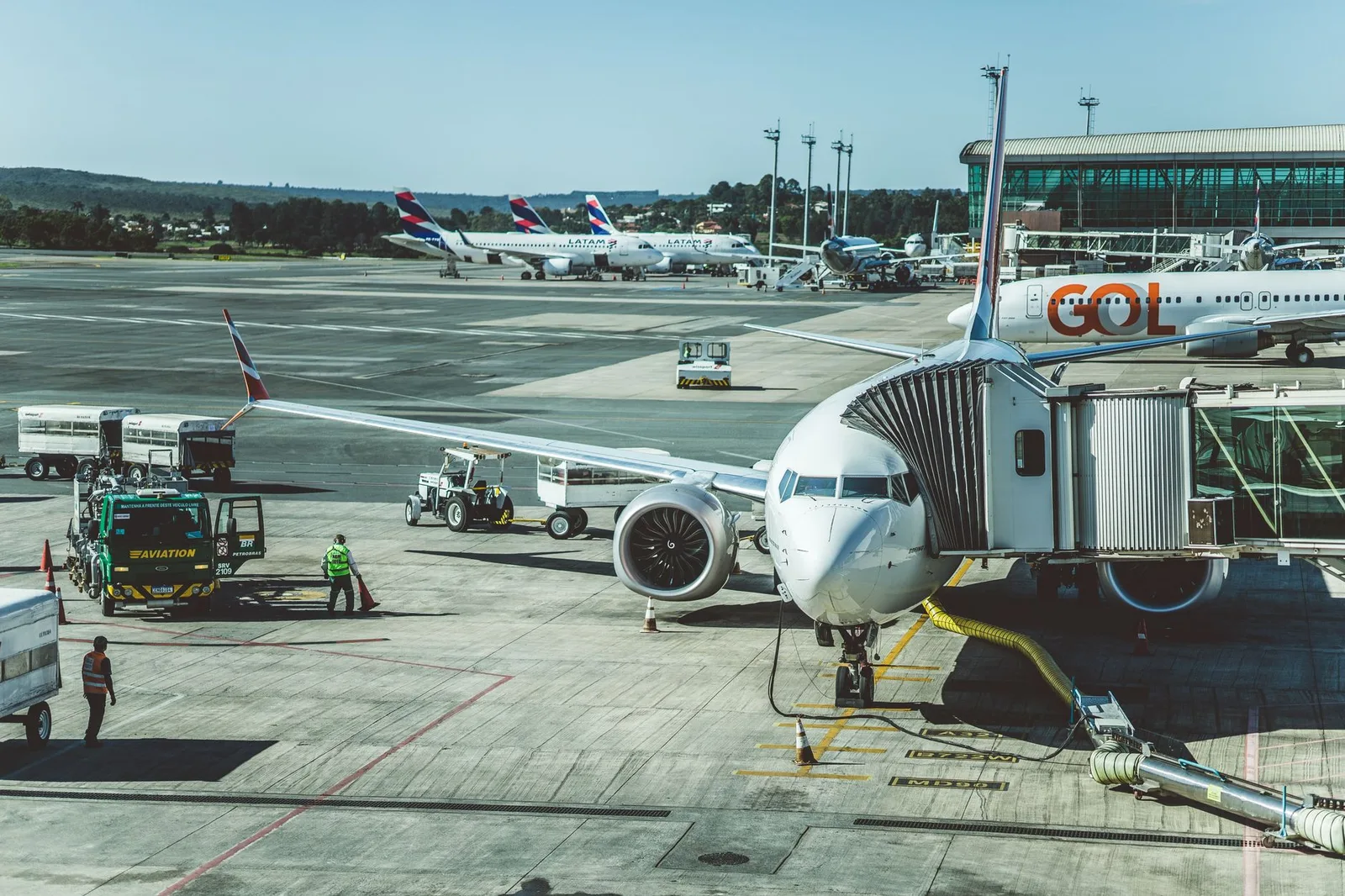
Budget vs Full-Service Airlines in 2026: Which Is Really Cheaper Once You Add It All Up?
The headline low fare rarely tells the truth. Here is how budget and full-service airlines really compare on bags, seats, food, changes and connections in 2026 — and when each one is the smarter buy.

Gear & Tech
Do You Need an RFID-Blocking Wallet in 2026? The Honest Answer on Contactless-Card Skimming
Contactless "skimming" from someone brushing past you is rare and overhyped. Here is what actually threatens your card abroad — and the free five-minute setup that beats any gadget.