
Nepal's Snow Leopard in 2026: Tracking the Himalaya's 'Ghost of the Mountains'
The elusive high-altitude cat haunts Dolpo, Mustang and Manaslu above 3,000m. Here's where it lives, why almost nobody sees one, and how Nepal is counting and protecting it.
At a glance
- Published
- TopicWildlife & Nature
- Verified againstIUCN Red List / Wikipedia; DNPWC & WWF Nepal
- Treks coveredManaslu Circuit Trek — 14 Days, Upper Dolpo Trek — 22 Days, Upper Mustang Trek — 12 Days
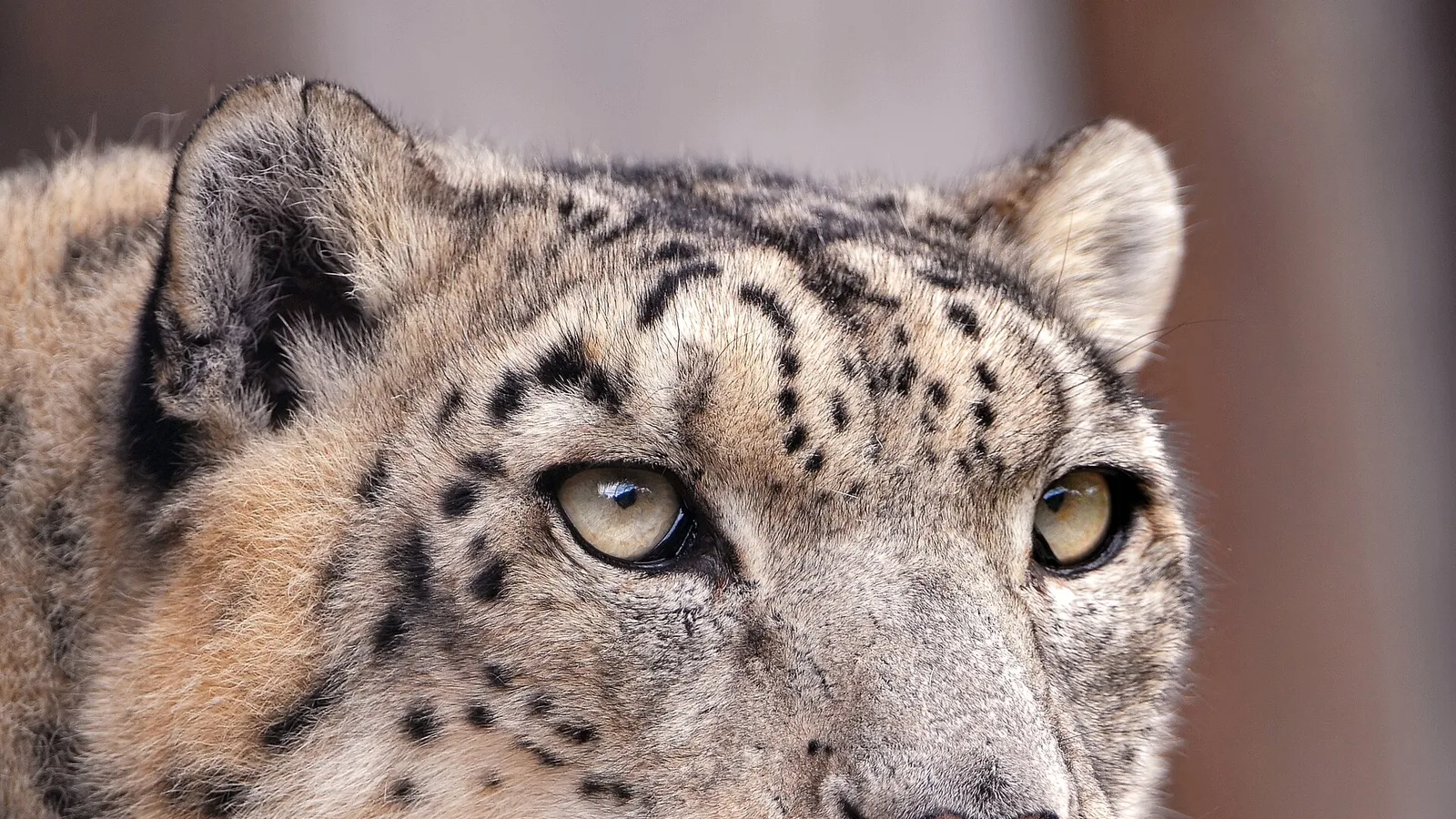
Somewhere above the treeline in Dolpo, on a slope of grey scree the same colour as its coat, a cat is almost certainly watching a herd of blue sheep — and almost certainly no human will ever know it was there. The snow leopard (Panthera uncia) is the most elusive of the great cats, so rarely glimpsed that Himalayan herders and naturalists alike call it the “ghost of the mountains.” Nepal is one of the handful of countries that still holds a meaningful share of them, and a run of camera-trap surveys is finally putting real numbers to an animal that spent centuries as a rumour.
The snow leopard at a glance
- Where — the high Himalaya and trans-Himalaya above roughly 3,000 m, in Dolpo, Mustang, Manaslu, Kanchenjunga and the Everest region
- Population — Nepal was estimated at 301–400 individuals (2016 figure); the global wild total is thought to be fewer than 10,000 mature animals
- Why you never see it — solitary, dawn-and-dusk active, thinly spread, and camouflaged almost perfectly against rock and snow
- Status — listed Vulnerable on the IUCN Red List
A cat built for the roof of the world
Everything about the snow leopard is an adaptation to thin air and cold rock. In the Himalaya it lives in the alpine and subalpine zones at elevations of roughly 3,000 to 4,500 metres, moving higher in summer and dropping with its prey in winter. A dense smoke-grey coat, a tail nearly as long as its body for balance on cliffs, wide furred paws that work like snowshoes, and a chest built for oxygen-poor air make it the only big cat that truly belongs at these altitudes. That same camouflage — pale fur broken by dark rosettes — is why it dissolves into a scree slope the moment it stops moving.
Its fortunes rise and fall with one animal above all: the Himalayan blue sheep, or bharal. Where blue sheep are abundant, snow leopards can hold territories; where the wild herds are thinned by competition with livestock, the cats turn to domestic goats and yaks — and that is where the trouble starts. Beyond bharal, the snow leopard also takes Himalayan tahr, argali, marmots, pikas and the occasional bird.
Why almost nobody ever sees one
Snow leopards are solitary and most active at dawn and dusk, patrolling home ranges that can span tens of square kilometres. Densities are low even in the best habitat, and the animal's whole survival strategy is to not be seen. This is why the modern count relies on remote camera traps and DNA from scat rather than on sightings. It is also why the honest expectation for any trekker is simple: you will walk through snow leopard country and see none. What you may find, if you look, are the signs — a scrape in the dust of a ridge trail, a pug mark in fresh snow, or the scattered bones of a blue sheep kill.
| Measure | Figure | Note |
|---|---|---|
| Global status | Vulnerable | IUCN Red List |
| Global population | < 10,000 mature | Expected to decline ~10% by 2040 |
| Nepal estimate | 301–400 | 2016 assessment |
| Himalayan altitude | 3,000–4,500 m | Alpine / subalpine zone |
| Shey Phoksundo NP | 90 documented | 2019–2022 survey, 2.21 per 100 km² |
Nepal's stronghold, and the pressure on it
Nepal protected the snow leopard in law early — it has been legally protected there since 1973, with prison terms and fines for killing or trading it. Its core range runs through the country's high protected areas, and the most recent field work shows how much these parks matter. In Shey Phoksundo National Park — Nepal's largest and only trans-Himalayan park, spanning the Dolpo highlands — a 2019–2022 survey by the Department of National Parks and Wildlife Conservation, with WWF support, documented 90 snow leopards at a density of 2.21 per 100 km². Dolpo has haunted the imagination of outsiders ever since Peter Matthiessen's 1978 book chronicled a two-month search for the cat there in which, fittingly, he never saw one.
The threats are consistent across the range. Retaliatory killing by herders who have lost livestock is a leading cause of death. Poaching for pelts and body parts feeds an illegal trade. Wild prey is squeezed by overgrazing and hunting, pushing cats toward livestock and back into conflict. And climate change looms over all of it: as warming pushes the treeline upward, the alpine zone the snow leopard depends on shrinks — by an estimated 30% of its habitat, on some projections — and fragments what is left.
What is actually working
The conservation response leans on the same logic that turned around other Nepali species: make the wild animal worth more alive than dead to the people who share its mountains. That means community-based livestock insurance and predator-proof corrals to defuse retaliation, wild-prey recovery so cats hunt bharal rather than goats, and camera-trap monitoring that replaces guesswork with data. Nepal's recovery of the greater one-horned rhino in Chitwan and the near-tripling of its tiger population show the model can move numbers when protection and communities pull together — and the snow leopard, spread thin across some of the harshest terrain on Earth, is the sternest test of it yet.
Will you see one? Be honest.
You almost certainly will not, and any operator who promises a snow leopard sighting is selling you something that cannot be delivered. The realistic reward of walking its country is the country itself — the blue sheep on the crags, the ravens, the silence — and the knowledge that a cat you never saw very likely saw you. Treat a track in the snow as the sighting. Anything more is a gift.
Walking snow leopard country
If you want to travel where the ghost of the mountains still holds ground, the routes are the remote, high, restricted-permit ones: the trans-Himalayan world of Upper Dolpo, the walled kingdom of upper Mustang, and the wild flanks of Manaslu and Kanchenjunga. These are long, demanding treks through fragile high-altitude habitat, and the way to see them is with guides who know how to travel through wildlife country without disturbing it. If a trek into Nepal's high wilderness is on your mind, talk to our team about the seasons and permits — and go for the mountains, not the guarantee of a cat.
Cover photo: Tambako The Jaguar via Wikimedia Commons (CC BY-SA 2.0).
This story is part of Travel Himalaya Nepal’s complete guide to Nepal's wildlife and where to see it.
Planning a trek?
Trek this route with us — Upper Dolpo Trek — 22 Days
NMA-certified local guides, transparent pricing, 5,000+ treks since 1998. Message us your dates and we'll sort the permits, lodges and logistics — reply within 24 hours, no obligation.


Popular Nepal treks
All treks →


Related coverage
Industry & Tourism
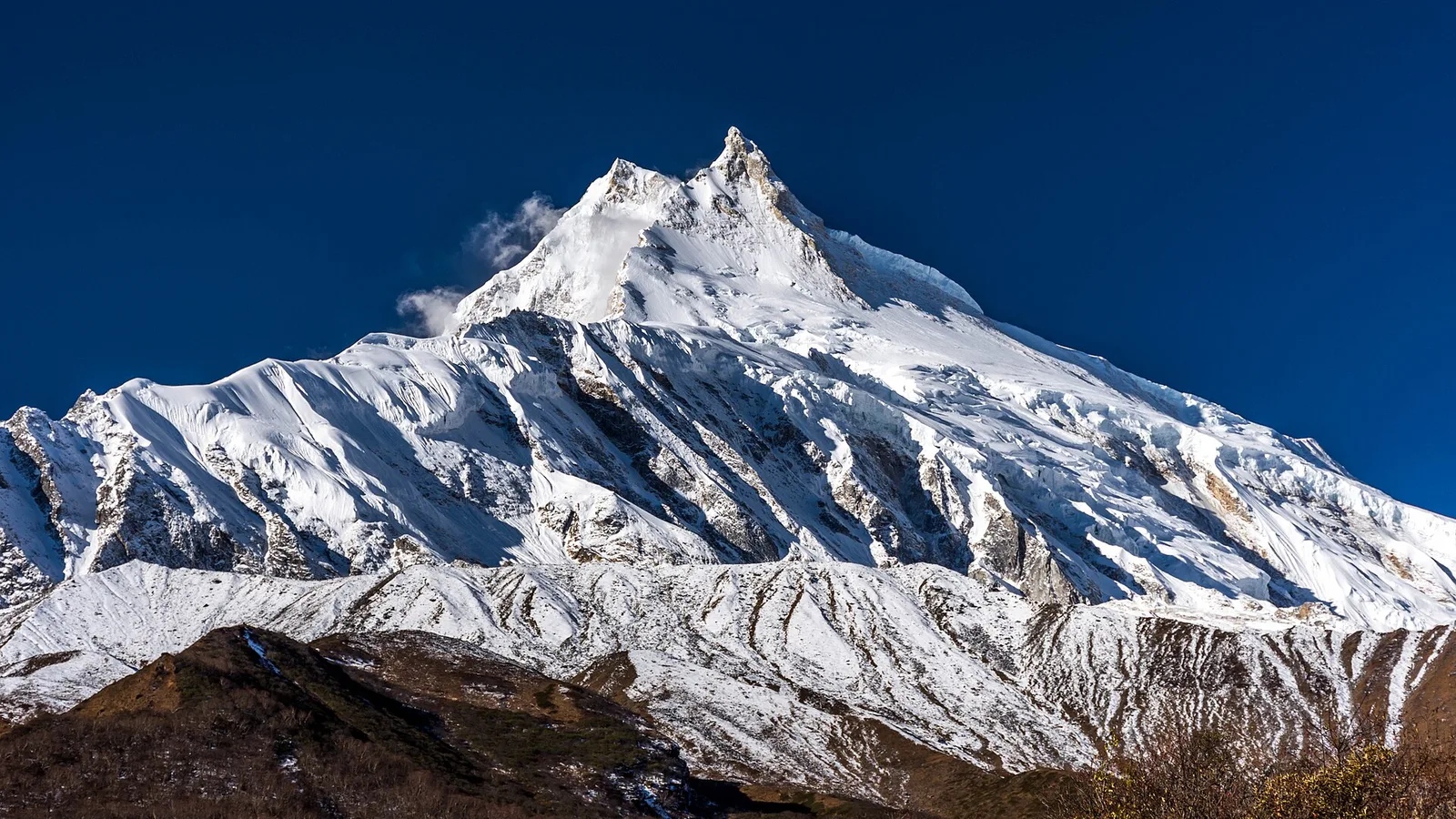
Nepal's Busiest 8,000m Season Yet? 300+ Foreign Climbers Are Already Headed to Manaslu
Ten international outfitters are fielding teams on Nepal's eighth-highest mountain this month, with rope-fixing crews already at base camp for what could be a record autumn.
Records & People
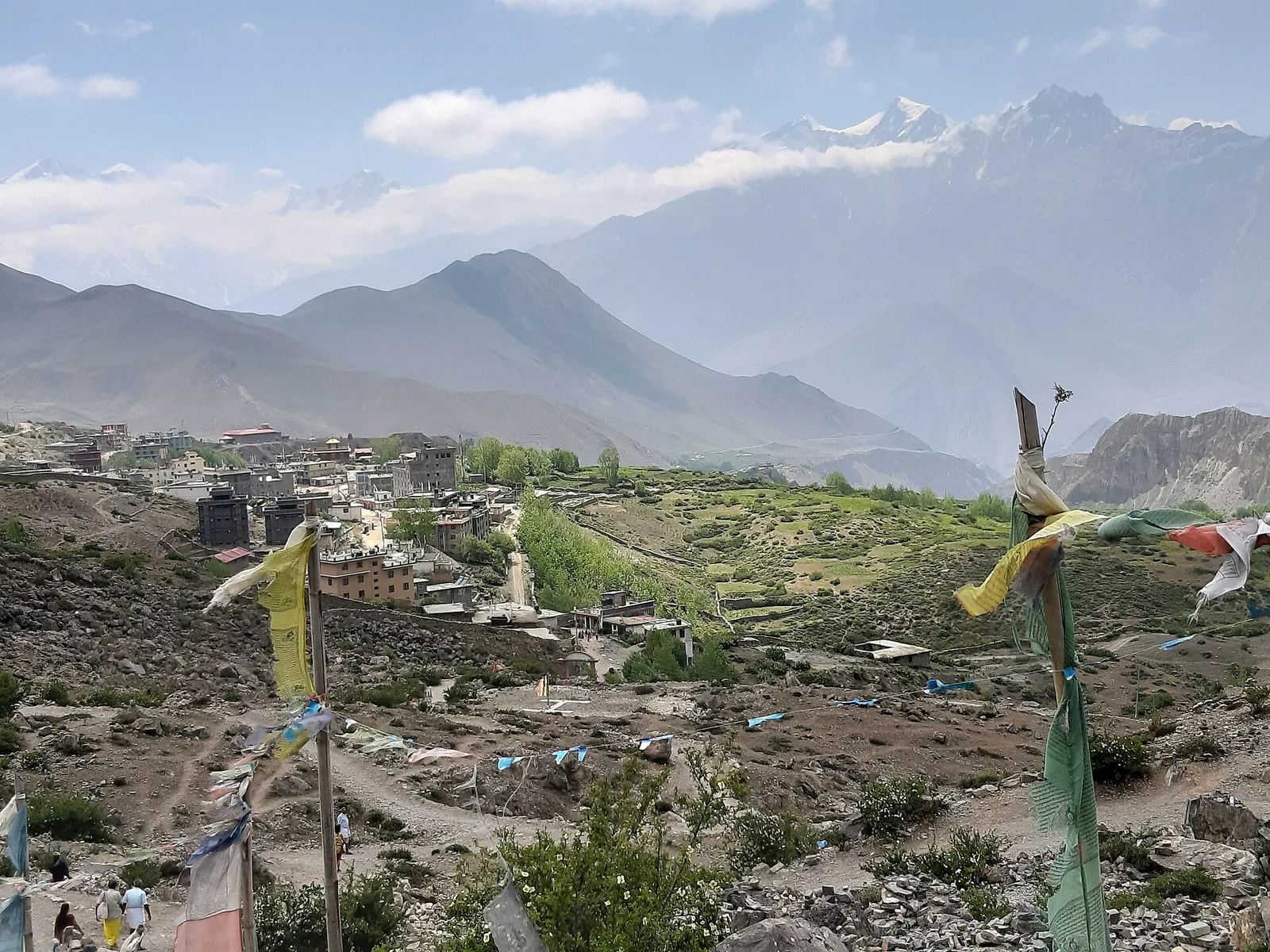
The Temple Where Fire Burns on Water — and Two Religions Call It Holy
At 3,762 metres in Nepal's Mustang district, natural gas burns continuously above a spring inside Jwala Mai temple, part of a shrine both Hindus and Buddhists climb the Himalaya to reach.
Records & People
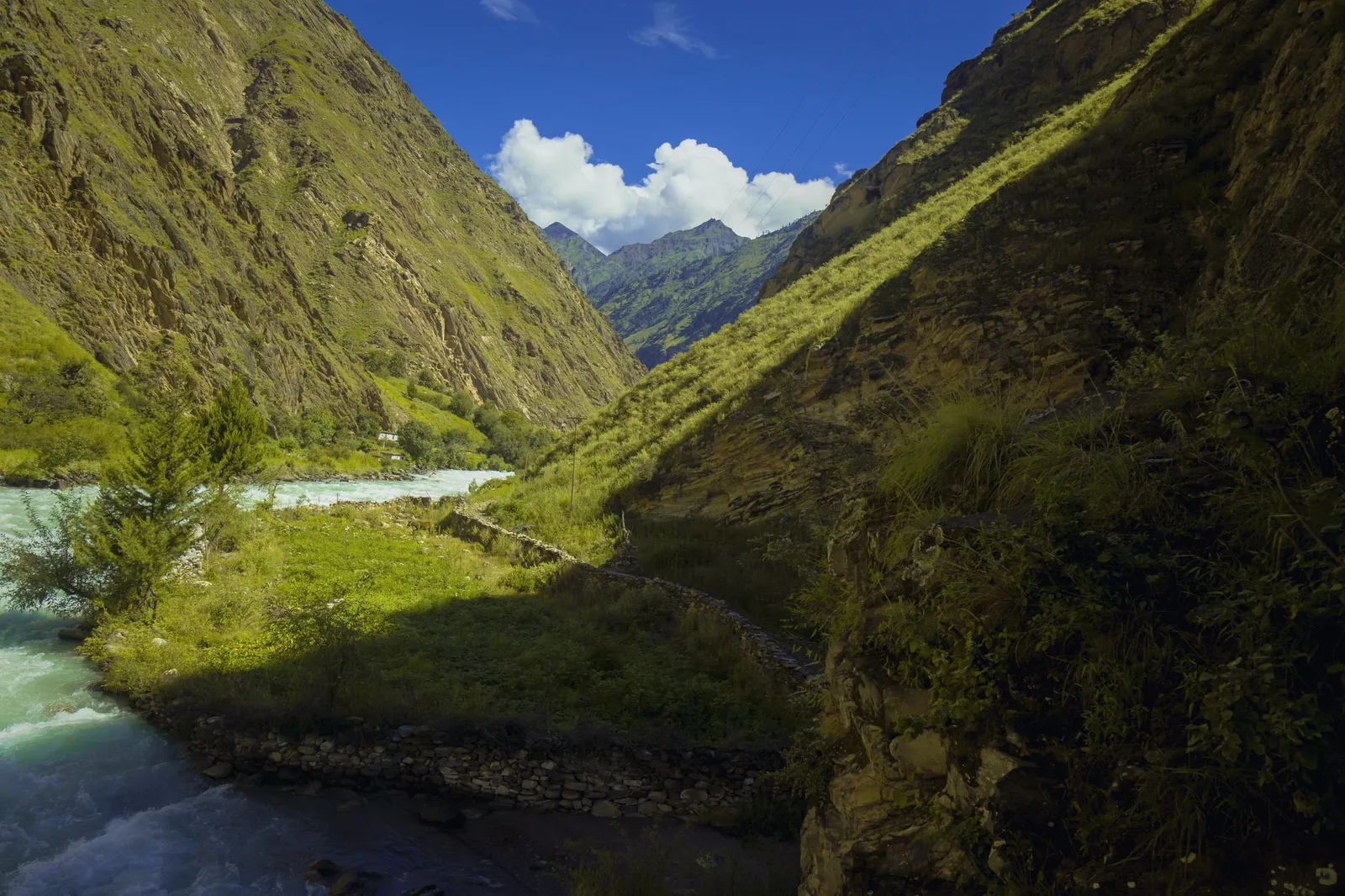
A Kanab, Utah, Trek Ten Years Ago Became an $800,000 Aid Mission to Nepal's Highest Villages
A retired psychologist from a small Utah desert town turned one Himalayan trek into Village Light — a nonprofit now supplying food, medicine and solar power to Manaslu-region villages a road will never reach.

Industry & Tourism
Overtourism Is Breaking the World's Famous Places in 2026 — Here's Where Nepal Fits In
Capri, Mallorca, Venice and Barcelona spent 2026 turning tourists away — here's the honest case for Nepal's Himalaya, where visitors are still wanted and the trails still empty out.
Latest from the desk
Money & Insurance
Adventure & Activity Travel Insurance in 2026: Why Standard Cover Excludes Rafting, Diving, Skydiving and High Trekking
Scuba, bungee, skydiving, quad bikes, jet skis, rafting, safari, motorbiking and trekking above a certain altitude are the activities standard travel insurance quietly leaves out. Here is how activity tiers and add-ons work, why an undeclared activity can void the whole claim, and how to match cover to your trip.
Climate & Environment
Soot Is Darkening Himalayan Snow and Speeding Its Melt, 2026 Science Shows
Soot darkens Himalayan snow so it absorbs more sunlight and melts faster — a second, faster-acting driver of glacier loss alongside warming, and the one the region could switch off within weeks.

Visas & Entry
Taking a Pet Abroad in 2026: The Rules Most Owners Underestimate
Microchip, rabies vaccination and a waiting period, a health certificate or pet passport, tapeworm treatment and even quarantine — a plain-English guide to taking a pet abroad in 2026, and why it has to start months before you fly.