
Soot Is Darkening Himalayan Snow and Speeding Its Melt, 2026 Science Shows
Soot darkens Himalayan snow so it absorbs more sunlight and melts faster — a second, faster-acting driver of glacier loss alongside warming, and the one the region could switch off within weeks.
At a glance
- Published
- TopicClimate & Environment
- Verified againstWikipedia (Black carbon; Atmospheric brown cloud; Retreat of glaciers since 1850)
- Treks coveredEverest Base Camp Trek — 14 Days, Gokyo Ri Trek — 11 Days, Langtang Valley Trek — 7 Days
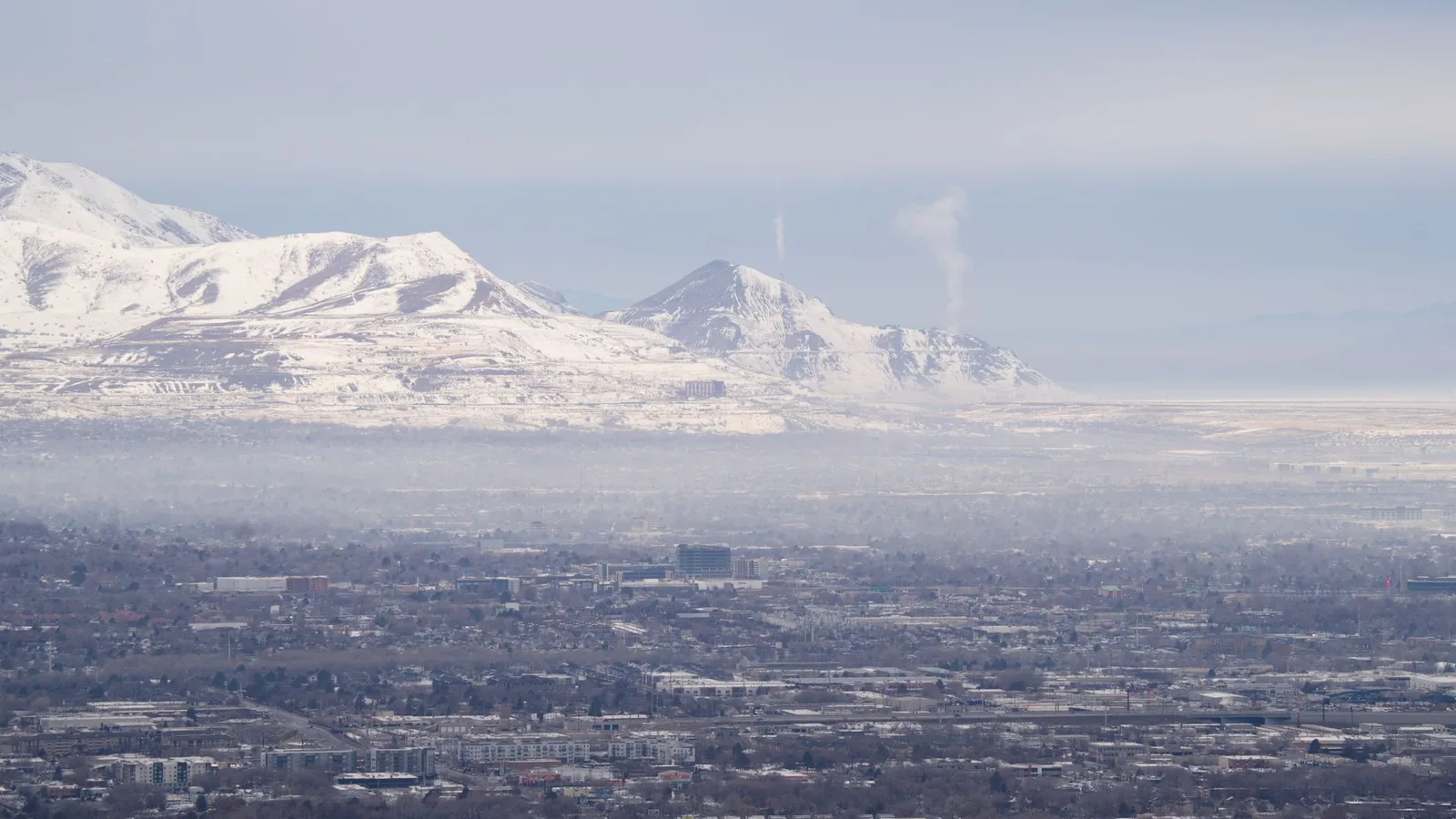
On a clear spring morning above Namche the peaks stand sharp against a hard blue sky. By early afternoon the same view has often gone milky — the ridgelines soften, the light turns flat and grey, and a pale haze pools in the valleys below. That haze is not innocent mountain mist. Much of it is soot, and where it settles on snow and ice it is quietly helping to melt the Himalaya faster. Scientists call it black carbon, and it is the second great driver of glacier loss in these mountains, working alongside the warming climate rather than instead of it.
Key facts
- Black carbon is the sooty, light-absorbing form of carbon left by incomplete combustion — diesel exhaust, wood and dung cooking fires, crop-residue burning and brick kilns.
- When it lands on snow it darkens the surface, so the snow reflects less sunlight, absorbs more heat and melts sooner — the albedo effect.
- Because soot lingers in the air only days to weeks — not the centuries carbon dioxide does — cutting it could slow warming almost immediately.
What black carbon actually is
Black carbon is not a gas but a particle. According to Wikipedia's survey of the science, it is “the light-absorbing refractory form of elemental carbon” produced by incomplete combustion — the highly absorbing component of ordinary soot. Burn any carbon fuel cleanly and you mostly get carbon dioxide and water. Burn it badly — a smoky diesel engine, a dung fire in an unvented kitchen, a field of rice stubble set alight — and some of the carbon escapes as tiny black grains that drift on the wind. They are dark by nature, and darkness is the whole problem.
How dark snow melts itself
Fresh snow is one of the brightest natural surfaces on Earth. It bounces most of the sunlight that hits it straight back to space, which is why high snowfields stay frozen even under a fierce mountain sun. Scientists measure that brightness as albedo. Sprinkle soot across the surface and the albedo drops: the snow now absorbs the sunlight it used to reflect, warms, and begins to melt. Worse, melting concentrates the soot — as clean snow disappears, the dark grains left behind pile up on the shrinking surface, darkening it further and speeding the melt in a self-reinforcing loop. The same feedback lowers the reflectivity of glacier ice directly.
The scale of that effect is striking. The research summarised by Wikipedia notes that black carbon on snow “warms the planet about three times more than an equal forcing of CO₂,” and that the soot-on-snow effect “may be responsible for a quarter of observed global warming.” Those are contested, range-bound estimates rather than settled constants — but every serious study agrees on the direction: soot on snow accelerates melt.
Where the soot comes from
The sources are ordinary and everywhere across South Asia. Global emission inventories cited by Wikipedia break black carbon down roughly like this:
| Source | Share |
|---|---|
| Open biomass burning (forest & field fires) | ~42% |
| Residential biomass (wood & dung cooking fires) | ~18% |
| Diesel engines (transport) | ~14% |
| Diesel engines (industry) | ~10% |
| Industrial processes & power | ~10% |
| Residential coal | ~6% |
China and India together account for an estimated 25–35 per cent of the world's black carbon. In winter the pollution collects into a vast layer over South Asia that researchers named the atmospheric brown cloud — a recurring haze over the Indian Ocean, India and Pakistan between roughly October and February. Wikipedia notes it forms “mostly due to farmers burning stubble” in Punjab, Haryana and Uttar Pradesh, together with woodfires, vehicles and factories. That same brown cloud drifts against the wall of the Himalaya, and studies find the Hindu Kush–Himalayan glaciers and snowpacks melt faster where its soot settles and lowers the surface reflectivity. It also appears to delay the Asian monsoon by several weeks — the very rains those same mountains depend on.
What this means for trekkers
That milky glare you sometimes meet on a spring afternoon in the middle hills, or the brown band you fly through on the descent into Kathmandu, is this haze. It is why pre-monsoon views can turn hazy by lunchtime while autumn, after the monsoon has scrubbed the air, delivers the crispest mountain panoramas of the year. The soot is also a health matter down in the valleys, where the same particles that dirty the snow foul the air people breathe. None of it should keep you off the trail — but it is part of why we so often steer people toward the clearer, cleaner post-monsoon window.
The one lever that works fast
Here is the hopeful part. Carbon dioxide, once released, warms the planet for a century or more, so even aggressive cuts take decades to bite. Black carbon is different: it falls out of the sky within days to weeks. Wikipedia's summary calls reducing it “the fastest means of slowing climate change in the near term” — cleaner cookstoves, diesel filters, an end to open field-burning and cleaner brick kilns could brighten the region's snow again within a single season. It is one of the rare climate problems where a local fix delivers a local reward you can almost watch happen.
Black carbon does not replace the bigger story of a warming climate; it sits on top of it. Nepal's glaciers are already retreating and thinning as the mountains warm, and that long thaw is changing the high peaks in ways that are impossible to ignore. Soot is the accelerant — and, unusually, the one part of the equation the region could switch off quickly if it chose to.
You can still see these mountains at their clearest. On our Everest Base Camp trek, or in the quieter valleys of Langtang and Gokyo, an autumn departure after the monsoon rains gives you the sharpest air and the whitest snow of the year — and a first-hand look at the ice this story is really about.
Cover photo: Alex Moliski via Pexels (Pexels License).
This story is part of Travel Himalaya Nepal’s in-depth look at how climate change is reshaping the Himalaya.
Planning a trek?
Trek this route with us — Everest Base Camp Trek — 14 Days
NMA-certified local guides, transparent pricing, 5,000+ treks since 1998. Message us your dates and we'll sort the permits, lodges and logistics — reply within 24 hours, no obligation.


Popular Nepal treks
All treks →


Related coverage
Wildlife & Nature
Snow Leopards Vanished From the Everest Region in the 1960s. A DNA Study Just Found 24 Living There Again
Sagarmatha National Park is famous for one mountain — but genetic testing shows the ghost cats that disappeared from its slopes two generations ago have quietly recolonised it.
Climate & Environment
Glacial Lake Outburst Floods: Nepal’s Fast-Growing Mountain Hazard in 2026
As Himalayan glaciers retreat they leave meltwater lakes dammed by loose moraine — and when a dam fails, the flood tears down the valley. Here is what a GLOF is, why they are increasing, and what Nepal is doing about it.
Climate & Environment
Why the Bhote Koshi Keeps Flooding: Glacial Lakes, Ice-Rock Avalanches and a Warming Himalaya (2026)
No single cause is confirmed yet — scientists are weighing an earthquake-triggered landslide, an ice-rock avalanche and a draining glacial lake, against a Himalaya warming fast enough to flood the same river twice in 14 months.
Climate & Environment
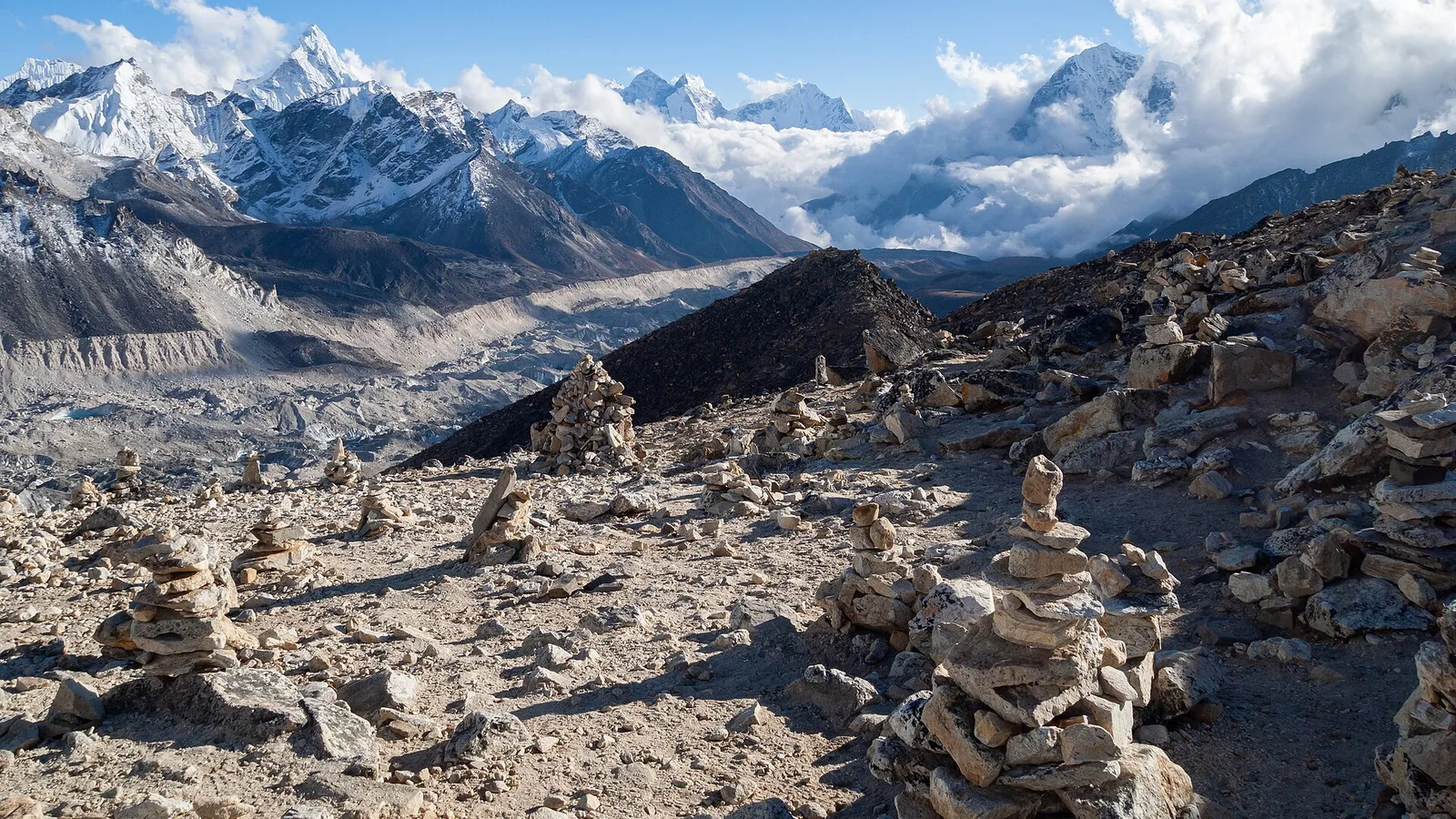
Nepal's Glaciers Are Retreating up to 28 Metres a Year — the Science, and What It Means for the Rivers Below (2026)
The ice below Everest is measurably shrinking — a decades-long record of retreat that pours extra water into Nepal's rivers now, but threatens the supply that keeps them flowing later.
Latest from the desk
Money & Insurance
Adventure & Activity Travel Insurance in 2026: Why Standard Cover Excludes Rafting, Diving, Skydiving and High Trekking
Scuba, bungee, skydiving, quad bikes, jet skis, rafting, safari, motorbiking and trekking above a certain altitude are the activities standard travel insurance quietly leaves out. Here is how activity tiers and add-ons work, why an undeclared activity can void the whole claim, and how to match cover to your trip.

Visas & Entry
Taking a Pet Abroad in 2026: The Rules Most Owners Underestimate
Microchip, rabies vaccination and a waiting period, a health certificate or pet passport, tapeworm treatment and even quarantine — a plain-English guide to taking a pet abroad in 2026, and why it has to start months before you fly.
Culture & Heritage
Nepal's Kumari, the Living Goddess of Kathmandu: Tradition, Selection and the Modern Debate in 2026
A young girl is venerated as a living goddess in Kathmandu — how the Kumari is chosen, how she lives, and the debate around it.