
Nepal's Glaciers Are Retreating up to 28 Metres a Year — the Science, and What It Means for the Rivers Below (2026)
The ice below Everest is measurably shrinking — a decades-long record of retreat that pours extra water into Nepal's rivers now, but threatens the supply that keeps them flowing later.
At a glance
- Published
- TopicClimate & Environment
- Verified againstWikipedia (Retreat of glaciers since 1850; Climate change in Nepal)
- Treks coveredEverest Base Camp Trek — 14 Days, Annapurna Base Camp Trek — 9 Days, Langtang Valley Trek — 7 Days
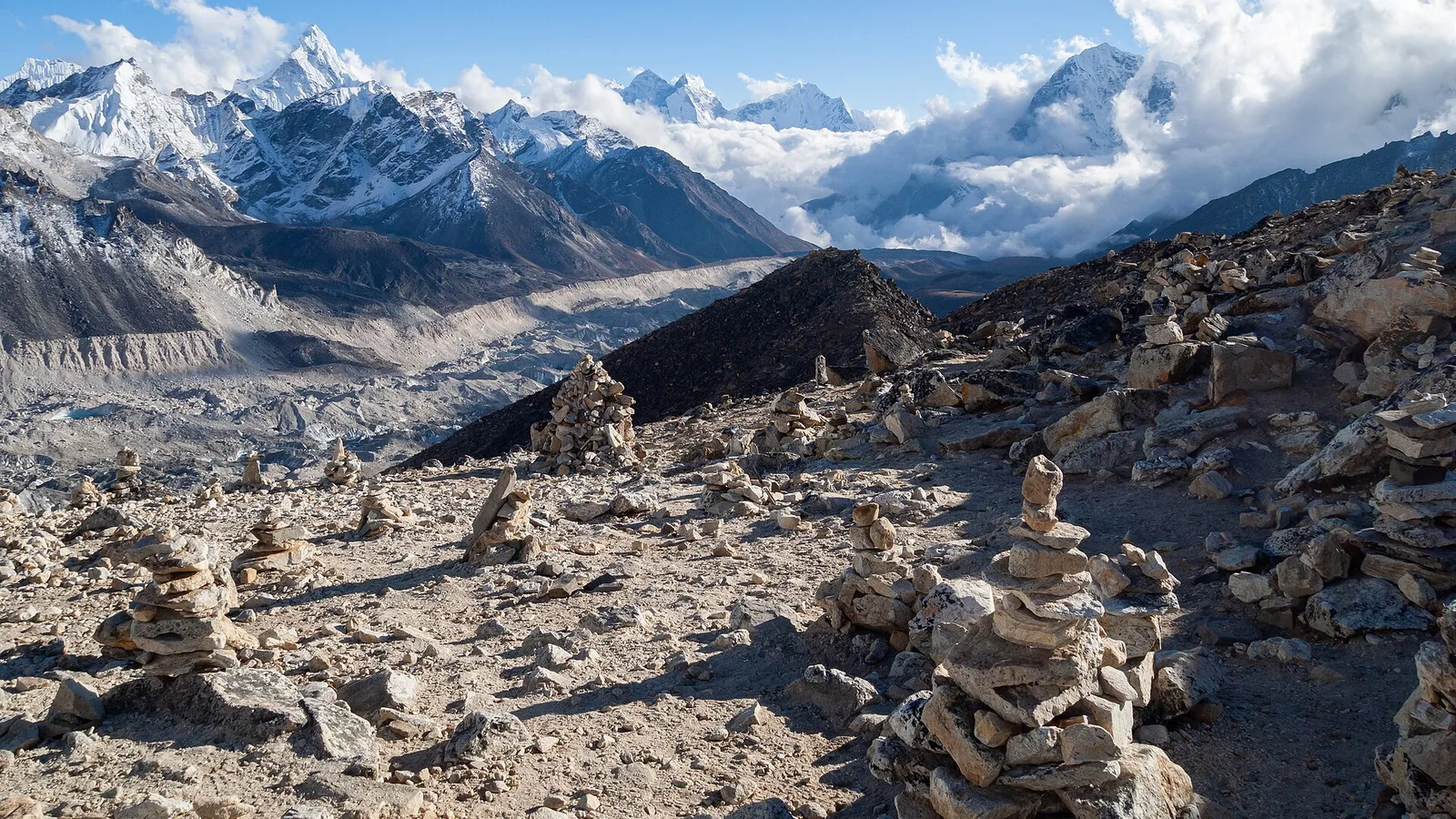
Stand on the moraine above Everest Base Camp and you are looking at a river of ice that is quietly getting smaller. Nepal's glaciers — the Khumbu below Everest, the Rongbuk on the mountain's Tibetan flank, the ice fields above Langtang and Annapurna — are retreating and thinning as the mountains warm. This is not a forecast. It is a measured record, gathered over decades, and it carries a strange double edge: for now the melt is adding water to Nepal's rivers, but over the long run it is draining the frozen bank account those rivers depend on.
Key facts
- The Khumbu Glacier below Everest — the ice trekkers walk beside on the way to Base Camp — retreated about 18 metres a year between 1976 and 2007.
- Of 15 glaciers studied in the Everest region over the same period, every one retreated, at an average of roughly 28 metres a year.
- Across the greater Himalaya, ice mass fell by about 9 per cent between the early 1970s and the early 2000s — a rate estimated at some ten times faster than in the cooler centuries before.
The retreat is measured, not predicted
The Khumbu is the largest glacier in Nepal and among the highest on Earth, running roughly 17 kilometres from its source in the Western Cwm high on Everest down to a terminus near 4,900 metres — the same tongue of ice that feeds the notorious Khumbu Icefall. According to figures compiled by Wikipedia's survey of glacier retreat, it pulled back about 18 metres a year between 1976 and 2007. On Everest's Tibetan side the Rongbuk Glacier has been retreating around 20 metres a year, and across the wider Himalaya the studied glaciers have been losing roughly 18 to 20 metres of length annually.
| Glacier | Retreat per year |
|---|---|
| Khumbu Glacier (Everest, Nepal side) | ~18 m |
| Rongbuk Glacier (Everest, Tibet side) | ~20 m |
| 15 Everest-region glaciers (average) | ~28 m |
These are records, not models. Repeated surveys of the same ice, decades apart, show the terminus in a new place each time. The pattern is consistent across the range, which is why glaciologists treat Himalayan retreat as one of the clearest fingerprints of a warming climate anywhere on the planet.
Why the high mountains warm faster
Nepal is warming, and the trend is visible in the instrument record: the Department of Hydrology and Meteorology reported an all-Nepal annual maximum temperature rising about 0.056°C a year between 1971 and 2014 — a little over half a degree per decade. Mountains, though, tend to warm faster than the lowlands, an effect scientists call elevation-dependent warming. The reasons are physical: as snow and ice melt back, the bright white surface that once bounced sunlight away is replaced by darker rock and water that absorb heat instead, so the warming feeds on itself. Thinner, drier high-altitude air and changes in cloud and humidity add to it. The exact size of that altitude boost is still being refined by researchers and varies from range to range, so we will not put a single number on it here — but the direction is not in doubt, and it is why a modest global rise lands harder on the ice above 5,000 metres.
More water now, less water later
Here is the paradox at the heart of the story. In the near term, faster melt means more water pouring off the mountains, along with unstable, freshly exposed ice and rock. That extra runoff pools behind loose walls of glacial debris to form meltwater lakes — and when one of those natural dams gives way, the result is a glacial lake outburst flood (GLOF) that can scour a valley in minutes. Nepal recorded 14 such floods between 1935 and 1991, and today at least 21 of its glacial lakes are considered potentially dangerous. That is the immediate hazard: not too little water, but too much of it arriving at once.
The long-term picture is the opposite. Glaciers are savings, not income — ice laid down over centuries, released slowly through the dry season to keep rivers flowing when the monsoon is gone. Spend that ice faster than it is replaced and the summer surge eventually gives way to shortage. One analysis cited for the Ganges basin suggests glacier loss could cut peak summer flows by up to two-thirds, threatening water for hundreds of millions of people downstream. For Nepal, whose rivers rise in this ice, the question is not whether the water is there today, but whether it will still be there for the generation after next.
What this means for trekkers
The mountains you walk are visibly changing. The Khumbu Glacier beside the Base Camp trail, the ice above Gokyo, the moraines of Annapurna and Langtang — these are not fixed backdrops but shrinking, shifting features. Trails get re-routed as ice pulls back and crevasse fields move; meltwater lakes swell downstream. None of this makes trekking unsafe when you travel with guides who read the terrain daily, but it does make it a privilege with a clock on it. Seeing these glaciers now, and understanding what you are looking at, is part of trekking here responsibly.
We have written before about how the same warming is exposing decades of waste and long-lost climbers on Everest, and about the glacial flood that nearly erased Thame, the home village of some of the greatest Sherpas. Together they tell one story: the ice that defines these mountains is on the move.
If you want to see Nepal's glaciers while they are still this close to the trail, our guided Everest Base Camp trek walks the length of the Khumbu, and the quieter Langtang Valley trek takes you into another glaciated valley still recovering and still spectacular. Our guides will happily explain exactly what the ice is doing as you walk beside it.
Cover photo: Vyacheslav Argenberg via Wikimedia Commons (CC BY 4.0).
This story is part of Travel Himalaya Nepal’s in-depth look at how climate change is reshaping the Himalaya.
Planning a trek?
Trek this route with us — Everest Base Camp Trek — 14 Days
NMA-certified local guides, transparent pricing, 5,000+ treks since 1998. Message us your dates and we'll sort the permits, lodges and logistics — reply within 24 hours, no obligation.


Popular Nepal treks
All treks →


Related coverage
Climate & Environment
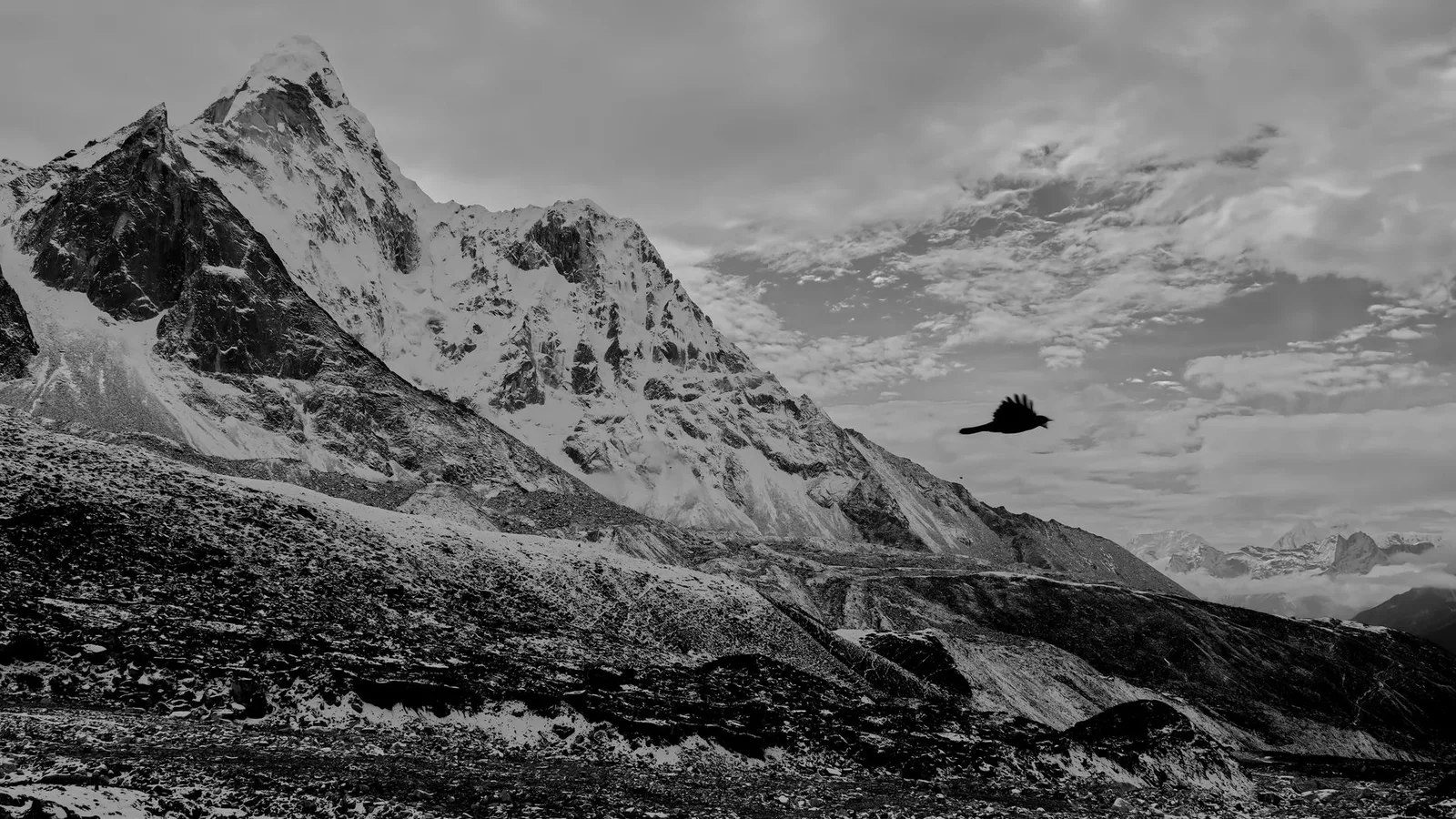
Everest's Melting Ice Is Uncovering Decades of Waste and Lost Climbers — and Nepal's Army Is Bringing Them Down (2026)
Warming has thinned Everest’s ice, exposing old waste and long-lost climbers — and driving Nepal’s army-led clean-up campaigns.
Records & People
Missing for Six Days on Everest, With No Food, Water or Oxygen — How Dawa Sherpa Survived
A 52-year-old Everest guide vanished at 24,600 feet after losing his client on the descent. Six days later, a garbage-collection crew spotted him crawling down the Khumbu Icefall — barely alive.
Records & People
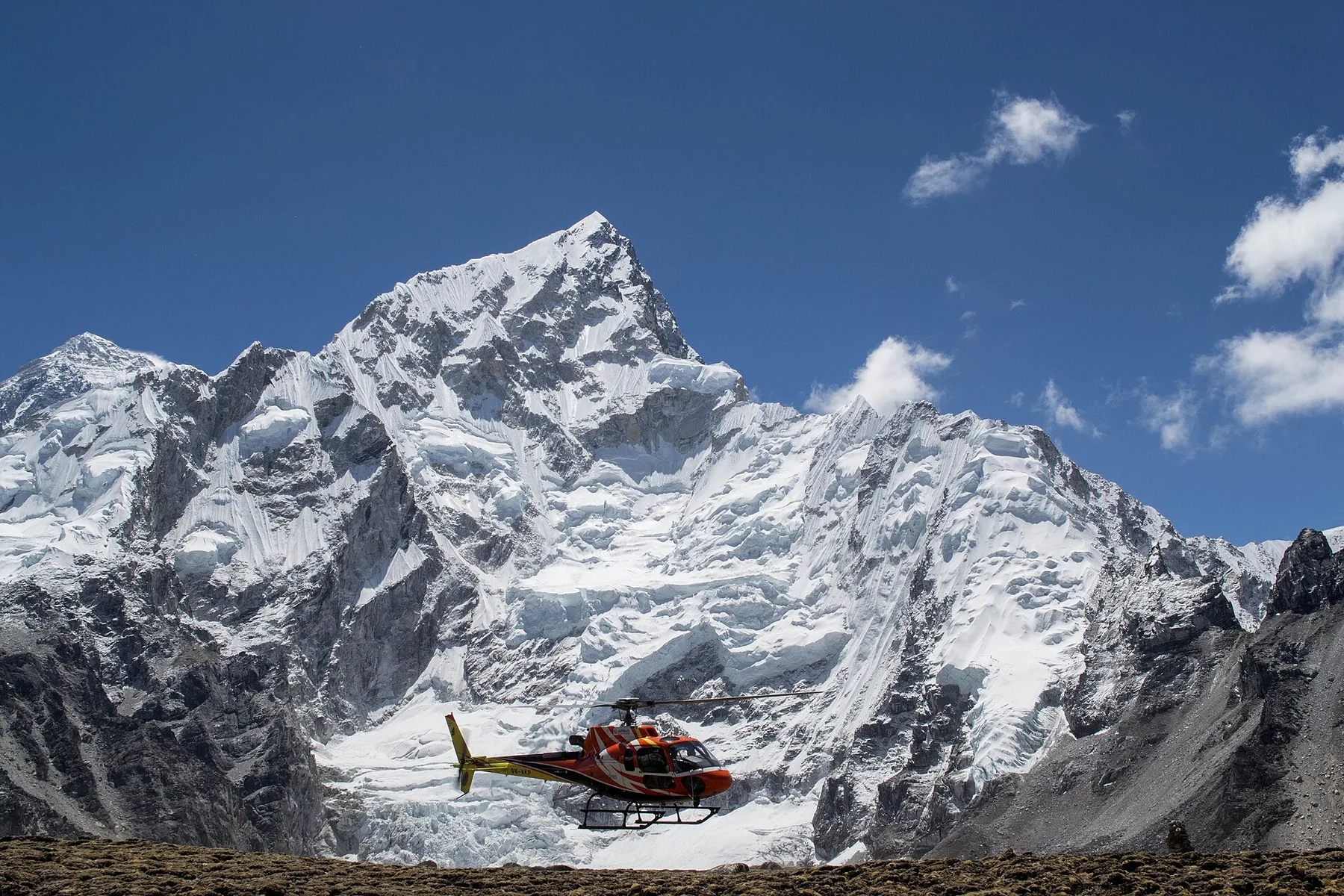
Nepal's First Female Helicopter Long-Line Rescuer Also Holds the Women's Everest Speed Record — Meet Phunjo Jhangmu Lama
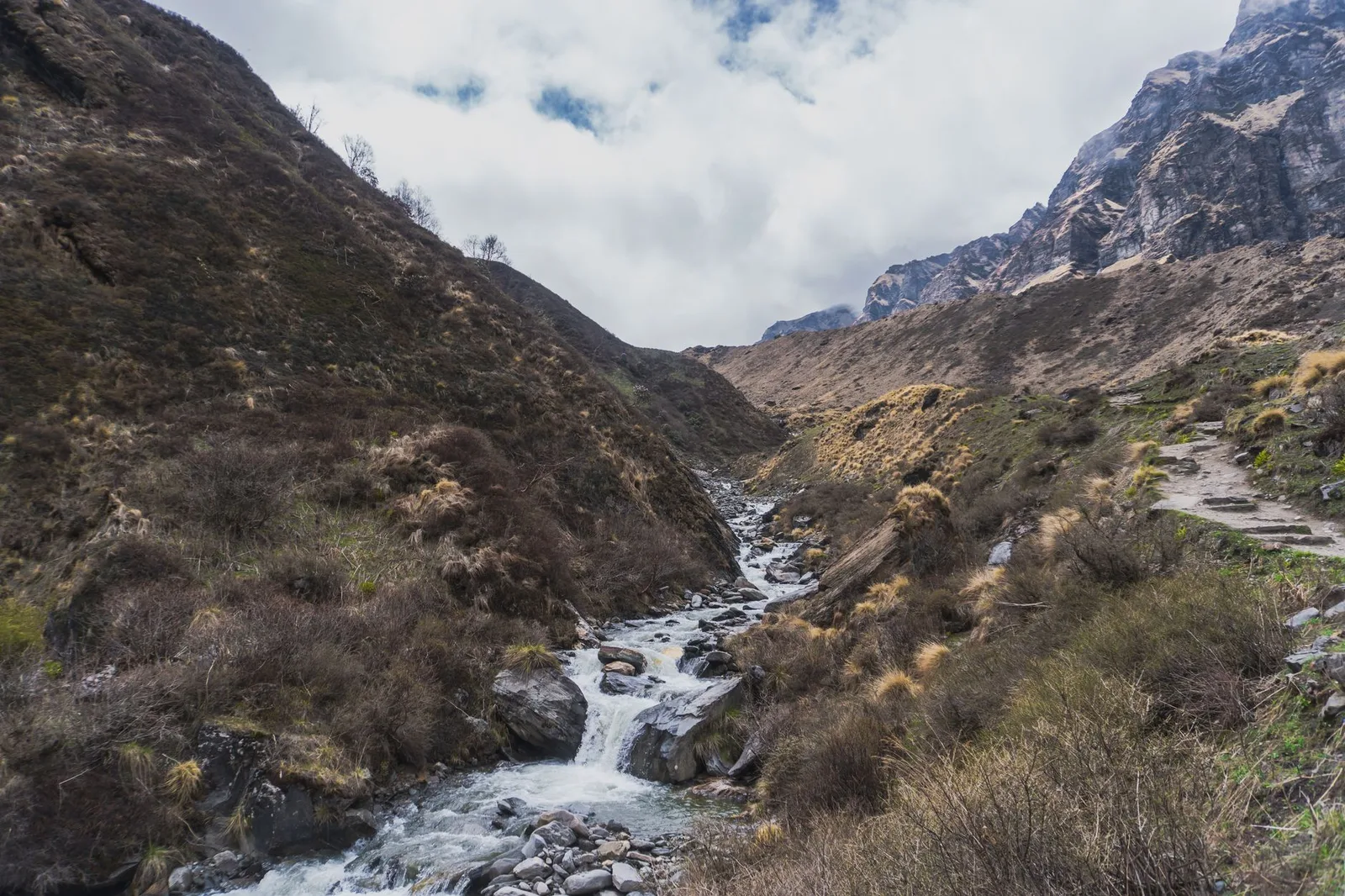
Phunjo Jhangmu Lama is Nepal's first woman qualified to fly high-altitude long-line helicopter rescues, and in May 2024 she climbed Everest from Base Camp to summit in 14 hours 31 minutes — the fastest ascent by any woman.
Flights & Access
Planning a Nepal Trek From Sweden in 2026: Flights, Costs in SEK and a 12-Day Everest Itinerary
No direct Stockholm–Kathmandu flight, but three clean one-stop routes, honest kronor costs and a 12-day Everest Base Camp plan built around Swedish annual leave.
Latest from the desk
Festivals & Events
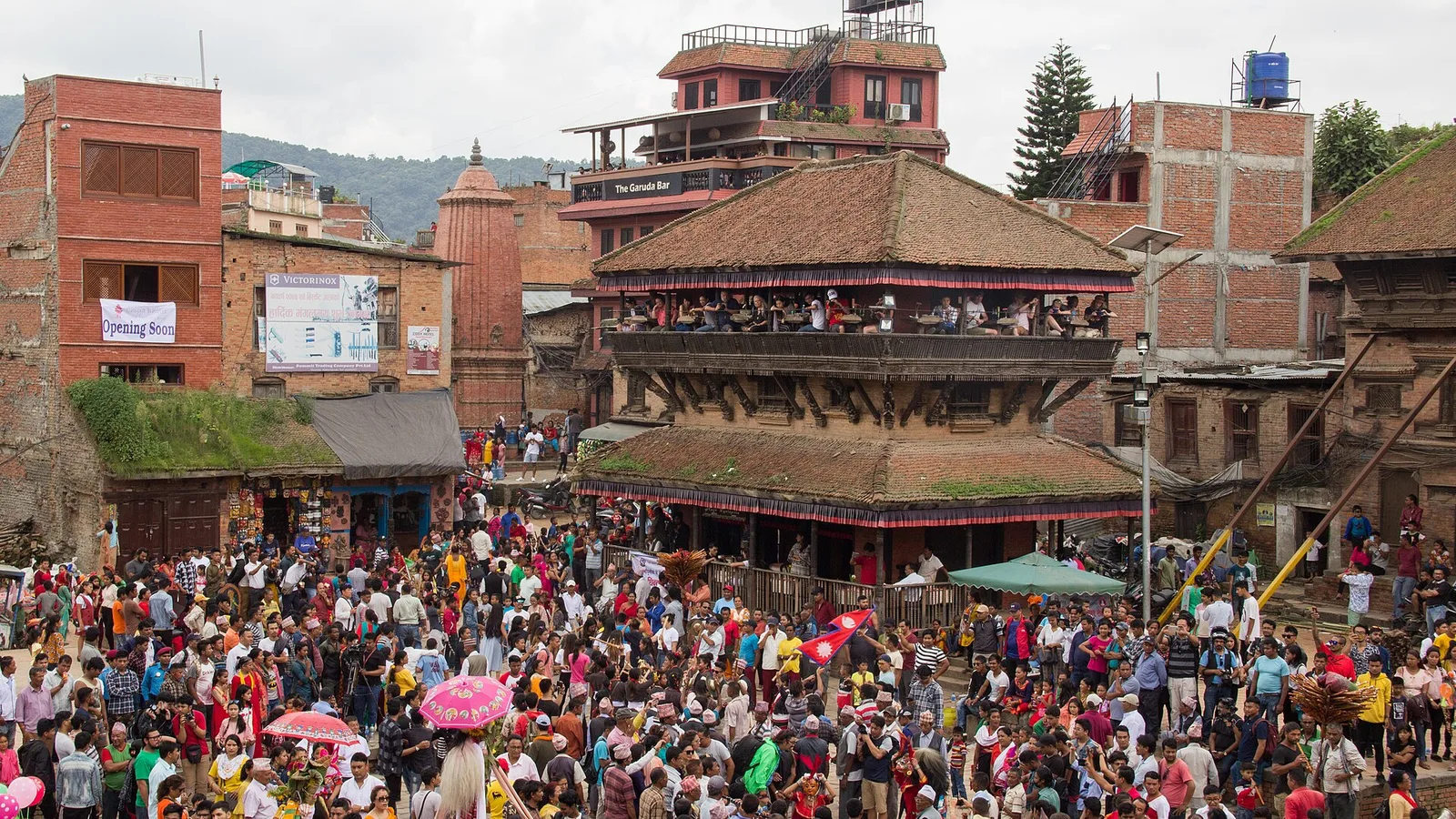
Gai Jatra 2026: Nepal’s Newar Festival of Cows, Grief and Laughter
The Newar festival where grief and comedy walk together.
Festivals & Events
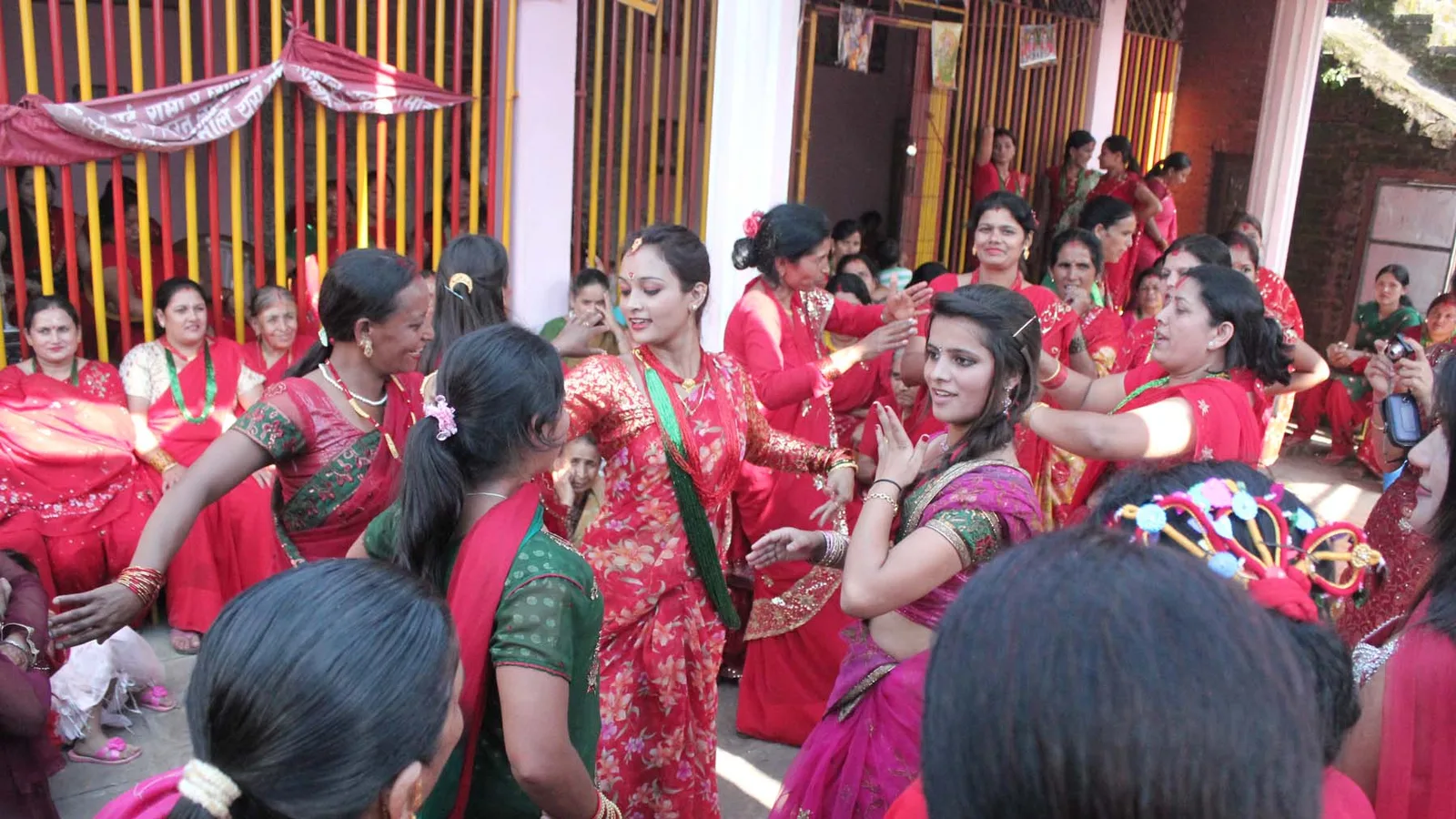
Teej 2026: Nepal's Great Women's Festival of Red, Fasting and Song
Nepal's great women's festival of fasting, red and song.
Festivals & Events
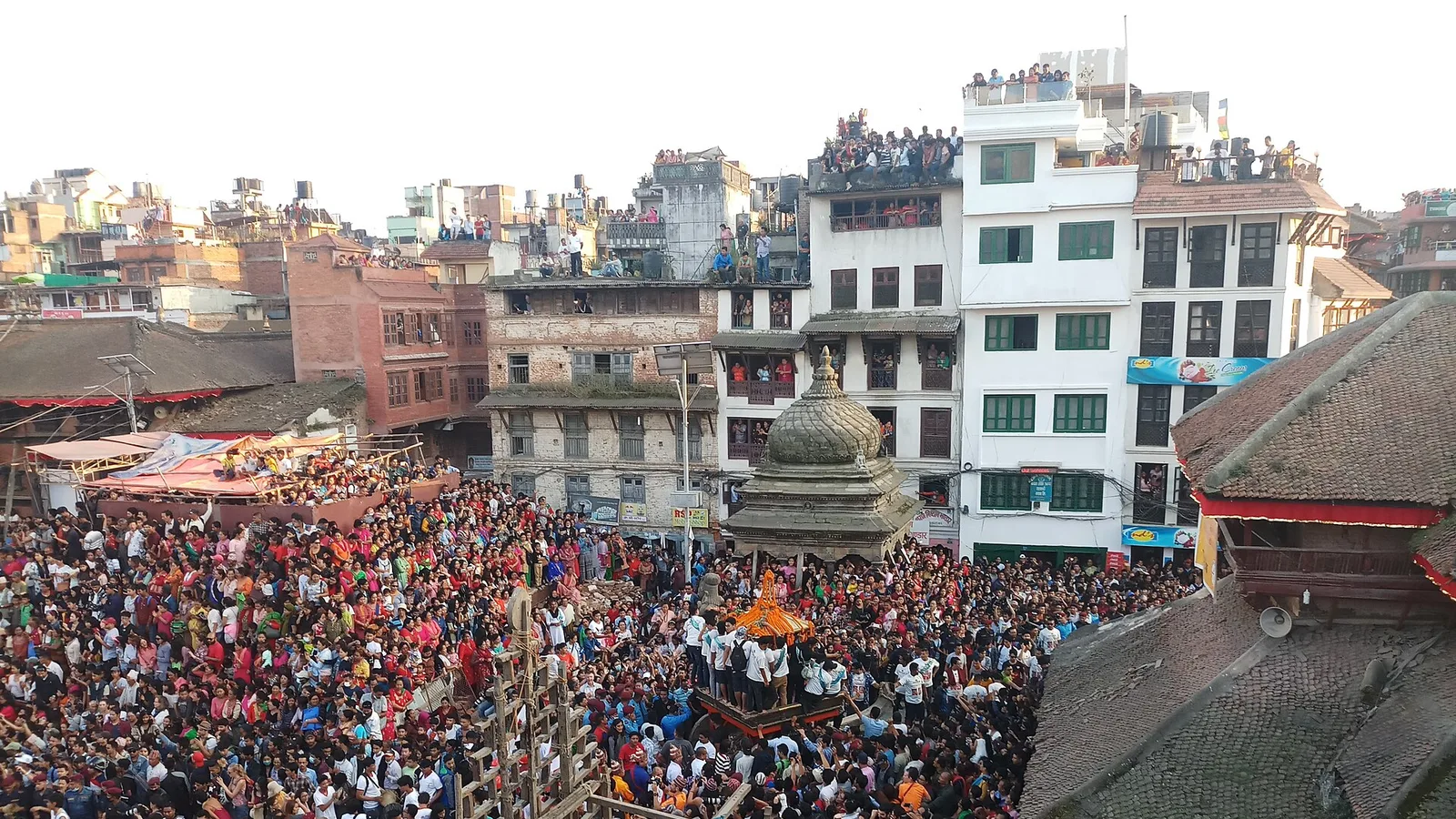
Indra Jatra 2026: Kathmandu's Biggest Street Festival, the Living Goddess and How to See It
Kathmandu's biggest street festival honours Indra