
Planning a Nepal Trek From Sweden in 2026: Flights, Costs in SEK and a 12-Day Everest Itinerary
No direct Stockholm–Kathmandu flight, but three clean one-stop routes, honest kronor costs and a 12-day Everest Base Camp plan built around Swedish annual leave.
At a glance
- Published
- TopicFlights & Access
- ReportingOriginal, by our guides in Pokhara
- Treks coveredEverest Base Camp Trek — 12 Days, Everest Base Camp Trek — 14 Days, Annapurna Base Camp Trek — 9 Days
Key facts
- No airline flies non-stop between Stockholm (ARN) and Kathmandu — every route connects once through a Gulf or Turkish hub.
- The three realistic connections are Doha (Qatar Airways), Istanbul (Turkish Airlines) and Dubai (Emirates); the fastest one-stop is around 13 hours, the average nearer 16.
- Sweden's statutory minimum is 25 days of paid annual leave under the Annual Leave Act (Semesterlagen), with a right to four consecutive weeks between June and August.
- Return economy fares run roughly 7,200–13,300 SEK ($670–1,240), and Nepal's tourist visa costs $30 / $50 / $125 — about 320 / 535 / 1,340 SEK — for 15 / 30 / 90 days.
Few countries send better-prepared trekkers to the Himalaya than Sweden. The culture of friluftsliv — open-air living — and the legal right of public access mean most Swedes arrive already comfortable with long days, cold mornings and a loaded pack. What tends to be missing when a Stockholm-based trekker starts planning a 2026 trip isn't fitness or nerve; it's a straight answer on how to reach Kathmandu, what the whole thing costs in kronor, and how to fit a real Everest trek inside a Swedish year of leave. Here it is.
The flight: no direct route, three one-stop options
There has never been a non-stop flight between Stockholm Arlanda and Tribhuvan International Airport, and none is planned for 2026. Every sensible routing connects once. Qatar Airways runs Arlanda–Doha–Kathmandu with a single change; Turkish Airlines connects through Istanbul; Emirates routes via Dubai. On the quickest Doha connection, total travel time including the layover comes in around 13 hours; most itineraries average closer to 16 once you factor in longer stopovers and the seven-hour outbound time difference. Return economy fares typically price between roughly 7,200 and 13,300 SEK depending on season and how early you book. Aim to book eight to ten weeks ahead for the September–November peak, and build in a buffer night in Kathmandu before any onward mountain flight.
What a 12-day Everest trek costs, in kronor
The table below converts our own published rates at roughly 1 USD = 10.7 SEK. The trek price covers your guide, porter, teahouse lodging and full board on the trail; international flights, the visa and Kathmandu hotel nights sit on top.
| Item | USD | SEK ≈ |
|---|---|---|
| Return flight, Stockholm–Kathmandu (one-stop) | $670–1,240 | 7,200–13,300 |
| Tourist visa (30 days) | $50 | 535 |
| Sagarmatha NP + Khumbu permits | $45 | 480 |
| Trek package, solo trekker (1 person) | $1,700 | 18,200 |
| Trek package, group of 4–7 (per person) | $1,380 | 14,800 |
Those trek figures are Travel Himalaya Nepal's own rates: the solo price assumes one trekker on a private departure, and the lower figure assumes a group of four to seven sharing a guide. For the checkpost-verified permit breakdown see our Everest Base Camp permit guide, and for the visa process by document type — including whether to buy on arrival or apply online — see our Nepal visa guide for Swedish citizens.
A 12-day itinerary that fits Swedish leave
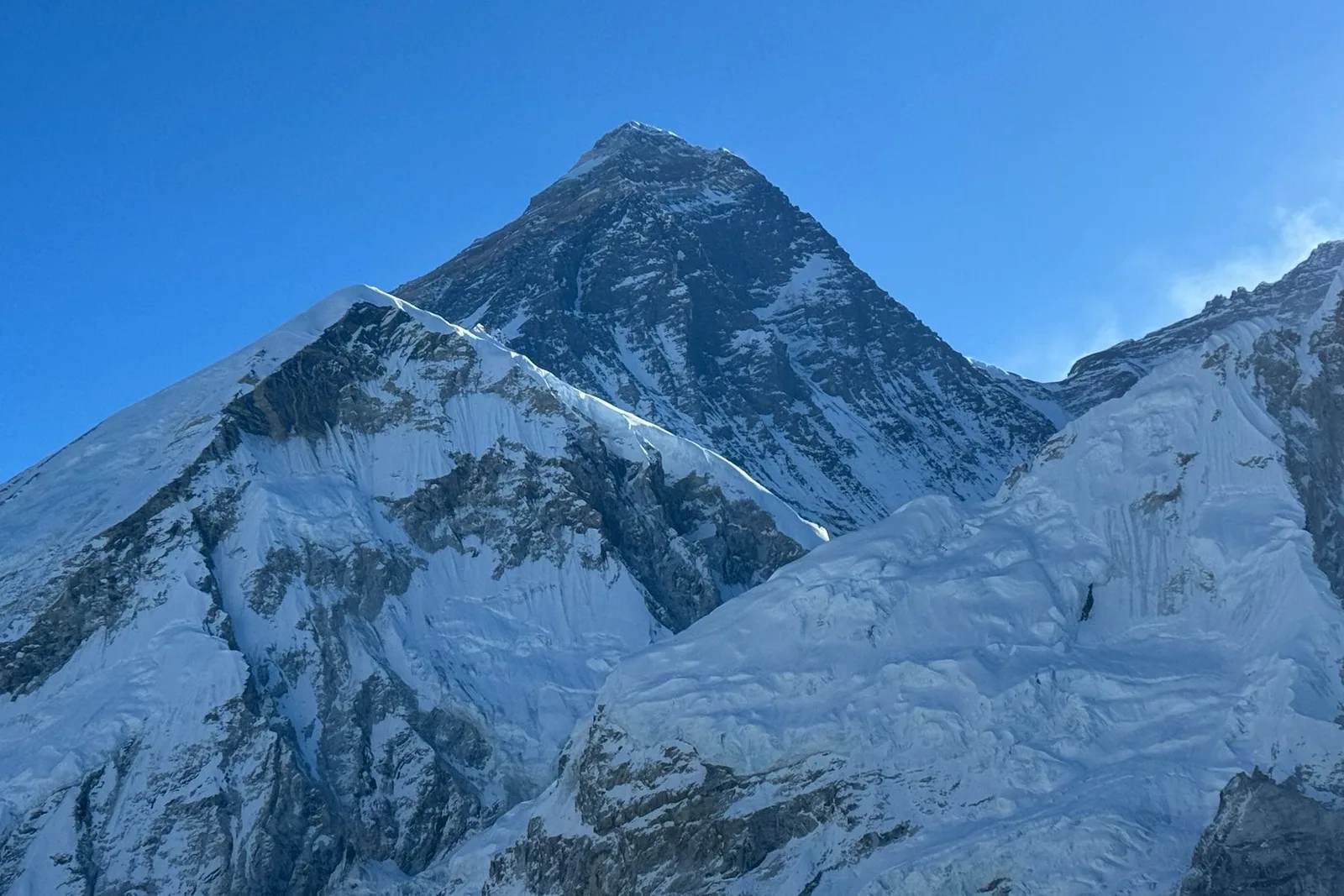
The Everest Base Camp itinerary hasn't changed shape in decades because the acclimatisation maths hasn't. You fly Kathmandu to Lukla (2,860m) and trek to Phakding, then up to Namche Bazaar (3,440m) with a rest day there on day three. From Namche the trail climbs through Tengboche and Dingboche, where a second acclimatisation day on day six is non-negotiable, before pushing on to Lobuche and Gorak Shep. Day eight is the long one — Gorak Shep out to Base Camp (5,364m) and back — followed by a pre-dawn climb of Kala Patthar (5,545m) for the classic Everest sunrise. Then it's a fast descent to Lukla and the flight back to Kathmandu, twelve days in all.
What this means for Swedish trekkers
Your 25 statutory days go further than most nationalities get — a 12-day trek plus two travel days each way still leaves a fortnight in the bank. The trade-off is the connection: budget a full day of travelling in each direction and never book a tight same-day Kathmandu–Lukla link on arrival. Rent down jackets and sleeping bags in Kathmandu rather than checking bulky kit from Arlanda; it saves baggage fees on the connecting flight and lightens your pack on the trail. If two weeks feels tight, the gentler Himalayan options in our comparison desk run shorter.
Whichever hub you route through, the advice from guides on the ground is the same for any first-timer: keep one buffer day around the Lukla flights, train on stairs and hills for at least six weeks before you land, and never skip the two acclimatisation days to save time. They are the entire reason this itinerary works — and the reason so many well-drilled Swedish trekkers reach 5,545m without trouble.
Sources: Nepal Department of Immigration (visa fees); Sweden's Annual Leave Act / Semesterlagen (leave entitlement); flight routing and fares via major booking aggregators, current as of August 2026; trek rates and itinerary, Travel Himalaya Nepal.
Cover photo: Abdul Kayum via Pexels (Pexels License).
Still running this season
Everest Base Camp Trek — 12 Days is running normally
NMA-certified local guides, transparent pricing, 5,000+ treks since 1998. Message us your dates and we'll sort the permits, lodges and logistics — reply within 24 hours, no obligation.
Popular Nepal treks
All treks →
Related coverage
World Destinations
Altitude sickness doesn't need a mountain, just a flight to Cusco
Altitude illness starts around 2,450 m, and Cusco, La Paz and Lhasa all sit above it. Flying straight in is harder on you than walking to Everest Base Camp.
Trail & Weather
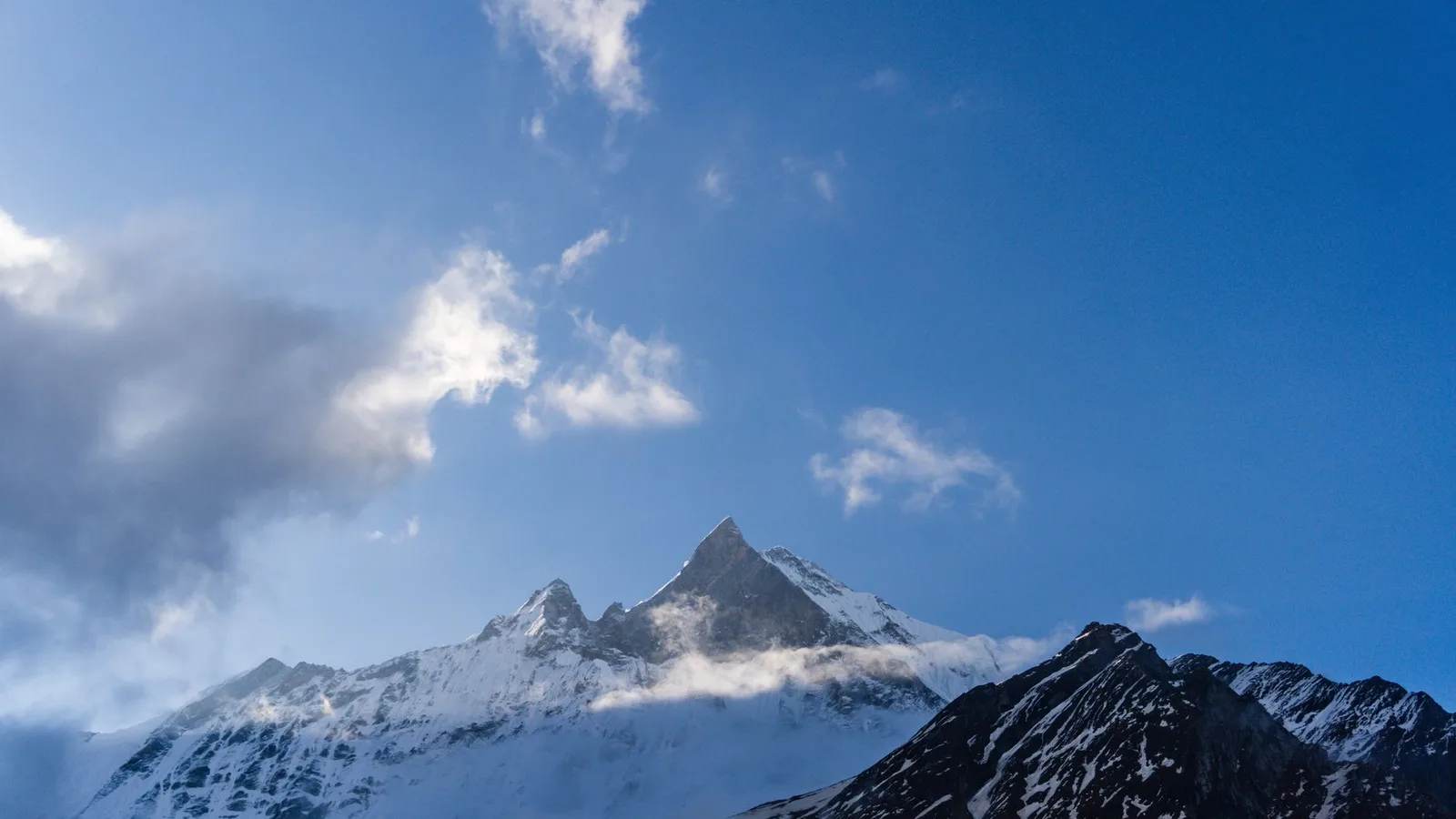
Everest Base Camp or Kilimanjaro: Which Trek Should You Actually Do in 2026?
One is a five-day sprint to 5,895 metres, the other a fourteen-day walk to 5,364 — the honest trade-off between them comes down to acclimatization, not fitness.
Industry & Tourism
Everest Base Camp or Annapurna Base Camp: Which Should You Actually Trek in 2026?
Both are sold as 'base camp treks' but they differ by 1,400 metres of altitude, a week of walking and a coin-flip mountain flight — here is how to pick the right one for your fitness, budget and time.
Flights & Access
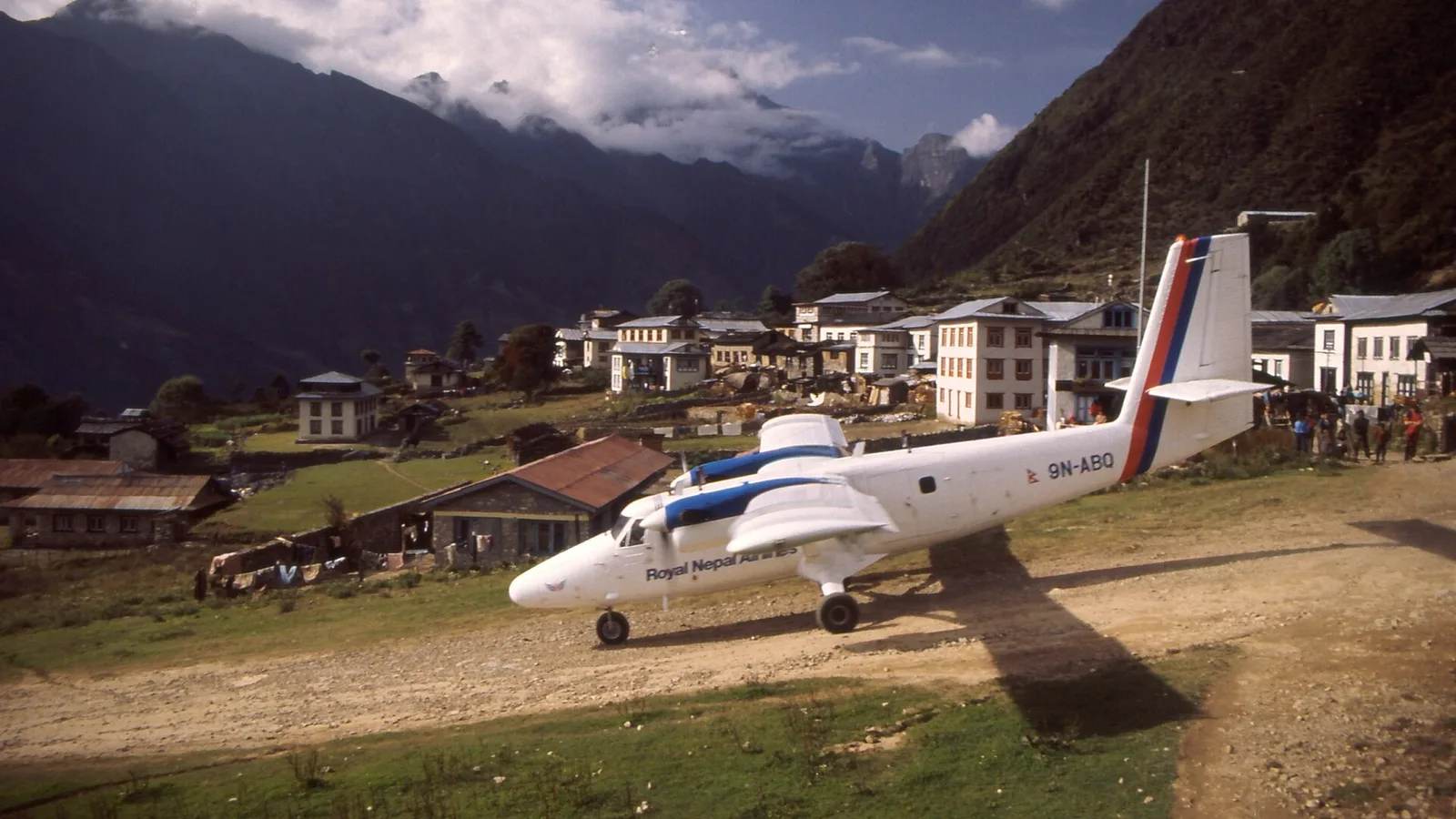
How Many Days Do You Actually Need for Everest Base Camp in 2026? Every Itinerary Length Compared
Ten days is possible, fourteen is what most operators actually recommend, and the flight into Lukla is why you should budget more time than either number, not less.
Latest from the desk
Breaking Permits & Rules
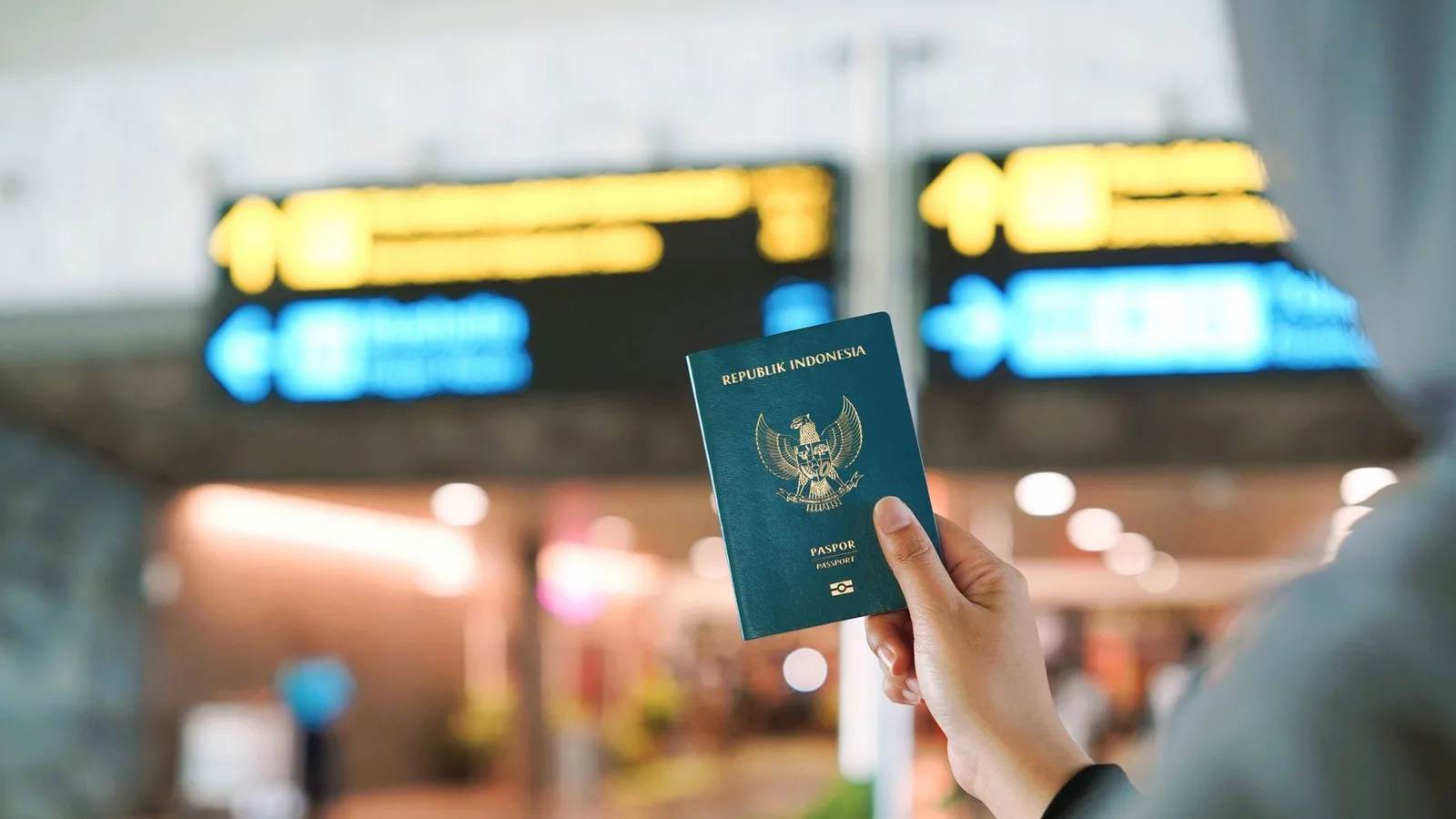
Nepal Just Proposed a Way for Tourists to Travel Without Ever Carrying a Passport
A new Department of Immigration plan would let visitors register once on a mobile app and skip the physical passport for domestic flights, money changers and trekking agencies — but for now, the paper one still needs to stay in your daypack.
Breaking Trail & Weather
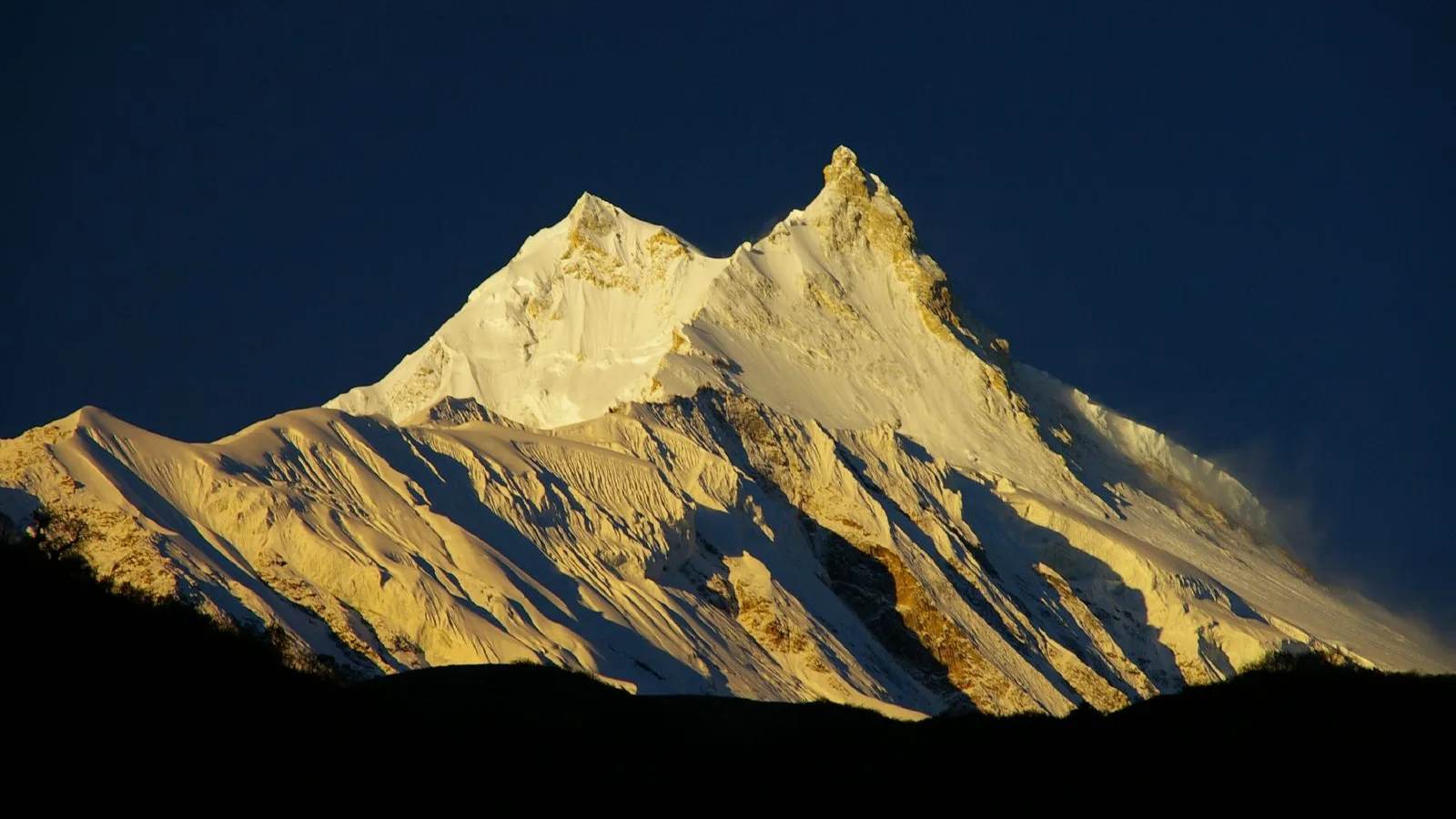
Manaslu's Trekking Trail Washed Out This September, So Climbers Are Flying to Base Camp Instead
A flash flood destroyed two bridges on the Manaslu Circuit in early September 2026, and outfitters are now helicoptering climbing teams past the damage while trekkers wait for repairs.
Breaking Safety & Advisories
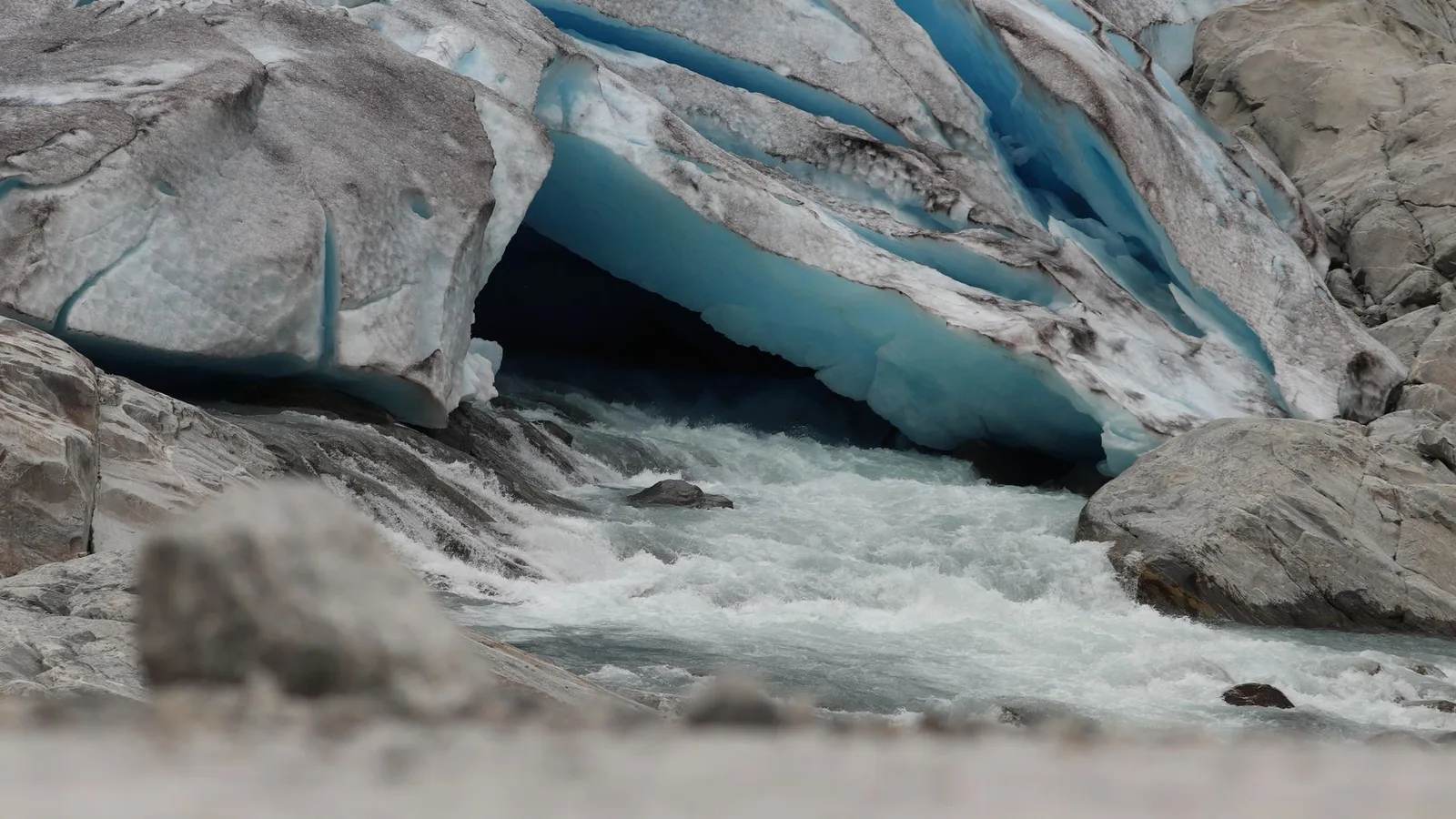
Nearly 2 Billion People Depend on Himalayan Meltwater, and a New Report Says It's About to Peak
A September 2026 study of the Hindu Kush Himalaya's roughly 40,000 glaciers, only 21 of which are monitored on the ground, warns the rivers trekkers cross every day are approaching the point where they stop rising and start shrinking for good.