Upper Dolpo Trek — 22 Days
Duration
22 days
From
$4,950/person
Max Altitude
5,360 m
Difficulty
Extreme
Starts
Juphal (fly via Nepalgunj)
Group Size
2–10 People
Stay
Tea House / Camp
Meals
Breakfast, Lunch & Dinner
Best Season
Late May–Oct, Sep–Oct
Trip Highlights
Day-by-Day Itinerary(22 days)
Altitude Profile
Peak: 5,360 m · Day 11Arrival at Tribhuvan International Airport, transfer to your hotel in Thamel. Trek briefing, permit paperwork and equipment check with your guide in the evening.
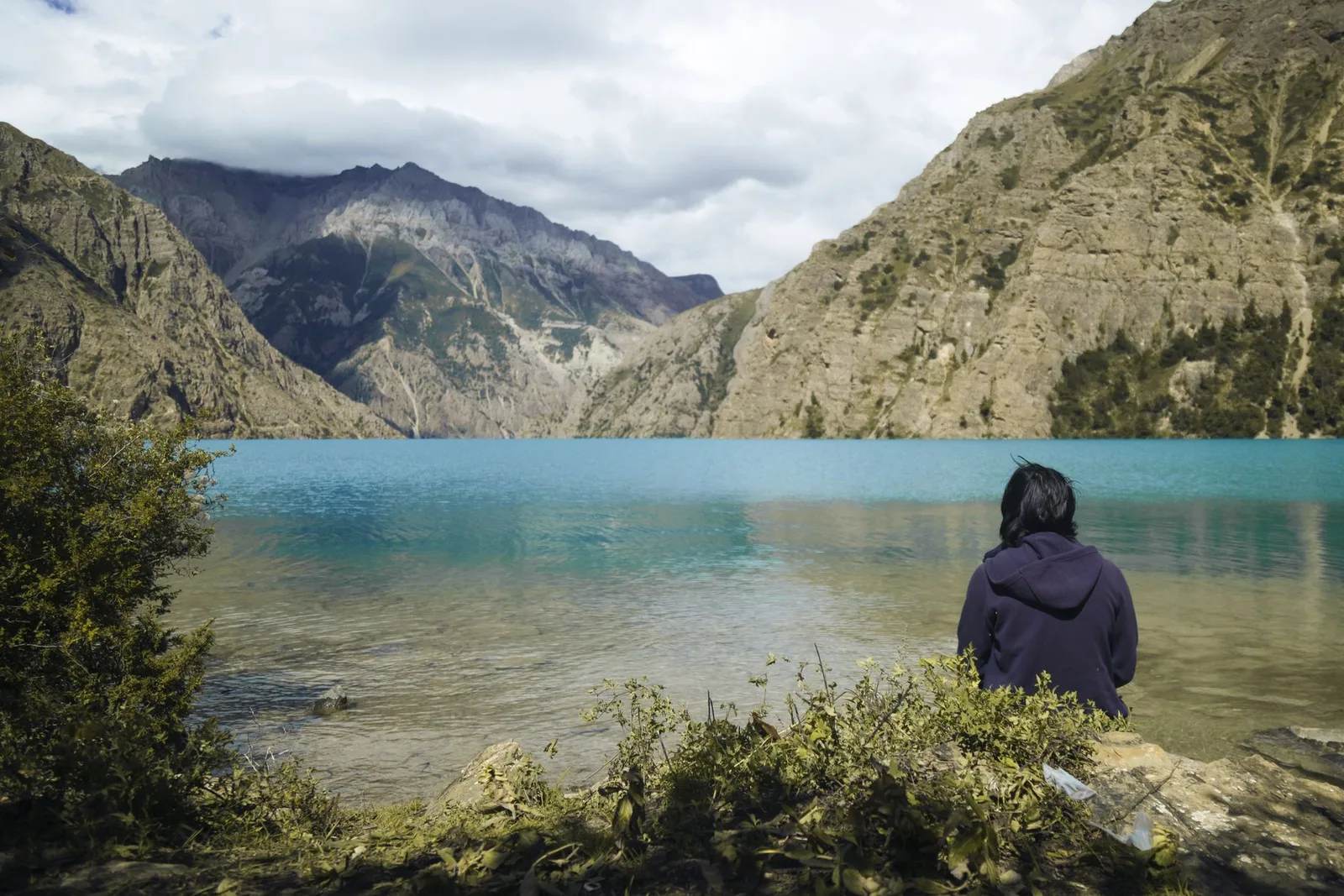
The Upper Dolpo Trek is one of Nepal's last great wilderness journeys — a 22-day camping expedition deep into the restricted trans-Himalaya behind the main range, where Tibetan Buddhist and ancient Bon culture have survived almost untouched. This is the landscape made famous by Peter Matthiessen's The Snow Leopard and Eric Valli's Oscar-nominated film Caravan (Himalaya): ochre cliffs, salt-caravan trails, fortress monasteries and turquoise Phoksundo Lake set against an arid, wind-carved plateau.
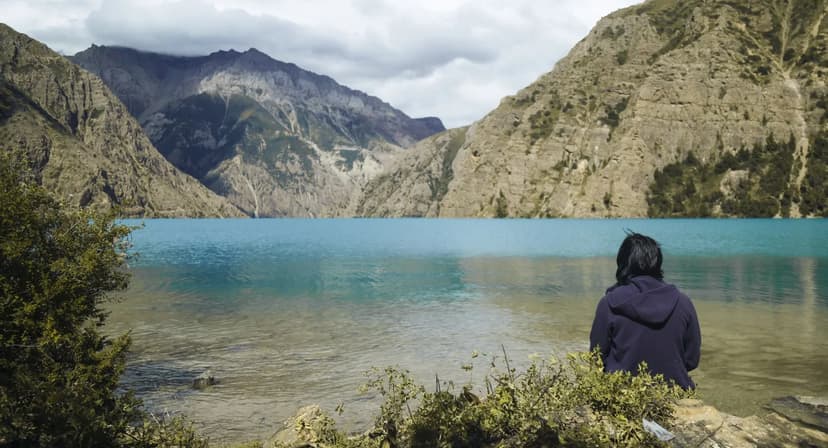
From the airstrip at Juphal we trek through Shey Phoksundo National Park to the deep-blue Phoksundo Lake (3,600 m), then climb over a chain of high passes — Kang La (5,360 m), Saldang La (5,100 m) and Jeng La — to reach Shey Gompa, the Crystal Monastery beneath sacred Crystal Mountain. We cross the medieval villages of Saldang and Dho Tarap, true Tibetan settlements where yak caravans still move salt and barley across the high desert.
A genuine restricted-area expedition
Upper Dolpo is a controlled region: a US$500 restricted-area permit, a licensed guide, a registered agency and a minimum of two trekkers are mandatory, and there are no lodges across most of the route. We travel fully self-supported with a complete camping crew — guide, cook, kitchen staff and porters or pack animals carrying all tents, food and fuel.
Who this trek is for
This is an Extreme-grade trek for experienced, fit trekkers comfortable with remote camping, long days and repeated crossings above 5,000 m. In return you get one of the most authentic and least-crowded cultural and mountain experiences left in the Himalaya — snow-leopard country, rain-shadow trekking that even works through the monsoon, and a region that sees only a few hundred foreign visitors a year.
What's Included
Included
- Upper Dolpo Restricted Area Permit, Shey Phoksundo National Park & Lower Dolpo permits
- All domestic flights: Kathmandu–Nepalgunj–Juphal and return
- 3 nights hotel in Kathmandu (twin share, with breakfast) plus airport transfers
- Licensed, experienced English-speaking trekking guide and full camping crew (cook, kitchen staff)
- Porters or pack animals to carry all group equipment and supplies
- All camping equipment — two-person tents, dining tent, toilet tent, kitchen gear, mattresses
- All meals (breakfast, lunch & dinner) during the trek, freshly prepared by the camp cook
- Guide and crew wages, insurance, food, accommodation and equipment
- Comprehensive first-aid kit with oximeter and emergency oxygen
- Kathmandu city sightseeing tour with a guide
- All government taxes, service charges and official paperwork
Not Included
- International airfare to and from Kathmandu
- Nepal entry visa fee
- Travel and high-altitude rescue/evacuation insurance (mandatory)
- Lunches and dinners in Kathmandu
- Personal trekking gear and clothing (sleeping bag and down jacket can be rented)
- Drinks, bottled water, hot showers, battery charging and Wi-Fi on trek
- Personal expenses — laundry, telephone, souvenirs
- Tips for guide, cook and crew (customary)
- Emergency helicopter charter or extra hotel nights due to flight delays
- Any costs arising from circumstances beyond our control (weather, flight cancellations, political situation)
Best Time to Go
Spring (Mar–May)
From late spring the high passes begin to clear of snow and the lower valleys turn green. Early May can still hold snow on Kang La; late May is excellent and quiet.
Summer / Monsoon (Jun–Aug)
Dolpo lies in the rain shadow north of the Himalaya, so it stays largely dry while the rest of Nepal is under monsoon — one of the few regions trekkable in summer.
Autumn (Sep–Oct)
The prime season — stable weather, clear skies, crisp air and superb mountain views. The most reliable window for crossing the high passes.
Winter (Nov–Feb)
Not recommended. Deep snow blocks the high passes, villages largely empty as locals descend, and camping becomes extremely cold and hazardous.
Permits Required
Upper Dolpo Restricted Area Permit
USD 500 (first 10 days) + USD 50/dayMandatory for the Upper Dolpo region; requires a licensed guide and a minimum of two trekkers. Solo permits are not issued. We arrange this for you.
Shey Phoksundo National Park Entry Permit
NPR 3,000Covers the Phoksundo Lake and Shey Phoksundo National Park section of the route.
Lower Dolpo Restricted Area Permit
USD 20 (first week) + USD 5/dayNeeded for the access and exit days through Lower Dolpo before entering the Upper Dolpo zone.
All permits are arranged and included in your package price. Nothing to organise yourself.
What to Pack
A detailed packing list will be sent with your booking confirmation. Gear rental available in Kathmandu and Pokhara.
Kit that actually matters on this trek
All our gear adviceChosen for this route specifically — not a generic list. Each one says what you give up as well as what you get.
As an Amazon Associate we earn from qualifying purchases, at no extra cost to you.
Frequently Asked Questions
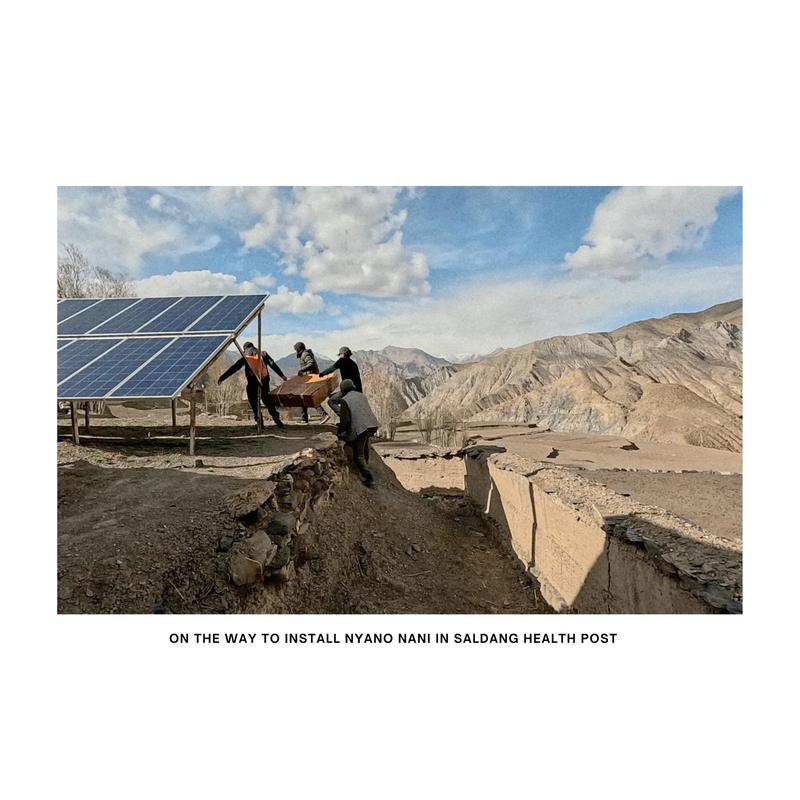
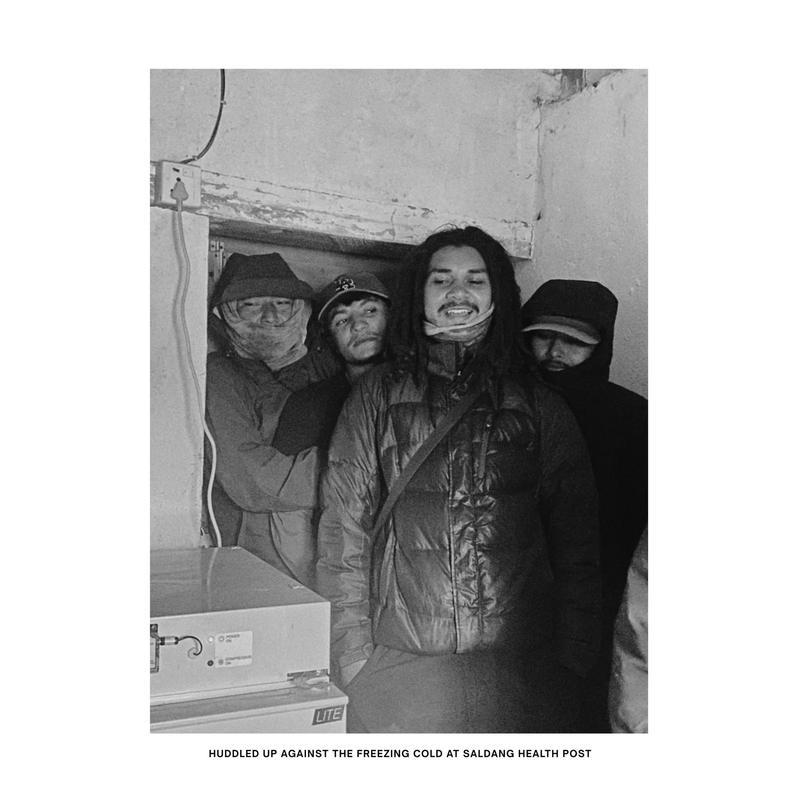
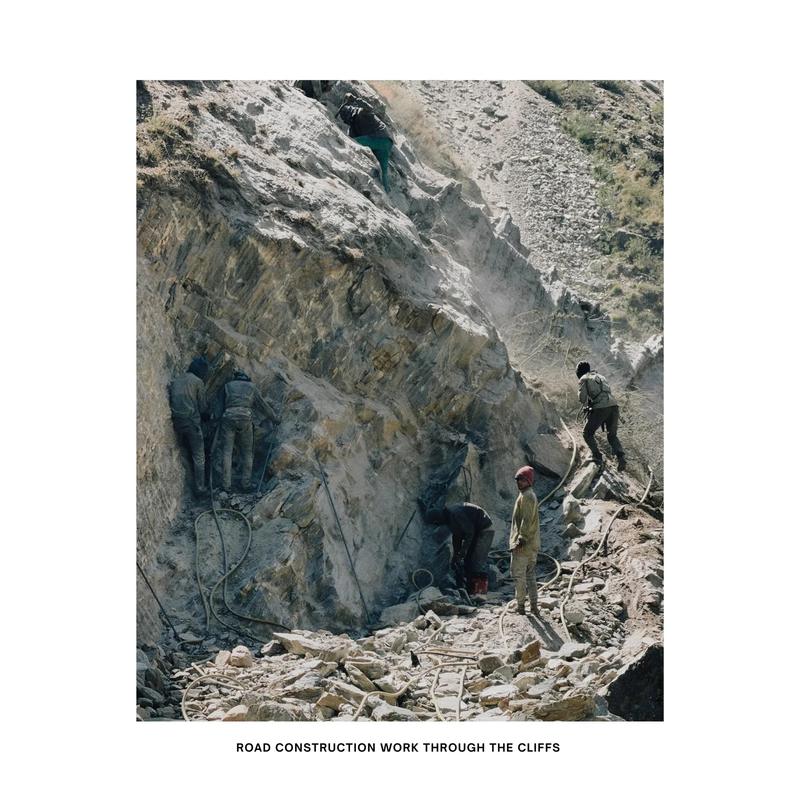
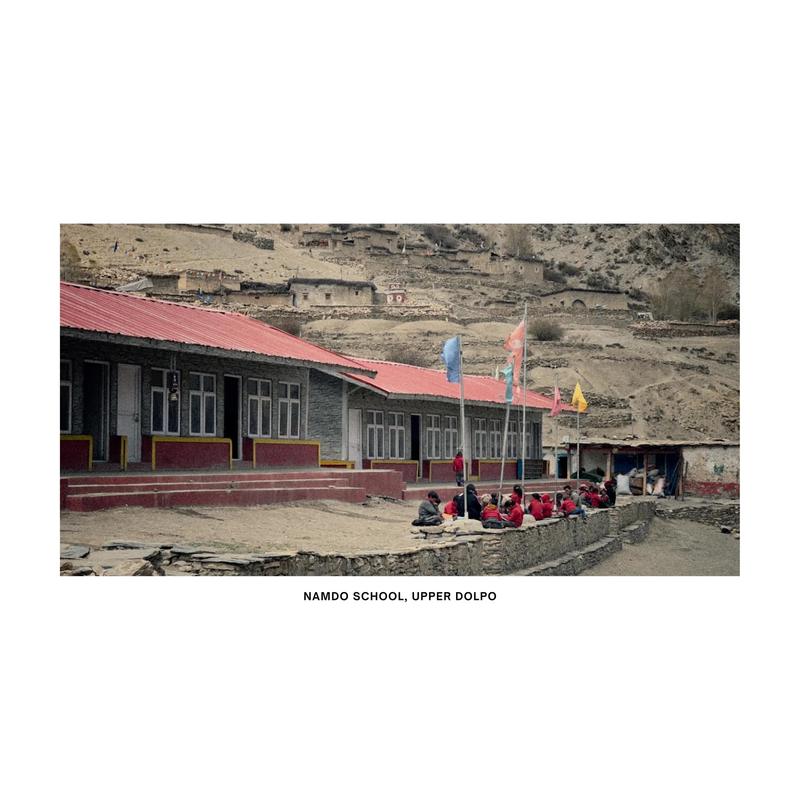
On the Trail
See it in motion
Your Himalaya Awaits
Ready to walk Upper Dolpo Trek?
Private departures on any date, a hand-picked NMA guide, and an itinerary built around you. Tell us your dates — we usually reply within a few hours.
$4,950
/ person · all-inclusive