
Australia's Card Surcharge Ban Sounds Like Free Money, Here's the Catch Starting October 1
From 1 October, Australian businesses can't add a card surcharge, but the same reform is why Qantas and others plan to raise base fares instead.

At a glance
- Published
- TopicMoney & Insurance
- Verified againstReserve Bank of Australia
- Treks coveredEverest Base Camp Trek — 14 Days
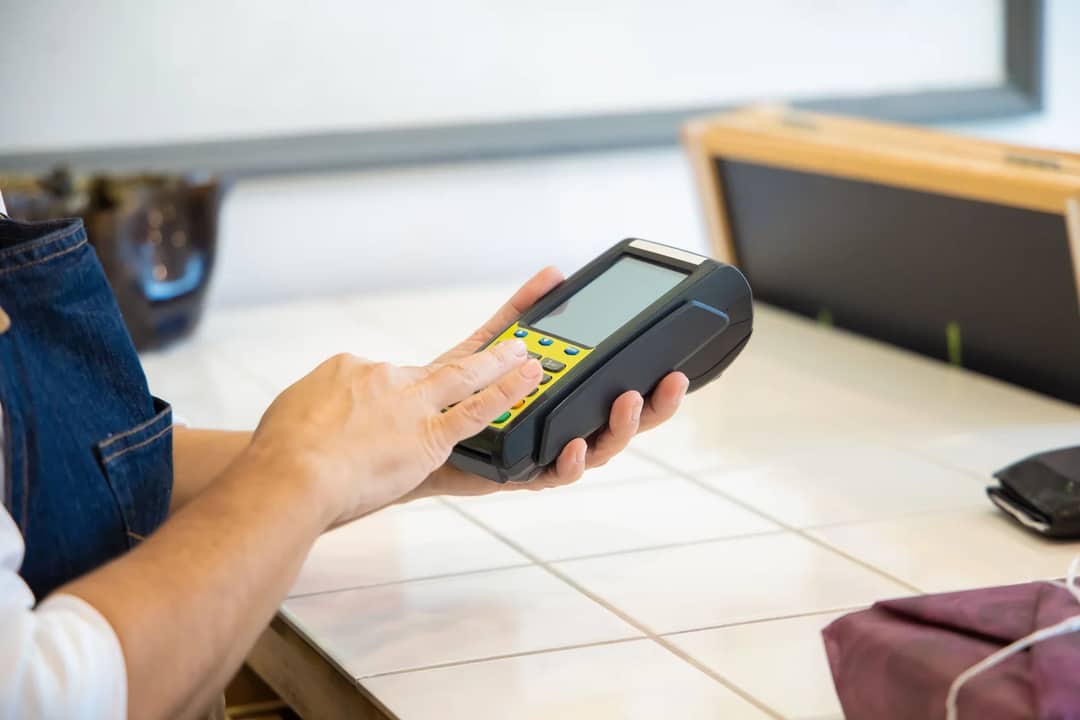
From 1 October 2026, Australian businesses can no longer add a surcharge just because you paid by debit, prepaid or credit card — the Reserve Bank of Australia is banning it outright across eftpos, Mastercard and Visa, with Amex, UnionPay and PayPal adopting the same rule voluntarily. The RBA estimates it will save consumers and businesses up to $1.8 billion a year. But the reform also lowers what banks can charge merchants per transaction, and airlines including Qantas have already said they will raise base fares to recover that lost revenue — so the saving at the checkout may simply move somewhere else on your bill.
Key facts
- Card surcharges banned from 1 October 2026 on eftpos, Mastercard and Visa, debit and credit
- Domestic interchange fee cap drops from 0.8% to 0.3% on consumer credit cards, also from 1 October
- Foreign-issued cards used in Australia get the lower cap later, from 1 April 2027
- Booking fees, service fees, and weekend or public-holiday surcharges are not banned — that's the loophole
What actually changes at checkout on 1 October
Any business that has been tacking 1–2% onto your bill for “paying by card” has to stop, whether you're booking a domestic flight, paying a Kathmandu-bound travel agent in Australian dollars, settling a hotel bill or buying gear before a trip. The ban covers debit, prepaid and credit cards on the three big networks the RBA regulates directly — eftpos, Mastercard and Visa — and American Express, UnionPay and PayPal have said they will apply the same no-surcharge rule even though the RBA doesn't force them to. The RBA is also cutting the interchange fee cap that banks can charge merchants per transaction, from 0.8% to 0.3% on domestic consumer credit cards, which is the mechanism meant to make surcharging pointless in the first place.
Why this might not actually save you money on your flight
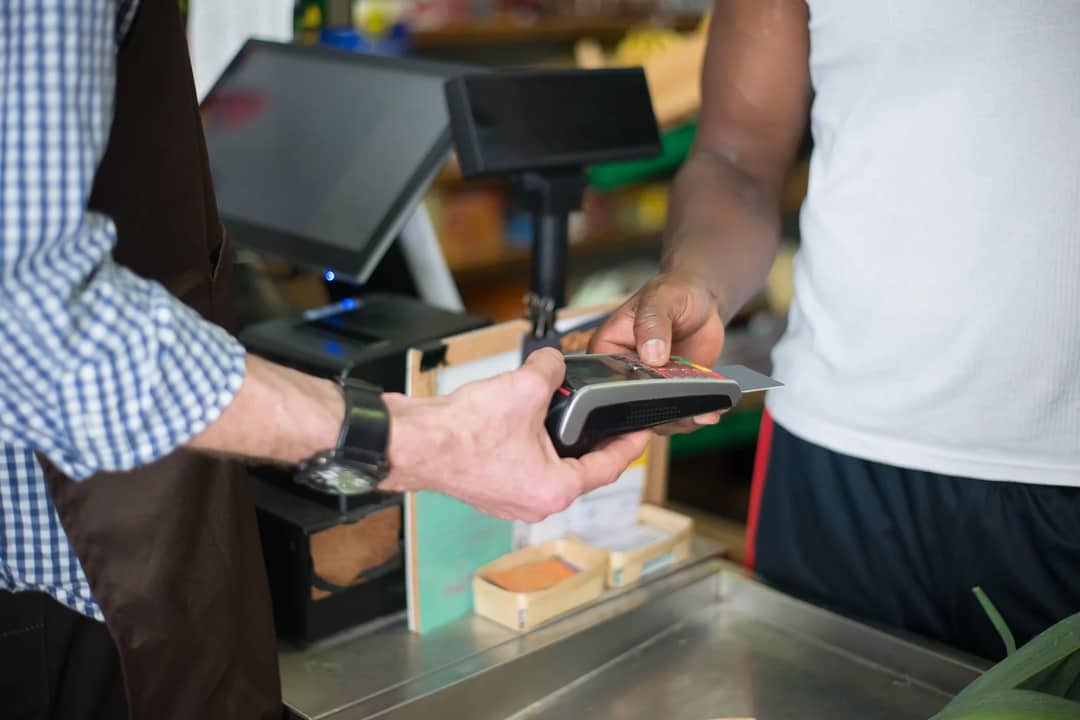
Airlines were among the heaviest surchargers in Australia, and Qantas has already told investors it plans to raise base airfares to make up the revenue it will lose once card surcharges disappear. Jetstar, Virgin Australia and Rex are expected to do the same, since all four operate on thin margins and have relied on card fees as a real revenue line, not just a pass-through cost. The practical result for a traveller booking a flight to start a Nepal trek: the surcharge line disappears from your booking confirmation, but the base fare you're quoted may simply be a few dollars higher than it would have been under the old system. The RBA's $1.8 billion figure is the saving to the system as a whole, not a guaranteed saving on any one ticket.
| Charge | Status |
|---|---|
| Surcharge for paying by eftpos, Mastercard or Visa | Banned |
| Surcharge for paying by Amex, UnionPay, PayPal | Banned (voluntary) |
| Airline or agent “booking fee” or “service fee” | Still allowed |
| Weekend or public-holiday surcharge | Still allowed |
| Payment-provider terminal or processing fee (merchant-side) | Still allowed |
What happens to your frequent flyer credit card
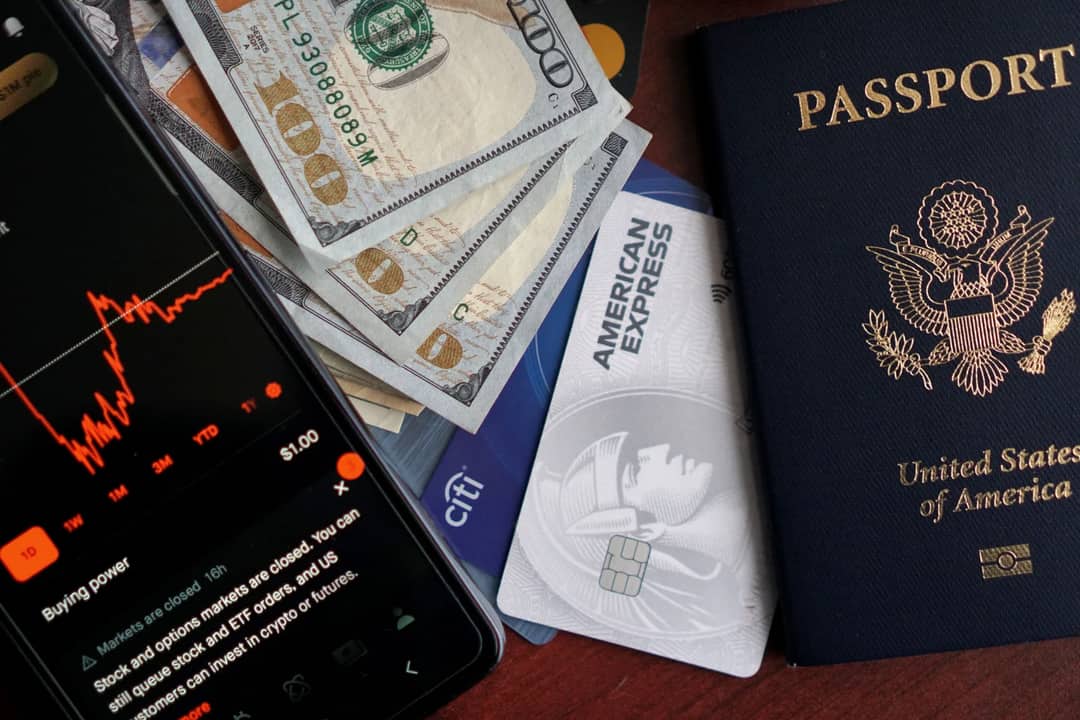
It likely gets less generous. The interchange fee cut from 0.8% to 0.3% removes a chunk of the revenue banks currently use to fund reward points, airport lounge access and other perks on travel credit cards. Analysts covering the reform expect banks to respond by trimming points-earn rates or lifting annual fees on the cards frequent flyers use to save up for trips — the RBA's own reforms explicitly target the cross-subsidy that funds those perks, calling it an inefficient transfer from cash-paying customers to reward-card holders.
What this means if you're saving points toward a Nepal trip
What this means for you

If you're funding part of an Everest Base Camp or Annapurna trek with frequent flyer points, don't assume your card's earn rate stays where it is through 2027 — several major issuers have flagged changes once the interchange cut lands. Redeem or transfer points you're already holding sooner rather than later, and when you book your international leg, compare the all-in fare including any “booking fee” line, not just whether a card surcharge shows up, since that fee is exactly the charge this reform doesn't touch.
Frequently asked questions
Does the ban apply to overseas purchases, like paying a Nepal trekking agency directly
No. The RBA's rules govern Australian merchants and Australian-regulated card networks; a payment you make directly to an overseas business, in a foreign currency or through an overseas payment gateway, isn't covered by this ban.
Can Qantas or Jetstar still charge a card fee after 1 October
Not as a card surcharge, but they can still charge a booking or service fee that applies regardless of how you pay — the RBA's FAQ explicitly excludes booking fees and service fees from the ban, which is why airlines can keep a very similar charge under a different name.
Will this make flights to Nepal cheaper
Not directly. It removes one line item (the card surcharge) while airlines have signalled they'll raise the base fare to offset lost surcharge revenue, so the total price you pay is unlikely to fall because of this reform alone.
Cover photo: https://kaboompics.com/ via Pexels (Pexels License). Section photos: Kampus Production via Pexels (Pexels licence); Anna Shvets via Pexels (Pexels licence); DΛVΞ GΛRCIΛ via Pexels (Pexels licence); Julieta Camila Tosto via Pexels (Pexels licence).
Still running this season
Everest Base Camp Trek — 14 Days is running normally
NMA-certified local guides, transparent pricing, 5,000+ treks since 1998. Message us your dates and we'll sort the permits, lodges and logistics — reply within 24 hours, no obligation.
Popular Nepal treks
All treks →






Related coverage
Money & Insurance
Travel Money Mistakes to Avoid in 2026: The Quiet Fees That Drain Your Trip
From the "pay in your home currency" trap to airport exchange kiosks and telling no one at your bank you’ve left the country — the small, repeated money mistakes that cost real cash, and the free fix for each.
Gear & Tech
Do You Need an RFID-Blocking Wallet in 2026? The Honest Answer on Contactless-Card Skimming
Contactless "skimming" from someone brushing past you is rare and overhyped. Here is what actually threatens your card abroad — and the free five-minute setup that beats any gadget.
Money & Insurance
What Travel Insurance Does NOT Cover in 2026: The Exclusions That Void a Claim
The claim is not paid because you bought a policy — it is paid because nothing in the exclusions applies. Here are the standard exclusions that catch travellers out, and how to read them before you buy.

Deals & Routes
How error fares and mistake fares happen, and how to book one safely in 2026
Airlines occasionally publish a wildly underpriced fare by mistake. Here is how these pricing slips happen, how deal hunters find them, and the honest catch: the airline may honour it, or may cancel it.
Latest from the desk
Breaking Flights & Access
Britain's Flight Control System Just Failed Twice in 13 Days, Here's What That Actually Means If You're Flying This Autumn
A Prestwick network fault cut UK airspace capacity 60% on 21 September, thirteen days after a software defect grounded 2,000+ flights nationwide.
World Destinations
Before you book a New England leaf-peeping trip, look at what happened to Maine
Maine went from 12% to 100% in drought in seven weeks while southern New England got wetter. What that means for this year’s color, and how to time a trip.

Breaking Safety & Advisories
If you have a flight through Dubai this month, here's what three governments are warning you about
The UK, US and Australia now advise against non-essential UAE travel, and several airlines are still avoiding Dubai and Abu Dhabi.