
Error Fares and Mistake Fares in 2026: How Airline Pricing Slips Happen, and How to Book One Safely
Airlines occasionally publish a wildly underpriced fare by mistake. Here is how these pricing slips happen, how deal hunters find them, and the honest catch: the airline may honour it, or may cancel it.

At a glance
- Published
- TopicDeals & Routes
- Verified againstWikipedia (Mistake fare)
- Treks coveredAnnapurna Base Camp Trek — 9 Days, Annapurna Circuit Trek — 10 Days, Everest Base Camp Trek — 14 Days
Every so often a route that should cost hundreds of dollars appears online for a fraction of the price — a long-haul flight for the price of a pizza, or a business-class seat billed as economy. These are error fares (also called mistake fares): genuine pricing slips, not sales. In 2026 they still surface, deal communities still pounce within hours, and the same hard question still applies afterwards — will the airline actually let you fly on it? This is how the slips happen, how people find them, and how to book one without getting burned.
At a glance
- A mistake fare is a pricing error — a misplaced decimal, a data-entry slip, or a currency conversion quirk — that briefly lists a flight far below its real cost.
- Fares are still loaded largely by hand: 450+ airlines file more than 100 million airfares into the shared ATPCO database, and manual data entry is where the errors creep in.
- Deal hunters surface them through fare-alert communities and deal sites, and word spreads fast on social media — the good ones vanish within hours.
- The honest catch: an airline is not always obliged to honour a genuine error and may cancel the ticket.
- Book only refundable extras until the ticket is confirmed and ticketed — never a non-refundable hotel on the strength of a fare that might be pulled.
What an error fare actually is
A mistake fare is exactly what it sounds like: an airline accidentally lists the wrong price, anywhere from heavily discounted to, occasionally, near-free. The industry nickname is a “fat-finger fare” — a data-entry mistake or a misplaced decimal point that turns an intended $900 into $90. The other common source is a currency conversion error, where a fare loaded or converted in the wrong currency comes out far cheaper than intended for buyers paying in a particular money. Fuel-surcharge and tax fields that fail to attach to a fare produce the same effect: a headline price with a large chunk of the real cost missing.
How they happen — and why they still happen in 2026
It helps to know how a fare reaches your screen. The vast majority of airfares are published through the Airline Tariff Publishing Company (ATPCO): more than 450 airlines file in excess of 100 million airfares into that shared database for onward distribution to the global booking systems and travel sites. Crucially, the process of filing fares is still largely manual — humans entering fares, rules, prices and taxes into a system built on decades-old technology. Automation has not removed the keyboard, so a single wrong digit, a rule that fails to load, or a currency mismatch can push a broken price live across dozens of booking channels at once, faster than anyone can catch it.
| Step | What to do | Why |
|---|---|---|
| How they happen | Understand the cause — a misplaced decimal, a data-entry slip, a fuel-surcharge that failed to attach, or a currency conversion quirk. | Fares are filed by hand into a shared database; manual entry is exactly where the wrong digit slips through. |
| How to find them | Follow fare-alert communities and deal sites, and set alerts on routes you actually want. Don't chase; let the alert reach you. | The good ones are rare and vanish within hours. Communities spot and spread them faster than any one person refreshing a tab. |
| How to book safely | Book the flight, then stop. Pay only for refundable extras, and wait for the ticket number (the e-ticket / 13-digit ticketed confirmation), not just a booking reference. | A reservation is not a ticket. Until it is ticketed, the airline can still unwind it — and a genuine error is not always one it must honour. |
| If it gets cancelled | Accept the refund of the fare; don't build a trip you can't unwind around it. Where rules require it, claim reimbursement of any non-refundable costs tied to the ticket. | You lose nothing on the fare itself, and you avoid being left with hotels, tours or onward flights you paid for around a ticket that never flew. |
The honest reality: they may honour it, or cancel it
This is the part the screenshots never show. Whether an airline must honour a mistake fare depends on the rules in that market and on the carrier's own policy — some consumer regulations restrict an airline's ability to simply refuse a genuine, straightforward error, while other situations offer no such protection. In the United States, the Department of Transportation has taken the position that when an airline cancels a mistaken fare it should reimburse travellers for reasonable, non-refundable out-of-pocket expenses booked in reliance on the ticket. That is a cushion, not a guarantee that you will fly. History is full of both outcomes: fares that were quietly honoured, and fares that were voided — sometimes with conditions attached, such as one well-known European error that required every buyer to claim they lived in a specific country. Treat “booked” as “maybe,” and only “ticketed” as real.
The one rule that saves you money
Don't book a single non-refundable extra until the flight is confirmed and ticketed. No non-refundable hotel, no non-refundable onward flight, no locked-in tour dates. Book the fare, wait for the ticket number to come through, and only then build the rest of the trip around it. If the airline cancels, you are out nothing but a little time — instead of a chain of bookings you can't undo.
What this means for a Nepal trek
Here is the honest Himalayan angle. Most travellers reach Nepal through a Gulf or Indian hub — Doha, Dubai, Abu Dhabi or Delhi — and connect on to Kathmandu. If an error fare slashes the long-haul leg to one of those hubs, the cost of getting to the trailhead can drop dramatically, which is genuinely worth watching for if the Himalaya are on your list. But apply the same discipline: a cheap flight to the region is only useful once it is ticketed. Don't lock in trek dates, domestic Kathmandu–Pokhara or Kathmandu–Lukla flights, or non-refundable arrangements until the international ticket is confirmed. When it is, we can build the trek around your real travel dates. If you already know roughly when you want to go, our Everest Base Camp and Annapurna Base Camp itineraries flex to fit the flights you actually hold, and we hold trek dates flexibly while you wait on a fare to firm up.
Error fares are real, and they are one of the few genuine bargains left in flying — but they reward patience and discipline, not haste. For the everyday version of this — the search habits that reliably surface a lower fare without waiting for a glitch — see our guide on how to find cheap flights in 2026. Watch the alerts, book the refundable version, wait for the ticket, and let the rest of the trip follow the flight.
Cover photo: https://kaboompics.com/ via Pexels (Pexels License).
Planning a trek?
Trek this route with us — Annapurna Base Camp Trek — 9 Days
NMA-certified local guides, transparent pricing, 5,000+ treks since 1998. Message us your dates and we'll sort the permits, lodges and logistics — reply within 24 hours, no obligation.


Popular Nepal treks
All treks →


Related coverage
Deals & Routes
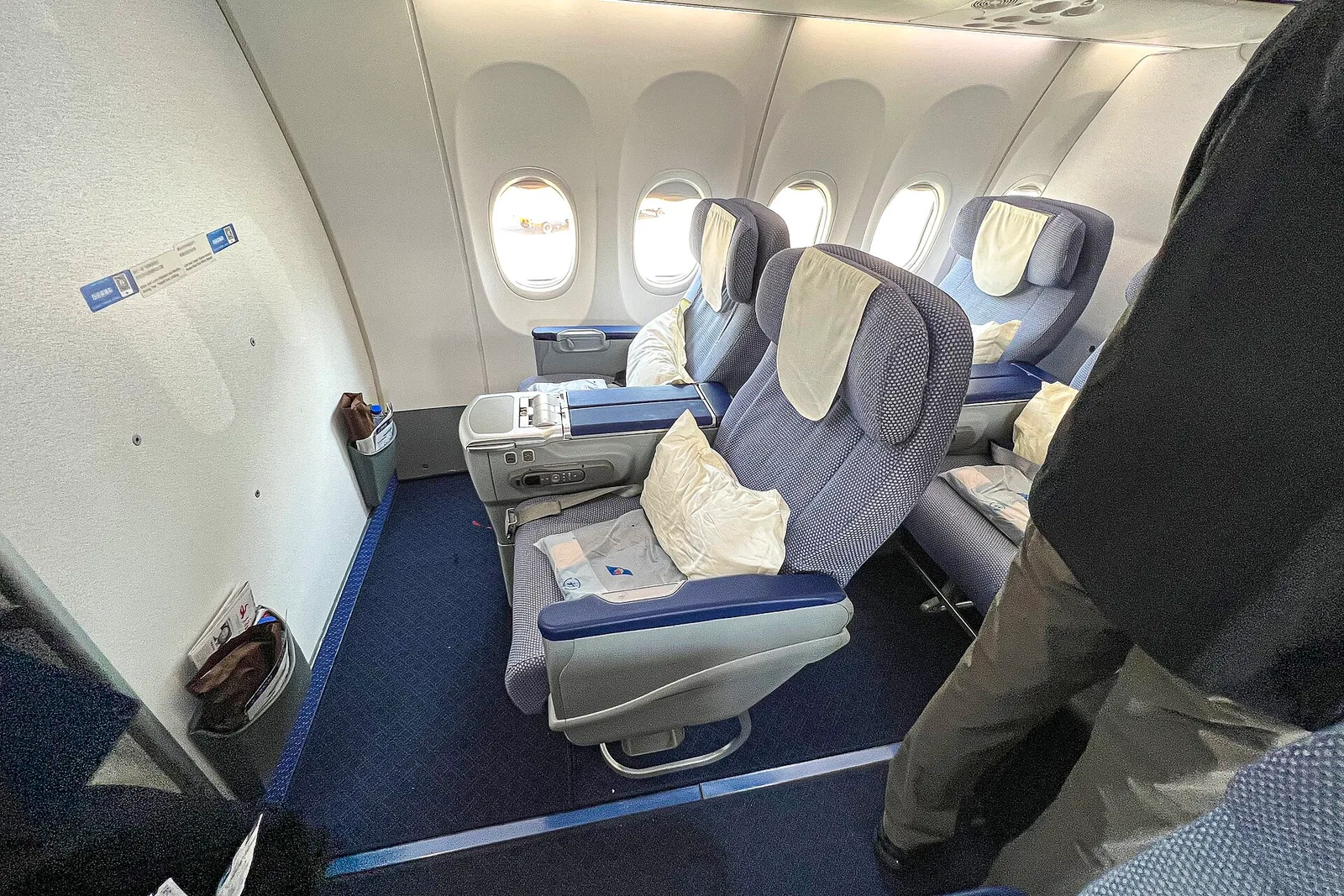
How to Fly Business Class for Less in 2026 (Points, Miles, Upgrades & Error Fares)
The legitimate playbook for lie-flat seats at a fraction of the cash fare — transferable points, sweet-spot award redemptions, transfer bonuses, upgrade bids, error fares and positioning flights, as of 2026.
Deals & Routes
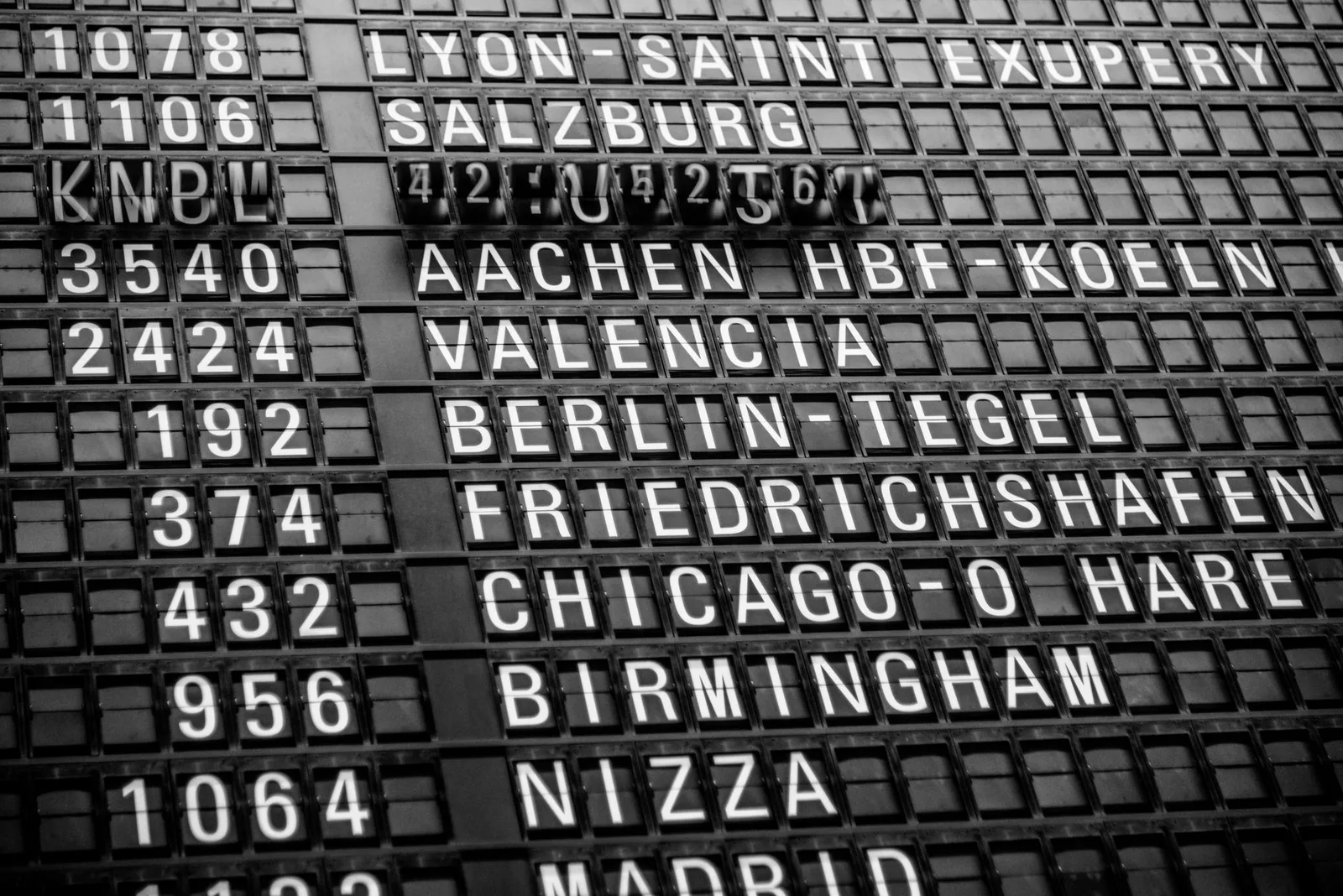
How to Find Cheap Flights in 2026: The Search Strategy That Actually Works
Flexible-date search, alternate airports, split tickets, fare alerts and mistake fares — the tools that surface a lower fare, and the one myth you can stop believing.

Deals & Routes
Airline Miles and Points for Beginners in 2026: How to Earn, Redeem, and When Cash Back Wins
A plain-English 2026 guide to how frequent-flyer miles and transferable bank points really work — earning, redeeming, the award sweet spots to Kathmandu, and the honest cases where simple cash back beats points.

Deals & Routes
Open-Jaw and Multi-City Flights in 2026: Fly Into One City, Out of Another
Fly into one city and home from another (open-jaw), or stitch several stops into one multi-city ticket, and skip the backtrack for little more than a round trip. How to book it from the multi-city tab, and the one catch that decides whether a missed leg is the airline’s problem or yours.
Latest from the desk

Safety & Advisories
Tamang Heritage Trail 2026 Status: Nepal’s Cultural Langtang Trek After the Rasuwa Flood
The most flood-affected Langtang trek — access is disrupted and recovery is underway, so confirm before booking early autumn 2026.

Safety & Advisories
Gosaikunda Trek 2026 Status: Can You Still Reach the Sacred Lakes After the Rasuwa Flood?
Yes, via Dhunche the sacred lakes are largely spared — road access up the Pasang Lhamu Highway is still recovering after the 26 August flood.

Gear & Tech
How to Avoid Getting Locked Out of Your Accounts Abroad in 2026: 2FA, Authenticator Apps and Backup Codes
The digital lock-outs travellers hit overseas — SMS codes sent to a home number you cannot receive, an authenticator app on a lost phone, a bank that blocks a foreign login, an email recovery loop — and the twenty minutes of setup before you fly that prevents every one.