
Breaking · Safety & Advisories
If you have a flight through Dubai this month, here's what three governments are warning you about
The UK, US and Australia now advise against non-essential UAE travel, and several airlines are still avoiding Dubai and Abu Dhabi.

At a glance
- Published
- TopicSafety & Advisories
- Verified againstUK Foreign, Commonwealth & Development Office (FCDO)
- Treks coveredEverest Base Camp Trek — 12 Days
Dubai International and Abu Dhabi’s Zayed International are both still open, and both are still landing flights on schedule — but that is no longer the whole picture. As of this week the UK, the US and Australia all advise against non-essential travel to the United Arab Emirates, and more than a dozen airlines are still routing around Dubai and Abu Dhabi altogether. If your ticket touches Dubai in the next few weeks, including a connection on to Kathmandu or Pokhara, here is what has actually changed and what it means for you.
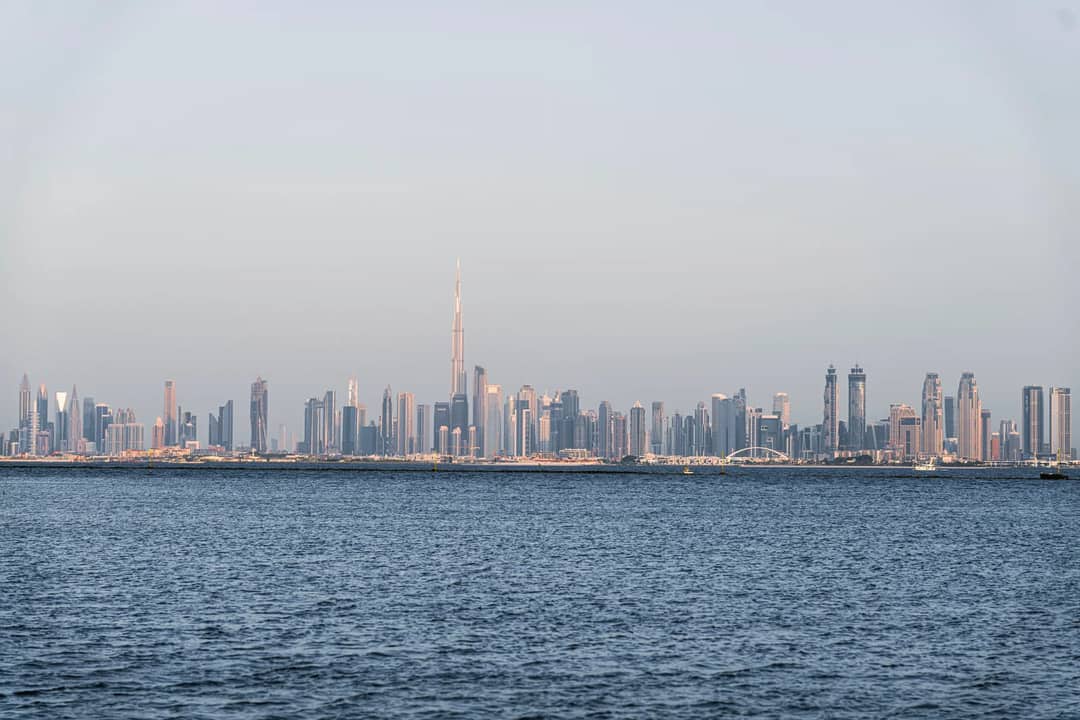
Key facts
- UK FCDO: advises against all but essential travel to the UAE
- US State Department: Level 3, Reconsider Travel
- Australia Smartraveller: Orange, reconsider your need to travel
- EASA’s high-risk Gulf airspace bulletin runs until 30 September 2026
- Dubai and Abu Dhabi airports remain fully open, with no blanket suspension of flights
Is it actually safe to fly through Dubai right now?
Yes for the airports themselves, with a real caveat about the wider region. Both of the UAE’s major hubs are operating normally and neither is blockaded — the risk sits over the Gulf, not on the ground in the terminal. The conflict behind all of this began in February 2026, when the United States and Israel launched strikes against Iran; two ceasefires have followed since, and both broke down, most recently in July 2026, with fighting over control of the Strait of Hormuz continuing since. The European Union Aviation Safety Agency (EASA) has extended a high-risk bulletin covering the airspace over Bahrain, Kuwait, Qatar and the UAE, plus the Gulf of Oman west of 58°E, through 30 September 2026, citing missiles, drones, combat aircraft and unpredictable military activity. Debris from intercepted drones has already landed in Abu Dhabi during the current escalation, and GPS spoofing has been reported across the local flight information region.

What the UK, US and Australian governments are telling their citizens
All three now sit at the same practical level: go only if you have to. The UK Foreign, Commonwealth and Development Office (FCDO) advises against all but essential travel to the UAE and tells travellers to stay away from areas near security or military installations and any site associated with US or Israeli interests, with shelter-in-place guidance if local authorities warn of falling debris. The US State Department has the UAE at Level 3, Reconsider Travel, and warns Americans already there to expect possible flight cancellations and sudden airspace closures. Australia’s Smartraveller lists the UAE as Orange — reconsider your need to travel — and flags that the UAE’s land border with Saudi Arabia can close, or restrict its hours, with little notice.
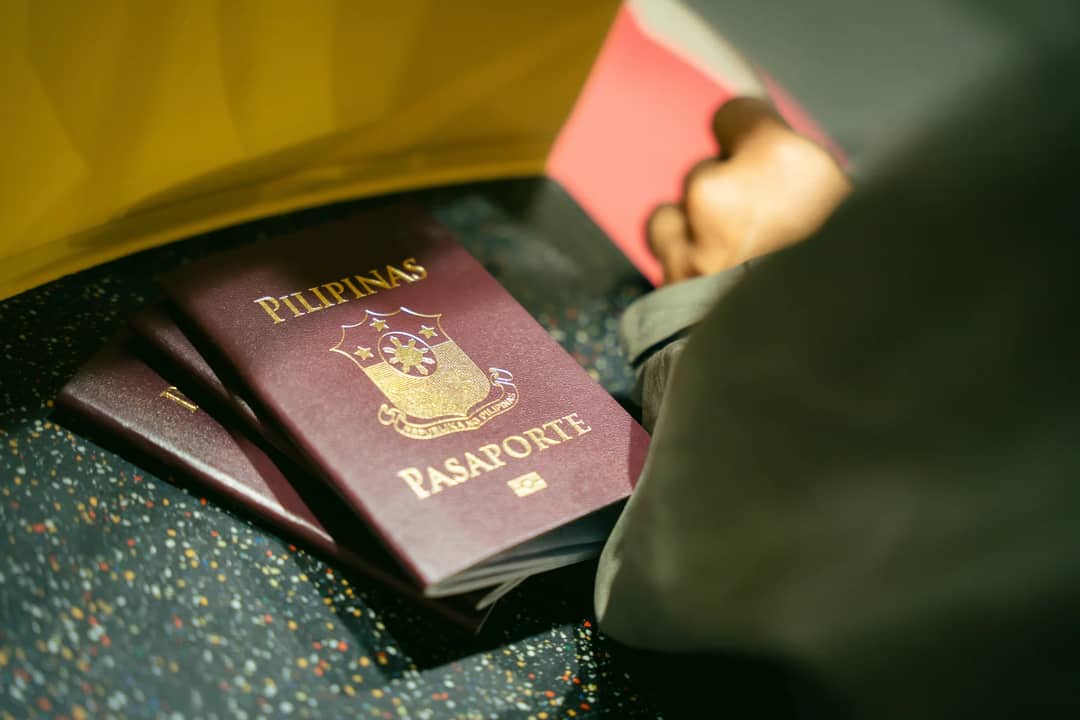
| Government | Level | What it means |
|---|---|---|
| UK FCDO | Against all but essential travel | Go only if you must; monitor local alerts |
| US State Department | Level 3 – Reconsider Travel | One step below Do Not Travel; enrol in STEP for updates |
| Australia Smartraveller | Orange – Reconsider your need to travel | Third of four levels; watch land-border and flight status |
Which airlines are still avoiding Dubai and Abu Dhabi
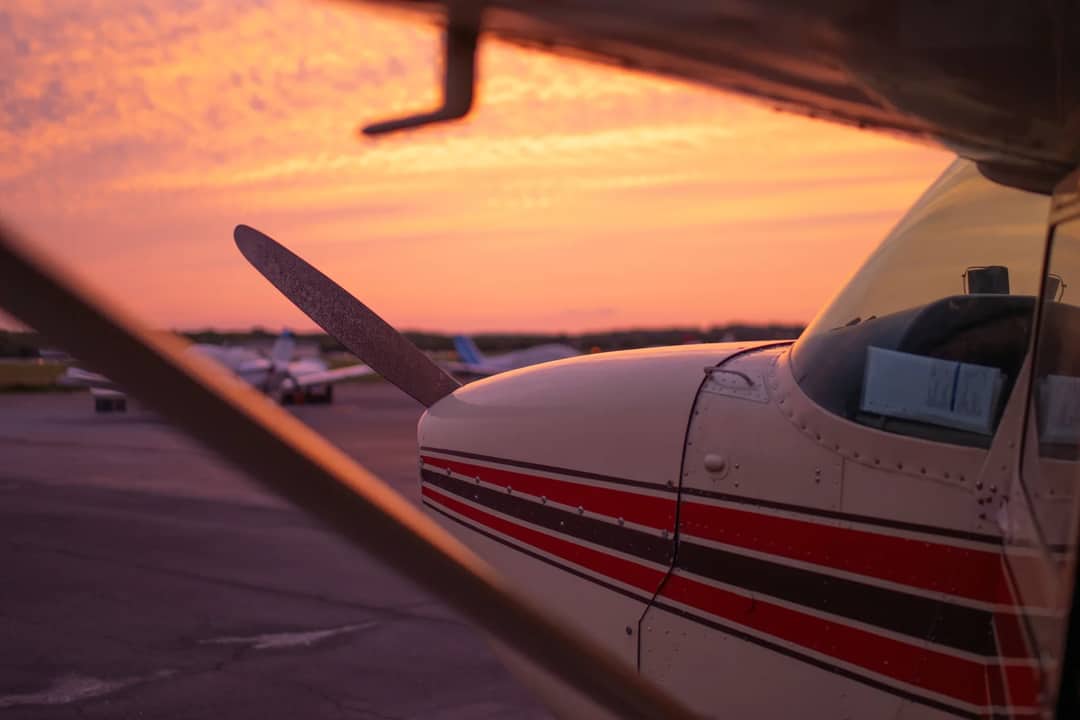
Even with both airports open, several major carriers have kept their own suspensions running well into autumn and winter. Wizz Air has paused both its Dubai and Abu Dhabi routes until 24 October 2026, and Singapore Airlines has cancelled Dubai flights until the same date. Cathay Pacific postponed its daily Hong Kong–Dubai return to 25 October 2026. British Airways plans to resume Dubai service on 3 November 2026 but is keeping Abu Dhabi suspended into the 2027–28 winter schedule, and Air Canada has cancelled Dubai flights until mid-January 2027. None of this is a UAE-wide shutdown — it is individual airlines setting their own risk tolerance on one route while the airports keep functioning normally for everyone else.
What this means if you’re flying through Dubai to Nepal
For most Nepal-bound travellers, nothing changes yet. flydubai still runs about 28 direct flights a week between Dubai and Kathmandu, a roughly four-hour-ten-minute hop, and from 23 September 2026 it becomes the first UAE carrier to add a second Nepali route, flying daily to Pokhara. Emirates and Etihad also continue serving Kathmandu through their Dubai and Abu Dhabi hubs. None of those routes appears on the suspension list above, and neither Dubai nor Abu Dhabi airport has any blanket restriction in place.

What this means for you
If your itinerary connects through Dubai or Abu Dhabi on the way to a Nepal trek, check your specific flight number against the airline’s own status page rather than assuming the whole hub is affected — it almost certainly isn’t. Buy travel insurance that explicitly covers airspace-related disruption and rebooking costs before you fly, not after, and register your trip with your government’s travel alert service (STEP for the US, the FCDO’s local register for the UK) so you get a direct message if anything changes before departure. We would not cancel a booked Nepal trek over this — the disruption sits with individual Gulf-transiting airlines, not with Kathmandu or Pokhara.
Quick answers
Do I need to cancel a flight that connects through Dubai?
Not on the evidence so far. Dubai and Abu Dhabi airports are fully operational, and the airlines still flying Gulf routes — including every direct Dubai–Kathmandu and the new Dubai–Pokhara service — are running their normal schedule. Check your specific flight status close to departure rather than cancelling pre-emptively.
Will travel insurance cover a Dubai-related delay or cancellation?
Most standard policies cover an airline-initiated cancellation or a government advisory that reaches Do Not Travel, but coverage for a Reconsider Travel advisory — the level the UK, US and Australia are all currently at for the UAE — varies by insurer. Read the disruption and curtailment sections of your policy before you fly, and ask specifically about Gulf airspace risk if you are unsure.
Is this the same story as the US air traffic control outage?
No. The Northeast US telecom failure that grounded flights this month was a domestic equipment fault inside American airspace. This is a separate, longer-running regional conflict affecting flights over the Gulf, driven by the US-Iran confrontation that began in February 2026.
Cover photo: Tim Reckmann from Hamm, Deutschland via Wikimedia Commons (CC BY 2.0). Section photos: aboodi vesakaran via Pexels (Pexels licence); Atlantic Ambience via Pexels (Pexels licence); Kenneth Surillo via Pexels (Pexels licence); Joseph Walker via Pexels (Pexels licence); Pritam Chhetri via Pexels (Pexels licence).
Still running this season
Everest Base Camp Trek — 12 Days is running normally
NMA-certified local guides, transparent pricing, 5,000+ treks since 1998. Message us your dates and we'll sort the permits, lodges and logistics — reply within 24 hours, no obligation.

Popular Nepal treks
All treks →













Related coverage
Flights & Access
The Northeast flight meltdown snarled thousands of flights, and here is what your airline really owes you
Air traffic control failures are rarely something airlines pay for. Here is what US and UK rules give you after Monday’s ground stops.

Safety & Advisories
Is Mexico safe for Americans right now, state by state from the State Department
Mexico is Level 2 overall, but six states are do-not-travel and two are Level 1. Cancún, Los Cabos and Mexico City all sit at Level 2.

World Destinations
How many Americans actually visit Iceland, and why this year looks strange
661,929 Americans visited Iceland in 2025, nearly three in ten visitors. This year is flat overall, hiding swings of more than 20% from month to month.
Safety & Advisories
How many countries the US actually tells you not to visit, and where Nepal sits
Of 214 destinations the State Department rates, 23 are do-not-travel. Nepal carries the same level as France, Italy and Spain.
Latest from the desk
Safety & Advisories
Dubai and Abu Dhabi flights are still landing normally, but the US and UK are giving very different advice about going there right now
The US rates the UAE a Level 3 risk while the UK just says 'stay alert' — what each government is actually telling you before you fly.
Deals & Routes
Annapurna Circuit or Upper Mustang, here's how to pick between Nepal's two classic treks
One climbs to a 5,416m pass with real altitude risk, the other stays under 4,000m in a walled desert kingdom. Here's the honest trade-off.

Deals & Routes
Gokyo Ri or Kala Patthar, which Everest viewpoint should you actually add to your trek
Kala Patthar is 5,644m and gives you Everest up close, Gokyo Ri is 5,357m and gives you four 8,000m peaks at once. Here's which one earns the extra day.