How many countries the US actually tells you not to visit, and where Nepal sits
Of 214 destinations the State Department rates, 23 are do-not-travel. Nepal carries the same level as France, Italy and Spain.
At a glance
- Published
- TopicSafety & Advisories
- Verified againstUS Department of State; US Embassy Kathmandu
- Treks coveredAnnapurna Base Camp Trek — 9 Days, Everest Base Camp Trek — 12 Days
The United States rates 214 destinations, and 23 of them carry “do not travel”. Everything else — 191 places, nearly nine in ten — sits at one of the three lower levels, and 162 of them are at Level 1 or Level 2, the ordinary end of the scale. Nepal is Level 2, the same rating the State Department gives France, Italy, Spain, Germany, the United Kingdom, Mexico and India. That is the context missing from most conversations that begin “is it safe there”.
Key facts
- 23 destinations are at Level 4, do not travel — about 11% of the list.
- 162 of 214 are at Level 1 or Level 2.
- Nepal is Level 2, alongside France, Italy, Spain, Germany and the UK.
- Level 3 includes destinations Americans transit constantly, including the Gulf hubs.
How the whole list breaks down
Most of the world is boring, officially. These are the four levels with the number of destinations at each, counted from the State Department’s own advisory feed on 20 September 2026.

| Level | What it means | Destinations | Share |
|---|---|---|---|
| 1 | Exercise normal precautions | 83 | 39% |
| 2 | Exercise increased caution | 79 | 37% |
| 3 | Reconsider travel | 29 | 14% |
| 4 | Do not travel | 23 | 11% |
A word on the counting, because it matters. The feed is a change log rather than a snapshot: some places appear more than once, and a few appear at two different levels years apart. We kept each destination’s most recent entry and discarded the rest. The oldest surviving entry dates from June 2023, for countries nothing has changed about since; the newest is Italy, on 10 September 2026.
The 23 at do not travel
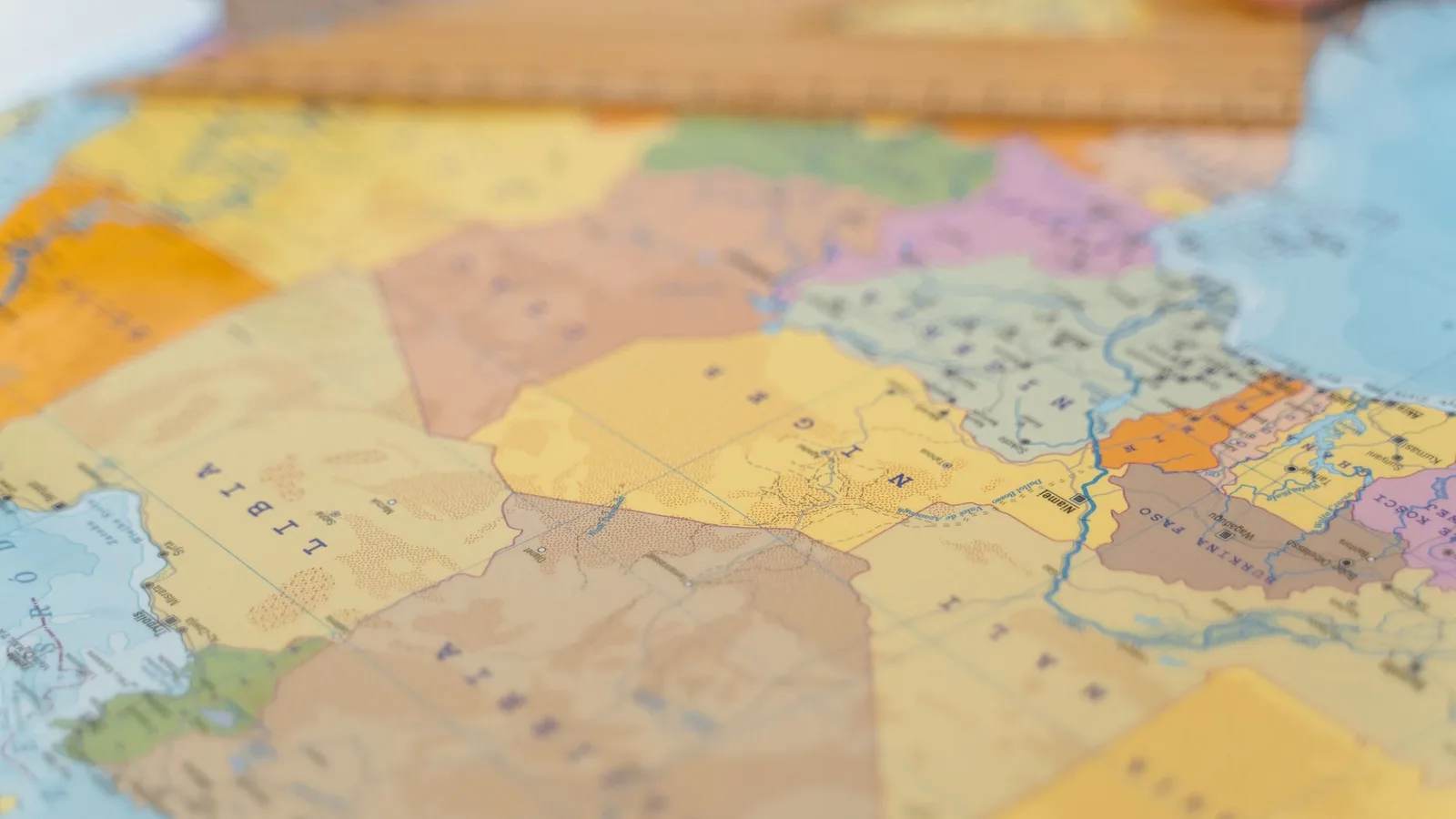
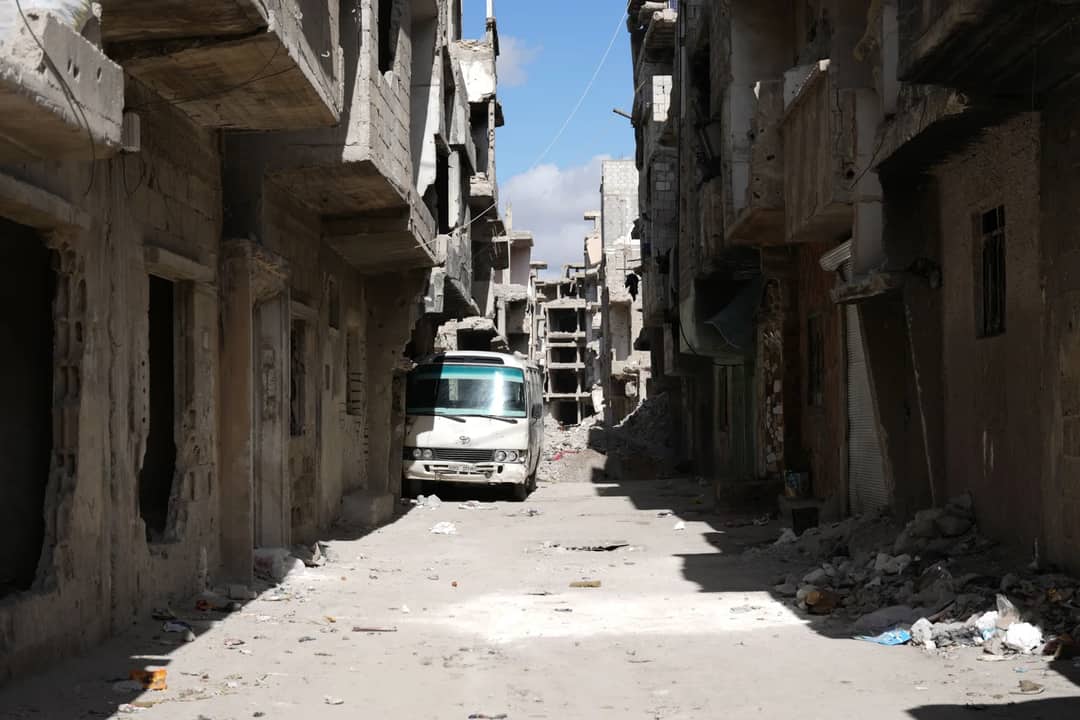
Afghanistan, Belarus, Burkina Faso, Burma, the Central African Republic, Chad, the Democratic Republic of the Congo, Gaza, Haiti, Iran, Iraq, Lebanon, Libya, Niger, North Korea, Russia, Somalia, South Sudan, Sudan, Syria, Uganda, Ukraine and Yemen. Read that list and the pattern is obvious: active war, collapsed policing, or a government that cannot or will not help an American in trouble. None of it is about a place being unfamiliar or far away.
Level 3, “reconsider travel”, is the more interesting tier, because it contains 29 destinations and a lot of them are ordinary holiday and transit countries — Colombia, Tanzania, Pakistan, Bangladesh, Nigeria, Guatemala, Honduras and mainland China among them.
Where Nepal sits, precisely
Level 2 nationwide, cited for civil unrest, with one do-not-travel corridor inside it. The country rating has not moved. What the State Department added after the 26 August flood was a regional callout: do not travel to the Rasuwagadhi–Timure–Syabrubesi area of Rasuwa district and the China border crossing, because the road, the bridge and the border post are gone. A regional callout does not change the country level, which is exactly why the headline for Nepal still reads Level 2. We explained the distinction when it happened, in the do-not-travel zone is far smaller than you think.
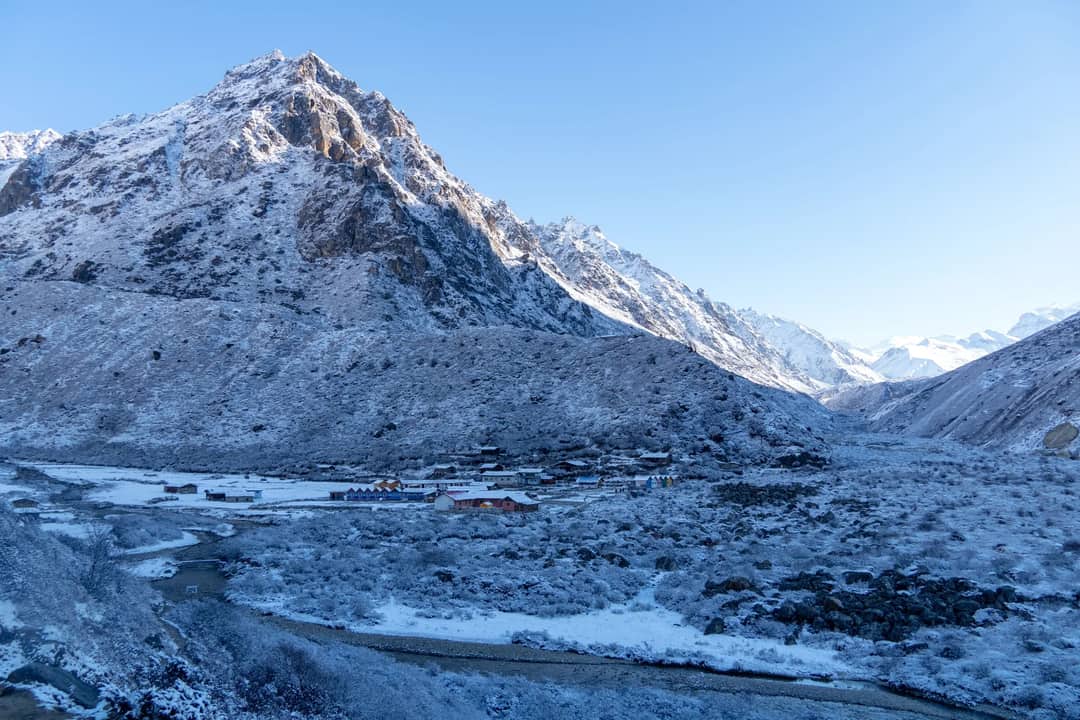
No trekking route we run passes through that corridor. Everest, Annapurna, Langtang, Manaslu and Mustang are all outside it, and the trails that were affected elsewhere are covered in our post-flood trail status.
The levels that catch Americans out
The Gulf hubs most US travellers connect through sit at Level 3. Qatar, the United Arab Emirates, Saudi Arabia, Kuwait, Oman, Bahrain, Jordan and Israel are all “reconsider travel” right now, and those airports are on the shortest routings from the US East Coast to Kathmandu.
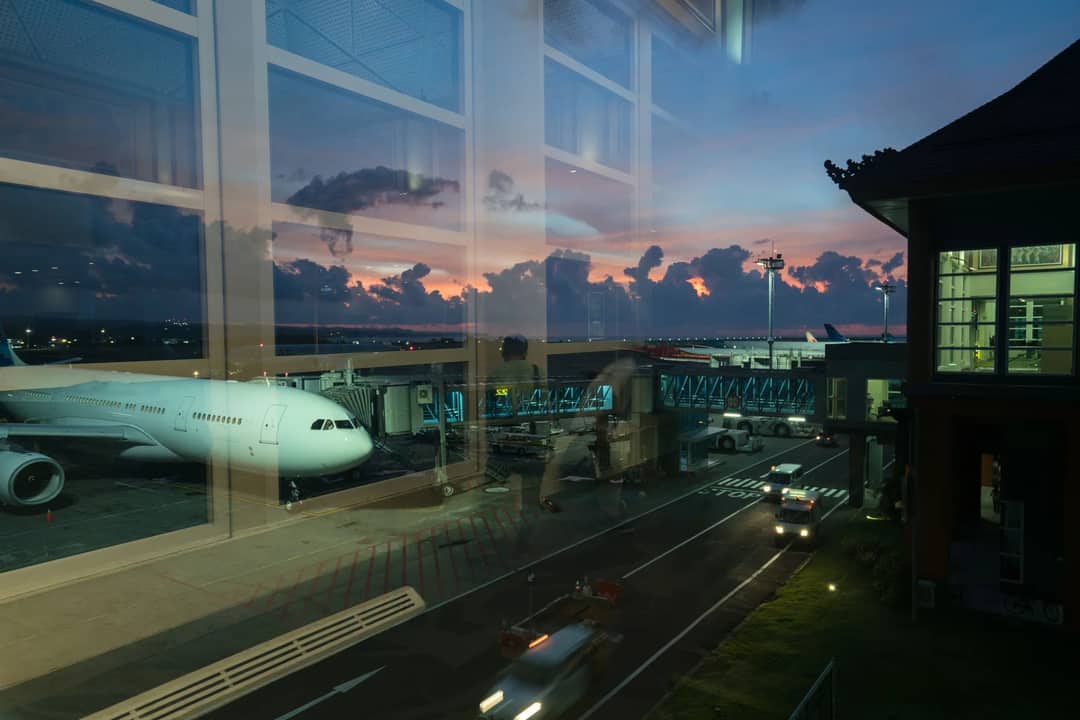
Here is the honest reading of that, and it is not the alarming one. An advisory is advice, not a ban, and it describes conditions in a country rather than in its airport transit hall. Millions of Americans connect through Doha and Dubai every year without ever clearing immigration. What the level should change is your attention to the specific reasons given in the advisory text, not whether you take the flight. Read the paragraphs; the number on its own tells you almost nothing.
What this means for you
Before you cancel anything over a number, do three things: open the advisory itself and read which regions and which risks it names, check the date on it, and enrol in the State Department’s STEP programme so the embassy can reach you. Then check your insurance — some policies treat a Level 4 destination differently, and that is the one place the number really does have teeth. Our 12-day Everest Base Camp trek runs entirely inside the Level 2 part of a Level 2 country.
How many countries are Level 4 do not travel?
23 destinations, as of 20 September 2026, out of 214 the State Department rates. That is about 11% of the list.
What is Nepal’s US travel advisory level?
Level 2, exercise increased caution, cited for civil unrest. A separate do-not-travel callout applies only to the Rasuwagadhi–Timure–Syabrubesi corridor of Rasuwa district and the China border crossing.
Is a Level 2 country dangerous?
Not in any sense an American would recognise from the phrase. France, Italy, Spain, Germany, the United Kingdom and Mexico are all Level 2.
Does a travel advisory affect travel insurance?
It can. Policies vary, and some exclude or limit cover for travel to a destination under a do-not-travel advisory, so read the wording rather than assuming either way.
Source: US Department of State travel advisory feed, retrieved 20 September 2026, de-duplicated to the most recent entry per destination; US Embassy Kathmandu for the Rasuwa callout. Advisory levels change without notice — check the current advisory before you book.
Cover photo: MART PRODUCTION via Pexels (Pexels License). Section photos: MART PRODUCTION via Pexels (Pexels licence); Baraa Obied via Pexels (Pexels licence); Nishant Rana via Pexels (Pexels licence); Atlantic Ambience via Pexels (Pexels licence). Section photos: Mikhail Nilov via Pexels (Pexels licence); Baraa Obied via Pexels (Pexels licence); Nishant Rana via Pexels (Pexels licence); ArtHouse Studio via Pexels (Pexels licence).
Still running this season
Everest Base Camp Trek — 12 Days is running normally
NMA-certified local guides, transparent pricing, 5,000+ treks since 1998. Message us your dates and we'll sort the permits, lodges and logistics — reply within 24 hours, no obligation.
Popular Nepal treks
All treks →
Related coverage
Safety & Advisories
Can you trek in Nepal with kids? The ages, treks and altitude rules that actually matter
Yes, on the right route: a fit child of 5-7 can manage a low trek like Poon Hill, most operators want 12-14 for Everest Base Camp, and the altitude rule for children is the same as for adults.
World Destinations
Cheapest Countries to Visit in Asia in 2026 (Where Your Money Goes Furthest)
From Nepal’s Himalaya on a backpacker budget to the street-food value of Vietnam, India and Kyrgyzstan — the great-value Asian destinations for 2026, why each is cheap, and when to go.
Breaking Permits & Rules
Nepal Just Proposed a Way for Tourists to Travel Without Ever Carrying a Passport
A new Department of Immigration plan would let visitors register once on a mobile app and skip the physical passport for domestic flights, money changers and trekking agencies — but for now, the paper one still needs to stay in your daypack.
Safety & Advisories
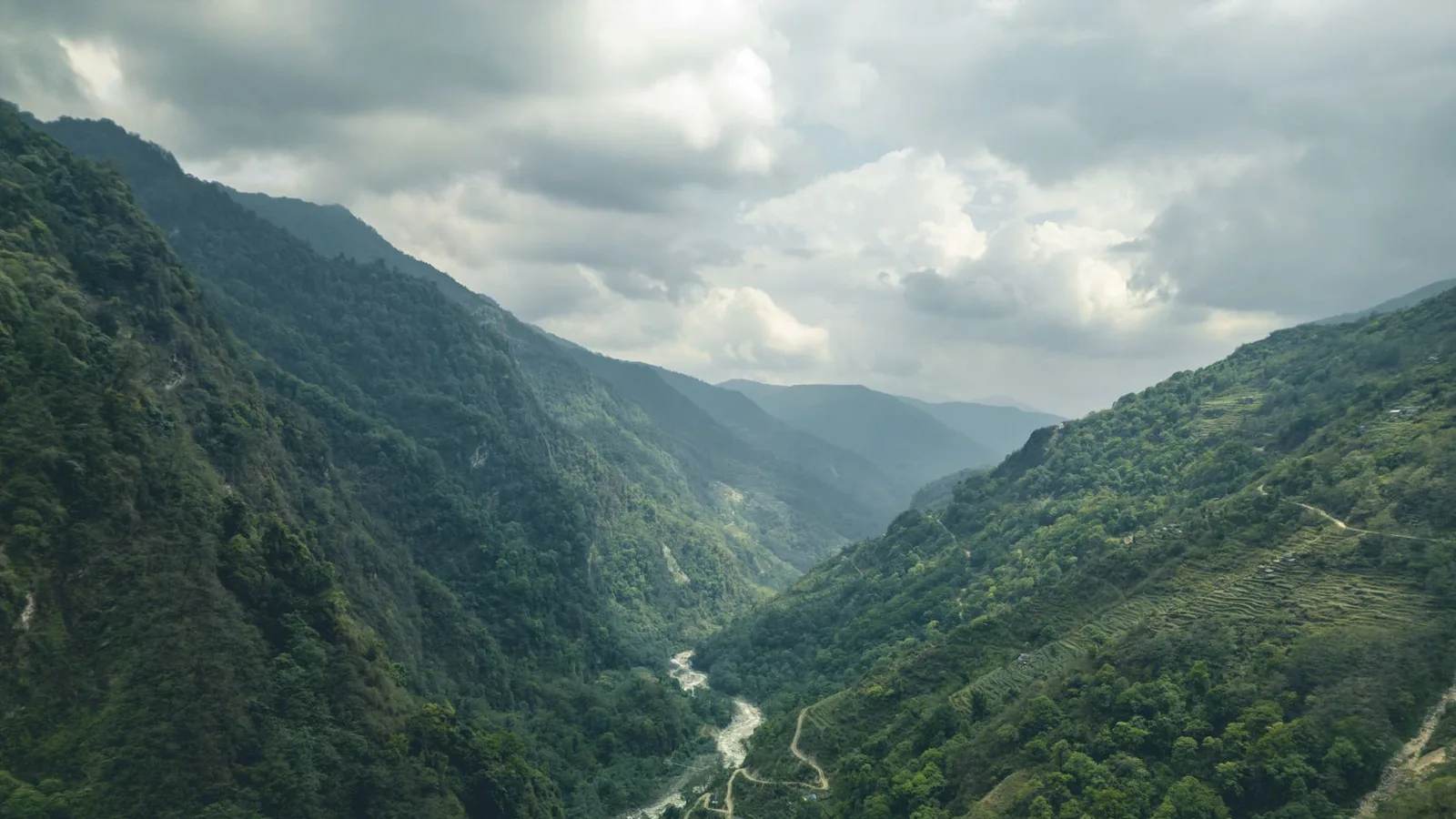
The US travel advisory for Nepal now has a do-not-travel zone, and it is far smaller than you think
Washington kept Nepal at Level 2 on 31 August and added a Level 4 do-not-travel zone covering only the Rasuwagadhi–Timure–Syabrubesi corridor in Rasuwa.
Latest from the desk
Flights & Access
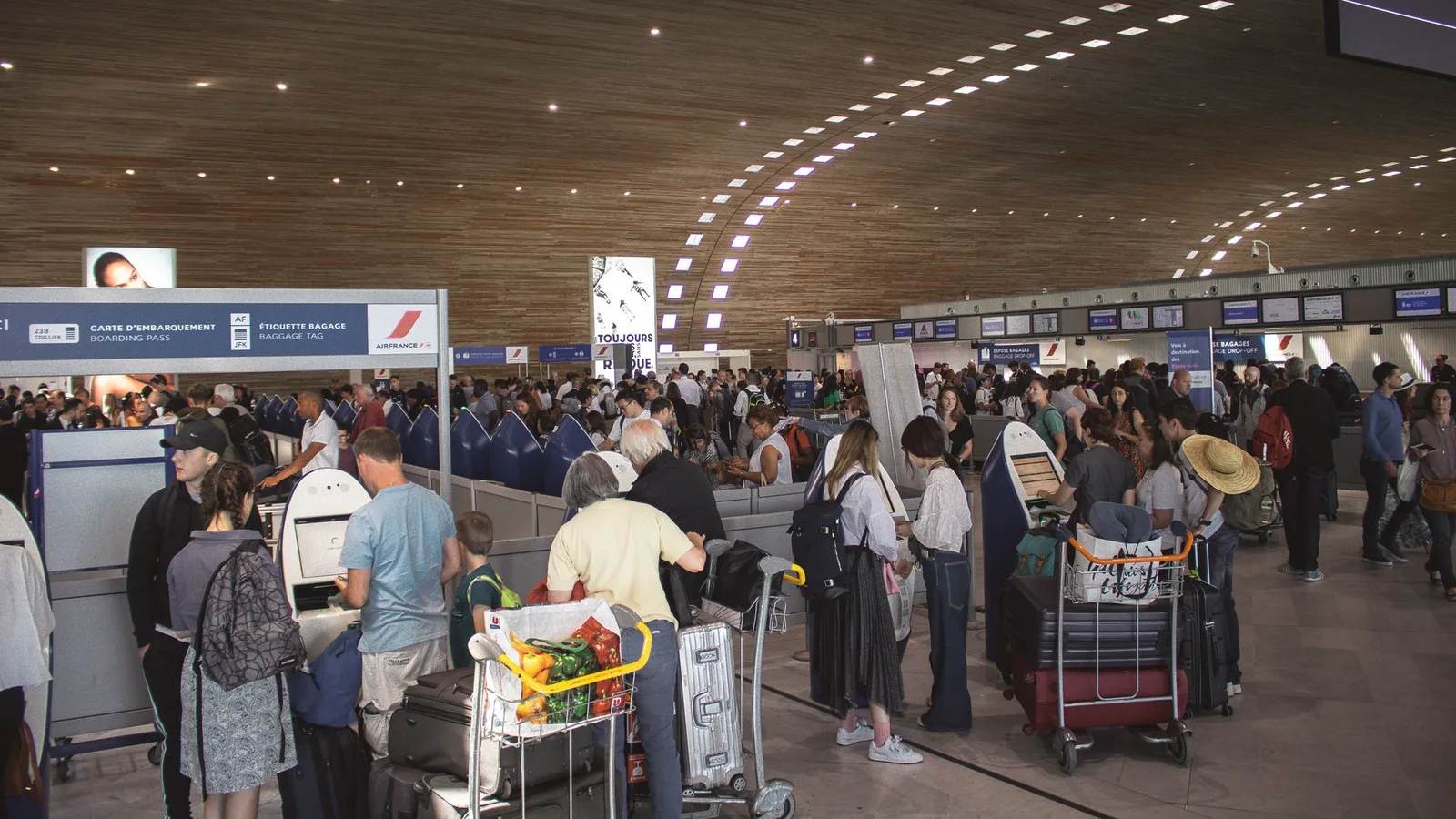
Which days are quietest at US airport security, by TSA's own daily count
TSA screened 642 million people so far in 2026. Tuesdays ran 519,000 lighter than Thursdays, and Saturday came out as the second-quietest day of the week.
Visas & Entry
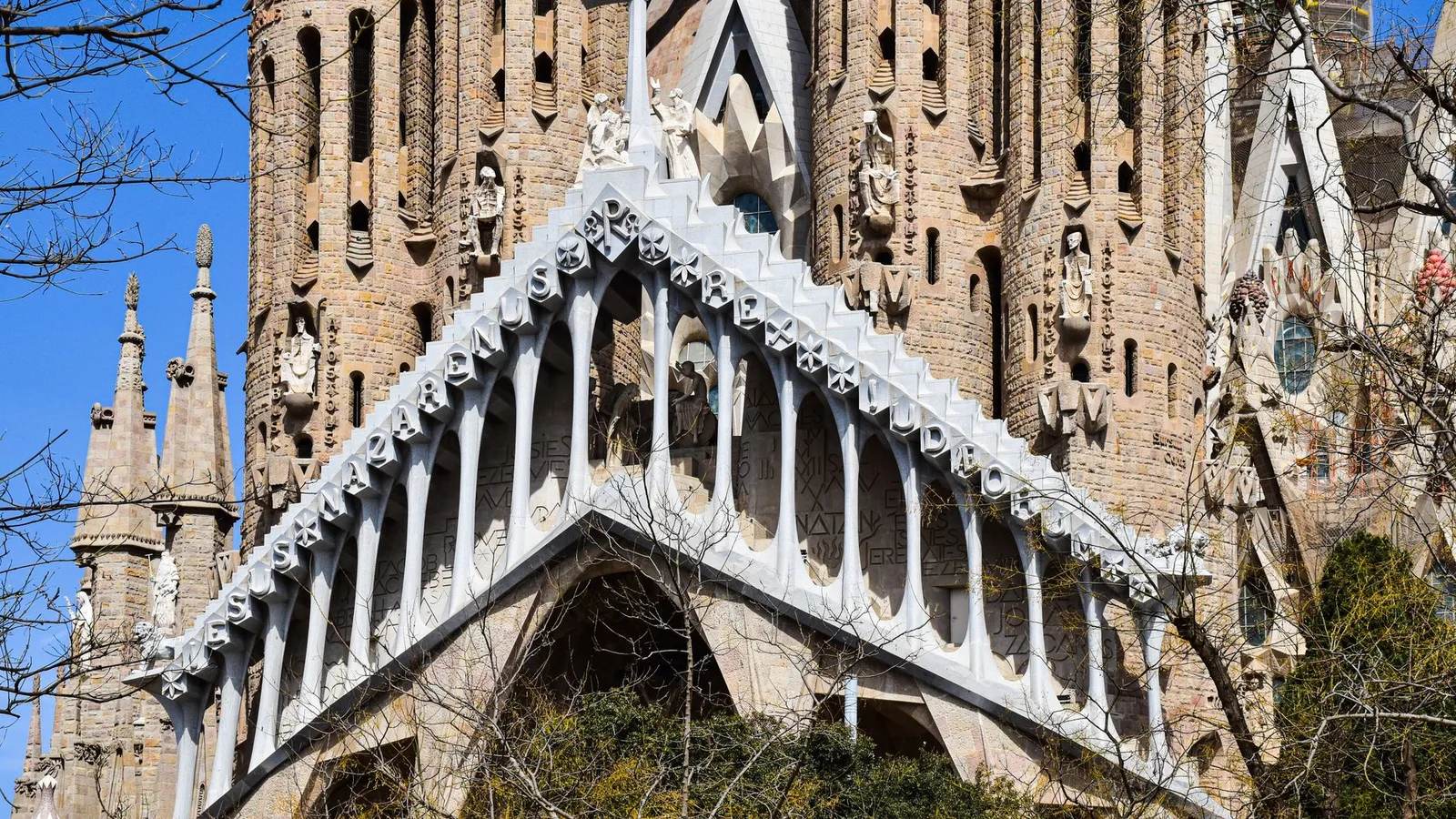
What Americans actually need to enter Spain now, and what changed at the border
No visa under 90 days, but Europe now takes your fingerprints on arrival and ETIAS starts at the end of 2026. Here is the current checklist.
Safety & Advisories
How long jet lag actually lasts when you fly east, and what that means for day one
The body clock shifts about an hour a day going east, and Kathmandu is nearly ten hours ahead of New York. Here is how to plan the first days around it.