
Cheapest Countries to Visit in Asia in 2026 (Where Your Money Goes Furthest)
From Nepal’s Himalaya on a backpacker budget to the street-food value of Vietnam, India and Kyrgyzstan — the great-value Asian destinations for 2026, why each is cheap, and when to go.
At a glance
- Published
- TopicWorld Destinations
- ReportingOriginal, by our guides in Pokhara
- Treks coveredAnnapurna Circuit Trek — 13 Days, Everest Base Camp Trek — 12 Days, Ghorepani Poon Hill Trek — 5 Days
Key facts — cheapest countries to visit in Asia in 2026
- Asia holds more genuine great-value destinations than any other continent: low costs of living, cheap street food and budget guesthouses stretch a Western wallet remarkably far.
- Nepal is one of the cheapest adventure countries on earth — day-to-day living is inexpensive, and the Himalayan trek itself is the only real splurge.
- We name each country’s best travel season from published climate data, so you avoid the monsoon or typhoon months when prices are lowest but the weather works against you.
- We keep the cost claims honest and qualitative rather than inventing exact daily figures — every country here is on the list because it is genuinely, verifiably cheap.
If you are chasing the most travel for the least money in 2026, Asia is where the maths works hardest. A restaurant meal can cost a dollar or two, a local bus ride is loose change, and a clean guesthouse room runs a fraction of what the same night costs in Europe or North America. This is a specifically Asian value guide — for the wider picture, see our companion piece on the cheapest countries to travel in 2026. Here we stay on one continent and lead, unashamedly, with the country we know best.
Nepal: the cheapest adventure in Asia
Here is our honest bias as a Nepal operator, and it happens to be true: nowhere else lets you live so cheaply while doing something so extraordinary. In Kathmandu and Pokhara a guesthouse room is single digits, a plate of dal bhat is a couple of dollars, and a local bus ride costs almost nothing. On the trail your money buys a teahouse bed and hot food for a handful of dollars a day — and the mountains themselves are free. Nepal is the rare country where the adventure, not the day-to-day, is the expense. The best trekking windows are grounded in the climate record: autumn (roughly October to November) brings the clearest skies once the monsoon ends, and spring (March to May) is the second peak; the summer monsoon from June to September washes out trails and views. If value plus a genuine bucket-list experience is the goal, a classic like the Ghorepani Poon Hill trek or the full Everest Base Camp trek delivers more per dollar than almost anything else in this guide.
The rest of Asia, country by country
India may be the single best value in Asia for the sheer scale of what a small budget buys — street food for pennies, cheap rail travel, and guesthouses to match. The cool, dry winter season, roughly October to February, is the comfortable time to travel; the southwest monsoon runs June to September.
Vietnam is the classic first big trip for good reason: a bowl of pho from a street stall is a dollar or two, local transport barely registers, and dorms are among the cheapest in Asia. The country is long and climatically varied, but broadly the drier months fall around November to April in the south, with spring and autumn kindest in the north.
Laos is slower, quieter and just as cheap, with a laid-back Mekong rhythm and low guesthouse rates. Travel in the dry season, November to April; the monsoon runs May to October.
Cambodia pairs Angkor’s temples with low prices, and the US dollar is used in everyday transactions alongside the riel. The dry season runs November to April; the heaviest rains come in September and October.
Indonesia hides its best value outside Bali — a warung meal can cost under two dollars, and Java, Sumatra and Flores are far cheaper than the tourist honeypots. The dry season is roughly May to October, with the wet season November to April.
Sri Lanka packs beaches, tea country and wildlife into a small, affordable island. Its two monsoons mean there is almost always a dry coast: the west and south are driest around December to April, the east coast around May to September.
The Philippines rewards island-hoppers on a budget, and the exchange rate keeps food and transport cheap. The best window is the cool, dry season from November to February; avoid the typhoon-prone wet months of roughly July to October.
Kyrgyzstan is the wildcard — Central Asia’s bargain, with soaring Tian Shan mountains, alpine lakes and some of the cheapest trekking anywhere. Its season is a short summer, roughly June to September, when the high passes are open.
| Country | Why it’s cheap | Best season | Highlight |
|---|---|---|---|
| Nepal | Cheap food & guesthouses; the trek is the only splurge | Oct–Nov & Mar–May | The Himalaya on a backpacker budget |
| India | Penny street food, cheap rail, low room rates | Oct–Feb (winter) | Vast scale for a tiny budget |
| Vietnam | $1–2 street food, near-free transport, cheap dorms | Nov–Apr (south) | The classic first big trip |
| Laos | Low guesthouse rates, quiet Mekong pace | Nov–Apr (dry) | Slow travel, low prices |
| Cambodia | Low prices; USD used alongside the riel | Nov–Apr (dry) | Angkor’s temples |
| Indonesia | Warung meals under $2; value soars outside Bali | May–Oct (dry) | Java, Sumatra & Flores |
| Sri Lanka | Small, affordable island; cheap food & buses | Dec–Apr (SW coast) | Beaches, tea country, wildlife |
| Philippines | Weak peso keeps food & transport cheap | Nov–Feb (cool dry) | Budget island-hopping |
| Kyrgyzstan | Central Asia’s bargain; some of the cheapest trekking | Jun–Sep (summer) | Tian Shan mountains & lakes |
Why Asia is so cheap
The reasons are consistent across the continent. A lower cost of living means local wages, rents and food prices are a fraction of Western levels, and that flows straight through to what you pay as a visitor. Street-food and market culture is the norm rather than a novelty, so eating well costs very little, and guesthouses, homestays and hostels are plentiful and competitively priced. For travellers coming from strong currencies, favourable exchange rates quietly amplify all of the above. None of this requires roughing it — it simply means your money buys more comfort, or more days, than it would almost anywhere else.
How to travel Asia cheaply
Three habits move the needle more than the country you pick. Eat where locals eat — the street stall, the set-meal spot, the teahouse kitchen — and your food cost roughly halves. Take the local bus, train or shared van instead of private taxis and you spend cents, not dollars, while seeing far more. And time your trip to the dry season but just off the peak weeks, when the weather still works but beds and tours are cheaper and the crowds thinner. For the Southeast Asian countries above, our guide to the best time to visit Southeast Asia breaks the monsoon timing down region by region.
The honest trade-offs
Cheap is not the same as easy. In Nepal, India and Kyrgyzstan the value is real but the infrastructure is basic — long bus days, simple rooms, and altitude to respect on any trek. Wet-season savings are tempting, but travelling straight into the monsoon or the Philippine typhoon belt can mean flooded roads, cancelled boats and washed-out views, which is why we flag each country’s dry window above. And the popular honeypots are always pricier than the country at large, so the deepest value is usually one step off the obvious trail. Go with clear eyes and a little season planning, and Asia in 2026 remains the most rewarding place on earth to travel far on a small budget.
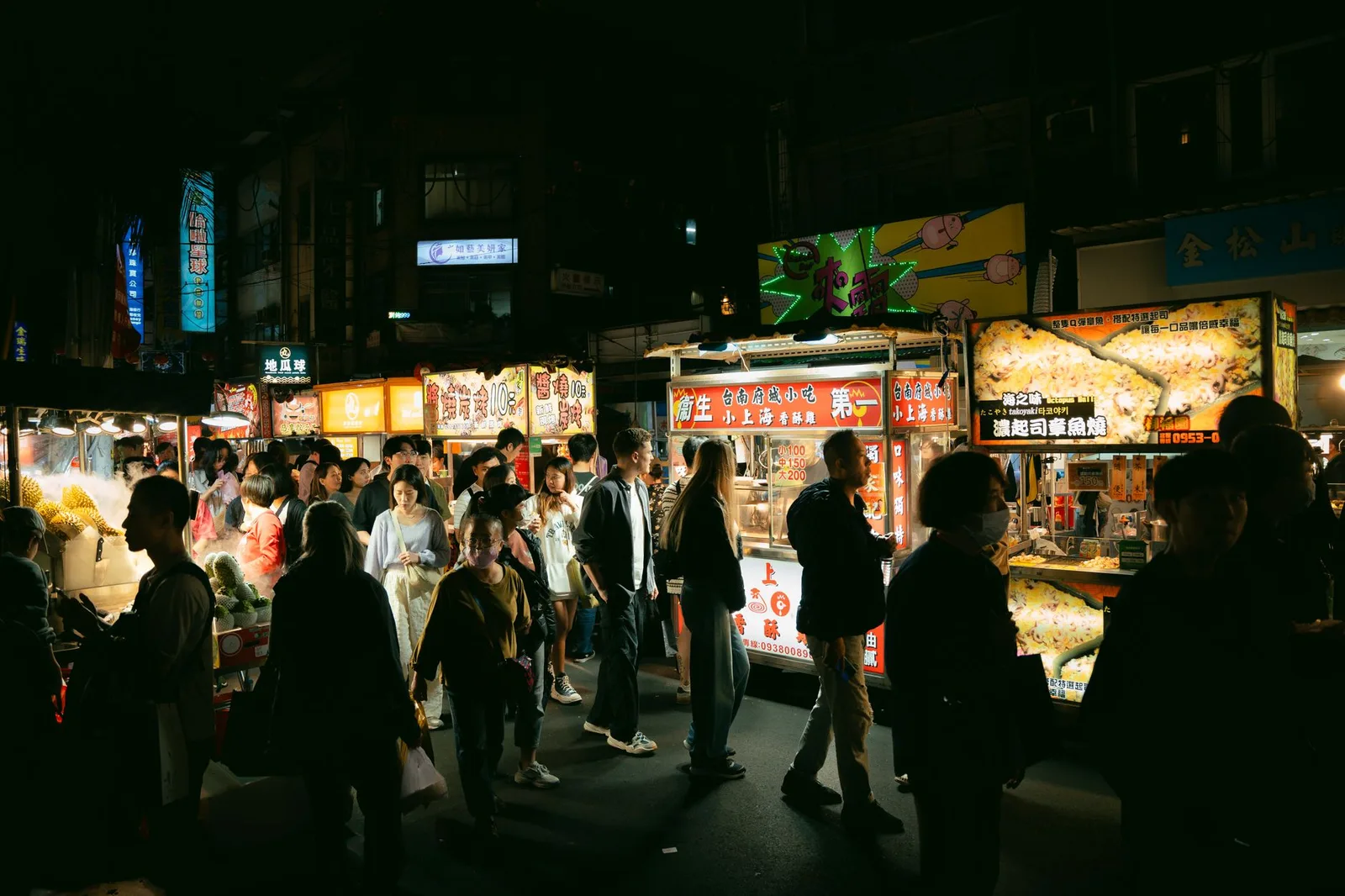
Cover photo: Kenneth Surillo via Pexels (Pexels License).
Still running this season
Annapurna Circuit Trek — 13 Days is running normally
NMA-certified local guides, transparent pricing, 5,000+ treks since 1998. Message us your dates and we'll sort the permits, lodges and logistics — reply within 24 hours, no obligation.


Popular Nepal treks
All treks →


Related coverage
World Destinations
Cheapest Beach Holiday Destinations in 2026 (Where Your Money Goes Furthest)
The best-value coastlines for warm sand on a small budget in 2026 — why each is cheap, when to go, and the honest trade-off, from Southeast Asia and Bali to Sri Lanka, the Red Sea, Albania, Mexico and Zanzibar.
World Destinations
Best Budget European City Breaks in 2026: Great-Value Cities Where a Weekend Costs a Fraction of London or Paris
From Kraków and Budapest to Porto, Sofia and Tirana — the European cities where an old-town weekend costs a fraction of London, Paris or Zurich, why each is cheap, what to see, and the best season to go.
World Destinations
Where to Travel Each Month in 2026: A Month-by-Month Guide to the Best Seasons Worldwide
A season-first calendar of where the weather works best in every month of 2026 — from Southeast Asia’s dry winter and Japan’s cherry blossom to Europe’s summer, Nepal’s autumn trekking peak and the Caribbean’s dry-season sun.
Deals & Routes
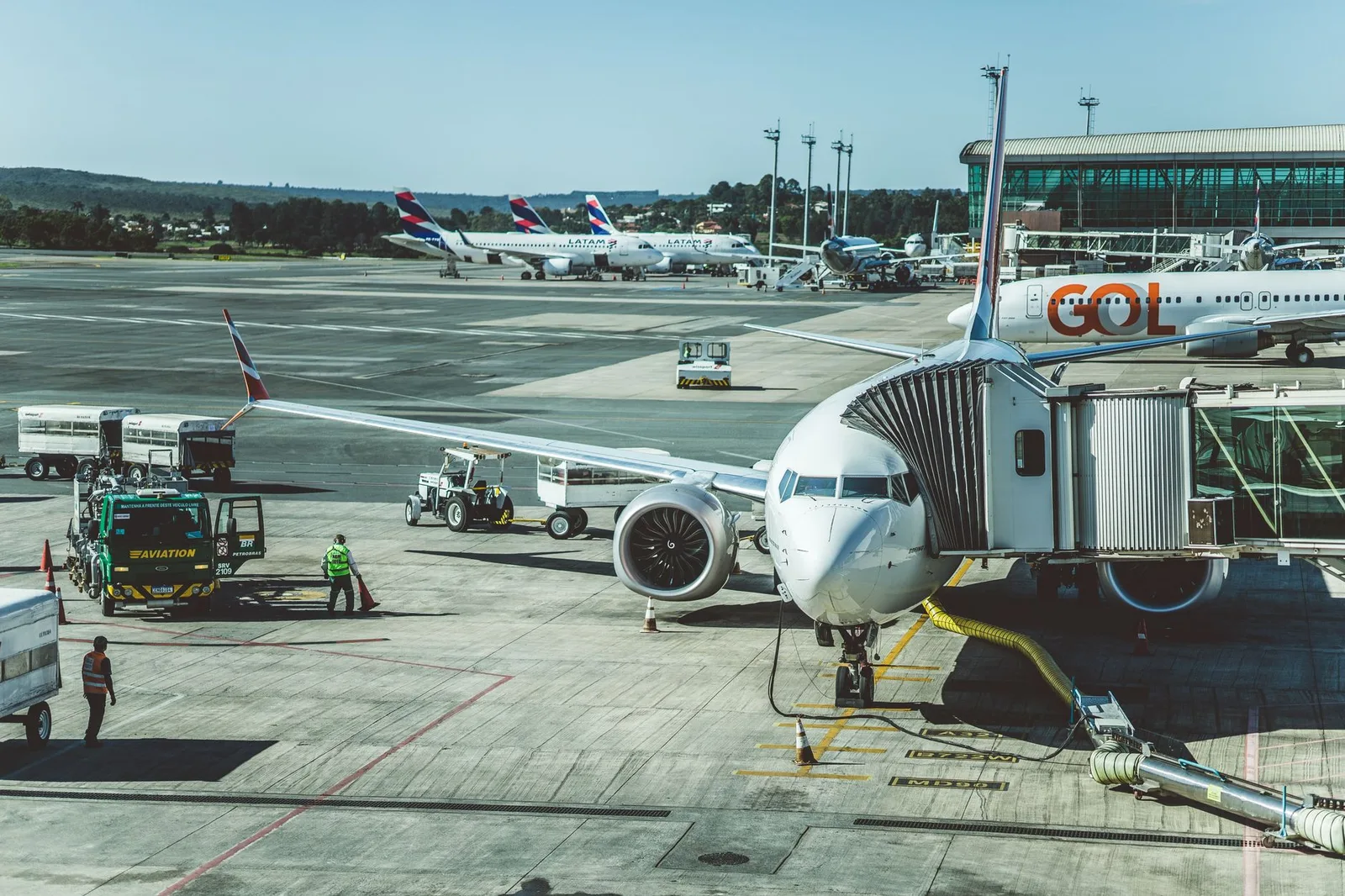
Budget vs Full-Service Airlines in 2026: Which Is Really Cheaper Once You Add It All Up?
The headline low fare rarely tells the truth. Here is how budget and full-service airlines really compare on bags, seats, food, changes and connections in 2026 — and when each one is the smarter buy.
Latest from the desk
World Destinations
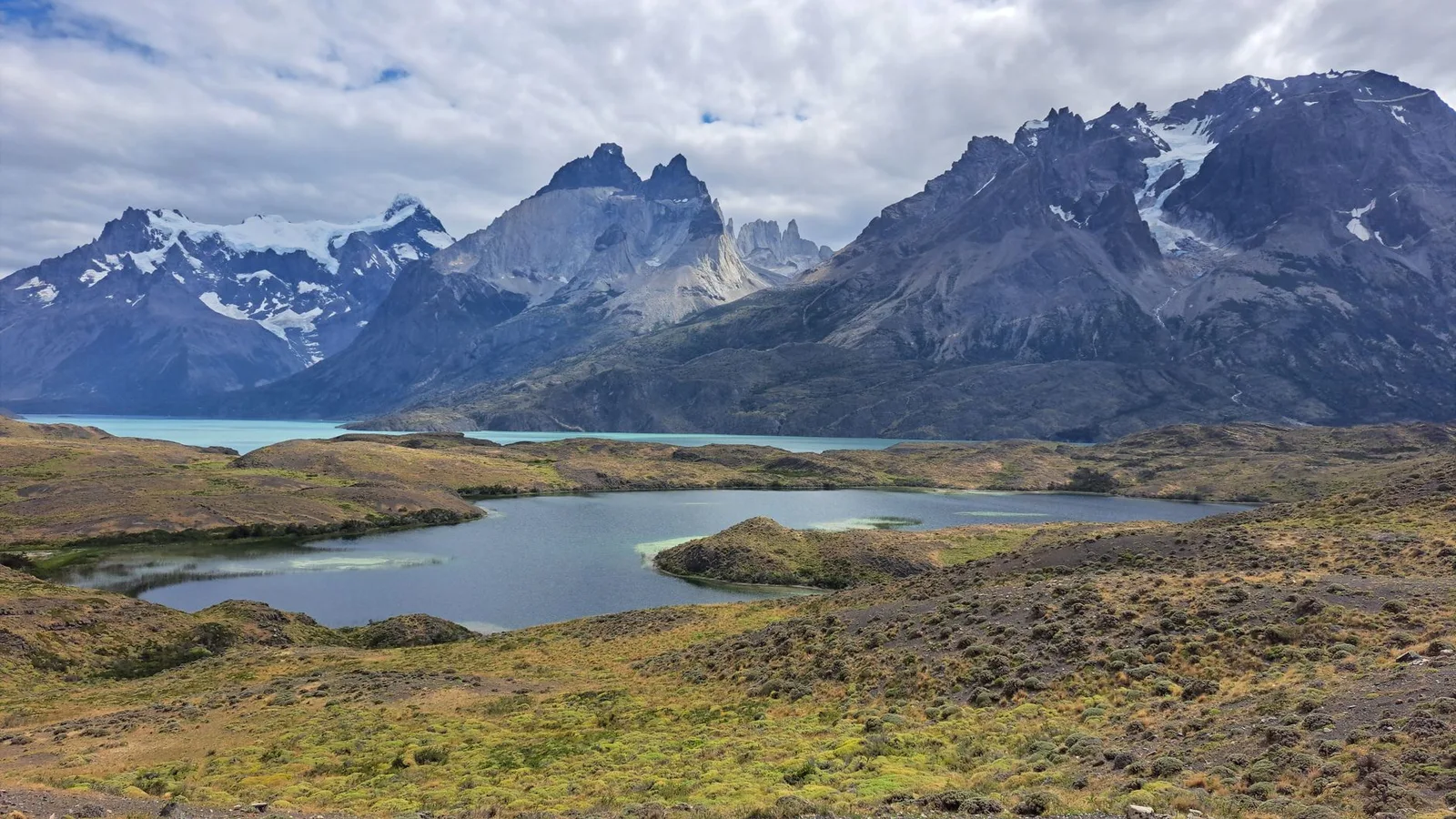
The World’s Best National Parks to Visit in 2026: A Continent-Hopping Bucket List
From Torres del Paine to the Serengeti to Nepal’s own Everest and Chitwan — nine UNESCO-grade parks worth planning a whole trip around, and the season each is best.
Records & People
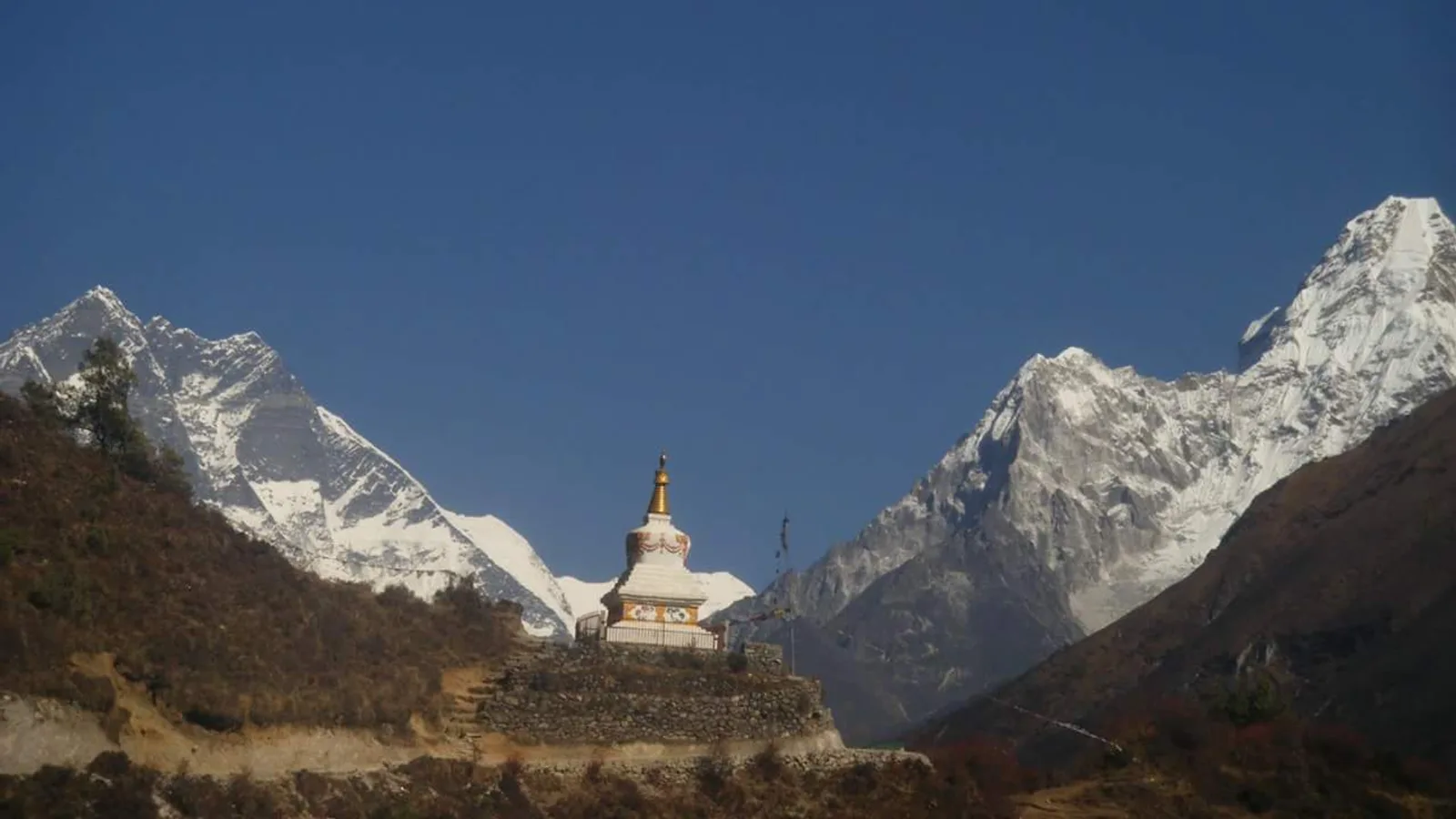
The Yeti Footprint Fooled the World for 70 Years — Then DNA Solved It
A grainy 1951 photograph near Everest launched a global legend, until a 2017 study tested nine 'yeti' samples and found six bears of one kind, three of another, and a dog.
Records & People
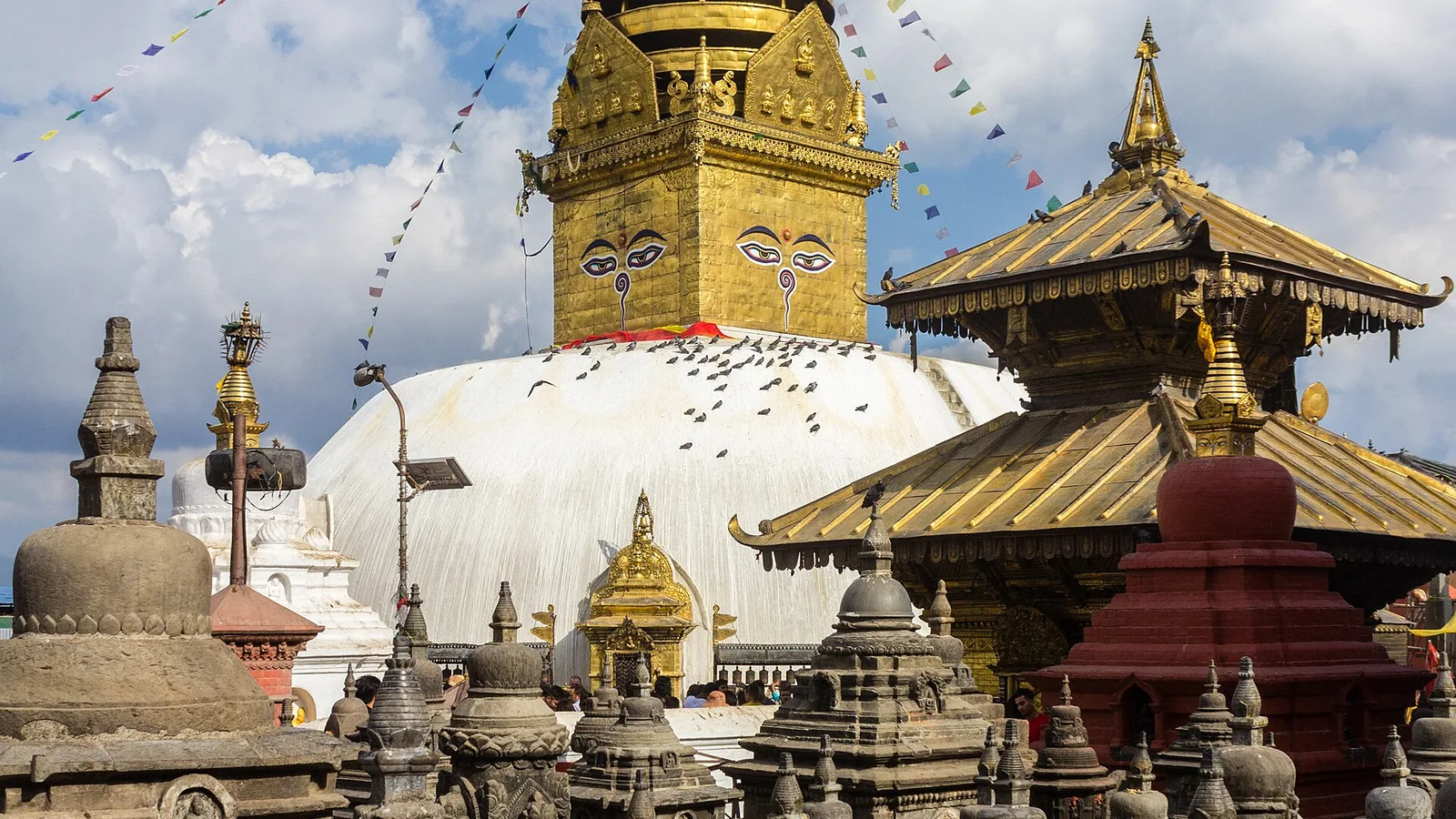
The Kathmandu Valley You're Walking Through Used to Be a 200-Metre-Deep Lake
Geologists say the ground beneath Kathmandu's temples and guesthouses sat underwater for the better part of a million years, and the same soft lakebed sediment is a documented reason the city shakes so hard when an earthquake hits.