
The Yeti Footprint Fooled the World for 70 Years — Then DNA Solved It
A grainy 1951 photograph near Everest launched a global legend, until a 2017 study tested nine 'yeti' samples and found six bears of one kind, three of another, and a dog.
At a glance
- Published
- TopicRecords & People
- Verified againstUniversity at Buffalo
- Treks coveredEverest Base Camp Trek — 15 Days, Everest View Trek — 7 Days
Every guesthouse in the Khumbu has its own version of the story: a shaggy, upright shape seen crossing a moraine at dusk, a footprint too large and too human to belong to anything a guide recognises. The legend has a real starting point in the historical record, and since 2017 it also has a real, tested ending.
Key facts
- The term 'Abominable Snowman' was coined in 1921, after a British newspaperman mistranslated a Sherpa phrase describing tracks found above the Lhapka-La pass
- British mountaineer Eric Shipton photographed a 13-inch footprint on the Menlung Glacier near Everest in 1951, the image that made the Yeti a household name
- In 2017, a University at Buffalo-led team sequenced DNA from nine bone, tooth, skin, hair and scat samples collected across the Himalaya and Tibetan Plateau as purported yeti evidence
- Every sample matched a known animal: mostly Tibetan and Himalayan brown bears, plus one dog
The 1951 photograph is the one almost everyone has seen without knowing where it came from. Shipton took it while scouting Everest's western approaches, laying an ice axe next to the print for scale — grainy, genuinely strange-looking, and published worldwide at the exact moment Everest itself was becoming front-page news. Monasteries in the Khumbu leaned into the mystery that followed: Khumjung monastery still keeps a conical 'yeti scalp' relic that trekkers pay a small fee to view, though hair analysis has identified it as tanned skin from a serow, a goat-like animal that lives on the same slopes.
The scientific case took decades to close because the physical evidence was so thin and so scattered — a hair here, a tooth there, held in private collections and monastery shrines rather than laboratories. That changed in 2017, when Charlotte Lindqvist, a biologist at the University at Buffalo, led a team that gathered nine of the most credible specimens still in existence and ran them through modern mitochondrial DNA sequencing, comparing the results against a reference library of known bear genomes from across Asia.
| Species match | Samples |
|---|---|
| Tibetan brown bear | 6 |
| Himalayan brown bear | 1 |
| Asian black bear | 1 |
| Dog | 1 |
The result, published in the Proceedings of the Royal Society B, was unambiguous: not one of the nine samples pointed to an unidentified species. Lindqvist's team also used the same genetic material to answer a real open question in Himalayan zoology along the way, confirming that the Himalayan brown bear and Tibetan brown bear are genetically distinct populations — a solid finding about real wildlife that the decades-long yeti hunt happened to help fund.
What this means for trekkers
What this means for you
The Yeti isn't why the Khumbu is worth the walk, but the animal behind the legend still is. Himalayan brown bears and Asian black bears are real, present, and occasionally active at exactly the altitudes the Everest Base Camp and Everest View routes pass through — one reason guides ask trekkers to store food away from tents overnight and never approach wildlife on the trail.
The Khumjung scalp is still on display on the standard Everest View trek route, and the Menlung Glacier sits within reach of the wider Everest Base Camp trek itinerary — worth asking your guide about, since most Khumbu families have their own stories about the mountain's most famous non-resident.
Sources: University at Buffalo news release, 'Abominable Snowman? Nope. Study ties DNA samples from purported Yetis to Asian bears' (November 2017); Lindqvist et al., Proceedings of the Royal Society B (2017).
Cover photo: Bijayaparajuli via Wikimedia Commons (CC BY-SA 4.0).
Still running this season
Everest Base Camp Trek — 15 Days is running normally
NMA-certified local guides, transparent pricing, 5,000+ treks since 1998. Message us your dates and we'll sort the permits, lodges and logistics — reply within 24 hours, no obligation.


Popular Nepal treks
All treks →


Related coverage
Records & People
In 1951, an Everest Climber Photographed a Giant Footprint in the Snow. Nobody Has Fully Explained It Since.
Eric Shipton's photo of a 13-inch print near Everest sparked global Yeti mania — DNA science later traced most of the physical 'evidence' back to Himalayan bears.
Records & People
Mount Everest Is Still Growing — and a Hijacked River 47 Miles Away Is Pushing It Up
A 2024 study in Nature Geoscience found the world's tallest mountain gains roughly 2mm a year from an ancient river 'piracy' event on top of the tectonic collision that built it in the first place.
Records & People
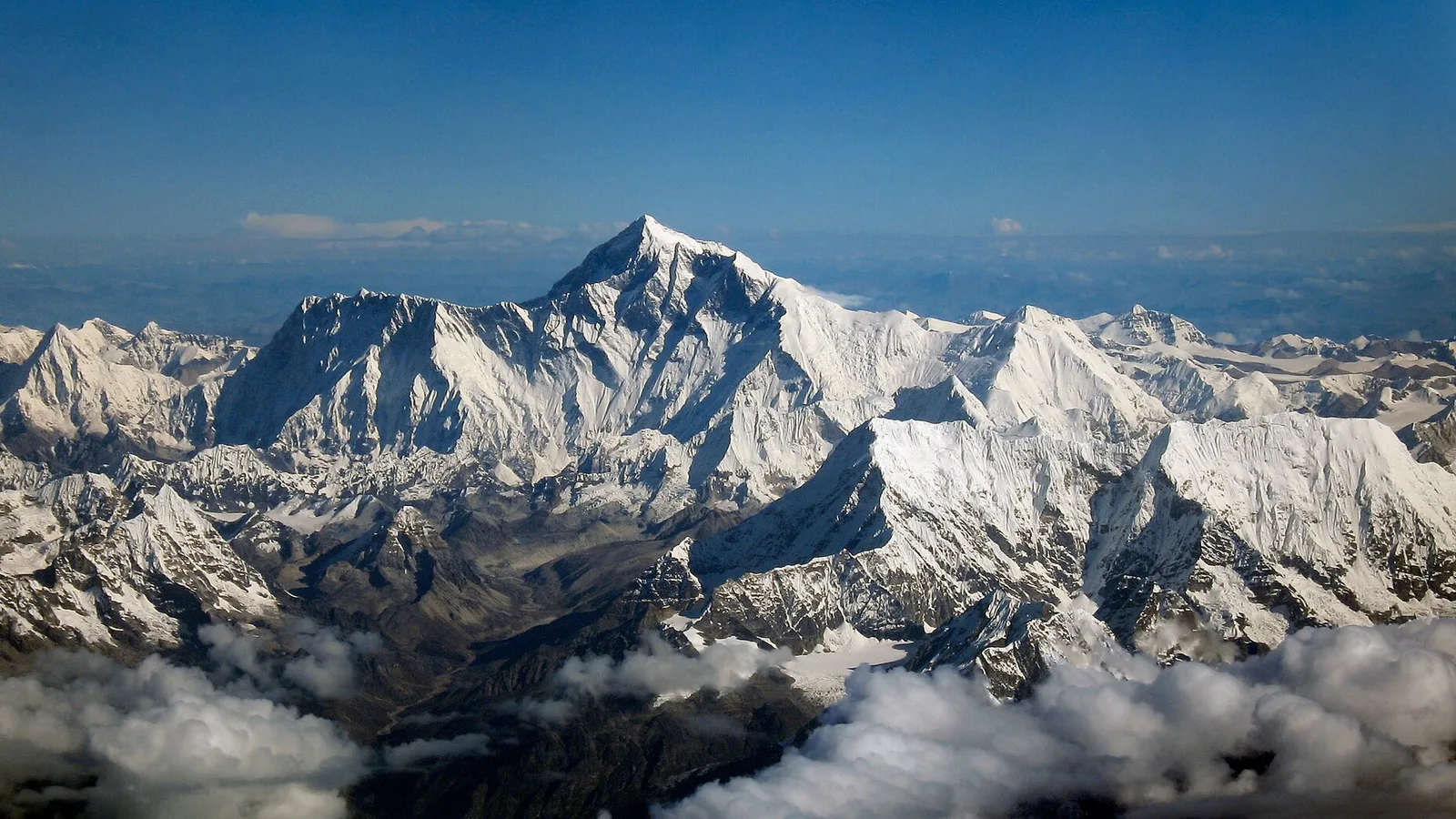
There Are 450-Million-Year-Old Seashells Near the Top of Mount Everest — Because It Used to Be Seafloor
The rock forming Everest's summit pyramid is marine limestone packed with ancient sea-creature fossils, laid down in a tropical ocean long before the Himalaya existed.
Records & People
Mount Everest Was Named After a Man Who Never Saw It and Asked Not to Be
Sir George Everest never set foot near the mountain, never wanted his name on it, and wasn't even the one who proved it was the tallest on Earth.
Latest from the desk
World Destinations
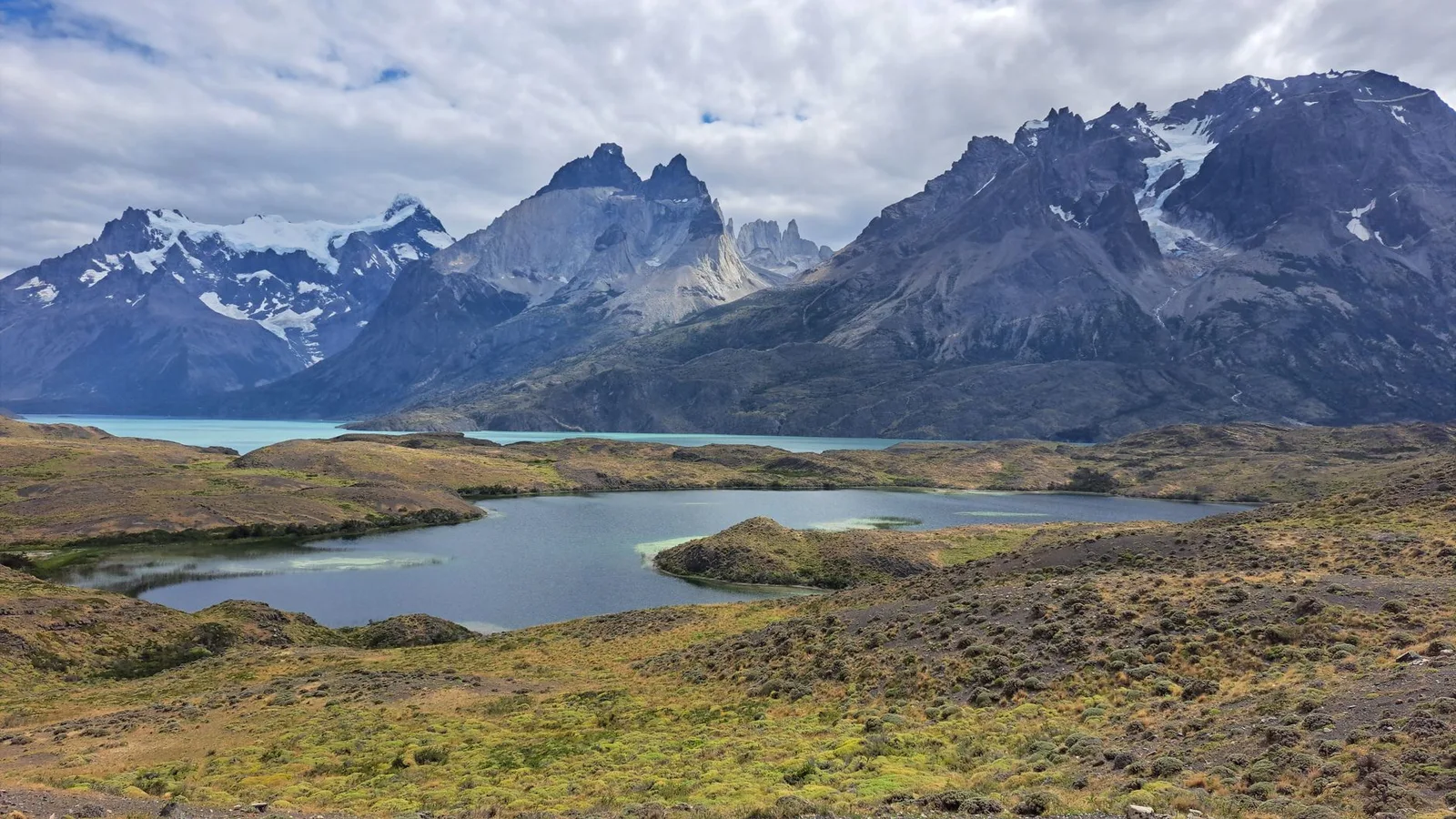
The World’s Best National Parks to Visit in 2026: A Continent-Hopping Bucket List
From Torres del Paine to the Serengeti to Nepal’s own Everest and Chitwan — nine UNESCO-grade parks worth planning a whole trip around, and the season each is best.
Records & People
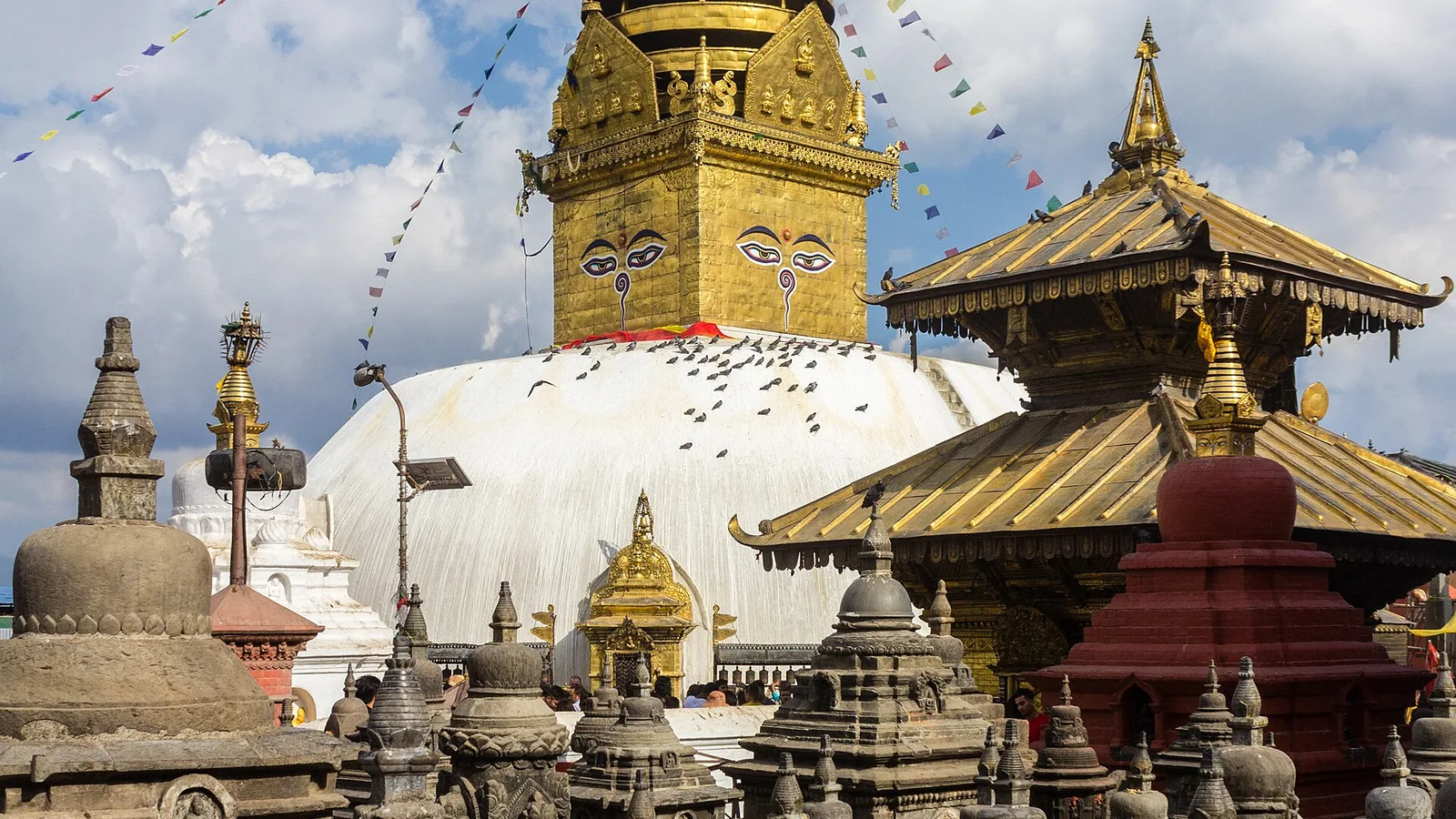
The Kathmandu Valley You're Walking Through Used to Be a 200-Metre-Deep Lake
Geologists say the ground beneath Kathmandu's temples and guesthouses sat underwater for the better part of a million years, and the same soft lakebed sediment is a documented reason the city shakes so hard when an earthquake hits.

Safety & Advisories
Travel Vaccinations by Destination in 2026: The Sensible Overview (Routine Jabs, Regional Extras and Nepal)
A calm, accurate guide to routine and travel vaccines by region — from hepatitis A and typhoid to yellow-fever certificates, and why malaria is pills, not a jab.