
The World’s Best National Parks to Visit in 2026: A Continent-Hopping Bucket List
From Torres del Paine to the Serengeti to Nepal’s own Everest and Chitwan — nine UNESCO-grade parks worth planning a whole trip around, and the season each is best.
At a glance
- Published
- TopicWorld Destinations
- Verified againstUNESCO World Heritage Centre & national park authorities
- Treks coveredChitwan Jungle Safari — 3 Days, Everest Base Camp Trek — 14 Days
Some trips are about a city, a beach, or a single famous sight. A national-park trip is about something bigger — a landscape a country decided was worth protecting forever. In 2026, with travellers looking for wild places over crowded ones, the world’s great parks are the surest bucket-list you can build. This is a continent-hopping shortlist of parks worth planning a whole trip around: what each one protects, why it matters, and the season that shows it at its best.
The short version
- Patagonia and the Rockies — Torres del Paine (Chile) and Banff (Canada) — are the classic mountain-and-lake parks, best in each hemisphere’s summer.
- Africa’s great safaris — the Serengeti (Tanzania) and Kruger (South Africa) — deliver the migration and the Big Five, best viewed in the dry season.
- Water and rock — Yellowstone’s geysers (USA), Fiordland’s fjords (New Zealand) and Plitvice’s lakes (Croatia) are all UNESCO-listed wonders.
- Nepal’s own two — Sagarmatha (Everest) and Chitwan — are both UNESCO World Heritage Sites you can trek and safari with us.
The Americas: peaks, geysers and glaciers
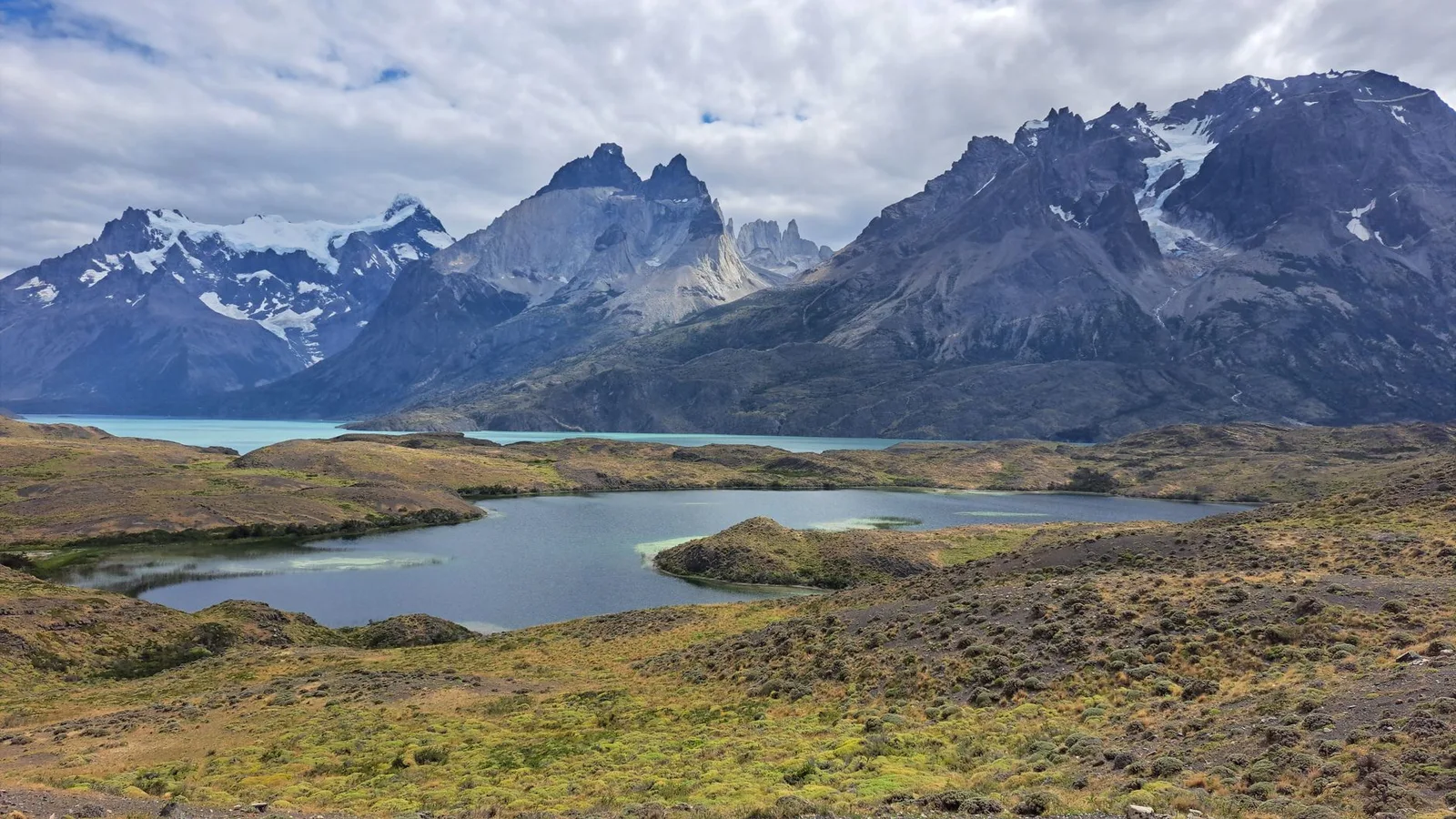
Torres del Paine, in Chilean Patagonia, is built around the granite towers of the Cordillera del Paine, rising some 2,500 metres above a landscape of glaciers, lakes and rivers. It shelters guanacos, pumas and Andean condors, and has been a UNESCO World Biosphere Reserve since 1978. The park is at its best between September and April — the southern spring, summer and early autumn, when daylight is long and the weather more settled.
Far to the north, Banff National Park in Alberta is Canada’s Rocky Mountain icon: the glacier-fed turquoise of Lake Louise and Moraine Lake, the Columbia Icefield, and wildlife from grizzly bears to bighorn sheep. It forms part of the Canadian Rocky Mountain Parks World Heritage Site, inscribed in 1984. Summer is prime for hiking; winter brings deep snow and the ski crowds.
Then there is Yellowstone, straddling Wyoming, Montana and Idaho — widely regarded as the world’s first national park, established in 1872, and a UNESCO World Heritage Site since 1978. It protects more than half of the planet’s geysers (Old Faithful erupts roughly every 90 minutes), a supervolcano caldera, and free-roaming bison, elk and wolves.
Africa: the great migrations
The Serengeti in northern Tanzania is the stage for the largest overland animal migration on Earth — over 1.5 million wildebeest and about 250,000 zebra circling its grasslands with the rains. A UNESCO World Heritage Site since 1981, it is best timed to the herds’ movement: they push north through the Western Corridor in April and May before crossing toward Kenya’s Maasai Mara, then return south as the dry season closes in late October.
South Africa’s Kruger National Park is the continent’s classic self-drive and lodge safari, home to all of the Big Five and more large-mammal species than any other African reserve. Part of the Kruger to Canyons Biosphere Reserve, it is at its best in the dry winter months of roughly May to September, when thinning vegetation and shrinking waterholes concentrate wildlife in the open.
Water, rock and rainforest
New Zealand’s Fiordland National Park guards the deep glacier-carved fiords of the South Island’s southwest — Milford Sound chief among them — along with temperate rainforest and rare birds like the kākāpō and takahē. It is part of Te Wāhipounamu, a World Heritage Site listed in 1990. Summer is the busy season for the famous Milford Track.
Plitvice Lakes in Croatia is something quieter and stranger: sixteen terraced lakes linked by waterfalls and living travertine barriers, wrapped in forest that hides brown bears, wolves and lynx. A UNESCO World Heritage Site since 1979, it rewards a spring or autumn visit when rainfall keeps the falls full, though summer brings the mildest weather.
| Park | Country | Known for | Best season |
|---|---|---|---|
| Torres del Paine | Chile | Granite towers, glaciers, guanacos (Biosphere Reserve, 1978) | September–April |
| Banff | Canada | Rocky Mountain lakes & icefields (WHS, 1984) | Summer (hiking) / winter (snow) |
| Yellowstone | USA | Geysers & supervolcano; world’s first park (WHS, 1978) | Late spring–early autumn |
| Serengeti | Tanzania | The great wildebeest migration (WHS, 1981) | Dry season; migration Apr–Oct cycle |
| Kruger | South Africa | The Big Five (Biosphere Reserve) | Dry winter, May–September |
| Fiordland | New Zealand | Milford Sound & the fjords (WHS, 1990) | Summer, Dec–February |
| Plitvice Lakes | Croatia | Terraced lakes & travertine falls (WHS, 1979) | Spring & autumn for full falls |
| Sagarmatha (Everest) | Nepal | Everest, snow leopards, Sherpa homeland (WHS, 1979) | October–November & spring |
| Chitwan | Nepal | One-horned rhino & Bengal tiger (WHS, 1984) | October–early spring |
Nepal’s two world-class parks — you can trek and safari both
You don’t have to fly to Patagonia or Tanzania for a park on this list. Nepal has two of its own, and they sit at opposite ends of the country’s astonishing range. Sagarmatha National Park, in the Solukhumbu, protects Mount Everest and the high Khumbu — a UNESCO World Heritage Site since 1979, home to snow leopards, Himalayan tahr and the Sherpa homeland, all above the treeline. It is the trekker’s icon, and our deep dive on the world’s highest national park explains why. Down in the steamy Terai lowlands, Chitwan National Park — Nepal’s first national park, established in 1973, and a World Heritage Site since 1984 — shelters more than 700 wildlife species, including the greater one-horned rhinoceros, Bengal tigers and wild Asian elephants.
Trek one and safari the other on a single trip: walk into the Everest region on the Everest Base Camp Trek, then swap altitude for jungle on a Chitwan Jungle Safari. Both parks are at their best from October into the clear, dry post-monsoon months — the same window that makes autumn Nepal’s finest season.
How to plan a national-park trip
- Lead with the season, not the flight. Every park here has a right time and a wrong one — a safari in the wet season or a fjord in a storm is a different trip entirely. Our guide to where to travel each month in 2026 maps the calendar worldwide.
- Book the bottleneck early. Iconic trails, lodges and permits (Milford Track, Serengeti camps, Everest teahouses) sell out first; the flights are usually the flexible part.
- Respect the protection. These places are World Heritage Sites and reserves for a reason — stay on trails, keep your distance from wildlife, and use licensed local guides who know the ground.
- Pair a big one with a quieter twin. If the headline park is crowded, a nearby reserve often delivers the same wilderness with fewer people — see our take on underrated alternatives to over-touristed destinations.
Whatever draws you — towers of granite, a river of wildebeest, or the roof of the world — a national park promises the one thing crowded destinations can’t: room to feel small. And two of the finest are right here in Nepal, ready when you are.
Cover photo: Pedro Massochin Medeiros via Pexels (Pexels License).
Still running this season
Everest Base Camp Trek — 14 Days is running normally
NMA-certified local guides, transparent pricing, 5,000+ treks since 1998. Message us your dates and we'll sort the permits, lodges and logistics — reply within 24 hours, no obligation.


Popular Nepal treks
All treks →


Related coverage
World Destinations
Where to Travel Each Month in 2026: A Month-by-Month Guide to the Best Seasons Worldwide
A season-first calendar of where the weather works best in every month of 2026 — from Southeast Asia’s dry winter and Japan’s cherry blossom to Europe’s summer, Nepal’s autumn trekking peak and the Caribbean’s dry-season sun.
Trail & Weather
Spring or Autumn? The Data-Backed Answer to When You Should Trek Nepal in 2026
Real temperature, rainfall and crowding numbers for the Everest and Annapurna regions — not opinion — settle which season actually suits your trek.

Flights & Access
Everest Base Camp Trek or Helicopter Tour? The Kala Patthar Reopening Changes the Math in 2026
A shared helicopter can land you on Kala Patthar again after a three-year ban, but it still can't buy you what nine days on the trail does.
Industry & Tourism
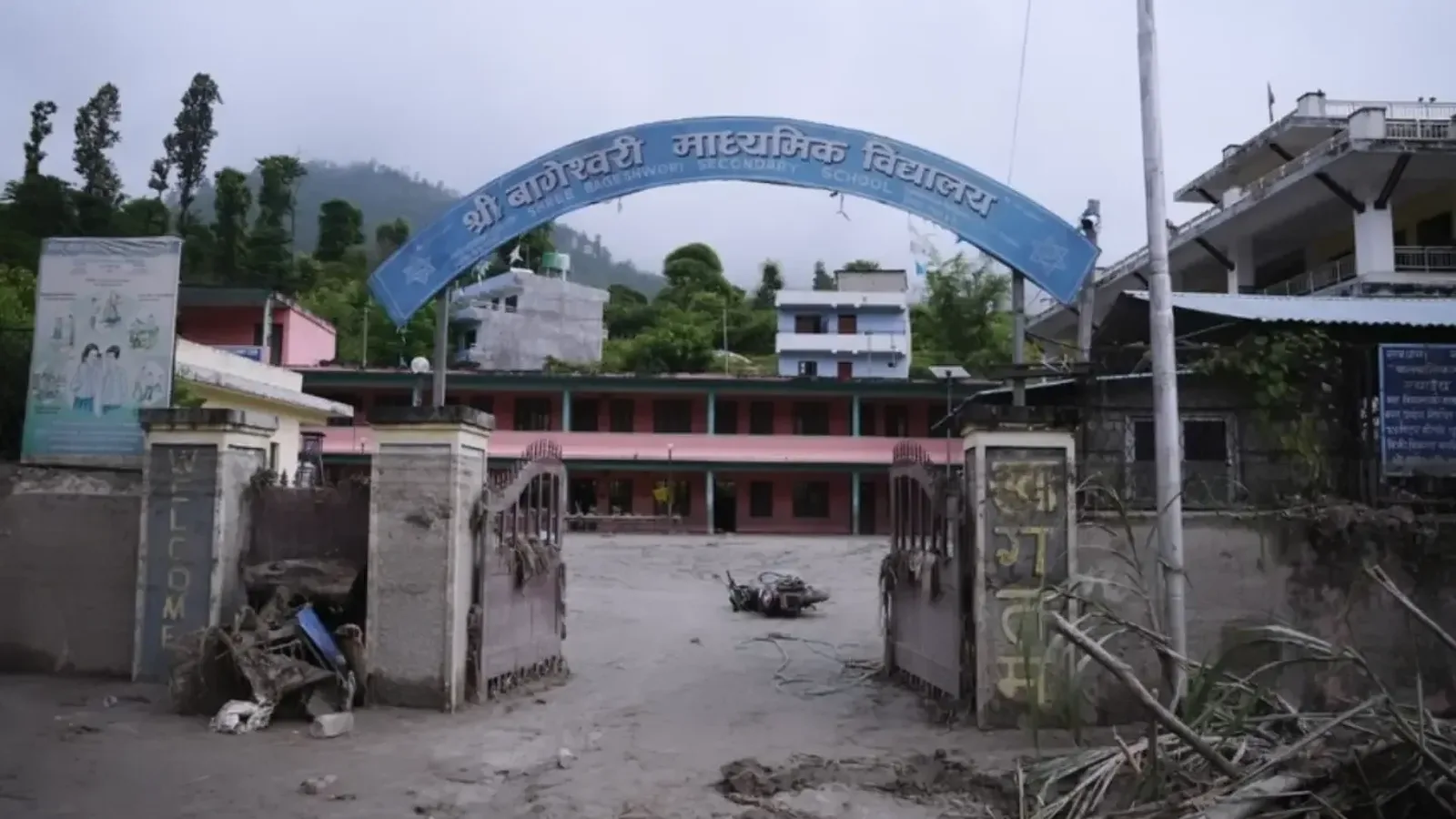
Should you still book Nepal this autumn after the flood, and what happens to the guides if you don't
Four Langtang and Rasuwa treks are paused on our own books, while Everest, Annapurna and Manaslu sit in different river systems and are running normally.
Latest from the desk
Records & People
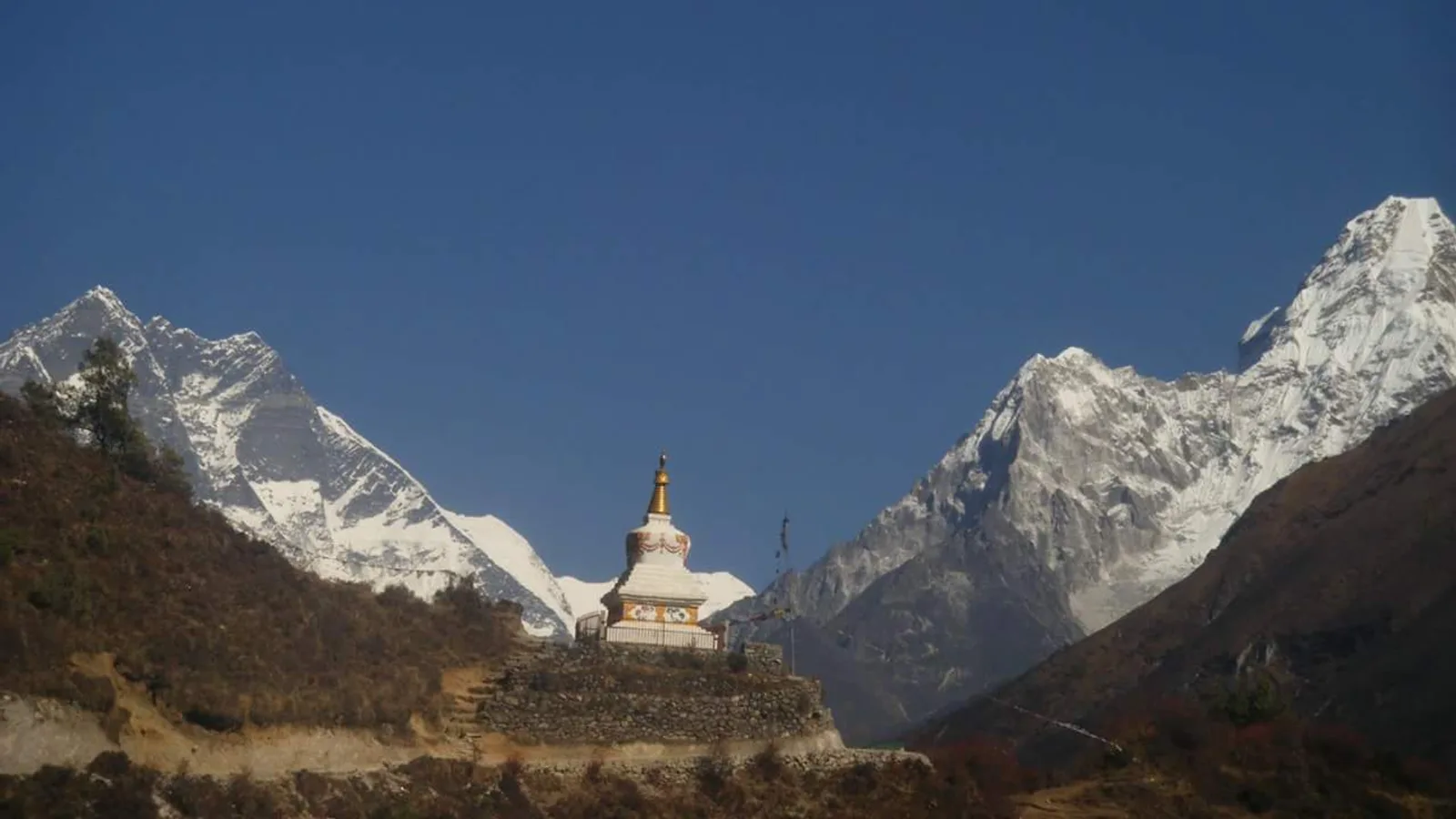
The Yeti Footprint Fooled the World for 70 Years — Then DNA Solved It
A grainy 1951 photograph near Everest launched a global legend, until a 2017 study tested nine 'yeti' samples and found six bears of one kind, three of another, and a dog.
Records & People
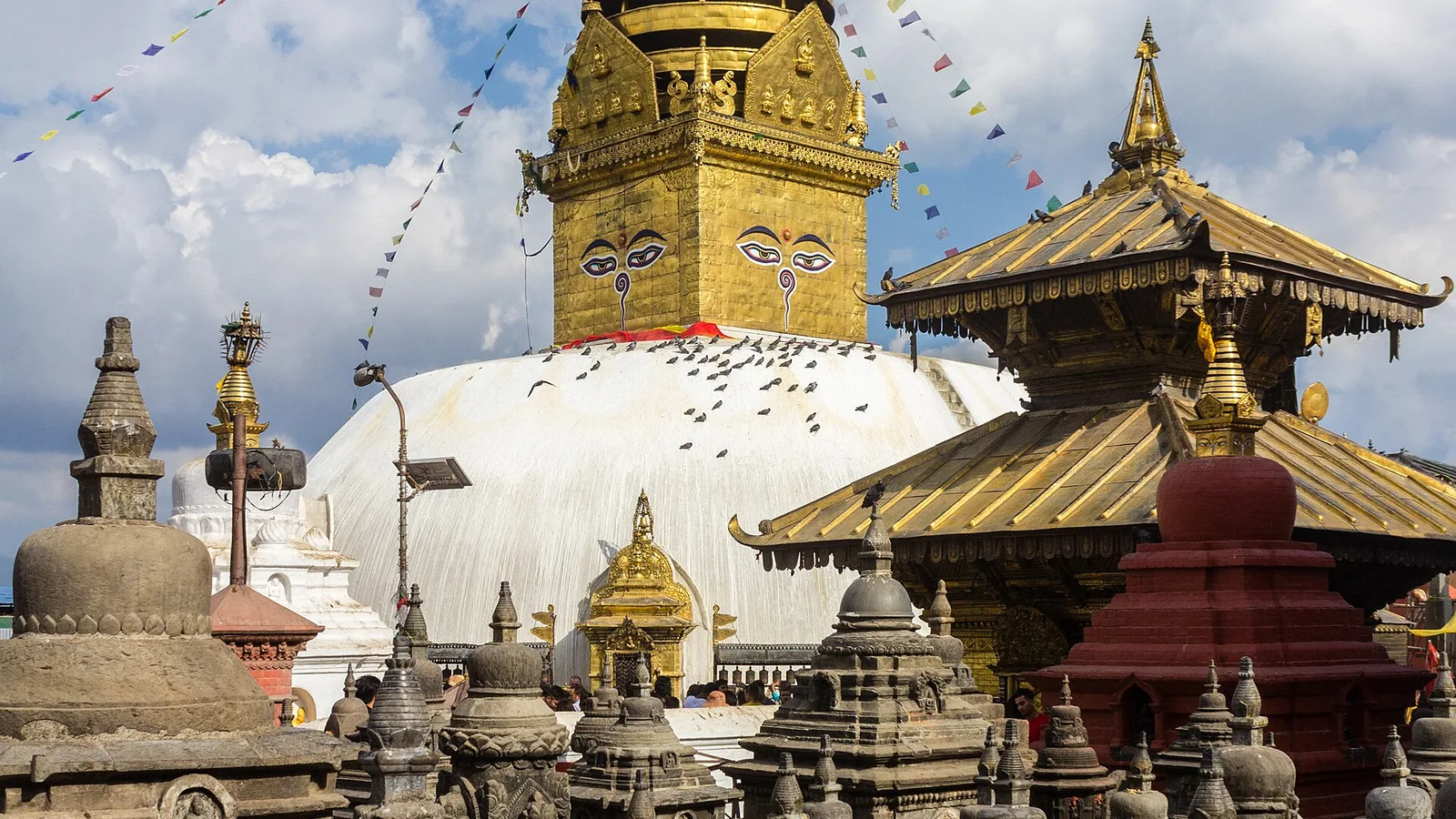
The Kathmandu Valley You're Walking Through Used to Be a 200-Metre-Deep Lake
Geologists say the ground beneath Kathmandu's temples and guesthouses sat underwater for the better part of a million years, and the same soft lakebed sediment is a documented reason the city shakes so hard when an earthquake hits.

Safety & Advisories
Travel Vaccinations by Destination in 2026: The Sensible Overview (Routine Jabs, Regional Extras and Nepal)
A calm, accurate guide to routine and travel vaccines by region — from hepatitis A and typhoid to yellow-fever certificates, and why malaria is pills, not a jab.