
Travel Vaccinations by Destination in 2026: The Sensible Overview (Routine Jabs, Regional Extras and Nepal)
A calm, accurate guide to routine and travel vaccines by region — from hepatitis A and typhoid to yellow-fever certificates, and why malaria is pills, not a jab.

At a glance
- Published
- TopicSafety & Advisories
- Verified againstNHS — Travel vaccinations
- Treks coveredAnnapurna Circuit Trek — 13 Days, Everest Base Camp Trek — 14 Days, Manaslu Circuit Trek — 14 Days
Few pieces of trip admin get put off as often as travel vaccinations, and few reward a little forward planning as well. The good news is that the picture is simpler than the long lists online make it look. Most of what you need is being up to date on the routine vaccines you would have at home anyway, plus a small, predictable set of travel jabs that depend on where you are going and how you are travelling. Here is the sensible overview for 2026 — general, accurate, and pointed firmly at the official sources and the one appointment that ties it all together.
The short version
- Be up to date on your routine vaccines first. MMR (measles, mumps, rubella), tetanus/diphtheria/polio, and the childhood schedule matter more for most trips than any exotic add-on. Measles in particular still circulates worldwide.
- Hepatitis A and typhoid are the common travel pair for much of Asia, Africa and Latin America, where they spread through contaminated food and water.
- Yellow fever is the one that can be a legal entry requirement — some countries ask for an official certificate before they let you in, or if you are arriving from a country where the disease is present.
- Malaria is not a routine travel vaccine — it is prevented mainly with tablets (antimalarial medication), insect-bite avoidance and nets, prescribed according to your exact route.
- See a travel health professional well ahead — ideally six to eight weeks before you fly, because some courses take time to work.
Start with the routine vaccines
Before anything destination-specific, health services worldwide say the same thing: make sure your standard vaccinations are current. That means MMR, the tetanus/diphtheria/polio combination, and any childhood boosters you may have missed. These are not glamorous, but they cover diseases that still turn up on ordinary itineraries. A travel clinic will check your history and top up whatever has lapsed as the foundation of your trip protection.
The common travel vaccines, by region
Beyond the routine set, a handful of vaccines are recommended often enough that it is worth knowing them by name. Whether you actually need each one depends on your destination, the season, how long you are staying and what you will be doing — which is exactly the judgement a clinician makes with you.
| Vaccine | When it is typically recommended | Note |
|---|---|---|
| Hepatitis A | Much of Asia, Africa, Latin America and parts of the Middle East | Spread through contaminated food and water; one of the most commonly advised travel jabs |
| Typhoid | South Asia and other regions with poorer food and water hygiene | Often given alongside hepatitis A |
| Hepatitis B | Longer trips, healthcare or aid work, or where medical exposure is more likely | Spread through blood and bodily fluids; also part of many routine childhood schedules now |
| Yellow fever | Parts of sub-Saharan Africa and tropical South America | May be a legal entry requirement; you receive an official certificate as proof |
| Japanese encephalitis | Rural or longer stays in parts of Asia during transmission seasons | Mosquito-borne; risk is higher with rural time and monsoon-season travel |
| Rabies | Remote areas, long trips, or where medical care is far away | Pre-travel doses buy time and simplify treatment after any animal bite — which still needs urgent medical care |
| Cholera | Higher-risk settings such as relief work or outbreak areas | Not needed for most standard tourist trips |
Yellow fever: the one with paperwork
Yellow fever stands apart because it can be more than a health recommendation — it can be a condition of entry. Some countries require an International Certificate of Vaccination or Prophylaxis before admitting travellers, particularly if you are arriving from, or have passed through, a country where the disease occurs. If your route touches endemic regions of Africa or South America, check the requirement early: certificates are issued by designated vaccination centres, and the timing rules matter.
Malaria is pills, not a jab
This is the point that trips people up most. For travellers, malaria is not prevented by a routine vaccine. It is managed with antimalarial tablets prescribed for your specific destination and dates, combined with avoiding mosquito bites — repellent, covered skin in the evenings, and a net where needed. There are now genuine malaria vaccines — RTS,S/AS01 (Mosquirix) and R21/Matrix-M — endorsed by the World Health Organization, but these are being rolled out for children living in malaria-endemic areas, not as a traveller's jab. So if you are heading somewhere with malaria, the conversation with your clinic is about tablets and bite avoidance, not a vaccine.
What this means for Nepal
For a Nepal trek the picture is reassuringly manageable. Hepatitis A and typhoid are commonly advised because both travel through food and water, and you will be eating along the trail for days at a stretch — the same hygiene habits that prevent them also head off ordinary stomach trouble (see our guide to travellers' diarrhoea and food and water safety). Rabies is worth discussing for longer or more remote itineraries where a bite could be a long way from treatment. Malaria is low risk in the high mountains — it is essentially not a concern at trekking altitude — but it is present in the lowland southern Terai and around Chitwan, so it matters if your trip adds a jungle safari or lowland travel. As ever, your exact combination depends on your route and timing, which is why a travel clinic is the right place to settle it. For the wider Nepal-specific rundown, see what vaccines you actually need before a Nepal trek.
Book a travel clinic six to eight weeks ahead
Some vaccines are a single dose; others are a short course that needs time to build protection, and a few need to be arranged through designated centres. Booking a travel health appointment about six to eight weeks before departure leaves room to complete any course without a last-minute scramble. Even if you have left it later than that, still go — a clinician can often prioritise what matters most for your trip.
Where to get the official word
Requirements change, and they depend on your nationality, your exact route and your own medical history — so use authoritative, country-specific sources rather than a generic checklist. In the UK, the NHS travel vaccinations pages and the TravelHealthPro / Fit for Travel services set out what is advised by destination; travellers elsewhere have their own national equivalents. Whatever your home country, a travel clinic or GP can turn those recommendations into a plan for you.
This article is general information, not medical advice — see a travel clinic or GP six to eight weeks before you go for guidance tailored to your health, your route and your dates. It intentionally gives no doses or schedules.
Planning a Himalayan trip and want the logistics handled so you can focus on getting your health admin sorted? Browse our guided treks and tours — our team is happy to point you toward the right official health resources for your route as you plan.
Cover photo: cottonbro studio (Pexels License).
Still running this season
Annapurna Circuit Trek — 13 Days is running normally
NMA-certified local guides, transparent pricing, 5,000+ treks since 1998. Message us your dates and we'll sort the permits, lodges and logistics — reply within 24 hours, no obligation.


Popular Nepal treks
All treks →


Related coverage
World Destinations
Where to Travel Each Month in 2026: A Month-by-Month Guide to the Best Seasons Worldwide
A season-first calendar of where the weather works best in every month of 2026 — from Southeast Asia’s dry winter and Japan’s cherry blossom to Europe’s summer, Nepal’s autumn trekking peak and the Caribbean’s dry-season sun.

Safety & Advisories
Travel First-Aid Kit 2026: What to Pack, and What to Leave Out
The sensible essentials — plasters and blister care, rehydration salts, painkillers, your own prescriptions — plus the one rule for carrying medicines legally across borders.
Gear & Tech
Luggage Buying Guide 2026: Hard vs Soft, Carry-On vs Checked, and Backpack vs Spinner
A practical buyer’s guide to choosing travel luggage in 2026 — hard shell vs soft, carry-on vs checked, two-wheel vs spinner, and when a backpack or duffel wins. How to match the bag to the trip, weight allowances, and durability vs price.
Safety & Advisories
Your Nepal Trekking Guide Just Spent the Week Learning to Keep You Alive Above 4,000m
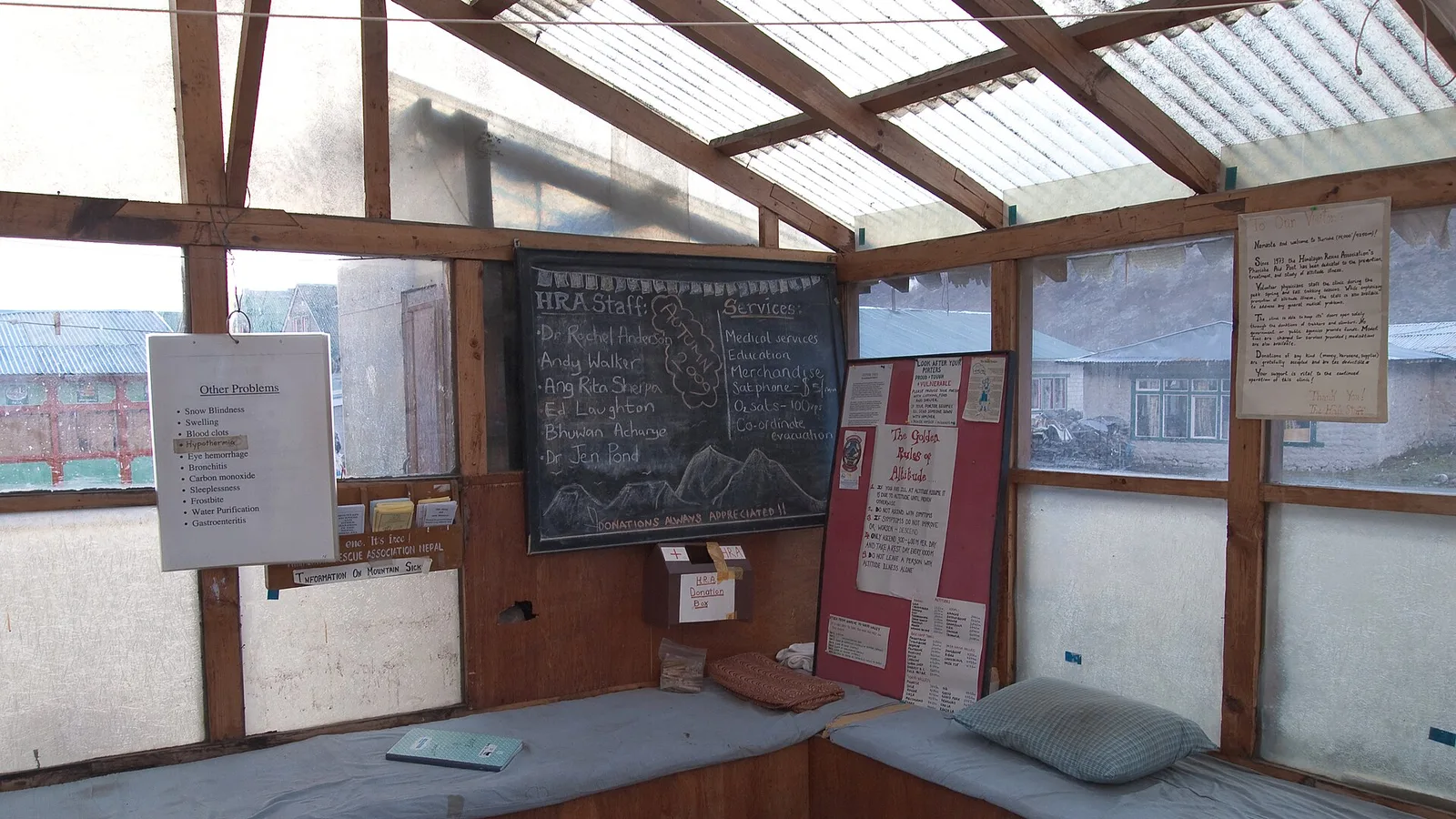
Days before Nepal's autumn trekking season opens, two of the country's oldest mountain-safety institutions ran back-to-back wilderness first-aid courses for working guides, drilling CPR, patient evacuation and the earliest signs of altitude sickness.
Latest from the desk
Records & People
Nepal Has Two Rivers Called Bhote Koshi, and Only One of Them Flooded
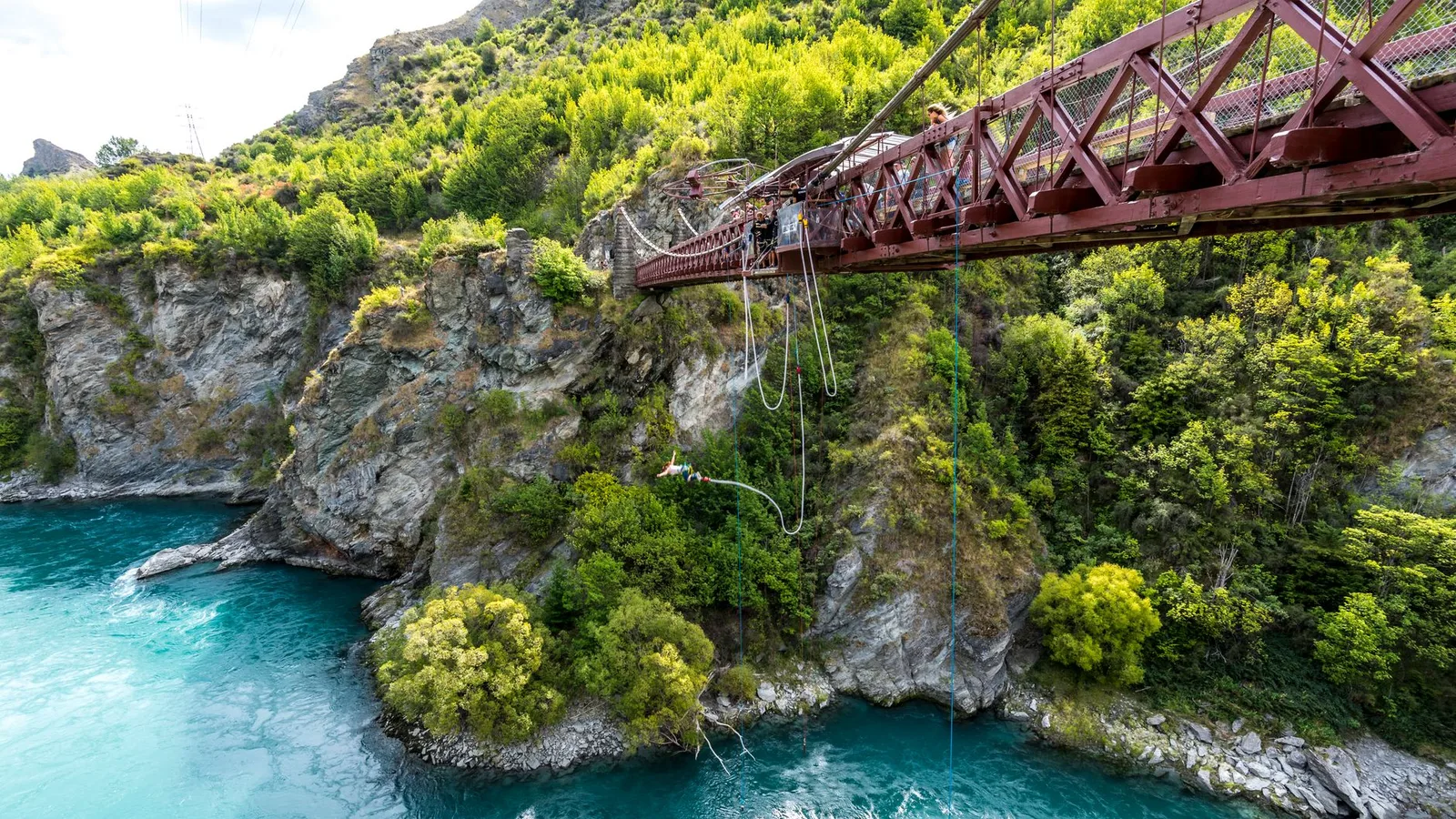
The river that destroyed the Rasuwagadhi border crossing in August 2026 and the river carrying Nepal's oldest bungee jump share a name but nothing else.
Festivals & Events
Nepal Gives Every Dog a Flower Garland and a Tika, Even the Ones on the Street
On the second day of Tihar, Nepal doesn't just tolerate its street dogs — it puts a mark of worship on their foreheads, from the stray on the corner to the police dog on duty.
Visas & Entry
ETA vs eVisa vs Visa vs Visa-Free in 2026: What the Difference Actually Is
An ETA is a pre-screen, not a visa. An eVisa is a real visa applied for online. A visa on arrival is granted at the border. And none of them guarantees entry — the officer does. Here is the plain-English taxonomy, and where Nepal fits.