
What Vaccines Do You Actually Need Before a Nepal Trek in 2026? The CDC's Official Guidance
We read the CDC's current Nepal travel-health page line by line — what's legally required, what's strongly recommended, and what you can safely skip.
At a glance
- Published · updated
- TopicSafety & Advisories
- Verified againstUS Centers for Disease Control and Prevention
- Treks coveredAnnapurna Base Camp Trek — 9 Days, Everest Base Camp Trek — 14 Days, Langtang Valley Trek — 7 Days
Direct answer: Nepal does not legally require any vaccine for most travellers, with one narrow exception almost nobody hits. What the CDC actually recommends is a short, specific list — worth sorting out before you fly, not in a Kathmandu pharmacy the night before your trek starts.

Key facts
- No vaccine is legally required to enter Nepal from the US, UK, EU, Australia or Canada — except yellow fever, and only for travellers arriving from, or transiting 12+ hours through, a country with yellow fever risk
- The CDC lists typhoid and hepatitis A as recommended for almost every traveller to Nepal
- Nepal is rated a high-risk country for typhoid, among the highest of any CDC-tracked destination
- Japanese encephalitis is recommended mainly for stays of a month or more or heavy rural exposure — not the standard 10–15 day trek
The CDC's Nepal page splits guidance into routine vaccines everyone should already have current (MMR, Tdap, polio, flu, COVID-19) and travel-specific ones tied to actual conditions on the ground. Typhoid tops that second list because Nepal carries one of the highest typhoid risks the CDC tracks anywhere — it spreads through contaminated food and water, exactly the exposure of weeks of teahouse meals. Hepatitis A, spread the same way, is recommended for essentially every unvaccinated traveller over one year old. Hepatitis B is recommended for unvaccinated travellers under 60. Rabies pre-exposure vaccination is suggested given how common the disease is in Nepal's street and village dogs. Japanese encephalitis and cholera are situational, weighted toward long stays or specific rural/outbreak conditions rather than a standard guided trek.
| Vaccine | CDC status | Who it's for |
|---|---|---|
| Typhoid | Recommended | Nearly all travellers |
| Hepatitis A | Recommended | Unvaccinated, age 1+ |
| Hepatitis B | Recommended | Unvaccinated, under 60 |
| Rabies (pre-exposure) | Consider | Likely animal exposure |
| Japanese encephalitis | Consider | Stay 1+ month or heavy rural exposure |
| Yellow fever | Required* | *Only if arriving from a risk country |
| Routine (MMR, Tdap, flu, polio) | Keep current | Everyone |
What this means for your trek
Prioritise typhoid and hepatitis A — both spread through the exact food-and-water exposure of a multi-week teahouse trek, and neither gives full protection immediately, so book them at least two weeks before departure, ideally at a travel clinic four to six weeks out so multi-dose courses have time to work. The yellow fever rule catches more people than expected: if your flight to Kathmandu transits through a risk country in Africa or South America for more than 12 hours, bring your certificate or you can be refused entry. Altitude, not infectious disease, remains the health risk most likely to actually affect your trek — we've covered the simple rules that keep you safe on that separately.
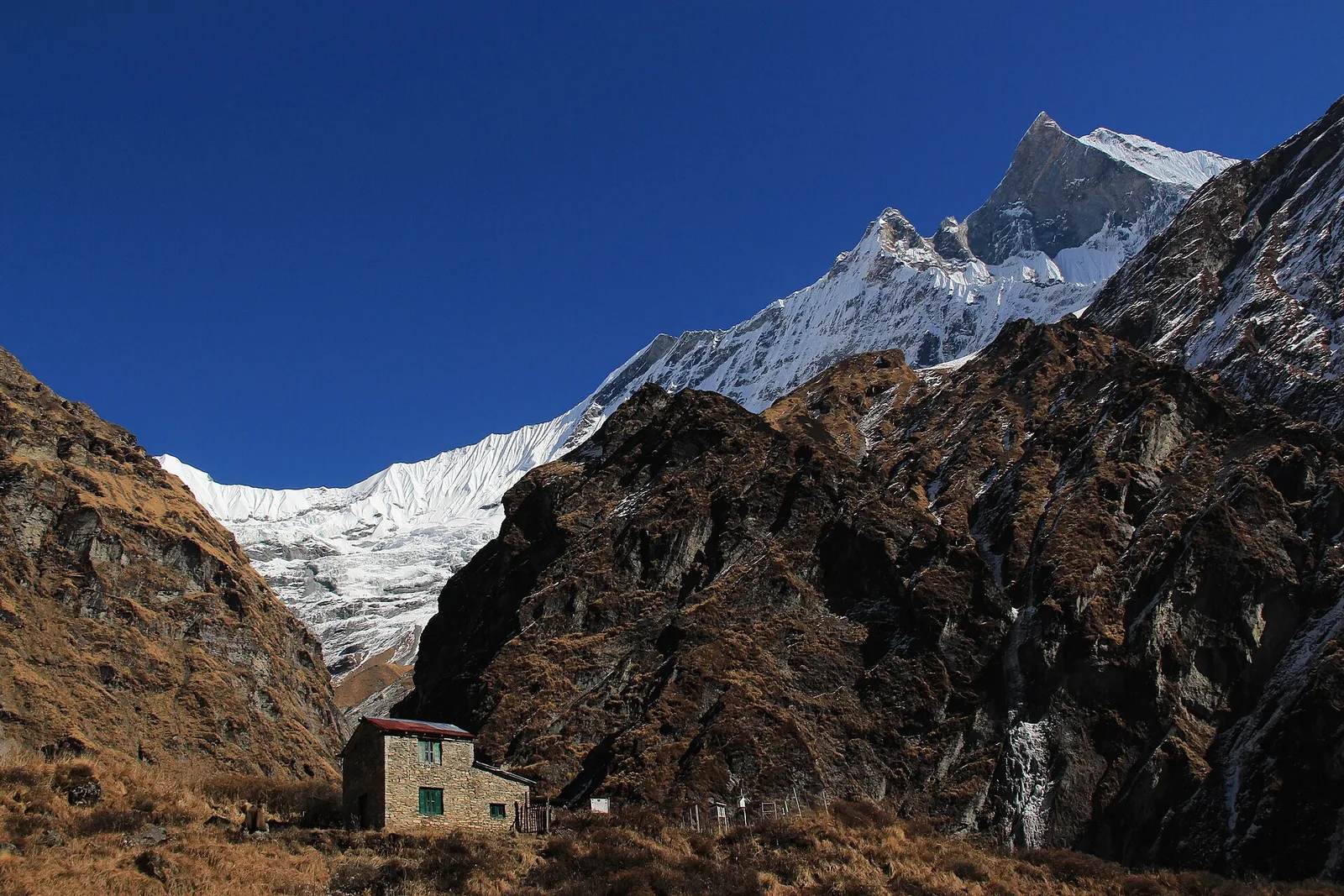
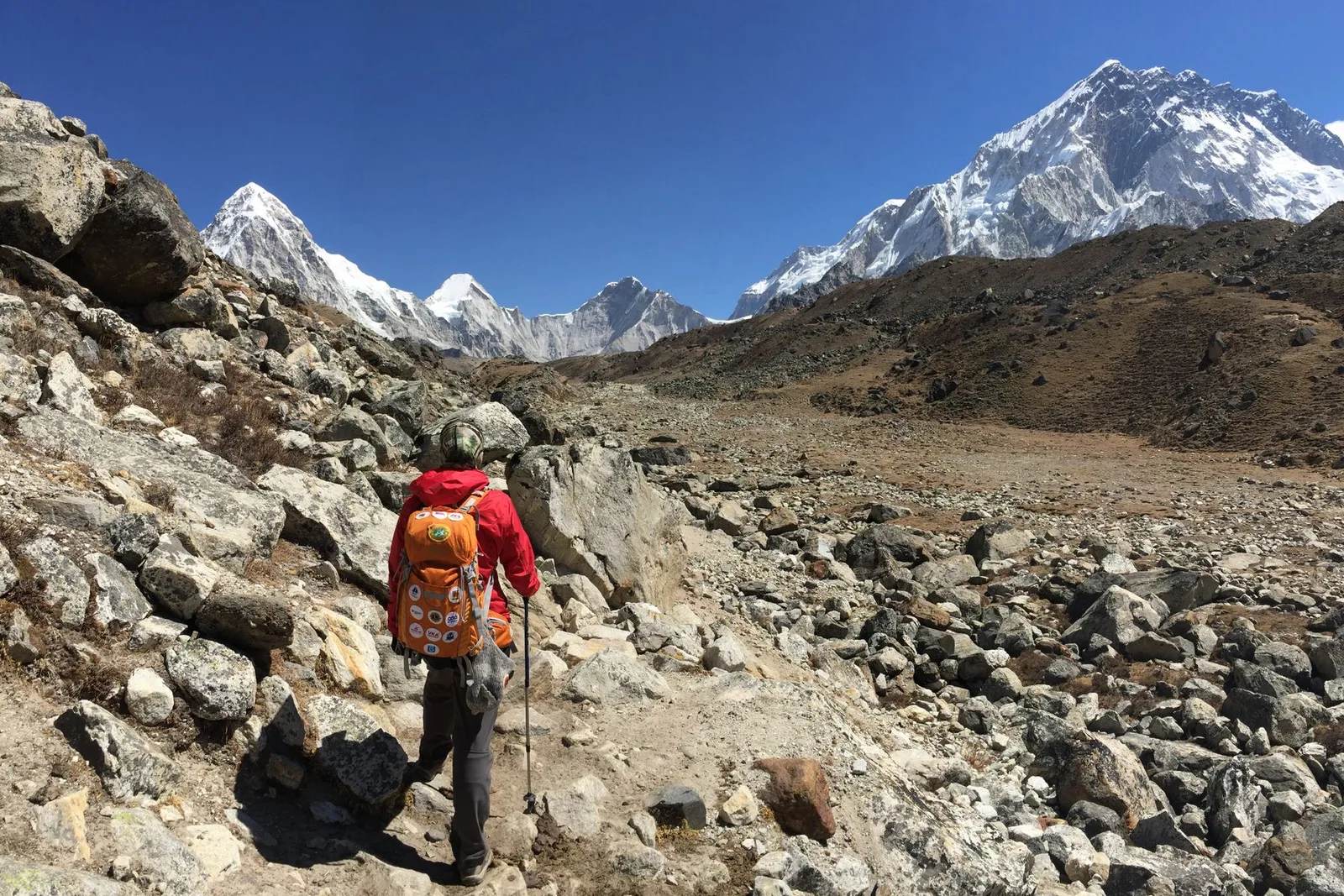
None of this substitutes a proper consultation — a travel clinic or your own doctor will check your specific itinerary, prior vaccination history and any medical conditions against the current guidance, which does shift. Once your vaccines are booked, the trek itself is the easy part: routes like the classic 14-day Everest Base Camp Trek, the Annapurna Base Camp Trek or the gentler Langtang Valley Trek all follow the same teahouse-and-guide structure the CDC's guidance assumes. Source: US Centers for Disease Control and Prevention, Travelers' Health — Nepal.
Cover photo: miheer tewari via Pexels (Pexels License). Section photos: Thirdman via Pexels (Pexels licence).
Still running this season
Everest Base Camp Trek — 14 Days is running normally
NMA-certified local guides, transparent pricing, 5,000+ treks since 1998. Message us your dates and we'll sort the permits, lodges and logistics — reply within 24 hours, no obligation.
Popular Nepal treks
All treks →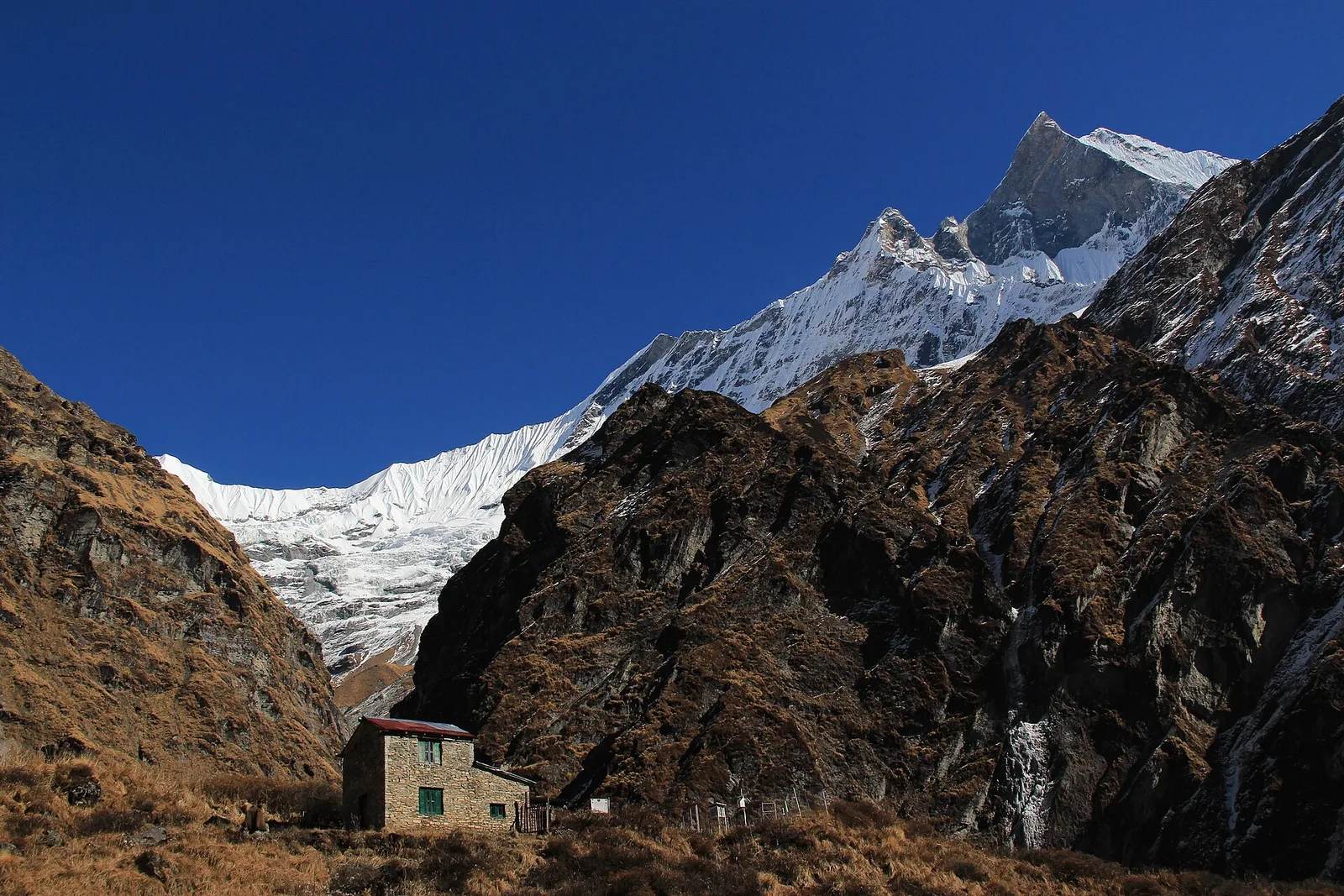
Related coverage

Money & Insurance
Travel Insurance for Nepal Treks: Floods, Evacuation and What's Actually Covered (2026)
Floods and landslides can strand a trek — here's what cover actually helps, from helicopter evacuation to trip interruption, and the exclusions to check first.
Safety & Advisories
How to read flash flood and GLOF risk on a Nepal trek and stay safe
Camp above the floodline, cross early, heed warnings: a working guide's field method for reading flash-flood and glacial-flood (GLOF) risk on any Nepal trek — the signs, the exposed terrain, and what to do.
Climate & Environment
The Himalaya and Climate Change in 2026: The Big Picture, from Melting Glaciers to an Erratic Monsoon
Warming faster up high, glaciers in retreat, floods pooling behind unstable lakes, soot on the snow and a monsoon turning extreme — how the threads tie together, and what they mean for Nepal’s water, its people and the people who trek here.

Breaking Safety & Advisories
Nepal’s tourism minister is asking you not to cancel your trek
Khadak Raj Paudel says the floods hit specific places, not the whole country, and the trails are open. Where he is right, and the bit he leaves out.
Latest from the desk
Gear & Tech
Trail shoes or hiking boots, and what the ankle-support research actually found
Most teahouse trekkers wear more boot than the walk needs, and the ankle-support argument holding that up is thinner than the shops suggest.
Gear & Tech
Merino or synthetic base layers, and what a lab found when it measured the smell
Merino wins the week-long wear, synthetic wins the overnight dry, and the lab reason merino stays fresh is not the bacteria story you have been told.
Safety & Advisories
If someone you know is missing in the Nepal flood, you don't have to fly to Kathmandu
Nepal Police have identified 95 of more than 1,200 bodies recovered. Families abroad can be DNA-profiled at home and send the result in. Here is how it works.