
Travel Insurance for Nepal Treks: Floods, Evacuation and What's Actually Covered (2026)
Floods and landslides can strand a trek — here's what cover actually helps, from helicopter evacuation to trip interruption, and the exclusions to check first.
At a glance
- Published
- TopicMoney & Insurance
- ReportingOriginal, by our guides in Pokhara
- Treks coveredLangtang & Gosaikunda Trek — 13 Days, Langtang Valley Trek — 7 Days
When a wall of water tears through a trailhead, the first question travellers ask us is not "am I safe?" — it is "does my insurance cover this?" On 26 August 2026, a sudden flash flood surged down the Bhote Koshi from Tibet into Nepal's Rasuwa district, striking Timure and Syabrubesi — the road-head where essentially every Langtang Valley trek begins. For the exact situation on the ground, follow our updating coverage in Rasuwa flood: what it means for Langtang trekkers and the Bhote Koshi flash flood explainer. This piece is the evergreen companion: what trekking travel insurance actually does when floods, landslides and glacial lake outburst floods disrupt a trip — and, just as important, what it usually does not.
I have run treks in this country for over fifteen years, and I want to be honest about the limits of what I can tell you. I am a trekking operator, not your insurer. Every policy is worded differently, and the only document that decides your claim is your own certificate and its "policy wording" PDF. Treat everything below as principle, then read your own policy against it.
The must-haves for a Nepal trek
- High-altitude trekking cover that names an altitude at or above your route's high point — not just the word "trekking".
- Emergency helicopter evacuation named explicitly, with a 24/7 assistance line — this is the single most important line for Nepal.
- Trip cancellation and trip interruption cover, so a washed-out road or grounded flight is a financial loss you can claim, not just eat.
- Bought before any disruptive event was known — insurance covers uncertain future risk, never a loss already in motion.
- Read the "natural disaster", "acts of god" and "government action" clauses yourself — that is where flood and landslide claims are won or lost.
Helicopter evacuation: the core must-have
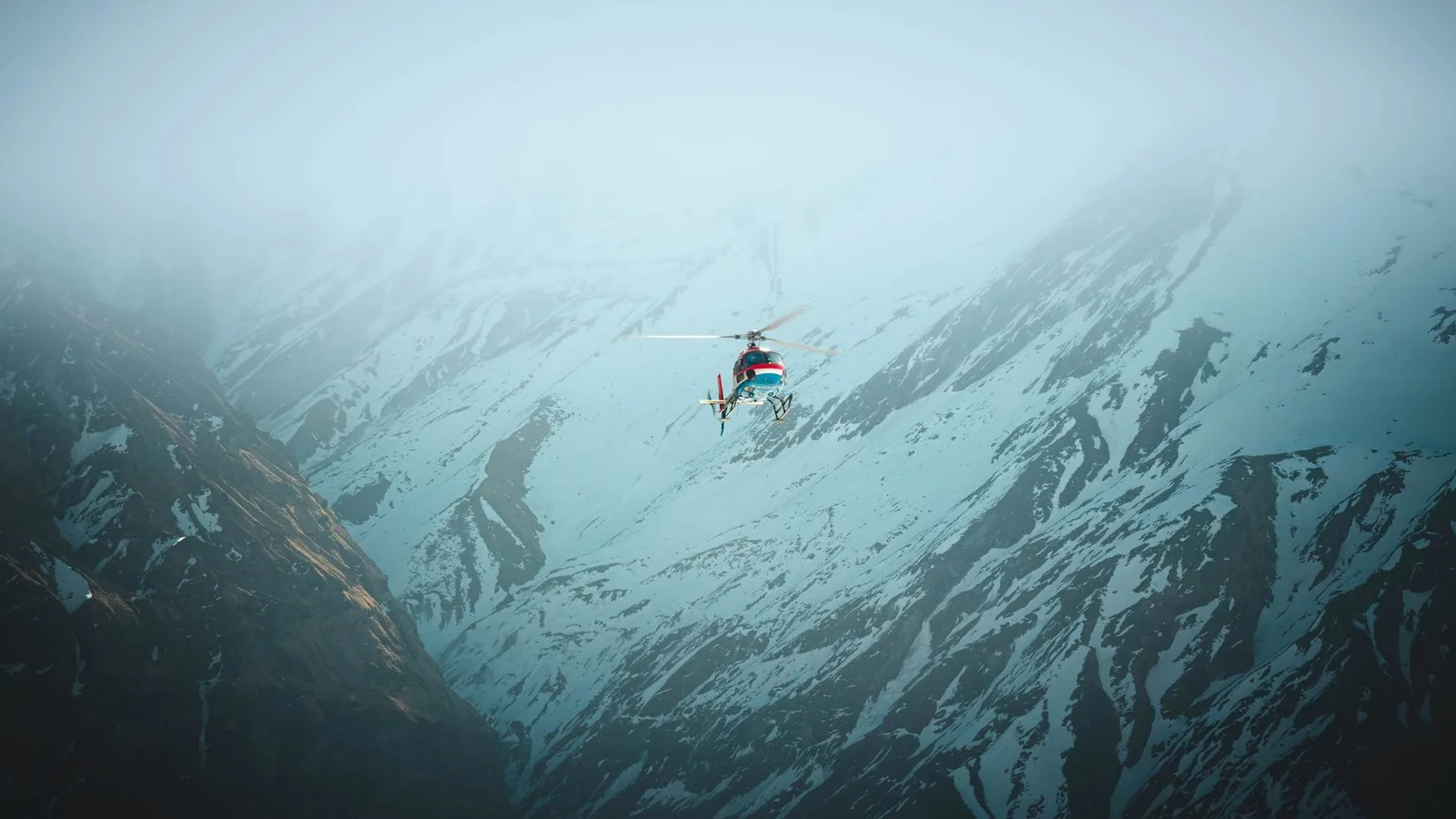
If you buy one thing for Nepal, buy real emergency evacuation cover. When a flood or landslide cuts a valley off, the road out may simply not exist anymore, and the way down becomes a helicopter. The same is true for altitude sickness, a broken ankle, or a stomach bug that will not stop. A lift out of a remote Himalayan valley is expensive, and Nepali operators frequently need either upfront payment or a Guarantee of Payment letter from your insurer before the rotors turn. So your policy needs two things working together: cover for the evacuation itself, and a 24/7 assistance line that can issue that guarantee in the middle of the night. For the numbers and how payment actually works, see our deep dive on whether your insurance really pays for a Nepal helicopter rescue, and the checklist in travel insurance for high-altitude trekking.
Note the altitude trap that catches trekkers every season: many ordinary holiday policies cap cover somewhere between 2,000m and 4,000m, above which every claim is void. Langtang, Gosaikunda, Everest Base Camp and the high passes all sit above that. Confirm the altitude number in writing before you pay.
Cancellation and interruption: the disruption cover
Evacuation cover gets you off the mountain. Cancellation and interruption cover is what protects the money when a natural disaster reshapes your trip. These are two separate promises, and a natural-disaster scenario tends to trigger both:
- Trip cancellation can apply when an event before departure makes the trip impossible — for example, a route or region closed by authorities. Whether a flood qualifies depends entirely on your policy's wording and its named perils.
- Trip interruption / curtailment can apply when you are already in the country and have to abandon or reroute — the extra nights in Kathmandu, the rebooked flight, the trek you paid for but could not walk.
- Travel delay and missed departure can help with the smaller, more common costs when a landslide closes a road or weather grounds a domestic flight for a day or two.
What "natural disaster" and "acts of god" usually mean
This is the part travellers skip and later regret. Policies handle natural catastrophes in wildly different ways, and the label matters:
| Cover type | Typically included? | Watch-outs |
|---|---|---|
| Emergency medical + helicopter evacuation | Often, on a proper trekking policy | Must name your trek's altitude; evacuation and medical treatment are separate clauses — you need both |
| Trip cancellation (disaster before departure) | Sometimes — depends on named perils | Some policies list flood/landslide as covered perils; others exclude "acts of god" entirely. Read the list |
| Trip interruption / curtailment | Sometimes | Usually needs the disruption to be documented and the region formally affected; keep every receipt |
| Travel delay / missed departure | Often, with a time threshold | Typically pays only after a set number of hours' delay; small daily caps |
| "Act of God" / force majeure losses | Frequently excluded or limited | The exact phrase in your wording decides everything — an "act of god" exclusion can quietly cancel a flood claim |
| Losses after an official travel warning | Rarely, once a warning is public | Cover often stops for events that were already known or officially warned about when you bought or travelled |
The single most useful habit is to open your policy's "What is not covered" section and search it for the words natural disaster, flood, landslide, act of god, force majeure and government action. Two identically priced policies can sit on opposite sides of the same flood claim purely on those clauses. Our guide to the exclusions that void a claim walks through the common ones.
Why buying before an event matters
Insurance covers uncertain future risk. The moment a flood, storm or landslide is a known, reported, forecast or officially warned event, most policies will no longer cover losses arising from it — this is often called the "known event" rule. In plain terms: you cannot buy cover on the morning of a disaster and claim for it. This is the strongest argument for buying your policy when you book the trek, not the week you fly. It also means that if you already hold a policy bought well before an event, you are in a far better position than someone scrambling to buy one after the news breaks.
Buy it when you book, not when you pack. A policy purchased months before a flood covers a future you could not predict. One bought after the water is already on the news almost never does — the event is no longer uncertain.
Documentation: how claims are actually won
When something does go wrong in the mountains, the paperwork is the claim. Insurers pay on evidence, not on stories. Build the habit early:
- Keep your booking confirmations, receipts and proof of what you paid — cancellation and interruption claims are settled against real, documented costs.
- Get anything medical in writing: a doctor's or clinic report, and the evacuation paperwork if you are flown out.
- Save official notices — an authority's road or region closure, an operator's cancellation message, an airline's delay confirmation.
- Photograph and date what you can, and call your insurer's 24/7 line before you incur big costs where it is safe to do so; many policies require pre-authorisation for evacuation.
For the full claims walkthrough, see how to make a travel insurance claim and actually get paid.
The honest bottom line
Nepal is one of the most rewarding places on earth to walk, and also one of the most exposed to climate-driven hazards — extreme rainfall, flash floods, landslides and glacial lake outburst floods, which mountain researchers at ICIMOD say are increasing across the Himalaya. Good insurance will not stop a flood, and it cannot promise any particular claim outcome. What it can do is make sure that if a disaster reshapes your trip, a helicopter is a phone call and not a fortune, and a cancelled trek is a claim and not a total loss. Get a proper trekking policy, buy it early, and read your own wording. If you are booking with us and are unsure what to look for, just ask — we would rather you were honestly covered than sold something.
Cover photo: Ashok Sharma via Pexels (Pexels License).
Planning a trek?
Trek this route with us — Langtang & Gosaikunda Trek — 13 Days
NMA-certified local guides, transparent pricing, 5,000+ treks since 1998. Message us your dates and we'll sort the permits, lodges and logistics — reply within 24 hours, no obligation.


Popular Nepal treks
All treks →


Related coverage
Money & Insurance
Best Travel Insurance for High-Altitude Trekking in 2026 (What Actually Covers Everest Base Camp)
Standard policies quietly stop at 4,000m — but Everest Base Camp is 5,364m. Which cover actually pays for a Himalayan helicopter rescue, the exclusions that void a claim, and how to check your policy before you fly.

Money & Insurance
What Does Travel Insurance Actually Cover in 2026? (And the Exclusions That Catch People Out)
A plain-English guide to what a travel policy really pays for — medical, evacuation, cancellation, delay and baggage — and the fine-print exclusions that leave travellers with the bill.
Money & Insurance
A Helicopter Rescue in Nepal Can Cost $5,000+ — Here's Whether Your Insurance Actually Pays
As of 2026 a Himalayan helicopter evacuation runs $3,000–$10,000, usually payable before takeoff. After the year's fake-rescue fraud case, insurers are paying out more warily — here's what genuine cover looks like and how to avoid being uninsured at altitude.
Breaking · Trail & Weather
Monsoon Landslides Have Cut Nepal's Highways This August — Does It Actually Affect Your Trek?
Nepal Police confirmed fresh road closures in Rasuwa, Baglung and Mugu this week — here's exactly which treks that touches, and which ones it doesn't.
Latest from the desk
Money & Insurance
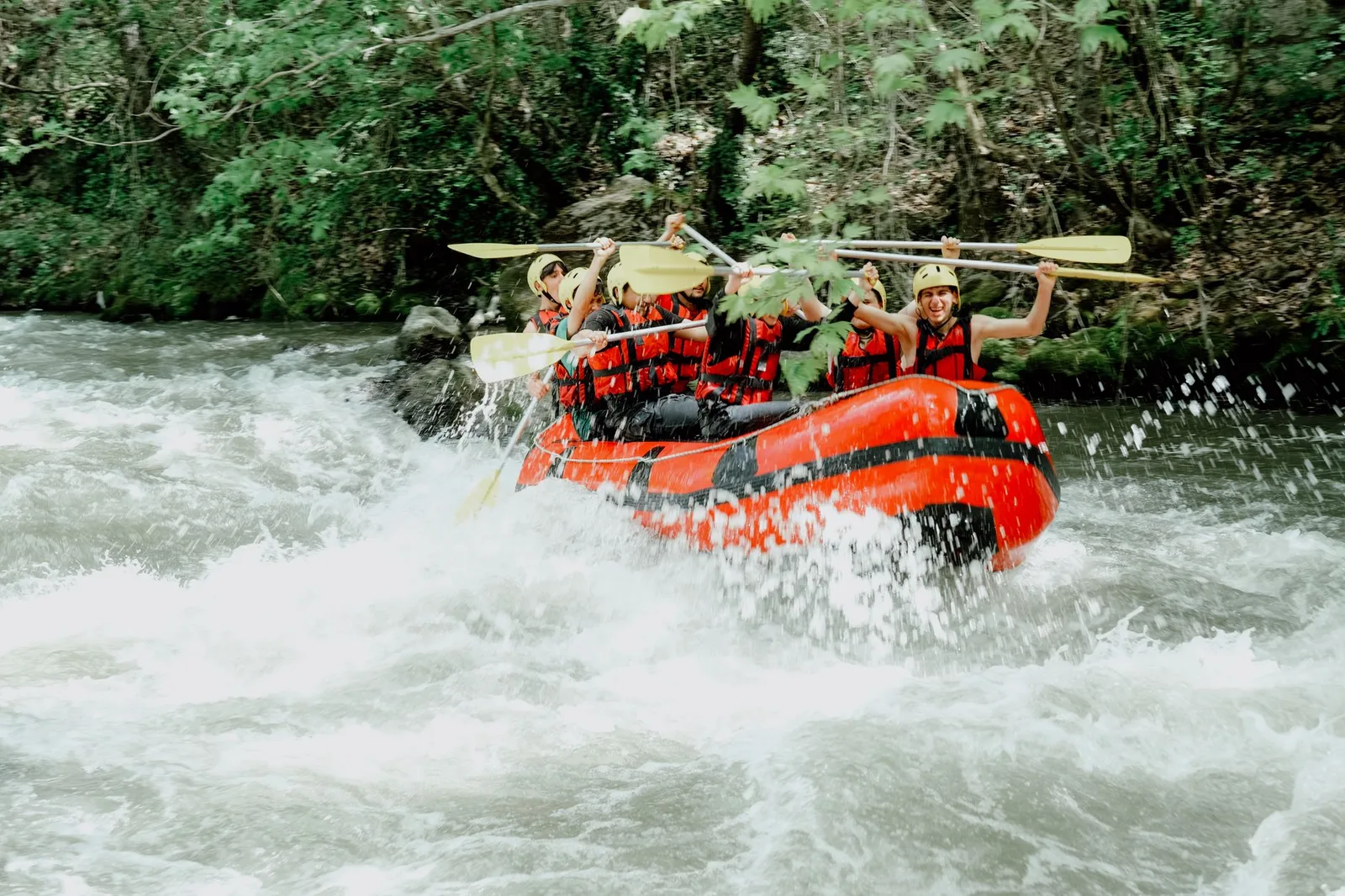
Adventure & Activity Travel Insurance in 2026: Why Standard Cover Excludes Rafting, Diving, Skydiving and High Trekking
Scuba, bungee, skydiving, quad bikes, jet skis, rafting, safari, motorbiking and trekking above a certain altitude are the activities standard travel insurance quietly leaves out. Here is how activity tiers and add-ons work, why an undeclared activity can void the whole claim, and how to match cover to your trip.
Climate & Environment
Soot Is Darkening Himalayan Snow and Speeding Its Melt, 2026 Science Shows
Soot darkens Himalayan snow so it absorbs more sunlight and melts faster — a second, faster-acting driver of glacier loss alongside warming, and the one the region could switch off within weeks.
Visas & Entry
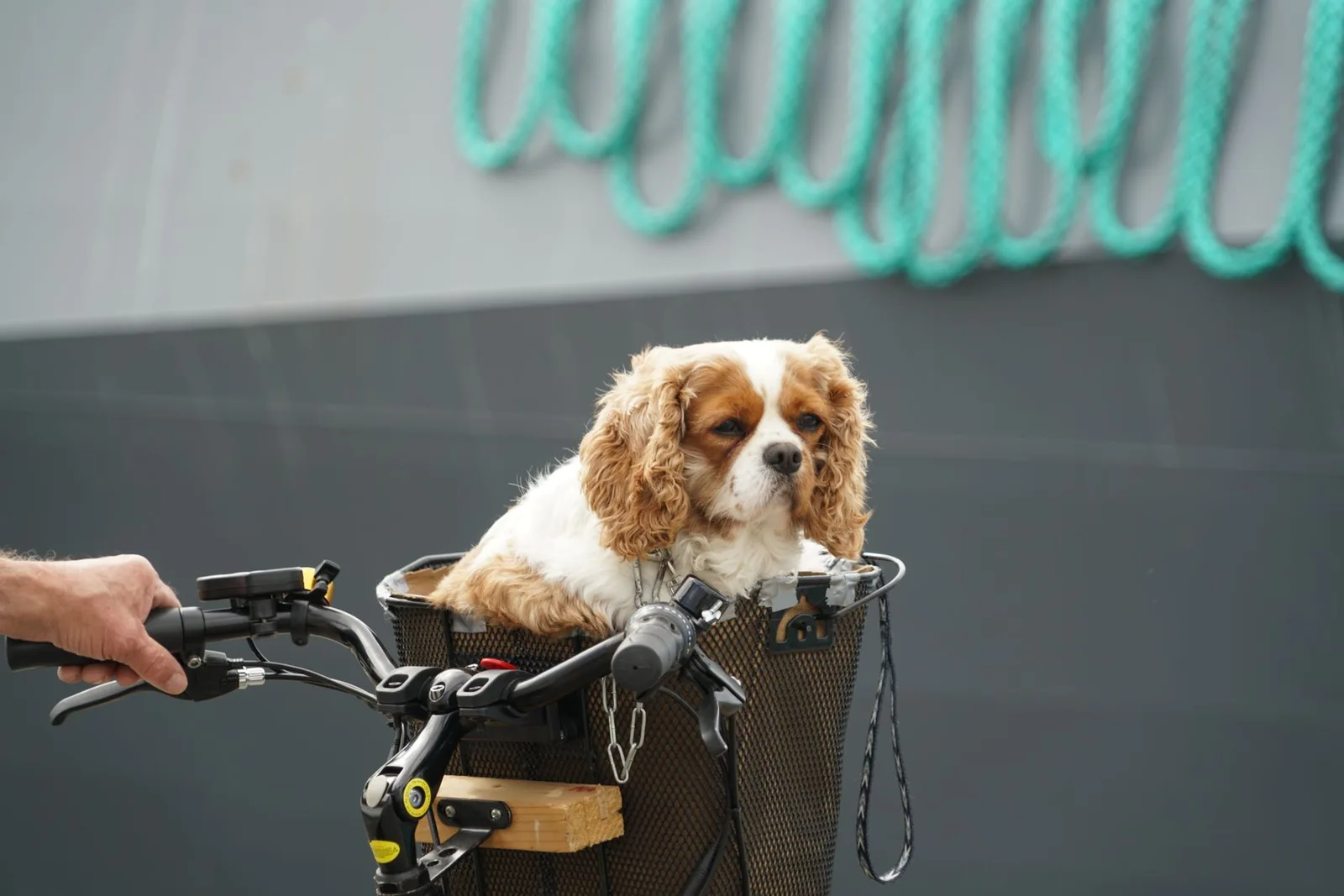
Taking a Pet Abroad in 2026: The Rules Most Owners Underestimate
Microchip, rabies vaccination and a waiting period, a health certificate or pet passport, tapeworm treatment and even quarantine — a plain-English guide to taking a pet abroad in 2026, and why it has to start months before you fly.