
If someone you know is missing in the Nepal flood, you don't have to fly to Kathmandu
Nepal Police have identified 95 of more than 1,200 bodies recovered. Families abroad can be DNA-profiled at home and send the result in. Here is how it works.
At a glance
- Published
- TopicSafety & Advisories
- Verified againstNepal Police and NDRRMA figures; identification process per Al Jazeera
Key facts
- Nepal Police had identified 95 bodies and returned them to relatives as of 3 September.
- More than 1,000 bodies and human remains are still unidentified.
- 897 have already been buried under government health protocols — buried, not closed.
- 1,794 DNA samples have been taken: 1,143 from remains, 651 from living relatives.
- 601 foreign nationals were listed missing on 3 September.
- A relative abroad does not have to travel to Nepal to give a sample.
If someone you know is missing in the Bhote Koshi flood, you can be DNA-profiled in your own country and send the result to Nepal Police for comparison — you do not have to fly to Kathmandu to do it. That is the single most useful thing we can tell the families reading this, and it is not obvious from anything published so far.
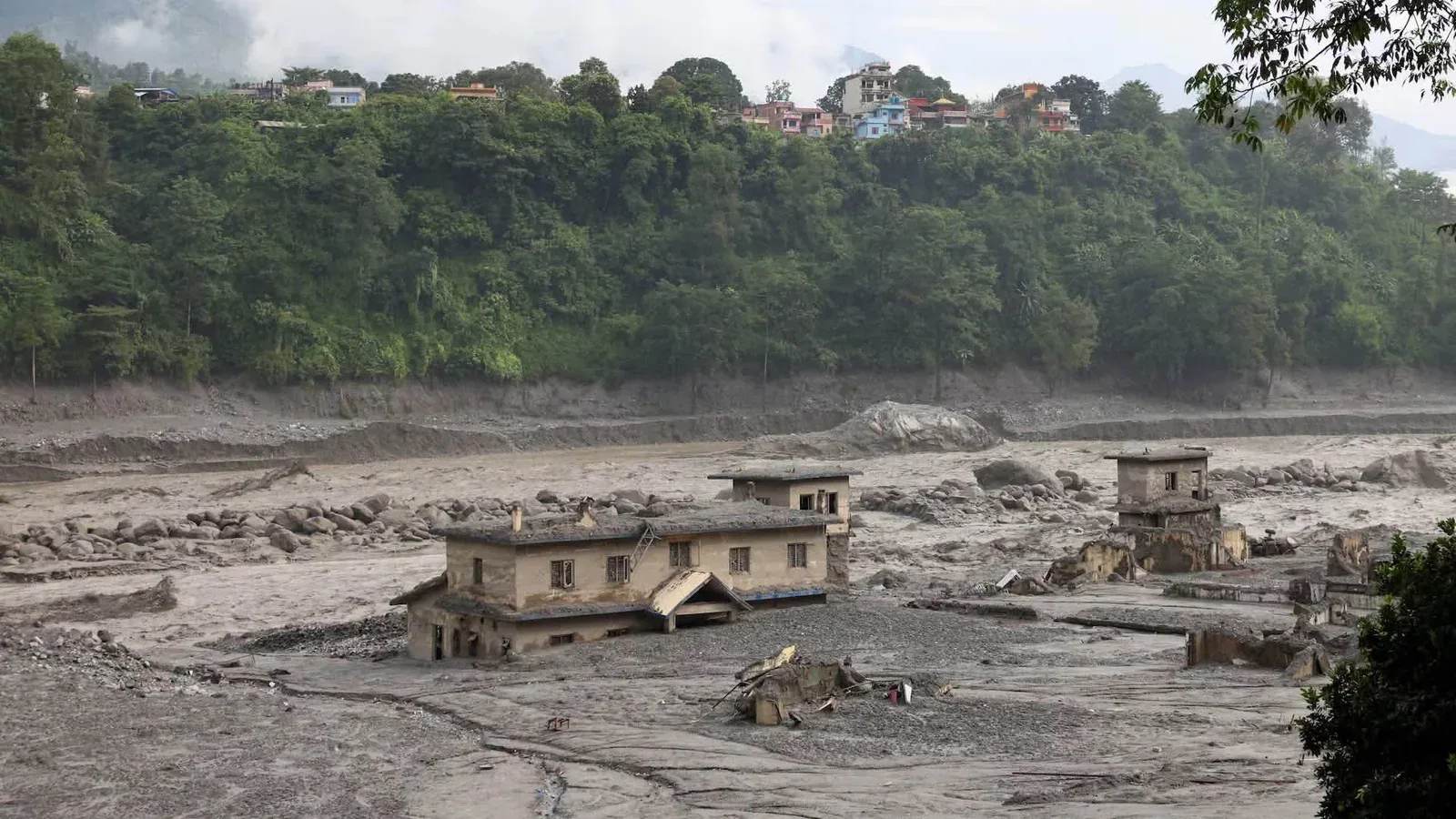
Nepal is running the largest disaster victim identification effort in its history, and it is running it on a backlog. More bodies have been recovered than can be named.
What the numbers actually say
Ninety-five bodies have been identified and handed back to families. More than a thousand have not. Nepal Police put those figures out on 3 September, alongside a total of 1,794 DNA samples collected — 1,143 taken from remains and 651 from living relatives hoping for a match.
The national toll behind them keeps moving. The National Disaster Risk Reduction and Management Authority counted 1,259 dead and 5,083 missing on the evening of 3 September, and 1,342 dead with about 4,996 still missing by its 6 September bulletin. Every one of these figures is provisional, and we date each one on our running flood page rather than quoting a single number as final.
Why only 95 have been named
Because a flood destroys the things identification normally relies on. A body recovered 150 kilometres downstream in Chitwan, days after the water, rarely arrives with a face, a wallet or clothing anyone recognises.
That removes visual identification, which is how the overwhelming majority of bodies are named in an ordinary disaster. What remains is forensic: DNA, fingerprints and dental comparison, the three primary methods under Interpol’s Disaster Victim Identification framework that Nepal is following. All three are slow, and DNA is the slowest of them.
What a family outside Nepal actually does
You give a DNA sample where you live, and the profile is emailed to Nepal Police to be compared against the remains they hold. No flight, no visa, no arriving in Kathmandu to queue at a mortuary.
The comparison is run through the Nepal Police Central Forensic Science Laboratory, working with the Nepal Academy of Science and Technology and the National Forensic Science Laboratory. India has separately offered DNA profiling facilities to relatives of the missing. A profile can be built from a close blood relative, or from the missing person’s own belongings — a hairbrush, a toothbrush, anything carrying their DNA rather than someone else’s.
Start with your own foreign ministry or embassy, not with a search engine. The embassy is what connects a family abroad to the police file, and we keep the contact list for the affected nationalities on our page for families of missing foreign nationals.
What happens to the 897 already buried
Burial here is a public-health measure, not an ending. The 897 bodies interred under government protocol were sampled first, so the DNA record exists independently of the grave.
That matters for a family who has not yet come forward. A match made in November against a body buried in September is still a match, and still a name. The burials were forced by the condition of the remains and the scale of them, not by anyone giving up on identifying them.
Why two families claimed the same body
Because in a disaster this size visual recognition stops being reliable, and grief makes people certain. The Philippine Daily Inquirer reported two families claiming the same body — the clearest possible argument for a rule that looks bureaucratic from the outside.
Interpol’s framework requires a complete match between the two sets of data before an identification is declared. That is why the count sits at 95 instead of several hundred. A fast, wrong identification hands the wrong family a body and leaves the right one still searching, and both mistakes are close to impossible to undo after a funeral.
| Status | Count |
|---|---|
| Identified and returned to relatives | 95 |
| Recovered but unidentified | 1,000+ |
| Buried pending identification | 897 |
| DNA samples from remains | 1,143 |
| DNA samples from living relatives | 651 |
| Foreign nationals listed missing | 601 |
What we would tell a family waiting
Give the sample now, even if you are holding on to the hope that it will not be needed. There are 651 relative samples against more than a thousand unidentified bodies, and that gap is the reason matches are not being made faster.
Every profile added to the reference side raises the chance that a body already recovered gets a name. The sample costs a family nothing except the admission that it might be necessary, which is the hardest part of it and the reason people wait.
Where we stand
We are a trekking company in Pokhara and we have no role in this process, so treat everything above as signposting rather than advice from an authority. Go through your embassy. Be wary of anyone contacting you unsolicited offering to search, expedite or locate a missing person for a fee — a disaster this size attracts them, and the police process is free. If you are reading this because you cannot get an answer from anyone, our office in Pokhara will tell you honestly what we do and do not know.
More than a thousand people in Nepal are currently a body without a name. Most of them will get one, and the samples families give now are what decides how long that takes.
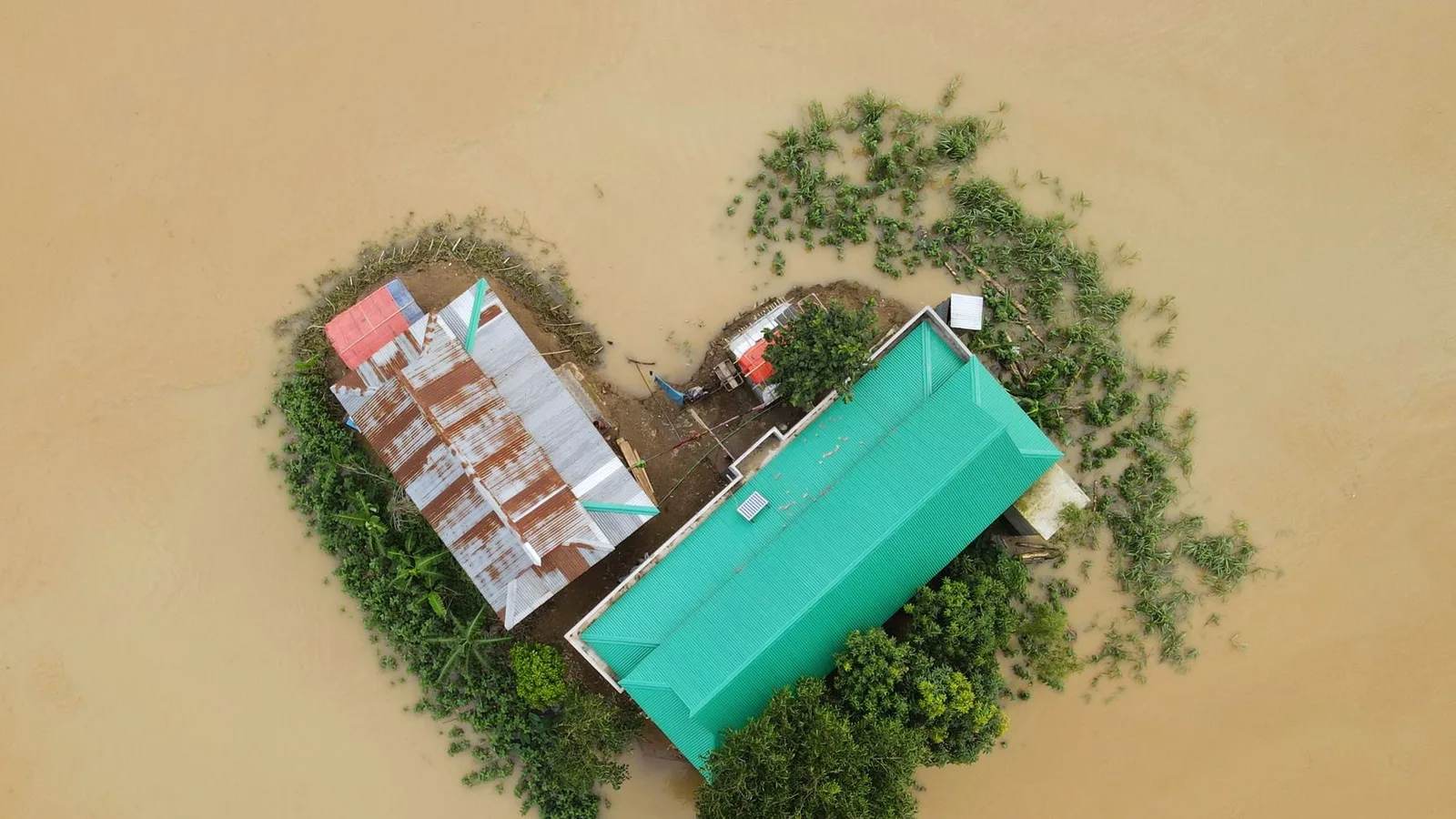
Cover photo: Muhammad Amdad Hossain via Pexels (Pexels License).
Still running this season
Annapurna Base Camp Trek — 5 Days is running normally
NMA-certified local guides, transparent pricing, 5,000+ treks since 1998. Message us your dates and we'll sort the permits, lodges and logistics — reply within 24 hours, no obligation.
Popular Nepal treks
All treks →
Related coverage
Safety & Advisories
592 foreign nationals are still missing in the Nepal flood, here is who your family should actually call
Nepal's disaster authority counts 592 foreign nationals among the missing after the 26 August flood. Here is the official route for families abroad.
Safety & Advisories
Chitwan sits 150 km downstream from the Nepal flood and it has recovered the most bodies, here's why
NDRRMA's breakdown puts Chitwan first with 272 bodies recovered and Rasuwa, where the flood began, eighth with 24. Here is what that inversion means.
Safety & Advisories
Nepal's missing hydropower tunnel workers and the Rasuwagadhi search that found nobody inside
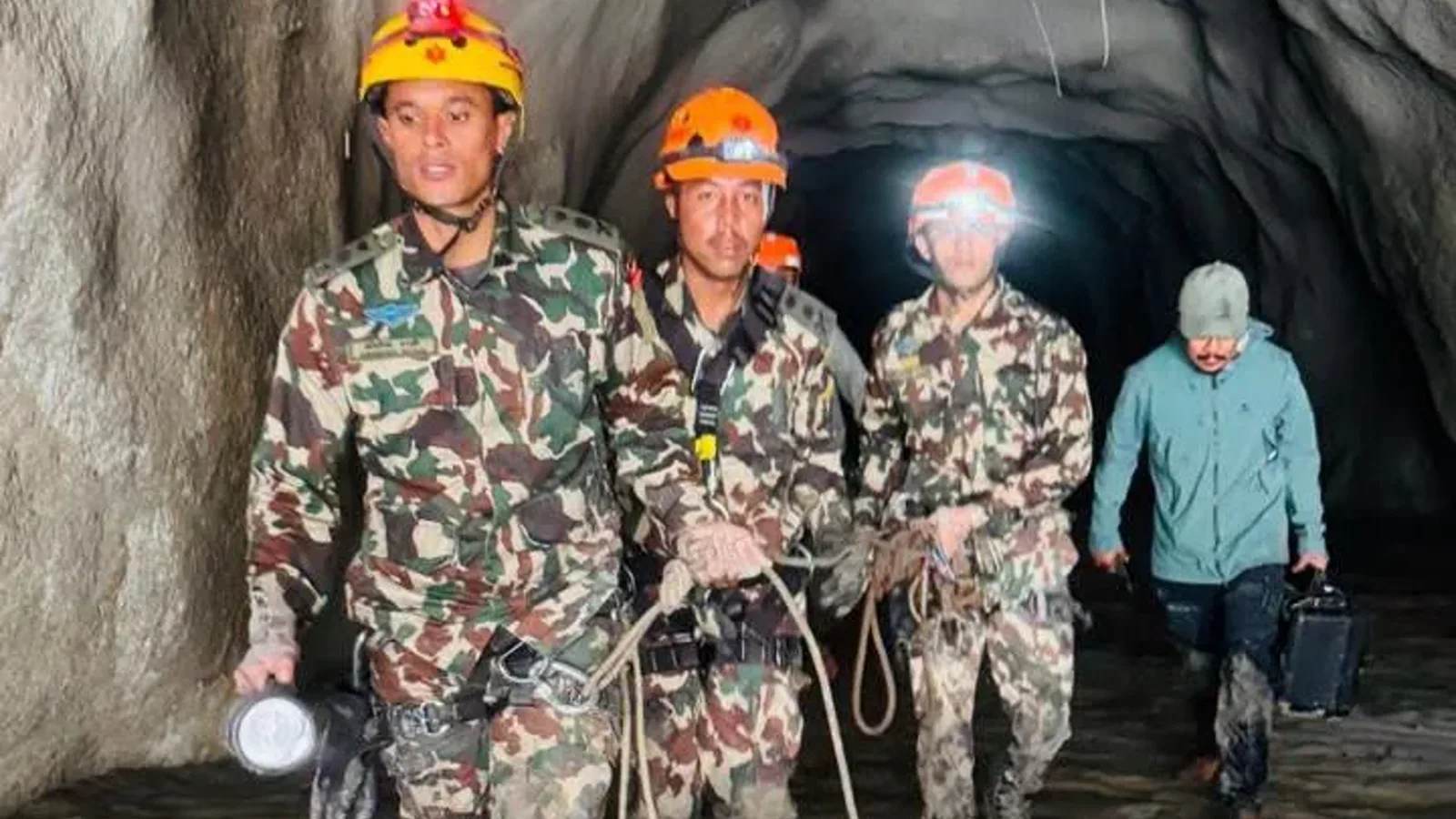
Rescuers reached the end of the Rasuwagadhi tunnel and found no one there, and it did not bring 93 workers home because most of them were never in the tunnel.
Safety & Advisories
Is the Chisapani–Nagarkot Trek Affected by the 2026 Nepal Floods?
Short answer: no. This short cultural trek runs the forested rim of the Kathmandu Valley through Shivapuri National Park — the Bagmati watershed, well south of the Rasuwa flood. The valley and its trails are open and normal.
Latest from the desk
Records & People
Mount Everest's Official Height Was Wrong for 65 Years, Until Nepal and China Finally Agreed in 2020
The number on every map, 8,848.86 metres, only became official on 8 December 2020, after two countries spent over a decade measuring the same mountain and getting two different answers.
Records & People
Nepal's Gokyo Lakes Turn an Impossible Turquoise Every Autumn, and Rock Dust Is Why
Six sacred glacial lakes above Everest sit higher than almost any freshwater on Earth, and the colour that makes trekkers stop mid-stride comes down to stone ground fine enough to float.
Records & People
Nobody Tells You Nepal's National Flower Turns Whole Mountainsides Crimson Every Spring
Nepal's national flower isn't grown in a garden bed — it's a forest tree that turns entire hillsides red for about six weeks a year, and the bloom climbs the mountain in a predictable wave.