
Travel First-Aid Kit 2026: What to Pack, and What to Leave Out
The sensible essentials — plasters and blister care, rehydration salts, painkillers, your own prescriptions — plus the one rule for carrying medicines legally across borders.
At a glance
- Published
- TopicSafety & Advisories
- Verified againstgov.uk / CDC Travelers’ Health
- Treks coveredAnnapurna Circuit Trek — 13 Days, Everest Base Camp Trek — 14 Days, Manaslu Circuit Trek — 14 Days
A travel first-aid kit is one of those things you never think about until the moment you need it — a blister three hours from the nearest road, an upset stomach where the pharmacy shut at dusk, a cut that needs cleaning before you can cover it. Pack it well and it disappears into your bag for the whole trip. Pack it badly and a small problem becomes the thing you remember. The good news is that a sensible kit is small, cheap and mostly the same wherever you go. Here is what earns its place in 2026, what to leave at home, and the one rule about medicines that trips people up at borders.
The short version
- A good kit is small. Wound care, a few over-the-counter remedies, a couple of tools and your own prescriptions cover the vast majority of what goes wrong on a trip.
- Prescription medicines travel differently from everything else. Keep them in their original labelled packaging, carry a copy of the prescription or a doctor's letter, and check they are legal at your destination before you fly.
- Buy little, replace what you use. A pre-made kit is a fine starting point, but the personal touches — your own painkiller of choice, blister care, rehydration salts — are what make it useful.
- On a trek, self-sufficiency matters more. Lodges and guides carry basics, but on a remote trail the nearest pharmacy can be a full day's walk away, so you carry your own.
The sensible essentials
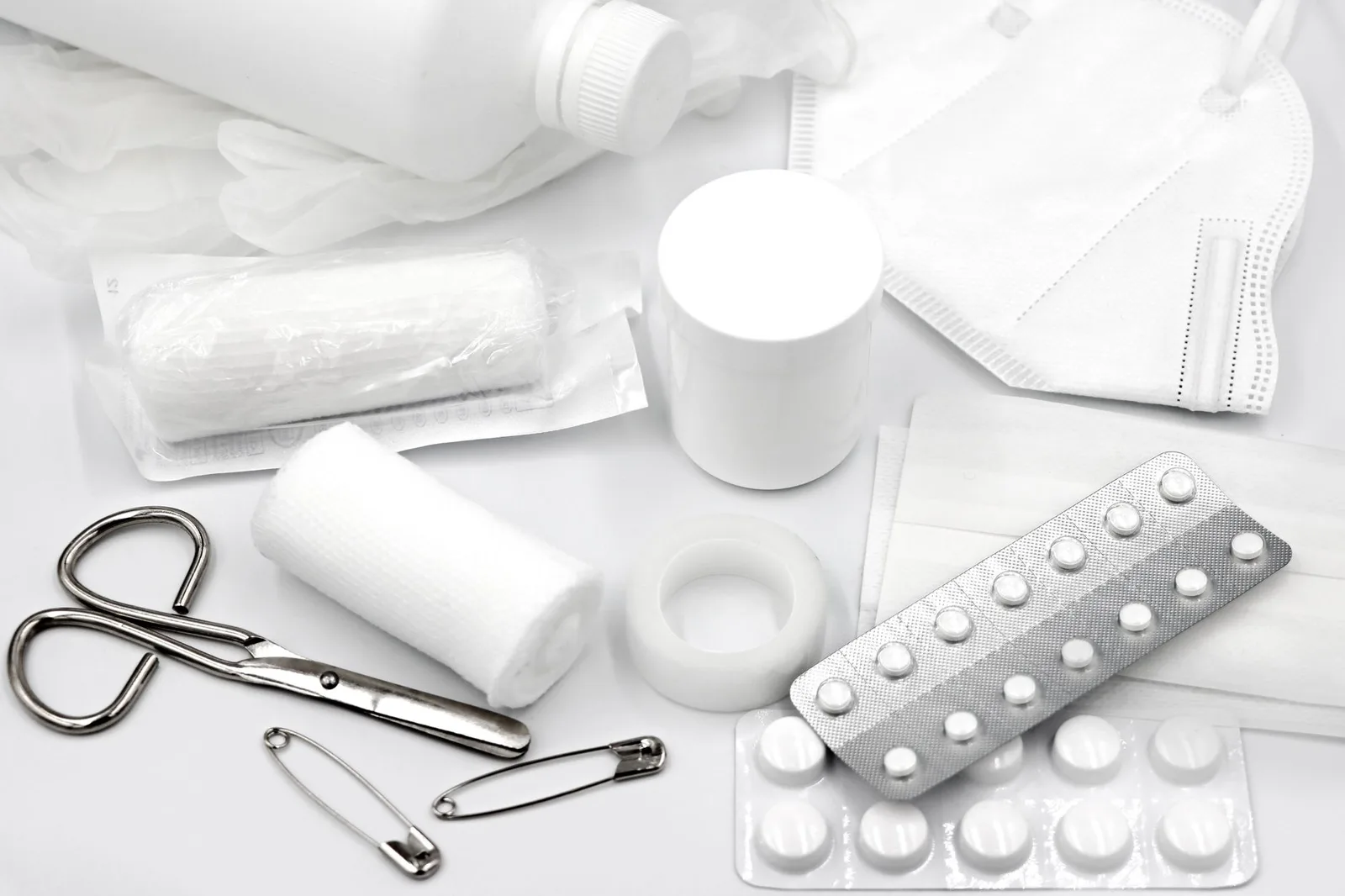
Standard first-aid guidance converges on a short, unglamorous set of items. None of it is exotic. The skill is choosing a compact version of each and knowing what it is for.
| Item | What it's for | Note |
|---|---|---|
| Plasters & blister care | Covering small cuts, grazes and — the big one for walkers — blisters | Include specific blister plasters or tape; a hotspot caught early rarely becomes a limping day |
| Sterile dressings & adhesive tape | Covering larger wounds a plaster won't reach | A couple of gauze pads and a small roll of tape go a long way |
| Antiseptic wipes or cream | Cleaning a wound before you cover it | Reduces the chance of infection, which matters most far from a clinic |
| Painkillers | Everyday aches, headaches, fever, minor injuries | Pack the type you already know suits you; follow the packet, and ask a pharmacist if unsure |
| Oral rehydration salts (ORS) | Replacing fluid and salts lost to a stomach upset or heavy sweating | Light, cheap and genuinely the most useful sachet in the bag on a hot or high trip |
| Anti-diarrhoeal | Settling a travellers' stomach for a long bus or flight | A stopgap, not a cure — fluids come first, and see a doctor if it is severe or bloody |
| Antihistamine | Allergic reactions, insect bites, mild hay-fever | Useful anywhere with insects, dust or unfamiliar food |
| Motion-sickness remedy | Winding mountain roads, boats, small aircraft | Nepal's road switchbacks are a classic reason to pack one |
| Tweezers & small scissors | Splinters, thorns, ticks; cutting tape and dressings | Pack in checked luggage or check airline rules for hand baggage |
| Thermometer | Telling a mild bug from something that needs attention | A small digital one weighs almost nothing |
| Your prescription medicines | Whatever you take at home — plus a few days' spare | See the note below on carrying these legally across borders |
Round it off with the small extras that are easy to forget: hand sanitiser, any insect repellent and sunscreen your destination calls for. That really is the whole list, and most travellers can assemble it in one visit to a pharmacy.
Prescription meds: carry them legally
This is the part people get wrong. Keep prescription medicines in their original, correctly labelled packaging — not decanted into a daily pill organiser for the flight. Carry a copy of your prescription or a letter from your doctor listing what you take and why; for controlled medicines this proof is not optional, and a letter typically needs your name, the medicine, the dose and quantity, and the prescriber's signature. Crucially, a medicine that is ordinary at home can be restricted or banned somewhere else — rules vary widely by country, and some limit how much you can bring. Check with the embassy of your destination before you travel, keep medicines in your hand luggage, and never assume "it's just my usual tablets" will carry you through customs.
What not to over-pack
The commonest mistake is bringing too much, not too little. You do not need a field-hospital's worth of supplies for a two-week trip. Skip the giant bandage rolls, the dozen varieties of pill "just in case", and anything you have never used at home — a bag of unfamiliar medicines is more likely to confuse than to help. A single small pouch you can find in a hurry beats a bulging kit you have to unpack the whole bag to reach. Buy travel-sized where you can, and top up what you use. Somewhere with good pharmacies, the kit only needs to cover you until you reach one.
On a Nepal trek, you carry your own
In a city this matters less — a pharmacy is around the corner. On a Himalayan trail it is the whole point. Above the roadhead the nearest shop can be days of walking away, so the pouch in your daypack is your pharmacy. Weight it towards blister care (long descents are where feet fail), rehydration salts (altitude and effort dry you out fast), a reliable painkiller, and a few days' surplus of any personal prescription in case weather or a landslide delays you. Teahouses and reputable guides carry basic first aid and know the evacuation drill, but no one carries your medicines for you.
Two of the most common trail problems have their own guides worth reading before you go: a stomach upset from food or water is the illness travellers most often meet, and we cover the prevention and the rehydration-first approach in our piece on travellers' diarrhoea and food & water safety. And because Nepal shares borders with regions where a few travel vaccines are recommended, it is worth checking what vaccines you actually need before a Nepal trek as part of the same pre-trip visit.
One thing a kit does not treat is altitude, which is managed by pace and acclimatisation rather than anything in a pouch — a subject for its own conversation with your guide and doctor.
This article is general information, not medical advice. It does not give drug doses. For anything you take regularly, and for any prescription medicine or vaccination, see your doctor or a travel clinic well before you leave — they can advise on doses, interactions and what is legal at your destination.
Planning a trek where a sensible kit will earn its keep? Browse our guided Himalayan treks or message our team, and we will talk you through what to carry for your route and season.
Sources: Wikipedia (First aid kit); US Centers for Disease Control and Prevention (Travelers' Health — Pack Smart); gov.uk (Travelling with controlled medicine). Rules on carrying medicines across borders vary by country — always confirm with the relevant embassy before you travel.
Cover photo: Marta Branco via Pexels (Pexels License).
Planning a trek?
Trek this route with us — Annapurna Circuit Trek — 13 Days
NMA-certified local guides, transparent pricing, 5,000+ treks since 1998. Message us your dates and we'll sort the permits, lodges and logistics — reply within 24 hours, no obligation.


Popular Nepal treks
All treks →


Related coverage
Safety & Advisories
Travellers' Diarrhoea and Food & Water Safety Abroad in 2026: The Rules That Keep You Well
The most common travel illness, demystified: what causes it, the 'boil it, cook it, peel it or forget it' food rules, safe water and ice, rehydration as the mainstay, and exactly when it is serious enough to see a doctor.
Money & Insurance
Baggage & Lost-Luggage Travel Insurance in 2026: What It Really Pays (and Who Owes You First)
Baggage cover in 2026, decoded: delayed vs lost vs damaged luggage, the per-item and single-article limits nobody reads, why valuables are excluded, and the Montreal Convention rule that makes your airline pay before your insurer.
Safety & Advisories
Travel Vaccinations for 2026: What You Actually Need for Nepal, Asia & Beyond
A practical 2026 rundown of the vaccines that matter for Nepal and the wider region — routine boosters, hepatitis A and typhoid, when rabies or Japanese encephalitis are worth it, the yellow-fever certificate rule, and malaria in the Terai. General guidance; always confirm with a travel clinic.
Money & Insurance
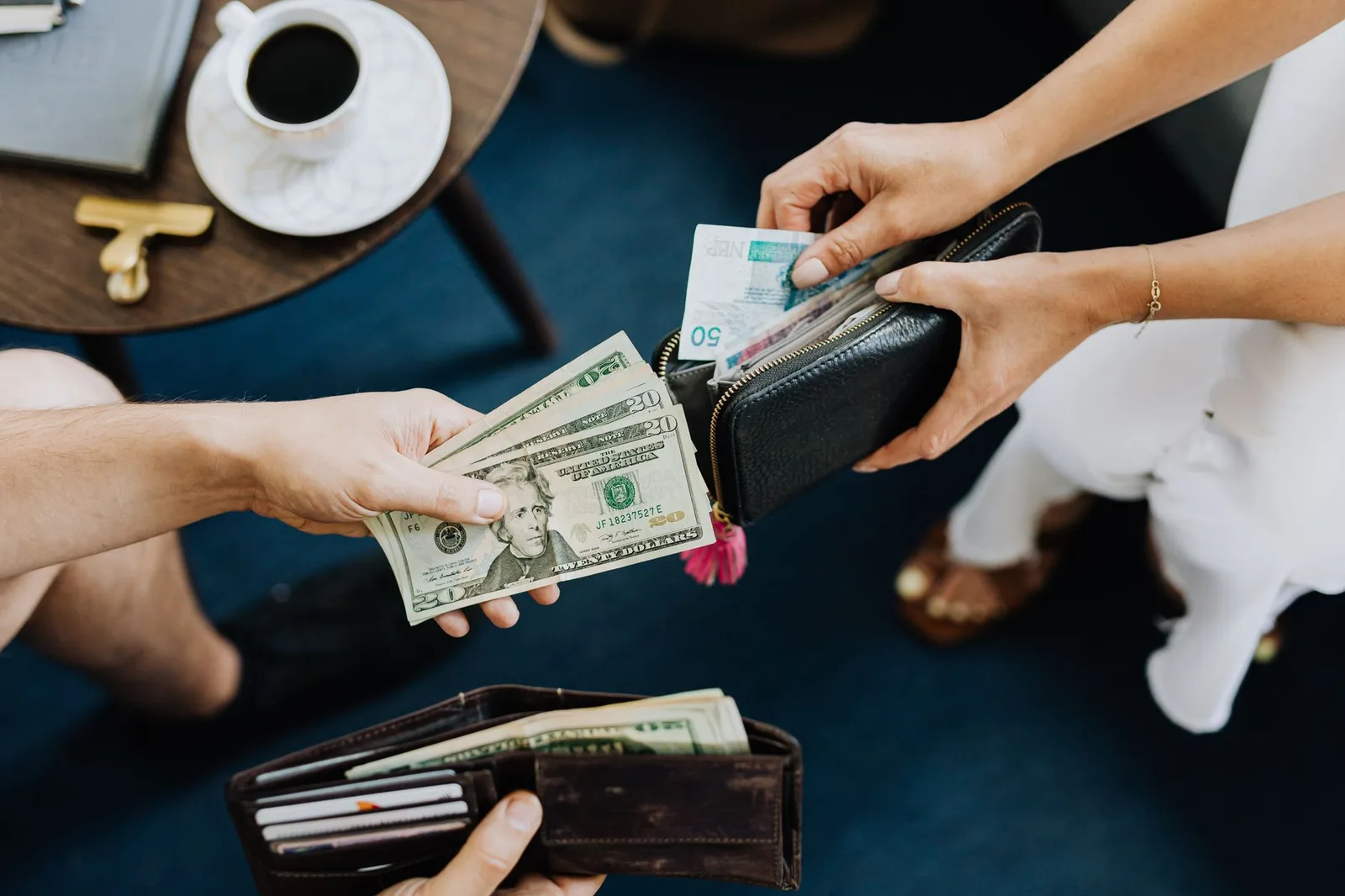
Travel Money in 2026: Cash vs Debit vs Credit vs Prepaid Cards — What to Carry and How to Spend It
No single method wins abroad. Here is how cash, debit, credit and prepaid multi-currency cards really compare on fees — plus the dynamic-currency-conversion trap to dodge, how much cash to carry, and why Nepal’s trail runs on rupees.
Latest from the desk
Safety & Advisories
India Sends Around 50 Tonnes of Aid to Nepal as Modi Offers Condolences After the 2026 Floods
India is rushing tonnes of relief and rescue support to flood-hit Nepal, as Prime Minister Narendra Modi conveyed condolences to his Nepali counterpart and pledged India's full solidarity.
Money & Insurance
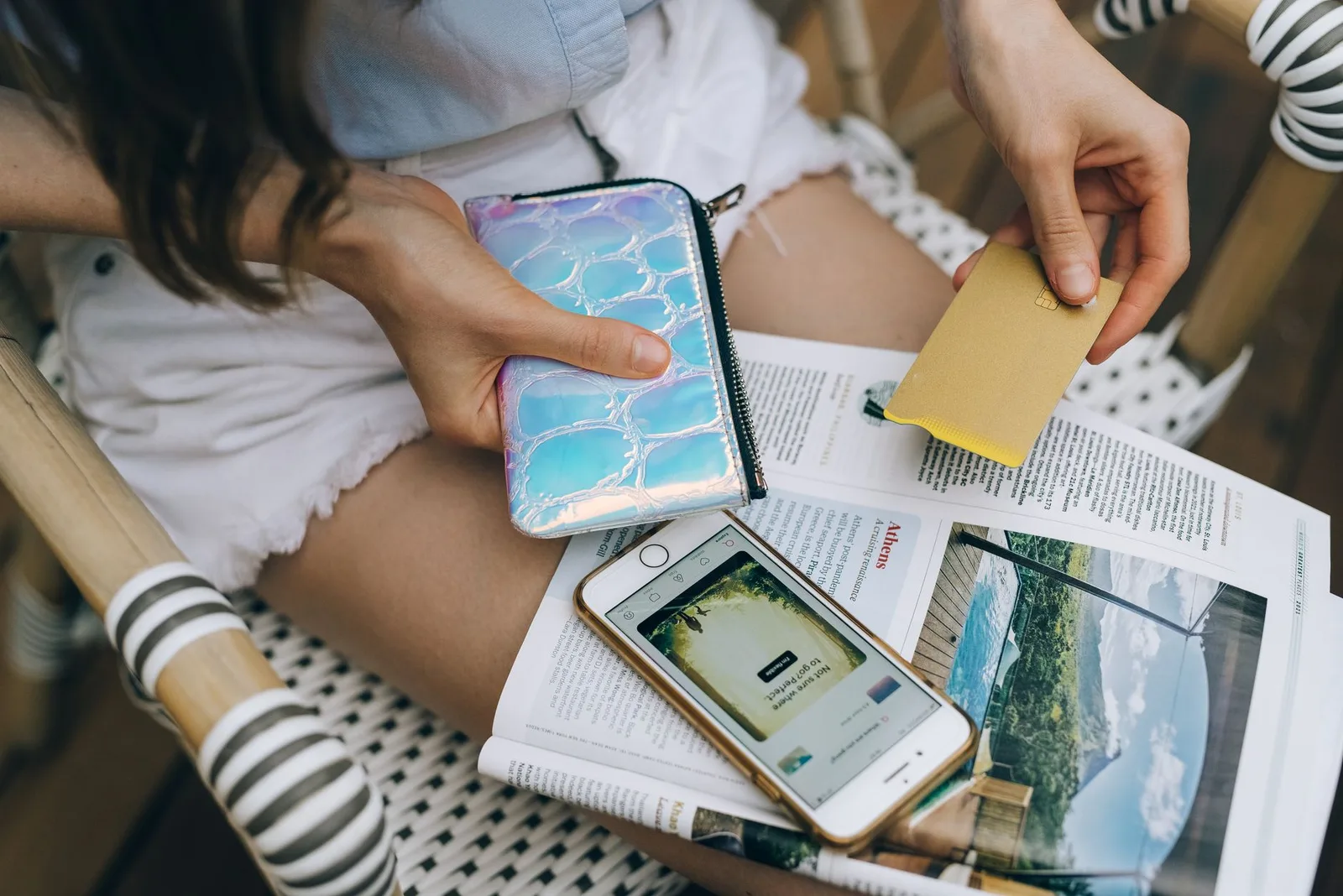
Does Your Credit Card Include Travel Insurance in 2026? What It Covers — and the Costly Gap
Many premium and travel cards bundle some cover — but it's usually secondary, conditional and capped, and it almost never pays for the emergency medical bill or evacuation that actually bankrupts travellers.

Safety & Advisories
Everyone Is Pledging Millions to Nepal. Here Is Where You Can Actually Send Money
The UN released $2m, the US pledged $500,000, India sent 50 tonnes. None of that helps if you are one person with a card. The official fund, the two alternatives worth trusting, and the scam window that is open right now.