
India Sends Around 50 Tonnes of Aid to Nepal as Modi Offers Condolences After the 2026 Floods
India is rushing tonnes of relief and rescue support to flood-hit Nepal, as Prime Minister Narendra Modi conveyed condolences to his Nepali counterpart and pledged India's full solidarity.
At a glance
- Published
- TopicSafety & Advisories
- ReportingOriginal, by our guides in Pokhara
India moved quickly to help flood-stricken Nepal, dispatching relief supplies by air, placing a disaster-response team on standby and coordinating rescue efforts, while Prime Minister Narendra Modi conveyed his condolences directly to Nepal's leadership and pledged India's full solidarity after the catastrophic floods of 26 August 2026.
As Nepal's northern border district of Rasuwa and the valleys downstream reeled from a flash flood that has left hundreds dead and hundreds more missing, New Delhi responded as what it calls a "first responder" among Nepal's neighbours — first with words of solidarity, then with aircraft carrying emergency supplies. The full scale of the disaster is tracked in our Nepal Floods 2026 live-updates hub and our report on what happened in Rasuwa on 26 August.
India's response — key facts (as reported 26–27 August 2026)
- Who: Prime Minister Narendra Modi spoke to Nepal's Prime Minister Balendra (Balen) Shah and conveyed condolences.
- What he said: "The people of India stand in solidarity with their sisters and brothers in Nepal at this difficult time. India is ready to provide all possible humanitarian assistance."
- Aid dispatched: A first tranche of about 10 tonnes of relief and medicines was flown in on an Indian Air Force C-130J, with further supplies following on a larger C-17; India's Ministry of External Affairs is reported to have sent around 50 tonnes of humanitarian assistance in total.
- Rescue: A flood-rescue team from India's National Disaster Response Force (NDRF) was kept on standby for possible deployment.
Modi's message to Nepal
Prime Minister Modi shared his condolences in a post on X on 26 August, after speaking by phone with Nepal's Prime Minister, Balendra Shah. "Spoke to Prime Minister Balendra Shah and conveyed condolences on the loss of lives due to the floods in Nepal," Mr Modi wrote. "The people of India stand in solidarity with their sisters and brothers in Nepal at this difficult time. India is ready to provide all possible humanitarian assistance."
India's External Affairs Minister, S. Jaishankar, echoed the message. "Our thoughts are with the bereaved families and all those affected," he said. "In face of this challenge, India stands with Nepal and its people." Nepal's Prime Minister's Office, for its part, was reported to have thanked Mr Modi for his call and his expression of solidarity.
The language of "sisters and brothers" is not incidental. India and Nepal share an open border, deep family and cultural ties across the Terai and the hills, and a long history of mutual disaster assistance — India was among the first responders after the 2015 Gorkha earthquake. Framing this as help between neighbours, rather than aid from a donor, is a deliberate and long-standing part of how the two governments describe their relationship.
Relief supplies in the air within a day
Words were quickly followed by cargo. According to reporting by ThePrint, India rushed its first tranche of assistance — roughly 10 tonnes of relief material and essential medicines — aboard an Indian Air Force C-130J transport aircraft. The consignment included the practical essentials of a monsoon emergency: temporary shelters, blankets, hygiene kits, solar lamps and medicines, items aimed squarely at families whose homes and roads had been swept away.
A second, larger Indian Air Force aircraft, a C-17, was reported to be carrying additional relief the following morning, and India's Ministry of External Affairs has been reported to have sent around 50 tonnes of humanitarian assistance and disaster-relief supplies in total as the operation continued. Those figures are provisional and were still being updated as flights ran; what is clear is that the delivery was phased and scaled up over the days that followed the disaster.
Neighbour and first responder
Beyond supplies, India offered coordination on rescue and relief, keeping an NDRF flood-rescue team on standby. Nepal's own security forces, backed by the Nepali Army and police, led the search-and-rescue effort on the ground; the offers from New Delhi were framed as support for that Nepal-led response rather than a substitute for it.
Part of a wider international response
India's help was one of the earliest and largest bilateral responses, but it was not the only one. Governments and multilateral bodies from Russia and China to the United Nations and the United States moved to express condolences and pledge assistance in the days after 26 August. For Nepal — a small country hit by a disaster on a scale it cannot absorb alone — that international solidarity matters both practically and symbolically.
At Travel Himalaya Nepal we are based in Pokhara, and our thoughts are with every family that has lost someone in these floods. The immediate priority is the search-and-rescue effort and the safety of communities along the Bhote Koshi, Trishuli and the valleys below. We will keep this coverage factual and updated as verified information comes in; for the running picture, follow our live-updates hub.
Sources
Prime Minister Narendra Modi's message was posted on his official X account (@narendramodi, 26 August 2026). Details of the relief flights and the External Affairs Minister's statement are drawn from ThePrint. All casualty and aid figures are provisional and were being updated by the authorities.
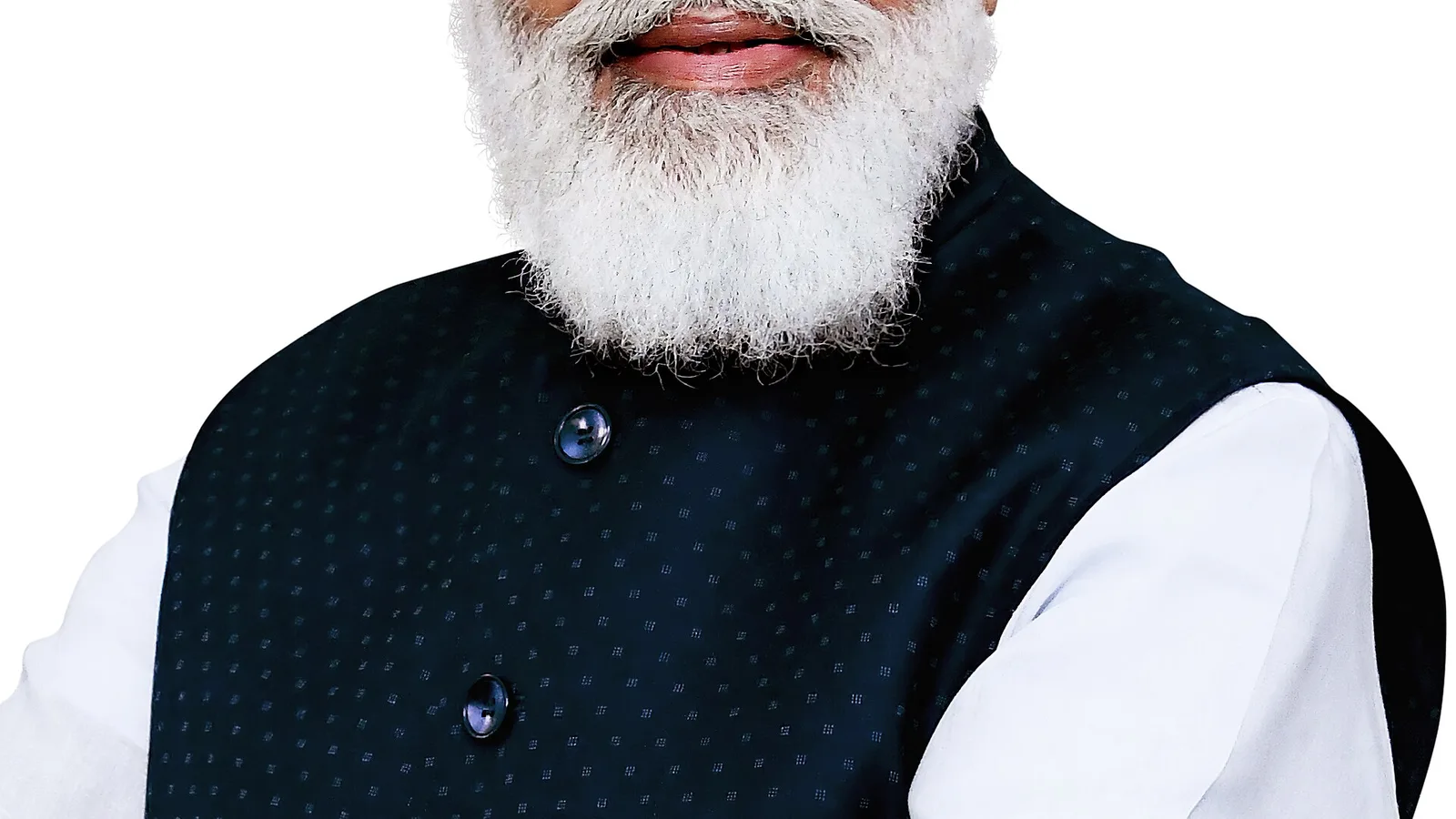
Cover photo: Government of India via Wikimedia Commons (GODL-India).
Planning a trek?
Trek this route with us — Annapurna Base Camp Trek — 5 Days
NMA-certified local guides, transparent pricing, 5,000+ treks since 1998. Message us your dates and we'll sort the permits, lodges and logistics — reply within 24 hours, no obligation.
Popular Nepal treks
All treks →


Related coverage

Safety & Advisories
The UK Pledges £5 Million and Search-and-Rescue Help to Flood-Hit Nepal
The UK pledged £5 million and emergency responders to flood-hit Nepal, with about 33 British nationals unaccounted for after the 2026 floods.

Safety & Advisories
Everyone Is Pledging Millions to Nepal. Here Is Where You Can Actually Send Money
The UN released $2m, the US pledged $500,000, India sent 50 tonnes. None of that helps if you are one person with a card. The official fund, the two alternatives worth trusting, and the scam window that is open right now.

Safety & Advisories
World and Faith Leaders Offer Condolences and Aid to Nepal After the 2026 Floods
World and faith leaders offered condolences and aid to flood-hit Nepal, from the Dalai Lama and Pope Leo XIV to Pakistan, South Korea and Sri Lanka.

Safety & Advisories
Japan's PM Takaichi Offers Condolences to Nepal and Prays for the Missing
Japan's PM Sanae Takaichi offered condolences to Nepal's flood victims and voiced concern for missing Japanese nationals after the 2026 disaster.
Latest from the desk

Culture & Heritage
Kathmandu Valley UNESCO Site: 7 Monument Zones, One Inscription (2026)
Seven monument zones, inscribed together in 1979 as one World Heritage Site, are the cultural gateway every Nepal trek passes through.
Visas & Entry
Passport Validity in 2026: The Six-Month Rule That Gets Travellers Refused at the Gate
A passport that has not expired can still be rejected — the six-month rule, the Schengen 10-year catch, blank pages, damage and name mismatches that get people denied boarding even with a valid visa.

Money & Insurance
Does Your Credit Card Include Travel Insurance in 2026? What It Covers — and the Costly Gap
Many premium and travel cards bundle some cover — but it's usually secondary, conditional and capped, and it almost never pays for the emergency medical bill or evacuation that actually bankrupts travellers.