
Travel Vaccinations for 2026: What You Actually Need for Nepal, Asia & Beyond
A practical 2026 rundown of the vaccines that matter for Nepal and the wider region — routine boosters, hepatitis A and typhoid, when rabies or Japanese encephalitis are worth it, the yellow-fever certificate rule, and malaria in the Terai. General guidance; always confirm with a travel clinic.

At a glance
- Published
- TopicSafety & Advisories
- Verified againstCDC Travelers’ Health, WHO & UK TravelHealthPro (NaTHNaC)
- Treks coveredEverest Base Camp Trek — 14 Days, Annapurna Base Camp Trek — 9 Days, Chitwan Jungle Safari — 3 Days
Every week on WhatsApp, someone about to fly to Kathmandu asks me the same nervous question: which jabs do I actually need? The honest answer, as of 2026, is that Nepal is not a scary destination for a healthy, well-prepared traveller — but a short visit to a travel clinic weeks before you fly is one of the cheapest bits of trip insurance you will ever buy. Here is the practical version, for Nepal first and then for the wider region.
Key facts (2026)
- No vaccine is legally required to enter Nepal from the US, UK, Europe or Australia. The one exception is a yellow-fever certificate, which Nepal demands only if you are arriving from a country with yellow-fever risk (parts of Africa and South America).
- The CDC, WHO and the UK's TravelHealthPro all put hepatitis A and typhoid at the top of the list for Nepal — both spread through contaminated food and water.
- Nepal has no malaria in Kathmandu, Pokhara or on standard Himalayan treks. The low, seasonal risk sits in the lowland Terai.
- See a travel clinic 4–8 weeks before departure — some vaccines need more than one dose.
Start with the boring ones: routine boosters
Before any travel-specific jab, health authorities want you up to date on the vaccines you should already have at home. The CDC lists measles-mumps-rubella (MMR), the tetanus-diphtheria-pertussis (Tdap) booster, polio, chickenpox, and your seasonal flu and COVID-19 shots. Measles in particular still circulates in South Asia, so if your MMR is patchy this is the moment to fix it. If you read only one line of this article, make it this one: routine boosters prevent more traveller misery than any exotic vaccine.
What Nepal trekkers actually need
For the vast majority of our clients — someone flying in for an Everest Base Camp trek or the Annapurna Base Camp trail — the short list below covers it. Nothing here is exotic, and most travellers can get sorted in a single clinic appointment.
| Vaccine | Who typically needs it | Notes |
|---|---|---|
| Hepatitis A | Almost all travellers | Food- and water-borne; a single dose before you fly already gives strong protection, with a booster later for long-term cover. |
| Typhoid | Most travellers | Risk in Nepal is among the highest in the world; injection or oral capsules. |
| Hepatitis B | Many travellers, esp. longer stays | Blood/body-fluid route (medical care, tattoos); often combined with Hep A in one course. |
| Rabies (pre-exposure) | Trekkers, rural & long stays, children | Stray dogs and monkeys are common; post-bite treatment is hard to get outside Kathmandu. Consider seriously for remote routes. |
| Japanese encephalitis | Long/rural stays in the Terai lowlands | Year-round risk with a monsoon-season peak (roughly May–October). Not usually advised for short high-altitude treks. |
| Yellow fever | Certificate only if arriving from a risk country | Not a disease risk in Nepal; the vaccine matters only for the entry certificate rule. |
A few of these — rabies, hepatitis B and Japanese encephalitis — are given as a course over several weeks, which is exactly why leaving your clinic visit to the last minute is a mistake. Cholera vaccine may be discussed for higher-risk or longer trips, but it is not routine for a standard trekking holiday. Costs vary widely by country and clinic and are rarely covered by ordinary travel insurance, so ask for a written quote when you book the appointment.
Malaria and the Terai
This is where a lot of trekkers over-worry. If your trip is Kathmandu plus a Himalayan trail, there is effectively no malaria risk — the mosquitoes that carry it don't live at trekking altitude. The genuine, if low, risk sits in the southern Terai lowlands below about 1,500 m: think a Chitwan jungle safari or overland travel near the Indian border. For most visitors the right answer there is bite avoidance — repellent, long sleeves at dusk, a treated net — rather than antimalarial tablets, which clinics reserve for higher-risk travellers. Your clinic will weigh this against your exact itinerary.
Asia and beyond
Step outside Nepal and the food-and-water core (Hep A, typhoid, routine boosters) travels with you across most of South and Southeast Asia. Rural India looks much like Nepal. Parts of Southeast Asia add dengue — for which bite-avoidance is still the main defence — and Japanese encephalitis in rice-growing areas. The yellow-fever certificate becomes a real gatekeeper the moment your route touches sub-Saharan Africa or tropical South America, and countries downstream (including a return through Nepal) can ask to see it. If you are combining Nepal with a bigger trip, bring your full itinerary to the clinic — the advice changes with the route, not just the country.
Important — this is general information, not medical advice
Vaccine recommendations depend on your health, age, exact route and how long you stay. Everything above is drawn from current CDC, WHO and UK TravelHealthPro guidance as of 2026, but only a doctor or a registered travel clinic can advise you. Book that appointment 4–8 weeks before you fly, and bring your vaccination history.
One thing no vaccine covers
The health risk that actually sends trekkers home early in Nepal isn't a virus — it's altitude. No jab protects against acute mountain sickness; the only cures are a sensible itinerary, real acclimatisation days and a guide who knows when to turn around. We build that into every trek, and it's the reason we'd rather you spend on a well-paced route than on pills you may not need. For the deeper Nepal-specific breakdown, see our full Nepal travel-health & vaccinations guide.
Planning a trek and not sure what your itinerary means for your health prep? Message us your dates and route — we'll tell you honestly which parts of Nepal you're actually visiting so your travel clinic can give you the right advice, and we'll sort the permits, lodges and NMA-certified guiding around it.
Cover photo: Nataliya Vaitkevich via Pexels. This article is general travel-health information and does not replace professional medical advice.
Planning a trek?
Trek this route with us — Everest Base Camp Trek — 14 Days
NMA-certified local guides, transparent pricing, 5,000+ treks since 1998. Message us your dates and we'll sort the permits, lodges and logistics — reply within 24 hours, no obligation.


Popular Nepal treks
All treks →


Related coverage
Safety & Advisories
What Vaccines Do You Actually Need Before a Nepal Trek in 2026? The CDC's Official Guidance
We read the CDC's current Nepal travel-health page line by line — what's legally required, what's strongly recommended, and what you can safely skip.
Safety & Advisories
How Do You Actually Choose a Trekking Company in Nepal? The License, Insurance and Red-Flag Checklist for 2026
Nepal's rules on guides and insurance have tightened three times since 2023 — here is exactly what a licensed, safe operator can prove, and what a $19.6 million fraud scandal shows happens when nobody checks.
Permits & Rules
Do You Need a Guide to Trek in Nepal in 2026? What the Rule Actually Says
Since April 2023, foreign trekkers can not legally walk into a Nepali national park or conservation area alone. Here is exactly where that rule applies, what it costs, and where it does not.

Permits & Rules
Do You Actually Need a Guide to Trek in Nepal in 2026? The Real Rule, Explained
Since April 2023 no foreign trekker has been allowed on a Nepal national-park trail without a licensed guide, and a March 2026 change now lets solo trekkers hire just one guide even in the restricted Himalaya. Here is exactly what the law requires and where the exceptions actually are.
Latest from the desk
Records & People
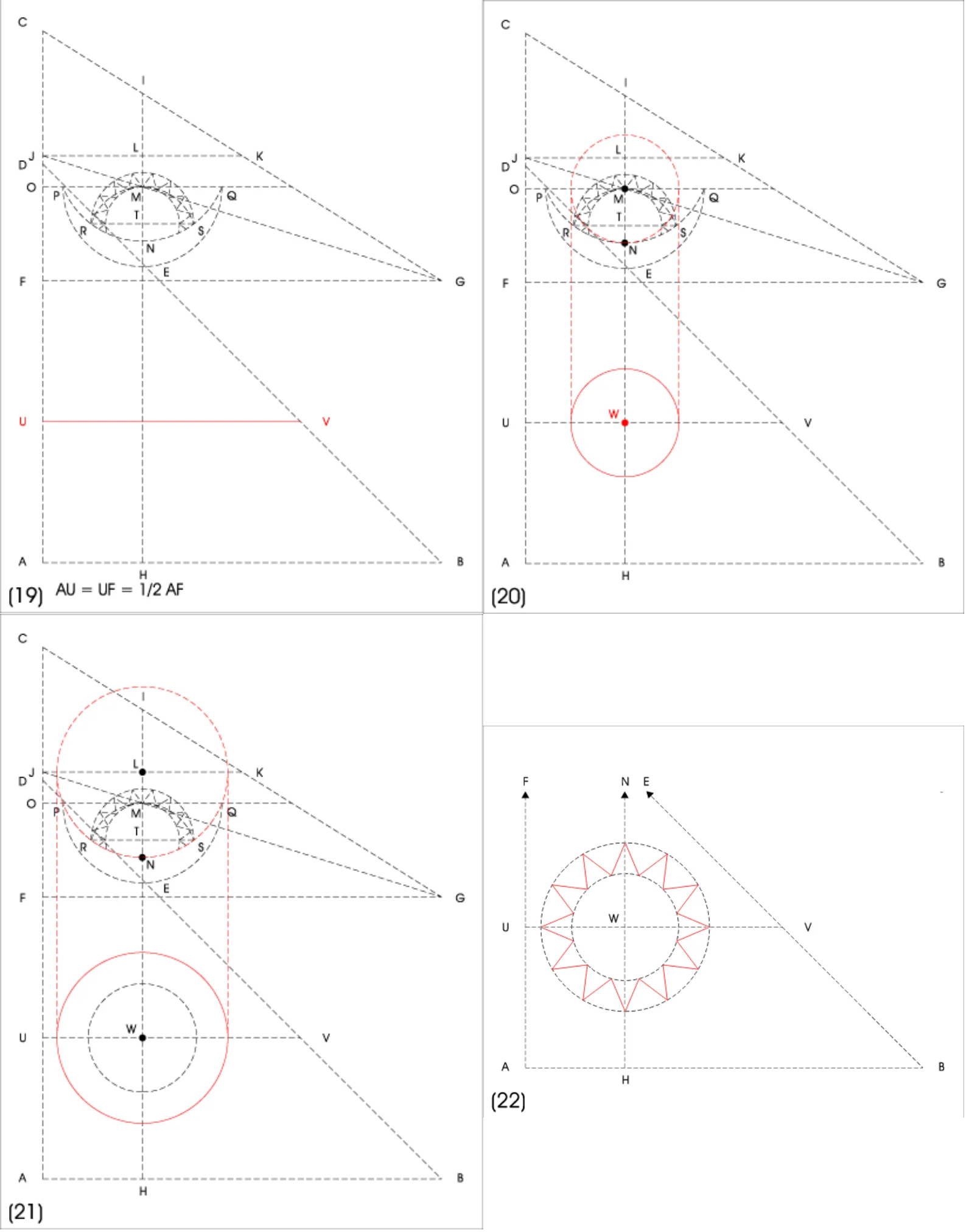
Nepal Has the World's Only Non-Rectangular Flag — and the Reason Is Written in Its Geometry
Every other nation on Earth flies a rectangle. Nepal's flag is built from two overlapping pennants defined by a constitutional geometry lesson, not a length-to-width ratio — and it once forced the Olympics to make an exception.
Industry & Tourism
Nepal Just Started Training Trekking Cooks in Korean Cuisine — Inside the Push for South Korea's Trekkers
A two-week culinary and hygiene course for more than 30 trekking cooks and field staff, backed by the Korean Embassy in Kathmandu, is Nepal's clearest bet yet on South Korea's 30-million-strong outbound travel market.
World Destinations
How Much Does a Year of Travel Actually Cost in 2026? (Real Budgets by Style & Region)
From about $8,000 across Southeast Asia to $50,000+ in Western Europe — the real 2026 numbers for a year on the road, broken down by travel style and region, and where a Nepal trek fits a round-the-world budget.