
Luggage Buying Guide 2026: Hard vs Soft, Carry-On vs Checked, and Backpack vs Spinner
A practical buyer’s guide to choosing travel luggage in 2026 — hard shell vs soft, carry-on vs checked, two-wheel vs spinner, and when a backpack or duffel wins. How to match the bag to the trip, weight allowances, and durability vs price.
At a glance
- Published
- TopicGear & Tech
- Verified againstWikipedia
- Treks coveredAnnapurna Circuit Trek — 13 Days, Everest Base Camp Trek — 14 Days, Manaslu Circuit Trek — 14 Days
The right bag is the one that suits the trip, not the one that looked smart in the shop. Buy for how you will actually travel — airports, pavements, stairs, trails. The short version: a hard shell protects fragile things but weighs more and scratches; a soft-sided bag is lighter, squashable and pockets easily; carry-on saves fees and waiting while checked carries far more; two wheels handle rough ground better and four-wheel spinners glide through terminals; and a backpack or duffel beats any wheeled case where the ground is broken.
The buyer's checklist in one glance
- Hard shell — rigid plastic or metal; shields fragile contents, but adds weight and shows scuffs
- Soft shell — fabric over a light frame; lighter, expandable, pockets outside, squeezes into tight bins
- Carry-on — no fee, nothing to lose, but bound by strict cabin size and weight limits
- Checked — far more capacity and room for liquids, at the cost of fees, waiting and a small risk of loss
- Two wheels tilt-and-drag with protected wheels; spinners roll upright in any direction on smooth floors
- A wheeled case is useless on a mountain trail — for a trek, a soft duffel a porter can carry, plus a daypack
A hard shell is the wrong tool for Nepal, where your bag goes on a bus roof and then a porter’s back — the alternatives are in duffels.
Hard shell vs soft shell: protection or flexibility
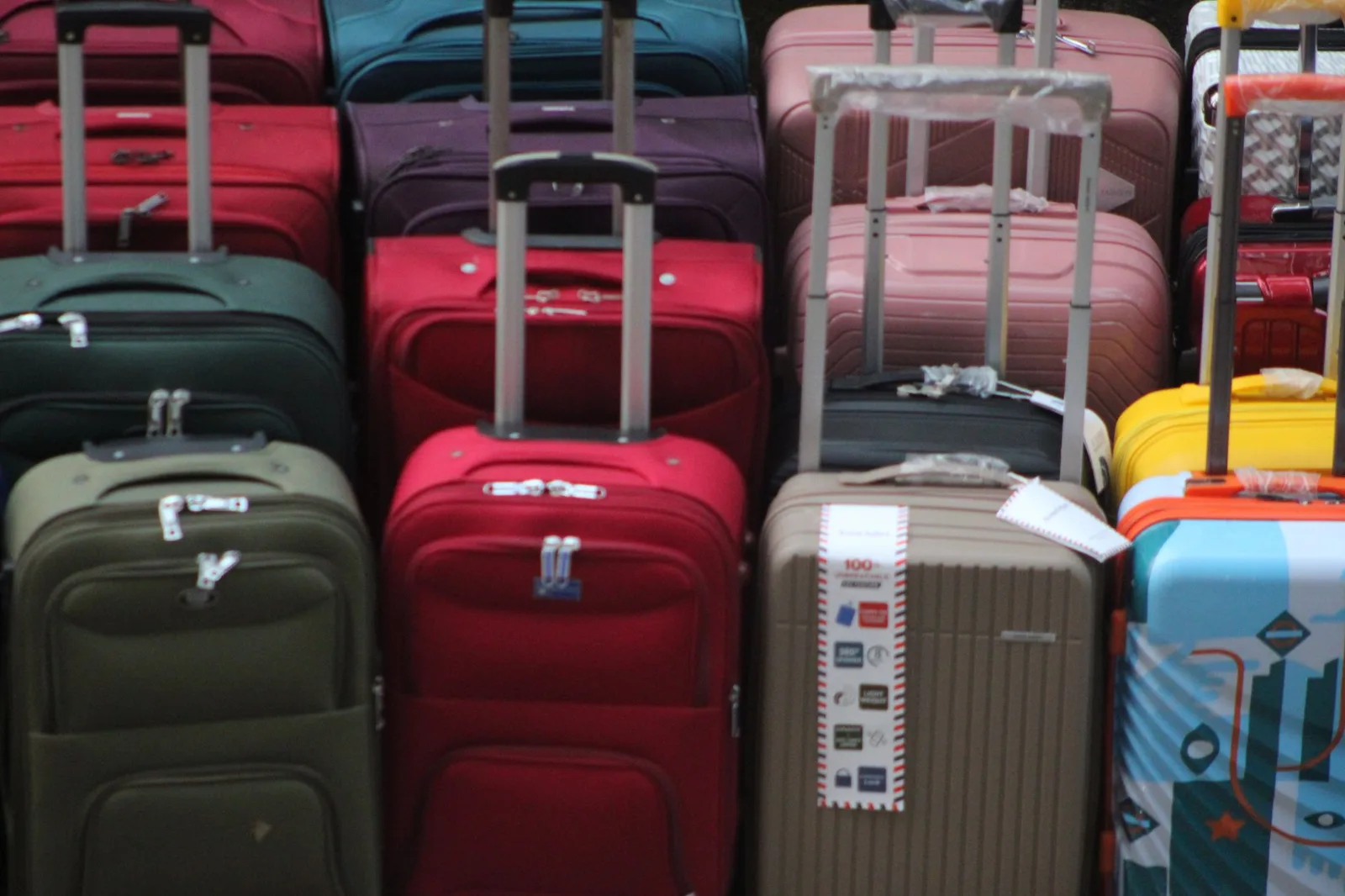
This first fork comes down to what you carry and how rough the journey is. A hard-sided case is a rigid clam-shell — historically aluminium (Rimowa built the first aluminium suitcase in 1950) and, since Rimowa's 2000 model, lightweight polycarbonate, with cheaper cases moulded from ABS. The rigid shell spreads impact and keeps fragile items intact, wipes clean, and locks shut all the way round. The trade-offs are real — it is heavier for its size, shows scratches the first time a belt swallows it, has no external pockets, and will not squeeze into a full overhead bin or a packed car.
A soft-sided bag is fabric — ballistic nylon or polyester — over a light internal frame. It is lighter, so more of your allowance goes to your things; it flexes to absorb bumps rather than cracking; it expands via a zip gusset when you overpack on the way home; and its outside pockets swallow a boarding pass or water bottle. The cost is less protection for fragile items, a shell that can be slashed or soaked, and fabric that stains. Rule of thumb: hard shell for cameras, electronics and breakables; soft shell for clothes-heavy trips, tight spaces and when every gram counts.
| Type | Pros | Cons | Best for |
|---|---|---|---|
| Hard shell | Protects fragile contents; wipes clean; locks fully; weatherproof | Heavier; scratches; no outside pockets; won't squeeze into tight spaces | Cameras, electronics, breakables |
| Soft shell | Lighter; expandable; external pockets; squashes into bins and boots | Less protection for fragile items; can be slashed or soaked; stains | Clothes-heavy trips; tight spaces |
| Carry-on | No fee; no wait at the belt; the airline can't lose it | Strict size and weight limits; no large liquids or sharps | Short trips; city breaks; connections |
| Checked | Large capacity; carries liquids, sharps and bulky kit | Fees; wait at reclaim; small risk of delay or loss | Long trips; families; gear-heavy travel |
| Backpack / duffel | Hands-free; handles stairs, cobbles and uneven ground | Weight on your body; hotter to carry; harder to access | Trekking; rough ground; transit-heavy routes |
| Four-wheel spinner | Rolls upright in any direction; no wrist strain | Wheels protrude and take damage; rolls away on slopes; poor on rough ground | Airports; smooth floors; frequent flyers |
Carry-on only, or check a bag?
Carry-on has won a lot of converts: no fee, no wait at the carousel, and a bag the airline cannot lose because it never leaves you. The catch is the ceiling — cabin bags face strict size and weight limits that vary by airline, and an overfull flight can still see yours gate-checked. Checked baggage buys capacity and freedom — bulky gear, full-size liquids, the heavy things a cabin bag cannot take — at the cost of fees, time at reclaim and a small chance of delay. If you can get a trip into a cabin bag, do; read our carry-on-only guide and the current cabin-bag size and fee limits by airline before you buy, so the case fits the airlines you fly.
Two wheels, four wheels, or straps
Wheels have their own history. Bernard Sadow patented a four-wheeled rolling suitcase in 1972; airline pilot Robert Plath invented the two-wheel upright "Rollaboard" in 1987; and Samsonite popularised the four-wheel "spinner" in 2004. Each still has its place. Two-wheel uprights tilt and drag behind you, their wheels recessed and protected — better over kerbs, cobbles and broken pavement, with a touch more packing space. Four-wheel spinners roll upright in any direction and spare your wrist, shining in airport aisles and on smooth floors — but the wheels stick out and take the knocks, and the case rolls away on the slightest slope. Choose spinners if your travel is mostly terminals and hotels; two wheels if your ground is rougher; and where the ground is genuinely bad — stairs, mud, no lifts — a hands-free backpack or duffel beats any wheel.
Durability vs price — and the weight trap
Spend where it counts: the wheels, the handle and the zips fail first, long before the shell does. A slightly pricier bag with sealed bearings, a solid handle and chunky zips outlasts two cheap ones. But do not buy protection you will never use — the more structure a bag has, the more it weighs empty, and on a weight-limited flight every gram of bag is a gram of belongings left behind. Weigh the empty case before you love it, then read how to pack a suitcase efficiently.
Match the bag to the trip
There is no single best bag — only the best bag for this journey. A hard-shell spinner is superb for a city work trip and a menace on a mountain; a soft duffel is perfect for a trek and pointless for a fragile camera kit. Before you buy, picture the ground your bag will actually cross — terminals and smooth lobbies, or stairs, trails and the back of a jeep — and buy for the hardest surface on the route, not the easiest.
Coming to Nepal? Leave the wheeled suitcase behind
This is where generic luggage advice goes wrong for a trek. On a Himalayan trail there is nothing to roll a wheeled case along — the paths are stone steps, mud and river crossings, and the teahouse lodges have no smooth floors or lifts. A hard-shell spinner is dead weight, and it is your porter who carries it. What you want is a soft duffel bag — light, squashable, no rigid frame — that a porter can strap on and carry, packed to a sensible weight (most operators cap the porter load, so pack light). Add a comfortable daypack for the layers, water and camera you keep with you as you walk. Bring the wheeled case only for the flight and your hotel nights in Kathmandu or Pokhara, and leave it there while you are on the trail. Planning a route and want a clear kit list? See our Everest Base Camp trek and just ask — telling you what not to buy is part of the job.
Cover photo: Jahra Tasfia Reza via Pexels (Pexels License).
As an Amazon Associate we earn from qualifying purchases, at no extra cost to you. It does not change what we recommend — including the things we tell you to rent instead, which earn us nothing.
Still running this season
Annapurna Circuit Trek — 13 Days is running normally
NMA-certified local guides, transparent pricing, 5,000+ treks since 1998. Message us your dates and we'll sort the permits, lodges and logistics — reply within 24 hours, no obligation.


Popular Nepal treks
All treks →


Related coverage
Gear & Tech
Portable Wi-Fi and Travel Routers in 2026: Do You Actually Need One?
A pocket Wi-Fi box, a travel router, a phone hotspot, an eSIM or a local SIM — an honest buyer’s guide to what each does, when a device is worth it, and why none of them help where there’s no signal.

Gear & Tech
Offline Maps and Navigation for Travel in 2026: How to Find Your Way With No Signal and No Data
Your phone's GPS finds you from satellites even in airplane mode — you just have to download the map first. A practical guide to offline map areas, dedicated trail apps, saved directions, a paper backup and keeping the battery alive.
Money & Insurance
Travel Money Mistakes to Avoid in 2026: The Quiet Fees That Drain Your Trip
From the "pay in your home currency" trap to airport exchange kiosks and telling no one at your bank you’ve left the country — the small, repeated money mistakes that cost real cash, and the free fix for each.
World Destinations
Where to Travel Each Month in 2026: A Month-by-Month Guide to the Best Seasons Worldwide
A season-first calendar of where the weather works best in every month of 2026 — from Southeast Asia’s dry winter and Japan’s cherry blossom to Europe’s summer, Nepal’s autumn trekking peak and the Caribbean’s dry-season sun.
Latest from the desk
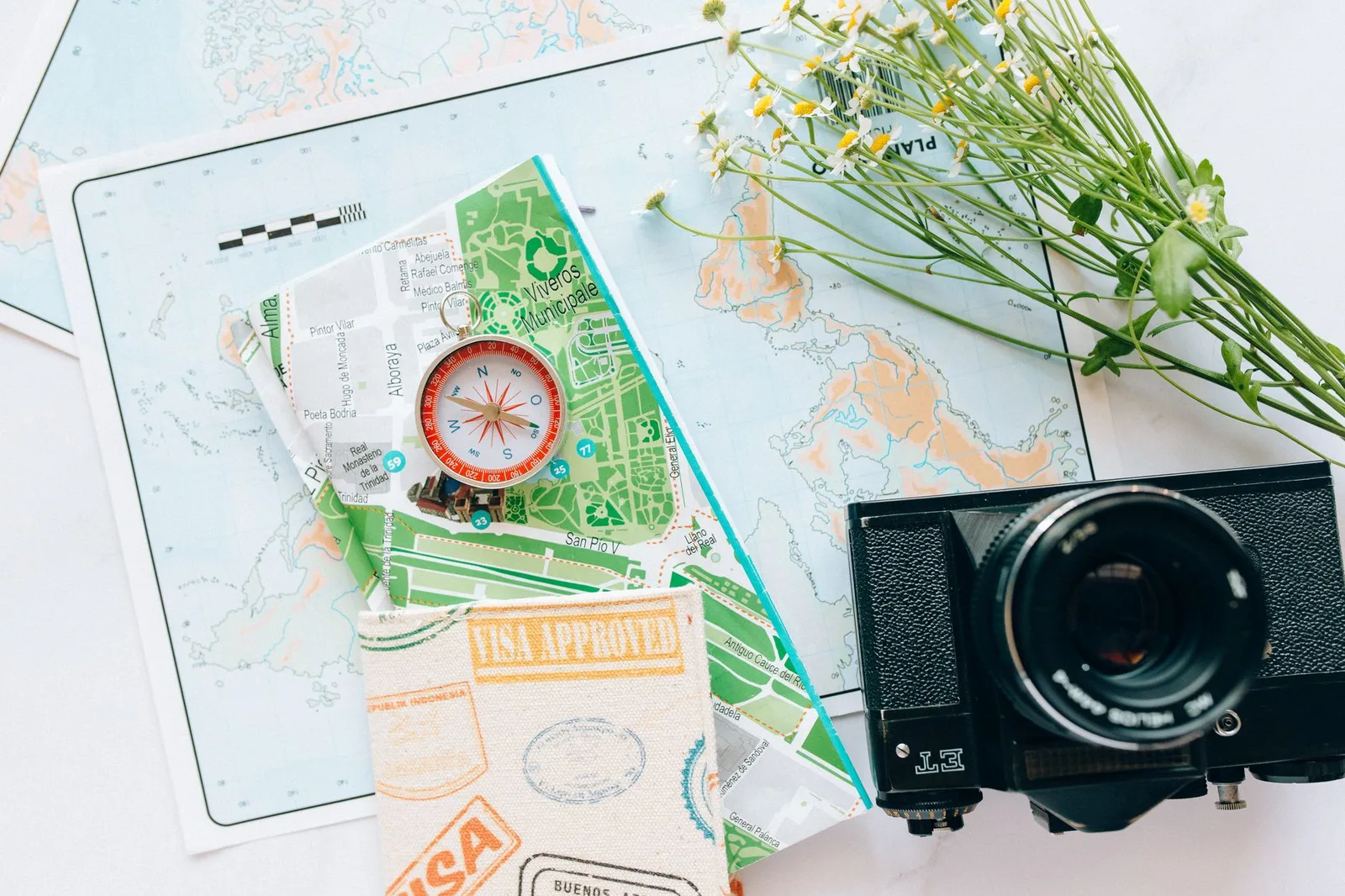
Visas & Entry
ETA vs eVisa vs Visa vs Visa-Free in 2026: What the Difference Actually Is
An ETA is a pre-screen, not a visa. An eVisa is a real visa applied for online. A visa on arrival is granted at the border. And none of them guarantees entry — the officer does. Here is the plain-English taxonomy, and where Nepal fits.

World Destinations
Cheapest Countries to Visit in Asia in 2026 (Where Your Money Goes Furthest)
From Nepal’s Himalaya on a backpacker budget to the street-food value of Vietnam, India and Kyrgyzstan — the great-value Asian destinations for 2026, why each is cheap, and when to go.
Records & People
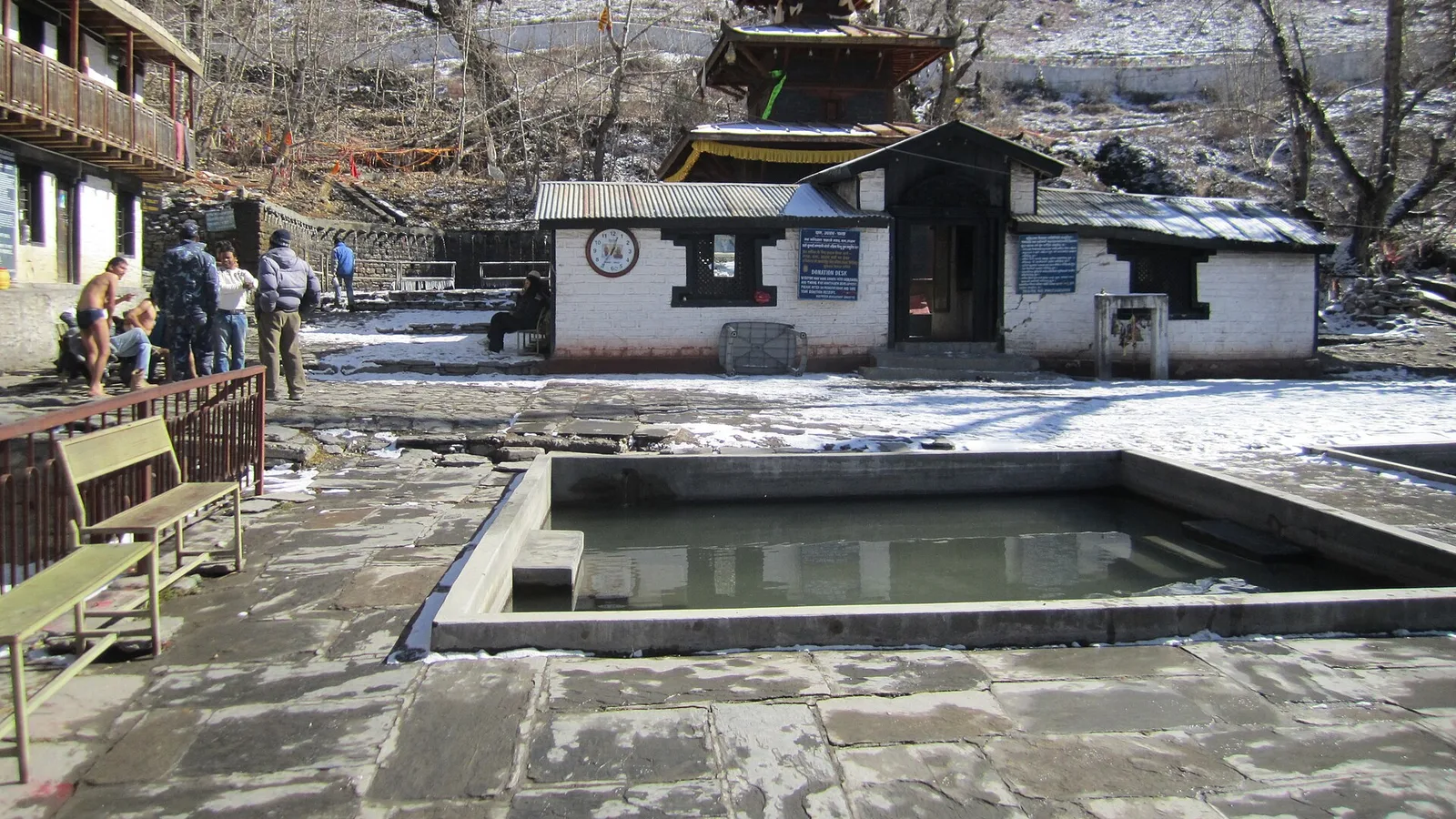
Nepal Has a Temple Where Fire Burns Straight Out of Water, and Nobody Fully Explains Why It Never Goes Out
At 3,710 metres beneath the Thorong La pass, a natural gas seep keeps a flame burning above a spring at Muktinath, a site sacred to both Hindus and Buddhists.