
Nepal Has a Temple Where Fire Burns Straight Out of Water, and Nobody Fully Explains Why It Never Goes Out
At 3,710 metres beneath the Thorong La pass, a natural gas seep keeps a flame burning above a spring at Muktinath, a site sacred to both Hindus and Buddhists.
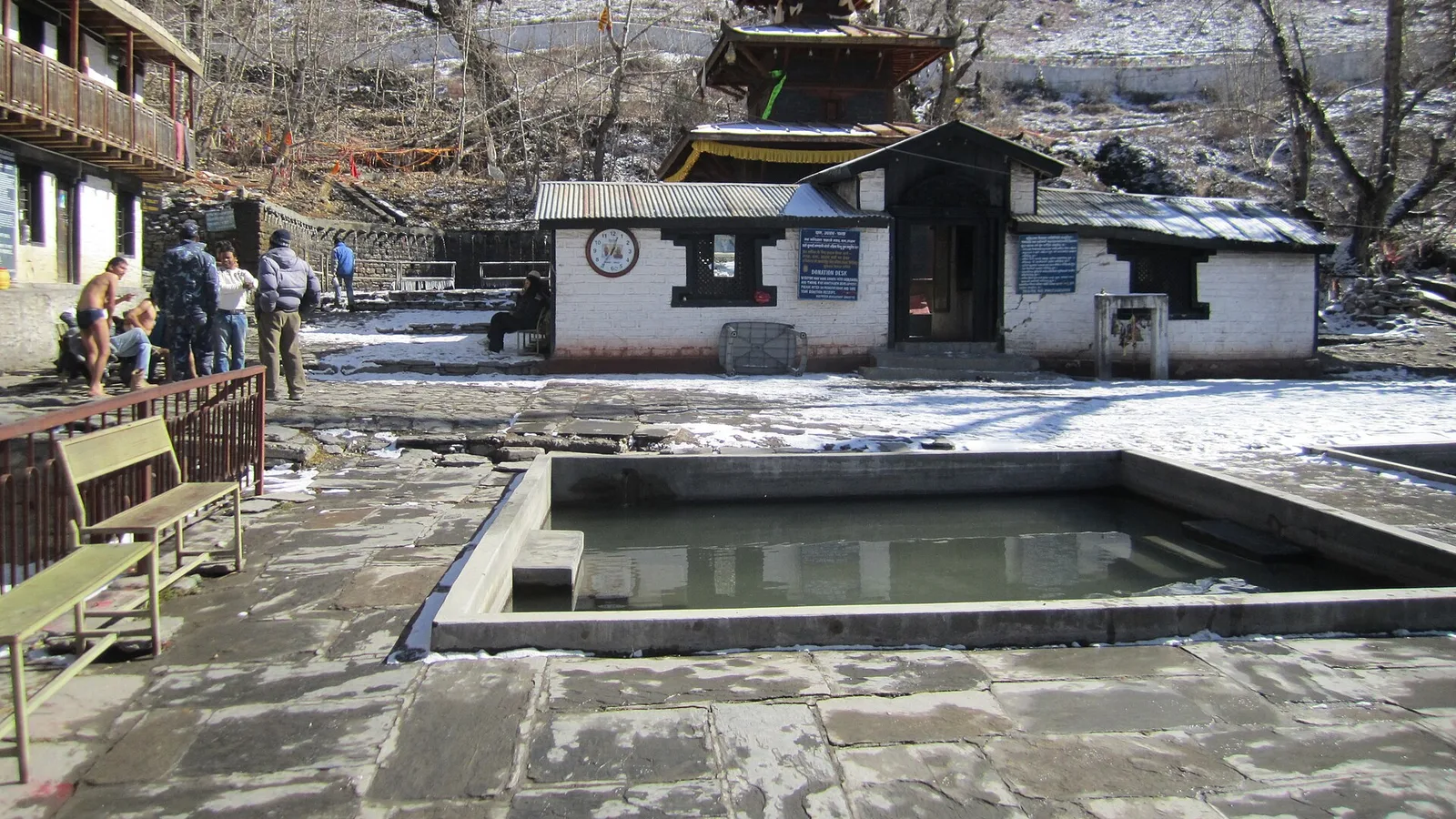
At a glance
- Published
- TopicRecords & People
- Verified againstNepal Hiking Team
- Treks coveredAnnapurna Circuit Trek — 13 Days, Jomsom Muktinath Trek, Upper Mustang Trek — 12 Days
Most pilgrims climbing toward Muktinath are chasing the same promise the name makes in Sanskrit: mukti, liberation. What waits for them at 3,710 metres, tucked below the Thorong La pass in Mustang, is a small stone shrine where a flame burns directly above running spring water — fire and water refusing to cancel each other out, the way they should.
Key facts
- Muktinath sits at 3,710 metres, at the foot of the 5,416-metre Thorong La pass in Mustang
- The Jwala Mai shrine holds 3 flames, said to burn from soil, rock and water, all fed by a natural gas seep
- Pilgrims bathe under 108 bull-head water spouts believed to wash away a lifetime of sin
- The site is sacred to 2 faiths at once — Hindus know it as a Vishnu shrine, Buddhists as Chumig Gyatsa, the Hundred Waters
The mechanics are geological, not mystical: a pocket of natural gas rises through fractured rock beneath a cold spring and ignites where it meets air, so the flame appears to sit on the water's surface rather than beside it. Nobody has dated exactly when it was first lit — pilgrims have simply always found it burning. The same trick of geology shows up elsewhere on Earth, which is part of what makes Muktinath remarkable rather than unique, and also part of why it has drawn Hindu and Buddhist pilgrims to the same small room for centuries without either tradition claiming sole ownership of it.
Hindus revere Muktinath as one of the 108 Divya Desams, the sacred Vishnu temples of the Vaishnava tradition, and the 108 spouts echo that same number — a freezing bath under all of them at once is considered a shortcut to liberation, and pilgrims do it anyway, gasping, in the thin Mustang air. Buddhists call the same ground Chumig Gyatsa and connect it to Guru Rinpoche, who is said to have passed through Mustang on his way to Tibet. Neither group treats the flame as a metaphor. It is read as a literal, physical proof that opposing elements can hold together without destroying each other, which is roughly the point pilgrims are there to absorb.
Nepal is not alone in hosting a flame like this — natural gas seeps have been burning in a handful of places for as long as anyone has kept records, and Muktinath's closest cousins sit thousands of kilometres away.
| Site | Country | Known burning since |
|---|---|---|
| Muktinath (Jwala Mai) | Nepal | Undated, centuries |
| Chimaera (Yanartas) | Turkey | 2,000+ years |
| Baba Gurgur | Iraq | ~4,000 years |
| Jwala Ji | India | Thousands of years |
What this means for trekkers
What this means for you
You do not need to cross a pass to see this. Muktinath is reachable by a short mountain flight from Pokhara to Jomsom followed by a jeep ride, no trekking gear required — but the more common way travellers arrive is on foot, descending from the 5,416-metre Thorong La on the Annapurna Circuit, where the temple is both the reward and the proof that the hardest day is over. Either way, expect thin air, a genuinely cold bath if you attempt the spouts, and a room that smells faintly of gas and juniper incense at once.
For trekkers building an itinerary around it, the Jomsom Muktinath trek reaches the shrine without the full circuit's altitude commitment, while the Upper Mustang trek continues north into the rain-shadow desert beyond it, past cave monasteries and the walled city of Lo Manthang. Whichever route brings you there, go in the late afternoon when the pilgrim crowds thin and the flame is easiest to actually watch rather than glimpse over shoulders.
Sources: Nepal Hiking Team, Himalayan Recreation, Third Rock Adventures, and Wikipedia (Jwala goddess, Mount Chimaera).
Cover photo: Prabina Karki via Wikimedia Commons (CC BY-SA 4.0).
Still running this season
Jomsom Muktinath Trek is running normally
NMA-certified local guides, transparent pricing, 5,000+ treks since 1998. Message us your dates and we'll sort the permits, lodges and logistics — reply within 24 hours, no obligation.


Popular Nepal treks
All treks →


Related coverage
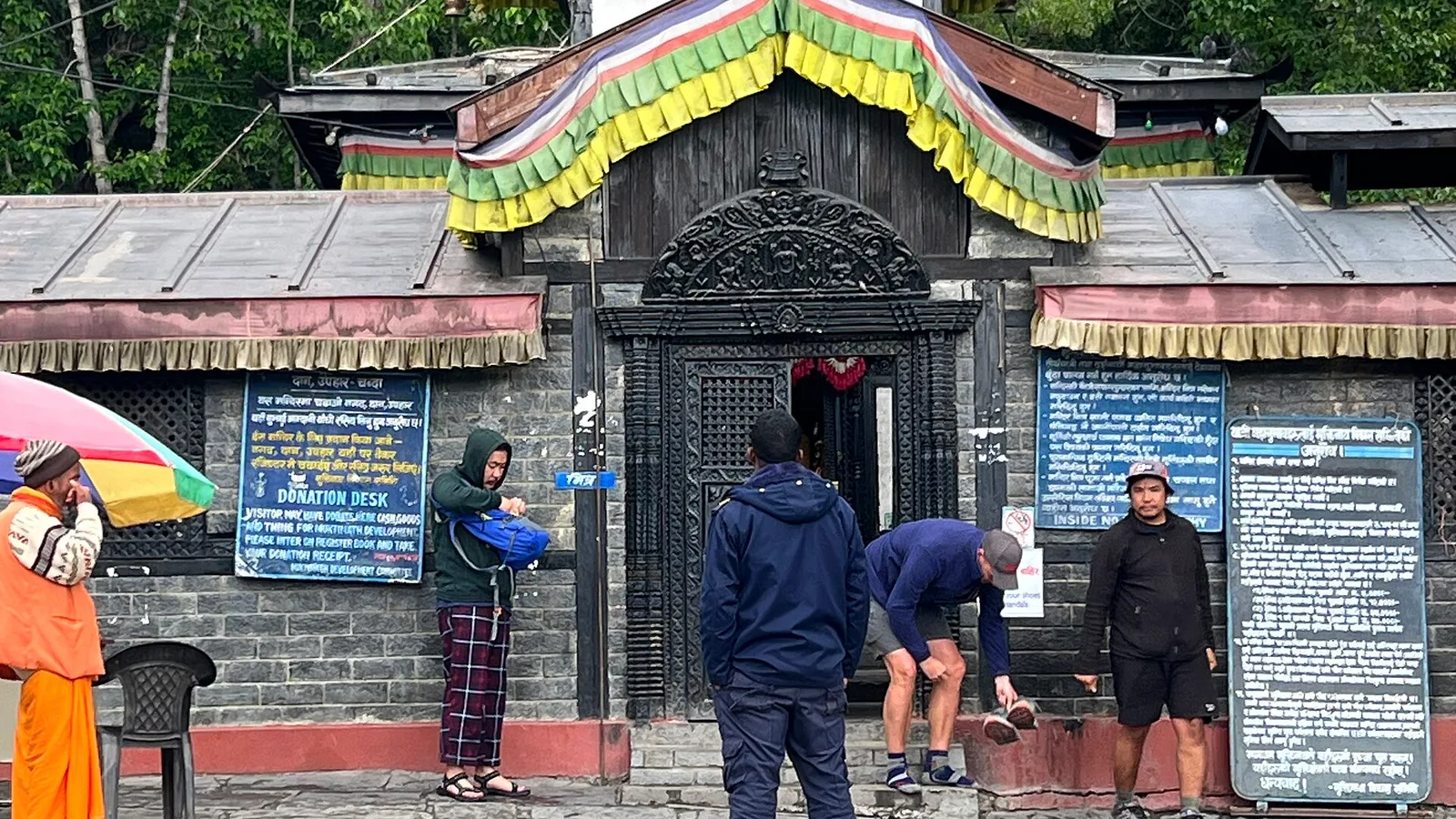
Records & People
Fire Burns Directly Out of Water at This Himalayan Shrine — and Nobody Lit It
At 3,762 metres in Nepal's Mustang district, natural gas has kept a flame alight beside — and by tradition within — a spring for so long that Hindus and Buddhists both call the same shrine holy.
Trail & Weather
Which Nepal Trek Should a Beginner Actually Do in 2026? Poon Hill vs Mardi Himal vs Langtang, Compared
If you've never trekked above 3,000 metres before, the honest starting point is Poon Hill or Panchase, not Everest Base Camp — here's the real difference in altitude, days and cost.
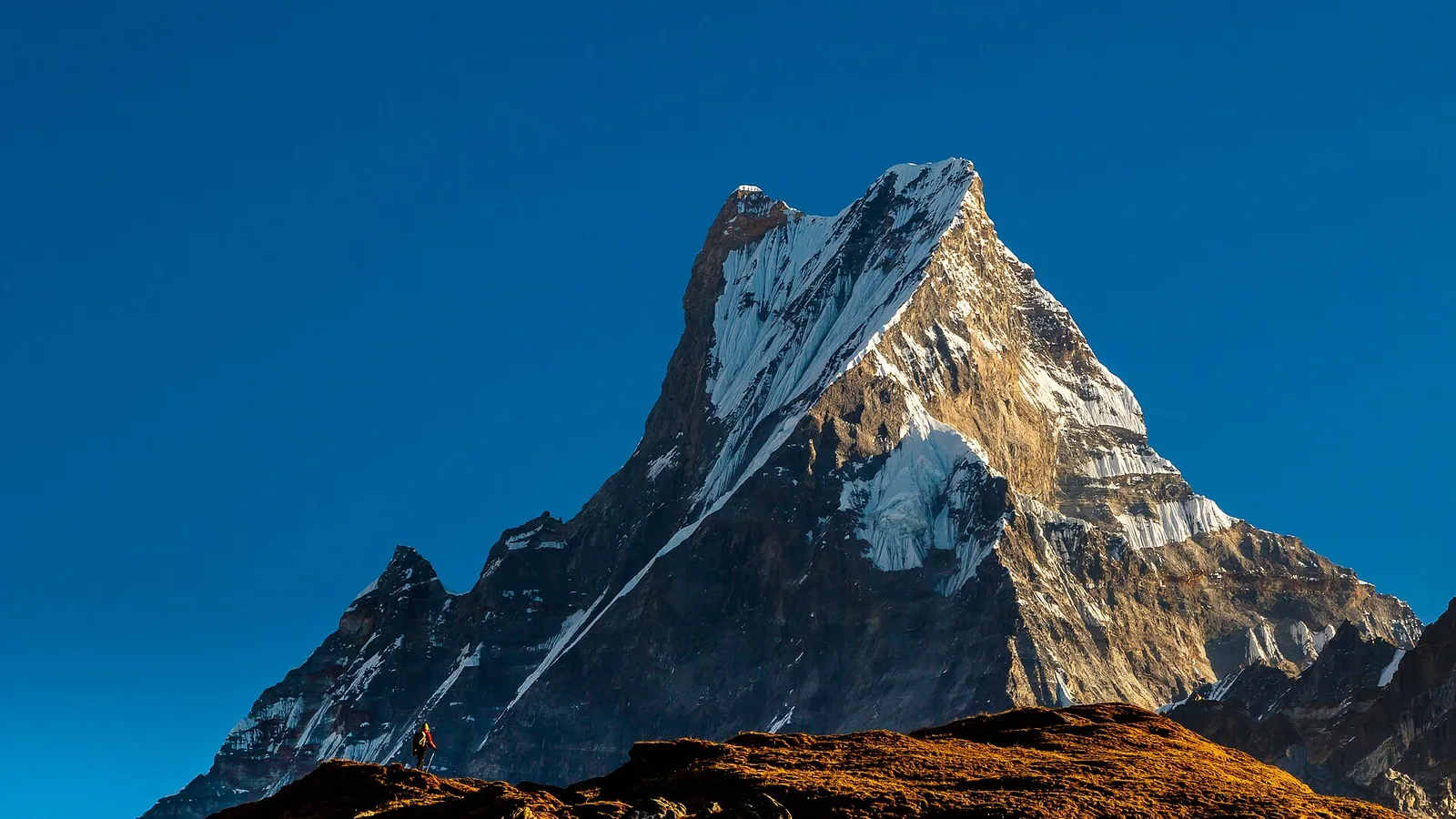
Records & People
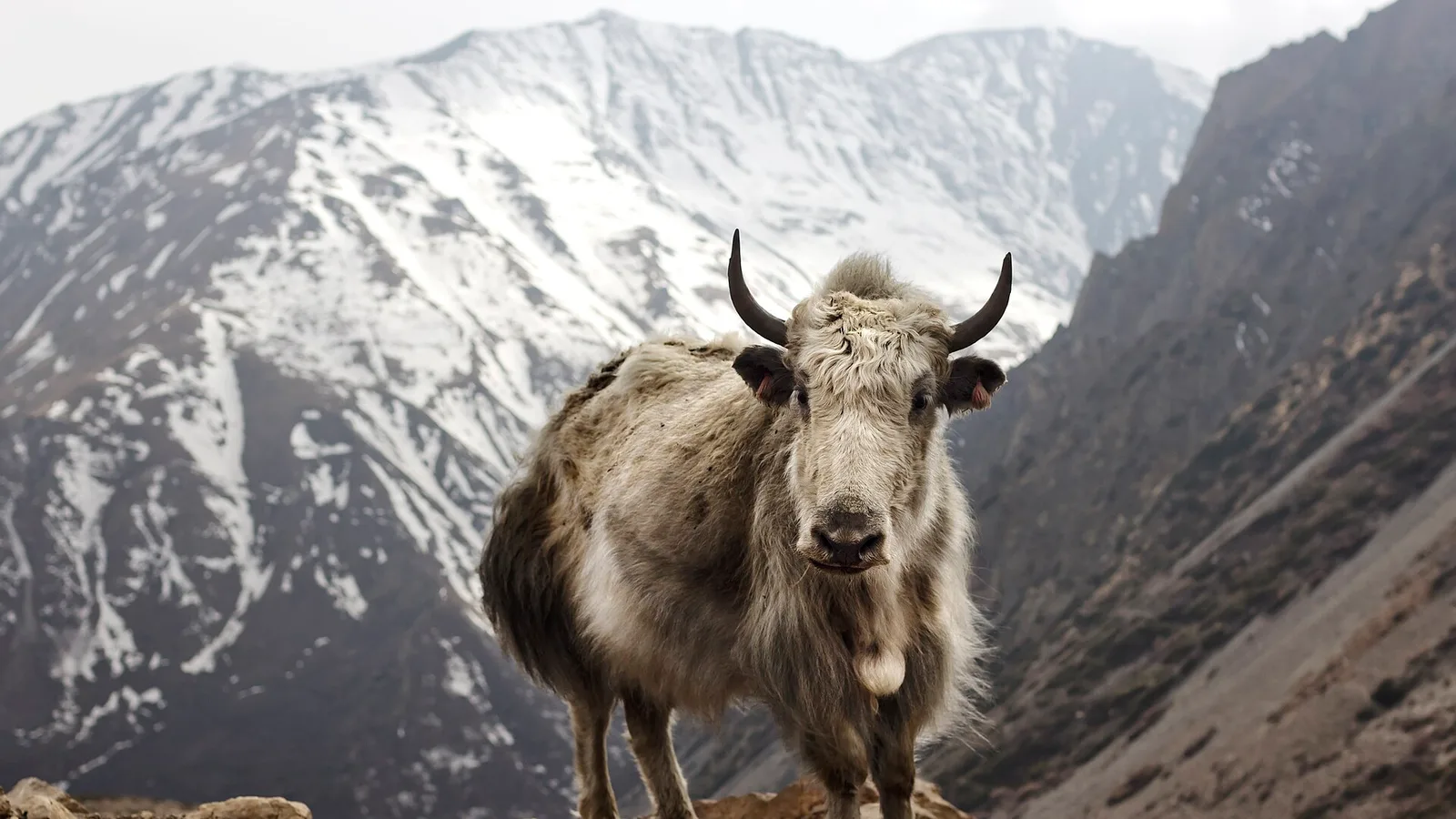
The Himalayan Peak So Sacred Nepal Has Never Once Let Anyone Legally Climb It
Machapuchare's twin summit rises 6,993 metres above Pokhara — and for more than sixty years, Nepal has refused every application to stand on top of it.
Industry & Tourism
Annapurna Circuit vs Tour du Mont Blanc: Which Great Loop in 2026?
Nepal's Thorong La at 5,416m against the Alps' hut-to-hut classic. One tests your lungs, the other grinds your legs — here's the honest, numbers-first comparison of two of the world's great trekking loops.
Latest from the desk
World Destinations
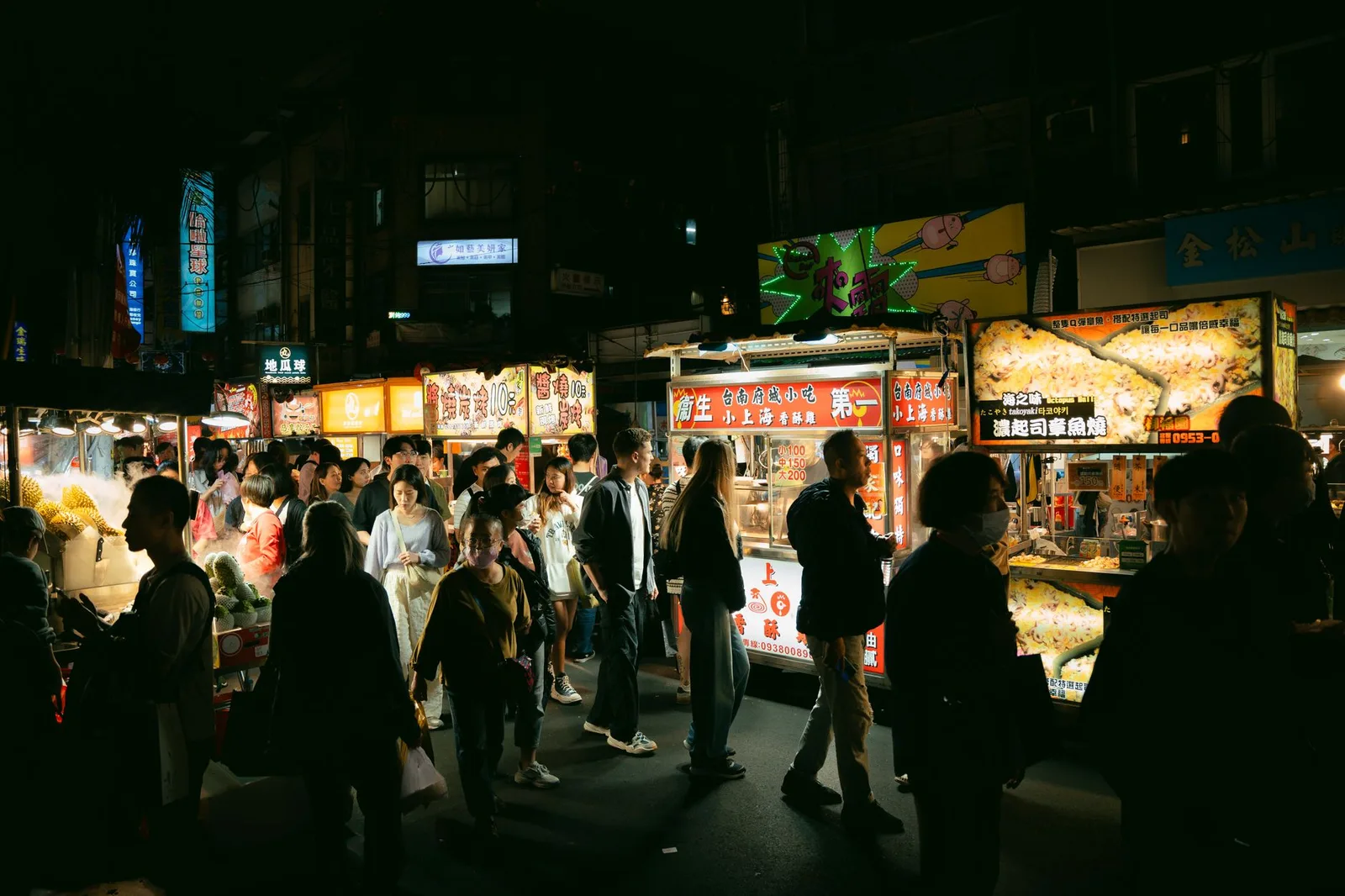
Cheapest Countries to Visit in Asia in 2026 (Where Your Money Goes Furthest)
From Nepal’s Himalaya on a backpacker budget to the street-food value of Vietnam, India and Kyrgyzstan — the great-value Asian destinations for 2026, why each is cheap, and when to go.
Festivals & Events
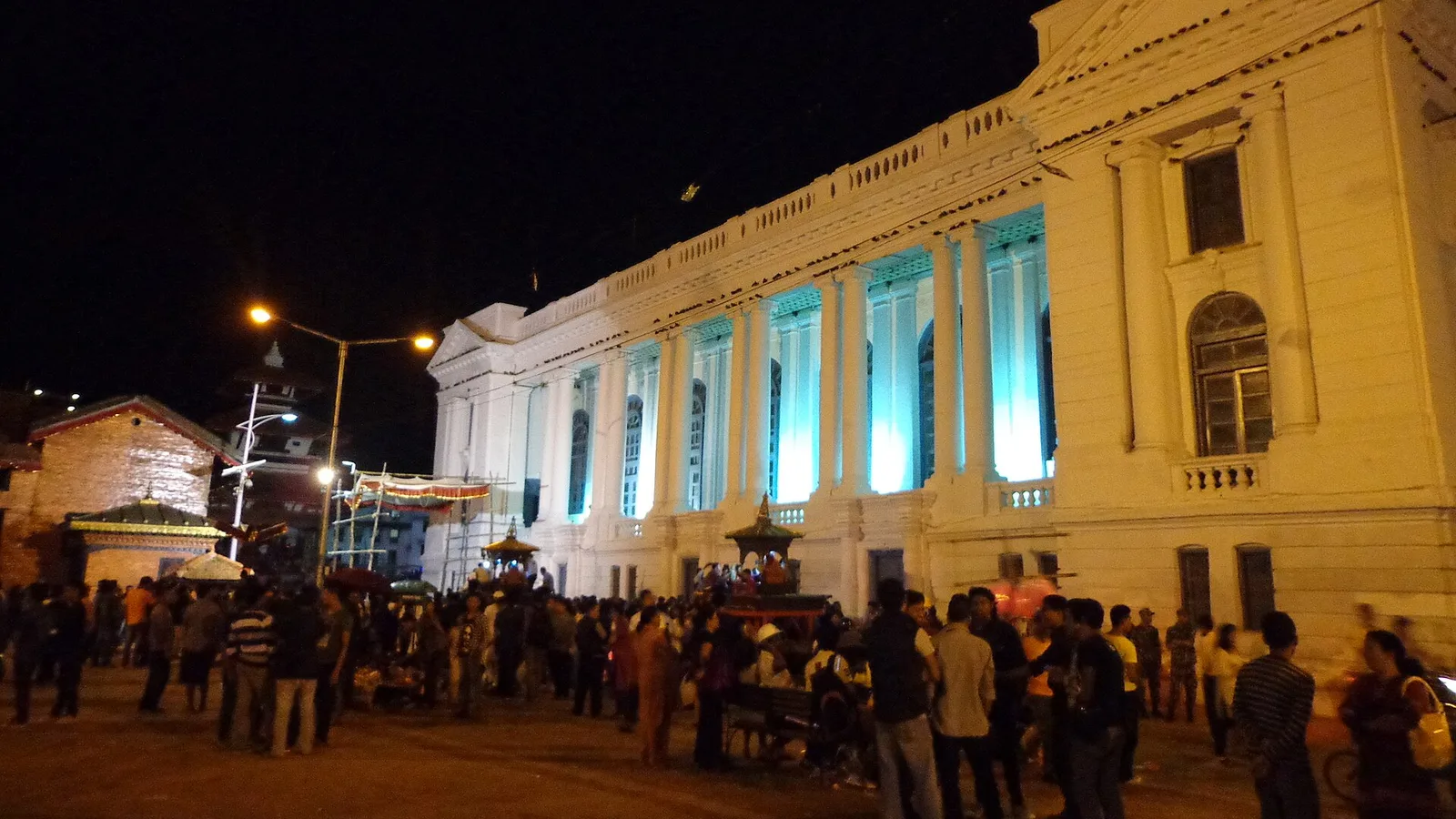
Kathmandu's Biggest Street Festival Has a Stone Demon That Spits Rice Beer Into the Crowd
Indra Jatra runs September 25 to October 2, 2026, and turns Kathmandu Durbar Square into eight days of chariot processions, masked demon dances and a mask that pours alcohol from its mouth.

Breaking Safety & Advisories
Nepal’s tourism minister is asking you not to cancel your trek
Khadak Raj Paudel says the floods hit specific places, not the whole country, and the trails are open. Where he is right, and the bit he leaves out.