
ETA vs eVisa vs Visa vs Visa-Free in 2026: What the Difference Actually Is
An ETA is a pre-screen, not a visa. An eVisa is a real visa applied for online. A visa on arrival is granted at the border. And none of them guarantees entry — the officer does. Here is the plain-English taxonomy, and where Nepal fits.

At a glance
- Published
- TopicVisas & Entry
- Verified againstWikipedia: Electronic travel authorization; Electronic visa
- Treks coveredAnnapurna Base Camp Trek — 9 Days, Everest Base Camp Trek — 14 Days, Manaslu Circuit Trek — 14 Days
Few things in modern travel are as quietly confusing as the words on the checklist. One country tells you to get an ETA. The next wants an eVisa. A third gives you a visa on arrival, a fourth still wants a sticker in your passport from an embassy, and a fifth waves you straight through visa-free. They sound interchangeable. They are not. Getting the category wrong is how people miss flights, pay a stranger's website twice over, or turn up at a border with the wrong piece of paper. Here is the plain-English map for 2026 — and where Nepal sits on it.
The five categories in one breath
- ETA / travel authorisation (UK ETA, US ESTA, Canada eTA, EU ETIAS) — a pre-screen for people who are already visa-exempt. It is not a visa; it is permission to board, checked online before you fly.
- eVisa — an actual visa you apply for online. It replaces the embassy trip and the sticker, but it is still a real visa with a real decision.
- Visa on arrival (VOA) — a genuine visa issued at the airport or land border when you land. No advance paperwork; you queue and pay on the spot.
- Consular / sticker visa — the traditional route: apply at an embassy or consulate, sometimes attend an interview, get a label in the passport before you travel.
- Visa-free — nothing to buy or apply for; you enter on your passport alone (for a set number of days).
The one that trips everyone up: an ETA is not a visa
The newest category is the electronic travel authorisation, and it causes the most confusion because it looks like a visa and is bought like a visa — yet it is deliberately something else. As Wikipedia's own definition puts it, an ETA is "a midway point between countries allowing a foreign national to travel to their country unconditionally without a visa" and the old world of embassy interviews. In other words, it is a light pre-screening layer bolted onto a visa-waiver relationship. You only need one because your passport was already exempt from needing a visa; the country simply now wants to vet you online first.
That is why the big four are all ETAs, not visas: the US ESTA, Canada's eTA, the UK ETA and the EU's incoming ETIAS. Each is cheap, fast, tied to your passport number, and valid for multiple short trips. None of them is a visa, and none lets you do things a visa allows, such as long stays or work.
eVisa, VOA and the sticker: three flavours of a real visa
Once you actually need a visa, the only question is how you get it. An eVisa is the online version — you fill a form, upload a photo, pay by card and receive an emailed approval before you fly. A visa on arrival is the same legal thing granted at the counter when you land, trading the online lead time for an airport queue. A consular visa is the old-fashioned way: paperwork lodged with an embassy, occasionally an interview, and a sticker in the passport before departure. All three are visas. Which one is offered depends entirely on your nationality and your destination — the same country can hand a Canadian a visa-free stamp and require a full eVisa from a neighbouring passport.
| Type | What it actually is | Example | Who needs it |
|---|---|---|---|
| ETA / authorisation | A pre-screen, not a visa — permission to board, tied to a visa-waiver deal | US ESTA, Canada eTA, UK ETA, EU ETIAS | Travellers who are already visa-exempt for that country |
| eVisa | A real visa, applied for and approved online before travel | India, Turkey, Kenya, Egypt eVisa | Nationalities that need a visa but can skip the embassy |
| Visa on arrival | A real visa issued at the border when you land | Nepal, Cambodia, parts of the Middle East | Eligible passports at eligible entry points |
| Consular / sticker visa | Traditional visa from an embassy, sometimes with an interview | Schengen visa, most long-stay and work visas | Passports without a waiver or online option |
| Visa-free | No visa and no authorisation at all | Many EU citizens across each other's borders | Passports with a full waiver, up to a day limit |
None of these guarantees entry
This is the part every category shares and every traveller forgets: an ETA, an eVisa, a visa on arrival and a sticker visa all confirm you are eligible to travel — they do not admit you. The border officer does, and can still refuse anyone who lacks an onward ticket, funds, or a convincing purpose of visit. A visa is permission to ask to enter, not a right to enter. Plan as if the desk still matters, because it does.
Which one do you actually need?
It comes down to two facts: your passport and your destination. Check the destination's official immigration site for your specific nationality — the same trip can be visa-free for one passport, an ETA for another and a full eVisa for a third. Beware, too, that categories drift: Kenya scrapped its visa on arrival for a compulsory online authorisation, and Europe's ETIAS will soon add a pre-screen for visitors who currently breeze in visa-free. If you are only changing planes, a different rule may apply again — see our guide to transit visas. And whatever the category, mind the clock once you are in: overstaying carries the same fines and bans regardless of how you entered.
Always use the official government portal
Every category above is exploited by copycat sites. Search "[country] eVisa" or "ETA" and the top results are often private middlemen who file the same application you could and add a US$30–100 "service fee" — a few simply harvest passport data. The genuine portal is a government domain (it ends in the country's own suffix, or is linked from its official immigration or foreign-ministry site). If a page pushes urgency or asks you to pay a company you have never heard of, close the tab.
Where Nepal sits on the map
Good news for anyone Himalaya-bound: Nepal keeps it simple. Most nationalities get a visa on arrival — a genuine visa issued at Kathmandu's Tribhuvan International Airport (and major land borders), where you fill a short form at a kiosk, pay in US dollars and are stamped in. It is not an ETA and not a pre-flight requirement for most visitors; you sort it when you land. The current tiers and exact fees, plus who is exempt and who must apply in advance, are laid out in our Nepal visa guide. If you want the sharper VOA-versus-online comparison, read visa on arrival vs eVisa.
Once the paperwork is off your mind, the mountains are the easy part. Whether it is the classic Everest Base Camp trek, the Annapurna Base Camp route or the wilder Manaslu Circuit, our team handles the permits and the logistics so all you carry across the border is your passport — with the right authorisation already sorted.
Cover photo: Nataliya Vaitkevich via Pexels (Pexels License).
Still running this season
Annapurna Base Camp Trek — 9 Days is running normally
NMA-certified local guides, transparent pricing, 5,000+ treks since 1998. Message us your dates and we'll sort the permits, lodges and logistics — reply within 24 hours, no obligation.


Popular Nepal treks
All treks →


Related coverage

Visas & Entry
Digital Nomad Taxes in 2026: Why Working Abroad Does Not Make You Tax-Free
Remote work crosses borders, and your tax bill follows. The 183-day residency rule, citizenship-based taxation, double-tax treaties and why a nomad visa is not a tax exemption, explained in plain English.

Visas & Entry
Brazil E-Visa 2026: US, Canadian and Australian Tourists Now Need One Again
Brazil has reintroduced a tourist visa — an online e-visa — for US, Canadian and Australian travellers on a reciprocity basis. Here is who needs it, how the e-visa works, and why many other nationalities still enter visa-free.

Visas & Entry
Visiting Australia in 2026: The ETA, eVisitor and Visitor Visa Explained
Australia has no visa on arrival — every short-stay visitor needs an authorisation before they fly. Here is the ETA (601), the free eVisitor (651) and the Visitor visa (600), and how to apply officially.
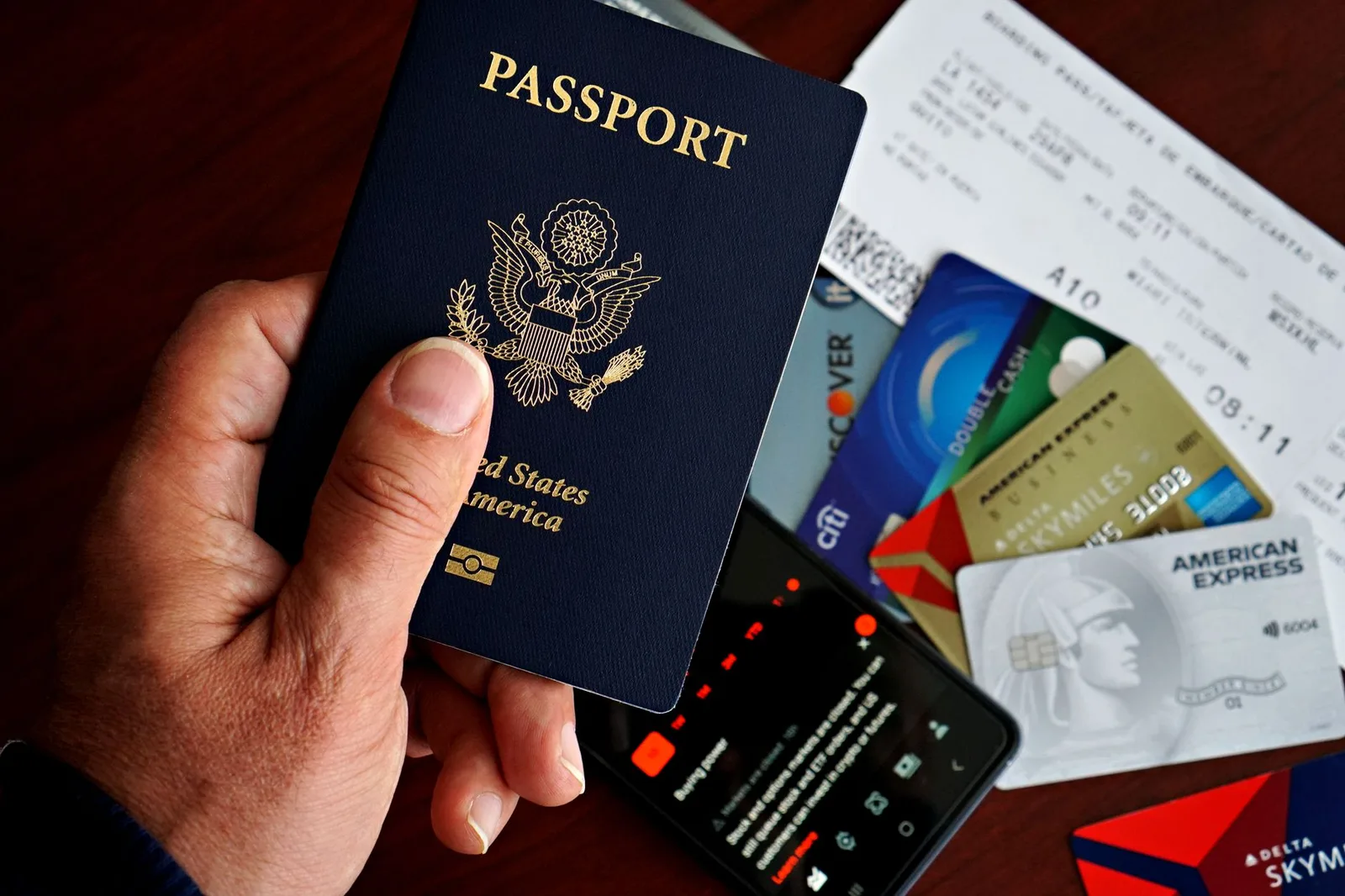
Visas & Entry
Passport Validity in 2026: The Six-Month Rule That Gets Travellers Refused at the Gate
A passport that has not expired can still be rejected — the six-month rule, the Schengen 10-year catch, blank pages, damage and name mismatches that get people denied boarding even with a valid visa.
Latest from the desk

Money & Insurance
Travel Money Mistakes to Avoid in 2026: The Quiet Fees That Drain Your Trip
From the "pay in your home currency" trap to airport exchange kiosks and telling no one at your bank you’ve left the country — the small, repeated money mistakes that cost real cash, and the free fix for each.

World Destinations
Cheapest Countries to Visit in Asia in 2026 (Where Your Money Goes Furthest)
From Nepal’s Himalaya on a backpacker budget to the street-food value of Vietnam, India and Kyrgyzstan — the great-value Asian destinations for 2026, why each is cheap, and when to go.
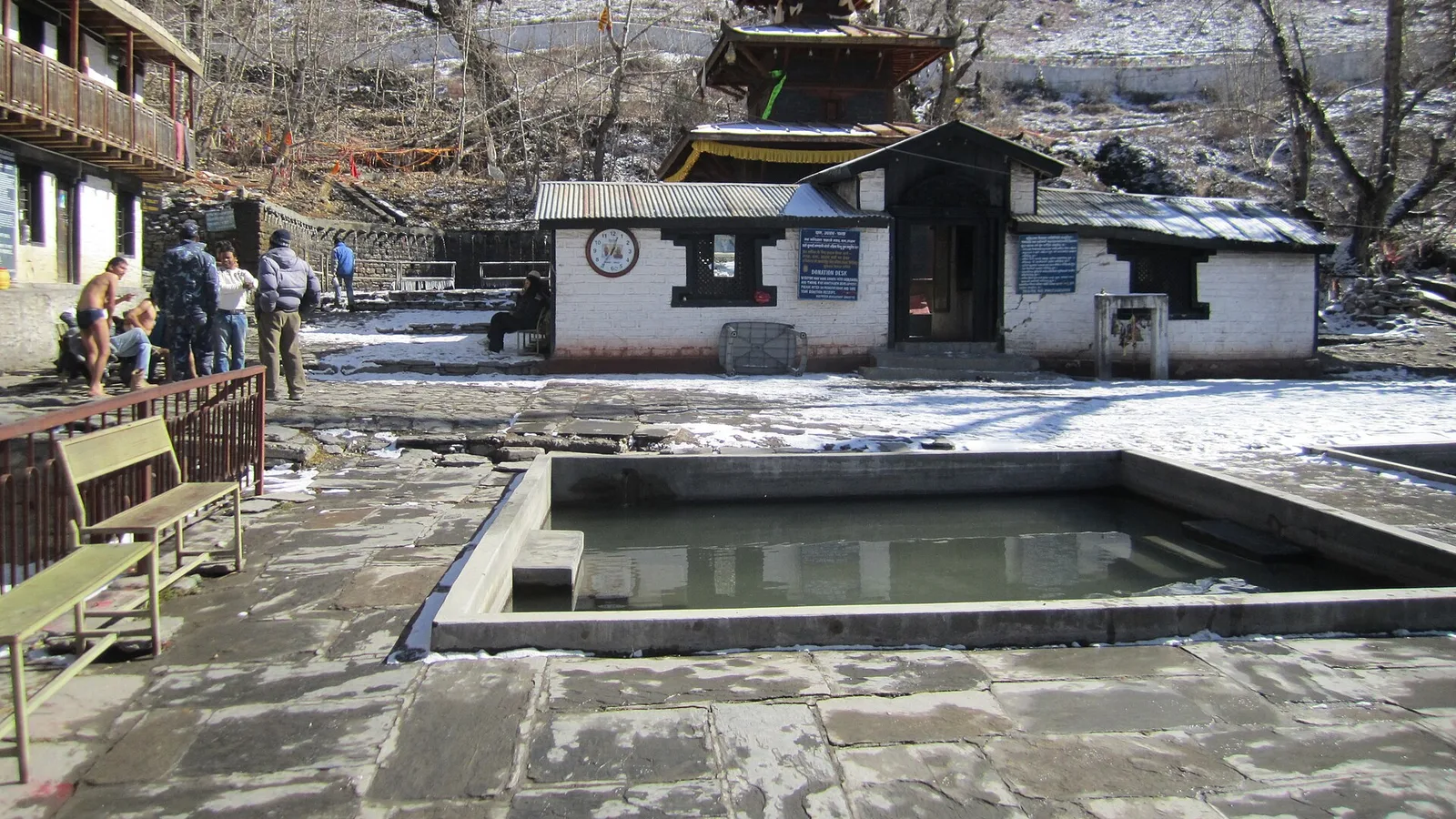
Records & People
Nepal Has a Temple Where Fire Burns Straight Out of Water, and Nobody Fully Explains Why It Never Goes Out
At 3,710 metres beneath the Thorong La pass, a natural gas seep keeps a flame burning above a spring at Muktinath, a site sacred to both Hindus and Buddhists.