
Overstaying a Visa in 2026: The Fines, Deportation and Entry Bans Travellers Underestimate
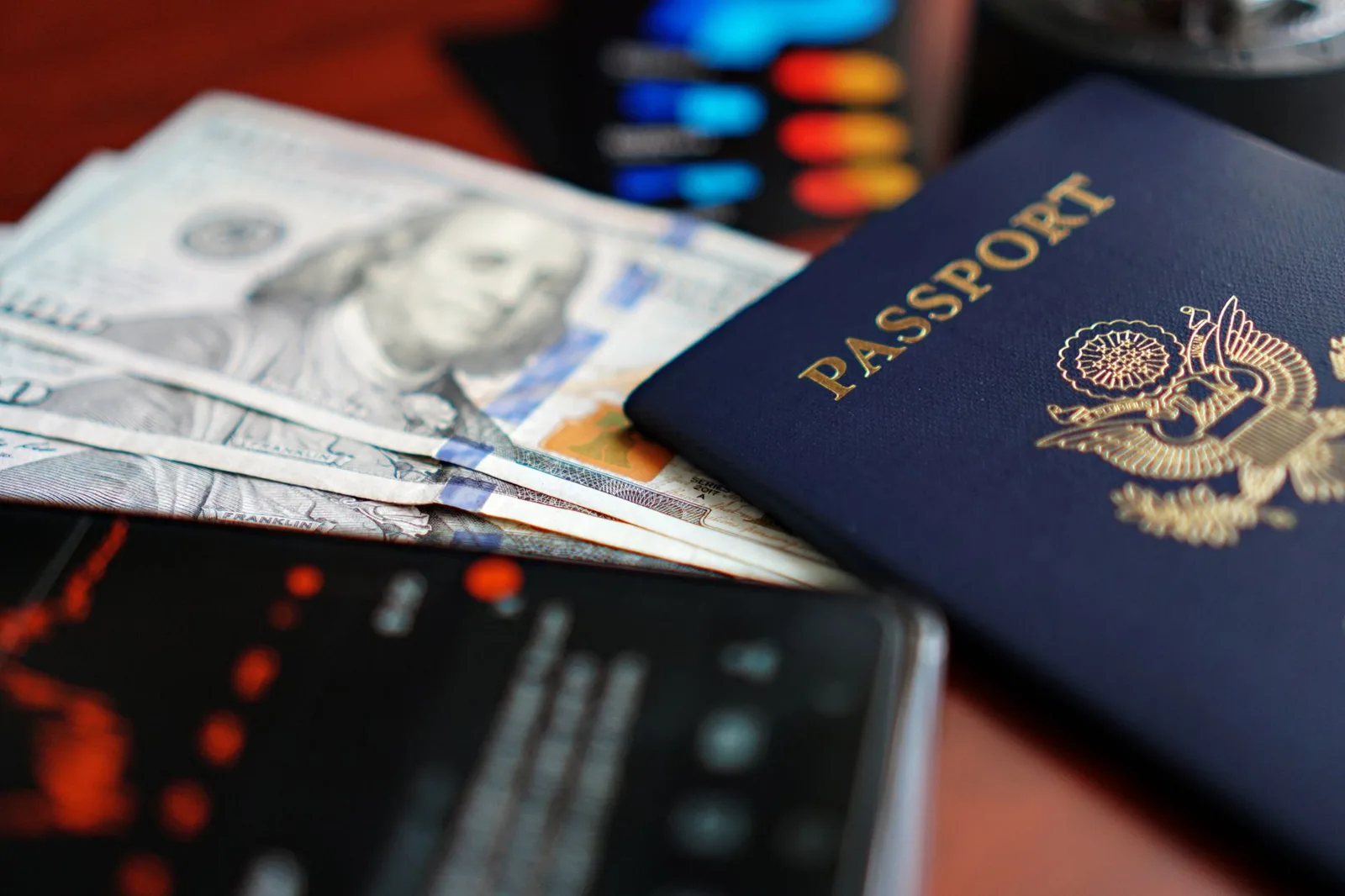
A day past your visa still counts as an overstay — and the penalties run from daily fines to deportation and multi-year entry bans. Here is what really happens, and how to stay clear of it.
At a glance
It is one of the most common travel mistakes there is, and one of the most underestimated: you stay in a country a little longer than your visa allowed. Maybe you miscounted the days. Maybe a flight was cancelled and the next seat was three days later. Maybe you simply assumed a short stay was flexible. Whatever the reason, the moment your permitted stay expires you become an overstayer — and immigration systems around the world treat that status far more harshly than most travellers expect. The good news is that the worst outcomes are almost always avoidable if you act before the expiry date, not after.
What overstaying can cost you
- Daily fines. Many countries charge a penalty for every day you stay beyond your permit, usually settled before you are allowed to leave.
- Deportation. In stricter countries an overstay can mean detention and forced removal rather than a quiet exit at the airport.
- Entry bans. Overstaying can bar you from returning for months, years, or — in the most serious cases — for life.
- Harder future visas. An overstay on your record makes every later application to that country, and sometimes its neighbours, far more likely to be refused.
Why an honest mistake still counts
The hard truth is that immigration law rarely distinguishes between a deliberate overstay and an accidental one. The date on your visa or entry stamp is the date. A delayed flight, a hospital stay, a misread calendar, a misunderstanding of a rolling-window rule — none of these automatically excuse a day past the deadline. Increasingly, the counting is done by computer: biometric entry-exit systems log your crossings and flag an overstay the instant it happens, leaving no stamp to argue over and no officer's discretion to appeal to. If you have ever been unsure exactly how your days are counted, the Schengen 90/180-day rule is a good example of how easy it is to tip one day over without realising — and how automatic the penalty now is.
The four consequences, and how to stay clear of them
Exact penalties vary sharply from one country to the next, so treat the table below as the shape of the risk rather than a fixed price list. Always check the immigration authority of the country you are actually in — its official website is the only reliable source for current fines and ban lengths.
| Consequence | What it means | How to avoid it |
|---|---|---|
| Daily fine | A per-day penalty that accrues from the expiry date and is typically paid before departure | Know your exact last legal day and leave, or extend, before it |
| Deportation & detention | In strict jurisdictions, removal at the state's discretion — sometimes preceded by detention | Never let a permit lapse in a country with tough enforcement; contact immigration early |
| Entry ban | A block on returning, lasting from months to years, and occasionally permanent | Depart on time; a clean record is the only guaranteed way to keep the door open |
| Future-visa harm | Refusals or extra scrutiny on later applications, sometimes region-wide | Keep proof of any extension or lawful departure in case you are asked later |
The United States shows how bans work
The United States has one of the most clearly documented systems, and it is worth understanding because it illustrates the pattern. Under US law, unlawful presence of more than 180 days but less than one year, followed by departure, triggers a three-year bar on returning. Unlawful presence of one year or more, followed by departure, triggers a ten-year bar. These are not fines you pay and forget; they are civil bars to re-admission that can put a decade between you and your next US trip. Other countries structure their bans differently, but the underlying logic — the longer you overstay, the longer you are locked out — is common. The specifics are always set by the destination's immigration authority, so verify them there rather than assuming your home country's rules apply.
If you realise you are going to overstay
Do not wait and hope. The single most important step is to contact the country's immigration department before your permit expires and either apply for an extension or explain your situation. An extension granted in advance keeps you lawful; the same visit made a day after expiry is an overstay. If a cancelled flight or a medical emergency is forcing the delay, keep the documentation — airline notices, medical records — because an authority that will not bend for an excuse may still record a lawful reason if you raised it in time.
Nepal: a per-day fine, settled at the airport
Nepal handles overstays in a comparatively straightforward way, but it is still a real penalty. If you remain beyond your tourist visa, Nepal charges a per-day late fee that is calculated for each day of overstay and settled at the airport when you depart. The far better option is to avoid the fine entirely: if you want to stay longer, extend your tourist visa at the Department of Immigration before it expires, which you can do in Kathmandu or Pokhara. Planning your trek dates around your visa — rather than the other way around — removes the problem completely. If you are mapping out a Himalayan itinerary and want the visa maths handled for you, our team builds trips like the Everest Base Camp trek, the Annapurna Base Camp trek and the shorter Ghorepani Poon Hill trek to fit comfortably inside a standard tourist-visa window.
The one habit that prevents all of this
Write down your exact last legal day the moment you arrive, set a reminder several days before it, and build a buffer into your flights so a single delay cannot push you over the line. Understand the counting rules before you travel — a rolling window is not the same as a calendar reset — and if anything changes, contact immigration early. An overstay is one of the few travel problems that is almost entirely preventable, and the cost of prevention is nothing more than a note in your calendar.
Cover photo: DΛVΞ GΛRCIΛ via Pexels (Pexels License).
Still running this season
Annapurna Base Camp Trek — 9 Days is running normally
NMA-certified local guides, transparent pricing, 5,000+ treks since 1998. Message us your dates and we'll sort the permits, lodges and logistics — reply within 24 hours, no obligation.


Popular Nepal treks
All treks →


Related coverage
Visas & Entry
Passport Validity in 2026: The Six-Month Rule That Gets Travellers Refused at the Gate
A passport that has not expired can still be rejected — the six-month rule, the Schengen 10-year catch, blank pages, damage and name mismatches that get people denied boarding even with a valid visa.

Visas & Entry
Working Holiday Visas in 2026: How Under-30s Live and Work Abroad for a Year (Australia, NZ, Canada, UK)
The youth-mobility schemes that let young travellers live and work abroad for a year or two — the usual 18–30/35 age cap, which nationalities qualify for which country, and why the quota-capped ones run out.

Visas & Entry
Brazil E-Visa 2026: US, Canadian and Australian Tourists Now Need One Again
Brazil has reintroduced a tourist visa — an online e-visa — for US, Canadian and Australian travellers on a reciprocity basis. Here is who needs it, how the e-visa works, and why many other nationalities still enter visa-free.
Visas & Entry
Canada eTA 2026: Who Needs It, the CAN$7 Fee, and How to Apply
Flying to Canada on a visa-exempt passport in 2026 means getting an eTA first. Here is who needs one, who is exempt (US citizens and green-card holders included), the CAN$7 fee, and how to dodge the copycat-site trap.
Latest from the desk
Money & Insurance
Honeymoon & Destination-Wedding Travel Insurance in 2026: The Extras Couples Overlook
Booking a destination wedding or honeymoon in 2026? Standard cover misses the extras that matter — a bigger single-item limit for rings, dresses and gifts, the wedding event itself, both names on one policy, supplier failure, and the activity and altitude cover an adventure honeymoon needs.
Safety & Advisories
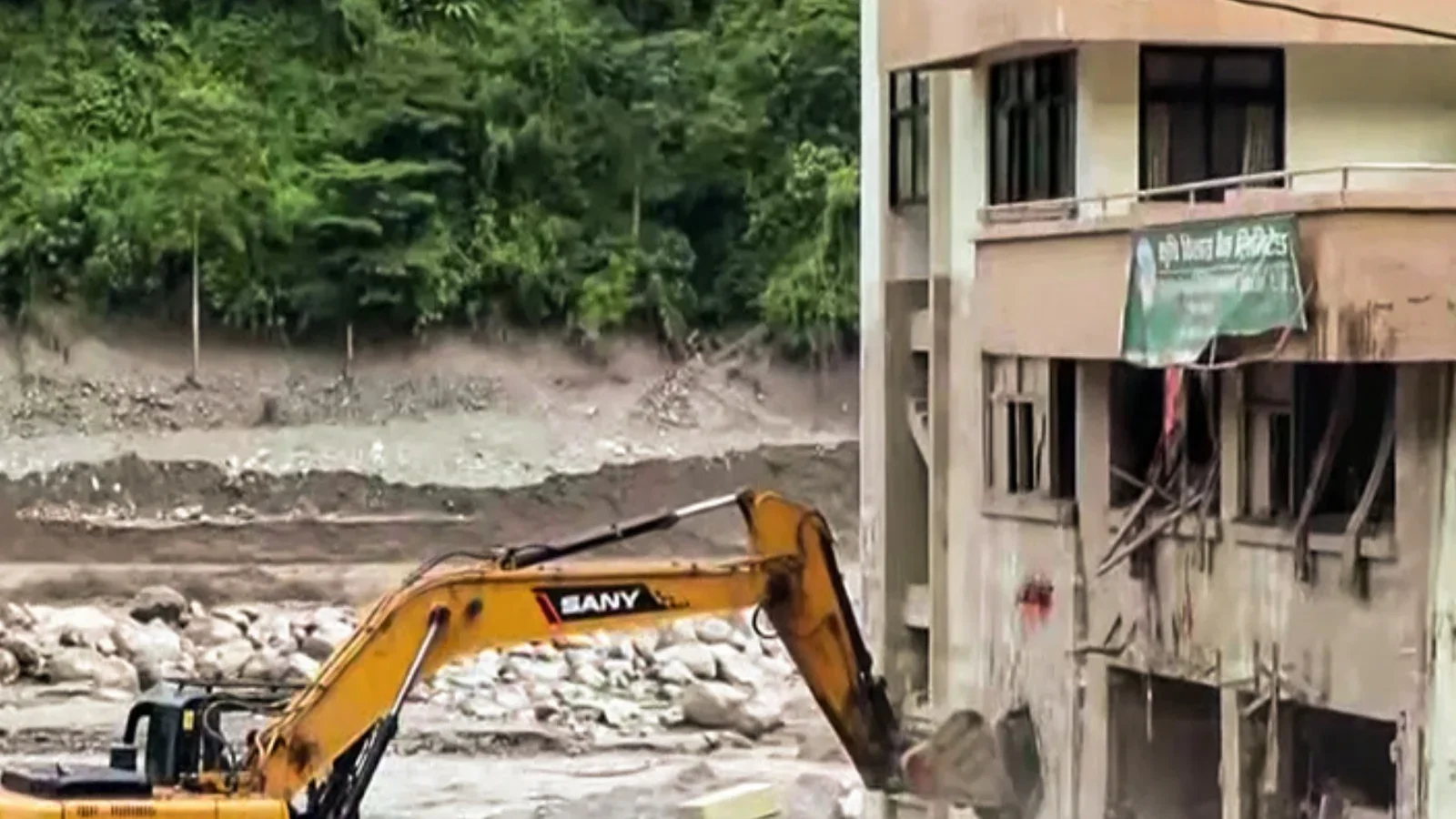
Nepal's flood camps are running out of water and medicine, and the doctors are warning about an epidemic
Four health facilities in Rasuwa are destroyed, Trishuli Hospital has lost its bridges and its medicines, and 1,000 people are in camps with no clean water.
Safety & Advisories
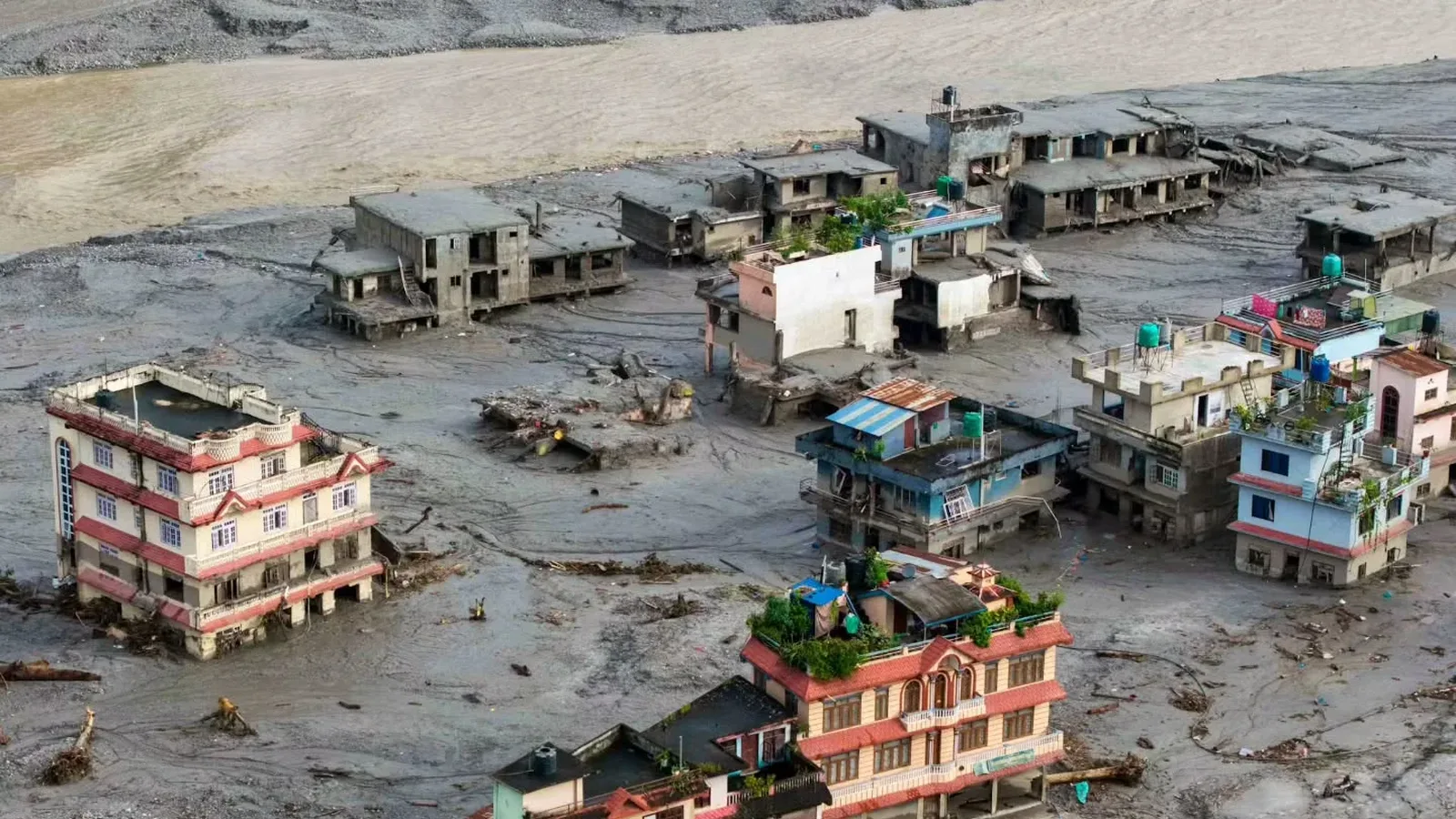
592 foreign nationals are still missing in the Nepal flood, here is who your family should actually call
Nepal's disaster authority counts 592 foreign nationals among the missing after the 26 August flood. Here is the official route for families abroad.