
Honeymoon & Destination-Wedding Travel Insurance in 2026: The Extras Couples Overlook
Booking a destination wedding or honeymoon in 2026? Standard cover misses the extras that matter — a bigger single-item limit for rings, dresses and gifts, the wedding event itself, both names on one policy, supplier failure, and the activity and altitude cover an adventure honeymoon needs.
At a glance
- Published
- TopicMoney & Insurance
- Verified againstGOV.UK — Foreign travel insurance
- Treks coveredChitwan Jungle Safari — 3 Days, Ghorepani Poon Hill Trek — 5 Days, Nepal Honeymoon Package — 10 Days Romance & Mountains
You insure the trip. Most couples forget to insure the things that turn it into a honeymoon. A destination wedding or honeymoon carries risks an off-the-shelf policy was never sized for: a ring worth more than the whole holiday, a dress folded into checked luggage, two names that both need cover, and an "adventure" leg — a safari, a dive course, a Himalayan trek — that standard cover quietly excludes. Here is what to add in 2026, and why the wedding itself needs a separate policy of its own.
The short version
- Single-item limits are the usual trap: baggage cover has a cap on any one item that a ring, dress or camera can blow straight through — so specify high-value items separately.
- Wedding insurance is a different product from travel insurance. It covers the event, not the journey — marry abroad and you likely need both.
- Put both names on one policy (a couples or joint policy) so each partner is covered in their own right, not as the other's "travelling companion."
- Supplier failure — an airline, operator or venue going bust — only pays out if your policy actually includes insolvency cover.
- An adventure honeymoon (safari, diving, trekking) needs activity cover, and high-altitude trekking needs an altitude add-on a standard honeymoon policy leaves out.
The single-item limit that catches every couple
Travel insurance covers baggage and personal effects, but almost always with a single-article limit — a maximum it will pay for any one item, set well below the total baggage figure printed on the front of the policy. That is fine for a pair of shoes and disastrous for an engagement ring, a wedding dress, a watch or a professional camera. UK government guidance is blunt that you should check what a policy actually pays before you rely on it, and valuables are exactly where the headline number and the real number part company. The fix is not a bigger policy; it is declaring high-value items individually so each is insured for its own worth. The exact caps vary by insurer and by item, so read the policy wording and keep receipts or a valuation for anything that would hurt to lose. Our companion piece on baggage and lost-luggage cover walks through how those limits and the delay-versus-loss distinction really work.
Wedding insurance and travel insurance are not the same policy
This is the confusion that costs couples the most. The two products solve different problems, and buying one does not quietly cover the other.
Wedding insurance vs travel insurance
Travel insurance covers the journey — medical care abroad, cancelling or cutting short the trip, delayed baggage, getting you home. Wedding (or "special event") insurance covers the event itself — lost deposits if a supplier fails, damage to attire and rings, ruined photographs or video, and public liability at the celebration. Neither one automatically does the other's job. A destination wedding sits across both, so plan on two policies and check exactly where one ends and the other begins before you assume a claim is covered.
Two names, one honeymoon
It sounds obvious that a couple's policy covers the couple, but the detail matters. On some plans one person is the policyholder and the other is listed as a "travelling companion," which can leave the second name with thinner cover — or dependent on the first person's circumstances for a cancellation claim. A proper couples or joint policy names both of you and insures each partner in their own right, so if one of you falls ill before departure the other's costs are covered too. When you compare quotes, confirm both names appear as insured travellers, not one traveller plus a guest.
| Honeymoon risk | Standard travel cover | What to add |
|---|---|---|
| Rings, dress, gifts, camera | Paid only up to a per-item single-article limit | Specify each high-value item individually, with a valuation |
| The wedding or ceremony itself | Not covered — it is the event, not the journey | A separate wedding / special-event insurance policy |
| A supplier or venue going bust | Only if the policy includes insolvency cover | Confirm end-supplier / scheduled-airline failure cover |
| Safari, diving, trekking | Adventure activities are excluded from base cover | An activity add-on — plus altitude cover for high trekking |
| Both partners | One may only be a "travelling companion" | A couples / joint policy naming both as insured |
Supplier failure and the cost of cancelling
A honeymoon is a chain of bookings — flights, a hotel, transfers, an operator — and the weak link is the one that fails before you travel. Comprehensive travel insurance can cover cancellation fees and lost deposits when something outside your control goes wrong, and Wikipedia's summary of standard cover lists exactly this: cancellation and lost deposits for events such as illness, strikes and natural disasters. What it does not automatically include is a supplier going insolvent. If you want protection when an airline or tour operator collapses, look specifically for insolvency or end-supplier failure cover, and remember that paying a deposit by credit card can add a separate layer of protection on top. If you ever do claim, our guide to making a travel insurance claim covers the evidence that gets a payout over the line.
The adventure honeymoon — and the altitude line
More couples now build a thrill into the trip: a Big Five safari, a diving certification, or a trek into the Himalaya. Every one of those is where a romantic-sounding policy turns technical. Standard cover excludes hazardous activities unless you add them, and government guidance names activities from jet skiing to winter sports as things you must arrange cover for specifically. For Nepal there is a second line most policies miss entirely: altitude. A honeymoon policy written for a beach resort will rarely cover trekking above a few thousand metres, and it almost never includes the helicopter rescue that a high mountain emergency actually requires. We say this plainly because it protects you, not us — if your honeymoon includes an adventure or high-altitude leg, buy the tier that lists your activity and your maximum altitude, and carry the certificate.
If a mountain honeymoon is the dream, that is exactly what we plan for a living — declared altitudes, guided high sections and a rescue plan that works. Browse our Nepal honeymoon package or a gentle option like the Ghorepani Poon Hill trek, and message our team about exactly what to declare on your policy before you book. The extra cover costs little; the trip it protects is the one you will only take once.
Cover photo: Francisco Sanchez via Pexels (Pexels License).
Still running this season
Chitwan Jungle Safari — 3 Days is running normally
NMA-certified local guides, transparent pricing, 5,000+ treks since 1998. Message us your dates and we'll sort the permits, lodges and logistics — reply within 24 hours, no obligation.


Popular Nepal treks
All treks →


Related coverage

Money & Insurance
Adventure & Activity Travel Insurance in 2026: Why Standard Cover Excludes Rafting, Diving, Skydiving and High Trekking
Scuba, bungee, skydiving, quad bikes, jet skis, rafting, safari, motorbiking and trekking above a certain altitude are the activities standard travel insurance quietly leaves out. Here is how activity tiers and add-ons work, why an undeclared activity can void the whole claim, and how to match cover to your trip.
Money & Insurance
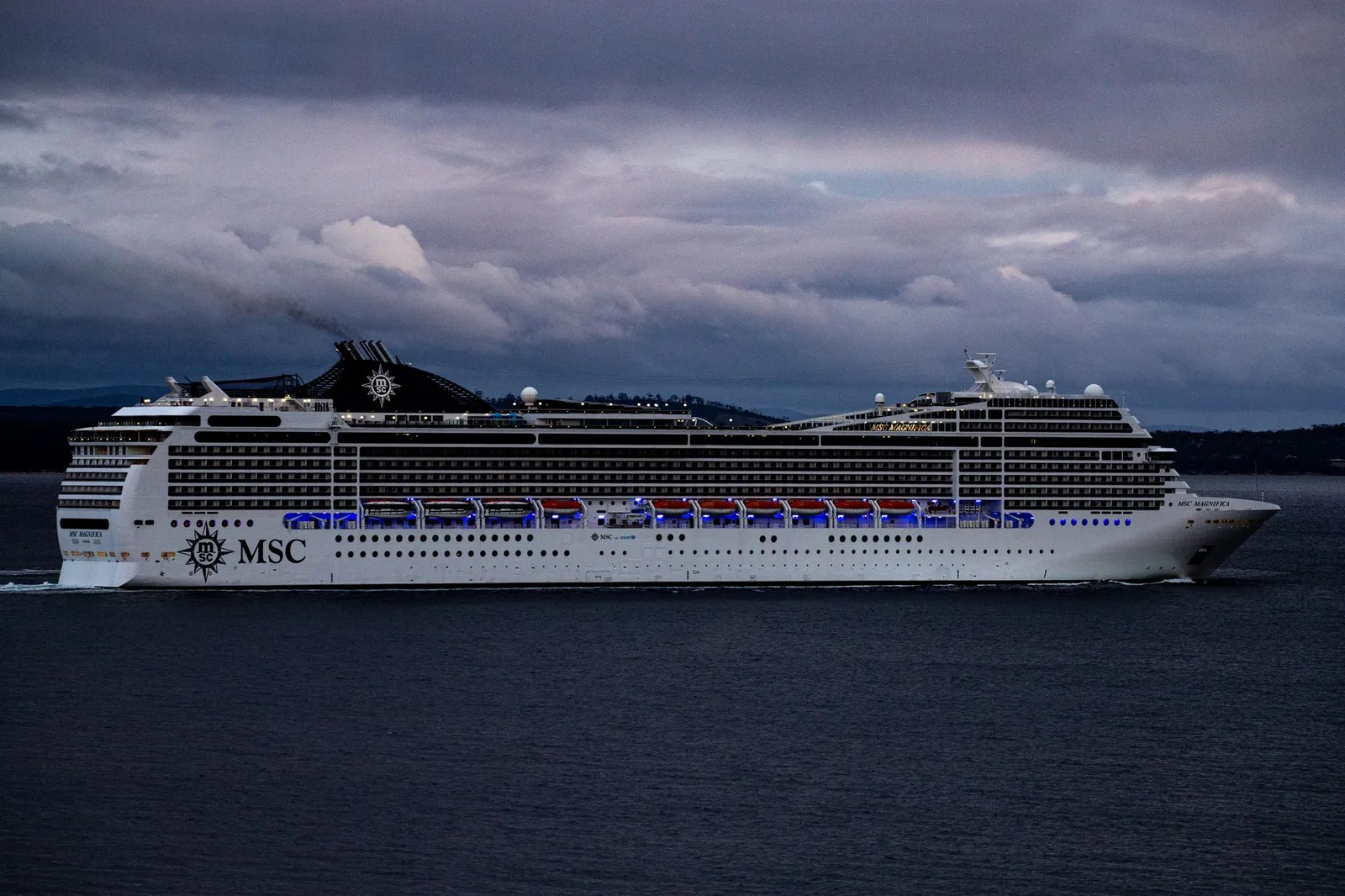
Cruise Travel Insurance in 2026: Why Standard Cover Isn't Enough at Sea
A cruise looks like the safest holiday there is, which is exactly why a standard travel policy can leave you exposed. Here's what a cruise add-on covers that ordinary insurance misses — missed departure, cabin confinement, itinerary changes and the expensive at-sea medical evacuation — and what to check before you buy.

Money & Insurance
What Travel Insurance Does NOT Cover in 2026: The Exclusions That Void a Claim
The claim is not paid because you bought a policy — it is paid because nothing in the exclusions applies. Here are the standard exclusions that catch travellers out, and how to read them before you buy.

Money & Insurance
Baggage & Lost-Luggage Travel Insurance in 2026: What It Really Pays (and Who Owes You First)
Baggage cover in 2026, decoded: delayed vs lost vs damaged luggage, the per-item and single-article limits nobody reads, why valuables are excluded, and the Montreal Convention rule that makes your airline pay before your insurer.
Latest from the desk

Safety & Advisories
Nepal's flood camps are running out of water and medicine, and the doctors are warning about an epidemic
Four health facilities in Rasuwa are destroyed, Trishuli Hospital has lost its bridges and its medicines, and 1,000 people are in camps with no clean water.

Safety & Advisories
592 foreign nationals are still missing in the Nepal flood, here is who your family should actually call
Nepal's disaster authority counts 592 foreign nationals among the missing after the 26 August flood. Here is the official route for families abroad.

Safety & Advisories
Nepal's missing hydropower tunnel workers and the Rasuwagadhi search that found nobody inside
Rescuers reached the end of the Rasuwagadhi tunnel and found no one there, and it did not bring 93 workers home because most of them were never in the tunnel.