
Canada eTA 2026: Who Needs It, the CAN$7 Fee, and How to Apply
Flying to Canada on a visa-exempt passport in 2026 means getting an eTA first. Here is who needs one, who is exempt (US citizens and green-card holders included), the CAN$7 fee, and how to dodge the copycat-site trap.
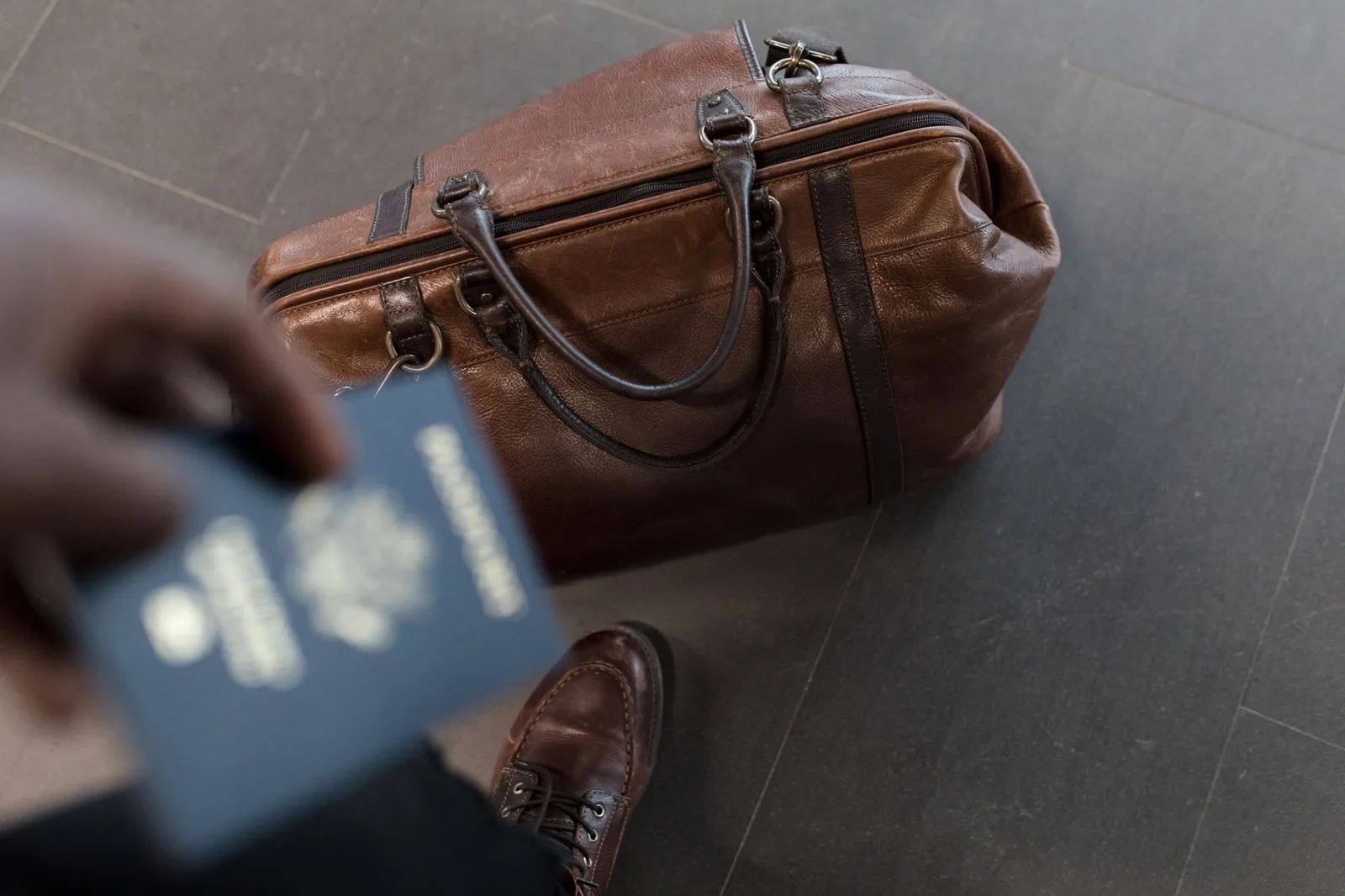
At a glance
- Published
- TopicVisas & Entry
- Verified againstGovernment of Canada (IRCC)
- Treks coveredEverest Base Camp Trek — 14 Days, Annapurna Circuit Trek — 10 Days, Annapurna Base Camp Trek — 9 Days
If you are one of the millions of visa-exempt travellers who can fly to Canada without a full visitor visa, there is still one piece of paperwork you cannot skip in 2026: the Electronic Travel Authorization (eTA). It is a small, cheap, digital permission that is electronically linked to your passport, and without an approved one an airline simply will not let you board your flight to Canada. The good news is that it costs only CAN$7, most applications are approved within minutes, and the whole thing is done online. The bad news is that a small industry of copycat websites exists purely to charge you many times that price for the same government form.
Canada eTA at a glance
- Cost: CAN$7 per person. You apply and pay for one person at a time.
- Validity: up to five years, or until your passport expires — whichever comes first. A new passport means a new eTA.
- Who needs it: visa-exempt foreign nationals flying to, or transiting through, a Canadian airport.
- Scope: air travel only. You do not need an eTA to arrive by car, bus, train or boat, including a cruise ship.
- Stay: normally up to six months per visit, for as many trips as you like while it is valid.
What the eTA actually is
Canada's official guidance puts it plainly: an eTA "is an entry requirement for visa-exempt foreign nationals travelling to Canada by air." It is linked to the chip in your passport, so there is no sticker or stamp to collect — the airline scans your passport at check-in and confirms the authorization is there. With a valid eTA you can travel to Canada as often as you want for short stays, normally up to six months at a time. It does not, however, guarantee entry: when you land, a border services officer still checks your documents and decides whether you are admissible.
The one thing that trips people up: it is air travel only
This is the detail that catches travellers out. You need an eTA to fly to a Canadian airport. If you are a citizen of an eTA-required country arriving by car, bus, train or boat — including a cruise ship — you do not need one; you just need a valid passport. (The single odd exception is travelling by sea from Saint-Pierre-et-Miquelon, which does require an eTA.) So a road trip across the US border works differently from a flight into Toronto or Vancouver.
Who needs an eTA — and who is exempt
Canada divides travellers into a few clear groups. The exemptions matter as much as the requirement, and one of them is very widely misunderstood, so read the green-card line carefully.
| Your situation | eTA needed? |
|---|---|
| Visa-exempt foreign national flying to or transiting Canada by air | Yes — before you fly |
| Citizen of a select visa-required country, flying by air | May apply for an eTA instead of a visa |
| US citizen | No — exempt |
| US lawful permanent resident (green-card holder) | No — exempt |
| Canadian citizen or dual citizen | No — travel on a valid Canadian passport |
| Canadian permanent resident | No — carry your valid PR card |
| Nationals who still require a full visitor visa | No — you need a visa instead |
US citizens are exempt from the eTA requirement and simply carry proper identification such as a valid US passport. And here is the part people get wrong: US lawful permanent residents — green-card holders — are also exempt. Since 26 April 2022, they do not need an eTA for any method of travel to Canada. Instead they must show a valid passport from their country of nationality and a valid green card (or equivalent proof of status). If you hold a green card, you do not apply for an eTA — you travel on your passport and green card.
How the eTA compares with a visitor visa
An eTA is a lightweight digital authorization; a visitor visa is a much bigger process. You either need one or the other to visit Canada — not both. The eTA is applied for online in minutes, costs CAN$7, is tied to your passport chip and lasts up to five years. A visitor visa, by contrast, means a longer application, biometrics and a far higher fee, and is what you need if your nationality is not visa-exempt or if you are arriving overland from a visa-required country.
How to apply — the official way
- Use only the official Government of Canada website. The application is a simple online form that takes a few minutes.
- Have three things ready: a valid passport, a credit or debit card, and an email address.
- Answer a short set of questions and pay the CAN$7 fee. You can only apply and pay for one person at a time.
- Enter your passport number carefully. Use the number at the top of your passport photo page — the single most common mistake is a mistyped passport number, which will stop you flying.
- Wait for the email. Most applicants are approved within minutes, but some requests take several days if supporting documents are needed. Apply before you book your flight, not the night before you leave.
Apply only on the official IRCC site
An eTA costs CAN$7 and nothing more. There is no faster channel, no "premium" service and no legitimate agent who can speed it up — only the official Government of Canada site and a crowd of copycat imitators who charge a heavy markup for the identical free-to-access form, and some of which are outright scams. If a website asks for CAN$40, CAN$80 or a "processing fee," you are on the wrong page. Renewing your passport? Apply for the eTA after the new one arrives, because the authorization is bound to the passport you use.
What this means for Nepali travellers
One important note for readers at home: Nepali passport-holders are not in the visa-exempt group, so the CAN$7 eTA is not an option for a Nepali citizen. To visit Canada you need a full Canadian visitor visa, applied for through the visa process rather than the eTA form — a longer, more expensive route that requires biometrics. The eTA is the easy path for visa-exempt nationals; for Nepali passports, the visitor visa is the correct door.
If it is the mountains you are dreaming of rather than a Canadian city, that is a far simpler trip to plan. Nepal offers a tourist visa on arrival for most nationalities, and the trail to the world's highest places is closer than any eTA queue. When you are ready, our Everest Base Camp Trek and Annapurna Base Camp Trek are the two classic first Himalayan journeys. For the wider 2026 picture on electronic travel authorizations, our UK ETA 2026 guide and our 2026 entry-rule changes explainer break down how the UK, EU and US systems compare.
Cover photo: nappy via Pexels (Pexels License).
Planning a trek?
Trek this route with us — Everest Base Camp Trek — 14 Days
NMA-certified local guides, transparent pricing, 5,000+ treks since 1998. Message us your dates and we'll sort the permits, lodges and logistics — reply within 24 hours, no obligation.


Popular Nepal treks
All treks →


Related coverage

Visas & Entry
ETIAS 2026: The EU Travel Authorisation Explained — Who Needs It, the €20 Fee, and When It Starts
Visa-exempt visitors to Europe will soon need an ETIAS before they fly. Here is who it applies to, the €20 fee (free under 18 and over 70), the 3-year validity, and the honest truth about when it actually launches.
Visas & Entry
US ESTA in 2026: Who Needs It, the $40 Fee, and How to Apply the Official Way
The Visa Waiver Program travel authorisation explained — who qualifies, the fee that jumped in late 2025, why it is not a visa, and the copycat sites to avoid.

Visas & Entry
Visa on Arrival vs eVisa in 2026: Which Is Faster, Cheaper and Safer at the Border
Both get you in legally, but they cost you different things — a queue and cash on the day, or lead time and a card weeks ahead. Here is who offers which in 2026, and how to dodge the copycat eVisa sites.
Breaking · Flights & Access
Nepal's Tourist Visa Goes Fully Digital on August 17, 2026 — What Actually Changes at the Airport
In twelve days, Nepal's Department of Immigration switches on a nationwide e-Visa system that lets trekkers apply, pay and get approved before they ever board a flight to Kathmandu.
Latest from the desk

Records & People
Sherpas Aren't Just Acclimatized to Everest — Their DNA Is Borrowed From an Extinct Human Species
A gene that lets Sherpa bodies thrive on a fraction of the oxygen you and I need did not evolve in modern humans at all — it came from the Denisovans, tens of thousands of years before anyone set foot on Everest.
Industry & Tourism
This Country the Size of Illinois Holds the World's Highest Mountain, the Buddha's Birthplace and Wild Bengal Tigers — All UNESCO-Protected
Nepal covers roughly the same area as Illinois, yet UNESCO has recognised four of its places as having outstanding value to the whole of humanity — two natural, two cultural, and one of them the summit of Everest.
Money & Insurance
Ski & Winter Sports Travel Insurance in 2026: Why Standard Cover Excludes the Slopes
Strap on skis and most standard travel policies quietly stop covering you. Here is why winter sports are excluded, what a ski add-on really buys — off-piste, piste closure, avalanche delay, mountain rescue, helicopter, equipment — and the exact clauses to check before you travel.