
Sherpas Aren't Just Acclimatized to Everest — Their DNA Is Borrowed From an Extinct Human Species
A gene that lets Sherpa bodies thrive on a fraction of the oxygen you and I need did not evolve in modern humans at all — it came from the Denisovans, tens of thousands of years before anyone set foot on Everest.
At a glance
- Published
- TopicRecords & People
- Verified againstPubMed Central (NIH)
- Treks coveredEverest Base Camp Trek — 14 Days, Everest Three High Passes Trek — 20 Days, Island Peak Climbing — 18 Days
Put a fit foreign trekker and a Sherpa mountain guide side by side at 5,364m, the altitude of Everest Base Camp, and measure their blood. The trekker's body is often panicking, pumping out extra red blood cells to compensate for the thin air, thickening the blood and raising the risk of the altitude sickness that turns back a meaningful share of first-time high-altitude visitors. The Sherpa's blood barely reacts at all, and that calm is not just a lifetime of living at altitude. It is written into their genes, and the gene did not evolve in modern humans. It came from the Denisovans, an extinct branch of the human family that vanished tens of thousands of years before anyone ever looked at Sagarmatha and called it the top of the world.
Key facts
- The high-altitude version of the gene EPAS1 traces back to interbreeding with Denisovans, an extinct archaic human lineage, tens of thousands of years ago.
- Over 50 percent of Sherpa and other high-altitude Nepali populations carry the adaptive haplotype, versus under 3 percent at low altitude.
- Sherpas living at 3,440m have blood oxygen-regulating hormone levels equal to a lowlander at just 1,300m — their bodies read the same thin air as far less dangerous.
- Researchers describe the correlation between this gene and the altitude a population lives at as among the strongest ever recorded for any human trait.
The discovery, mapped by geneticists studying Tibetan and Sherpa populations and confirmed in a wider Himalaya-spanning study, centres on a roughly 32,700-letter stretch of DNA within the EPAS1 gene — a gene that controls how the body senses and responds to low oxygen. Modern humans whose ancestors never left low altitude do not carry this version, and neither do most other humans on Earth. It shows up almost exclusively in populations who have lived on the Tibetan Plateau and in the high Himalaya for thousands of years, and geneticists traced its origin to the Denisovans, a cousin species to Neanderthals known mostly from a handful of bone and tooth fragments found in a Siberian cave.
Why this matters more than a fun fact
For a lowlander, the body's first response to thin air is to manufacture more red blood cells, thickening the blood to carry more oxygen per litre. It works, up to a point — but overdo it and the blood becomes sluggish, raising the risk of clots and the severe form of altitude sickness that hospitalises a small number of Everest Base Camp and high-pass trekkers every season. The Denisovan-derived EPAS1 variant does something smarter: it dampens that overreaction, letting Sherpa physiology stay efficient without the blood-thickening spiral. Combined with other adaptations, this is part of why Sherpa climbing crews can move loads at altitudes that leave clients gasping, and why NMA-certified Sherpa guides are the backbone of every serious Nepal expedition, not just a hiring convenience.
| Population | Typical altitude | Carries the variant |
|---|---|---|
| Bhutan’s Layap herders | 4,115m | 78% |
| Tibetan Plateau populations | 3,500–4,500m | 63% |
| Nepali Sherpa & high-Himalaya groups | Above 3,000m | 50%+ |
| Lowland populations worldwide | Under 1,000m | Under 3% |
The pattern is not random. Across Himalayan populations, researchers found the frequency of the gene variant tracks almost exactly with how high up a group has lived for generations — a statistical correlation described as among the strongest ever measured for a human genetic trait. Simulations put the original selection pressure at somewhere between roughly 2,800 and 10,000 years ago, meaning this is a relatively fast, ongoing case of human evolution, not an ancient, settled one.
What this means for trekkers
You cannot train, supplement or will your way into Sherpa physiology — the adaptation took millennia and it is genetic, not acquired. What you can do is respect the mountain the way it deserves: ascend slowly, build in rest days above 3,000m, and trek with NMA-certified Sherpa guides who read altitude in their clients long before symptoms show. That is the logic behind the acclimatisation days built into our own Everest Base Camp and Three Passes itineraries — they are not padding, they are the one adaptation a lowland body actually has available to it.
It also reframes something trekkers often say half-jokingly on the trail — that their Sherpa guide is barely breathing hard while they themselves are seeing stars near Dingboche. It is not exaggeration and it is not just fitness. It is tens of thousands of years of Denisovan and Tibetan ancestry doing exactly what it evolved to do, on the same trail a visitor is walking for the first time. Hearing a Sherpa guide explain how their body reads the mountain differently from yours is one of the quietly extraordinary parts of trekking in Nepal that has nothing to do with the scenery.
Source: “Wide distribution and altitude correlation of an archaic high-altitude-adaptive EPAS1 haplotype in the Himalayas,” PubMed Central, National Institutes of Health.
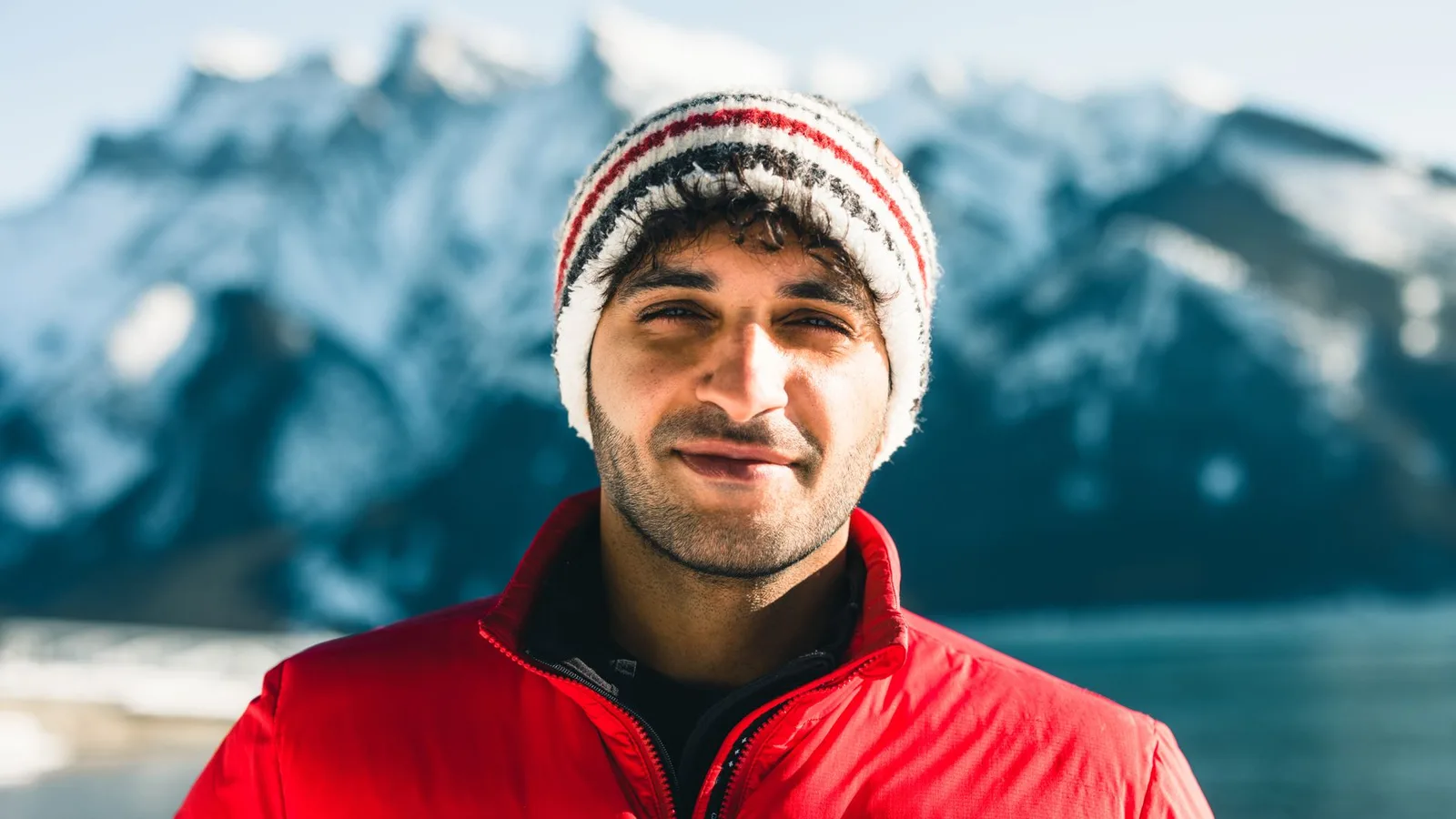
Cover photo: Ali Kazal via Pexels (Pexels License).
Planning a trek?
Trek this route with us — Everest Base Camp Trek — 14 Days
NMA-certified local guides, transparent pricing, 5,000+ treks since 1998. Message us your dates and we'll sort the permits, lodges and logistics — reply within 24 hours, no obligation.


Popular Nepal treks
All treks →


Related coverage
Records & People
Sherpas Carry a Gene From an Extinct Human Species That Lets Them Breathe Where Others Suffocate
The reason your Sherpa guide isn't gasping at 5,000 metres traces back tens of thousands of years to interbreeding with the Denisovans, an extinct human relative known only from a Siberian cave.
Records & People
Missing for Six Days on Everest, With No Food, Water or Oxygen — How Dawa Sherpa Survived
A 52-year-old Everest guide vanished at 24,600 feet after losing his client on the descent. Six days later, a garbage-collection crew spotted him crawling down the Khumbu Icefall — barely alive.
Records & People
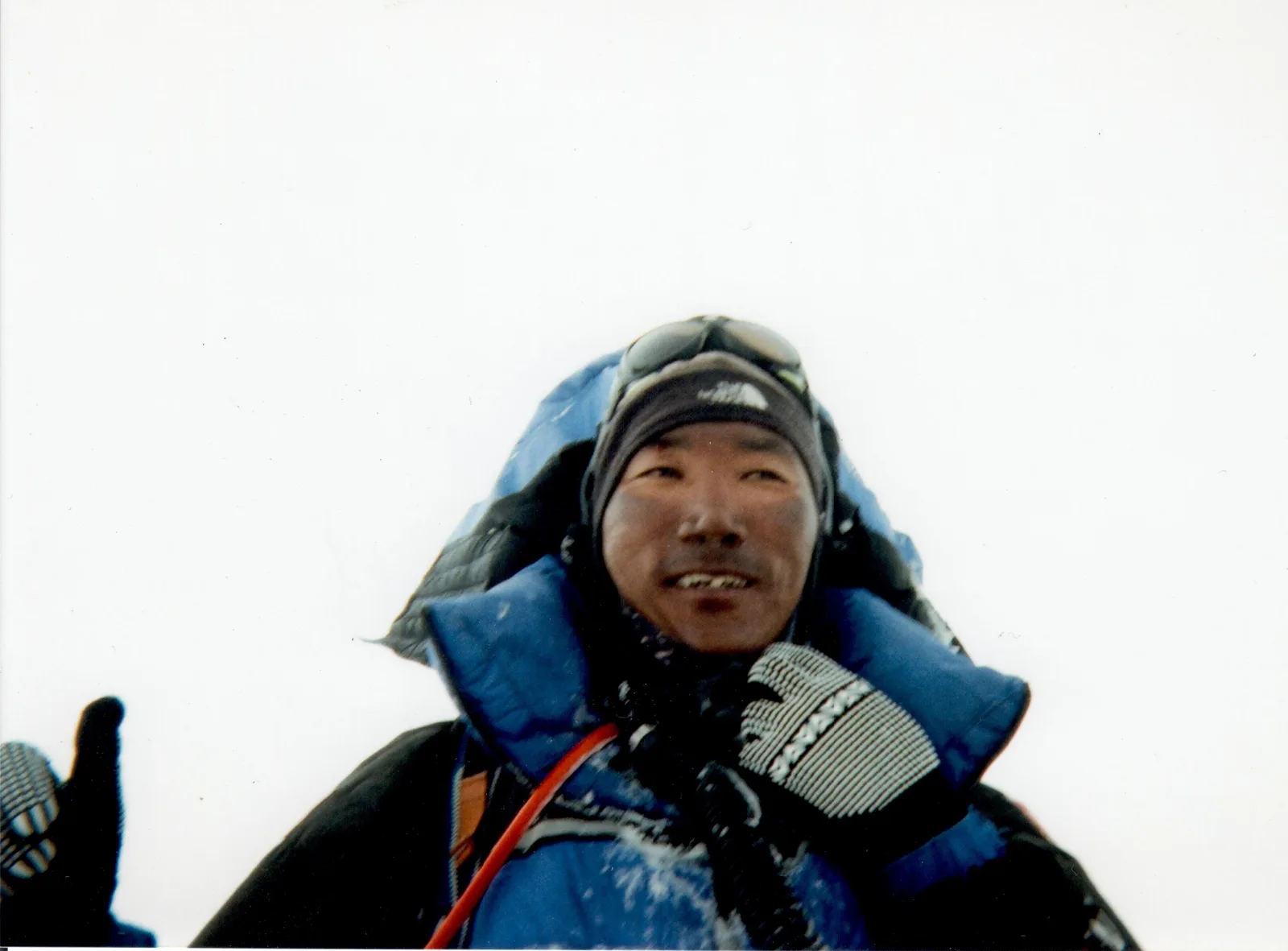
He's Climbed Everest 32 Times — More Than Anyone Alive, and No One Else Is Within Two
Kami Rita Sherpa set the record again on 17 May 2026, extending a world record he has now owned for eight straight years.
Records & People
He Climbed Everest Four Times in 15 Days — Guinness Just Made It Official
Rope-fixing, a solo push, a client summit, then solo again: Nepali guide Tashi Gyalzen Sherpa's four ascents in May 2025 are now the certified record for the most Everest summits in a single season.
Latest from the desk
Industry & Tourism
This Country the Size of Illinois Holds the World's Highest Mountain, the Buddha's Birthplace and Wild Bengal Tigers — All UNESCO-Protected
Nepal covers roughly the same area as Illinois, yet UNESCO has recognised four of its places as having outstanding value to the whole of humanity — two natural, two cultural, and one of them the summit of Everest.

Visas & Entry
Canada eTA 2026: Who Needs It, the CAN$7 Fee, and How to Apply
Flying to Canada on a visa-exempt passport in 2026 means getting an eTA first. Here is who needs one, who is exempt (US citizens and green-card holders included), the CAN$7 fee, and how to dodge the copycat-site trap.
Money & Insurance
Ski & Winter Sports Travel Insurance in 2026: Why Standard Cover Excludes the Slopes
Strap on skis and most standard travel policies quietly stop covering you. Here is why winter sports are excluded, what a ski add-on really buys — off-piste, piste closure, avalanche delay, mountain rescue, helicopter, equipment — and the exact clauses to check before you travel.