
This Country the Size of Illinois Holds the World's Highest Mountain, the Buddha's Birthplace and Wild Bengal Tigers — All UNESCO-Protected
Nepal covers roughly the same area as Illinois, yet UNESCO has recognised four of its places as having outstanding value to the whole of humanity — two natural, two cultural, and one of them the summit of Everest.
At a glance
- Published
- TopicIndustry & Tourism
- Verified againstWikipedia — List of World Heritage Sites in Nepal
- Treks coveredKathmandu Valley Cultural Tour — 3 Days, Nepal Classic Tour — 7 Days, Chitwan Jungle Safari — 3 Days
Nepal is roughly the same size as Illinois, and a little smaller than England. Inside that modest footprint, UNESCO has decided that four separate places meet its highest bar: outstanding value to the whole of humanity, not just to Nepal. Two are natural wonders. Two are cultural. Between them they cover the summit of the highest mountain on Earth, the birthplace of the Buddha, three living medieval royal cities, and a jungle where wild Bengal tigers and one-horned rhinos still roam within a couple of hours of an international airport.
Key facts
- Nepal has 4 inscribed UNESCO World Heritage Sites; because one listing covers seven separate monument zones, it is often counted informally as 10 heritage locations.
- Sagarmatha National Park (inscribed 1979) protects Mount Everest and roughly 6,000 Sherpa residents across 20 villages.
- Lumbini (1997) marks the spot where Siddhartha Gautama, the Buddha, was born around 623 BC.
- Chitwan National Park (1984) shelters endangered Indian rhinoceros and Bengal tigers in the Terai lowlands.
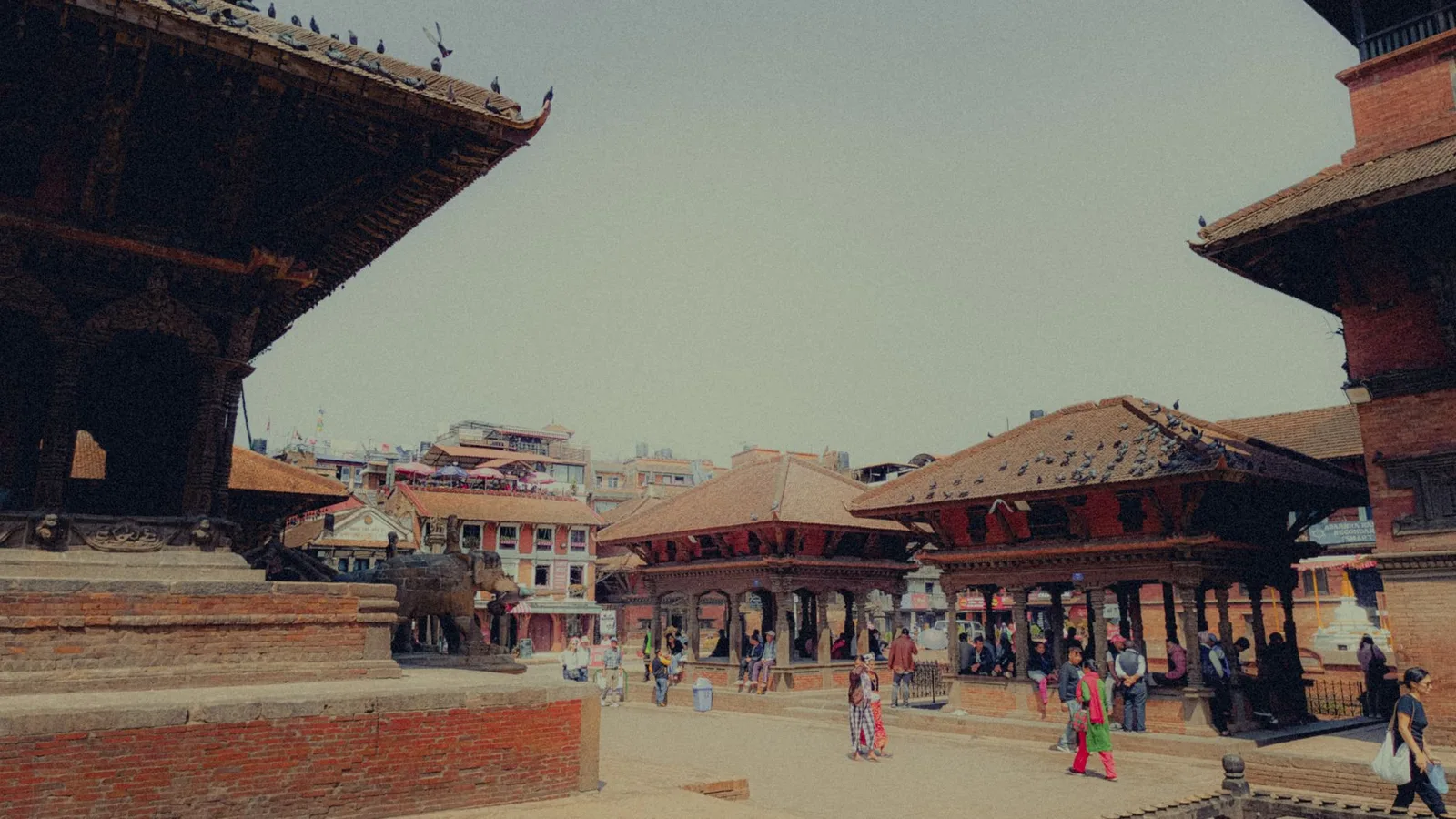
The first two sites, Kathmandu Valley and Sagarmatha National Park, were inscribed together in 1979, in the early years of UNESCO's World Heritage programme. Kathmandu Valley's listing is really seven separate monument zones bundled as one: the royal Durbar Squares of Kathmandu, Patan and Bhaktapur, the Hindu temple complex of Pashupatinath, the fifth-century Changu Narayan Temple, and the two great Buddhist stupas of Swayambhunath and Boudhanath. That is why guidebooks and travel writers often round the count up to 10 sites rather than 4 — both numbers are correct, depending on whether you are counting UNESCO inscriptions or the individual monument zones inside them.
Four sites, two very different Nepals
| Site | Type | Inscribed |
|---|---|---|
| Kathmandu Valley (7 monument zones) | Cultural | 1979 |
| Sagarmatha National Park | Natural | 1979 |
| Chitwan National Park | Natural | 1984 |
| Lumbini, Birthplace of the Buddha | Cultural | 1997 |
What makes the list unusual is not the number, it is the range. Most countries with four heritage sites cluster them around one theme — a run of cathedrals, a chain of old towns. Nepal's four span from around 150m above sea level in the humid Terai jungle, where Chitwan's rhinos wallow in monsoon-fed rivers, to 8,849m at the summit of Everest inside Sagarmatha National Park — a vertical range most countries do not have across their entire landmass, let alone their heritage list. Add a roughly 2,600-year-old pilgrimage site marking a single religious figure's birth, and three medieval cities still inhabited and in daily use rather than preserved as museums, and the spread becomes hard to match anywhere else on a similarly sized map.
What this means for travellers
A single well-planned Nepal trip can realistically cover three of the four UNESCO landscapes — medieval Kathmandu Valley temples, a Chitwan jungle safari, and a Himalayan trek toward Sagarmatha — inside a two-to-three-week itinerary, which few other countries this size allow. Lumbini sits further southwest and is usually its own dedicated add-on rather than a stop on the classic Kathmandu–Pokhara–Everest circuit, but travellers increasingly build it in as a short extension precisely because so few destinations let you go from a Buddhist birthplace to the roof of the world on the same trip.
None of the four sites are static museum pieces, either. Sagarmatha National Park is a working landscape where Sherpa communities farm, guide and live inside the same boundary that protects snow leopards and red pandas. Kathmandu Valley's temples host daily worship, not roped-off displays. Chitwan's rhino population has grown substantially over recent decades of protection, and Lumbini remains an active pilgrimage site for Buddhists arriving from across Asia. For a country roughly the size of a single mid-sized American state, that is an outsized claim on what UNESCO considers irreplaceable — and a reminder, for anyone still deciding where a once-a-year trip should go, of how much protected ground sits inside one stretch of the Himalaya.
Source: List of World Heritage Sites in Nepal, Wikipedia, citing UNESCO World Heritage Centre inscription records.
Cover photo: Surendra khadka via Pexels (Pexels License).
Planning a trek?
Trek this route with us — Kathmandu Valley Cultural Tour — 3 Days
NMA-certified local guides, transparent pricing, 5,000+ treks since 1998. Message us your dates and we'll sort the permits, lodges and logistics — reply within 24 hours, no obligation.


Popular Nepal treks
All treks →


Related coverage
Records & People
The First Omani Woman to Summit Everest Died Chasing All 14 of the World's Highest Peaks
Nadhira Al Harthy failed her first mountain in 2015, then reached Everest's summit four years later. On July 30, 2026, an avalanche below Camp III on Pakistan's Broad Peak ended her climb toward the 8,000-metre club.
Records & People
Everest Is Only Part of the Story: Inside the World's Highest National Park
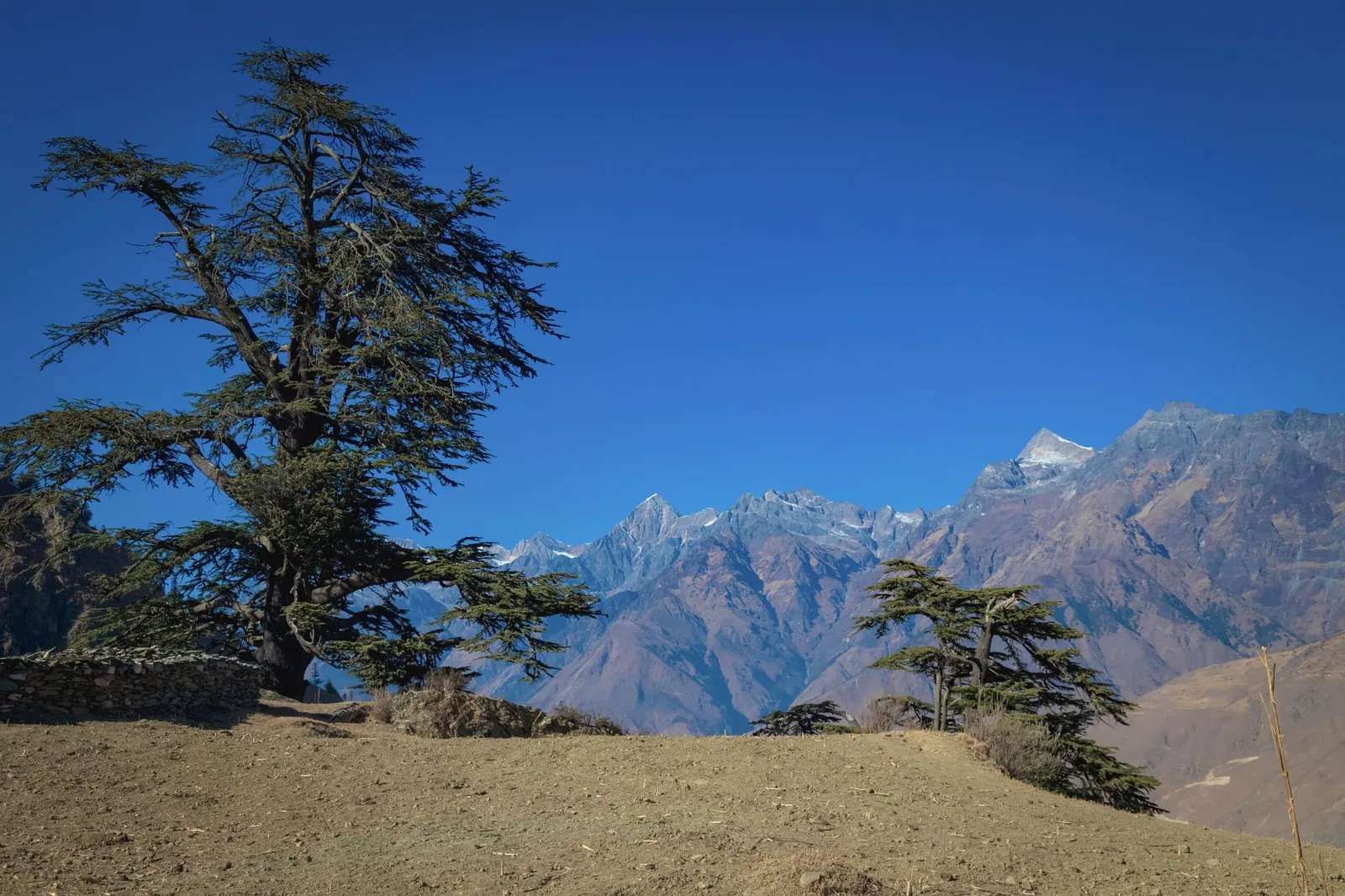
Sagarmatha National Park stretches from 2,845 metres to Everest's 8,848-metre summit — and after a roughly 40-year absence, snow leopards are being seen inside it again.
Industry & Tourism
Which Nepal Trek Should You Actually Do If You Want to Avoid the Crowds? The Honest 2026 Matcher
Everest Base Camp and the Annapurna Circuit are seeing record numbers. Here's the verified visitor data on how crowded each region actually is, and four proven alternatives that deliver the same mountains with a fraction of the traffic.
Industry & Tourism
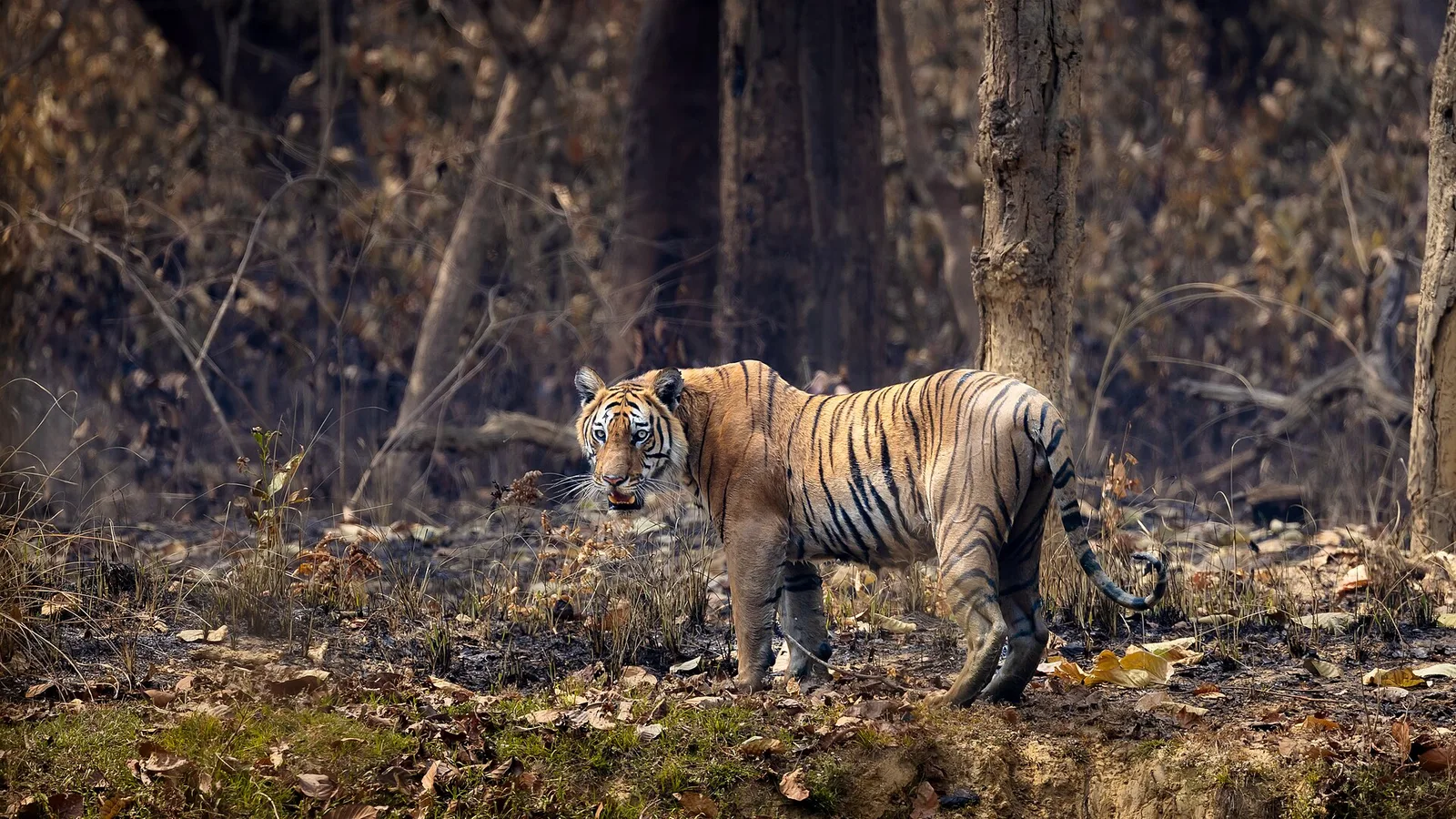
Nepal Just Counted 429 Wild Tigers — More Than Triple What It Had 15 Years Ago
A new national census puts Nepal's wild tiger population at 429, up from 121 in 2009 — one of the most successful tiger recoveries on the planet, and it is playing out inside the same national parks tourists visit on safari.
Latest from the desk
Records & People
Sherpas Aren't Just Acclimatized to Everest — Their DNA Is Borrowed From an Extinct Human Species
A gene that lets Sherpa bodies thrive on a fraction of the oxygen you and I need did not evolve in modern humans at all — it came from the Denisovans, tens of thousands of years before anyone set foot on Everest.

Visas & Entry
Canada eTA 2026: Who Needs It, the CAN$7 Fee, and How to Apply
Flying to Canada on a visa-exempt passport in 2026 means getting an eTA first. Here is who needs one, who is exempt (US citizens and green-card holders included), the CAN$7 fee, and how to dodge the copycat-site trap.
Money & Insurance
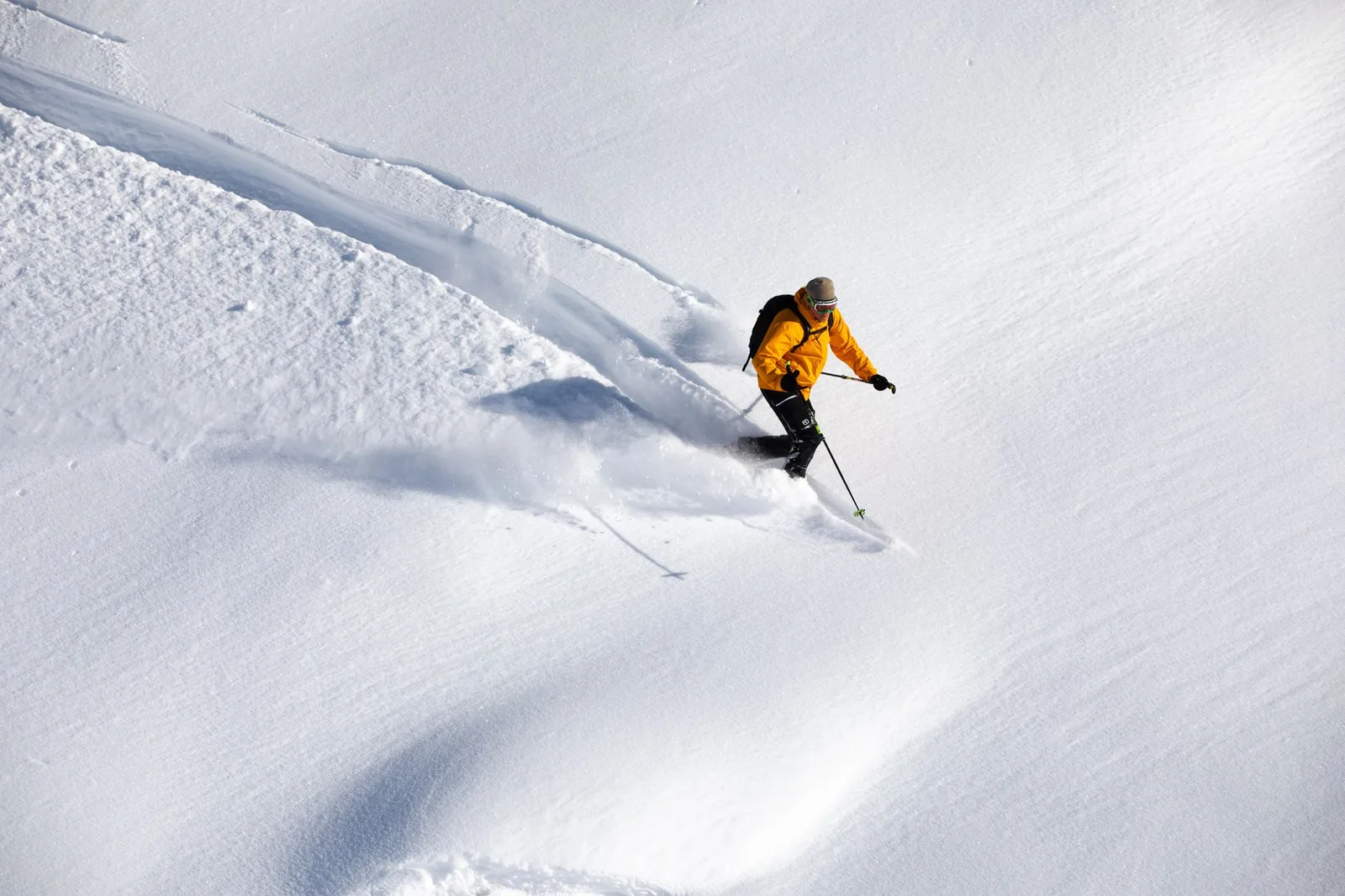
Ski & Winter Sports Travel Insurance in 2026: Why Standard Cover Excludes the Slopes
Strap on skis and most standard travel policies quietly stop covering you. Here is why winter sports are excluded, what a ski add-on really buys — off-piste, piste closure, avalanche delay, mountain rescue, helicopter, equipment — and the exact clauses to check before you travel.