
Nepal Just Counted 429 Wild Tigers — More Than Triple What It Had 15 Years Ago
A new national census puts Nepal's wild tiger population at 429, up from 121 in 2009 — one of the most successful tiger recoveries on the planet, and it is playing out inside the same national parks tourists visit on safari.
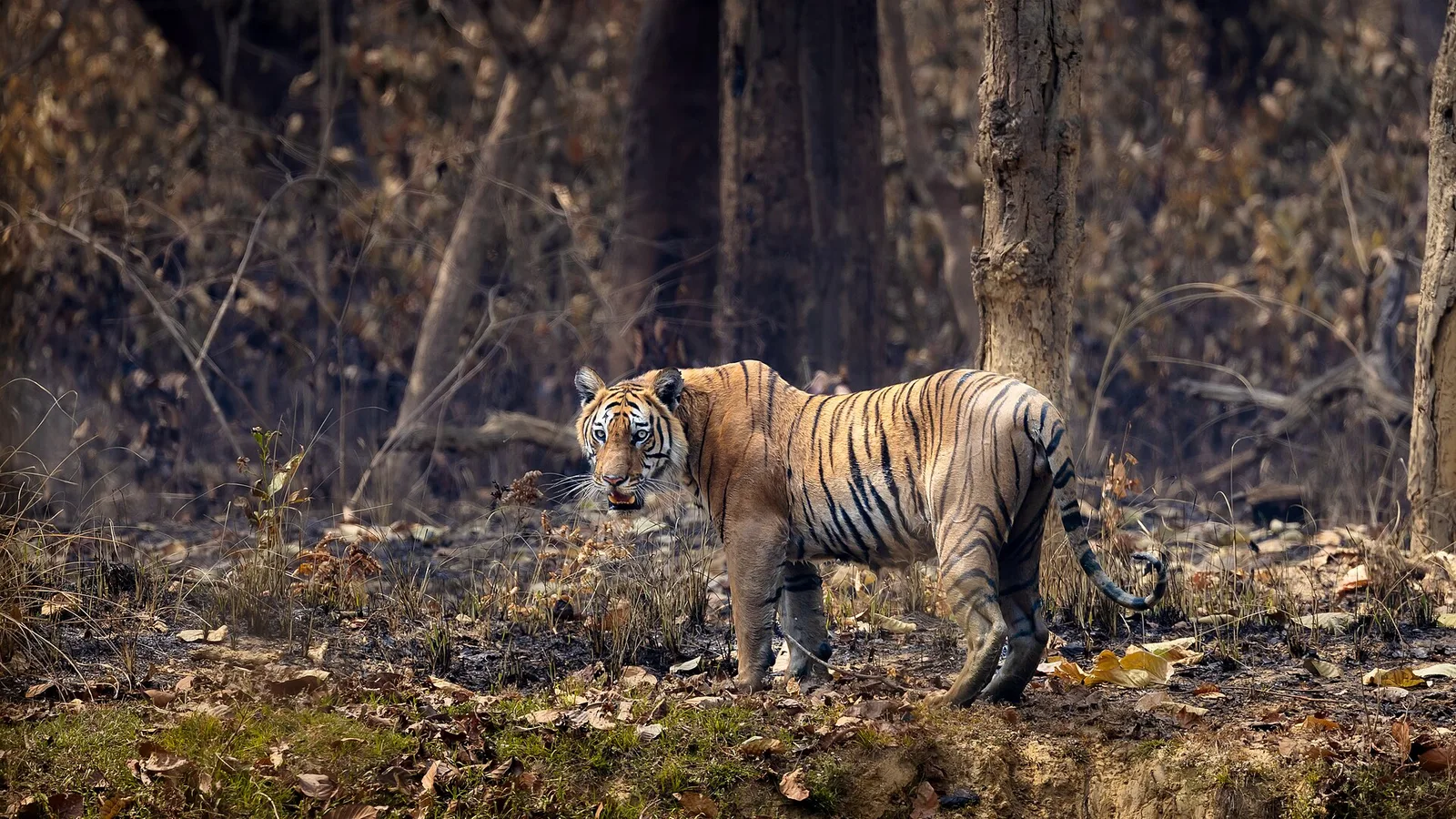
At a glance
- Published
- TopicIndustry & Tourism
- Verified againstThe Kathmandu Post
- Treks coveredBardia National Park Safari — 4 Days, Chitwan Jungle Safari — 3 Days
Fifteen years ago, conservationists in Nepal were counting tigers in the hundreds — barely. The new National Tiger and Prey Base Survey, unveiled by the Ministry of Forests and Environment around World Tiger Day, puts the current number at 429 wild tigers across five protected areas. In 2009, the same census methodology counted 121. Nepal's tiger population has more than tripled — closing in on quadrupling — in a decade and a half, according to the Department of National Parks and Wildlife Conservation.
Key facts
- 429 wild tigers counted nationwide in 2026, up from 121 in 2009
- Nepal hit the global 'Tx2' pledge — doubling tigers by 2022 — three years ahead of some partner nations, reaching 355 that year
- Chitwan National Park alone now holds 145 tigers, the country's largest single population
- Survey conducted by camera-trap grid, Dec 2025–Apr 2026, with NTNC, WWF Nepal and ZSL Nepal support
The census baseline that later csush anchored Nepal's global doubling pledge.
Steady growth across the first post-baseline count.
Nepal on track, but not yet at the doubling target.
Nepal formally announces it has doubled its 2009 population, ahead of the global 2022 deadline.
Latest national survey, released around World Tiger Day.
The by-park breakdown shows the recovery is not even. Chitwan, Nepal's oldest national park and the country's original tiger stronghold, still leads by a wide margin. But the sharpest growth is in the smaller western parks — Parsa and Banke — which have added tigers faster in percentage terms than Chitwan itself, evidence that the population is now spreading into habitat it had abandoned decades ago. Bardiya National Park is the one clear exception: it recorded 112 tigers this round, down from 125 in 2022, a decline officials are watching closely rather than dismissing as noise.
| Protected area | 2022 | 2026 | Change |
|---|---|---|---|
| Chitwan National Park | 128 | 145 | +17 |
| Bardiya National Park | 125 | 112 | −13 |
| Parsa National Park | 41 | 71 | +30 |
| Banke National Park | 25 | 51 | +26 |
| Shuklaphanta National Park | 36 | 50 | +14 |
| National total | 355 | 429 | +74 |
Success this size has a cost. Nepali officials confirmed 10 people were killed in tiger attacks in the fiscal year just ended — the first rise in human-tiger conflict after four consecutive years of decline, and a direct consequence of more tigers sharing a park system that has not grown any bigger. Bardiya, in particular, now holds roughly one tiger for every 7–8 square kilometres of its 968 sq km, a density conservationists say is close to what the landscape can support without more tigers ranging outside protected boundaries into farmland and villages. 'We cannot change the behaviour of tigers, but we can certainly change our own,' one park official told reporters, while another added that 'a healthy tiger does not deliberately hunt people' — the attacks are almost always accidental encounters at forest edges, not predation.
What this means for travellers
What this means for you
For anyone booking a Nepal wildlife safari, the practical upshot is straightforward: sighting odds inside Chitwan and Bardiya are genuinely better than they were a decade ago, because there are genuinely more tigers to see, tracked and reported by park rangers in real time. It also means our guides brief every safari guest on the same edge-of-forest awareness that applies to villagers — no walking alone near riverbanks or tall grass at dawn/dusk without a naturalist, exactly the situations behind most recorded incidents.
Chitwan remains the most accessible base for this — a short flight or drive from Kathmandu or Pokhara, with jeep and canoe safaris run by government-registered naturalist guides. Bardiya, further west and quieter, now offers a real (if slightly lower) chance of a sighting too, in a park with a fraction of Chitwan's visitor numbers. Either way, Nepal's tiger recovery is one of the rare good-news conservation stories with a visible, bookable payoff: the same parks doing the conserving are the ones you can actually visit.
Source: The Kathmandu Post, reporting the Department of National Parks and Wildlife Conservation's National Tiger and Prey Base Survey 2026.
Cover photo: Ambish Kazi via Wikimedia Commons (CC BY-SA 4.0).
Planning a trek?
Trek this route with us — Bardia National Park Safari — 4 Days
NMA-certified local guides, transparent pricing, 5,000+ treks since 1998. Message us your dates and we'll sort the permits, lodges and logistics — reply within 24 hours, no obligation.


Popular Nepal treks
All treks →


Related coverage
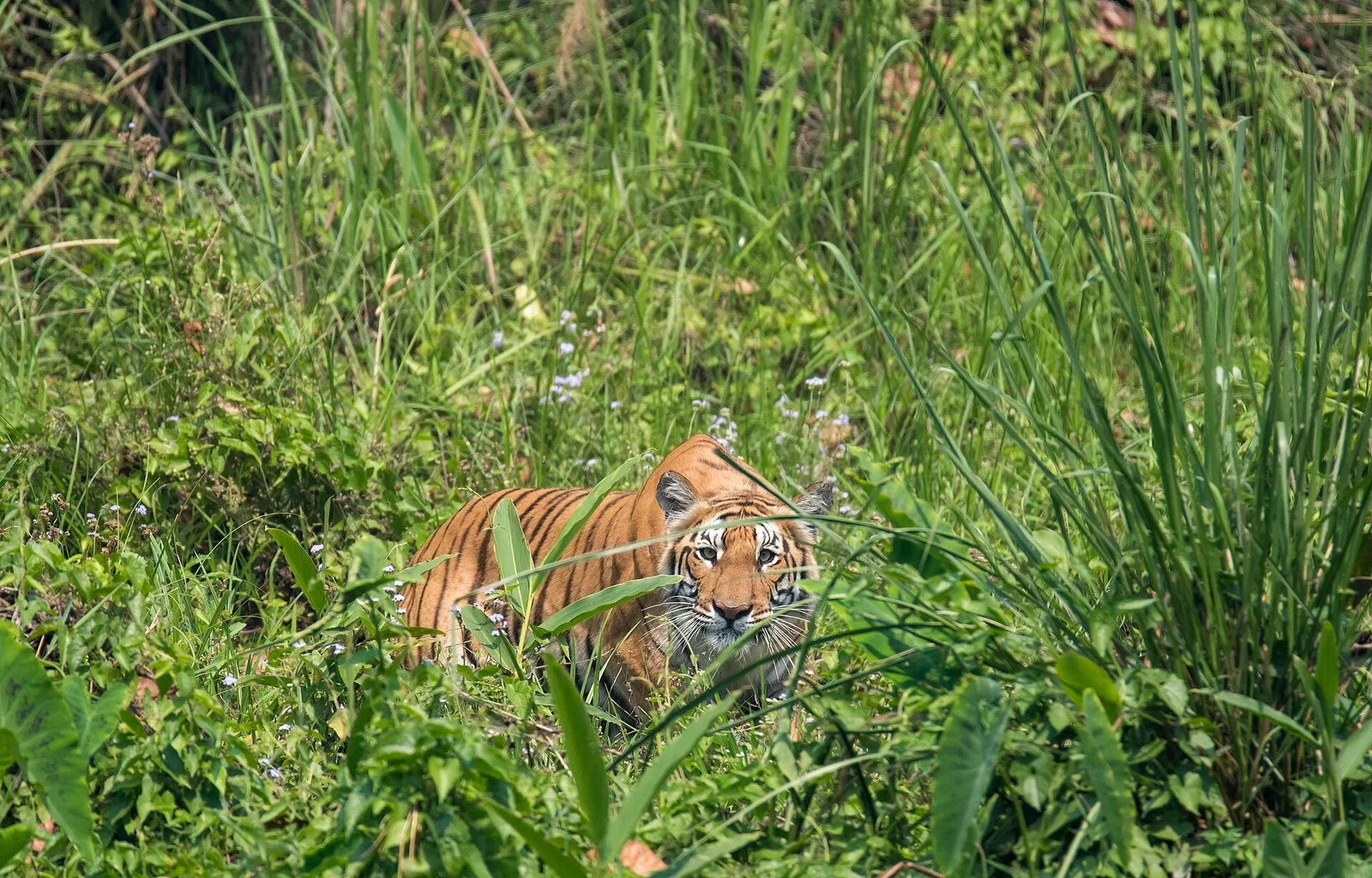
Records & People
Nepal Just Counted 429 Wild Tigers — Nearly Quadruple What It Had in 2009
A new national census puts Nepal's tiger population at a record high, the fastest tiger recovery of any country on Earth — and it's reshaping what a Chitwan or Bardia safari actually looks like.
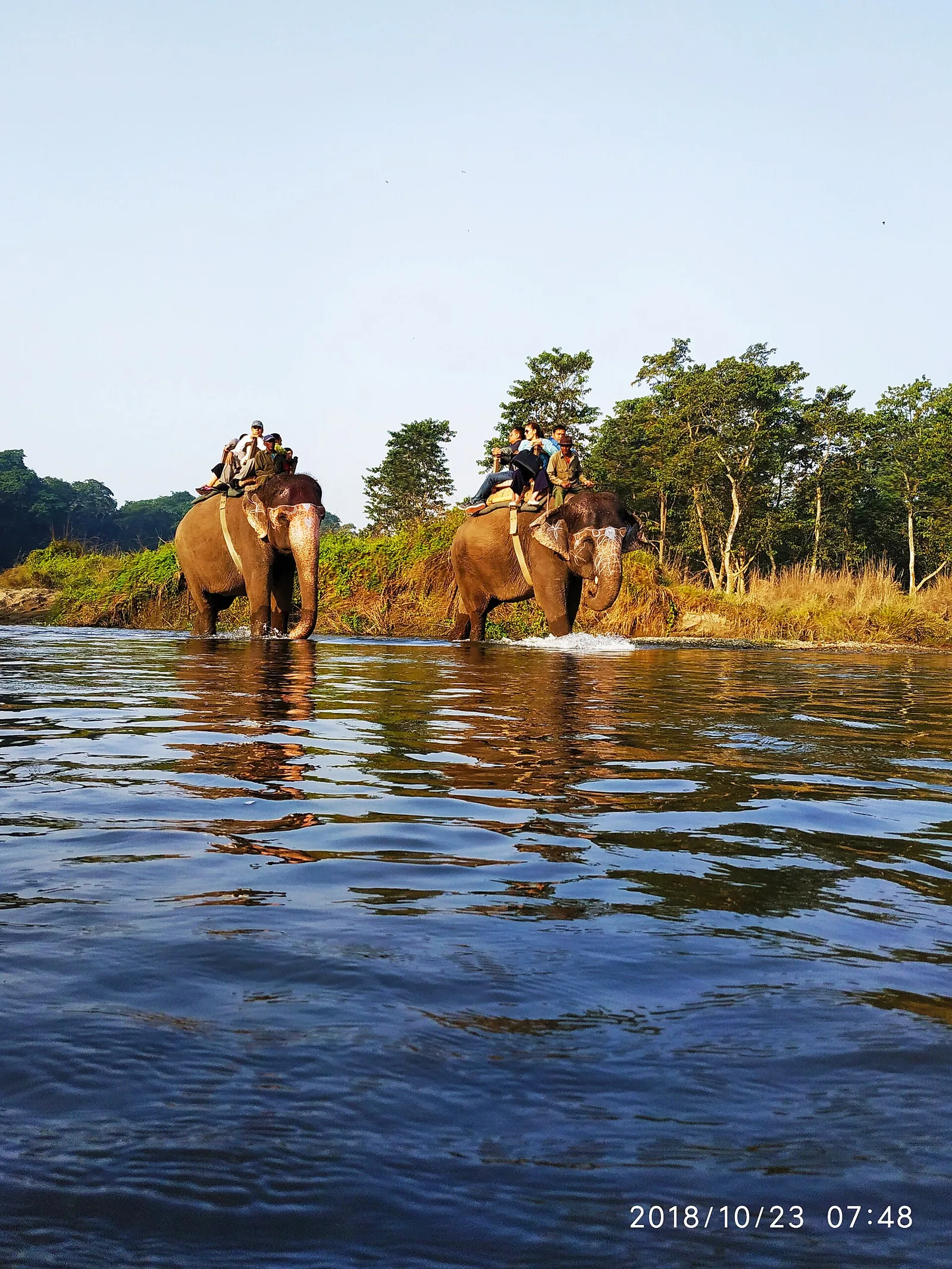
Industry & Tourism
Nepal's Top Court Just Called Elephant Safari Rides 'Inherently Irresponsible' — Here's What Happens Now in Chitwan
A December Supreme Court ruling told Sauraha to phase out elephant rides on welfare grounds. Eight months on, roughly 44 elephants and the guides who ride them are caught between a court order, a third of a local forest's income, and tourists who no longer want to ride anyway.
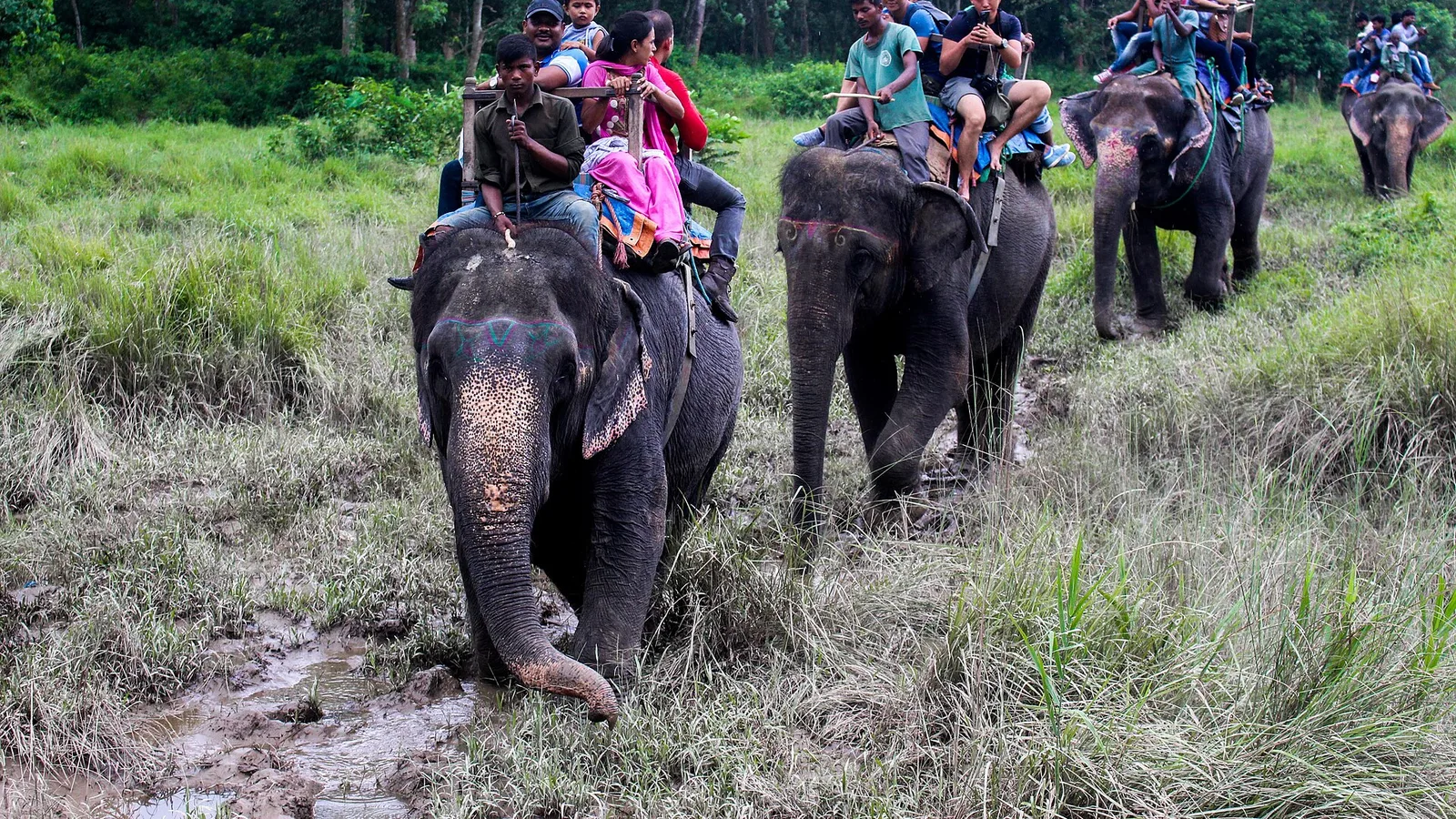
Industry & Tourism
Nepal's Supreme Court Just Ruled on Elephant Safaris in Chitwan — What It Means for Your Jungle Trip
A 62-point court order is pushing Nepal's most famous jungle safari away from riding elephants. Here's what's actually changing in Sauraha, and what your options are now.
Industry & Tourism
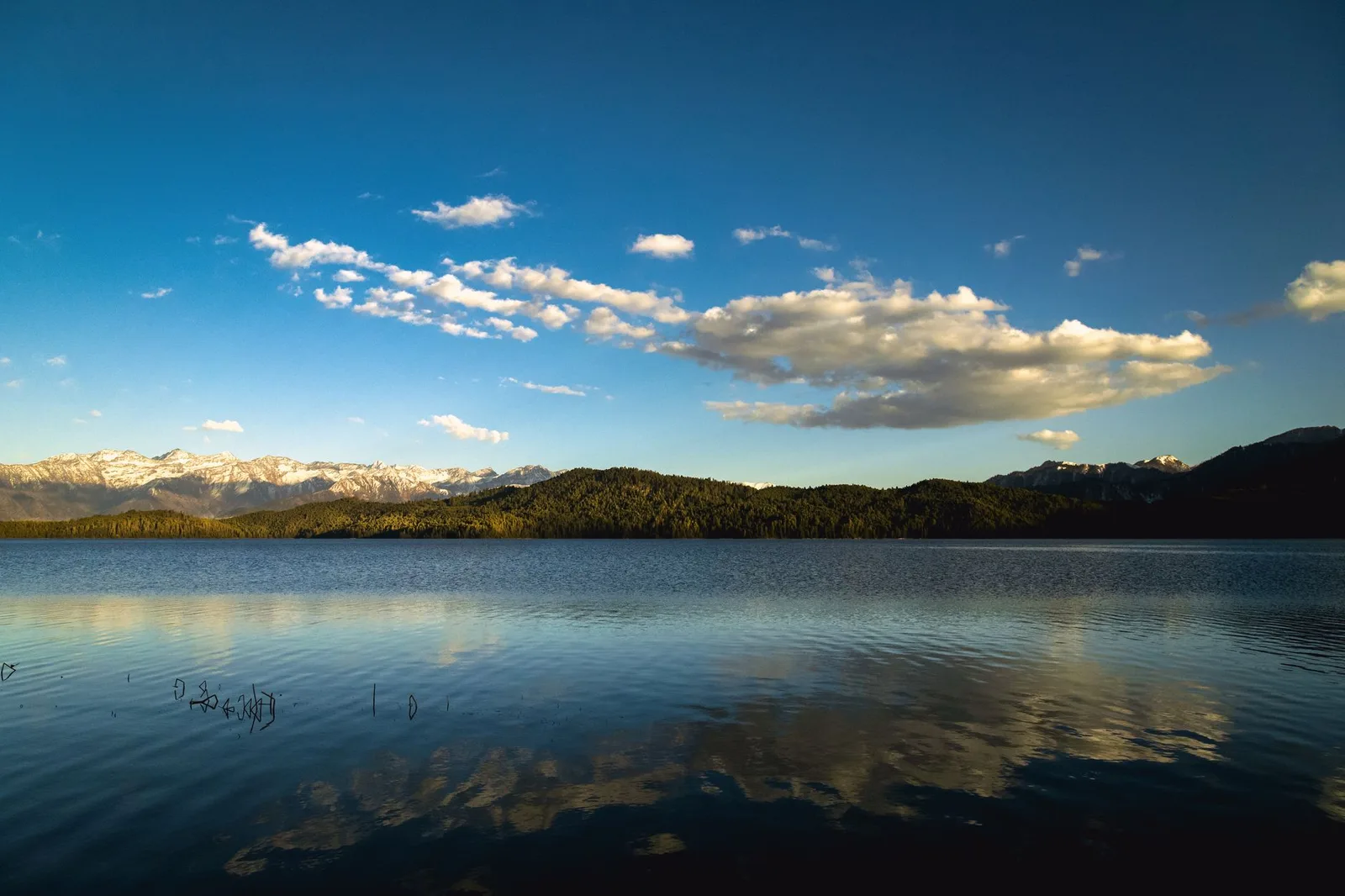
Nepal's Largest Lake Had Fewer Foreign Visitors All Year Than Everest Base Camp Gets in a Single Autumn Month
Rara Lake is bigger than Phewa, sits inside Nepal's smallest national park, and changes colour up to five times a day — yet only 208 travellers from outside South Asia saw it in the latest full tally. Here's the Himalaya's best-kept secret, by the numbers.
Latest from the desk
Gear & Tech
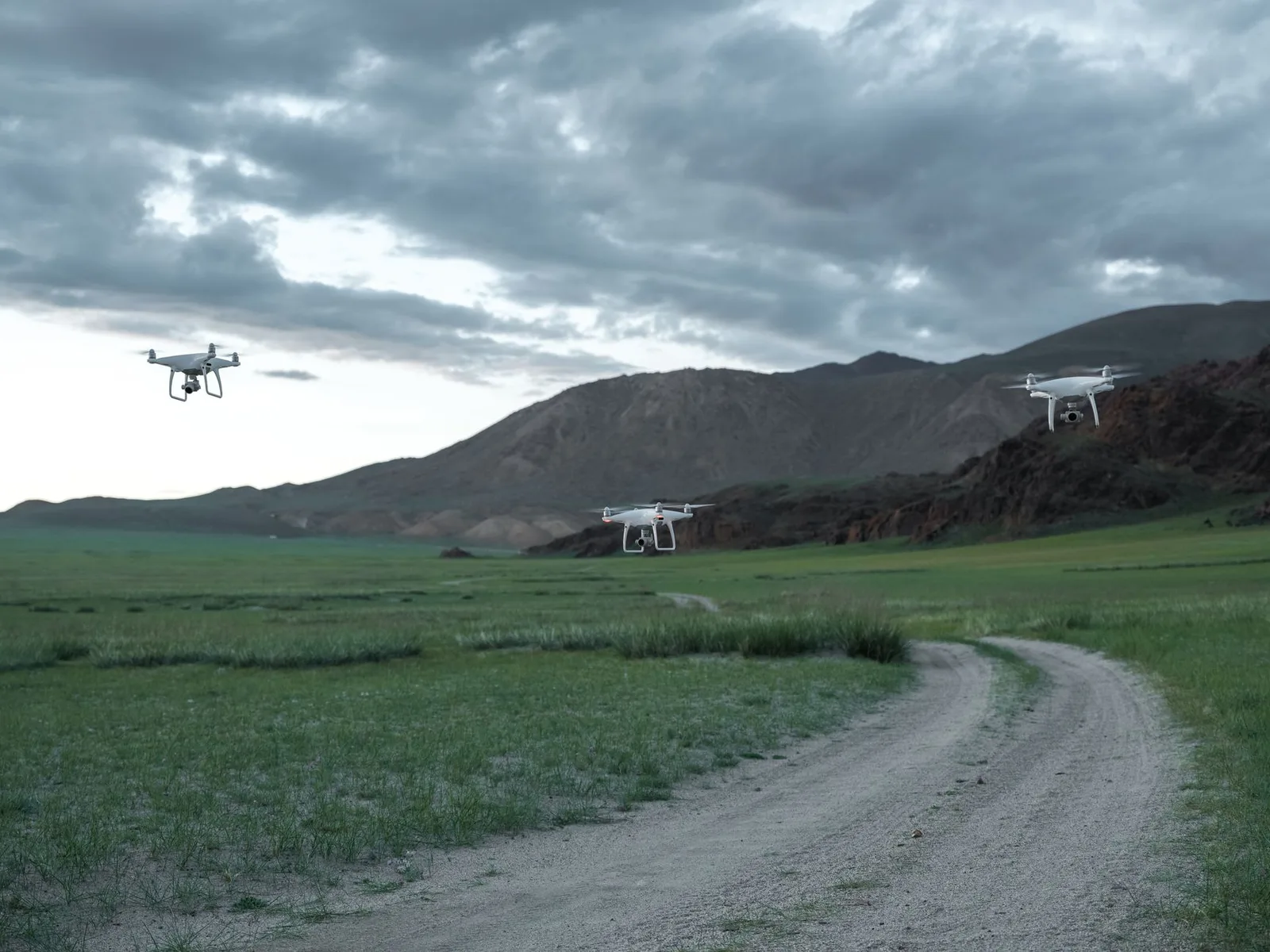
Travelling Abroad With a Drone in 2026: The Rules Travellers Keep Getting Caught By
Carry the batteries in the cabin, register before you fly, and learn the no-fly zones — the general drone-travel rules that vary by country, plus why Nepal restricts drones.
Records & People
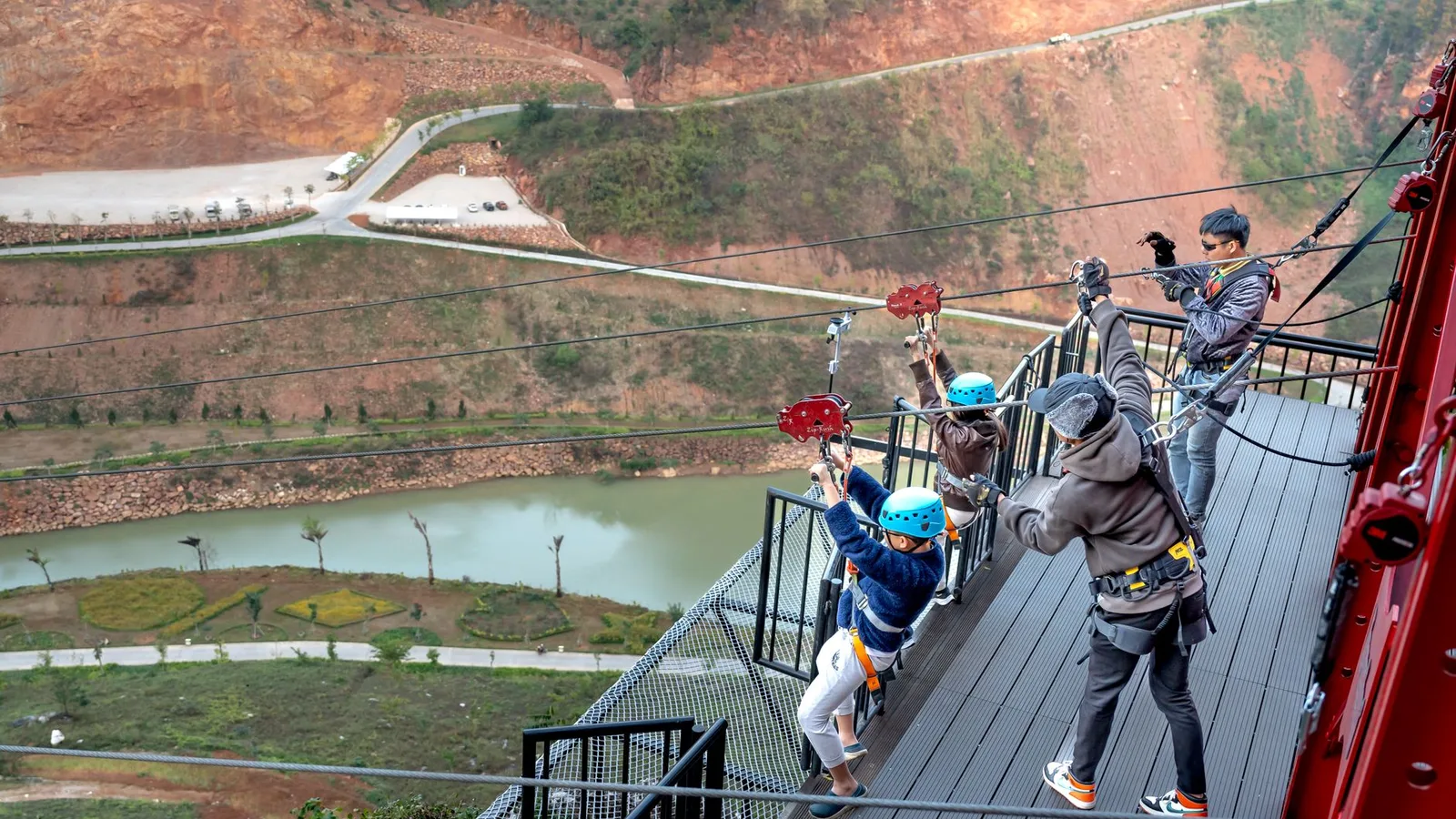
Nepal Has the World's Steepest Zip Line — and You Launch Off a Ridge Above Pokhara at 140km/h
A certified 56-degree drop over the Seti Gandaki valley makes Pokhara's ZipFlyer the steepest zip line on Earth — here is what a 1.8-kilometre, near-vertical descent from Sarangkot actually involves.

Visas & Entry
US ESTA in 2026: Who Needs It, the $40 Fee, and How to Apply the Official Way
The Visa Waiver Program travel authorisation explained — who qualifies, the fee that jumped in late 2025, why it is not a visa, and the copycat sites to avoid.