
Travelling Abroad With a Drone in 2026: The Rules Travellers Keep Getting Caught By
Carry the batteries in the cabin, register before you fly, and learn the no-fly zones — the general drone-travel rules that vary by country, plus why Nepal restricts drones.
At a glance
- Published
- TopicGear & Tech
- Verified againstUK Civil Aviation Authority (CAA)
- Treks coveredAnnapurna Circuit Trek — 10 Days, Everest Base Camp Trek — 14 Days
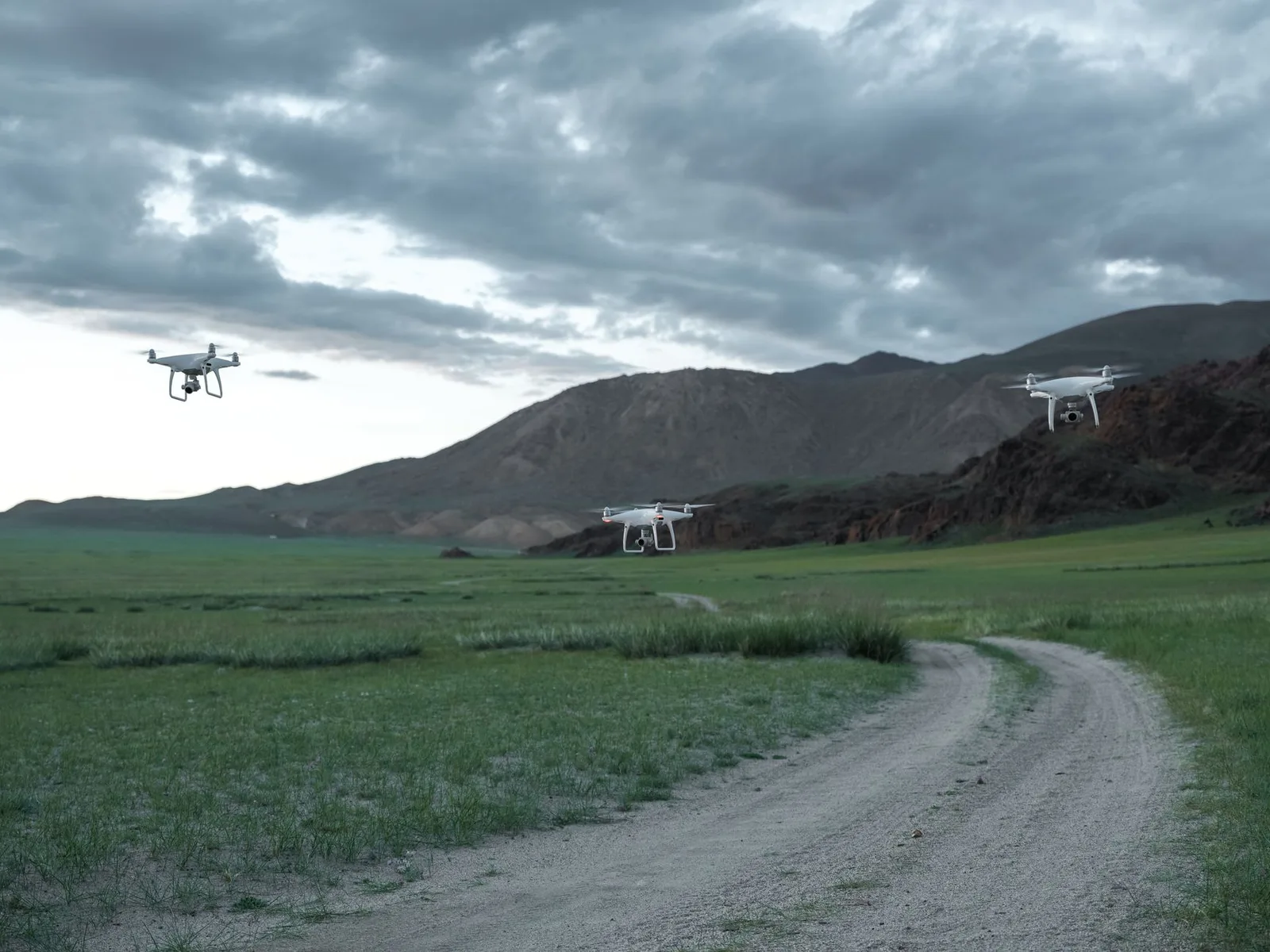
Read this before you pack it: a drone is one of the easiest things to get confiscated at a border, and almost every seizure comes down to the same handful of mistakes — the batteries went in checked luggage, the drone was never registered, or it was flown somewhere it was quietly banned. There is no single global drone law, and "it was fine at home" carries no weight at customs. What follows is the set of general principles that hold almost everywhere, so you know which questions to ask each country's civil aviation authority before you fly.
Travelling with a drone: the general rules (2026)
- Batteries in carry-on, always. Spare lithium batteries — including drone batteries — are forbidden in checked baggage under long-standing aviation safety rules. They ride in the cabin with you.
- Register before you fly it. Many countries require you to register the drone or the operator, commonly once it passes a low weight threshold. Do it before you travel, not on arrival.
- No-fly zones are broad. Airports, crowds, government and military sites, and most national parks and religious or heritage sites are typically off-limits — often by default, without any sign posted.
- Some countries restrict import. A few ban recreational drones entirely; others require you to declare the drone at customs or obtain a permit before it can even enter.
- Rules vary by country. Weight limits, altitude caps and fees differ everywhere — check the destination's aviation authority, not a forum post.
The battery rule that catches people first
The most common airport problem has nothing to do with flying the drone — it is how you pack it. Lithium batteries can overheat in a fault called thermal runaway, and a fire in the cargo hold has no crew to catch it. So the rule, set by ICAO and IATA and followed by airlines worldwide, is absolute: spare lithium batteries travel in your carry-on, never in checked baggage. That includes every drone battery you are not actively using inside the aircraft cabin. Larger drone batteries are rated in watt-hours and can fall into the "airline approval needed" band, exactly like a big power bank. If you already understand the watt-hour tiers from our guide to power banks on planes in 2026, you already know how your drone batteries will be judged. Tape over exposed terminals, carry each battery in its own pouch, and keep them in your cabin bag.
Register first — usually by weight
Most aviation authorities now require some form of registration, and the trigger is typically a weight threshold: below it, a tiny drone may be exempt; above it, you must register the aircraft, the operator, or both, and often sit a short online test. The exact threshold and process differ by country, so the safe move is to register in your destination's system before you leave home rather than discover the requirement at the airport. Carry proof of registration, your ID, and — if you fly a camera drone commercially — any operator authorisation, because an official who asks will not accept "I have it at home."
| The issue | The general rule | What to do |
|---|---|---|
| Batteries in the hold | Spare lithium batteries banned from checked baggage | Carry every battery in the cabin; tape terminals; use a pouch each |
| Registration | Many countries require it, often above a low weight threshold | Register the drone/operator online before you travel; carry the proof |
| No-fly zones | Airports, crowds, government sites, national parks, heritage & religious sites are usually off-limits | Check an official airspace map; assume "no" near any of these |
| Import & customs | Some countries ban or restrict drone import, or require a customs declaration | Confirm the drone is legal to bring in before you fly; declare if required |
| Insurance & liability | Some countries require third-party liability cover to fly at all | Check whether cover is mandatory; keep documentation with the drone |
Where you cannot fly, even without a sign
The no-fly list is remarkably consistent worldwide. Near airports and airfields you must not fly at all without clearance. Over crowds, festivals and stadiums it is almost universally banned. Government buildings, military installations and national-security sites are off-limits, and drones are frequently prohibited over religious sites, monuments and protected heritage areas. Most national parks and nature reserves ban them outright to protect wildlife and other visitors — the absence of a posted sign is not permission. Beyond location, the common flight rules are keeping the drone within your visual line of sight and below roughly 120 metres (about 400 feet) above ground, though the exact ceiling varies. When in doubt, the default answer near anything sensitive is no.
Getting it into the country at all
Before you worry about where to fly, confirm the drone is even allowed across the border. A handful of countries prohibit recreational drones entirely, and bringing one in can mean confiscation or worse. Others permit them but require you to declare the drone at customs on arrival, register it against your passport, or hold a permit issued in advance — and a few will hold your drone at the airport until you leave. Check the destination's customs and aviation guidance for import rules specifically, not just flying rules.
Before you pack a drone
Answer four questions for your destination, using its official civil aviation authority and customs pages: Can I legally bring the drone into the country? Do I need to register it or the operator before flying? Where am I actually allowed to fly — and how do I check the airspace map? Do I need liability insurance? If you cannot answer all four, assume the drone stays home. A grounded drone in your bag is a dead weight; a confiscated one is gone, and in the wrong country it is a legal problem.
A word on Nepal
Nepal is a place where trekkers most often assume they can fly a drone and are wrong. Nepal restricts drones: flying one generally requires permits — potentially from the Civil Aviation Authority of Nepal (CAAN), the Department of Tourism and the Home Ministry — and drones are banned in national parks and many heritage, security and border areas, which covers a great deal of the country's best-known trekking terrain. Do not assume you can launch a drone over Everest Base Camp or the Annapurna Sanctuary because you carried it in. Rules and permit requirements change, so check CAAN's current guidance before you travel. If you are planning a trek and hoping to film, tell us early: on an Everest Base Camp trek or an Annapurna Circuit trek, our guides can tell you honestly what is realistic, where filming is simply not allowed, and how to stay on the right side of the rules rather than lose your drone at a checkpoint.
None of this should put you off travelling with a drone — millions do it every year without trouble. It simply rewards the traveller who checks first. Pack the batteries in the cabin, register before you go, learn the no-fly zones, confirm you can import it, and treat every country as a fresh set of rules.
Cover photo: ArtHouse Studio via Pexels (Pexels License).
Planning a trek?
Trek this route with us — Annapurna Circuit Trek — 10 Days
NMA-certified local guides, transparent pricing, 5,000+ treks since 1998. Message us your dates and we'll sort the permits, lodges and logistics — reply within 24 hours, no obligation.


Popular Nepal treks
All treks →


Related coverage
Gear & Tech
Power Banks on Planes in 2026: Watt-Hour Rules, the mAh Math, and the New In-Flight Bans
Lithium power banks fly in your carry-on only — here are the 100/160 watt-hour tiers, how to convert mAh to watt-hours, and the 2025 airline crackdown after cabin battery fires.
Gear & Tech
How to Avoid Roaming Charges Abroad in 2026: eSIM, Local SIM, Roaming Passes and Wi-Fi Calling Compared
A practical decision framework for staying connected overseas without the bill shock — carrier roaming passes, local SIMs, eSIMs and Wi-Fi calling, the EU "roam like at home" rules, and what to do in Nepal.
Flights & Access
Airport Security Rules in 2026: The 100ml Liquids Limit Is Back, and What You Still Can't Carry
CT scanners were meant to kill the 100ml liquids rule. Many airports reimposed it in 2024, so it is back and inconsistent airport to airport. Here is what you can carry through security in 2026 — liquids, laptops, powders and power banks — plus Nepal’s own strict cabin limits.
Gear & Tech
Travel Adapters & Power Banks in 2026: What to Pack (and the Airline Rules You'll Break by Accident)
Nepal runs 230V on Type C/D/M plugs, and your power bank flies in the cabin only — up to 100Wh with no approval, 100-160Wh with permission, over 160Wh banned. The 2025 crackdown, the watt-hour maths, and a charging plan that beats teahouse fees.
Latest from the desk
Records & People
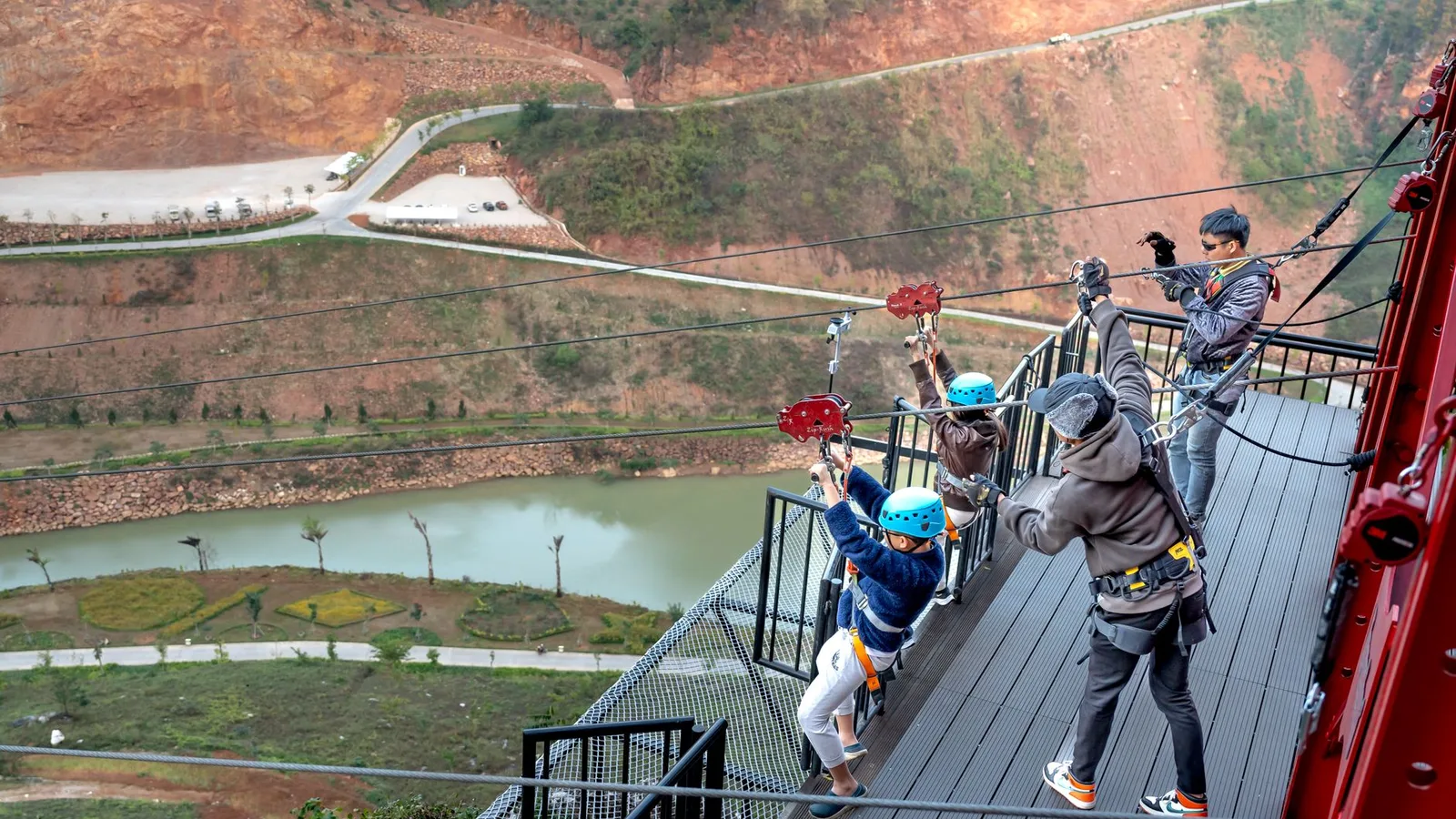
Nepal Has the World's Steepest Zip Line — and You Launch Off a Ridge Above Pokhara at 140km/h
A certified 56-degree drop over the Seti Gandaki valley makes Pokhara's ZipFlyer the steepest zip line on Earth — here is what a 1.8-kilometre, near-vertical descent from Sarangkot actually involves.

Industry & Tourism
Nepal Just Counted 429 Wild Tigers — More Than Triple What It Had 15 Years Ago
A new national census puts Nepal's wild tiger population at 429, up from 121 in 2009 — one of the most successful tiger recoveries on the planet, and it is playing out inside the same national parks tourists visit on safari.
Visas & Entry
US ESTA in 2026: Who Needs It, the $40 Fee, and How to Apply the Official Way
The Visa Waiver Program travel authorisation explained — who qualifies, the fee that jumped in late 2025, why it is not a visa, and the copycat sites to avoid.