
Airport Security Rules in 2026: The 100ml Liquids Limit Is Back, and What You Still Can't Carry
CT scanners were meant to kill the 100ml liquids rule. Many airports reimposed it in 2024, so it is back and inconsistent airport to airport. Here is what you can carry through security in 2026 — liquids, laptops, powders and power banks — plus Nepal’s own strict cabin limits.
At a glance
- Published
- TopicFlights & Access
- Verified againstUK Government (GOV.UK)
- Treks coveredEverest Base Camp Trek — 15 Days, Annapurna Circuit Trek — 13 Days, Annapurna Base Camp Trek — 9 Days
Key facts
- Liquids, gels and pastes are capped at 100ml (3.4 fl oz) per container at most airports worldwide.
- Those containers must fit inside a single transparent, resealable bag holding no more than 1 litre, roughly 20cm x 20cm.
- Some airports with new CT scanners allow liquids up to 2 litres — but the 100ml limit was reintroduced at many of them in 2024, so confirm with your departure airport.
- At most checkpoints, laptops and large electronics still come out of your bag into a separate tray. Power banks must travel in the cabin, never in checked luggage.
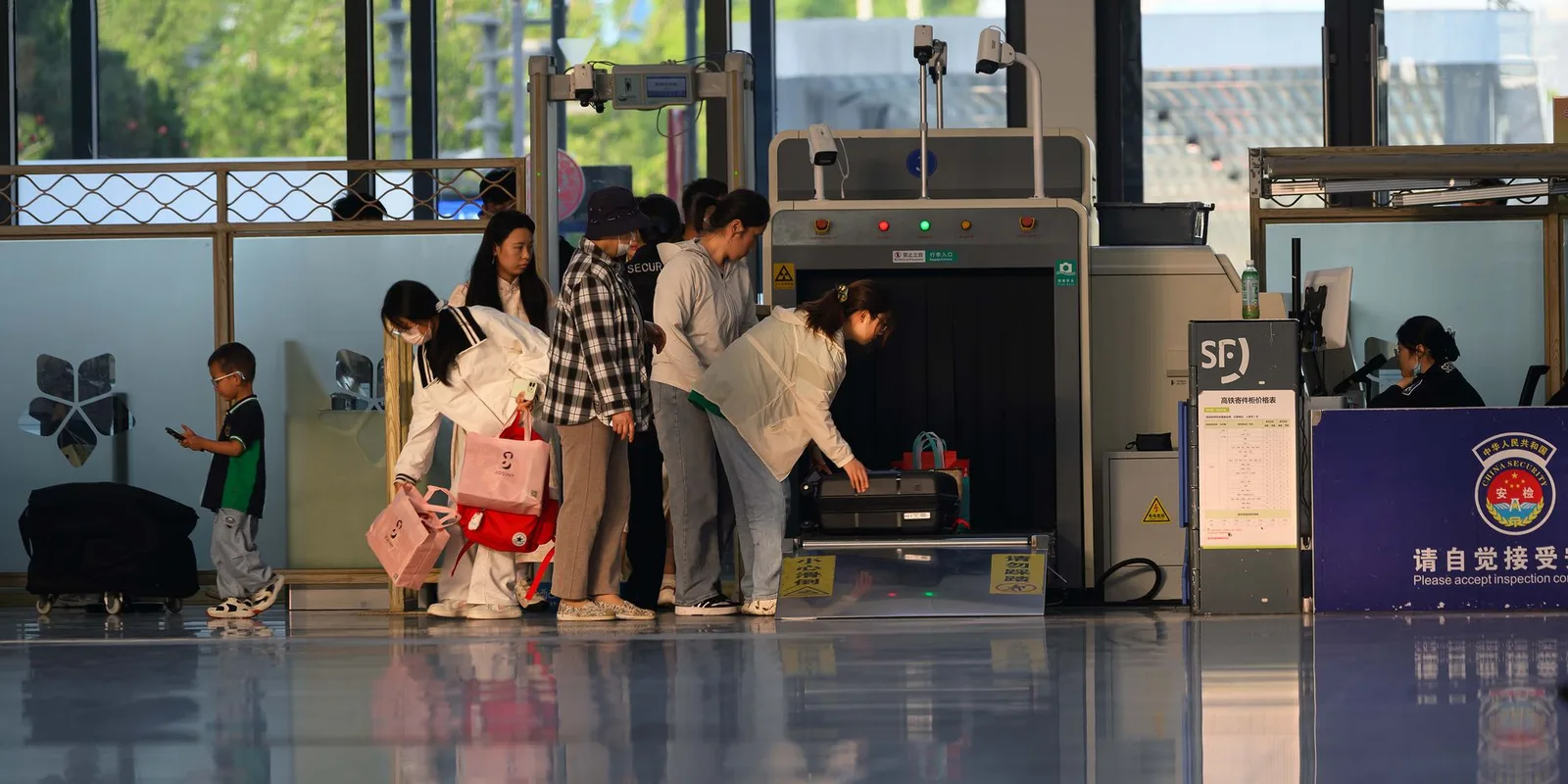
Here is the short version for 2026: at most airports you should still pack as if the 100ml liquids limit applies, because it does. The new CT scanners were supposed to retire that rule, and at a handful of airports they briefly did — but the limit was reimposed at many of them in 2024, and the picture is now genuinely inconsistent from one airport to the next. This is what you can and cannot carry through security this year, and why the rule that "ended" is still following you around.
The liquids rule is still 100ml
The UK government's guidance is blunt: at most airports, you cannot take liquids in containers larger than 100ml through security. When a container is allowed, it must go in a single, transparent, resealable plastic bag that holds no more than a litre and measures approximately 20cm x 20cm — one bag per passenger. "Liquids" is broader than it sounds. It covers water and drinks, toiletries, sun cream, toothpaste, deodorant paste, mascara, lip gloss and anything with a soft, gel-like or spreadable texture.
There are exemptions above 100ml, but the list is narrow: essential medicines, medical equipment, dietary items and baby food or milk are allowed in larger quantities — up to around 2 litres — as is duty-free bought airside and sealed in a tamper-evident security bag. Expect to declare medicines and have them screened separately.
The safe assumption
Pack for 100ml even where CT scanners exist. If you turn up with a full-size shampoo because "the new scanners allow it," and that lane happens to be running the reimposed 100ml rule, security bins it — no appeal, no refund. Decant into 100ml bottles, keep them in a clear 1-litre bag near the top of your carry-on, and send anything larger in the hold.
Why a rule that "ended" came back
The 100ml limit dates to August 2006, when British police disrupted a plot to smuggle liquid explosives disguised as soft drinks onto transatlantic flights from the UK to the United States and Canada. Within days, liquids were banned from cabins, and the ban was quickly standardised worldwide into the 100ml-in-a-clear-bag format we still use nearly twenty years later.
The exit was meant to be technology. As airports install advanced computed tomography (CT) scanners — 3D machines that read a bag's contents far more clearly than the old X-ray units — the liquids restriction can, in principle, be relaxed, and several airports lifted the cap to 2 litres. Then in June 2024 the UK reimposed the 100ml limit at airports that had rolled the scanners out, wanting the new machines performing consistently first. The result in 2026 is a patchwork: your outbound airport might wave through a 500ml bottle while your connecting or return airport confiscates it. Because the rollout is uneven, the only reliable move is to check your specific departure airport before you fly — and pack for 100ml regardless.
| Item | Carry-on rule (2026) | Note |
|---|---|---|
| Liquids, gels, pastes, creams | 100ml per container, in one 1-litre clear bag | Larger allowed only at CT-scanner airports that permit it — confirm first |
| Laptops & tablets | Out of the bag into a separate tray at most checkpoints | Can stay in the bag in CT-scanner lanes; follow the lane signs and staff |
| Power banks & spare lithium batteries | Carry-on only — never in checked luggage | Airlines commonly cap capacity near 100Wh (about 27,000mAh) without approval |
| Powders (over 350ml / 12oz) | Allowed, but may face extra screening on US-bound flights | Keep large powders accessible; you may be asked to separate or bin them |
| Sharp items (knives, blades, large scissors) | Not allowed in the cabin | Pack in checked luggage; small blunt-ended scissors are often fine |
"3-1-1" and "100ml" are the same rule
If you have flown in the United States you will have heard the TSA's 3-1-1 rule. It is the same idea under a different label: 3.4 ounces (100ml) per container, 1 quart-sized clear zip-top bag, 1 bag per passenger. Europe, the UK and most of the world quote the metric "100ml" version instead. Because 3.4oz is simply 100ml rounded, a bottle that passes in London passes in Los Angeles. Don't be thrown by the two names — just pack to the smaller of any figures you see.
Laptops, tablets and phones
At a standard checkpoint, take laptops and other large electronics out of your bag and lay them in their own tray so the scanner gets a clean image; phones usually stay in. At airports running CT scanners you can often leave everything inside the bag, because the machine handles it. The two systems sit side by side even within a single terminal, so watch the lane signage and do what staff ask rather than assuming. Keep devices charged enough to switch on if requested — a completely dead laptop can be refused at some destinations.
Flying into Nepal — and onto Lukla
The same rules meet you at Kathmandu's Tribhuvan International Airport (TIA): 100ml liquids, power banks in your cabin bag, sharp items in the hold. The tighter squeeze is the domestic leg. Mountain flights — above all the short hop to Lukla for the Everest region — use small STOL aircraft with strict weight limits, often around 10kg of checked baggage plus about 5kg of cabin baggage per passenger, and excess is charged or offloaded. Keep power banks, camera batteries, documents and medicines in your cabin bag, and confirm the exact allowance with your carrier, since it varies by airline and season. If you trek with us, we plan your kit around these limits so nothing gets left on the tarmac.
Packing down to a single cabin bag makes every one of these checkpoints faster and cheaper — our guide to travelling carry-on only in 2026 shows how to fit a full trek wardrobe into one bag. And when you are ready to point all that at a mountain, browse our Nepal treks and tours; we will handle the permits, the domestic flights and the baggage maths.
Sources: UK Government (GOV.UK), hand luggage restrictions and liquids guidance; US Transportation Security Administration, the 3-1-1 liquids rule; Wikipedia, 2006 transatlantic aircraft plot. Rules vary by airport — always confirm with your departure airport before you fly.
Cover photo: 海风 张 via Pexels (Pexels License).
Planning a trek?
Trek this route with us — Everest Base Camp Trek — 15 Days
NMA-certified local guides, transparent pricing, 5,000+ treks since 1998. Message us your dates and we'll sort the permits, lodges and logistics — reply within 24 hours, no obligation.


Popular Nepal treks
All treks →


Related coverage
Gear & Tech
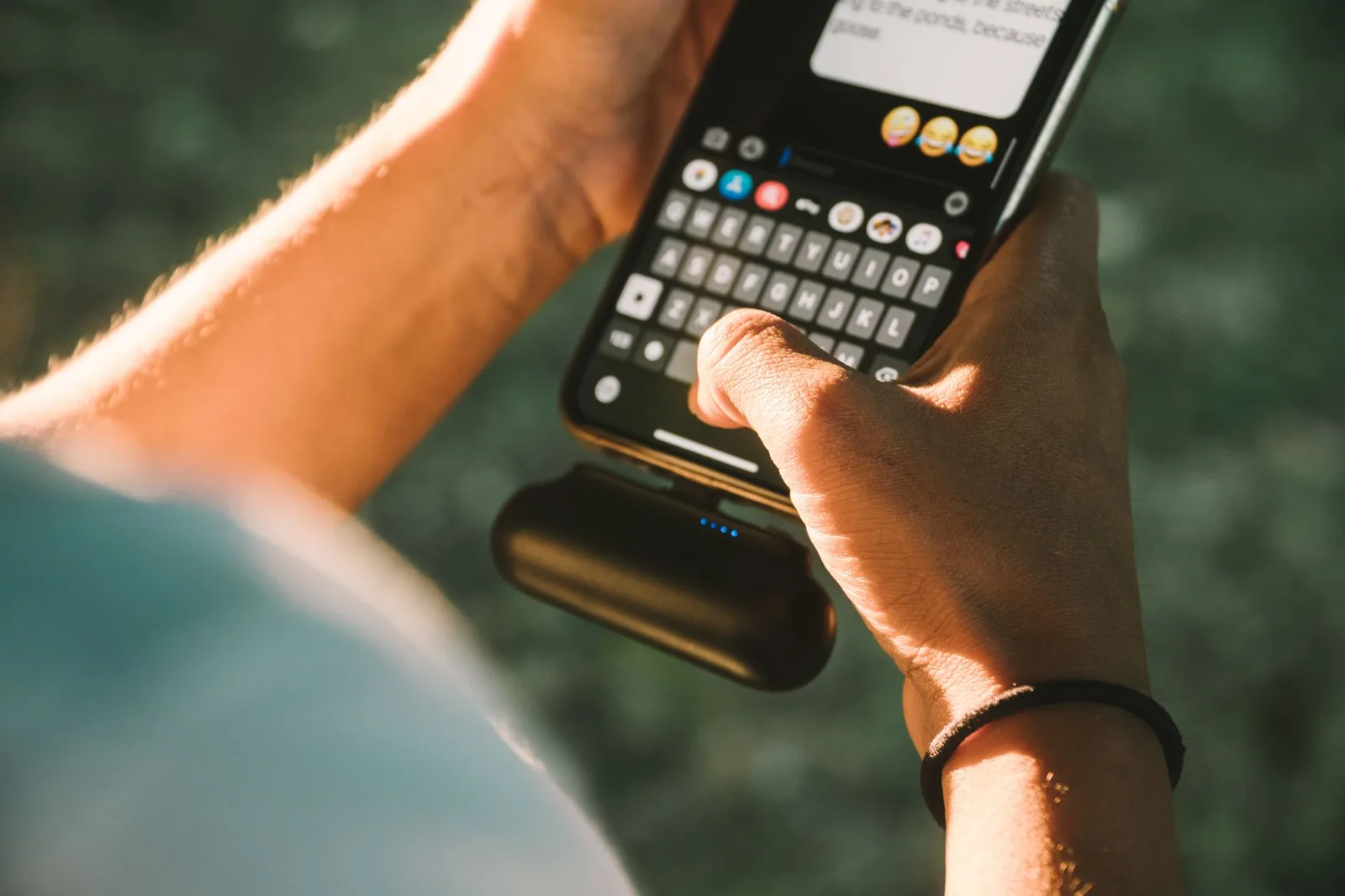
Travel Adapters & Power Banks in 2026: What to Pack (and the Airline Rules You'll Break by Accident)
Nepal runs 230V on Type C/D/M plugs, and your power bank flies in the cabin only — up to 100Wh with no approval, 100-160Wh with permission, over 160Wh banned. The 2025 crackdown, the watt-hour maths, and a charging plan that beats teahouse fees.
Deals & Routes
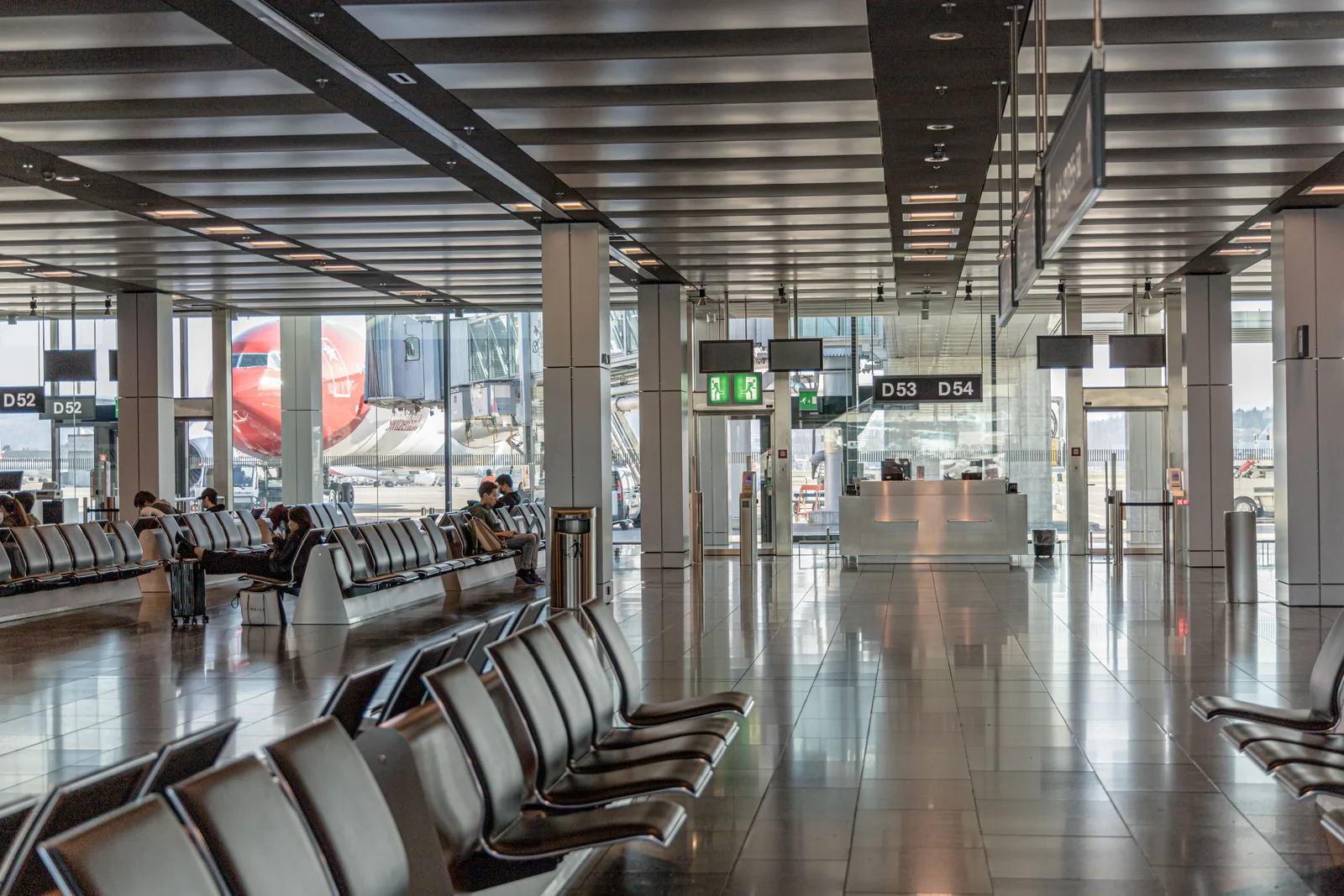
How to Get Airport Lounge Access in 2026 (Without Flying Business Class)
Priority Pass, DragonPass, credit-card perks, day passes and walk-in prices — the five real routes into an airport lounge, and which hub lounges are worth it on the way to Nepal.
Safety & Advisories
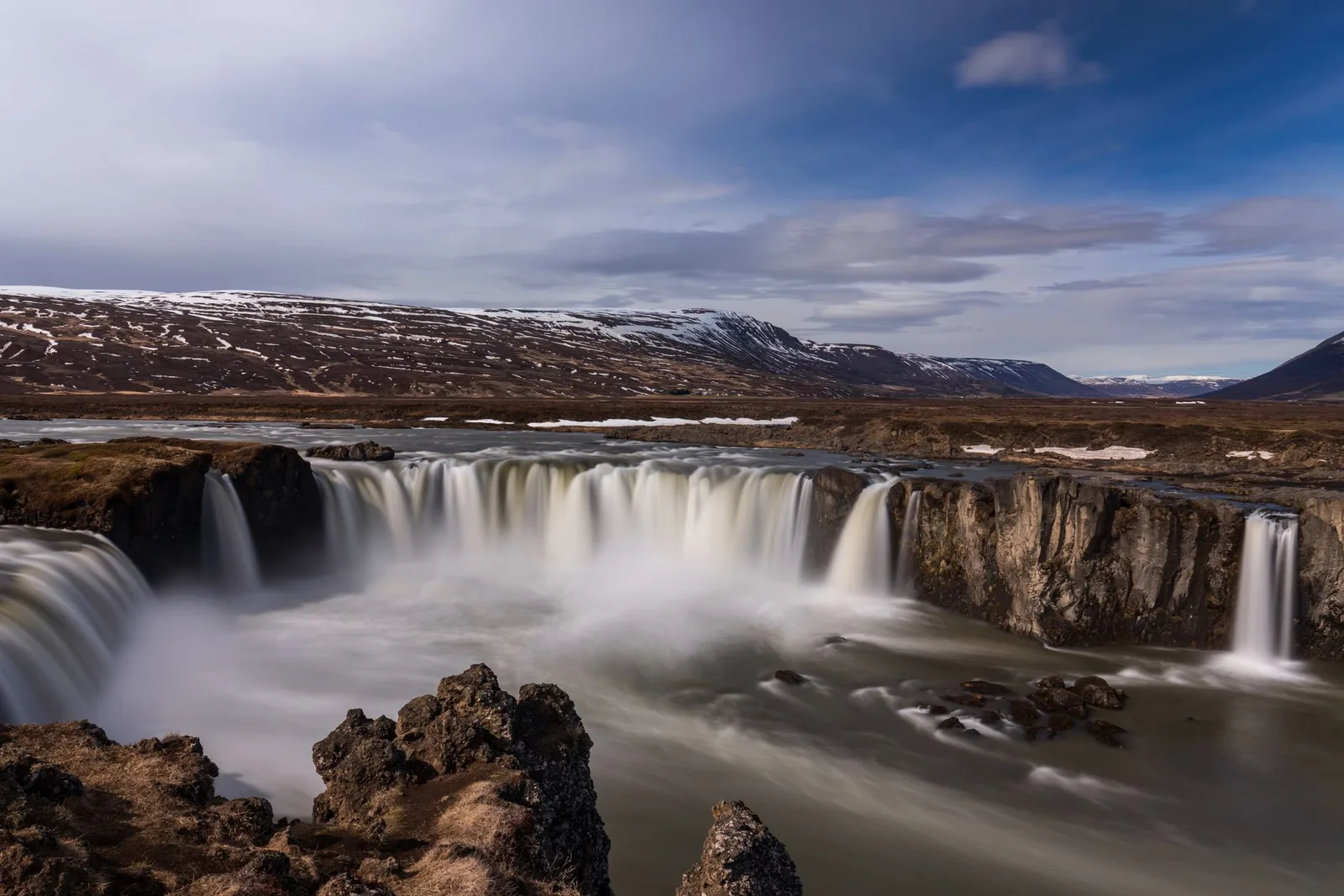
Safest Countries to Travel in 2026: The Real Rankings, and What "Safe" Actually Means
A data-grounded roundup built on the 2026 Global Peace Index — from Iceland to Japan — plus the honest caveats on petty theft, roads and natural hazards that no ranking captures.
Gear & Tech
How to Travel Carry-On Only in 2026 (Pack Light, Skip Baggage Fees, Never Lose a Bag)
The carry-on-only method — the 100ml liquids rule, capsule packing, worn layers and sink laundry — and how it dodges every checked-bag fee, all the way to Kathmandu.
Latest from the desk
Records & People
Missing for Six Days on Everest, With No Food, Water or Oxygen — How Dawa Sherpa Survived
A 52-year-old Everest guide vanished at 24,600 feet after losing his client on the descent. Six days later, a garbage-collection crew spotted him crawling down the Khumbu Icefall — barely alive.
Records & People
Everest Is Only Part of the Story: Inside the World's Highest National Park
Sagarmatha National Park stretches from 2,845 metres to Everest's 8,848-metre summit — and after a roughly 40-year absence, snow leopards are being seen inside it again.
Visas & Entry
UK ETA 2026: Who Needs It, the £20 Fee, and How to Apply
The UK Electronic Travel Authorisation rollout is complete. Here is the full 2026 guide — who needs one, the £20 cost, two-year validity, the application steps, and the mistakes that get travellers turned away.