
Nepal's Supreme Court Just Ruled on Elephant Safaris in Chitwan — What It Means for Your Jungle Trip
A 62-point court order is pushing Nepal's most famous jungle safari away from riding elephants. Here's what's actually changing in Sauraha, and what your options are now.
At a glance
- Published
- TopicIndustry & Tourism
- Verified againstThe Kathmandu Post
- Treks coveredBardia National Park Safari — 4 Days, Chitwan Jungle Safari — 3 Days
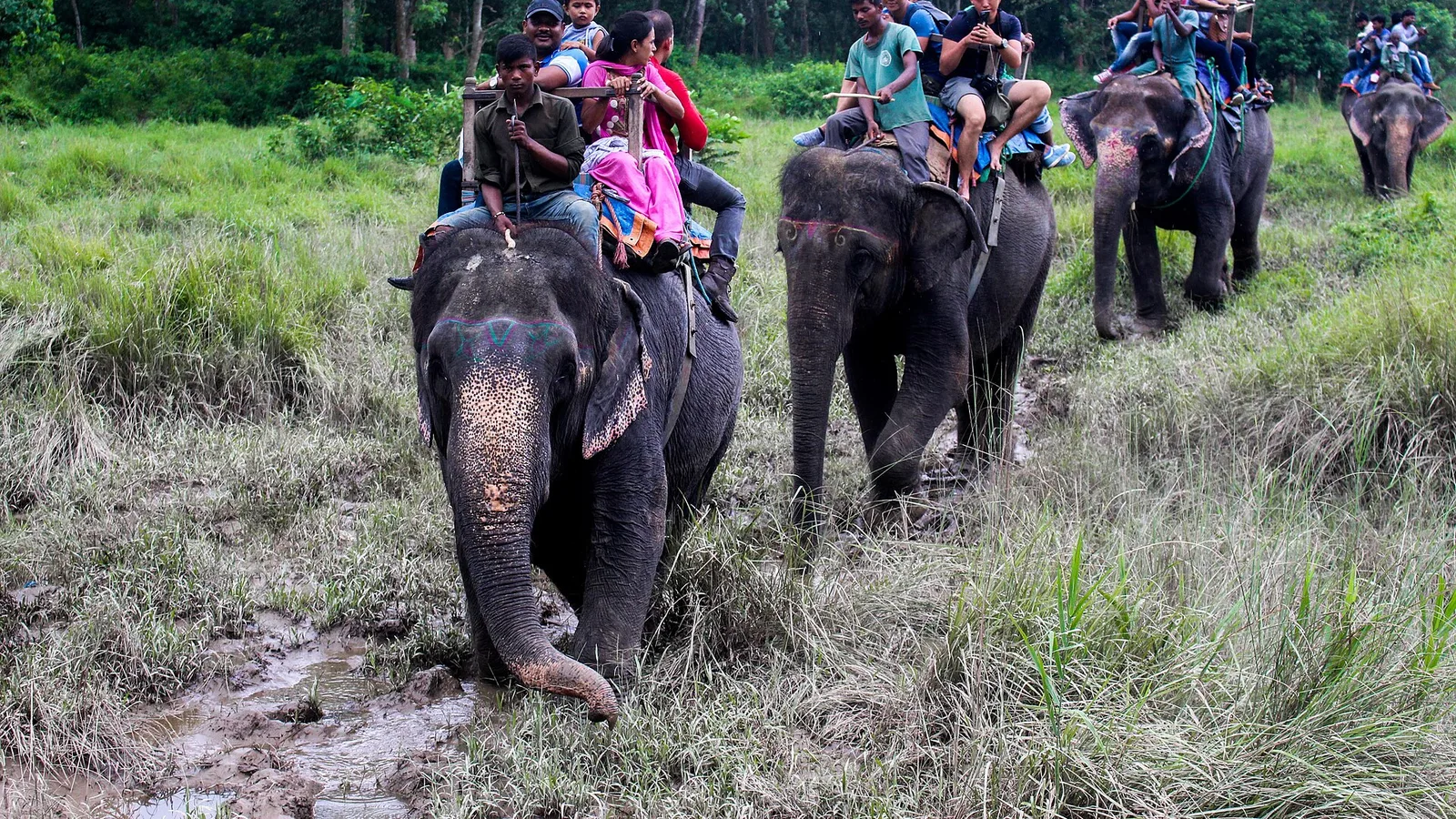
For as long as most travellers have been visiting Chitwan National Park, the signature photo has been the same one: tourists swaying on an elephant's back through tall grass, scanning for rhinos. Nepal's Supreme Court has now put that tradition on notice.
In a 62-point order issued on 17 December 2025, a bench of Justices Hari Prasad Phuyal and Tek Prasad Dhungana ruled on a wider wildlife-welfare case that reaches directly into Sauraha, the village that acts as Chitwan's tourism gateway. Point 48 of the order states that allowing tourists to ride elephants must be reconsidered from an animal-welfare standpoint, and that alternatives should be adopted. Point 51 goes further, directing the government to draft clear legal policy transitioning Nepal toward ethical eco-tourism, citing international models like elephant bush walks and fixed-distance observation platforms.
Key facts
- Supreme Court order: 17 December 2025, 62 points, targeting elephant-riding tourism specifically at points 48 and 51.
- Sauraha's main cooperative currently runs 30 elephants; roughly 14 more are independently owned — down from about 63 before the Covid-19 pandemic.
- Around 38–40 elephants are used for safaris on a typical day today.
- The court did not set an immediate ban or a phase-out date — it ordered a managed transition, not a shutdown.
The ruling has put private elephant owners in an uncomfortable spot. According to United Elephant Operation Cooperative chairman Dipendra Khatiwada, most owners say they are open to shifting toward ethical alternatives — but argue a sudden ban would gut a local economy that has depended on elephant tourism for decades, while doing nothing for the animals already living in captivity. Their ask is a phased transition with real financial support, not a court order that changes the rules overnight.
There are already signs the market is moving on its own. Some Sauraha operators have introduced 'elephant bush walks' — guests walk alongside the elephants at a distance rather than riding them — and report the walks cost more than a traditional ride and are drawing a positive response, particularly from European visitors who no longer want to ride at all. Community forests around the buffer zone are also being asked to accept replacement revenue from jeep safaris, guided walks, canoe trips and wildlife photography permits, to offset what an eventual reduction in elephant-riding income would cost the local area.
| Option | Elephant contact | What it's like |
|---|---|---|
| Elephant-back ride | Direct riding | Traditional format; now under formal court review |
| Elephant bush walk | Walk alongside, no riding | Newer, premium-priced, growing demand |
| Jeep safari | None | Covers more ground; good rhino/tiger sighting odds |
| Canoe trip, Rapti River | None | Crocodiles, birdlife, a quieter pace |
| Guided nature walk | None | On foot with an armed park guide; closest land encounters |
What this means for your Chitwan trip
What this means for you
Nothing about entering Chitwan National Park changes immediately — the court ordered a transition plan, not a same-day ban, and elephant-back rides are still operating in Sauraha as owners and the government work out what comes next. But if an elephant ride was the reason you were adding Chitwan to a Nepal itinerary, it's worth knowing the format is actively being phased toward walks, jeep safaris and river trips instead. Trekkers already tend to pair Chitwan with a hill trek as a lower-altitude add-on at the start or end of a trip — for that combination, a jeep safari plus a guided nature walk covers the same wildlife (rhino, gharial crocodile, over 500 recorded bird species) without wading into the welfare debate at all.
Chitwan's tourism board is watching the same numbers Sauraha's mahouts are: elephant numbers already roughly halved since before the pandemic, and a Supreme Court that has now put the practice on the record. Whatever the government's transition policy ends up looking like, the direction is set. The debate now is how fast, and who pays for it.
Source: The Kathmandu Post.
Cover photo: Yogwis via Wikimedia Commons (CC BY-SA 4.0).
Planning a trek?
Trek this route with us — Bardia National Park Safari — 4 Days
NMA-certified local guides, transparent pricing, 5,000+ treks since 1998. Message us your dates and we'll sort the permits, lodges and logistics — reply within 24 hours, no obligation.


Popular Nepal treks
All treks →


Related coverage
Industry & Tourism
Nepal's Top Court Just Called Elephant Safari Rides 'Inherently Irresponsible' — Here's What Happens Now in Chitwan
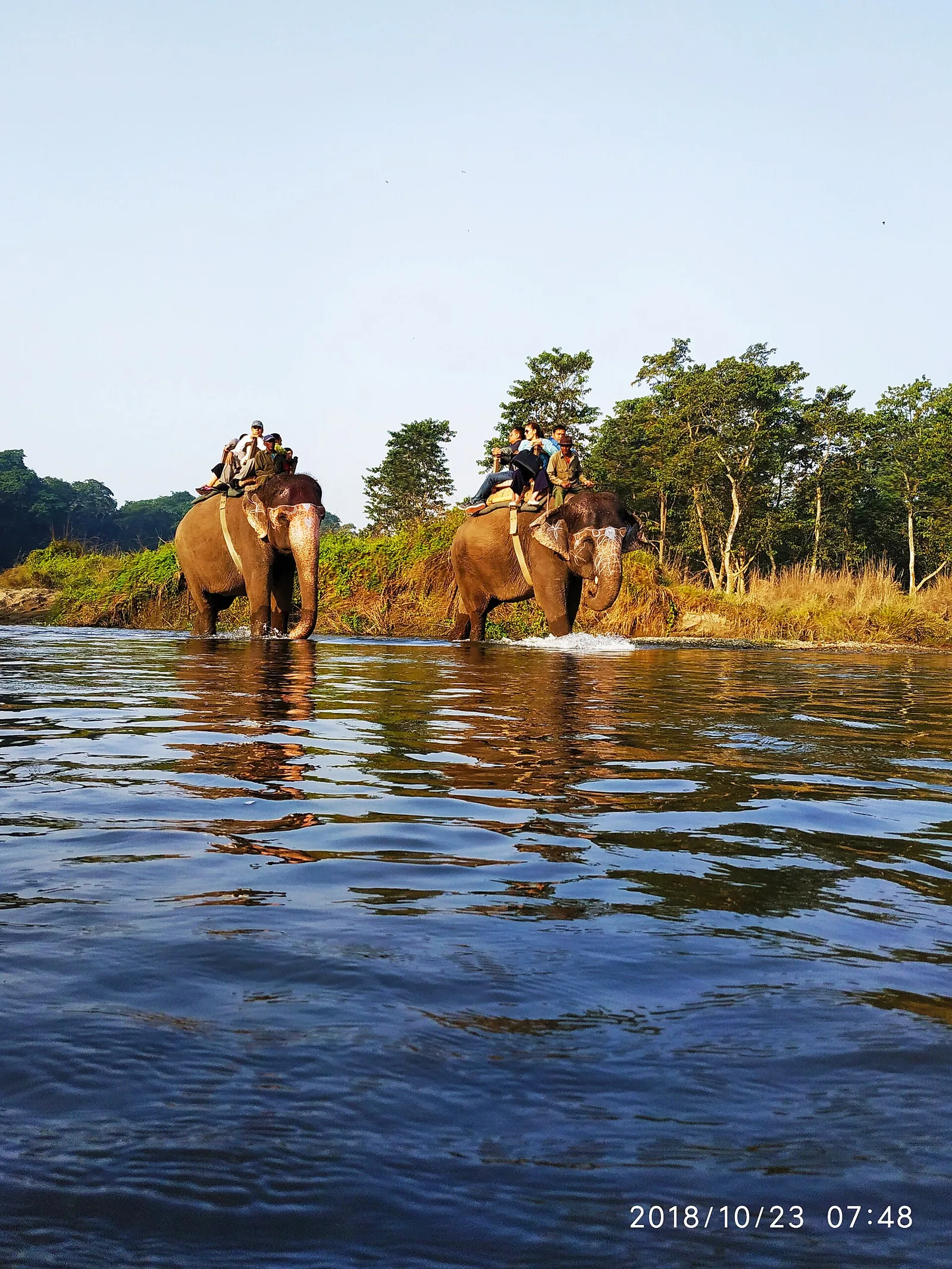
A December Supreme Court ruling told Sauraha to phase out elephant rides on welfare grounds. Eight months on, roughly 44 elephants and the guides who ride them are caught between a court order, a third of a local forest's income, and tourists who no longer want to ride anyway.
Records & People
Nepal Just Counted 429 Wild Tigers — Nearly Quadruple What It Had in 2009
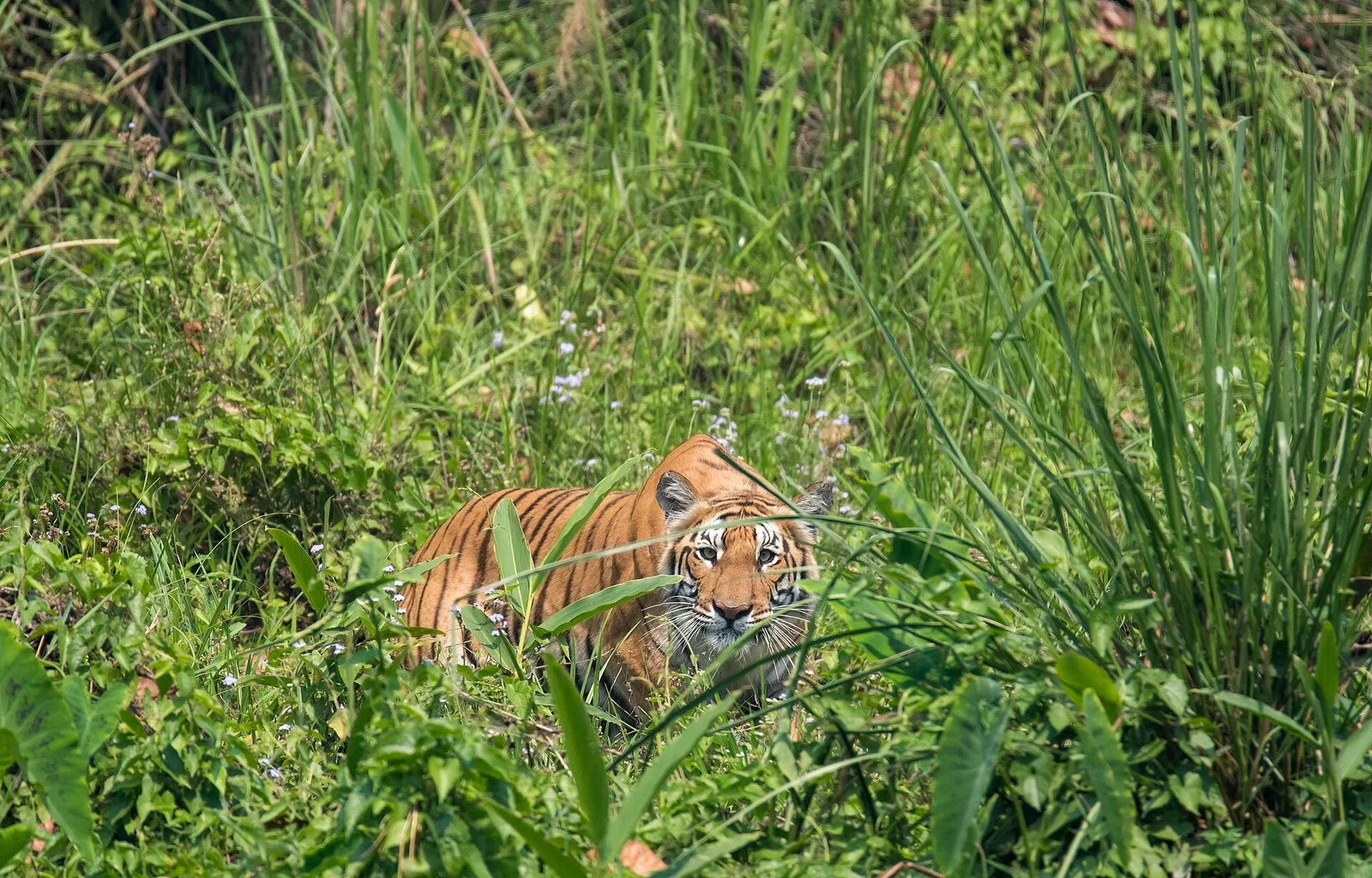
A new national census puts Nepal's tiger population at a record high, the fastest tiger recovery of any country on Earth — and it's reshaping what a Chitwan or Bardia safari actually looks like.

Industry & Tourism
Overtourism Is Breaking the World's Famous Places in 2026 — Here's Where Nepal Fits In
Capri, Mallorca, Venice and Barcelona spent 2026 turning tourists away — here's the honest case for Nepal's Himalaya, where visitors are still wanted and the trails still empty out.

Safety & Advisories
Travel Vaccinations for 2026: What You Actually Need for Nepal, Asia & Beyond
A practical 2026 rundown of the vaccines that matter for Nepal and the wider region — routine boosters, hepatitis A and typhoid, when rabies or Japanese encephalitis are worth it, the yellow-fever certificate rule, and malaria in the Terai. General guidance; always confirm with a travel clinic.
Latest from the desk
Safety & Advisories
Travel Advisories Explained (2026): How to Read Government Warnings — and Why They Can Void Your Insurance
The US, UK, Australia and Canada each rate country risk differently. Here is what every advisory level actually means, how regional warnings work, and the fine print that can void your travel insurance.
Records & People
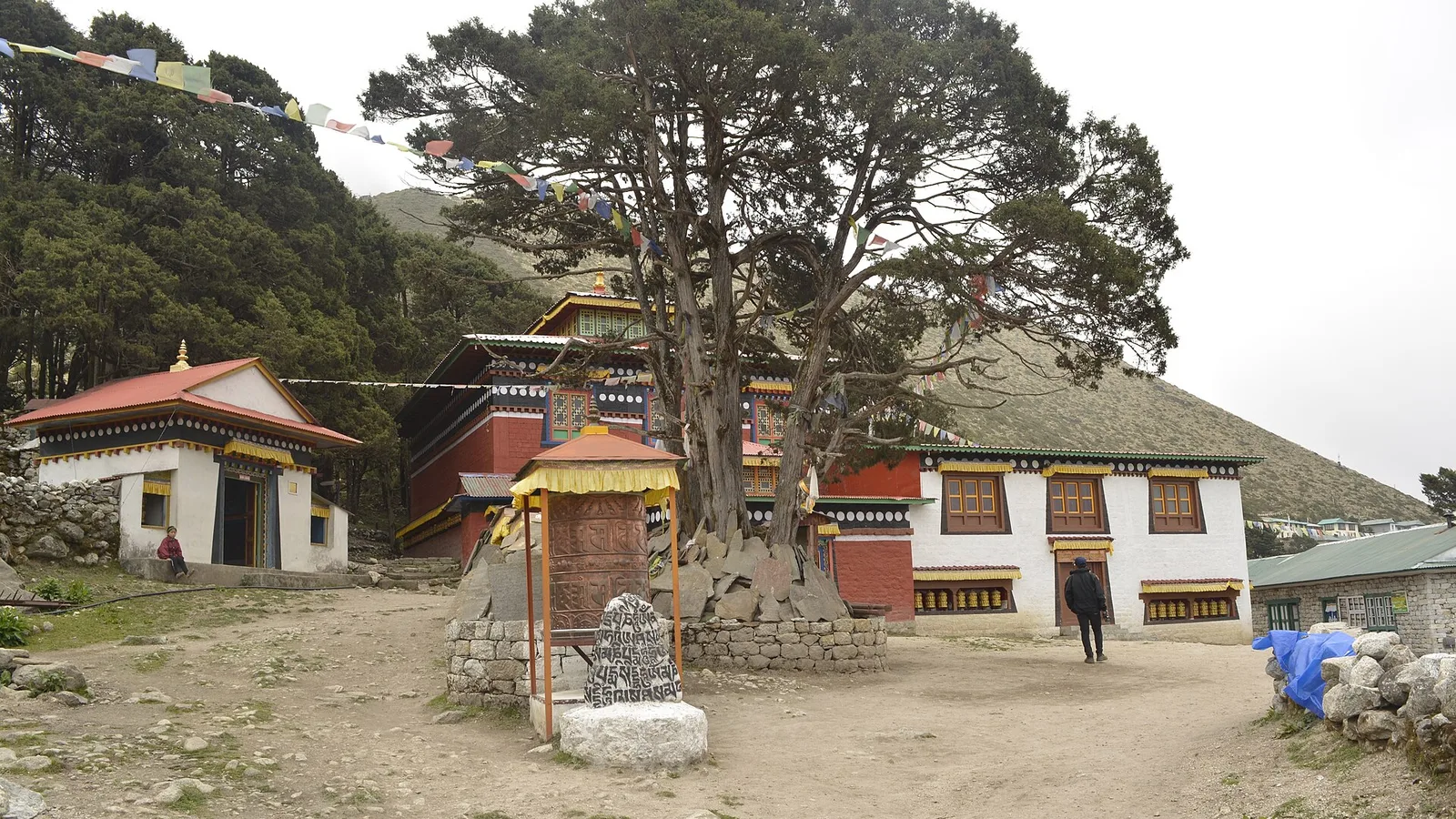
Disney Just Confirmed It's Fixing Its Broken Yeti — Here's the Real 300-Year-Old Relic That Started the Legend
The animatronic Yeti at Disney World has run stuck in place since 2006. The Sherpa monastery guarding the scalp said to have inspired it has kept its own mystery going a lot longer.
Deals & Routes
Shoulder-Season Travel in 2026: The Sweet-Spot Months for Value, Fewer Crowds & Good Weather
Shoulder season — the weeks either side of the peak — buys you lower prices, thinner crowds and often great weather. Here is what it is, why it works, and a month-by-month guide for Europe, the Mediterranean, SE Asia and Nepal.