
Gokyo Ri or Kala Patthar, which Everest viewpoint should you actually add to your trek
Kala Patthar is 5,644m and gives you Everest up close, Gokyo Ri is 5,357m and gives you four 8,000m peaks at once. Here's which one earns the extra day.
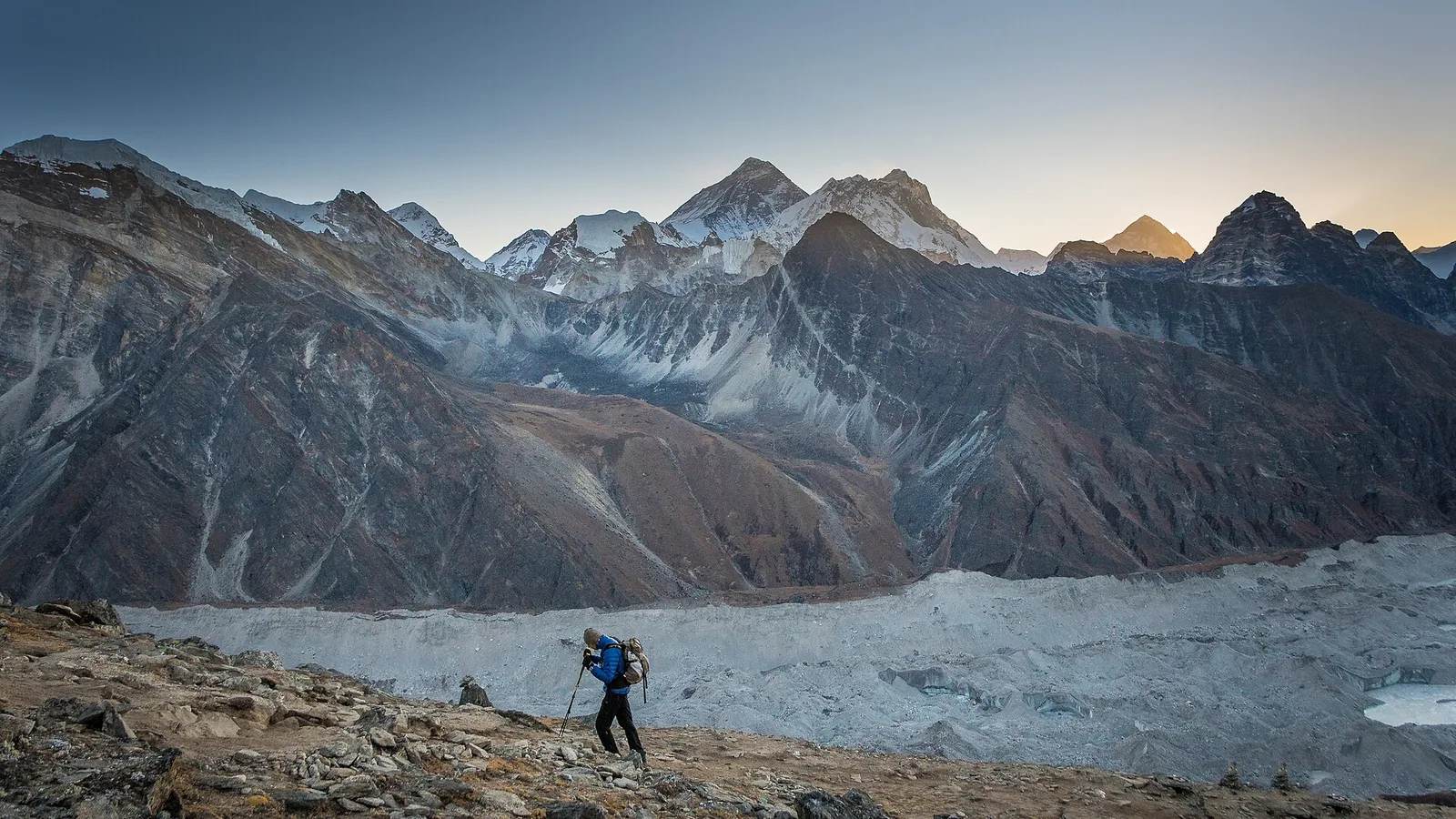
At a glance
- Published
- TopicDeals & Routes
- Verified againstWikipedia
- Treks coveredGokyo Ri Trek — 11 Days, Everest Three High Passes Trek — 20 Days, Everest Base Camp Trek — 14 Days
Kala Patthar wins for the pure Everest close-up, and Gokyo Ri wins for the wider panorama — you don't have to guess, because the two viewpoints do genuinely different jobs. Kala Patthar sits at 5,644 metres and puts Everest, Nuptse and Changtse directly in front of you at the closest range any trekker can reach without technical climbing. Gokyo Ri sits lower, at 5,357 metres, but its 360-degree summit shows four peaks over 8,000 metres at once: Everest, Lhotse, Makalu and Cho Oyu.
Key facts
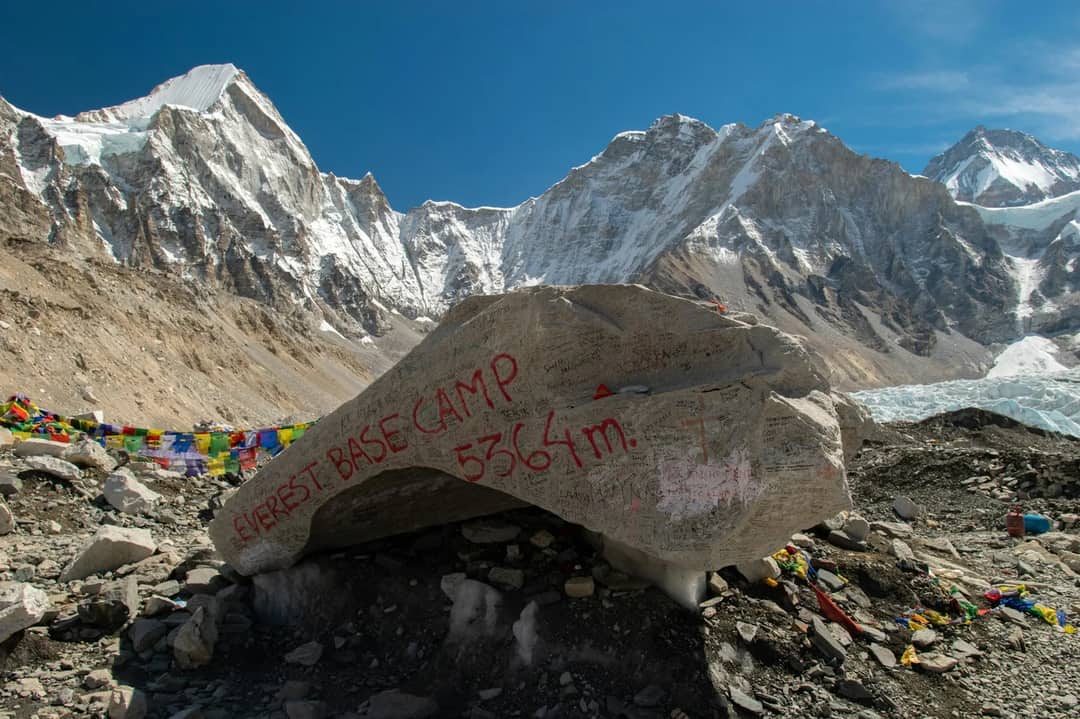
- Kala Patthar's summit ridge reaches 5,644 metres, the highest point most Everest Base Camp trekkers ever stand on
- Gokyo Ri is 5,357 metres — lower, but its summit shows four 8,000-metre peaks in one view
- Kala Patthar is a same-morning add-on from Gorak Shep; Gokyo Ri needs a separate valley and 2 to 4 extra trekking days
- Linking both means crossing the Cho La Pass, 5,420 metres — the route used on Three Passes itineraries
Which viewpoint actually gives the better Everest view
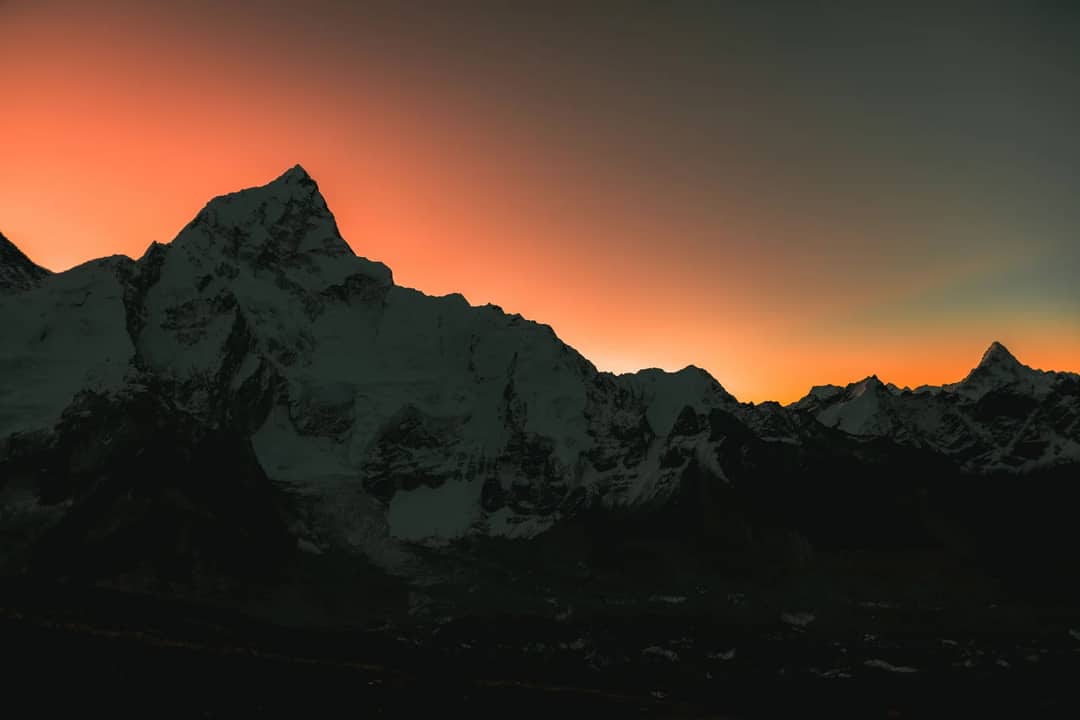
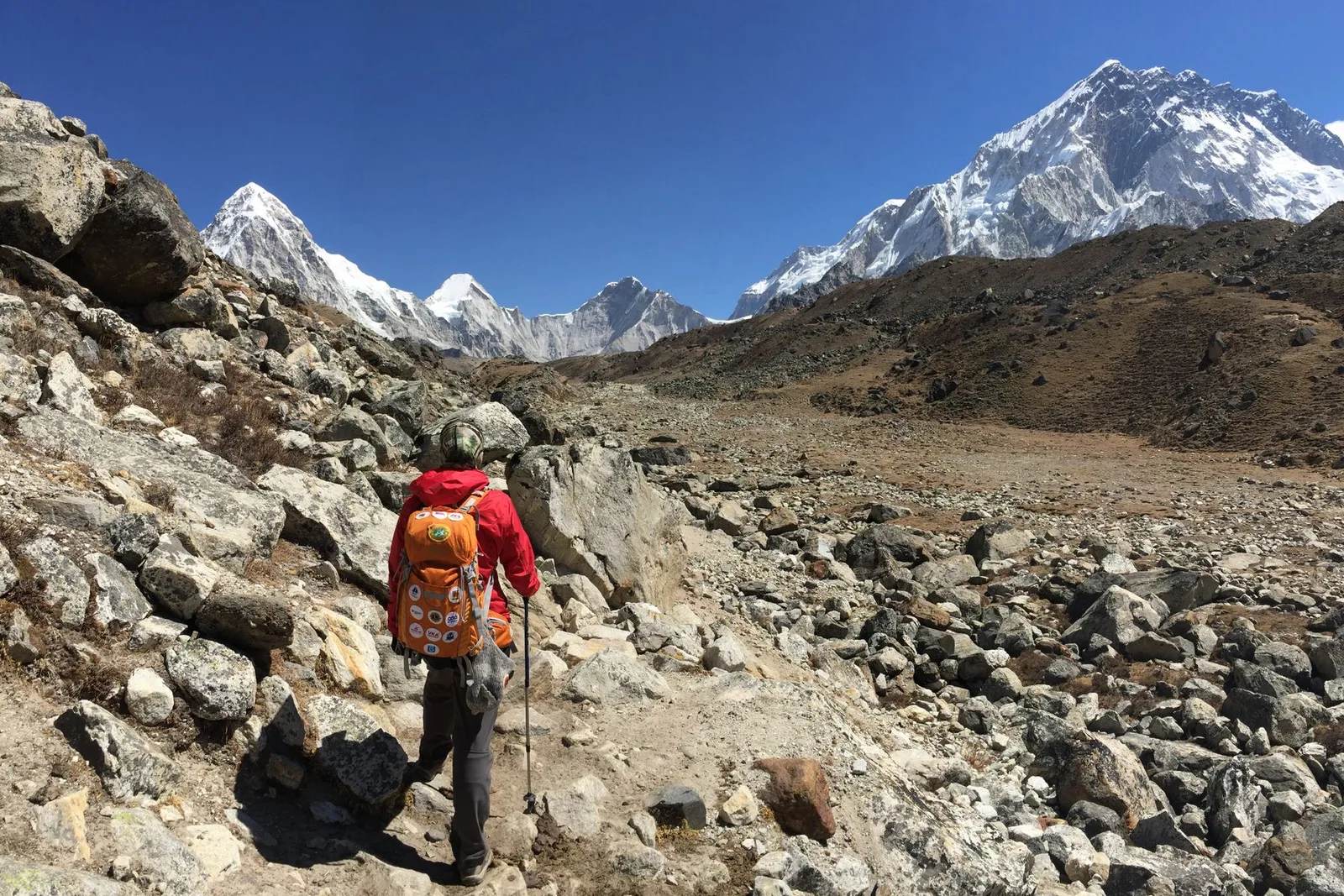
Kala Patthar gives you Everest itself, up close and unmistakable, because it sits almost directly across the valley from the summit pyramid — this is the sunrise photograph every Everest Base Camp trekker has seen before they ever book the trip. Gokyo Ri trades that close-up for width: from its summit you see Everest alongside Lhotse, Makalu and Cho Oyu in a single sweep, plus the Ngozumpa Glacier running below you. Trekkers who have stood on both tend to call Kala Patthar the more dramatic single photograph and Gokyo Ri the more complete mountain panorama — neither view is wrong, they answer different questions.
The altitude and extra days each one costs you
Kala Patthar costs you almost nothing extra: it sits directly above Gorak Shep, the standard overnight stop on the Base Camp trail, so most itineraries already include the pre-dawn climb as a single morning's detour. Our 14-day Everest Base Camp trek builds this in as standard.
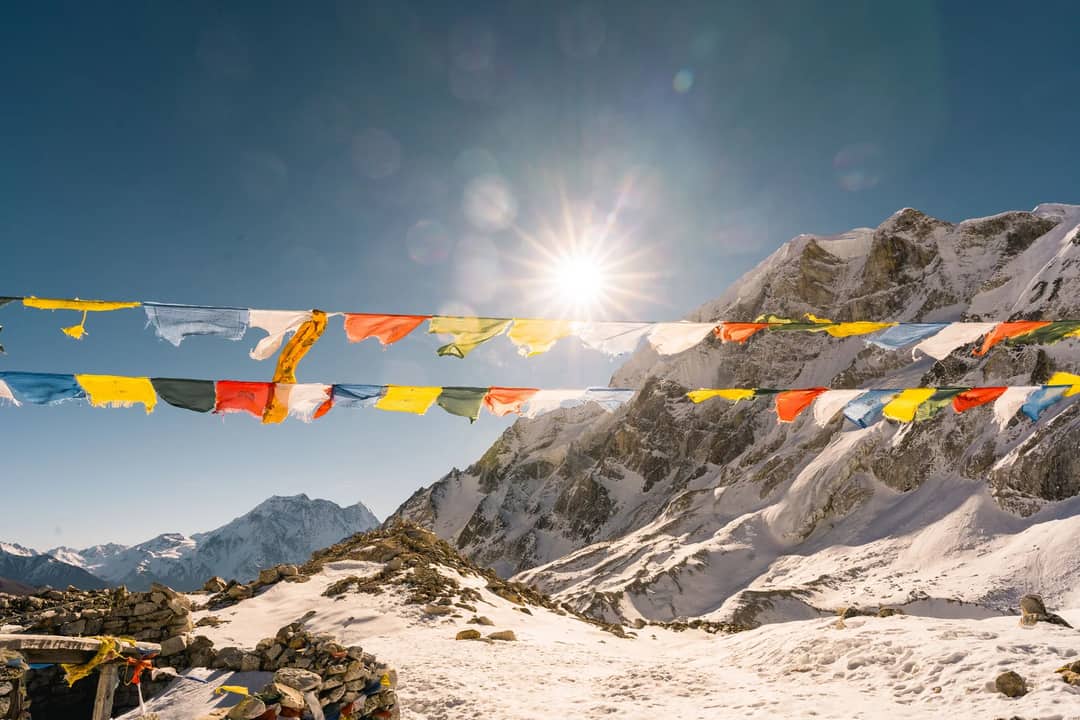
Gokyo Ri is a real detour, not an add-on. Reaching it means branching off the main trail toward the Gokyo valley instead of Dingboche, adding two to four days, or crossing the Cho La Pass at 5,420 metres to link both valleys into one trip — the approach used on our Three High Passes trek and our dedicated Gokyo Ri trek.
| Kala Patthar | Gokyo Ri | |
|---|---|---|
| Elevation | 5,644 m | 5,357 m |
| Extra days needed | 0 — built into EBC | 2 to 4, or a Cho La crossing |
| What you see | Everest up close, Nuptse, Changtse | Everest, Lhotse, Makalu, Cho Oyu + Ngozumpa Glacier |
What you see beyond Everest itself
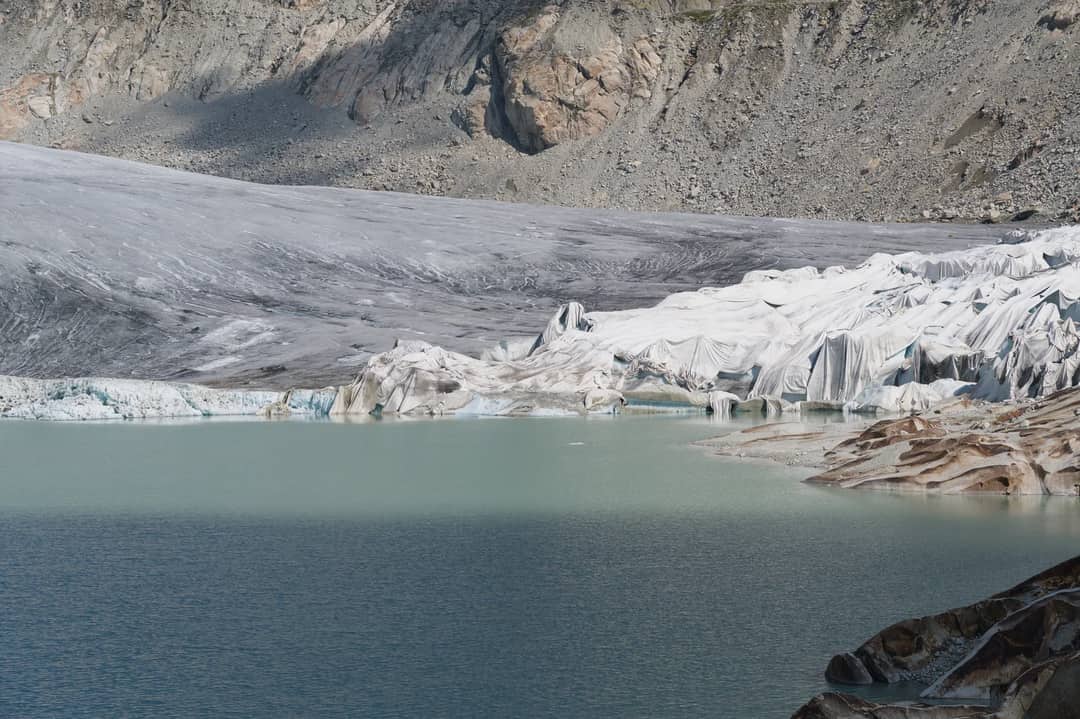
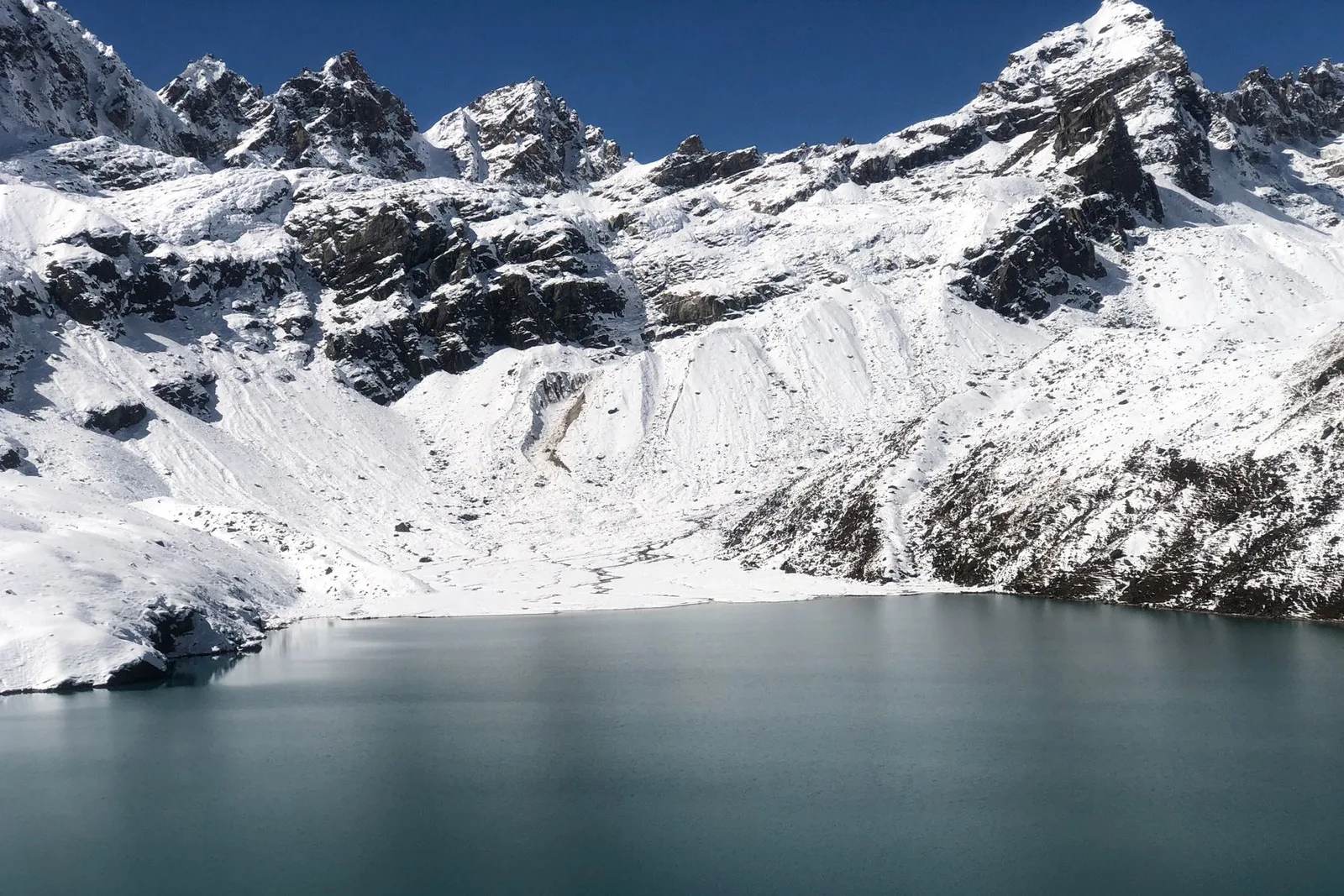
Gokyo Ri's real advantage is everything that is not Everest. Below the summit runs the Ngozumpa Glacier, at 36 kilometres the longest glacier in the Himalaya, feeding the turquoise Gokyo Lakes — a landscape Kala Patthar's route never passes near. The Gokyo valley also carries noticeably fewer trekkers than the main Base Camp trail through Dingboche and Lobuche, so the extra days buy quiet as well as a wider view.
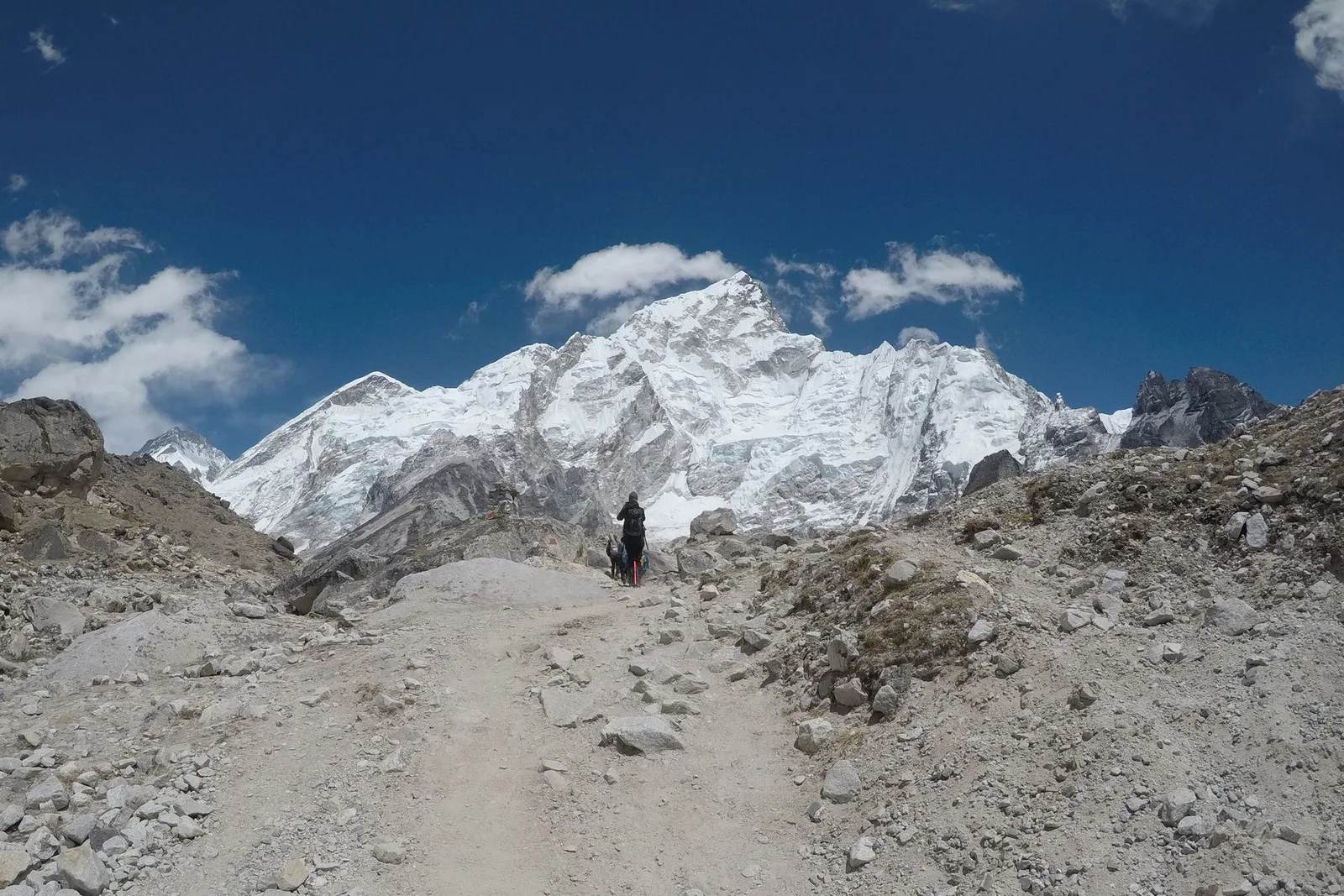
Kala Patthar's advantage is that it sits on the trail you are already walking. There is no separate valley, no extra permit, and no additional overnight — you climb it in the dark, watch the sun hit Everest's summit pyramid, and are back at Gorak Shep for breakfast.
What this means for your itinerary
What this means for you
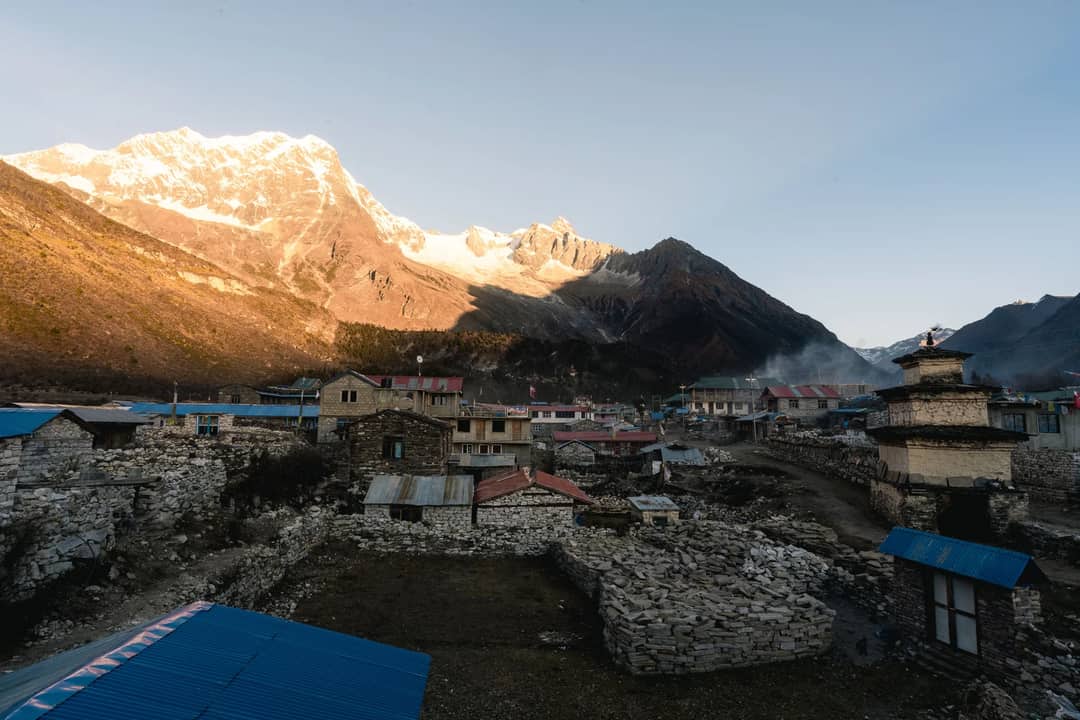
If your itinerary is 12 to 14 days and built around the classic Everest Base Camp route, do not skip Kala Patthar — it costs one early morning and delivers the single best Everest photograph of the trip. If you have 15 days or more, or this is a second trip to the region, add Gokyo Ri: the wider panorama and the near-empty valley are worth the extra days for anyone who has already stood at Base Camp once. Trying to force both into a standard 12-day trip usually means rushing one of them at altitude, which is the wrong place to rush.
Can you see Everest from both Kala Patthar and Gokyo Ri?
Yes. Kala Patthar gives the closer, more direct view of the summit pyramid; Gokyo Ri gives a more distant but wider view that includes three other 8,000-metre peaks in the same frame.
Do you need a separate permit for Gokyo Ri?
No. Gokyo sits inside Sagarmatha National Park, covered by the same park entry permit and Khumbu Pasang Lhamu municipality permit used for the rest of the Everest Base Camp trek.
Whichever you choose, both climbs are pre-dawn starts in temperatures well below freezing — pack the same down jacket and headlamp you would carry for summit morning at Base Camp itself.
Cover photo: Tom Ek via Wikimedia Commons (CC BY-SA 2.0). Section photos: Rajan Dahal via Unsplash (Unsplash licence); Arjay Neyra via Pexels (Pexels licence); Jean-Paul Wettstein via Pexels (Pexels licence).
Still running this season
Gokyo Ri Trek — 11 Days is running normally
NMA-certified local guides, transparent pricing, 5,000+ treks since 1998. Message us your dates and we'll sort the permits, lodges and logistics — reply within 24 hours, no obligation.
Popular Nepal treks
All treks →
Related coverage

Flights & Access
Everest Base Camp Trek or Helicopter Tour? The Kala Patthar Reopening Changes the Math in 2026
A shared helicopter can land you on Kala Patthar again after a three-year ban, but it still can't buy you what nine days on the trail does.
Trail & Weather
Everest Base Camp or Kilimanjaro: Which Trek Should You Actually Do in 2026?
One is a five-day sprint to 5,895 metres, the other a fourteen-day walk to 5,364 — the honest trade-off between them comes down to acclimatization, not fitness.
Safety & Advisories
Can You Trek to Everest Base Camp at 82? What the Record and the Research Actually Say
There is no legal or medical age cutoff on the trail to Everest Base Camp, and the current record holder just proved it at 82.
Industry & Tourism
Everest Base Camp or Annapurna Base Camp: Which Should You Actually Trek in 2026?
Both are sold as 'base camp treks' but they differ by 1,400 metres of altitude, a week of walking and a coin-flip mountain flight — here is how to pick the right one for your fitness, budget and time.
Latest from the desk
Deals & Routes
Annapurna Circuit or Upper Mustang, here's how to pick between Nepal's two classic treks
One climbs to a 5,416m pass with real altitude risk, the other stays under 4,000m in a walled desert kingdom. Here's the honest trade-off.
Safety & Advisories
Manaslu climbers are racing a storm to the summit, and the forecast is against them
A record 493 permits, two deaths on Sunday, and heavy rain forecast from 24 September. Some teams are climbing, some are waiting, and one has gone home.

Flights & Access
What airlines actually owe you when air traffic control fails, in the US, UK and EU
Usually no cash payout, because ATC failures count as extraordinary. But UK and EU airlines still owe meals and hotels, and US refund rules still apply.